Bokora Wildlife Reserve: 9 Amazing Sights & Ultimate Tips

Bokora Wildlife Reserve – Attractions and Things to See
Why Visit Bokora Wildlife Reserve?
Bokora Wildlife Reserve – Attractions and Things to See introduces a quieter side of northeastern Uganda: expansive dry savanna, birdwatching, scenic hills, and culturally respectful Karamoja travel. Its wildlife corridor is best explored with realistic expectations, current local guidance, and a flexible itinerary.
Far from Uganda’s busiest safari roads, Bokora Wildlife Reserve protects a wide expanse of semi-arid savanna in the Karamoja region. Visitors come for open horizons, scattered rocky hills, impressive birdlife, and the opportunity to appreciate a conservation landscape still shaped by wildlife movement and traditional pastoral life. The attraction is not a checklist of guaranteed big-game encounters. It is the atmosphere of a large, lightly developed protected area where an experienced local guide can turn an apparently quiet landscape into a compelling lesson in ecology. Travelers assembling a wider Uganda safari should regard Bokora as a specialist addition rather than a direct substitute for a major national park.
The most rewarding trips take time to understand terrain, seasons, and community context. A distant antelope, an ostrich on the plain, or an enormous silhouette of Mount Napak can become the highlight of an otherwise unhurried morning. The scenery changes with clouds and the angle of the sun, so photographers often find more reliable subjects in the landscape than in elusive carnivores. This guide explains the practical attractions, realistic wildlife expectations, and arrangements needed for an enjoyable visit. It also shows how the reserve fits into the broader story of Uganda wildlife reserves and the neighboring protected areas of northeastern Uganda.
Where Is Bokora Wildlife Reserve?
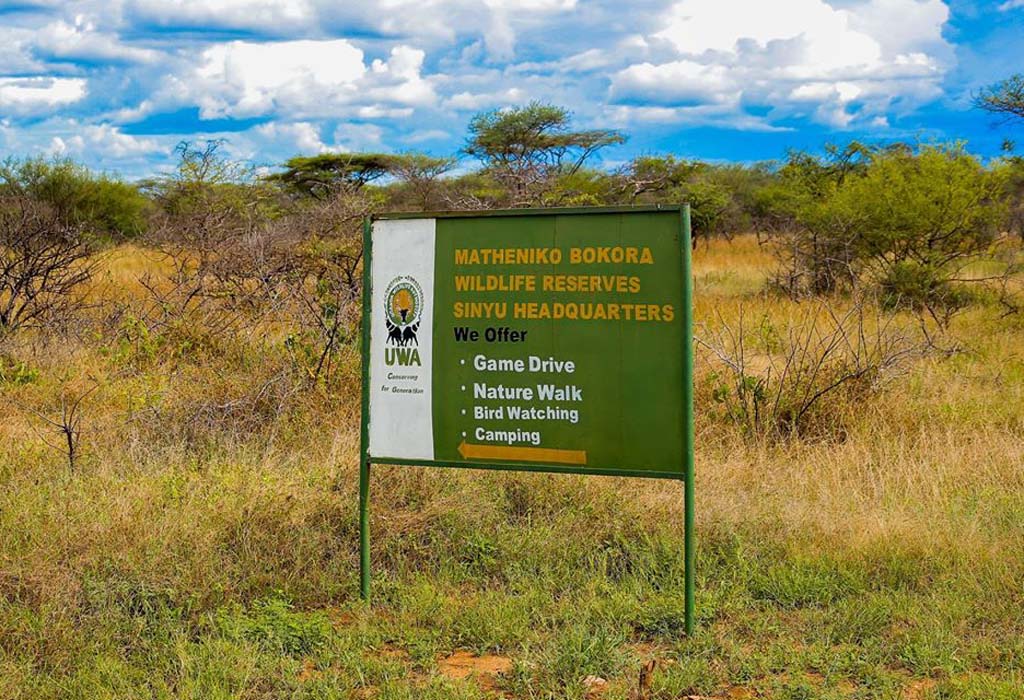
The Bokora Corridor Wildlife Reserve lies in northeastern Uganda along the southwestern side of Karamoja, between Matheniko and Pian Upe wildlife reserves. Uganda Wildlife Authority places its area at approximately 205,600 hectares, or 2,056 square kilometres, and describes it as a plateau with scattered isolated hills. Elevations range roughly from 1,000 to 2,100 metres, producing a varied landscape rather than one perfectly flat plain. The terrain is generally dry, with wooded grassland, thorny vegetation, and seasonal drainage lines. The dramatic wider setting helps explain why Discover Karamoja region is itself such an important part of the experience.
The reserve was gazetted in 1964 to preserve a corridor for animals moving between the Matheniko plains and the Pian Upe area. Its conservation purpose is therefore broader than providing a conventional game-viewing circuit. Maps may show a large protected block, but that does not mean every part has visitor roads or designated viewpoints. There can be substantial differences between reaching its edge and safely accessing a specific observation area. Coordinate your visit through the appropriate wildlife authority team and a guide familiar with current conditions. It helps to understand the adjoining Pian Upe Game Reserve before deciding where to base yourself and which sections to explore.
Explore Uganda’s quieter wildlife landscapes with a route built around your interests.
1. Enjoy the Vast Savanna Landscapes
The first of the Bokora wildlife attractions is also the most dependable: the landscape itself. Dry-season grasses run toward distant ridges, while isolated rocky hills interrupt the horizon. In the early morning, side lighting emphasizes textures and turns scattered trees into silhouettes. Depending on the season, you may find hazy golden plains or patches of vivid green growth after rain. Stop periodically with your guide instead of treating the region as a road to be crossed quickly. Even brief observation can reveal animal tracks, feeding signs, or birds resting on exposed branches.
Landscape photography works best when you include scale. A lone tree, a distant hill, or the shape of a traditional cattle enclosure can help viewers appreciate how expansive Karamoja feels. Carry a lens suitable for broad scenes as well as binoculars for distant details. The atmosphere differs markedly from Uganda’s wetter western destinations, making it an interesting complement to an itinerary focused on Uganda safaris beyond gorilla tracking. Avoid leaving established tracks simply to get a better photograph; vehicle movements can damage fragile ground and disturb grazing wildlife. Respect local directions about where you may stop or walk.

2. Watch Ostriches and Dry-Country Birds
Bokora Wildlife Reserve: birdwatching and field observation
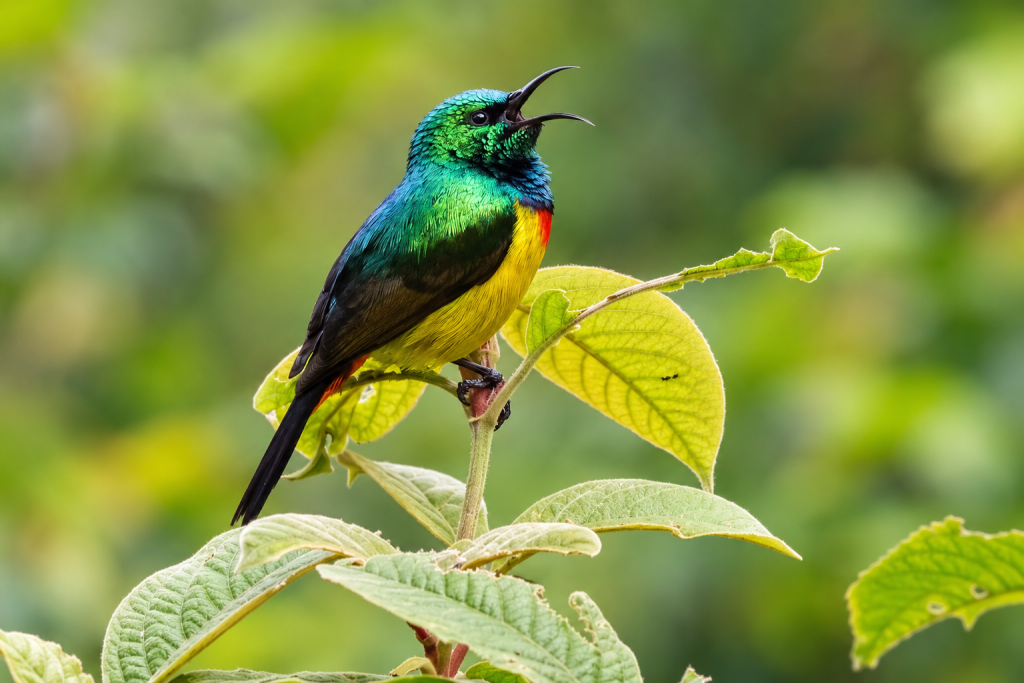
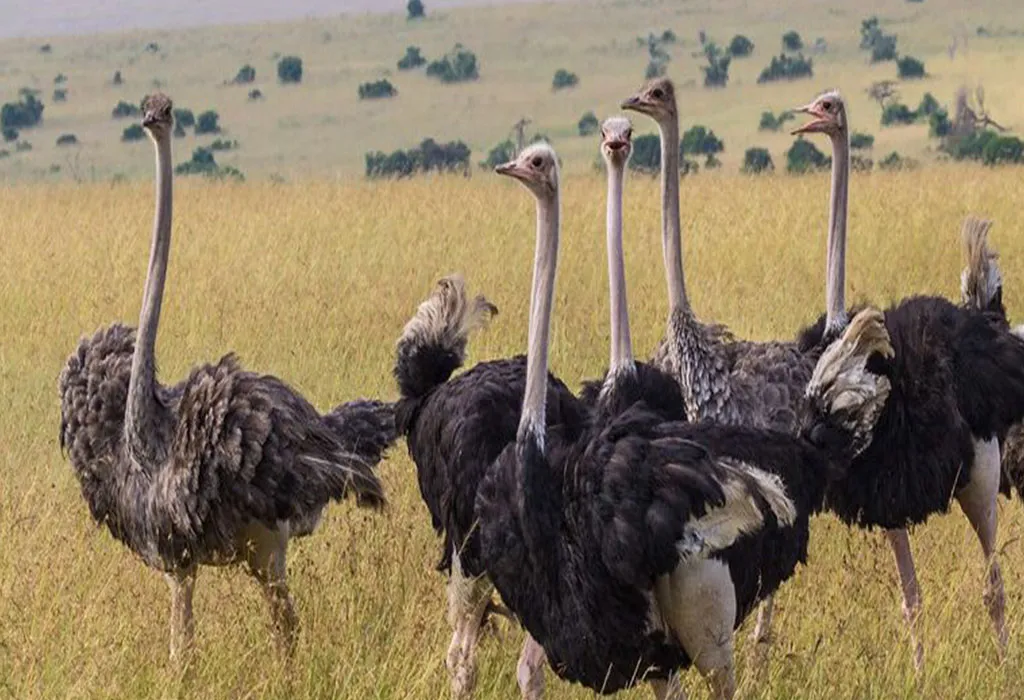
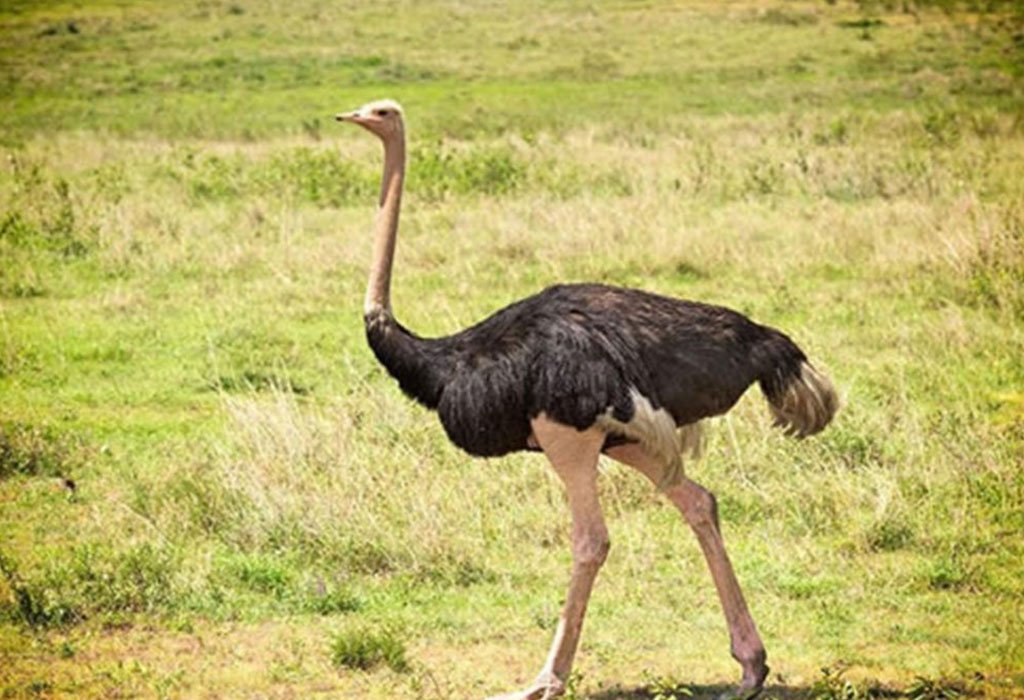
For a Karamoja safari, birding is one of the best reasons to investigate Bokora Wildlife Reserve. Ostriches are particularly associated with the dry grasslands of the wider Karamoja conservation landscape, although sightings should never be promised. Look for movement across open ground and examine the edges of grassland and scrub. Hornbills, weavers, raptors, and other dry-country birds add variety to a morning outing. Birdwatchers who already know the forest specialists of western Uganda may find the habitat contrast especially rewarding. A trip focused on Uganda birding safaris becomes more varied when northeastern habitats are included.
A productive birding morning begins before strong heat builds. Ask your local guide about accessible wetland patches and seasonal pools rather than relying on a permanent birding route that may not exist. Some travel descriptions mention Loporokocho swamp, but its approach, water conditions, and suitability for visitors need local confirmation. Bring binoculars, a field guide or offline bird app, and a notebook for recording habitat as well as species. Avoid playing recordings repeatedly around sensitive birds. The broader region also offers dedicated sightings opportunities in birds of Kidepo Valley National Park, useful for travelers with several days available.
3. Search for Antelopes and Other Mammals
For travelers researching things to see in Bokora, Uganda Wildlife Authority lists a range of antelopes for Bokora, including eland, reedbuck, mountain reedbuck, Uganda kob, topi, hartebeest, and oribi. These are records of wildlife associated with the reserve; they are not a guarantee that a visitor will see each species. Population densities can be low and animals may be shy because of the area’s limited tourism infrastructure and history of pressure on habitats. The best approach is to travel slowly, examine distant patches of cover, and appreciate the smaller signs of presence. Travelers choosing a safari primarily for abundant big-game photographs may find Kidepo Valley National Park a more suitable main destination.
A good guide can explain differences between antelope silhouettes and show how to scan shaded slopes or vegetation margins. Patience matters more than racing between viewpoints. Some operators and older articles circulate long lists that include spectacular predators, giraffes, and zebras, but such lists may mix species from Bokora with records from neighboring conservation areas. Treat rare sightings as a welcome bonus rather than a promised feature of the trip. Before booking, ask which animals have been observed recently on the exact route proposed. The wider Pian Upe Wildlife Reserve can be a valuable additional stop if your wildlife priorities require more structured searching.
4. Appreciate Predator Ecology Without Expecting Sightings
Bokora Wildlife Reserve: responsible exploration
Leopards and spotted hyenas appear in Uganda Wildlife Authority’s descriptions of the reserve’s fauna, yet seeing one requires extraordinary luck, suitable conditions, and time. These elusive species are generally active when light levels are low and human disturbance is reduced. It would be misleading to sell a short Bokora excursion as a reliable lion, leopard, or cheetah safari. The stronger experience is discovering how a predator can shape prey behaviour even when it remains invisible. Tracks, old signs, and a guide’s ecological interpretation often give a richer understanding than an unsupported promise of dramatic encounters.
If big cats rank high on your personal list, build a route that dedicates sufficient time to a park with established game-drive systems and confirmed visitor access. The northern circuit, for example, includes possibilities described in what Kidepo Valley National Park is famous for. When planning Bokora itself, confirm ranger availability and whether driving near dusk is permitted. Never assume that independent night drives or off-track tracking are acceptable. Wildlife remains wild, and a responsible safari protects animal welfare, visitor safety, and the conservation area’s limited resources.
5. Explore Rocky Hills and Panoramic Viewpoints
Rock outcrops, sometimes called inselbergs, break the broad Bokora plateau and create a striking scenic backdrop. Mount Napak is among the prominent landmarks of the wider area, while Mount Kadam forms part of the regional mountain setting. Their shapes change depending on which approach road you use. A guide may be able to identify safe viewpoints outside sensitive wildlife zones, but a hill visible from the road is not automatically an established hiking attraction. Ask for current access arrangements, land permissions, and a realistic walking duration before setting out.
If a hike is part of your holiday, wear grippy footwear and allow room for breaks in the heat. Carry more water than you expect to need and avoid climbing exposed rock during storms. Many travelers combine Bokora with designated trekking experiences elsewhere in northeastern Uganda. A planned excursion on Mountain Moroto can deliver a more organized mountain focus, with local guidance about routes and community arrangements. Alternatively, the volcanic slopes and waterfalls of Mount Elgon National Park provide a greener contrast. Choose walking experiences around your fitness rather than assuming all Karamoja hills have the same difficulty or access conditions.
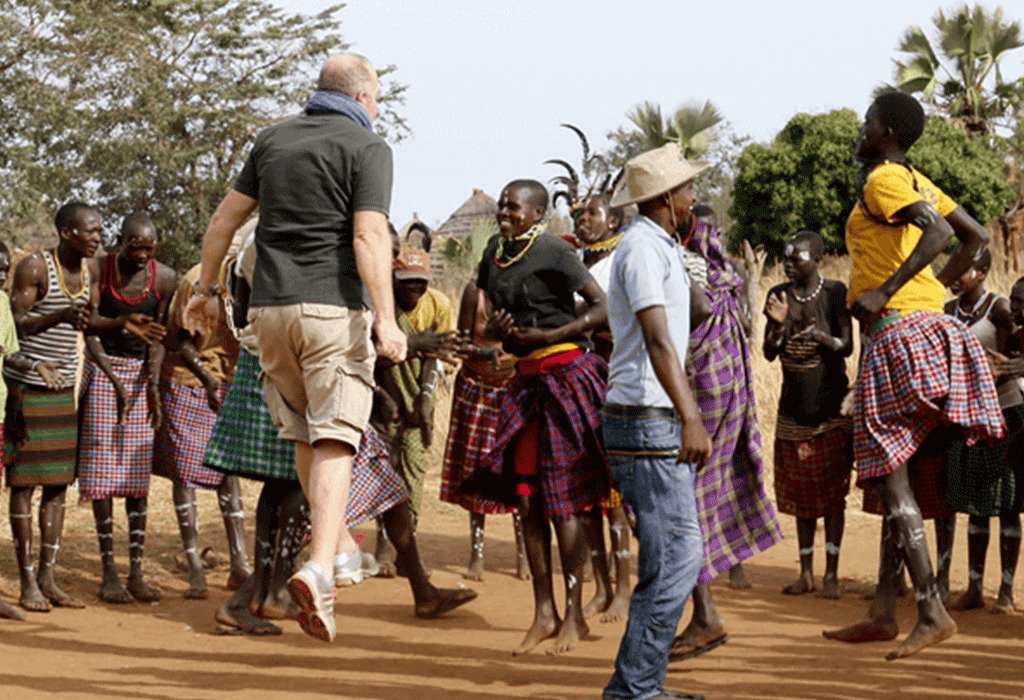
6. Learn from the Karamojong Communities
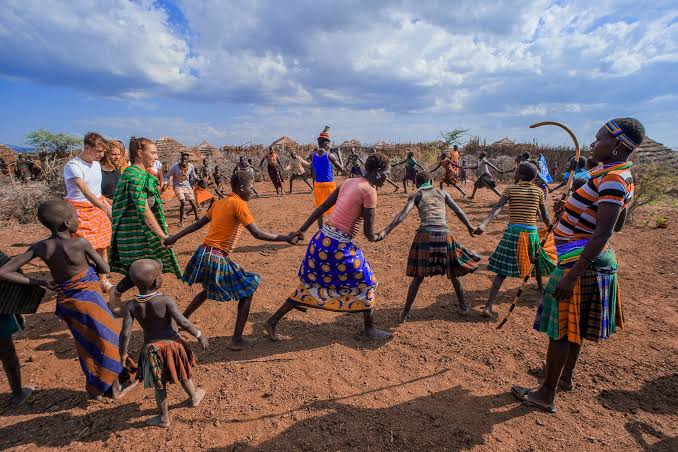
Human history is inseparable from Bokora’s landscape. The reserve takes its name from the Bokora, one of the Karamojong groups associated with the area. Livestock keeping, seasonal grazing, and movement through dry country continue to influence how people use surrounding land. A respectful community visit can give travelers insight into architecture, cattle culture, local livelihoods, and the challenges of living alongside wildlife. These encounters should be organized with local hosts, not treated as spontaneous access to private homes. A thoughtfully arranged Karamoja cultural experience should allow residents to explain their own traditions and decide what may be photographed.
Approach people as hosts and individuals, not as exhibits. Ask permission before taking portraits, establish any fees in advance, and avoid handing out sweets or cash to children in exchange for photographs. Travelers may learn how changing rainfall patterns affect grazing decisions or how communities value access to pasture and water. Such conversations give essential context to conservation issues that can otherwise seem abstract. Where possible, choose local guides and community-run services so tourism generates meaningful benefit. For visitors combining local encounters with wildlife viewing, cultural tours in Kidepo offer another regional perspective without claiming that every village visit represents all of Karamoja.
Explore Uganda’s quieter wildlife landscapes with a route built around your interests.
7. Photograph the Light and Quiet of Karamoja
Bokora rewards photographers willing to make the landscape the subject. Morning light creates long shadows across dry grasses; late afternoon brings warmer tones to the hills. Clouds can produce strong contrasts across a scene that appears almost monochrome at midday. Wide compositions work well, but a longer lens can isolate details such as an ostrich outline or an antelope standing near brush. Pack dust protection for equipment and a secure bag for batteries and memory cards. The reserve’s remoteness can make replacing a missing accessory unexpectedly difficult.
Photographers should leave ample room for unplanned stops. A rushed schedule encourages risky off-road shortcuts and makes it harder to notice subtle moments. When people are included in images, permission remains essential; a well-made portrait begins with a conversation. Ask your operator about the rules for tripods, drones, or commercial filming rather than assuming ordinary visitor access covers everything. If photography is your chief interest, a Uganda safari for photographers can be customized around safe light and quiet observation periods. Expect dust, strong sun, and uneven roads, but also an unusual sense of space that more crowded parks rarely provide.
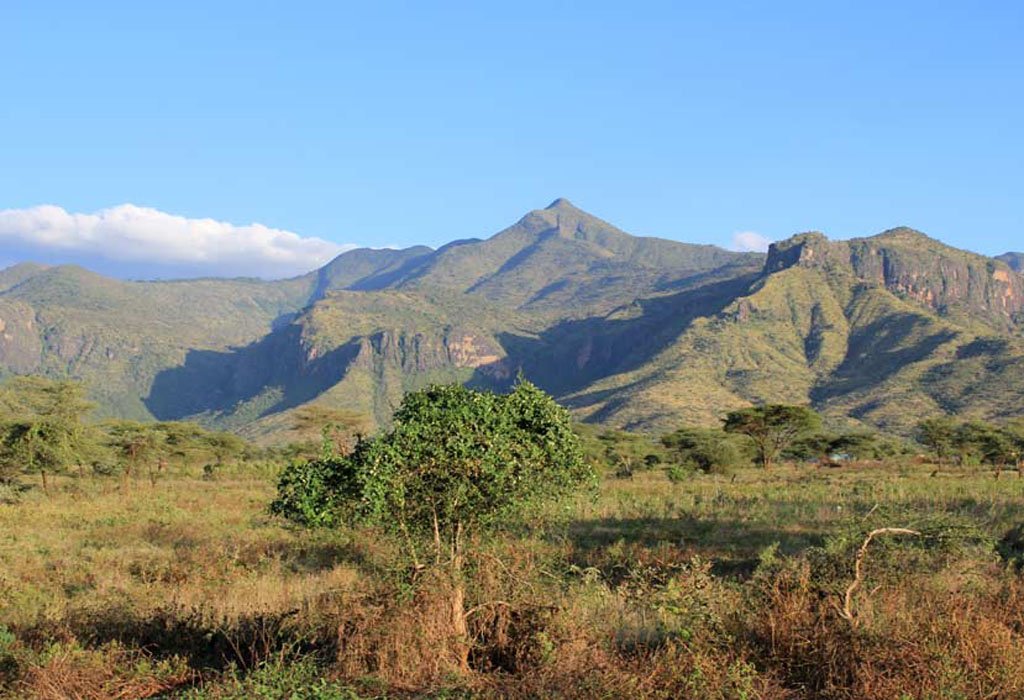
8. Discover the Corridor’s Conservation Story
The word corridor is important. Bokora was set aside to protect the ability of animals to move between neighboring grazing and wildlife landscapes, not merely to enclose a scenic destination. Open habitat allows species to respond to changes in food, water, and seasonal conditions. Conservation is complicated where cattle, people, and wild animals use overlapping areas. Understanding that overlap can be more enlightening than measuring a trip by the number of photographs taken. The reserve’s significance also becomes clearer when considering the greater network described in wildlife reserves in Uganda.
Uganda Wildlife Authority has continued monitoring wildlife and conservation pressures in the Bokora–Matheniko system, including aerial survey work reported in 2026. Such monitoring matters because older species lists do not reliably describe what a visitor will find today. A responsible traveler supports guides and operators who respect wildlife rules, stay on approved access routes, and do not pressure staff to pursue shy animals. Ask what conservation fees apply and how your visit is authorized. Supporting protected landscapes does not require pretending that every challenge has been solved; it requires recognizing the work that keeps habitats connected.

9. Combine Bokora with Neighboring Destinations
Most visitors will get more from Bokora by placing it within a thoughtfully designed northeastern Uganda itinerary. Pian Upe offers a related dry-country landscape farther south, while Matheniko sits immediately to the north. Kidepo Valley National Park is more established for classic safari drives, although distances between these places are substantial and road conditions vary. A route that includes Matheniko Wildlife Reserve can illuminate how different protected areas fit together. Confirm the exact road route rather than estimating travel solely by a straight line on a map.
Another rewarding extension is Sipi Falls near Mount Elgon, where green slopes, waterfall walks, and coffee-growing landscapes contrast sharply with Karamoja’s drier plains. A properly paced Sipi Falls tour works well on a longer eastern Uganda journey, while Kidepo Valley safari suits travelers prioritizing established wildlife drives. Do not try to fit Bokora, the waterfalls, and Kidepo into a single hurried day. Travel can be slow, especially after heavy rain. Build in rest, carry drinking water, and keep enough flexibility for a ranger to suggest the safest access point on the actual day of your visit.

Best Time to Visit Bokora Wildlife Reserve
Bokora Wildlife Reserve: responsible exploration
A relatively dry period generally provides firmer tracks and easier access to exposed landscapes, but there is no one perfect month for every traveler. Weather is variable, and local rainfall can make individual roads impassable even when a seasonal forecast suggests fair conditions. Drier grass may make some animals easier to detect, whereas recent rain may create lush scenery and attract birds to temporary water. Speak to your ground operator shortly before departure, particularly if your plan depends on reaching a specific birding location or photographing from a remote viewpoint. Travelers weighing broad Uganda safari seasons should remember that regional conditions differ greatly from western forest parks.
Morning is often the most productive time for wildlife observation, birding, and photography. Strong midday temperatures reduce comfort and can push animals into shade. A slow itinerary with an early start and a long break during the hottest hours is usually preferable to continuous driving. Rain affects more than comfort: slippery access tracks can undermine a carefully planned day and make a guide’s local judgment essential. If travel dates are fixed, focus on adaptable activities instead of promising a particular animal encounter. For further seasonal comparison, Uganda Safari in September presents a different planning window across the country.
How to Reach Bokora from Kampala or Moroto
Most international visitors arrive through Entebbe and travel by road into eastern or northeastern Uganda. Moroto is a practical regional base for exploring surrounding Karamoja attractions, though the best approach to a particular Bokora site depends on the route, weather, and local permissions. The drive from central Uganda is long enough to deserve its own travel day or an overnight stop. Avoid treating kilometre estimates as guaranteed journey times. A high-clearance four-wheel-drive vehicle and a driver accustomed to rough roads can make an important difference when approaching less developed tracks.
Carry offline maps and allow spare time because mobile coverage may be patchy outside towns. Your guide should know who to contact about the reserve and where visitors may lawfully enter. Ordinary navigation apps are not a substitute for that local knowledge. Fuel, water, a spare tyre, and a basic recovery plan matter more here than they do on paved tourist routes. Travelers developing a wider itinerary can use advice on how to plan a Uganda safari to organize ground transport, but should request current Karamoja-specific details. Do not attempt unfamiliar tracks after dark simply to keep to a rigid schedule.
Are Game Drives and Walking Safaris Available?
Some articles describe regular game drives and walking safaris in Bokora as if the reserve operated like a heavily visited national park. In reality, visitor infrastructure is limited, and a planned activity may depend on staff, vehicle access, and route conditions. You may be able to arrange guided exploration or birding through a knowledgeable operator, but confirm what is authorized before paying for it. Ask whether a wildlife authority ranger is required, whether the proposed route enters protected land, and what happens if weather blocks access. A professionally arranged private Uganda safari should spell out these details rather than promising undefined drives.
Walking should never be improvised in wildlife habitat. Even when large mammals are infrequently seen, difficult terrain, heat, and isolation present real risks. An experienced local guide can distinguish an appropriate scenic walk from an area where visitor access is unsuitable. Clarify the distance, footing, shade, return transport, and water supply before departing. A flexible itinerary might replace a blocked reserve route with birding or a cultural activity on accessible land nearby. This is sensible planning, not a failed safari: the reserve’s quiet, lightly developed character is part of its appeal, and it requires a different approach from mainstream wildlife parks.
Explore Uganda’s quieter wildlife landscapes with a route built around your interests.
Where to Stay When Visiting Bokora
Bokora Wildlife Reserve: responsible exploration
Do not assume there is a full selection of hotels or permanent safari lodges inside Bokora Wildlife Reserve. Accommodation in and around the protected area is limited, so most visitors should discuss suitable bases in nearby towns with their operator. Moroto can be useful for arranging regional travel and community experiences; a different stop may suit visitors approaching from Pian Upe or Sipi Falls. The correct choice depends on departure point, road condition, budget, and which part of the reserve you actually intend to explore. Review Uganda safari accommodation choices with these specific logistical needs in mind.
Camping may be possible only by prior arrangement, and travelers should not establish an independent campsite in protected habitat without authorization. Confirm toilets, drinking water, meals, vehicle access, and emergency communication before choosing a remote night. A comfortable lodge farther away may be preferable to a nominally close camp reached over difficult roads. For a longer northern itinerary, where to stay near Kidepo Valley National Park offers an entirely different lodging context; it should not be mistaken for accommodation at Bokora. Make sure quotations identify actual property names, room types, and which transfers are included.
Suggested Two-Day Bokora and Karamoja Plan
Day one works best as an arrival and orientation day rather than an ambitious full wildlife excursion. Travel to your agreed base, meet the local guide, and review weather, road conditions, and current access authorization. If daylight remains, explore an approved scenic viewpoint or visit a community host through a prearranged program. Enjoy the late-afternoon landscape without trying to reach a distant location before sunset. Dinner offers a good moment to ask your guide about recent wildlife observations, bird activity, and whether tomorrow’s proposed route is likely to be passable. Good preparation often produces more memorable sightings than adding another hour of exhausted driving.
On day two, leave early for a guided birding or landscape outing in the area confirmed as accessible. Spend time looking for ostriches and antelopes without fixing the entire day on those possibilities. Stop for photography when the light is low and consider a short, authorized walk if staff judge it suitable. Return for lunch or a rest before beginning the onward transfer. Travelers who want a longer itinerary can connect the experience to a five-day Kidepo safari or an eastern Uganda route, but the extra destination should add genuine time rather than replace careful exploration. Include one flexible afternoon in case roads or weather change your plans.
What to Pack for Bokora Wildlife Reserve
Choose lightweight, breathable clothing in subdued colours, a wide-brimmed hat, sunscreen, sturdy walking shoes, and an extra warm layer for breezy evenings. Carry enough drinking water for long stretches away from shops. Binoculars are valuable even for non-birders because wildlife can remain at a distance. A camera with a longer lens helps, but it is equally useful to bring a simple notebook and spend time observing. Dust protection is important for lenses and electronics, and a power bank is sensible when charging opportunities are uncertain. A practical Uganda safari packing checklist can help organize the essentials.
For vehicle travel, check that your group has a spare tyre, basic first-aid supplies, a charged phone, and arrangements for navigation when reception drops. Personal medication should be packed in sufficient quantity for the full journey, not just the expected travel days. Do not rely on a remote shop for specialized items. If you are camping, confirm whether your operator provides bedding, mosquito protection, meals, and safe drinking water. Carry out rubbish, including batteries and food packaging. A visit that leaves the landscape undamaged is one of the most valuable contributions a traveler can make to this comparatively fragile environment.
Health, Safety, and Responsible Travel
Karamoja travel demands practical preparation rather than alarm. Conditions can vary by route, and local advice is more valuable than assumptions based on an old travel blog. Use reputable transport, avoid unnecessary night driving, and check current official travel guidance before departure. In hot weather, dehydration and sun exposure can become serious concerns even during relatively short outdoor activities. Carry water, take breaks, and tell your guide immediately if you feel unwell. For broader health preparation, staying healthy on your Uganda safari is a useful starting point, though it does not replace a clinician’s advice.
Respect protected-area rules and local land-use boundaries. Stay with authorized guides, do not approach wildlife, and never feed animals. Do not photograph security installations or private homes without permission. If you plan a community encounter, confirm that hosts have invited visitors and that prices are agreed transparently. Consider travel insurance with coverage suitable for remote overland travel and activities you intend to undertake. Most importantly, agree on a backup plan in advance. Some roads or sites may be inaccessible on the day, and a flexible alternative helps keep the experience enjoyable without pressuring staff or taking unnecessary risks.
Bokora Compared with Kidepo and Pian Upe
Bokora appeals to travelers who enjoy landscapes, birds, conservation stories, and remote exploration. Kidepo Valley National Park is generally a better option for people who want established game drives, safari accommodation, and stronger prospects for classic savanna wildlife encounters. Pian Upe offers another dry-country conservation experience and can be a logical companion when arranging an eastern route. None of these places is interchangeable. Compare what you actually want to do rather than choosing simply by the largest wildlife list on a destination page. A budget Kidepo safari may be a better investment for someone whose only aim is to photograph large mammals.
Bokora’s defining feature is the relative absence of conventional tourist infrastructure. That can mean extraordinary quiet and a sense of exploration, but also longer planning conversations, fewer facilities, and greater dependence on weather. For a family group, travelers with limited mobility, or anyone with strict timing, these considerations are especially important. A well-designed Uganda safari with children may favour easier roads and predictable accommodation. Experienced birders, photographers, and conservation-minded visitors may instead value Bokora precisely because it requires patience and rewards attention to details that are easily overlooked in busier parks.
How Much Does a Bokora Visit Cost?
A trustworthy price depends on the departure point, number of travelers, vehicle, accommodation, guide, duration, and whether protected-area staff or special permissions are needed. It is not responsible to publish a fixed entry fee or activity charge without an up-to-date confirmation from the relevant authority. Request an itemized quotation that separates ground transport, accommodation, meals, guiding, community-host fees, conservation charges, and contingencies. The road transfer itself can be a significant cost on a private trip because the destination is far from Uganda’s conventional western safari circuit. Travelers weighing different price levels can compare options for making a Uganda safari affordable.
Ask exactly what happens if a road becomes inaccessible or an activity cannot be conducted safely. An honest operator should be willing to specify substitutions, cancellation terms, and what is excluded. A slightly higher quote may reflect an experienced guide, better vehicle preparation, and enough time for the trip to unfold without rushing. Avoid comparing prices without checking whether they include the same route and services. Visitors who want to combine remote Karamoja with other parks should consider the total number of travel days, since an unrealistically short schedule often increases stress without reducing the true transport burden.
Explore Uganda’s quieter wildlife landscapes with a route built around your interests.
Is Bokora Wildlife Reserve Worth Visiting?
Bokora Wildlife Reserve: responsible exploration
Yes, for the right traveler. Bokora is particularly worthwhile if you are already exploring eastern or northeastern Uganda, enjoy dry-country birds, and appreciate places whose main appeal is landscape and ecological context. It is less suitable as a single-destination substitute for an established Big Five safari or as a place where every advertised species can reliably be photographed. The distinction matters because unrealistic expectations can overshadow genuinely special experiences. The quiet of the plains, the changing mountain light, and a thoughtful conversation with a community guide may linger longer than a hurried wildlife checklist.
The best trip begins with a clear explanation of what is known, what depends on access, and what remains uncertain. Arrange a guide, keep your route realistic, and make space for the Karamoja setting rather than treating the reserve as a brief stop between famous attractions. For travelers seeking something outside the typical gorilla-and-lion itinerary, Bokora Wildlife Reserve can offer a memorable perspective on Uganda’s extraordinary geographical variety. Its conservation role deserves attention even when animals are difficult to see, and visiting carefully can contribute to a better appreciation of this landscape.
Frequently Asked Questions About Bokora Wildlife Reserve
Is Bokora a national park? No. It is a wildlife reserve within the Karamoja conservation landscape, with a different level of tourism development from Uganda’s best-known national parks. That distinction affects road access, accommodation, and the way visits are organized. Is the reserve suitable for a first safari? It can be an enriching addition for adventurous travelers, but first-time visitors whose priority is reliable game viewing should generally pair it with a more established park. Things to do on a Uganda safari vary widely, and the best itinerary reflects your main interests.
Can I see lions, cheetahs, or giraffes? Do not plan a Bokora visit around such sightings. Published wildlife lists sometimes combine historical records, neighboring reserves, and uncommon species. What about birdwatching? It is an excellent reason to explore the region with an experienced guide, although particular species and accessible sites vary with season. Can I drive there independently? Seek local advice before attempting remote reserve routes; navigating without a knowledgeable guide is not recommended. When should I book? Confirm vehicle, accommodation, guide, and access arrangements in advance, especially if traveling in a busy holiday period or when seasonal road conditions may change.
Plan a Responsible Bokora Wildlife Reserve Safari
A rewarding visit begins with a realistic brief: tell your operator whether you care most about birding, scenery, cultural experiences, or connecting Bokora with a longer route. Ask for a written program that distinguishes confirmed services from activities dependent on road and ranger availability. Verify the route, driving hours, accommodation, meals, guide arrangements, and emergency plan. Wildlife is never guaranteed, and that is especially important in an area with limited tourism infrastructure. An experienced planner can incorporate the reserve into booking Uganda safaris without promising experiences that cannot be safely delivered.
Bokora’s appeal lies in its sense of space and the stories of a working conservation landscape. Visit with curiosity, respect for local communities, and time to notice details that more hurried itineraries miss. If your dream is a classic predator-and-herbivore safari, combine it with an established park. If your goal is to understand a less visited corner of Uganda, let the hills, birds, people, and wide horizons set the pace. With the right expectations and local arrangements, this part of Karamoja becomes much more than a name on a wildlife map.
Editorial note: Wildlife status and visitor access can change. Uganda Wildlife Authority’s Bokora reserve profile is the baseline source for its designation, landscape, and recorded fauna. Confirm current access, charges, and permitted activities locally before departure. Image URLs are selected from the project XML but their live availability has not been verified.