7 Amazing Matheniko Game Reserve Uganda Safari Insights
7 Amazing Matheniko Game Reserve Uganda Safari Insights
Matheniko Game Reserve is one of Uganda’s quieter protected landscapes: open thorn country, rocky horizons, local communities and a chance to see how conservation works beyond the famous safari circuits. This practical guide looks at wildlife, birds, access, weather, ethical cultural encounters and sensible expectations for an adventurous Karamoja journey.
Plan for the setting, not guaranteed sightings: this is a remote wildlife reserve with limited tourist infrastructure. Confirm current access and guiding with authorized local contacts, and make landscape, ecology and birdlife central to the visit.
What Makes Matheniko Game Reserve Different?
A trip into northeastern Uganda feels markedly different from a conventional lodge-to-lodge safari. The ground opens into tawny plains, thorn scrub, rocky outcrops and long views toward the eastern escarpment. Matheniko Game Reserve belongs to that landscape, not to the rainforest circuit for which Uganda is often known. Its appeal is space, subtle animal signs, remarkable light and the opportunity to understand a conservation region that receives far fewer visitors than headline parks. Come prepared to look closely, travel deliberately and enjoy the journey even when large mammals remain out of view.
Matheniko Game Reserve should not be sold as an easy substitute for Kidepo or Murchison Falls. Wildlife concentrations can be sparse, tracks may be basic and practical arrangements often depend on local knowledge. The reward is the feeling of reading a living environment rather than moving between busy viewing stops. Travelers interested in natural history, photography, local culture and remote routes tend to appreciate this quieter kind of exploration. A thoughtful visit combines time on the plains with a sensible overnight base in Moroto and realistic expectations for the day.
Matheniko Game Reserve also makes sense within a longer itinerary through the eastern and northern parts of Uganda. It offers a geographical bridge between southern dry-country reserves and the landscapes farther north. Rather than racing through a dozen attractions, consider a slower route with one or two carefully chosen experiences in each area. This gives guides time to check access conditions, respond to the weather and explain why seasonal grazing, wildlife movement and neighboring communities all matter to the future of Matheniko Game Reserve.
Location, Geography and the Karamoja Landscape
Matheniko lies in the Karamoja subregion of northeastern Uganda, broadly north of Moroto and toward the Kenyan frontier. The Uganda Wildlife Authority describes it as part of the Karamoja plateau and the wider chain of protected areas that includes Bokora and Pian Upe. Its eastern edge meets steep country associated with the border escarpment. Across Matheniko Game Reserve, vegetation shifts between dry grassland, thorny thicket and scrub, while rocky hills interrupt otherwise open horizons. These features provide different conditions for birds, grazing animals and small carnivores.
Published area figures differ between sources and survey periods, so it is more useful to understand the scale than to rely on one rigid measurement. Some older descriptions give roughly 1,520 square kilometres, while a Uganda Wildlife Authority survey uses a different mapped area. In practical terms, this is a substantial protected landscape rather than a compact fenced sanctuary. The extent of accessible routes is a separate question from its legal boundaries, and that distinction matters to anyone estimating how much can be explored in a single afternoon.
The setting explains why Matheniko Game Reserve looks unlike the wet green parks of western Uganda. Seasonal rainfall influences grasses, visibility, water and access, while the harsher dry months create a more open visual palette. Tall mountains near Moroto are part of the surrounding regional scenery but should not be casually presented as attractions inside Matheniko Game Reserve itself. Ask a guide to distinguish reserve tracks, community land, mountain approaches and other protected areas before planning a specific activity or claiming a particular viewpoint.
Wildlife: What You Can Realistically See
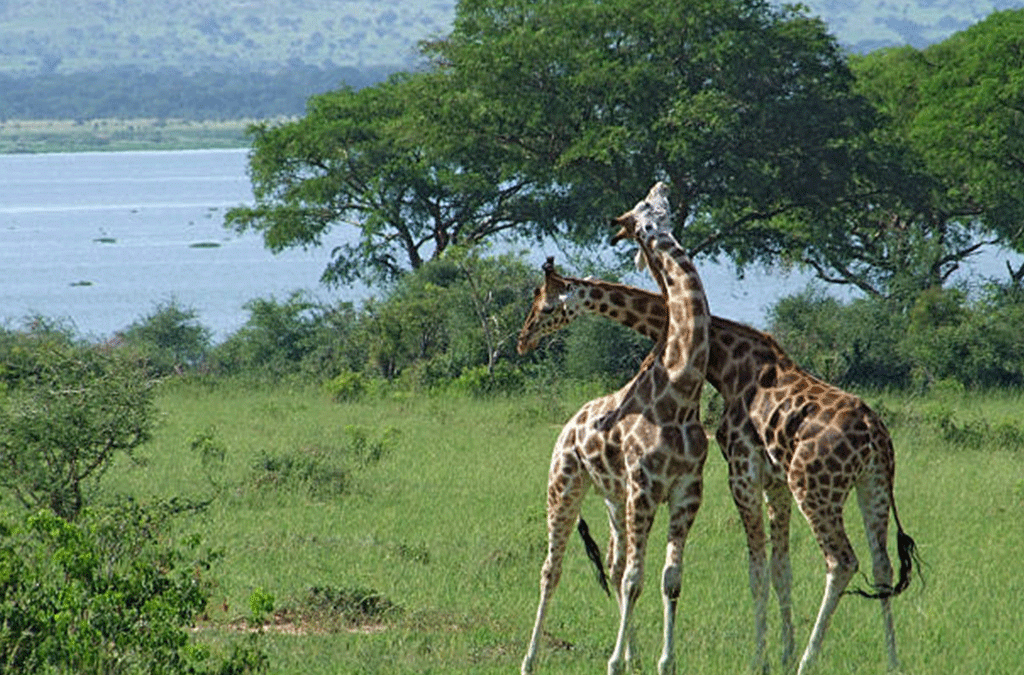
Older protected-area inventories mention lions, leopards, cheetahs, giraffes, eland, roan antelope and gazelles in the wider landscape. An inventory is not a promise that those species are regularly seen today. Wildlife conditions have changed over time, and modern surveys, patrol observations and the latest ranger reports are more useful for trip planning than promotional checklists copied from older websites. Expect a low-density environment where even a small group of antelope, a distant raptor or a fresh track can become the day’s most interesting discovery.
Matheniko Game Reserve: What the Wildlife Records Mean
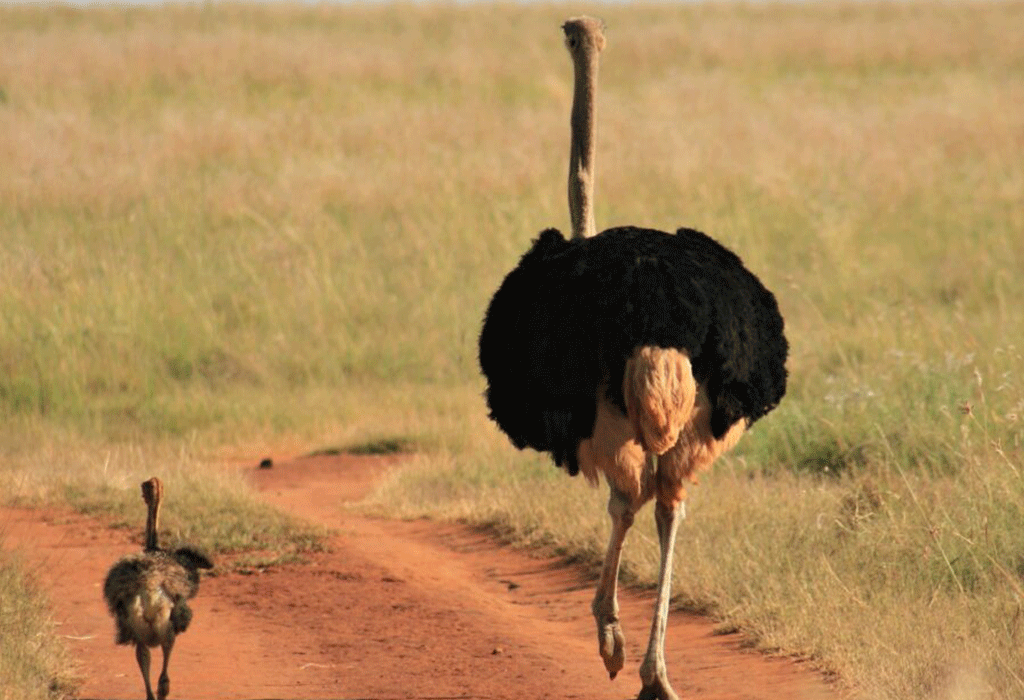
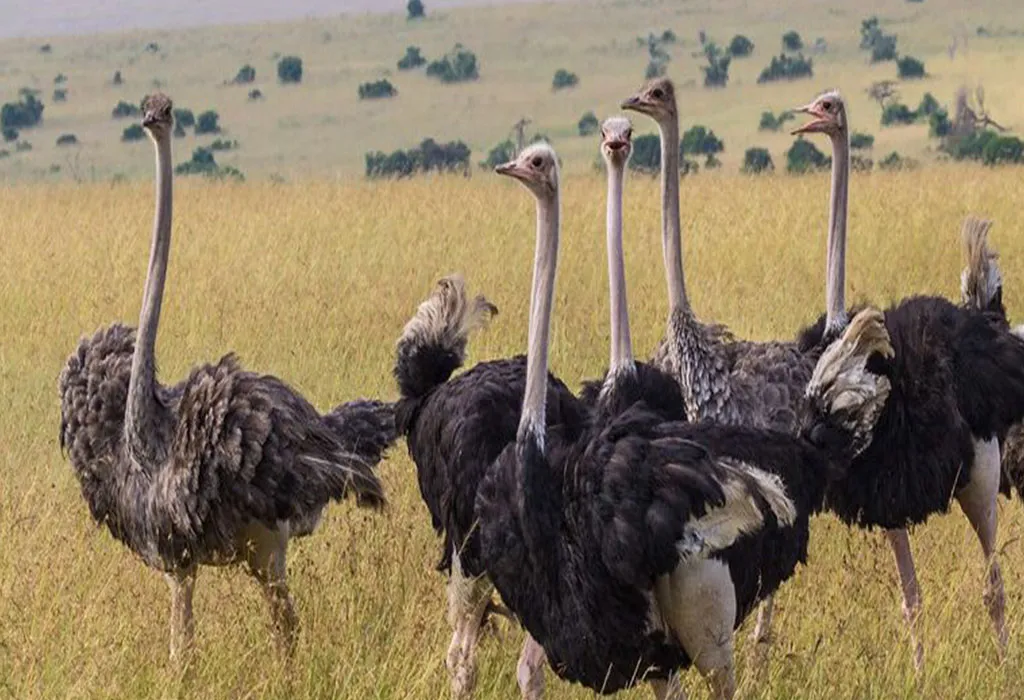
Dry-country species often discussed in relation to Karamoja include Bright’s gazelle, lesser kudu, ostrich and various smaller antelopes. Buffalo and other larger mammals have also been reported in the Matheniko–Bokora system, but the exact location and timing of sightings can vary. A patient guide may notice movement at dawn or interpret tracks at a watercourse long before a visitor sees an animal. Travelers should arrive with binoculars and a willingness to explore habitat rather than demand a fixed list of photogenic mammals.
Matheniko Game Reserve suits visitors who find value in ecology and landscape as well as big animals. If your main goal is frequent lion encounters, large elephant herds or reliably high volumes of game, build more time around Kidepo Valley National Park. The two places can complement each other well without pretending to offer identical viewing. A balanced itinerary might reserve one stop for the expansive and unusual Karamoja environment and another for the more established game-drive circuit, depending on current conditions and the route.
Design a Realistic Wildlife Day
Tell us your wildlife interests, photography priorities and travel dates so the route can be checked against current access.
Email: info@ugandarwanda-safaris.com
Birding in Dry Savannah and Thorn Bush
Birdwatching is a strong reason to explore this corner of Uganda. Open grass, thorn scrub, rocky slopes and seasonal wet areas support a different birding experience from the humid forests of the southwest. Ostriches are associated with the wider Karamoja region, while hornbills, bustards, weavers and birds of prey can be rewarding targets in appropriate habitats. Specific species should be confirmed with a knowledgeable local bird guide instead of relying on an unverified checklist for one reserve. Early starts and quiet observation usually matter more than covering great distances.
Scan fence-free horizons and trees for silhouettes, and watch how birds use shade as the sun rises. A notebook or birding app helps identify differences between similar-looking species, but good binoculars are the essential tool. Photographers benefit from a telephoto lens and a guide willing to stop for small subjects. If birdlife is your priority, say so while planning: a dedicated morning in suitable habitat works better than trying to combine rapid game drives, a full cultural visit and a long transfer in one short day.
A Matheniko Game Reserve birding outing can also be compared with the grassland and wetland habitats farther south around Pian Upe or with the established birding opportunities inside Kidepo. Each area has different access and guide arrangements. Birdwatchers should ask about seasonal water, recent observations and the boundaries of the permitted activity. Avoid broadcasting sensitive nesting locations or walking away from an authorized route merely to obtain a closer photograph; responsible birding helps protect the species that make the region special.
Game Drives and Guided Nature Experiences
A guided drive is usually the simplest way to approach remote savannah country, provided access is authorized and the route is suitable for the vehicle. This is not a reserve where travelers should assume that every track is a maintained tourism road. A local operator can coordinate with conservation staff about permitted sections, current route conditions and any restrictions. Use a capable vehicle, plan conservative distances and carry adequate drinking water. The pace should allow scanning, listening and stopping safely, not merely reaching the farthest point marked on a map.
An effective morning begins before harsh light makes distant wildlife difficult to see. Guides can interpret droppings, spoor, feeding signs, vegetation and landscape features, turning an apparently quiet drive into a richer lesson in natural history. Later in the day, a pause at a viewpoint can be as memorable as an animal encounter. Activities on foot should only happen where permitted and with appropriate authorized guidance; a broad landscape is not a reason to wander through wildlife habitat independently.
Matheniko Game Reserve rewards flexible planning because weather, ranger advice and road access can change what is practical. Avoid tight promises such as guaranteed predator tracking, unrestricted night drives or routine walking safaris unless they are specifically confirmed for your intended dates. If access is temporarily limited, a responsible guide should propose a different approved activity rather than ignoring local regulations. That approach protects visitors, wildlife and the working relationships that make low-impact tourism possible in remote conservation areas.
Cultural Encounters Around Moroto
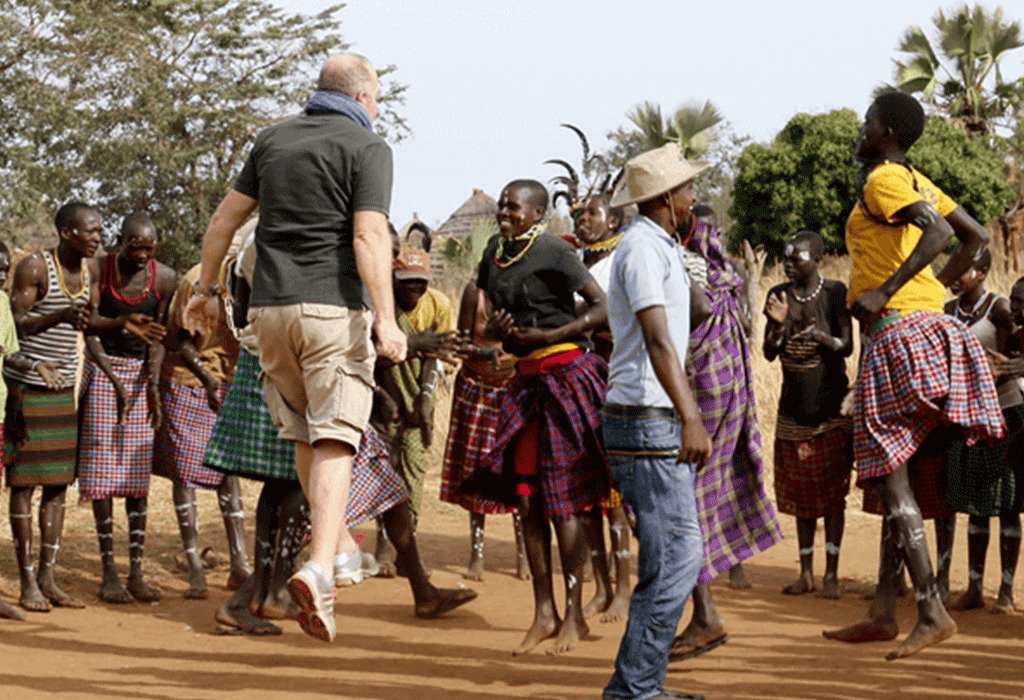
The region is home to Karamojong communities with distinct histories, livelihoods and contemporary experiences. Community visits can add depth to a wildlife journey when hosts have chosen to welcome travelers and receive fair benefit. Ask about who organizes the visit, how fees are shared, whether photographs are welcome and what the group actually wishes to show visitors. A meaningful exchange might involve conversations about cattle keeping, crafts, food, daily work or the changing relationship between settlements and surrounding grazing country.
Arrange Cultural Activities Respectfully
Do not treat a manyatta as a museum display or assume that everyone in Karamoja lives in the same way. Communities have different preferences, and a respectful visit depends on listening before photographing. Dress appropriately for the setting, ask permission for portraits and avoid distributing sweets or money directly to children. An interpreter or community guide can help both sides communicate comfortably. Good cultural tourism should be presented as an encounter with people in the present, not as a staged journey into a supposedly unchanged past.
A Matheniko Game Reserve itinerary often becomes more rewarding when wildlife viewing and community-led experiences are given separate time slots. That avoids rushing hosts and keeps visitors from approaching cultural activities as accessories to a game drive. Travelers curious about regional history can ask how seasonal mobility, pastoral livelihoods, conservation rules and new economic opportunities affect everyday decisions. Such conversations should remain voluntary and courteous, particularly when discussing sensitive subjects such as land rights or resource access.

Best Time to Visit and Seasonal Conditions
The region has a relatively dry climate, although seasonal patterns are never perfectly predictable. Many visitors prefer periods with less rainfall because tracks are more manageable, vegetation may be lower and outdoor activities are easier to organize. Published climate descriptions identify significant rainfall around April and May and another peak toward November. Those are broad patterns, not a forecast for any particular week. Ask locally about recent rains and road conditions before committing to an ambitious day of driving.
Green periods can be beautiful: grasses return, the hills gain color, and birds may become particularly active. They can also bring mud, standing water and longer journeys on rough tracks. Dry periods may improve sight lines but create dust and intense midday sun. Choose your month according to priorities rather than assuming one season is best for every traveler. Landscape photographers may prefer dramatic clouds, birders may follow seasonal activity, and road-focused visitors may prefer a more reliable dry-weather window.
For Matheniko Game Reserve, the most useful timing question is not simply whether a month is called dry season. It is whether your specific access route, guide, vehicle and planned activities will work under current conditions. The same principle applies to a longer itinerary linking Moroto with Kidepo or southern Karamoja. Allow enough flexibility to change the order of a drive and a cultural visit if roads deteriorate, and reserve daylight for the least predictable sections of the journey.
Choose Dates That Suit Your Route
Share your preferred month, group size and other stops to balance seasonal conditions and travel time.
Email: info@ugandarwanda-safaris.com
How to Get There From Kampala and Eastern Uganda
Moroto is the usual practical service base for organizing a visit. Most travelers reach Matheniko Game Reserve by road through eastern or northeastern Uganda, with routing that depends on the starting point, planned stops and current conditions. Journeys from Kampala are long enough that planning a rest stop is often wiser than trying to combine arrival with substantial wildlife viewing. Road surfaces can range from paved highways to rougher local sections, so a distance estimate alone does not describe the day’s workload.
A good driver will confirm the intended approach with local contacts, check fuel availability and schedule the trip to finish unfamiliar sections before dark. Travelers coming from Sipi Falls, the Mount Elgon area or Pian Upe may find a broader eastern circuit more logical than returning repeatedly to Kampala. Those linking onward to Kidepo should compare routes carefully rather than assuming a straight line on a map represents a fast or suitable road. Always verify bridge conditions, transport availability and any current security advice.
Matheniko Game Reserve is a particularly poor choice for rushed self-drive exploration with no local contacts. Navigation apps may show tracks that are unsuitable, private or seasonally inaccessible. Guided transport reduces uncertainty and gives visitors someone who understands boundaries and community considerations. If you must self-drive, arrange advance guidance on permitted entry, vehicle recovery, communication, water and fuel, and do not count on mobile coverage being consistent away from population centres.
Where to Stay and How Many Nights to Allow
Moroto provides a more practical starting point for Accommodation searches than assuming a full range of lodges exists within Matheniko Game Reserve. Check currently operating guesthouses, hotels or camps individually, including road access, electricity, meals and cancellation terms. Remote accommodation descriptions can go out of date quickly. A night in Moroto before the outing also gives an operator time to confirm ranger arrangements and adjust the next day’s plan to weather or road reports.
Choose a Practical Overnight Base
For travelers mainly interested in seeing the landscape, one full exploratory day plus nights on either side can be sensible. Two days may be worthwhile if the intention is to combine guided nature observation, birding and a separately arranged cultural experience. Longer stays make the most sense for specialists, photographers or visitors exploring several parts of Karamoja. Do not sell a short visit as a comprehensive wildlife census: Matheniko Game Reserve’s size and limited access mean even experienced guides cannot cover everything.
A Matheniko Game Reserve stay can be modest in accommodation standards while still rich in experience. Prioritize a reliable driver, well-planned meals, drinking water, early starts and time to meet a local guide. Ask exactly which costs are included and whether your lodging is in town, beside Matheniko Game Reserve or in another part of the region. Clear geography prevents disappointing surprises about drive times and helps visitors appreciate the distinctive qualities of each stop.
Costs, Entry Arrangements and What to Confirm
There is no responsible single-price promise for every visit because the total depends on vehicle hire, guiding, accommodation, food, group size and the permits or conservation charges that apply to the intended activity. Ask an operator for a dated, itemized quotation instead of assuming a historical fee table is still current. Verify all official charges with the Uganda Wildlife Authority or authorized local representatives. A credible quote should state which meals, transfers, community visits and additional costs are excluded.
Clarify the difference between entering a protected area, joining a guided activity and paying a community host. These are not interchangeable fees, and visitors should know who receives each payment. For photographers, any special filming or commercial equipment arrangements must be discussed before arrival. Families should confirm suitability for younger children, available seating, toilet stops and realistic lengths of road travel. A cheaper itinerary that skips essential guiding or places an exhausted driver on difficult tracks is rarely good value.
Matheniko Game Reserve planning works best when expectations are written down in advance. Ask which reserve access points are planned, what happens in poor weather and whether a ranger or community guide will join the trip. Confirm payment methods, receipts, deposit terms and the policy if an activity cannot proceed. This transparency reduces misunderstandings without creating a false impression that every wildlife sighting or exact route can be guaranteed.
Combining Matheniko With Kidepo and Pian Upe
Karamoja’s protected areas form an appealing regional story, but each stop must justify the time spent traveling. Kidepo is often chosen for established savannah game viewing and striking valley scenery; Pian Upe draws interest for broad open country and dryland wildlife; Bokora adds further landscape context. Matheniko contributes an especially quiet section near Moroto. A well-shaped circuit should balance these contrasts instead of pretending the reserves all offer identical infrastructure or density of animal sightings.
A workable eastern and northern route might begin with the slopes of Mount Elgon and Sipi Falls, continue toward Pian Upe, pause around Moroto and then travel onward to Kidepo. The exact order depends on road conditions, nights available and current access. Leave room for a full day of wildlife activity in a major destination rather than spending every morning packing. If Kidepo is the anchor, keep enough nights there to justify the long journey and use the intervening stops to deepen the experience.
Matheniko Game Reserve should be added because you genuinely want to understand the region, not simply to enlarge a park list. Travelers with limited days may be better served by fewer stops. Those with a week or more in the east and north have more flexibility to combine scenery, cultural encounters, birdwatching and established game viewing. Ask the operator to show travel time separately from activity time so the itinerary does not disguise long transfer days as full safari days.
Ask for a Tailored Karamoja Itinerary
Combine Moroto with the appropriate eastern or northern destinations without rushing the long road sections.
Email: info@ugandarwanda-safaris.com
A Practical Three-Day Moroto-Based Plan
On the first day, arrive in Moroto with daylight to spare. Check into a confirmed property, meet your local guide and review the following morning’s route. If time allows, enjoy a short orientation to the town or a previously arranged community activity without expecting a major wildlife drive after a long transfer. Confirm drinking water, packed food, vehicle readiness and any conservation permissions before bedtime. This unhurried start is particularly useful for first-time visitors to northeastern Uganda.
Build a Realistic Regional Route
On day two, leave early for the planned reserve excursion. Concentrate on permitted habitat, scanning for birds and mammals while allowing time for landscape photography and a quiet lunch break. Keep the afternoon flexible: the route may change after weather reports or discussions with local conservation staff. Return before dark unless a specifically authorized alternative has been arranged. The objective is a rewarding nature experience, not a race to cover arbitrary kilometres across a difficult landscape.
On the third day, choose one meaningful addition: an organized cultural encounter, a separate guided hike in the Moroto area or onward travel toward another reserve. Mount Moroto is a different destination with its own access considerations, so do not confuse a mountain excursion with a walk inside Matheniko Game Reserve. Travelers extending toward Kidepo should use the morning for a sensible road departure if the drive is long. This three-day concept is adaptable and must be refined using real local travel times.

Photography, Birding Equipment and Packing
Pack for dust, changing temperature and long outdoor hours. Light breathable clothing, a sun hat, sunscreen, sturdy closed footwear and a reusable water bottle are useful basics. A warm layer can help during early departures, while a compact rain jacket remains sensible outside the driest periods. Neutral clothing is practical and comfortable but no particular color guarantees better sightings. Protect medication, batteries and important papers from heat and dust, and keep a small first-aid kit accessible in the vehicle.
Binoculars improve almost every wildlife outing here because animals and birds may be far across open ground. A camera with a telephoto lens helps, but a wider lens is equally important for rocky hills, clouds and large landscapes. Bring enough memory cards, charging options and a lens cloth. Ask before photographing people, livestock or sensitive places. Drones and commercial filming may require special approvals; never launch one merely because an area feels empty or remote.
A Matheniko Game Reserve packing plan should also account for communication and contingency needs. Carry offline maps, contact numbers, an emergency meeting point and enough drinking water for delays. If traveling with children or older visitors, schedule regular breaks and avoid a timetable dependent on sustained midday heat. A good local guide can explain what is necessary for a specific activity, so share your fitness, mobility and equipment needs before the final itinerary is issued.
Health, Safety and Responsible Travel
Remote travel deserves thoughtful preparation, not alarmist language. Check current destination-specific travel advice and local route conditions, especially when driving near border regions. Use experienced guides, avoid isolated night driving and follow ranger instructions in conservation areas. Wildlife is unpredictable even when sightings are scarce: never approach, feed or provoke animals. Be respectful at checkpoints and do not photograph security personnel or installations without permission. Sensible planning greatly improves the experience without eliminating every possible risk.
Consult a travel-health professional about vaccinations, malaria prevention, medications and the requirements relevant to your passport and itinerary. Carry travel insurance appropriate for remote road travel and possible medical evacuation. Keep drinking water available, use sun protection and rest when needed. In a dusty climate, eye care and hydration can matter as much as complicated gear. Tell the operator about significant mobility requirements early so activities and vehicle seating can be planned realistically.
Matheniko Game Reserve visitors can support conservation by paying proper fees, choosing responsible guides and respecting the boundaries of permitted activities. Keep litter with you, avoid unnecessary off-road movement and never pressure a driver to chase animals. Community engagements should be consensual and fairly compensated. Ask operators how their trips benefit local employees and hosts rather than accepting vague sustainability slogans. Low-volume tourism can be valuable when it protects habitat and creates meaningful local participation.

Conservation: Why the Reserve Matters
Matheniko is part of a wider eastern Uganda conservation network that links landscapes and the movement of animals. Its importance cannot be judged solely by the number of mammals a tourist sees on one drive. Open habitats, seasonal water, grazing patterns and connectivity between protected areas all contribute to ecological function. Research and monitoring are necessary to understand population trends rather than assuming that old species lists reflect the current situation. Land use and wildlife conservation must also account for people living around these landscapes.
Protect the Landscape You Came to See
Historic pressure from poaching, livestock grazing, settlement and limited conservation resources has shaped discussion of Matheniko Game Reserve. More recent reports describe monitoring and efforts to assess wildlife recovery, but those developments should not be translated into promises of abundant game. Visitors can ask guides what is known from current surveys and what remains uncertain. Listening to that nuance is part of understanding a working conservation area, where wildlife management, livelihoods and tourism opportunities do not always align neatly.
Matheniko Game Reserve is therefore meaningful even for travelers who see only a handful of mammals. Matheniko Game Reserve helps protect a characteristic semi-arid ecosystem that differs from Uganda’s tropical forests and wetter savannahs. Responsible tourism gives visitors a reason to value these less familiar habitats. The most useful contribution is not a perfect wildlife photograph but a visit that follows regulations, respects local people and supports careful long-term stewardship.
Plan a Responsible Remote Safari
Discuss guides, accommodation, community hosting and conservation arrangements before making a booking.
Email: info@ugandarwanda-safaris.com
Questions to Ask Before Booking
Ask the tour company to describe the exact wildlife or nature experience on offer, where it takes place and who authorizes it. Is the activity a drive inside Matheniko Game Reserve, a visit near its boundary or a separate mountain or community excursion? Which roads are expected to be used, and what is the backup if rain makes them impassable? A precise answer is more valuable than a long generic list of animals and attractions copied from unrelated destinations.
Check whether the guide knows Karamoja‘s dryland birds and landscapes, whether the vehicle has suitable clearance and whether accommodation is confirmed. Request realistic driving durations for every transfer rather than optimistic distances. Ask about luggage space, water, meals, fuel, network coverage and how the group would obtain assistance after a breakdown. If a trip includes cultural encounters, ask how local hosts are involved in planning and payment. The strongest itineraries make these practical arrangements visible before a deposit is paid.
Finally, distinguish facts that are relatively stable from conditions that change rapidly. Location and geology are enduring; fees, road access, wildlife concentrations, lodging operations and local advisories are not. Review those dynamic details shortly before departure. This habit matters more for Matheniko Game Reserve than for destinations with large established tourism networks because there may be fewer immediate alternatives if an arrangement changes.
Frequently Asked Questions
Is Matheniko Game Reserve a national park? No. It is a wildlife reserve administered within Uganda’s protected-area system. Its visitor facilities and access arrangements should not be assumed to match those of a major national park. Confirm the management rules that apply to your planned excursion and arrange guidance appropriate to Matheniko Game Reserve.
Can tourists see cheetahs or lions? Historic inventories include big cats in the wider landscape, but sightings should be treated as rare and uncertain rather than a reason to book. Ask about recent credible observations if predators are important to your travel goals. For more dependable conventional game viewing, consider adding an established national park.
Is Matheniko Game Reserve suitable for families? It can be suitable for travelers who enjoy scenery and flexible nature observation, but the road journey, heat and limited facilities require preparation. Discuss children’s ages, seating, activity lengths and bathroom stops with the operator. A compact, well-paced day is preferable to a strenuous schedule that leaves everyone tired.
Can I visit Mount Moroto during the same trip? Yes, an itinerary can include the mountain area, but the mountain and the wildlife reserve are distinct destinations. A guided hike involves separate permissions, routes, fitness considerations and time. Decide which experience matters more if your schedule is short.
How long should I stay? One dedicated day is a starting point if you are already staying in Moroto, while extra time is useful for birding, photography or a cultural visit. Travelers arriving from Kampala should account for long transfers. Do not compress travel and the entire reserve experience into a single day.
Do I need to book a guide? Local guidance is strongly advisable for permitted access, navigation, conservation rules and cultural context. Self-guided driving should never be assumed possible on every track. Confirm entry arrangements and current conditions with authorized contacts before setting off.
What is the best way to describe the experience? Think of Matheniko Game Reserve as a remote landscape and conservation-focused stop rather than a guaranteed Big Five safari. The open country, birdlife and regional context are the primary reasons to visit. Wildlife surprises are welcome, but a successful day does not depend on collecting famous species.
Final Advice for Planning Your Visit
The most rewarding journeys give northeastern Uganda the time it deserves. Start with a realistic route, reserve suitable nights near Moroto and ask a knowledgeable operator to explain the distinction between each park, reserve and community activity. Make room for early light, patient birdwatching and ordinary moments on the road. A destination with fewer tourism facilities can deliver remarkable memories when expectations are appropriate and local arrangements are handled well.
Matheniko Game Reserve can become a thoughtful part of a wider journey that includes Kidepo, Pian Upe, Sipi Falls or other eastern Uganda destinations. Choose connections that make geographic sense instead of adding detours solely to collect attractions. Confirm current permissions, prices and transport conditions before committing, then remain flexible enough to adapt in the field. The value of Matheniko Game Reserve lies in its landscape, ecological role and sense of place—not in exaggerated promises of easy game sightings.