Karamojong People and their Culture

Karamojong People and Their Culture: 11 Unmissable Experiences
Karamojong people and their culture offer travelers one of Uganda’s most distinctive introductions to pastoral life, community traditions and the landscapes of the country’s northeast. In Karamoja Uganda, cattle, family relationships, age systems, traditional homesteads, beadwork, songs, dances and adaptation to a semi-arid environment have helped shape generations of Karamojong culture. For travelers, a thoughtfully arranged Karamojong cultural tour is not simply a chance to photograph colorful clothing. It is an opportunity to understand how the Karamojong people connect livestock, land, community and identity.
Traveler’s priority: approach Karamojong people and their culture as a living society rather than a staged attraction. Arrange community experiences through a knowledgeable local guide, ask permission before photographing people, allow residents to explain traditions in their own words and combine cultural experiences with the extraordinary landscapes of northeastern Uganda.
Who Are the Karamojong People?
The Karamojong people, also written Karimojong, are a Nilotic-speaking agro-pastoral community associated primarily with northeastern Uganda. Their homeland forms part of the wider Karamoja region, an area of open plains, seasonal watercourses, rocky hills and mountains. Livestock keeping has historically been central to livelihoods, although households can also cultivate crops and participate in trade, employment, education and other parts of contemporary Ugandan life. Travelers exploring cultural tourism sites in Uganda should therefore avoid imagining Karamajong culture as something frozen in the past.
Understanding Karamojong people and their culture begins with recognizing the importance of environment. Karamoja Uganda is comparatively dry, and access to pasture and water has long influenced livestock movements and settlement patterns. Seasonal movement of herds is an adaptation to ecological conditions rather than evidence that communities have no permanent social base. A Karamojong cultural tour can reveal how households balance livestock, cultivation, markets, schooling and changing economic opportunities while maintaining recognizable elements of Karamojong culture.
Where Karamojong People and Their Culture Are Found
Travelers encounter the cultural landscapes of Karamoja Uganda around places such as Moroto, Kotido and areas leading toward Kidepo Valley. Moroto is especially useful as a base for travelers interested in community experiences and mountain scenery. Farther north, Kidepo Valley National Park allows visitors to combine wildlife viewing with carefully arranged encounters with communities in the wider region. This combination makes Karamajong people and their culture relevant to both cultural travelers and visitors planning a broader Uganda safari.
1. Cattle at the Heart of Karamojong Culture
Few subjects are more important for understanding Karamojong people and their culture than cattle. Livestock have traditionally provided food, wealth and social value while influencing relationships between families and communities. Cattle are therefore more than an economic asset. They can carry cultural meaning connected with identity, responsibility and social relationships. Visitors on a Karamojong cultural tour may hear residents discuss cattle by characteristics that an outsider would initially overlook, demonstrating the depth of livestock knowledge within Karamojong culture.
The environment of Karamoja Uganda also explains why livestock management requires substantial knowledge. During dry periods, finding suitable pasture and water can require movement and careful planning. This pastoral adaptation has influenced daily routines for generations. Travelers interested in a wider understanding of rural life can combine this cultural perspective with Uganda safaris that explore how people, wildlife and seasonal landscapes coexist across different parts of the country.
2. The Manyatta: Traditional Karamojong Homestead
A manyatta is one of the most recognizable features associated with Karamojong people and their culture. Traditional homesteads are designed around the practical realities of family life, livestock and the environment. Structures commonly use locally available materials, while protective fencing can help define domestic space and safeguard animals. During an organized Karamojong cultural tour, a local guide can explain the purpose of different areas rather than leaving visitors to guess from appearances.
A manyatta should never be treated as an outdoor museum. It is a home. People may be cooking, caring for children, repairing structures, tending animals or carrying out ordinary work. Respectful cultural encounters recognize this difference. Ask before entering private areas, follow your host’s instructions and do not assume that every activity is available for photography. These simple habits make a visit to Karamoja Uganda more meaningful for both traveler and host.
Want to experience Karamojong culture respectfully?
Build a Karamoja journey around community-led experiences, local guides and enough time to listen rather than rush.
3. Traditional Dress and Karamojong Beadwork
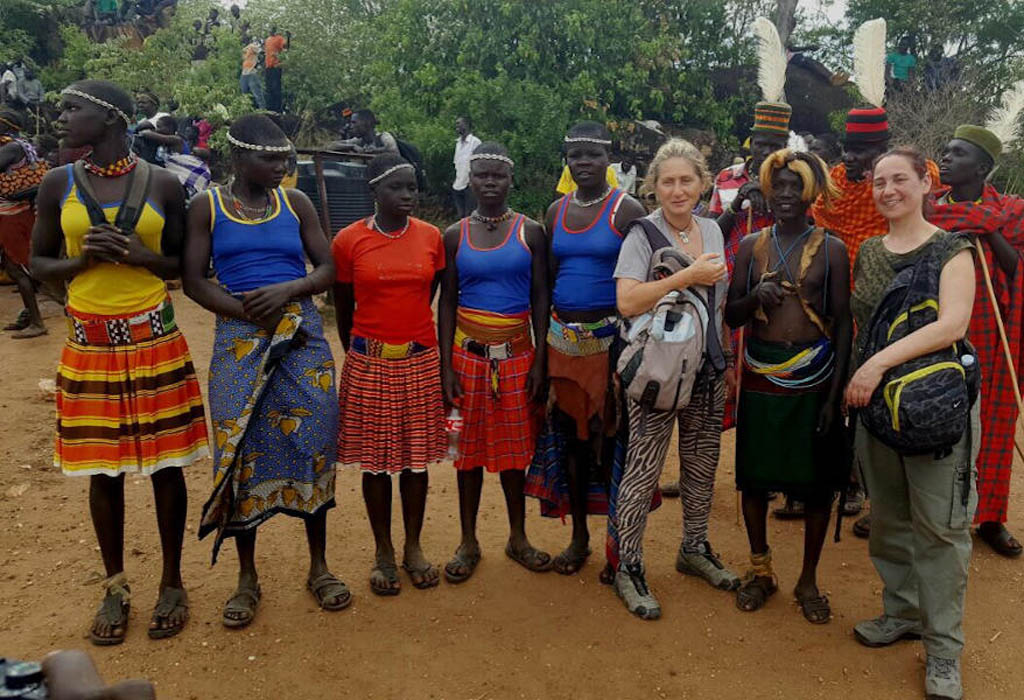
Dress and beadwork are among the most immediately visible aspects of Karamojong culture. Beaded necklaces, bracelets and other ornaments can form striking combinations of color, while clothing reflects both cultural identity and personal choice. However, visitors should resist reducing Karamojong people to their appearance. Clothing is only one part of a much larger social world involving language, livelihoods, family responsibilities, belief, education and adaptation.
A good Karamojong cultural tour creates space for artisans or hosts to explain materials, patterns and personal preferences themselves. Travelers who wish to buy beadwork should ask whether crafts are locally made and purchase directly when appropriate. Spending money on locally produced work is a practical way for tourism around Karamoja Uganda to support households rather than treating Karamojong people and their culture purely as visual entertainment.
4. Food and Daily Life in Karamoja Uganda
Food provides another practical route into understanding Karamojong people and their culture. Pastoral livelihoods make livestock products important, while cultivated foods such as sorghum and millet have also been associated with local diets. What a household eats varies according to season, location, income and individual circumstances, so travelers should avoid expecting one standardized menu to represent all Karamojong people.
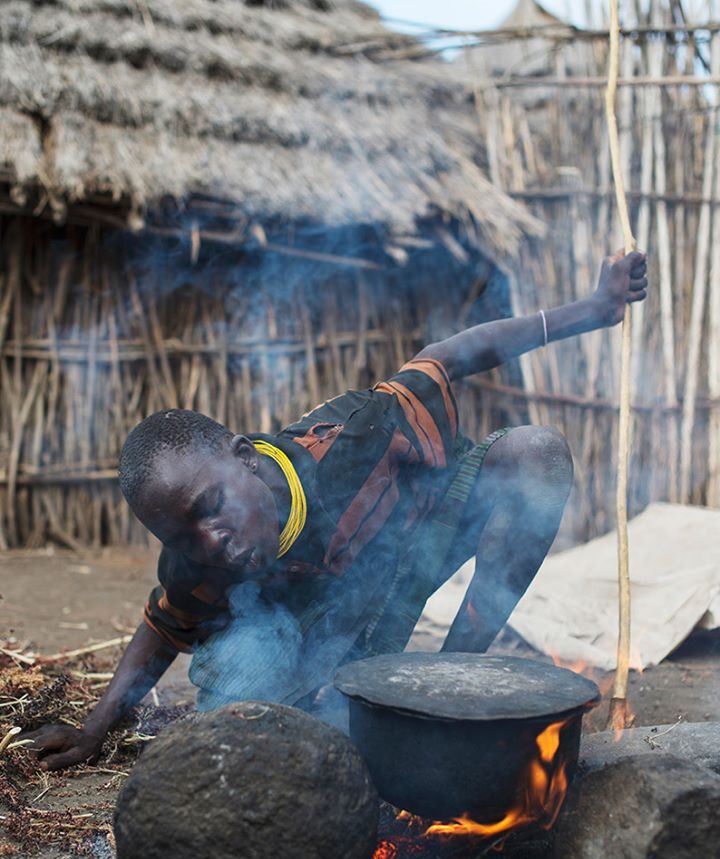
When a community visit includes food preparation, the experience can reveal far more than ingredients. Collecting fuel, preparing grain, sharing meals and organizing household work all offer context for everyday Karamojong culture. Visitors interested in immersive travel can include these experiences while planning their first Uganda safari, especially when the goal is to understand people and landscapes alongside wildlife.
5. Songs, Dance and Storytelling
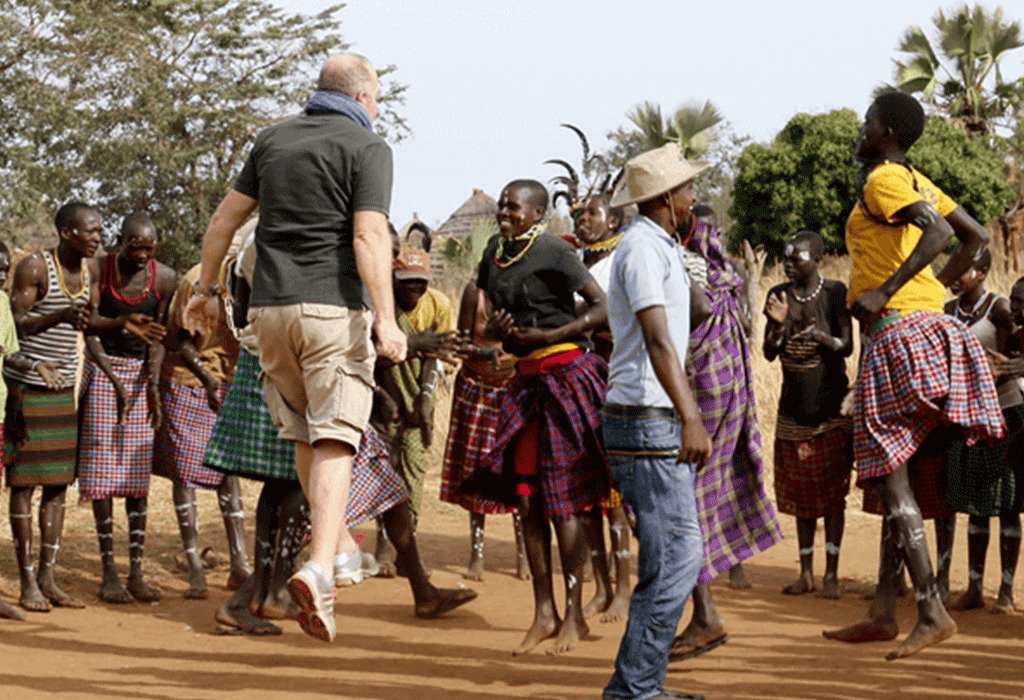
Music, songs and dance provide memorable introductions to Karamojong culture, particularly when visitors learn why a performance takes place rather than seeing it only as entertainment. Songs can preserve stories and collective memory, while dance can accompany celebration and community gatherings. The meaning of an activity depends on context, and a knowledgeable host can explain that context during a Karamojong cultural tour.
Tourists should distinguish between performances arranged for visitors and ceremonies that belong primarily to the community. Both can be culturally meaningful, but they are not the same thing. A respectful encounter with Karamojong people and their culture does not require access to every private ritual. In fact, accepting boundaries is part of responsible travel in Karamoja Uganda. Visitors can still enjoy music, conversation, dance demonstrations and storytelling while allowing hosts to decide what should remain private.
6. Elders, Age Systems and Community Life
Historically, elders have held significant social roles within Karamojong culture, including participation in community discussion, conflict resolution and cultural matters. Age and generational systems have also helped organize responsibilities and social identity. These structures are important for understanding Karamojong people and their culture, but visitors should remember that contemporary community life also interacts with formal government, schools, churches, markets and other institutions.
One of the advantages of a locally guided Karamojong cultural tour is the opportunity to ask questions instead of relying on simplified descriptions. How have responsibilities changed? What do younger Karamojong people want visitors to understand? How do pastoral practices interact with education and modern employment? Questions like these turn tourism into conversation and make a journey through Karamoja Uganda more informative.
7. Family, Marriage and Social Relationships
Family relationships are another important dimension of Karamojong people and their culture. Livestock have historically had roles in marriage arrangements and relationships between families, illustrating again why cattle cannot be understood solely as food or financial assets. Customs vary and continue to change, making it better for visitors to learn from local explanations than to treat a single description as a rule governing every household.
Tourism writing sometimes presents unusual-sounding marriage customs without sufficient context. A better Karamojong cultural tour emphasizes how families themselves explain relationships, responsibilities and contemporary changes. This approach protects the dignity of Karamojong people and gives travelers a more accurate understanding of Karamojong culture than sensational stories designed merely to surprise outsiders.
8. Beliefs, Spirituality and Ceremony
Traditional spirituality forms part of the historical understanding of Karamojong people and their culture, while Christianity and other religious influences are also present in contemporary Karamoja Uganda. Cultural traditions connected with ancestors, blessings, community gatherings and livestock can coexist with changing religious practices. Travelers should therefore avoid assuming that every Karamojong person follows an identical belief system.
Sacred practices require particular sensitivity. Do not enter ceremonial spaces, record rituals or photograph participants unless permission is explicit. A professional guide arranging a Karamojong cultural tour can help visitors understand what is appropriate. This respect is essential because meaningful cultural tourism depends on Karamojong people retaining control over how Karamojong culture is presented.
Combine culture with Uganda’s wild northeast.
Add Kidepo Valley, Karamoja communities and scenic stops to one carefully paced itinerary.
9. Karamojong People and Their Culture Near Kidepo Valley
For many international visitors, the easiest way to combine Karamojong people and their culture with a classic safari is through the wider Kidepo Valley region. Kidepo is known for expansive savannah, rugged mountain backdrops and remote atmosphere. A traveler can spend mornings and afternoons wildlife viewing and dedicate separate time to a community experience, creating a journey in which Karamojong culture is treated as a major part of the destination rather than a brief add-on.
Travelers with limited time can investigate a budget Kidepo safari, while adventurous visitors may prefer camping safaris to Kidepo. Longer routes can connect Murchison Falls and Kidepo Valley. Whichever route you choose, reserve adequate time for a Karamojong cultural tour instead of trying to squeeze a village encounter between game drives.

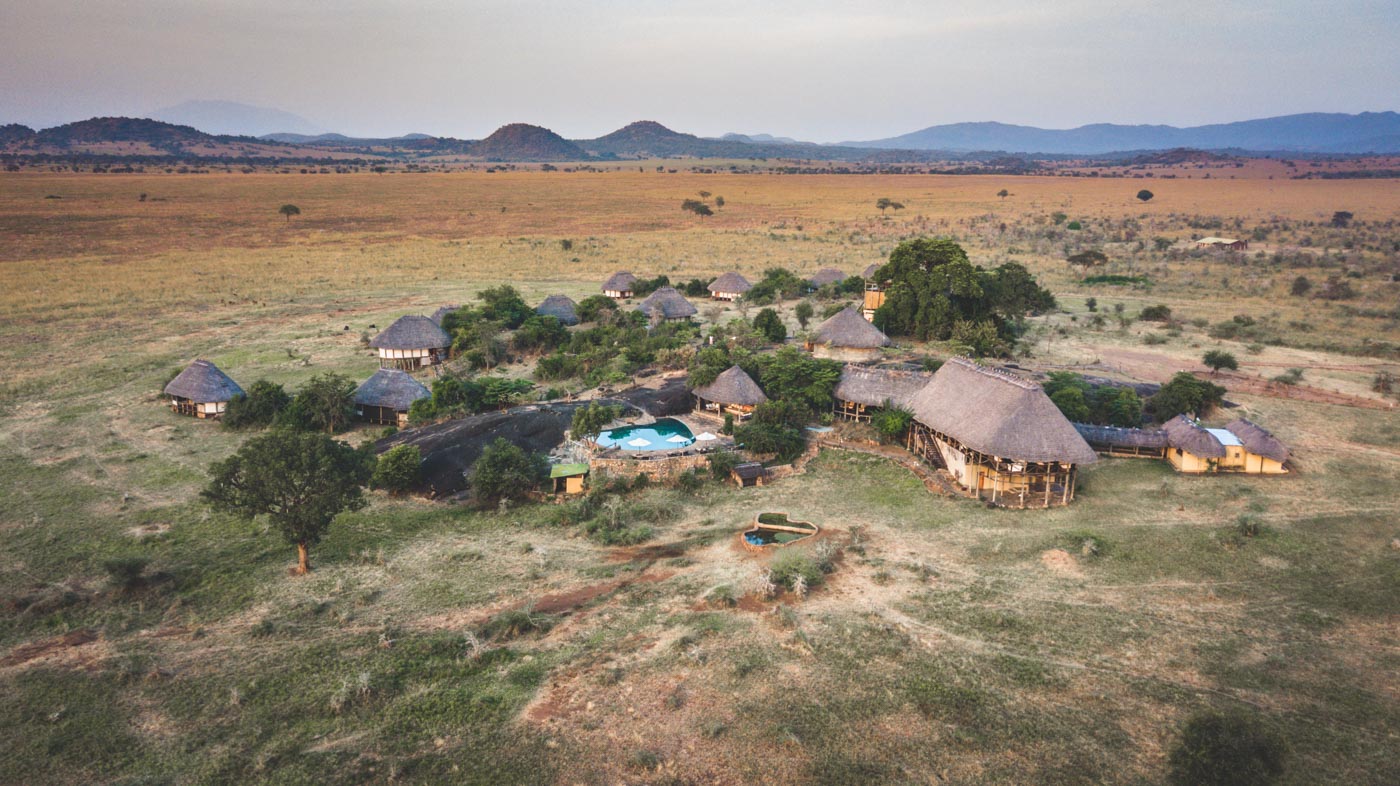
Visitors researching the destination in detail can read about Kidepo Valley National Park in Uganda and compare Kidepo accommodation before departure. Planning accommodation and cultural visits together reduces unnecessary driving and gives travelers more time to engage with Karamojong people and their culture.
10. Explore Karamoja’s Wildlife Reserves
Kidepo is not the only natural attraction connected with Karamoja Uganda. Travelers building a less conventional itinerary can research Matheniko Game Reserve, Pian Upe Game Reserve and Bokora Corridor Wildlife Reserve. These landscapes help visitors appreciate the environmental setting that has influenced Karamojong culture and pastoral livelihoods.

Bokora can be researched through guides to Bokora Wildlife Reserve attractions. These remote areas require realistic routing, reliable transport and local knowledge. They are most rewarding for travelers who appreciate open landscapes and slower travel rather than visitors trying to collect destinations quickly.
11. Combine Karamoja Uganda With Sipi Falls
Sipi Falls creates a useful geographical and experiential contrast with Karamoja Uganda. The waterfalls and greener highland scenery make an attractive stop before or after traveling deeper into the northeast. Visitors can explore a dedicated Sipi Falls Uganda guide or consider a two-day Sipi Falls adventure if they want more than a quick stop.
Travelers short on time can consider a one-day Sipi Falls tour, although a slower itinerary works better when the journey continues toward Karamojong people and their culture. Combining Sipi, Moroto, a Karamojong cultural tour and Kidepo creates a strong northeastern Uganda circuit with waterfalls, mountain scenery, community experiences and savannah wildlife.
What to Expect on a Karamojong Cultural Tour
A well-organized Karamojong cultural tour should be participatory and explanatory rather than a sequence of staged photographs. Depending on the community and arrangement, travelers may learn about manyatta construction, livestock, food preparation, beadwork, songs, dance, household organization or local history. The exact program should be determined by the host community and local circumstances rather than by a fixed checklist imposed on Karamojong people.
The best encounters with Karamojong people and their culture often involve ordinary conversation. Ask how livelihoods are changing, what young people study, what livestock means to a household, how rainfall affects daily decisions and which aspects of Karamojong culture residents most want visitors to understand. Such questions create a richer experience than arriving with assumptions formed from old photographs or stereotypes.
How Many Days Do You Need in Karamoja Uganda?
One community encounter can provide an introduction, but travelers interested specifically in Karamojong people and their culture should consider spending at least two or three nights in the wider region before continuing to Kidepo. This gives enough time for a Karamojong cultural tour, local scenery and unhurried interaction. Adding Kidepo, Sipi Falls and other reserves naturally extends the itinerary.
A seven-day Uganda safari can work for a focused route, while a nine-day Uganda safari creates more flexibility. Travelers wanting a wider national journey can investigate a 13-day classic Uganda safari. The correct duration depends on whether Karamojong culture is the central purpose of the trip or one element of a broader wildlife itinerary.
Best Time to Visit Karamoja Uganda
There is no single season in which Karamojong people and their culture suddenly become available to visitors. Communities live in Karamoja Uganda throughout the year. What changes is the travel environment: rainfall, road conditions, vegetation, temperatures and the seasonal rhythm of livestock and agricultural activities. Travelers combining culture with wildlife should plan dates around the complete itinerary rather than cultural tourism alone.
Travelers considering different months can compare a Uganda safari in March, Uganda safari in May or Uganda safari in July. Month-specific planning is especially useful when a Karamojong cultural tour will be combined with long overland drives and wildlife destinations.
Other popular planning periods include a Uganda safari in August, Uganda safari in September, Uganda safari in November or Uganda safari in December. Conditions can vary from year to year, so travelers should confirm current road and regional conditions shortly before departure.
Karamoja Cultural Festival
Travelers interested in public cultural celebrations may encounter events that bring communities from Karamoja and related Ateker groups together for music, dance, storytelling, discussion, food and cultural displays. Such festivals can provide a broad introduction to Karamojong culture, but dates and locations should always be confirmed before building flights or safari arrangements around them.
A festival experience differs from visiting a community. Large events emphasize celebration and exchange, whereas a smaller Karamojong cultural tour may provide more opportunity for conversation about household life, cattle and manyatta organization. Travelers particularly interested in Karamojong people and their culture can benefit from combining both experiences when dates allow.
How to Visit Karamojong People Respectfully
Responsible tourism begins before the camera comes out. Ask permission before photographing an individual, especially children. A guide’s general permission to visit a community does not automatically mean every resident wants to be photographed. When exploring Karamojong people and their culture, treat consent as an ongoing conversation rather than a one-time formality.
Dress practically and respectfully, listen when elders or hosts are speaking, avoid entering houses or livestock enclosures without invitation and do not handle personal or ceremonial objects without permission. During a Karamojong cultural tour, allow your guide to explain local etiquette. Travelers can review broader important Uganda travel information before departure.
Avoid distributing money, sweets or gifts randomly to children. If you want your visit to benefit a community, ask your guide about locally agreed contributions, community projects or direct purchases from artisans. Ethical spending helps ensure tourism connected with Karamojong culture creates value without encouraging uncomfortable relationships between visitors and residents.
Photography Tips for a Karamojong Cultural Tour
Photographers are naturally drawn to the landscapes, beadwork, livestock and architecture of Karamoja Uganda, but compelling photography does not justify ignoring consent. Ask before close portraits. Show people images when appropriate. Avoid positioning residents as props or asking them to repeat private activities merely for a photograph. If someone declines, accept the answer immediately.
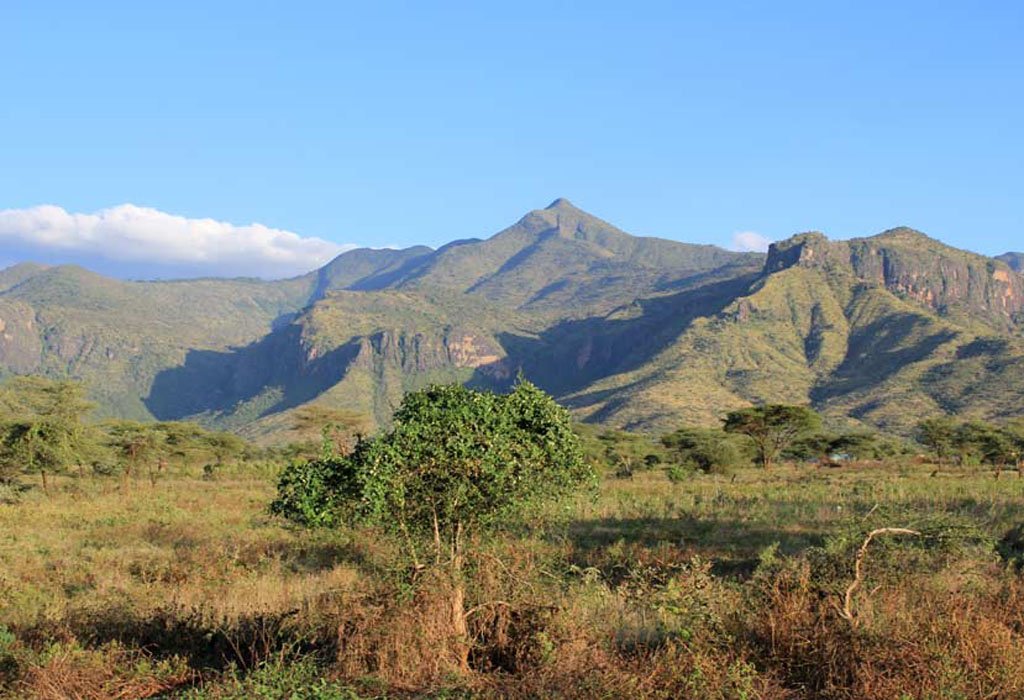
Landscape photography provides excellent alternatives when portrait photography is inappropriate. Mountain Moroto, dry-season grasslands, cattle moving through open country and the expansive scenery toward Kidepo can all tell part of the story of Karamojong people and their culture. Photographs that include environmental context often communicate more about Karamojong culture than tightly framed portraits alone.
Getting to Karamoja Uganda
Overland travel into Karamoja Uganda is part of the experience, but distances should not be underestimated. Road conditions can vary, and travelers continuing to remote reserves or Kidepo benefit from appropriate vehicles and realistic driving schedules. Rather than planning a cultural visit as a rushed detour, build it into the route as a destination in its own right.
Travelers can connect the northeast with other parts of Uganda through a customized itinerary. A route may combine Karamojong people and their culture with Kidepo and then continue toward Murchison Falls National Park. This creates a varied journey involving cultural experiences, open savannah, river landscapes and wildlife rather than concentrating every day on a single type of attraction.
What to Pack for a Karamojong Cultural Tour
Pack for heat, dust, sun and variable road conditions. Lightweight breathable clothing, a wide-brimmed hat, sunscreen, reusable water bottle, comfortable closed shoes and a light layer for cooler mornings are practical choices. Travelers visiting during wetter periods should add rain protection. Camera users should carry dust protection and enough batteries for remote travel.
Avoid clothing selected only to imitate local dress. If hosts invite visitors to try a garment or piece of beadwork as part of a cultural explanation, follow their guidance. Respectful interest in Karamojong people and their culture means appreciating traditions without turning Karamojong culture into costume. Comfortable, modest travel clothing is normally the simplest choice.
Make Karamoja more than a quick stop.
Plan enough time for community interaction, Kidepo wildlife, local landscapes and a relaxed northeastern Uganda route.
Avoiding Stereotypes About Karamojong People
Older descriptions of Karamojong people often concentrate disproportionately on conflict, cattle raiding or the image of the warrior. Those subjects form part of regional history, but using them as the entire description of Karamojong people and their culture creates a distorted picture. Communities in Karamoja Uganda include farmers, pastoralists, teachers, traders, students, artisans, tourism workers, professionals and families navigating the same pressures of social and economic change found elsewhere.
Likewise, describing Karamojong culture as untouched or unchanged can be misleading. Culture is dynamic. Phones, formal education, religious change, transport, markets, climate pressures and new employment opportunities all interact with older traditions. A responsible Karamojong cultural tour acknowledges continuity without pretending the community exists outside the modern world.
This is one reason cultural tourism works best when local voices lead the interpretation. Travelers receive a more nuanced explanation, communities retain greater control over representation and tourism income has a clearer path into the local economy. Visitors who approach Karamojong people and their culture with curiosity rather than preconceived stories are more likely to leave with a realistic understanding of Karamoja Uganda.
Planning Karamojong Culture With a Wider Uganda Safari
Travelers do not need to choose between cultural tourism and wildlife. Uganda works particularly well when the two are combined. Kidepo offers the most obvious pairing with Karamojong people and their culture, while Sipi Falls can provide a scenic transition into or out of the region. Longer journeys can continue west and south toward other national parks.
Visitors interested in experiences beyond the country’s most famous primate attractions can explore Uganda safaris beyond gorilla tracking. This is particularly relevant to travelers attracted by Karamojong culture, because northeastern Uganda demonstrates how much the country offers beyond the better-known southwestern circuit.
The strongest itinerary is not necessarily the one containing the most destinations. A journey that allows two meaningful cultural experiences, several quality wildlife drives and reasonable travel days can be more rewarding than a rushed route covering twice as many places. When Karamojong people and their culture are a priority, protect sufficient time for the Karamojong cultural tour rather than treating it as a thirty-minute photo stop.
Frequently Asked Questions About Karamojong People and Their Culture
Who are the Karamojong people?
The Karamojong people are a Nilotic-speaking agro-pastoral community primarily associated with northeastern Uganda. Livestock, especially cattle, have historically been central to livelihoods and social life. Contemporary Karamojong people and their culture also reflect education, trade, religion, agriculture, tourism and other aspects of modern Ugandan society.
What is Karamojong culture known for?
Karamojong culture is closely associated with pastoralism, cattle, manyatta homesteads, community relationships, age systems, beadwork, music, dance and oral traditions. These features should be understood as parts of a living and changing culture rather than a fixed list of tourist attractions.
Where do Karamojong people live?
Karamojong people are associated mainly with Karamoja Uganda in the northeast of the country. Travelers commonly use areas around Moroto or routes toward Kidepo Valley as bases for learning about Karamojong people and their culture.
Can tourists visit a Karamojong manyatta?
Yes, community visits can be arranged, but tourists should use a locally connected guide or responsible operator. A manyatta is a home rather than a museum. During a Karamojong cultural tour, follow the host’s instructions, request permission for photographs and respect private spaces.
Why are cattle important in Karamojong culture?
Cattle have historically provided economic, dietary and social value and can be connected with identity and relationships between families. Understanding livestock therefore helps visitors understand a fundamental aspect of Karamojong culture and the pastoral adaptation of communities living in Karamoja Uganda.
Is a Karamojong cultural tour worth adding to Kidepo?
For travelers interested in more than wildlife, a Karamojong cultural tour can add valuable human and historical context to a Kidepo itinerary. The experience helps explain the broader cultural landscape surrounding the park and gives visitors an opportunity to learn directly from communities.
How should tourists photograph Karamojong people?
Always request permission before taking identifiable portraits. Do not assume that paying for a tour automatically purchases the right to photograph everyone you meet. Respectful photography is an important part of responsible engagement with Karamojong people and their culture.
What can I buy during a Karamojong cultural tour?
Depending on the community, travelers may find locally produced beadwork and handicrafts. Buying directly from artisans can help tourism spending remain in Karamoja Uganda. Ask your guide which products are locally made and whether prices are fixed or negotiated.
Can Karamoja be combined with other Uganda attractions?
Yes. Kidepo Valley and Sipi Falls are natural additions, while longer routes can connect the northeast with Murchison Falls and other destinations. Travelers wanting a more extensive journey can compare a 10-day Best of Uganda safari or a 12-day Best of Uganda safari as inspiration before customizing the route around Karamojong people and their culture.
Why Karamojong People and Their Culture Deserve More Time
The most rewarding reason to visit Karamoja Uganda is not to search for an untouched culture. It is to encounter a region where pastoral traditions, environmental adaptation and contemporary life exist together. Karamojong people and their culture become far more interesting when visitors move beyond visual impressions and ask how cattle, rainfall, family, education, markets and cultural identity interact today.
A thoughtfully arranged Karamojong cultural tour can therefore become one of the most memorable parts of a Uganda journey. The experience is strongest when travelers listen to local explanations, buy crafts responsibly, respect photography boundaries and leave enough time for genuine conversation. Combined with the mountains and plains of Karamoja Uganda, these encounters offer a side of the country that many conventional safari routes never reach.
For travelers who want wildlife as well as cultural depth, the northeastern circuit is especially compelling. Kidepo provides dramatic savannah, Sipi provides waterfalls and highland scenery, and community experiences provide the human context that landscapes alone cannot explain. Instead of simply passing through, treat Karamojong people and their culture as a central part of the itinerary and allow local hosts to determine how their story is shared.
Ready to Explore Karamojong People and Their Culture?
Create a responsible Karamoja Uganda itinerary combining a Karamojong cultural tour with Kidepo Valley, Sipi Falls, remote landscapes and the wildlife experiences that fit your travel time.