How to Choose a Group Tour?
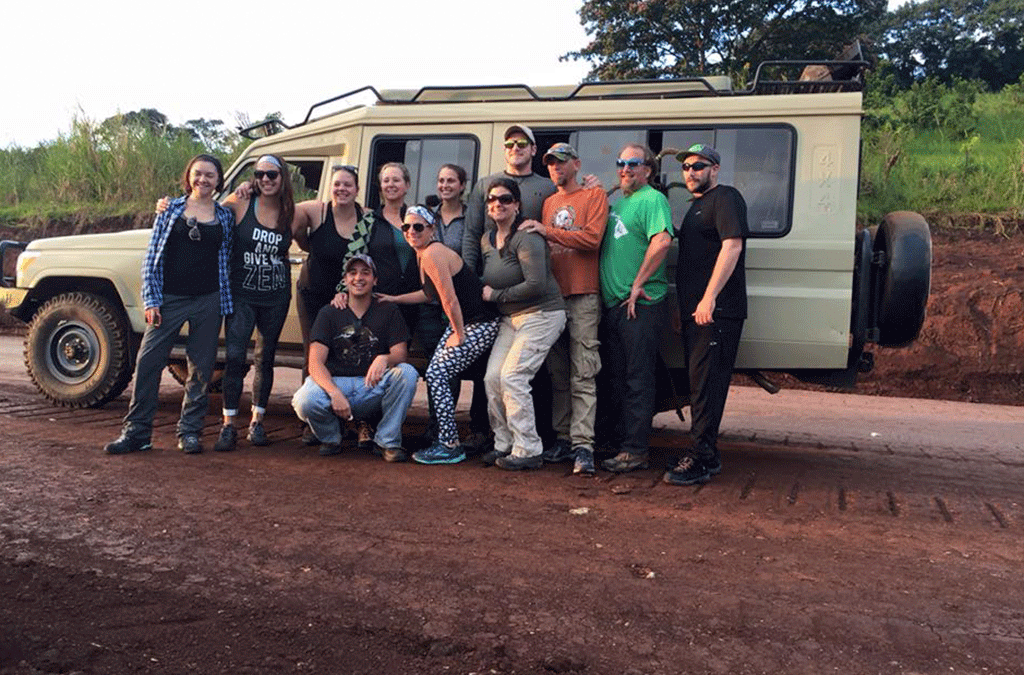
UGANDA & RWANDA • SAFARI PLANNING GUIDE
How to Choose a Group Tour: 12 Expert Safari Tips
Compare group sizes, safari budgets, itineraries, accommodation, guides and wildlife experiences then choose the East African adventure that suits everyone travelling.
Knowing how to choose a group tour can make the difference between a rushed holiday and a well-balanced African safari. A suitable group tour brings people together around a shared interest, simplifies planning and may reduce the per-person cost of transport and guiding. But an appealing headline price is only one part of the decision. Group size, comfort, pace, driving distances, guide experience and activity inclusions all shape the journey.
For travellers considering Uganda group safaris, there is extraordinary variety: mountain gorillas in Bwindi, chimpanzees in Kibale, classic game drives in Queen Elizabeth, and Nile adventures around Murchison Falls. Rwanda adds rainforest trekking, Kigali city experiences and savannah wildlife in Akagera. The best tour is not necessarily the cheapest or the longest; it is the one that matches your group’s interests, expectations and practical needs.
Safari Experiences Worth Sharing
Choose the activities that your travelling group will remember most.
 PRIMATES
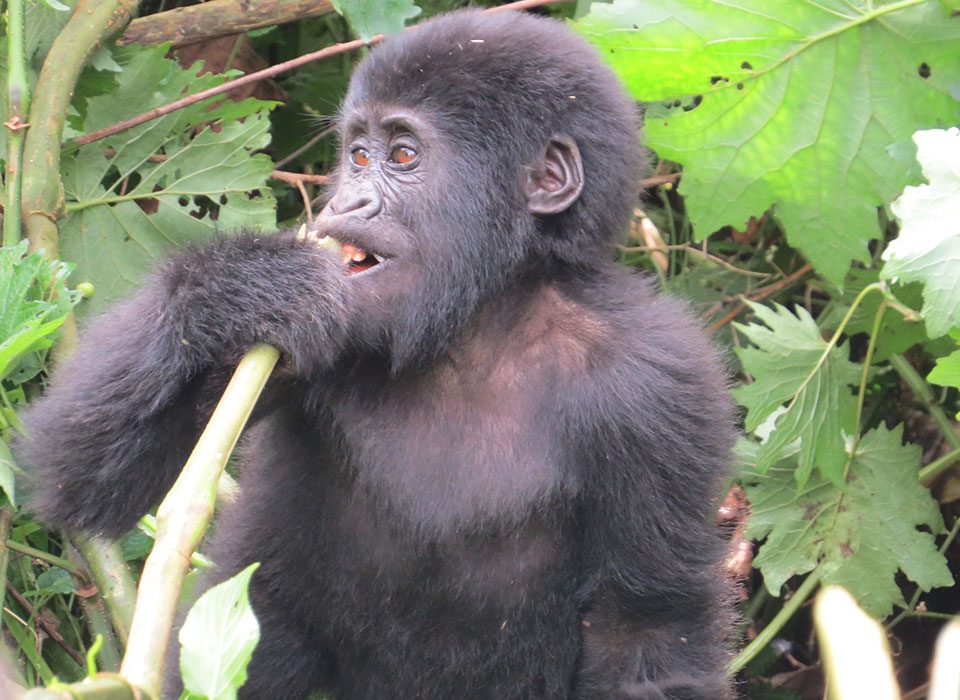
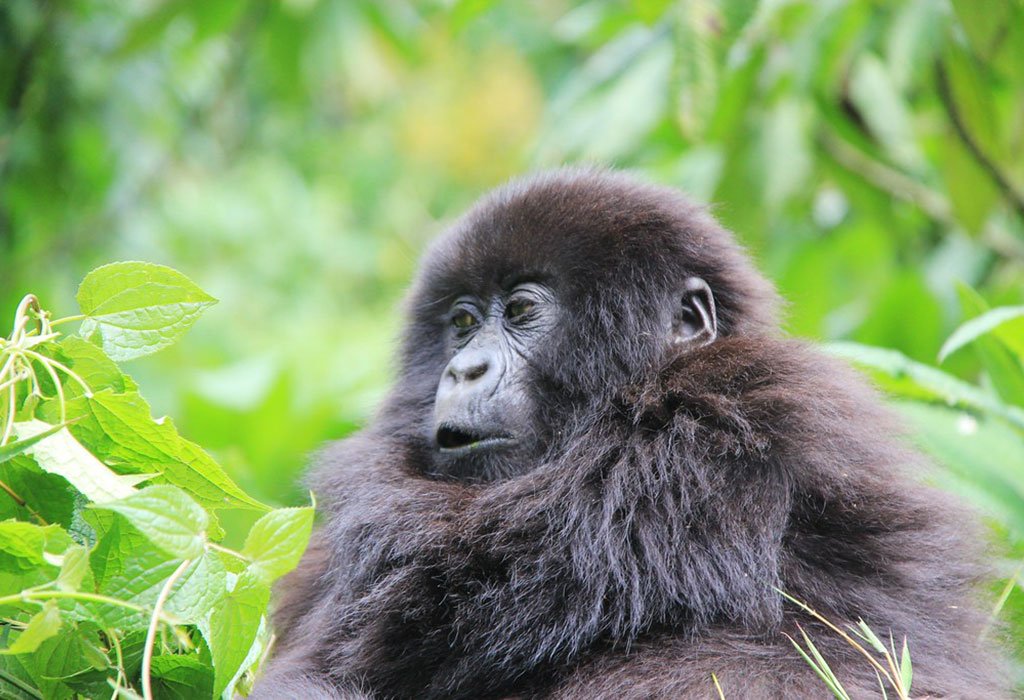
Gorilla Trekking
Explore misty forests and plan ahead for limited trekking permits.
Explore experience →
 WILDLIFE
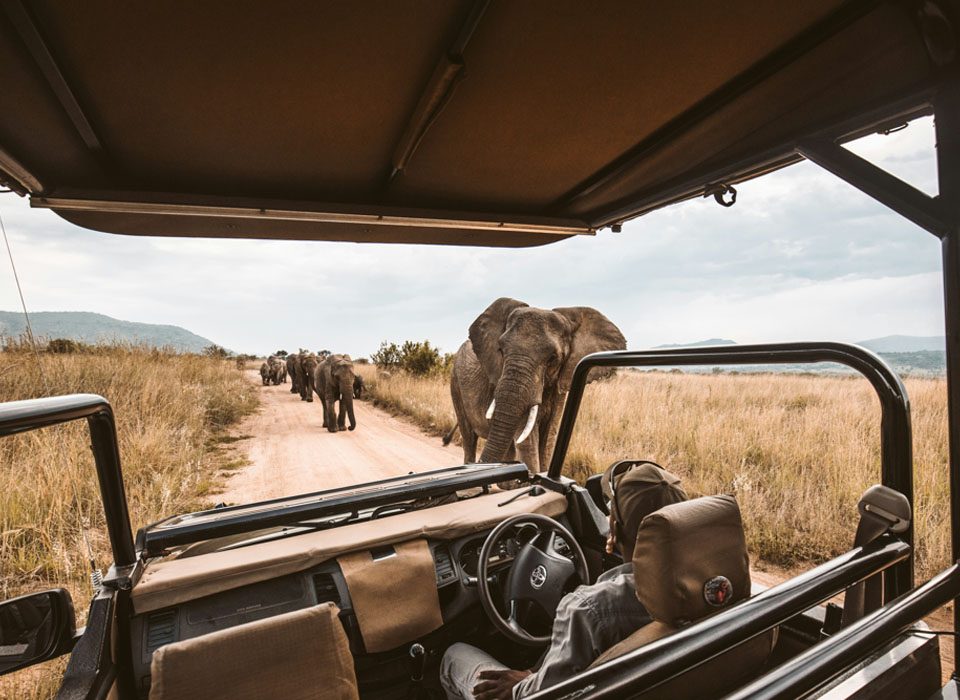
Wildlife Game Drives
Build a shared safari around iconic savannah wildlife sightings.
Explore experience →
 RAINFOREST
Chimpanzee Tracking
Discover Kibale Forest and combine primate trekking with nature.
Explore experience →
 BOAT SAFARIS
Nile & Water Safaris
Balance game drives with picturesque river and boat experiences.
Explore experience →
What Is a Group Safari Tour?
A group safari brings multiple travellers together for a planned trip with shared logistics, such as a guide, vehicle, itinerary and certain accommodation arrangements. Some departures are scheduled group tours, where independent travellers book places on the same journey. Others are private group tours, created specifically for friends, families, colleagues or clubs. These formats are not interchangeable: a private group chooses its companions and can often customise the pace, whereas a scheduled departure usually follows fixed dates and a published route.
Group travel can make wildlife experiences sociable and easier to organise. Travellers also share fixed transport costs, although individual park entry fees, gorilla permits and chimpanzee permits generally remain payable per person. Confirm whether a quoted tour is exclusive to your party or shared with travellers you have not met.
1. Identify Your Interests Before Choosing a Tour
Start with a conversation about what matters most to everyone. Are you travelling primarily for mountain gorillas, big-game wildlife, photography, birdwatching, cultural encounters or relaxation? An itinerary built around the wrong interests can feel disappointing even when the hotels and vehicle are excellent.
For first-time visitors, a balanced Uganda circuit might combine gorilla trekking in Bwindi with a game drive and Kazinga Channel boat cruise in Queen Elizabeth National Park. Dedicated primate enthusiasts may prefer to add Kibale Forest for chimpanzee tracking, whereas families with young children might prioritise accessible wildlife drives and gentler activities. Your group’s ideal trip should have a clear focus, not simply a long list of destinations.
Ask before booking: What are our three must-do experiences? Which activities are optional? Can members who do not trek enjoy a suitable alternative? An experienced planner should be able to explain the trade-offs openly.
Read our gorilla trekking safari itineraries when comparing experiences.
2. Choose the Right Group Size

Group size affects comfort, flexibility, wildlife visibility and how often the trip must wait for everyone. A small safari party can make quicker stops and communicate easily with the guide. Larger parties may have a lively social atmosphere and share some costs more broadly, but often require multiple vehicles or more complicated lodge arrangements.
For a wildlife-focused safari, ask how many guests will ride in each vehicle, rather than only how many people are booked on the trip. The number of window seats, roof-viewing positions and available luggage space can matter more than the total group headcount. For gorilla trekking, park authorities assign trekking parties under their own rules; travelling as one booking party does not necessarily mean everyone will trek to the same gorilla family.
Couples and solo travellers may enjoy meeting others on a scheduled small-group departure. Families and friendship groups often benefit from a private tour because they can coordinate activities, meal times and room arrangements around their own needs.
See our Uganda group safari guide for more planning considerations.
3. Compare Prices, Inclusions and Hidden Costs
A lower advertised price is not always better value. Two trips with identical durations may include very different services. One might include park entry, trekking permits, a private 4×4 vehicle, full-board lodge meals and airport transfers. Another may exclude several of those items, leaving substantial additional expenses after arrival.
| Check the quotation | Why it matters |
|---|---|
| Gorilla and chimpanzee permits | High-value, limited-availability items |
| Park entry and activities | Boat trips, game drives and walks may be extra |
| Accommodation and meals | Room sharing and meal plans differ |
| Vehicle, fuel and guide | Confirm vehicle type and shared/private use |
| Taxes and exclusions | Tips, visas, drinks and insurance may not be included |
Ask for the total cost per person, any single-room supplement, the minimum number of travellers required for departure and how the price changes if the group becomes smaller. A transparent quotation should make comparisons straightforward, not require guesswork.
You can also compare custom Uganda safari packages to understand itinerary flexibility.
4. Select Destinations That Work Well Together
Destination selection is especially important in East Africa because journey times can be longer than a map suggests. Uganda’s southwestern circuit is popular because Kibale, Queen Elizabeth, Bwindi and Lake Bunyonyi can be connected into a logical multi-day route. Murchison Falls and Kidepo are rewarding choices but need sufficient extra days to avoid excessive driving.
Top Uganda Group Safari Destinations
Build a logical route with time to enjoy each park rather than rushing between them.
GORILLASBwindi Impenetrable Forest
Mountain gorilla trekking and atmospheric rainforest scenery.
Explore experience →
BIG GAMEQueen Elizabeth National Park
Wildlife drives and the famous Kazinga Channel boat cruise.
Explore experience →
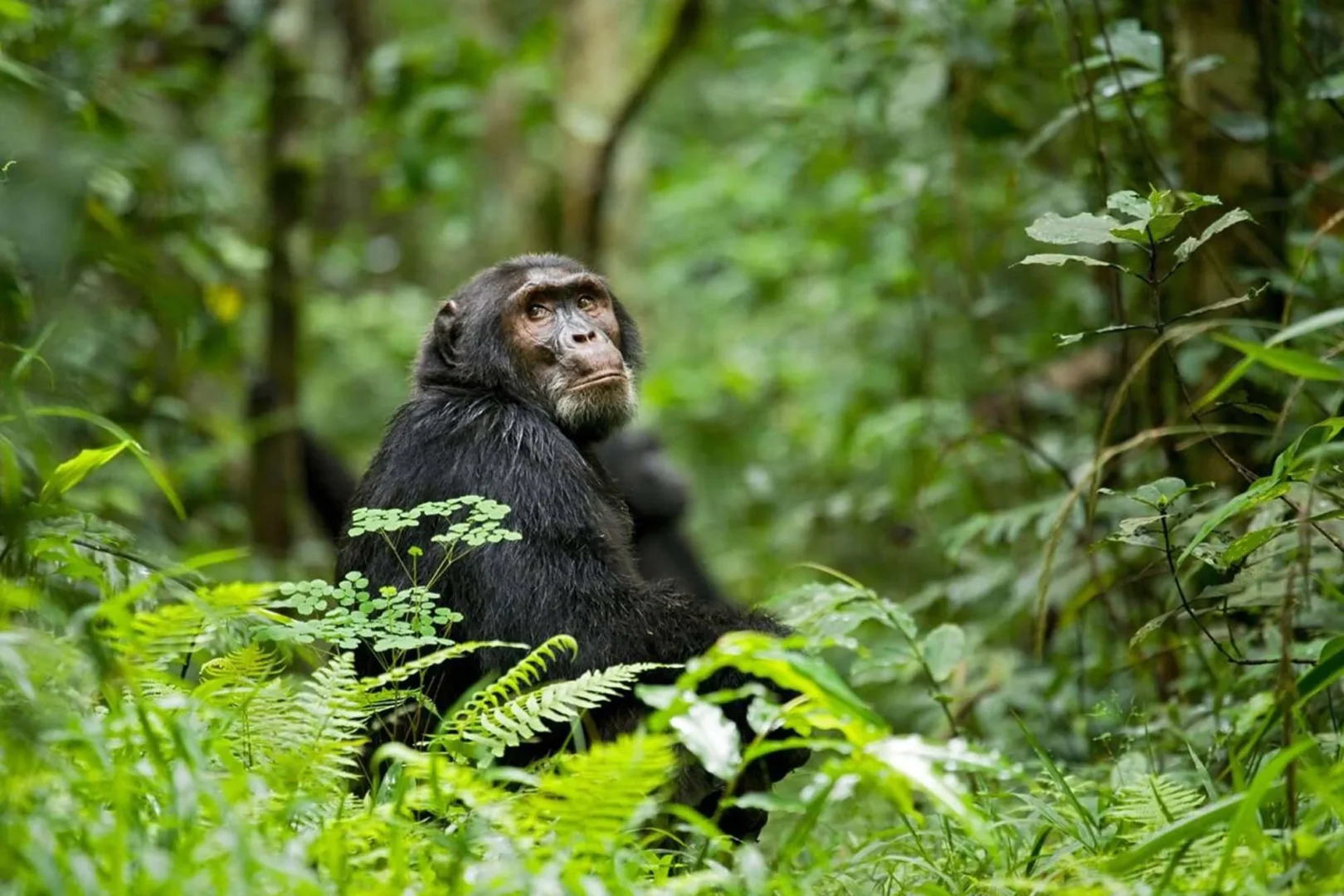 CHIMPANZEES
Kibale National Park
Chimpanzee trekking and memorable forest encounters.
Explore experience →
THE NILEMurchison Falls National Park
Spectacular Nile landscapes and classic wildlife experiences.
Explore experience →
Read our guide to recommended group tour destinations in Uganda to compare parks in more detail. Choose fewer destinations with adequate time for activities over an itinerary that spends most daylight hours in transit.
5. Check the Tour Operator’s Experience and Reputation
The quality of your operator influences every stage of a group trip, from planning and permit handling to roadside support. Look for clear company contact details, responsive communication, understandable itineraries and verifiable traveller feedback. Ask who operates the safari locally and who will be responsible if an unexpected change occurs.
A good operator can explain the difference between a private and scheduled departure, provide named accommodation options, outline the guide’s role and offer practical answers about road conditions, border crossings and activities. Do not hesitate to request details about licences, payment arrangements and how emergency assistance is coordinated.
Be cautious with vague assurances such as “everything is included,” especially when the quotation does not itemise important experiences. Professional service is usually demonstrated through accurate, timely answers and written clarity—not only attractive photographs or enthusiastic marketing claims.
Explore more group travel advice before choosing a departure.
6. Read the Day-by-Day Itinerary Carefully
A well-designed group safari provides enough time to enjoy each destination without exhausting participants. Review scheduled departures, estimated driving hours, the number of consecutive early starts and how much free time is available. On safari, an early game drive can be wonderful; several very long road days immediately before a demanding forest trek may be less enjoyable.
Ask whether the stated tour duration counts arrival and departure days, whether transfers are direct or include sightseeing stops, and whether activities are guaranteed inclusions or merely possibilities. Check if you will need to move between lodges frequently. Travellers with limited mobility, children or older group members should discuss accessibility and physical demands before confirming.
A realistic itinerary also allows for delays caused by weather, road conditions, wildlife movements and border processing. Flexibility is valuable, but it should not conceal poor planning or impossible schedules.
For forest days, review our Bwindi trekking sector guide before reserving accommodation.
7. Match Accommodation to Your Group’s Expectations
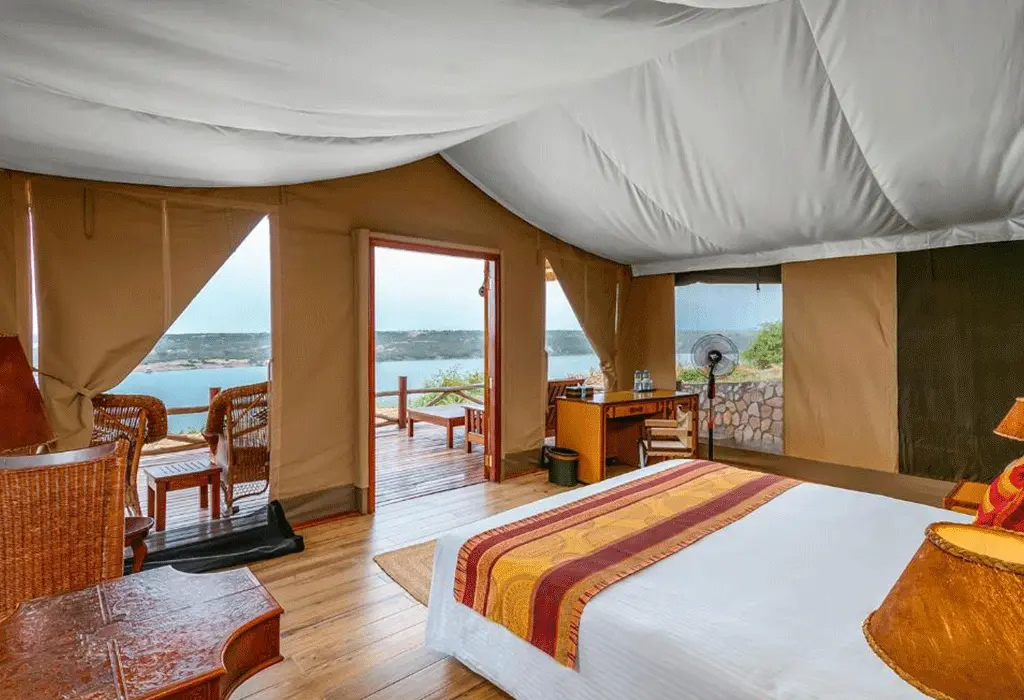
Accommodation affects both the comfort and mood of a group tour. Uganda and Rwanda offer budget guesthouses, midrange safari lodges and luxury properties. The right category depends on your priorities, not just the nightly price. Some travellers value a comfortable bed and reliable hot shower after trekking; others want expansive views, private decks and premium service.
Ask for specific lodge names or clearly described equivalents, the location relative to park gates, the room configuration and the meal plan. Groups should clarify twin versus double beds, family rooms, accessibility needs and whether a single supplement applies. For Bwindi, staying near the allocated trekking sector is particularly important because different starting points can be far apart.
Review cancellation policies for accommodation separately if the itinerary combines multiple properties. A “similar lodge” substitution should offer a comparable standard and a practical location for the next day’s activities.
Bwindi accommodation should match the confirmed trekking sector.
8. Inspect Safari Vehicle and Transport Arrangements

A purpose-suited safari vehicle can transform long transfers and game drives. Ask whether the tour uses a 4×4 safari Land Cruiser, another appropriate vehicle or a larger bus for the road portions. Clarify whether every traveller has a proper seat with a seat belt, how luggage is stored, and whether the game-drive vehicle has a pop-up roof or other suitable viewing design.
For groups split between vehicles, ask how guides coordinate wildlife sightings and stops. One vehicle can have a different wildlife encounter from another, so a clear communication plan helps everyone enjoy the experience. Air conditioning, charging points, bottled water and photography space are useful questions, but never assume these are supplied unless the operator confirms them.
Also discuss luggage limits, especially if domestic flights are part of the safari. An inexpensive tour with an overcrowded vehicle may be far less pleasant than a slightly higher-priced itinerary with appropriate space and visibility.
Explore tailor-made Uganda safari planning for more vehicle and route options.
9. Confirm Permits, Fitness, Insurance and Safety
For gorilla trekking in Uganda, visitors must be at least 15 years old, and official permits are limited by date and park allocation. This means that group members should confirm availability before committing to non-refundable travel arrangements. Gorilla trekking can involve steep, muddy paths and variable walking durations; a group’s general fitness level does not guarantee that every participant will have the same experience.
Chimpanzee tracking, nature walks and adventure activities also have their own rules and physical considerations. Ask the operator to confirm current age requirements, participation restrictions and permit conditions for the exact activities you book. If a person cannot take part, establish whether a suitable alternative is available and whether any fee can be recovered.
Travel insurance should be arranged independently and checked for relevant medical treatment, evacuation, trip cancellation and planned adventure activities. Follow official travel health and entry advice for each country, and discuss personal medical suitability with a qualified healthcare professional when appropriate. Never rely on a safari company quotation as a substitute for insurance coverage.
10. Choose the Right Travel Season
Uganda and Rwanda offer safari experiences throughout the year, but seasonality affects trekking conditions, wildlife visibility, road access, lodge demand and pricing. June to September and December to February are commonly popular travel periods, particularly for travellers who prefer relatively drier conditions. Rain can still fall in any month, especially in tropical forests.
March to May and October to November may bring wetter trails and more challenging road conditions, yet can offer green scenery and, at some properties, less competition for accommodation. Wildlife and gorilla sightings are never guaranteed by the calendar. Consider photography preferences, school holidays, personal flexibility and budget when choosing dates.
If you are arranging travel for several people, confirm everyone’s availability before purchasing limited permits. Planning early is particularly important for popular travel months and larger parties seeking rooms in the same lodge.
Our month-by-month gorilla trekking guide explains seasonal trade-offs.
11. Understand Payment, Cancellation and Departure Terms
Before transferring a deposit, request written confirmation of payment deadlines, accepted methods, cancellation conditions and refunds or credits if a participant withdraws. Find out whether the group has a guaranteed departure or requires a minimum number of confirmed travellers. For scheduled departures, ask what happens if minimum numbers are not met.
Some costs, such as issued wildlife permits, may be subject to strict non-refundable or non-transferable conditions. The details depend on the issuing authority and the specific booking. Do not assume that a general tour cancellation policy automatically covers a permit. Ask whether price adjustments are possible if park fees or taxes change before travel and how changes will be documented.
Keep copies of the final quotation, day-by-day programme, inclusions, terms and payment receipts. For a group with one lead organiser, agreeing in advance on who handles payments, participant information and changes can prevent confusion later.
Read more about group safari booking considerations.
12. Make Sure the Tour Suits the People Travelling
A successful group trip depends on more than shared destinations. Travellers may differ in walking ability, preferred wake-up times, photography habits, meal preferences and appetite for spontaneous activities. It is worth discussing these differences before departure. A group that enjoys long nature hikes will appreciate a different itinerary from a group seeking leisurely scenery and lodge time.
For a scheduled departure, ask about the expected range of traveller interests and whether there is a clear policy on punctuality, shared spaces and optional experiences. For a family or friends’ trip, appoint a primary coordinator but allow each person to raise essential requirements. Build in some time when members can relax or pursue an optional activity without holding up everyone else.
Finally, ask the organiser how much flexibility exists once the tour begins. Wildlife safaris inevitably involve changes, but participants should understand which decisions are made by the guide for safety or logistics and which can be adjusted by group preference.
Compare recommended Uganda group tour destinations to match different interests.
Small Group Tours vs Large Group Tours
Small groups typically allow easier conversation with the guide, more manageable lodge check-ins and greater flexibility at scenic stops. They are especially appealing for photographers, primate trekkers and visitors seeking a more intimate experience. Larger groups can suit clubs, corporate retreats, reunions and organised educational trips, provided the operator can supply enough vehicles, guides and appropriate accommodation.
Neither format is automatically better. What matters is whether the logistics match the passenger count. Compare the actual number of people per guide and per vehicle, not only the advertised group size. Ask how the provider manages seating, activity capacity, room allocation and special requirements.
A safari designed around your group
Compare private group routes, 4×4 transport, lodge styles and your preferred activities before booking.
Example: A Balanced Uganda Group Safari Route
A flexible eight- to ten-day Uganda itinerary could begin with arrival in Entebbe, continue to Kibale for chimpanzee tracking, travel through Queen Elizabeth National Park for wildlife drives and the Kazinga Channel boat cruise, and then reach Bwindi for gorilla trekking. Depending on available time, the group might enjoy a relaxation stop at Lake Bunyonyi before returning toward Entebbe.
This is a planning example, not a guaranteed fixed departure: final routing, overnight locations and trekking sectors depend on confirmed dates, permit allocation, park conditions and the interests of the participants. Travellers who want a longer trip can consider Murchison Falls or a Rwanda extension, while shorter trips may focus on one or two regions.
Plan a route with local safari specialists
Tell us your dates, number of travellers, preferred accommodation and essential experiences. We’ll help you compare a private group safari with suitable shared-tour options where available.
Why Plan With Safari Vacations and Travel Services?
Safari Vacations and Travel Services helps visitors explore Uganda and Rwanda through locally informed itinerary planning, guided safari transport, accommodation arrangements and assistance with key wildlife activities. Whether you are a couple joining like-minded travellers or a family arranging a private trip, the goal is to design a route that fits your available time, comfort level and preferred experiences.
Our approach begins by asking the right questions. We want to know what your group is most excited to see, what level of accommodation makes sense, whether anyone has mobility considerations and how much travel time feels comfortable. We then work toward a clear quotation with proposed inclusions, relevant permits and realistic day-by-day logistics. For further inspiration, explore our Uganda group safari planning guide and group travel articles.
Frequently Asked Questions About how to choose a group tour
How do I choose the best group tour for a safari?
Choose an itinerary based on your main travel interests, budget, departure dates and desired comfort. Compare group size, vehicle capacity, guide quality, accommodation, activity inclusions and booking conditions before confirming.
Are group safaris cheaper than private safaris?
They can be cheaper per person when travellers share fixed vehicle and guiding costs. Savings depend on group size, accommodation and route. Individual wildlife permits and many park fees still apply to each traveller.
What is the ideal group size for a Uganda safari?
There is no single perfect number. Smaller groups often offer better flexibility and viewing comfort, while larger parties can work well with multiple vehicles and good coordination. Confirm how many passengers share each safari vehicle.
Can a group go gorilla trekking together?
Travellers can book the same safari, but actual trekking assignments depend on official park procedures and permit availability. Larger parties may be divided into different trekking groups. Ask your operator to explain this before paying.
How early should we book a Uganda or Rwanda group safari?
Booking several months ahead is sensible, especially when travelling in peak periods or including gorilla trekking. The earlier you confirm dates and group numbers, the more options you may have for permits and lodge rooms.
What should be included in a group safari quotation?
A useful quotation names the route, accommodation, meal plan, transport, guiding services, entrance fees, booked activities, relevant permits and exclusions. It should also state the booking and cancellation conditions.
Can we organise a private group tour with friends or family?
Yes. A private group tour allows your travelling party to discuss preferred dates, destinations, room arrangements and activity levels with the safari organiser, subject to permit and lodge availability.
Ready to Choose Your Group Safari?
Share your group size, travel dates, interests and budget. Safari Vacations and Travel Services can help you put together a practical Uganda or Rwanda safari plan with a clear itinerary and quotation before you commit.
Email: info@ugandarwanda-safaris.com | Phone/WhatsApp: +256 776 423286