Wildlife Safaris in Uganda, Kenya, and Tanzania
Explore Uganda, Kenya and Tanzania
Discover East Africa Through Unforgettable Best Wildlife Safaris
East Africa is among the world’s most rewarding regions for wildlife tourism. Its diverse ecosystems, spectacular national parks and remarkable animal populations create opportunities for visitors to experience nature in some of its most beautiful settings. From the savannah plains of Kenya to Tanzania’s vast wilderness and Uganda’s combination of forests, rivers and open grasslands, every destination offers something special.
Wildlife safaris in Uganda, Kenya and Tanzania provide opportunities to encounter African elephants, lions, leopards, buffaloes, rhinoceroses, giraffes, zebras, wildebeest, hippos and numerous other species. Travellers can explore these environments through guided game drives, boat safaris, walking experiences and photographic excursions.
Uganda is particularly attractive to visitors interested in combining traditional wildlife viewing with mountain gorilla trekking and chimpanzee tracking. Kenya is famous for the Maasai Mara, large elephant herds and the Great Migration. Tanzania offers the immense Serengeti ecosystem, Ngorongoro Crater and impressive concentrations of wildlife.
Whether you are planning your first African safari, a family holiday, a honeymoon or an extended photographic expedition, these three countries offer excellent opportunities for a memorable wildlife adventure.
Explore our East African safari guide for additional inspiration and destination ideas.
Big Five Wildlife
Search for lions, elephants, leopards, buffaloes and rhinoceroses.
Great Migration
Experience the seasonal movements of wildebeest and zebras.
Gorilla Encounters
Combine savannah wildlife with mountain gorilla trekking in Uganda.
Boat Safaris
Discover hippos, crocodiles, elephants and waterbirds along African waterways.
Destination One
Wildlife Safaris in Uganda

Uganda is an exceptional wildlife destination where visitors can experience traditional African game drives alongside rainforest exploration and primate encounters. The country contains a variety of protected areas, including savannah parks, tropical forests, wetlands, lakes and mountain ecosystems.
Its wildlife attractions include elephants, lions, leopards, buffaloes, giraffes, zebras, antelopes, hippos, crocodiles and numerous bird species. Uganda also protects important populations of mountain gorillas and chimpanzees, making it especially attractive for travellers interested in combining different wildlife experiences.
1. Murchison Falls National Park
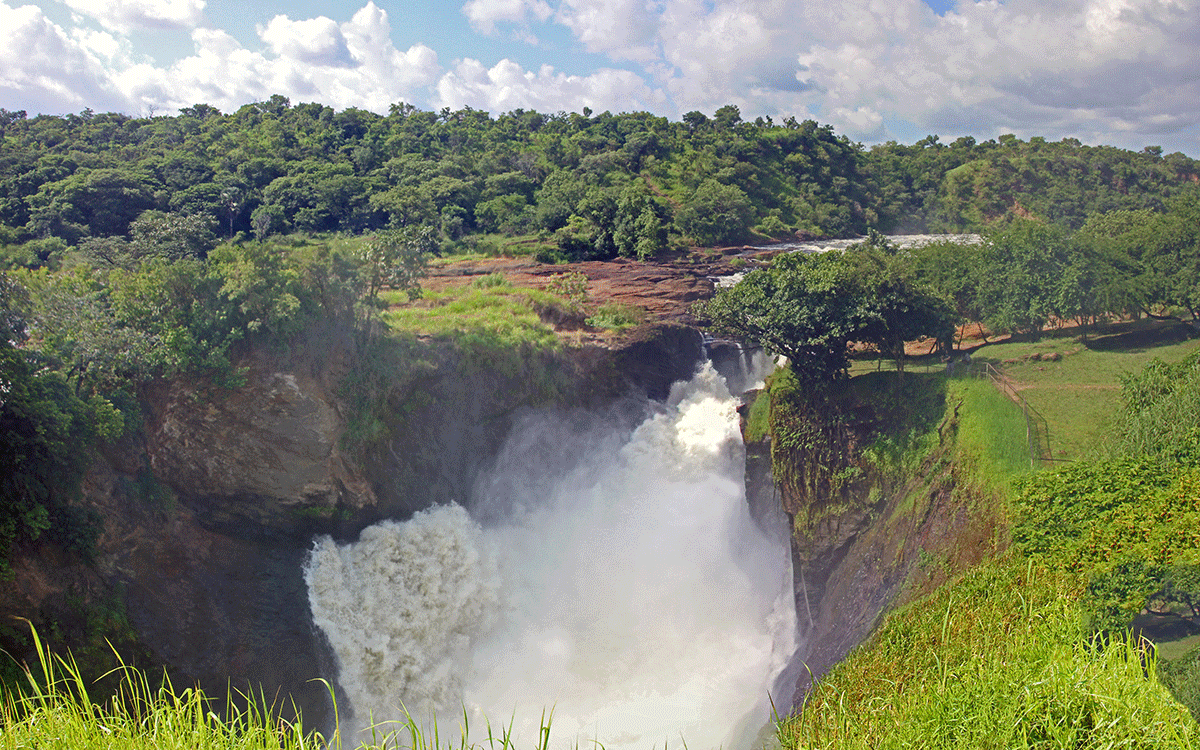
Murchison Falls National Park is one of Uganda’s most rewarding wildlife safari destinations. The park is famous for its spectacular waterfall, where the Victoria Nile forces its way through a narrow gorge before plunging into the river below.
The northern savannah plains provide excellent opportunities to observe elephants, giraffes, buffaloes, Uganda kob, hartebeests, lions and other wildlife. Early morning and late afternoon game drives are particularly rewarding for animal viewing and photography.
A boat cruise along the Nile towards the base of Murchison Falls offers a different perspective of the park. Visitors can observe hippos, Nile crocodiles, elephants and waterbirds along the riverbanks.
The park is also a destination for birdwatchers and nature enthusiasts interested in exploring the varied habitats of northwestern Uganda.
2. Queen Elizabeth National Park
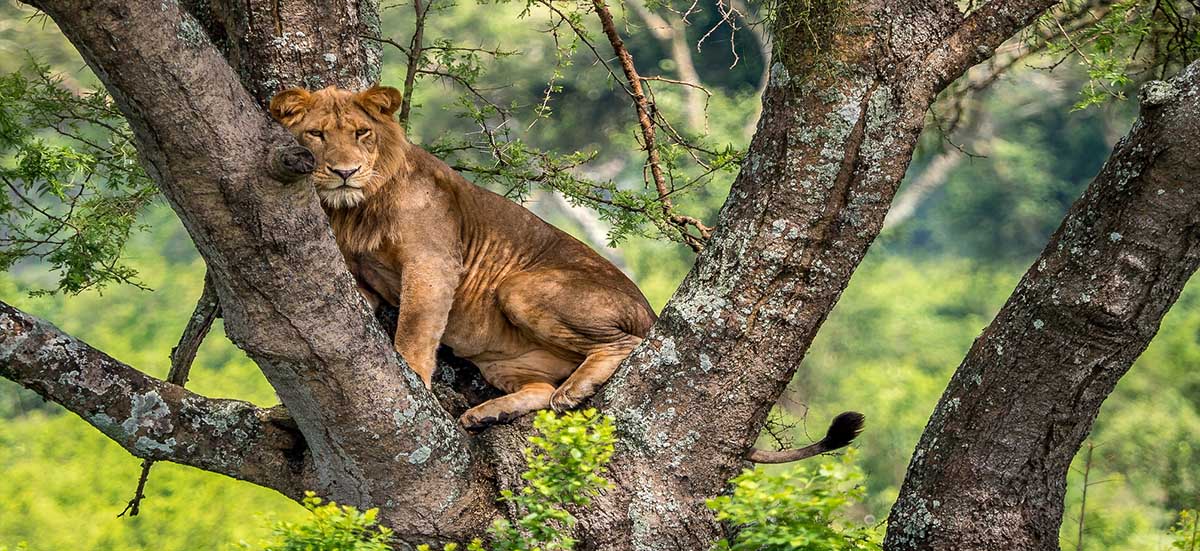
Queen Elizabeth National Park is one of Uganda’s most diverse wildlife destinations. Its landscapes include open savannah, crater lakes, woodland, wetlands and the famous Kazinga Channel.
The park is particularly known for elephants, buffaloes, lions, leopards, Uganda kob, hippos and numerous other animals. The Ishasha sector is famous for its tree-climbing lions, which are sometimes seen resting in large fig trees.
The Kasenyi plains provide opportunities for searching for lions and antelopes during guided game drives. Meanwhile, the Kazinga Channel boat cruise allows visitors to observe hippos, crocodiles, elephants and large concentrations of waterbirds.
Queen Elizabeth is an excellent addition to a longer Uganda safari combining wildlife viewing with chimpanzee tracking in Kibale and gorilla trekking in Bwindi.
3. Kidepo Valley National Park
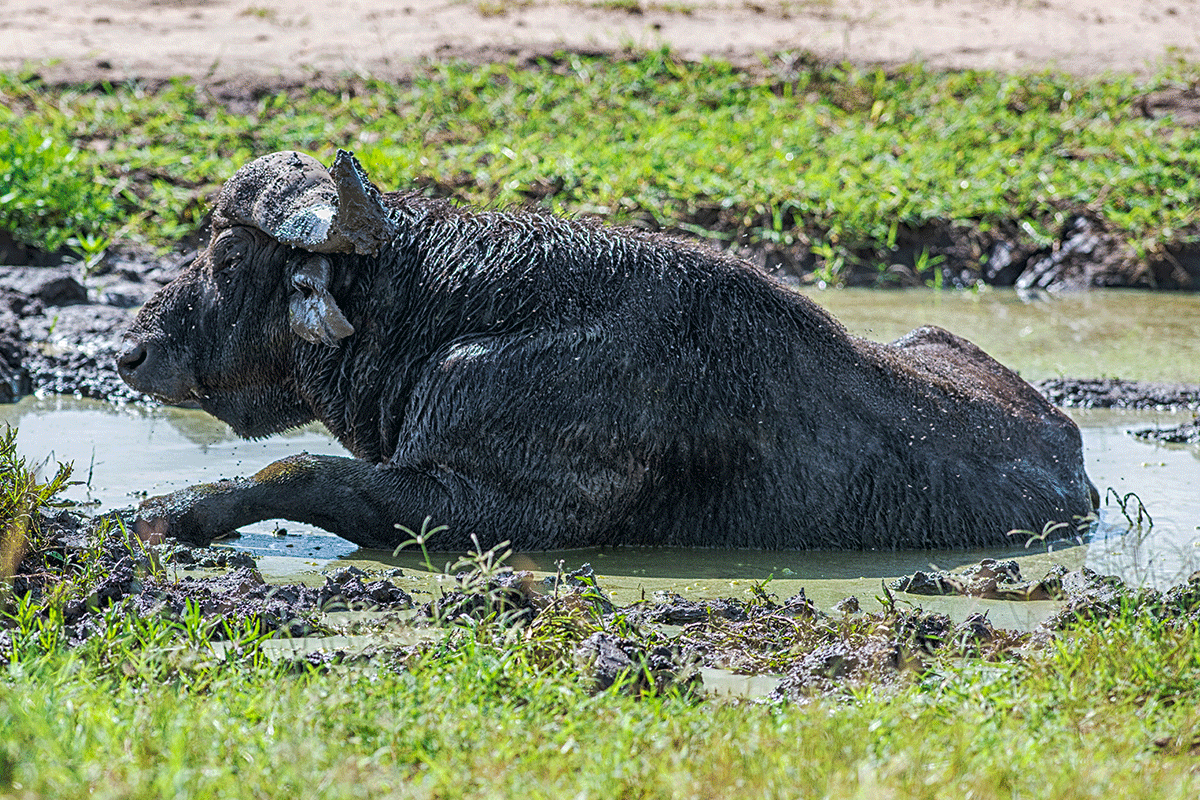
Kidepo Valley National Park is a remarkable wilderness destination in northeastern Uganda. It is known for its remote location, expansive valleys, rugged mountain scenery and excellent opportunities for wildlife viewing.
The Narus Valley is particularly important for game drives because wildlife gathers around available water sources, especially during drier periods. Visitors may encounter elephants, buffaloes, lions, giraffes, zebras, cheetahs, ostriches and several antelope species.
Kidepo offers a quieter safari experience for travellers seeking less conventional routes and beautiful wilderness landscapes. Its open plains and dramatic mountain backgrounds are also attractive for wildlife photography.
4. Lake Mburo National Park
Lake Mburo National Park is a convenient destination for shorter wildlife safaris in southwestern Uganda. Its landscapes contain rolling hills, acacia woodland, open grasslands, wetlands and several lakes.
The park is particularly known for zebras, impalas, elands, buffaloes, giraffes and other wildlife. It offers a variety of safari activities, including guided game drives, boat cruises, horseback riding, birdwatching and authorised walking safaris.
Lake Mburo is an excellent destination for visitors travelling between Kampala or Entebbe and the gorilla trekking regions of southwestern Uganda.
5. Kibale Forest National Park
Kibale Forest National Park is internationally recognised for its chimpanzee population and remarkable primate diversity. It is a valuable addition to a wildlife safari because it introduces visitors to the rainforest environment and the behaviour of wild primates.
Chimpanzee tracking takes visitors into the forest with trained guides in search of habituated chimpanzee communities. Other wildlife encounters may include red-tailed monkeys, black-and-white colobus monkeys and numerous forest birds.
Visitors can also explore the nearby Bigodi Wetland Sanctuary for guided nature walks and birdwatching.
6. Ziwa Rhino Sanctuary
Ziwa Rhino Sanctuary is an important conservation destination in Uganda. It provides protected habitat for southern white rhinoceroses and offers visitors an opportunity to participate in guided rhino tracking on foot.
It is particularly useful for travellers who want to include rhinoceroses in their Uganda wildlife experience. Combining Ziwa with Murchison Falls makes an excellent northern Uganda safari circuit.
Discover more opportunities through our Uganda game-viewing experiences and guided game drive planning guide.
Destination Two
Wildlife Safaris in Kenya

Kenya is one of Africa’s most famous safari destinations. Its national parks and reserves protect extensive savannah ecosystems, forests, wetlands and mountain landscapes that support a wide range of wildlife.
The country is especially attractive to travellers interested in traditional African game drives, large herds of herbivores, predator sightings and the Great Migration. Kenya’s safari destinations also provide opportunities for cultural experiences, birdwatching and wildlife photography.
1. Maasai Mara National Reserve

The Maasai Mara is one of the most celebrated wildlife destinations in Africa. Its open grasslands and river systems support large populations of lions, leopards, cheetahs, elephants, buffaloes, giraffes, zebras and wildebeest.
The reserve is particularly famous for the Great Migration, during which enormous herds of wildebeest and zebras move through the greater Serengeti-Mara ecosystem in search of fresh grazing and water.
Game drives offer opportunities to search for predators, observe grazing herds and photograph the spectacular savannah environment. During the migration season, visitors may also have opportunities to witness dramatic river crossings, although their timing and location are unpredictable.
The Maasai Mara also offers cultural experiences with local Maasai communities. These visits can introduce travellers to traditional lifestyles, crafts, livestock keeping and community conservation initiatives.
2. Amboseli National Park

Amboseli National Park is famous for its impressive elephant herds and beautiful views of Mount Kilimanjaro. The park’s open landscapes, seasonal wetlands and acacia woodland create excellent wildlife viewing opportunities.
Elephants are among the major attractions, and visitors frequently encounter family groups moving across the plains. Other wildlife includes lions, buffaloes, zebras, giraffes, hyenas and numerous bird species.
Amboseli is particularly popular among wildlife photographers who want to capture elephants against the dramatic background of Africa’s highest mountain.
3. Lake Nakuru National Park
Lake Nakuru National Park is an important wildlife conservation area in Kenya’s Great Rift Valley. It is known for its lake ecosystem, birdlife, rhinos and woodland wildlife.
Visitors may encounter white and black rhinoceroses, Rothschild’s giraffes, buffaloes, zebras, lions and several other species. The lake also attracts flamingos and other waterbirds depending on water levels and food availability.
Lake Nakuru is an excellent addition to a safari combining the Maasai Mara and Amboseli.
4. Tsavo East and Tsavo West National Parks
Tsavo East and Tsavo West form one of Kenya’s largest protected wildlife landscapes. Their extensive wilderness areas support elephants, lions, buffaloes, giraffes, zebras and many other animals.
Tsavo East is known for its open plains and red-dusted elephants, while Tsavo West contains varied scenery, volcanic landscapes, springs and rugged terrain.
Together, these parks provide a rewarding experience for visitors interested in exploring large conservation landscapes and less conventional safari routes.
5. Samburu National Reserve
Samburu National Reserve offers a distinctive safari experience in northern Kenya. Its dry landscapes and the Ewaso Ng’iro River create habitats for several wildlife species adapted to arid conditions.
Visitors may encounter Grevy’s zebra, reticulated giraffe, gerenuk, Somali ostrich, elephants, lions and leopards. The reserve is especially interesting for wildlife enthusiasts who want to see species that are less commonly encountered on the traditional southern Kenya safari circuit.
6. Nairobi National Park
Nairobi National Park offers a remarkable wildlife experience close to Kenya’s capital city. Its open grasslands and scattered woodland support lions, black rhinoceroses, buffaloes, giraffes, zebras and other wildlife.
The park is particularly suitable for travellers with limited time in Nairobi who want to experience an African wildlife destination before or after a longer safari.
For a combined journey across Kenya and Tanzania, explore our 12-day Kenya and Tanzania wildlife safari.
Destination Three
Wildlife Safaris in Tanzania
Tanzania is one of Africa’s leading wildlife safari destinations. It is home to vast protected landscapes, famous national parks and diverse ecosystems that support large populations of mammals and birds.
The northern safari circuit is particularly popular among international travellers. It connects Serengeti National Park, Ngorongoro Conservation Area, Tarangire National Park and Lake Manyara National Park, allowing visitors to experience different wildlife habitats during one journey.
1. Serengeti National Park
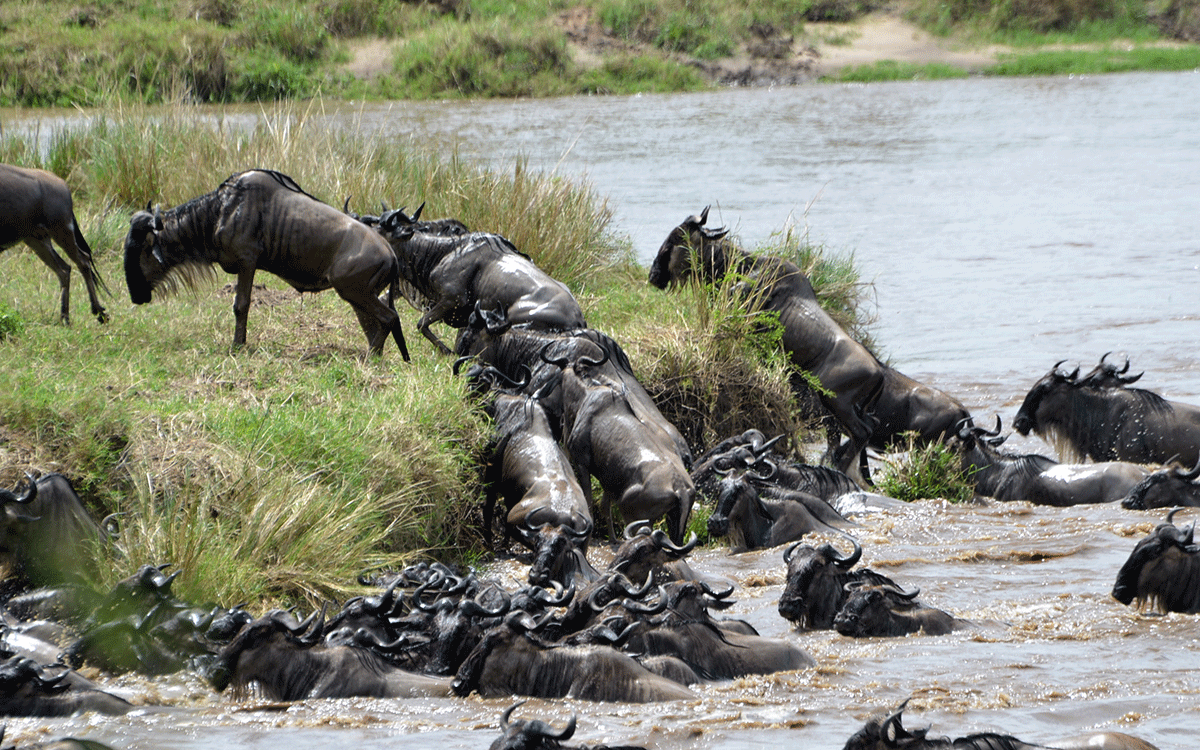
Serengeti National Park is among the most famous wildlife destinations in the world. Its extensive grasslands and woodland ecosystems support large populations of wildebeest, zebras, gazelles, elephants, lions, leopards, cheetahs and other animals.
The park is particularly well known for the Great Migration, a seasonal movement of wildebeest and zebras across the Serengeti ecosystem and into Kenya’s Maasai Mara.
Different areas of the Serengeti offer different wildlife experiences throughout the year. The southern plains are associated with the calving season, while central and northern areas provide other important migration and predator-viewing opportunities.
Game drives are the main way to explore the park. Travellers can also arrange hot-air balloon safaris in designated areas for a spectacular aerial perspective of the landscape.
2. Ngorongoro Conservation Area
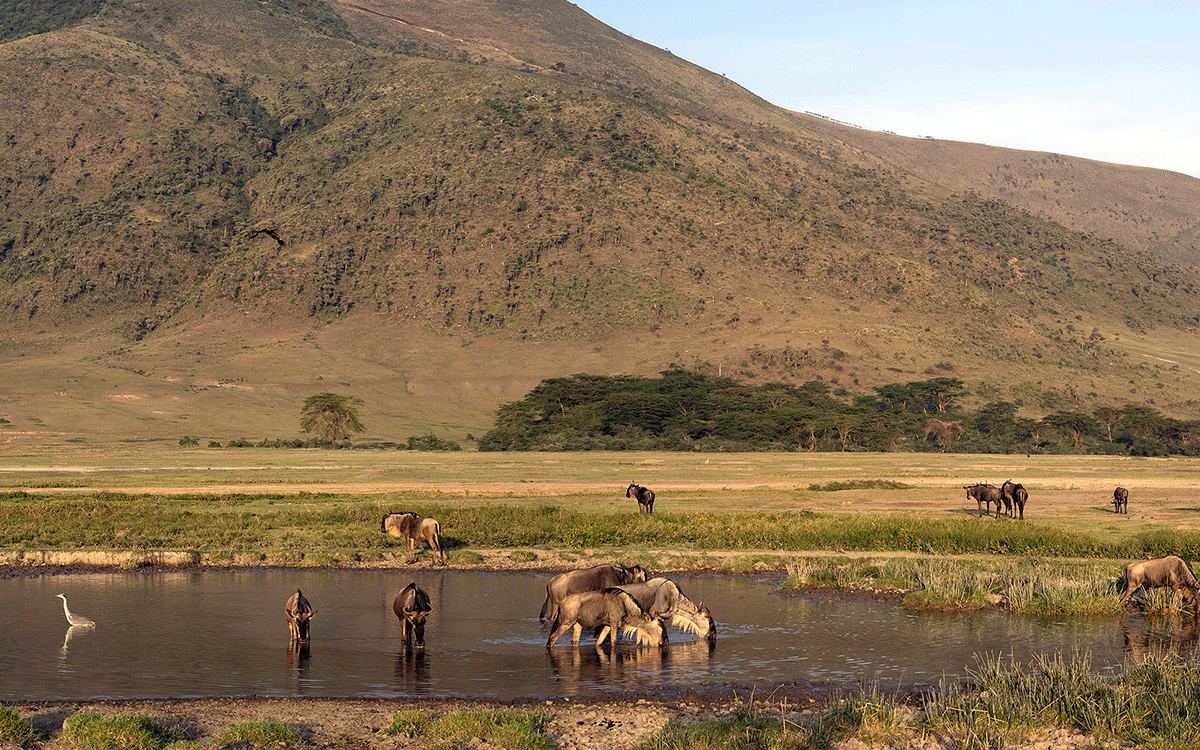
Ngorongoro Conservation Area is one of Tanzania’s most spectacular wildlife destinations. Its main attraction is the Ngorongoro Crater, a large volcanic caldera containing grasslands, wetlands, woodland and a permanent water supply.
The crater floor supports an impressive concentration of wildlife, including lions, elephants, buffaloes, zebras, wildebeest, hyenas and several antelope species. Black rhinoceroses are also present, although sightings are never guaranteed.
A crater game drive offers an opportunity to explore different habitats within a relatively compact landscape. The surrounding highlands also provide beautiful scenery and cultural experiences.
3. Tarangire National Park

Tarangire National Park is famous for its large elephant herds, ancient baobab trees and beautiful savannah scenery. The Tarangire River becomes particularly important during dry periods when wildlife gathers around available water sources.
Visitors may encounter elephants, lions, leopards, giraffes, zebras, wildebeest, buffaloes and several other species. The park is also a rewarding destination for birdwatching.
Tarangire is an excellent choice for travellers who want to explore Tanzania’s wildlife beyond the Serengeti and Ngorongoro circuit.
4. Lake Manyara National Park
Lake Manyara National Park contains a beautiful combination of groundwater forests, open grasslands, wetlands and lake environments. Its varied habitats support elephants, buffaloes, giraffes, zebras, hippos and numerous bird species.
The park is also known for its tree-climbing lions, although sightings are not guaranteed. It provides an interesting stop on a northern Tanzania safari, particularly for visitors travelling between Arusha and Ngorongoro.
5. Nyerere National Park
Nyerere National Park, part of the larger Selous ecosystem, offers an extensive wilderness experience in southern Tanzania. Its landscapes contain rivers, woodlands, open grasslands and wetlands that support elephants, lions, buffaloes, giraffes, hippos, crocodiles and wild dogs.
Boat safaris along the Rufiji River are among the park’s distinctive attractions. Visitors can observe wildlife along the riverbanks while enjoying a different perspective from traditional game drives.
6. Ruaha National Park
Ruaha National Park is a major wilderness destination in southern Tanzania. It is known for its large elephant populations, predators, baobab landscapes and relatively remote safari atmosphere.
Wildlife includes lions, leopards, cheetahs, elephants, buffaloes, giraffes, zebras and several antelope species. The park is especially appealing to travellers seeking a more secluded safari experience away from the busiest northern circuit.
Discover more itineraries through our East Africa multi-country safari packages.
Discover the Big Five During Your African Wildlife Safari
The Big Five are among the most sought-after animals during an African wildlife safari. The term refers to the African lion, leopard, elephant, buffalo and rhinoceros. These animals were historically grouped together because of the difficulty and danger involved in hunting them on foot. Today, the term is widely used in wildlife tourism and conservation.
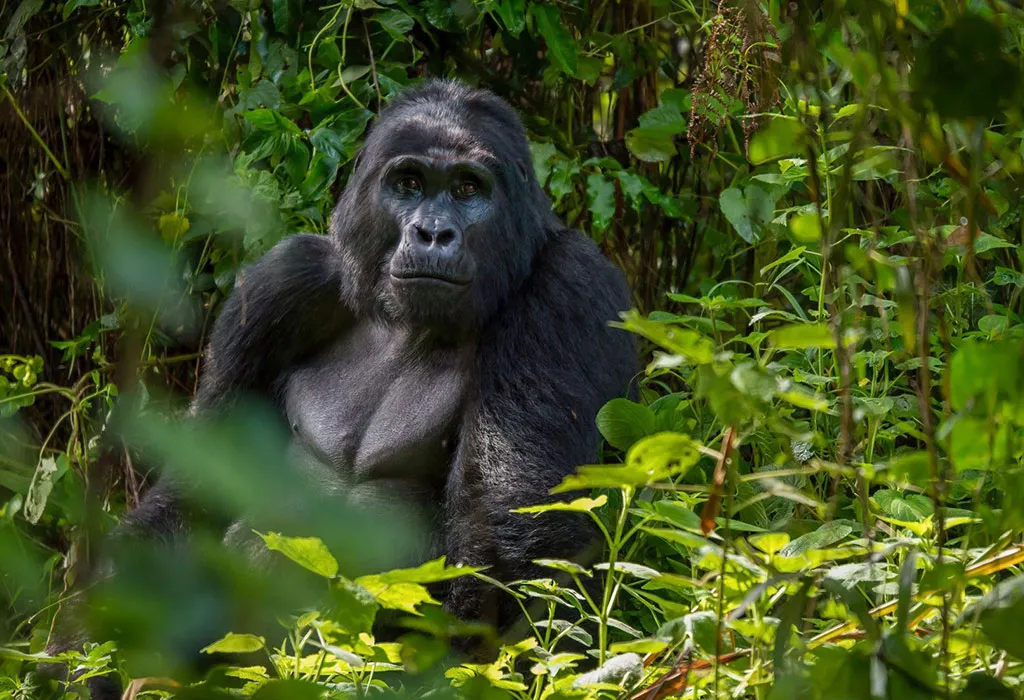
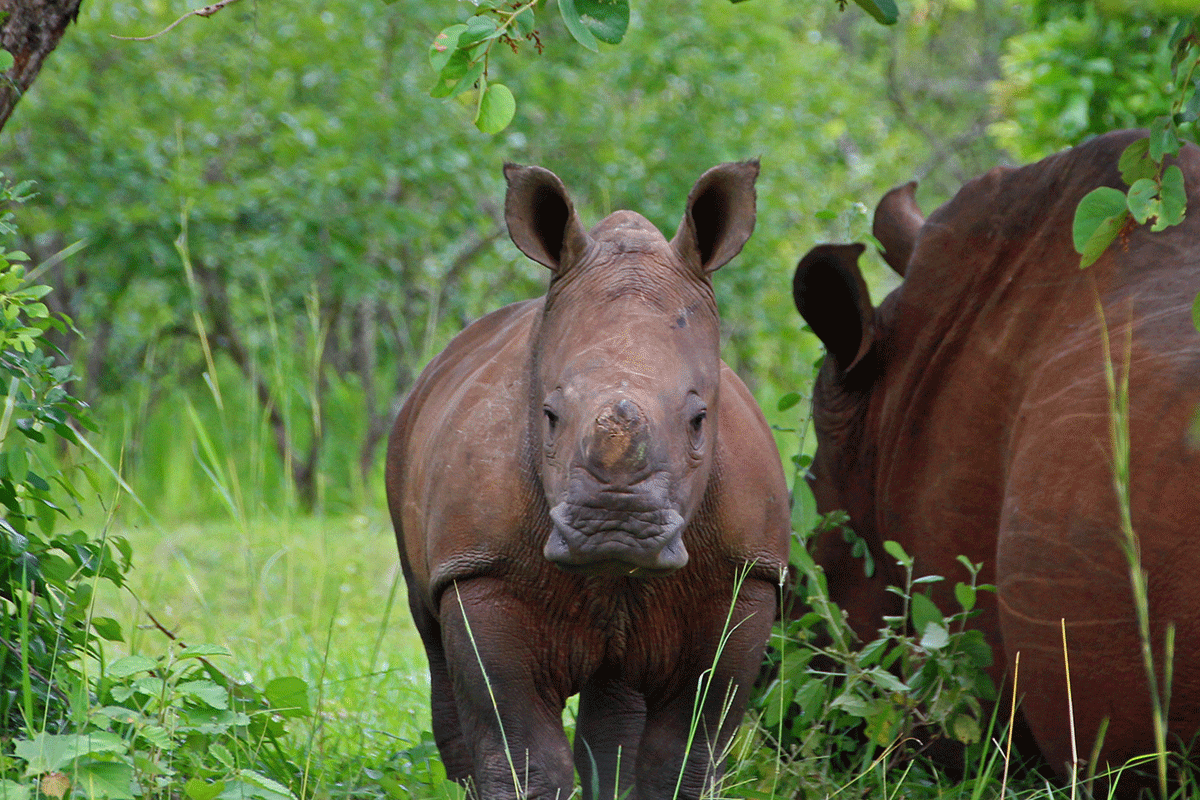
All five species can be encountered across different protected areas in East Africa, but sightings depend on the destination and individual wildlife movements. In Uganda, wild rhinoceros encounters are not available in the national parks; Ziwa Rhino Sanctuary provides the country’s principal rhino-tracking experience.
Experience the Great Wildebeest Migration in Kenya and Tanzania
The Great Migration is one of the world’s most remarkable wildlife spectacles. It involves the seasonal movement of millions of wildebeest, accompanied by zebras and gazelles, across the Serengeti-Mara ecosystem in search of fresh grazing and water.
The migration moves between Tanzania’s Serengeti and Kenya’s Maasai Mara according to rainfall, grass availability and changing environmental conditions. This creates different wildlife-viewing opportunities throughout the year.
The Calving Season in Tanzania
During the calving season, large numbers of wildebeest gather in the southern Serengeti and Ndutu region. The availability of nutritious grass supports the herds, while the birth of young wildebeest attracts predators such as lions, cheetahs and hyenas.
The Central and Western Serengeti
As the herds move through the Serengeti, visitors may encounter large concentrations of wildebeest and zebras alongside resident predators. The precise movement depends on rainfall and grazing conditions.
The Northern Serengeti and Mara River
The northern Serengeti is famous for migration river crossings, particularly during periods when the herds move towards Kenya. These crossings can be dramatic, but they are unpredictable and cannot be guaranteed on a particular safari date.
The Maasai Mara Experience
Kenya’s Maasai Mara forms an important part of the wider migration ecosystem. Visitors can enjoy game drives across open plains, search for predators and observe resident wildlife even outside the main migration period.
For migration-focused travellers, we recommend planning around the expected seasonal movement while remaining flexible about the exact locations of the herds.
Popular Activities During Wildlife Safaris in East Africa
Wildlife safaris offer much more than observing animals from a vehicle. Visitors can choose from a variety of activities depending on their destination, interests and available time.
Game Drives
Explore national parks in a 4×4 safari vehicle with an experienced guide. Morning and afternoon drives offer opportunities to search for predators, elephants, antelopes and other wildlife.
Boat Safaris
Enjoy wildlife viewing from rivers and lakes. Popular experiences include the Kazinga Channel in Uganda and Rufiji River in Tanzania.
Walking Safaris
Discover selected wilderness areas on foot with authorized guides, learning about animal tracks, plants and smaller wildlife.
Gorilla and Chimpanzee Tracking
Combine traditional wildlife viewing with remarkable primate experiences in Uganda’s rainforests.
Birdwatching
Explore East Africa’s diverse bird habitats, from wetlands and lakes to savannah and tropical forests.
Wildlife Photography
Capture wildlife, dramatic landscapes, migration herds and memorable moments in Africa’s wilderness.
Uganda vs Kenya vs Tanzania: Which Safari Destination Should You Choose?
Each country offers a distinctive safari experience. The best destination depends on the animals you want to see, the time available and the type of adventure you prefer.
| Destination | Main Attractions | Best For |
|---|---|---|
| Uganda | Gorillas, chimpanzees, elephants, lions, boat cruises and savannah wildlife. | Primate and wildlife combinations. |
| Kenya | Maasai Mara, Big Five, large elephant herds and Great Migration. | Classic savannah and predator safaris. |
| Tanzania | Serengeti, Ngorongoro, Tarangire, elephants and migration. | Extensive wilderness and migration safaris. |
Choose Uganda for Primate and Wildlife Diversity
Uganda is an excellent option if you want to combine mountain gorilla trekking, chimpanzee tracking and traditional savannah game drives within one holiday.
Choose Kenya for Classic African Game Viewing
Kenya is ideal for travellers interested in large savannah landscapes, predator sightings, the Maasai Mara and elephant encounters in Amboseli.
Choose Tanzania for Vast Wilderness and Migration
Tanzania is particularly suitable for visitors who want to explore the Serengeti, Ngorongoro Crater and other extensive wildlife conservation areas.
Travellers do not necessarily need to choose only one country. Uganda, Kenya and Tanzania can be combined into an extended East African wildlife safari.
Suggested Wildlife Safari Itineraries
These sample itineraries provide ideas for visitors interested in exploring Uganda, Kenya and Tanzania. Travel durations and park combinations can be adjusted to suit individual preferences.
7 DAYS
Uganda Wildlife Safari
Explore Murchison Falls, Queen Elizabeth and selected wildlife destinations with game drives and boat cruises.
8 DAYS
Kenya and Tanzania Highlights
Experience the Maasai Mara, Amboseli and selected northern Tanzania wildlife destinations.
12 DAYS
Kenya and Tanzania Wildlife
Combine the Maasai Mara, Lake Nakuru, Amboseli, Serengeti and Ngorongoro.
25 DAYS
Four-Country East Africa Safari
Explore Uganda, Rwanda, Kenya and Tanzania through a combination of wildlife and primate experiences.
Example: 12-Day Kenya and Tanzania Wildlife Safari
Day 1: Arrival in Nairobi, Kenya
Meet your safari guide and transfer to your hotel for relaxation.
Day 2: Nairobi to Maasai Mara
Travel to the Maasai Mara through Kenya’s scenic countryside.
Day 3: Full-Day Maasai Mara Safari
Enjoy game drives in search of lions, elephants, leopards, buffaloes and other wildlife.
Day 4: Maasai Mara to Lake Nakuru
Continue to Lake Nakuru for wildlife viewing and a scenic overnight stay.
Day 5: Lake Nakuru to Amboseli
Travel towards Amboseli National Park.
Day 6: Amboseli Wildlife Safari
Enjoy game drives and opportunities to observe elephants beneath Mount Kilimanjaro.
Day 7: Transfer to Tanzania
Cross into Tanzania and continue towards your northern safari destination.
Day 8: Lake Manyara National Park
Explore the park’s varied habitats and wildlife.
Day 9: Ngorongoro Conservation Area
Enjoy the spectacular scenery of the Ngorongoro highlands.
Day 10: Ngorongoro Crater Safari
Descend into the crater for a wildlife viewing experience.
Day 11: Serengeti National Park
Explore the Serengeti plains on game drives.
Day 12: Departure
Transfer towards Arusha or the appropriate departure airport according to your flight arrangements.
This is an illustrative route. A practical final itinerary should account for border crossing procedures, driving times, park entry arrangements, accommodation availability and departure flights.
Best Time for Wildlife Safaris in Uganda, Kenya and Tanzania
Wildlife safaris are possible throughout the year in East Africa. However, seasonal rainfall, vegetation, animal movements and road conditions can influence the experience.
June to September
This is generally a popular drier period for wildlife safaris in many parts of East Africa. Shorter grass and more predictable access in some parks can make wildlife viewing easier. It is also an important period for migration-related travel in the Maasai Mara and northern Serengeti.
October to November
Short rains affect several East African destinations. The scenery becomes greener, and birdwatching can be rewarding. Wildlife viewing remains possible, although conditions vary between parks.
December to February
These months are generally favourable for many wildlife experiences. They also coincide with the important wildebeest calving period in the southern Serengeti and Ndutu ecosystem, although the exact timing depends on rainfall.
March to May
Long rains affect several destinations. Landscapes become lush, visitor numbers may be lower and birdlife can be particularly interesting. Travellers should prepare for muddy tracks and possible changes to road access.
For migration safaris, the best travel period depends on which stage of the migration you hope to experience. Wildlife movements should be monitored when planning your travel dates.
Responsible Wildlife Tourism and Conservation
East Africa’s wildlife heritage depends on responsible conservation and sustainable tourism. National parks, reserves and conservation areas provide important habitats for animals while supporting research, environmental education and local livelihoods.
Travellers can contribute positively by following park regulations and respecting wildlife and local communities.
- Maintain a safe and respectful distance from wild animals.
- Never feed or deliberately disturb wildlife.
- Follow instructions from professional guides and park rangers.
- Do not litter or damage natural habitats.
- Observe speed limits and designated driving routes.
- Support local communities and responsible accommodation providers.
- Respect photography restrictions and wildlife viewing guidelines.
- Choose safari activities that support conservation and sustainable tourism.
Responsible wildlife tourism helps preserve natural ecosystems for future generations while allowing local communities to benefit from the protection of their natural resources.
What to Pack for an East African Wildlife Safari
Preparing the right safari equipment will make your wildlife holiday more comfortable. Your packing list should reflect the season, accommodation arrangements and activities included in your itinerary.
For photographic safaris, consider bringing additional camera batteries, memory cards and suitable lenses. A pair of binoculars is particularly useful for observing distant animals and birds.
Why Choose Safari Vacations and Travel Services?
Planning a successful wildlife safari requires an understanding of different national parks, wildlife seasons, accommodation options, transportation and park regulations. Combining Uganda, Kenya and Tanzania also requires careful coordination of cross-border arrangements and travel schedules.
Safari Vacations and Travel Services helps travellers organize wildlife journeys according to their interests, available time and preferred travel style.
Tailor-Made Safaris
Plan a private wildlife adventure based on your preferred destinations and travel dates.
Regional Experience
Explore wildlife destinations in Uganda, Kenya and Tanzania with coordinated travel arrangements.
Wildlife Experiences
Combine game drives, boat cruises, primate tracking and photographic opportunities.
Flexible Travel Planning
Choose safari durations, accommodation standards and activities to suit your holiday.
Explore More Wildlife Safaris and East African Travel Experiences
Discover more destinations, safari activities and tailor-made itineraries through these related pages on our website.
2. Wildlife Safari Packages →
3. East African Safari Guide →
4. Best National Parks in Uganda →
5. Game Viewing in Uganda →
6. Guided Game Drives in Uganda →
7. 15-Day Uganda Wildlife Safari →
8. Uganda Wildlife Safari Guide →
9. Best Uganda Parks for Leopard Sightings →
10. Discover Kidepo Valley National Park →
11. Uganda Ecotourism Experiences →
12. 12-Day Kenya and Tanzania Safari →
13. 8-Day Kenya and Tanzania Safari →
14. 25-Day East Africa Safari →
15. Four-Country Safari Packages →
16. Small Group Uganda Safaris →
17. Explore Uganda Wildlife Circuits →
18. Explore Uganda’s Protected Areas →
19. Plan a Uganda Wildlife Adventure →
20. Plan an East African Safari →
21. Responsible Uganda Tourism →
22. Discover African Predator Safaris →
23. Discover African Game Viewing →
24. Combine Kenya and Tanzania →
25. Book a Multi-Country East Africa Safari →
Frequently Asked Questions About Wildlife Safaris in Uganda, Kenya and Tanzania
Which country is best for wildlife safaris in East Africa?
Uganda is excellent for combining savannah wildlife with gorilla and chimpanzee encounters. Kenya is famous for classic Big Five safaris and the Maasai Mara, while Tanzania is renowned for the Serengeti, Ngorongoro Crater and Great Migration. The best choice depends on your interests.
Can I combine Uganda, Kenya and Tanzania in one safari?
Yes. Multi-country safaris can combine Uganda’s primate and wildlife destinations with Kenya’s Maasai Mara and Tanzania’s Serengeti and Ngorongoro. Flights and border arrangements should be planned carefully.
Where can I see the Big Five in East Africa?
The Big Five can be encountered in different protected areas across Kenya and Tanzania, including the Maasai Mara, Lake Nakuru, Serengeti and Ngorongoro. In Uganda, the rhinoceros experience is available at Ziwa Rhino Sanctuary rather than in the national parks.
What is the best time to see the Great Migration?
The migration takes place throughout the year within the Serengeti-Mara ecosystem. The best period depends on whether you want to see calving, large grazing herds or possible river crossings. Animal movements depend on rainfall and grazing conditions.
How many days are needed for an East African wildlife safari?
A focused safari in one country may take five to eight days. A combined Kenya and Tanzania safari may require eight to fourteen days, while a journey covering Uganda, Kenya and Tanzania is more comfortable with approximately two to three weeks or longer.
Can I combine gorilla trekking with a Big Five safari?
Yes. You can combine gorilla trekking in Uganda with traditional wildlife safaris in Queen Elizabeth or Murchison Falls, then extend the journey to Kenya or Tanzania for more extensive savannah wildlife viewing.
Are wildlife sightings guaranteed during a safari?
No. Wild animals move freely within their habitats, and sightings depend on weather, season, vegetation and animal movements. Experienced guides can improve your opportunities, but wildlife encounters can never be guaranteed.
Are wildlife safaris suitable for families?
Yes. Many wildlife destinations offer family-friendly safari experiences. The itinerary should consider children’s ages, accommodation requirements, driving distances and park activity restrictions.
What type of vehicle is used for wildlife safaris?
Most game drives use specially adapted 4×4 safari vehicles, often with pop-up roofs for wildlife viewing and photography. The vehicle depends on the destination, group size and type of safari.
Can wildlife safaris be customized?
Yes. Safari itineraries can be customized according to your budget, travel dates, preferred accommodation, group size, wildlife interests and available time.
Your African Wildlife Adventure Begins Here
Explore the Wild. Discover Africa. Create Lasting Memories.
From Uganda’s spectacular national parks to Kenya’s legendary Maasai Mara and Tanzania’s magnificent Serengeti, discover unforgettable wildlife encounters with a safari designed around your interests.
Safari Vacations and Travel Services
Uganda, Kenya and Tanzania Wildlife Adventures