Least Crowded National Parks in Uganda
Discover Uganda beyond the busy safari routes
Kidepo Valley Is One of Uganda’s Best Parks for an Uncrowded Wildlife Safari
Uganda is famous for its mountain gorillas, chimpanzees, elephants, lions, tree-climbing lions, savannah landscapes and remarkable birdlife. Popular destinations such as Murchison Falls National Park, Queen Elizabeth National Park and Bwindi Impenetrable National Park attract many visitors throughout the year.
However, not every traveller wants a busy safari destination. Some prefer open landscapes, quiet game drives, fewer vehicles at wildlife sightings and the feeling of exploring a remote wilderness. For this kind of experience, Kidepo Valley National Park is one of the strongest choices in Uganda.
Located in the country’s northeastern corner, Kidepo is known for its rugged mountains, wide savannah plains, seasonal valleys and exceptional wildlife. Its remote location means fewer travellers make the journey compared with Uganda’s more accessible and popular parks.
There is one important distinction when discussing the least crowded park. Official 2024 visitor statistics recorded fewer total visits to Mount Elgon National Park than to Kidepo. However, Mount Elgon is primarily a mountain hiking and trekking destination. Kidepo is a particularly attractive answer for travellers looking for a quiet, traditional savannah wildlife safari.
The Short Answer
Choose Kidepo Valley National Park for a remote, uncrowded savannah safari with excellent opportunities to see lions, elephants, buffaloes, giraffes and other wildlife. Choose Mount Elgon National Park if your main interest is a quieter mountain destination with hiking, waterfalls, forests and scenic trails. Visitor totals and the experience of crowding are not exactly the same thing.
What Do Uganda’s National Park Visitor Statistics Show? (Least Crowded National Parks in Uganda)
Uganda’s official visitor figures help explain why some parks feel busier than others. The Uganda Bureau of Statistics, drawing on Ministry of Tourism, Wildlife and Antiquities data, recorded the following visits to selected national parks in 2024.
| National Park | 2024 Visitors | Share of Total |
|---|---|---|
| Mount Elgon | 1,354 | 0.3% |
| Rwenzori Mountains | 4,835 | 1.1% |
| Mgahinga Gorilla | 7,362 | 1.7% |
| Kidepo Valley | 7,613 | 1.7% |
| Kibale | 19,748 | 4.5% |
| Bwindi Impenetrable | 43,364 | 9.9% |
| Queen Elizabeth | 124,645 | 28.5% |
| Murchison Falls | 139,304 | 31.9% |
Source: Uganda Bureau of Statistics, Statistical Abstract 2025, Table 6.8, reporting 2024 park visitor data. Figures count visits, not the number of unique individuals.
The figures show that Kidepo receives a much smaller share of Uganda’s national park visits than Murchison Falls and Queen Elizabeth. Mount Elgon and Rwenzori record fewer visits overall, but their visitor activities are largely focused on mountain trekking rather than conventional savannah game drives.
1. Kidepo Valley National Park: The Best Choice for a Quiet Savannah Safari
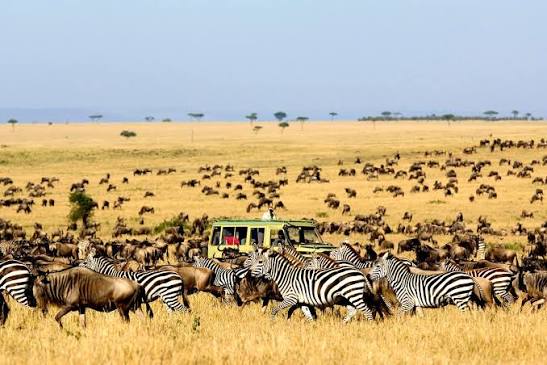
Kidepo Valley National Park is situated in northeastern Uganda, in the Karamoja region. It is one of the country’s most remote national parks and is recognised for its dramatic scenery, extensive grasslands and diverse wildlife.
Unlike parks located along Uganda’s more established tourism circuits, Kidepo requires a longer journey by road or a domestic charter flight. This remoteness helps limit casual visitor traffic and gives the park a quieter atmosphere.
Its open landscapes, rugged mountain ranges and broad valleys create an impressive setting for game drives. Visitors can explore the Narus Valley, Kidepo Valley and other scenic areas with experienced guides.
Why Kidepo Is Less Crowded
- Remote location: Kidepo lies far from Kampala and the country’s busiest tourism routes.
- Long road journey: Travelling overland requires careful planning and a considerable amount of time.
- Limited visitor concentration: It receives fewer visits than major wildlife parks such as Murchison Falls and Queen Elizabeth.
- Wilderness atmosphere: Its expansive landscapes can make wildlife drives feel more secluded.
- Specialist safari appeal: The park attracts travellers specifically interested in remote wilderness, wildlife and Karamoja culture.
Wildlife You Can See in Kidepo
Kidepo is an excellent destination for wildlife enthusiasts. The park protects several mammals and bird species, including animals that are difficult to encounter elsewhere in Uganda.
- African elephants
- African buffaloes
- Lions
- Leopards
- Giraffes
- Zebras
- Jackson’s hartebeest
- Elands
- Kudu
- Ostriches and numerous savannah bird species
Wildlife sightings depend on the season, location, animal movements and time spent exploring. A knowledgeable guide can help you identify tracks, interpret animal behaviour and choose productive game-drive routes.
The Narus Valley
The Narus Valley is one of the main wildlife-viewing areas in Kidepo. It is particularly important during dry periods when wildlife gathers around remaining water sources and grazing areas. Game drives here can offer opportunities to see buffalo herds, elephants, giraffes, antelopes and predators.
The Kidepo Valley
The northern Kidepo Valley offers a different landscape, with open plains, seasonal riverbeds and striking views towards the mountains. The valley is especially rewarding for visitors interested in the scenery, remote wilderness and cultural history of the region.
Mount Morungole and Cultural Encounters
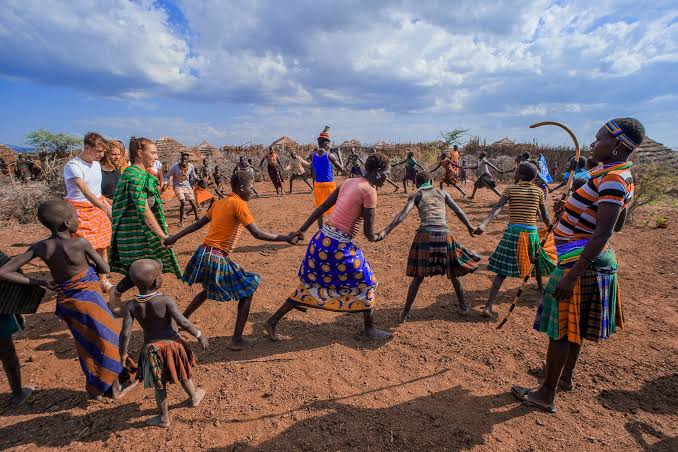
The mountains around Kidepo create a dramatic backdrop for the park. Travellers can also arrange respectful cultural visits with local communities, including experiences connected to the Karamojong people and the Ik community. These activities should be organised with local guides and community consent.
Explore our Uganda cultural tours to learn how community experiences can complement a wildlife safari.
What Makes a Kidepo Safari Special?
Quiet Game Drives
Explore broad savannah landscapes where visitor traffic is generally lighter than in Uganda’s busiest parks.
Dramatic Scenery
Enjoy mountain backdrops, seasonal valleys, rocky outcrops and expansive grasslands.
Distinctive Wildlife
Look for species such as ostriches, kudu and other animals associated with northeastern Uganda.
Cultural Discovery
Learn about Karamoja’s communities, traditions and relationship with the surrounding landscape.
2. Mount Elgon National Park: Uganda’s Least-Visited Park in the 2024 Statistics
If the question is based strictly on the total number of recorded visitors, Mount Elgon National Park had the lowest visitor figure among Uganda’s national parks in the 2024 statistics presented above.
Located in eastern Uganda along the border with Kenya, Mount Elgon is an ancient volcanic mountain with forests, waterfalls, caves, cliffs and high-altitude landscapes. It is a destination for hikers, nature lovers, climbers and visitors interested in mountain ecosystems.
The park’s relatively low visitor numbers should not be confused with the type of safari experience offered by Kidepo. Mount Elgon is primarily a mountain destination rather than a conventional savannah game-drive park.
What to Experience in Mount Elgon
- Hiking through montane forest and moorland.
- Exploring waterfalls and scenic mountain trails.
- Visiting caves and natural features.
- Birdwatching in different vegetation zones.
- Longer mountain expeditions towards Wagagai Peak, subject to route and park arrangements.
Mount Elgon is a good choice if you want a quieter outdoor holiday focused on hiking, nature and scenery rather than large mammals and frequent game drives.
Learn more about Mount Elgon National Park when planning a hiking-focused trip in eastern Uganda.
3. Rwenzori Mountains National Park: A Quiet Destination for Mountain Adventures
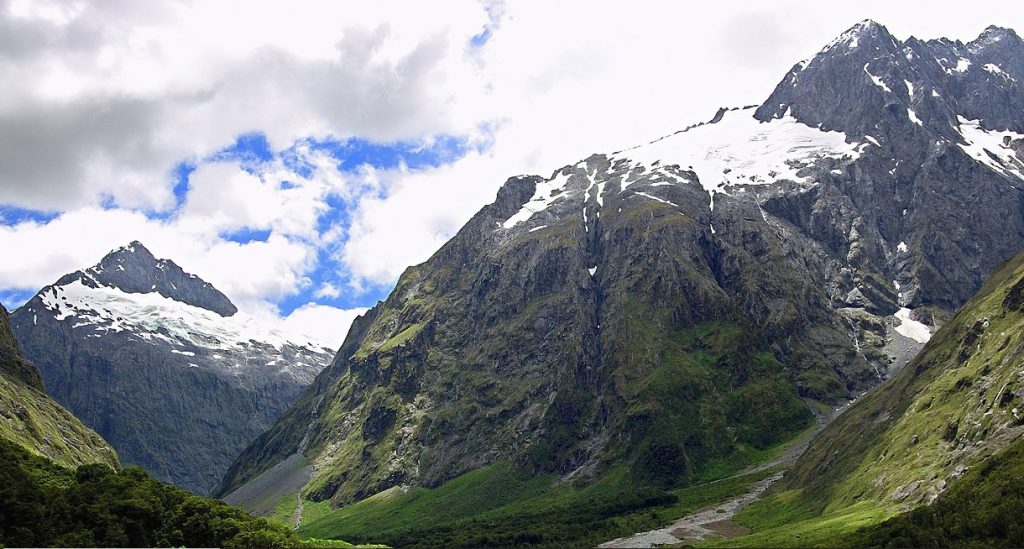 Rwenzori Mountains National Park is another destination with relatively low visitor numbers compared with Uganda’s main wildlife parks. It protects part of the Rwenzori Mountains, often referred to as the Mountains of the Moon.
The park is known for its spectacular mountain scenery, high-altitude vegetation, glaciers, valleys and challenging trekking routes. Visitors can choose shorter nature walks or longer mountain expeditions depending on their experience, fitness and available time.
Why Visit the Rwenzori Mountains?
- Experience dramatic mountain scenery and unique vegetation zones.
- Explore forest trails, rivers and waterfalls.
- Take part in guided mountain hikes.
- Enjoy a destination that receives fewer visitors than the major savannah parks.
The Rwenzori is especially suitable for travellers who enjoy trekking and remote mountain environments. It is not the best option if your main priority is to see lions, elephants and other savannah animals on daily game drives.
Explore our Rwenzori Mountains National Park guide for more information.
4. Mgahinga Gorilla National Park: A Small and Peaceful Primate Destination
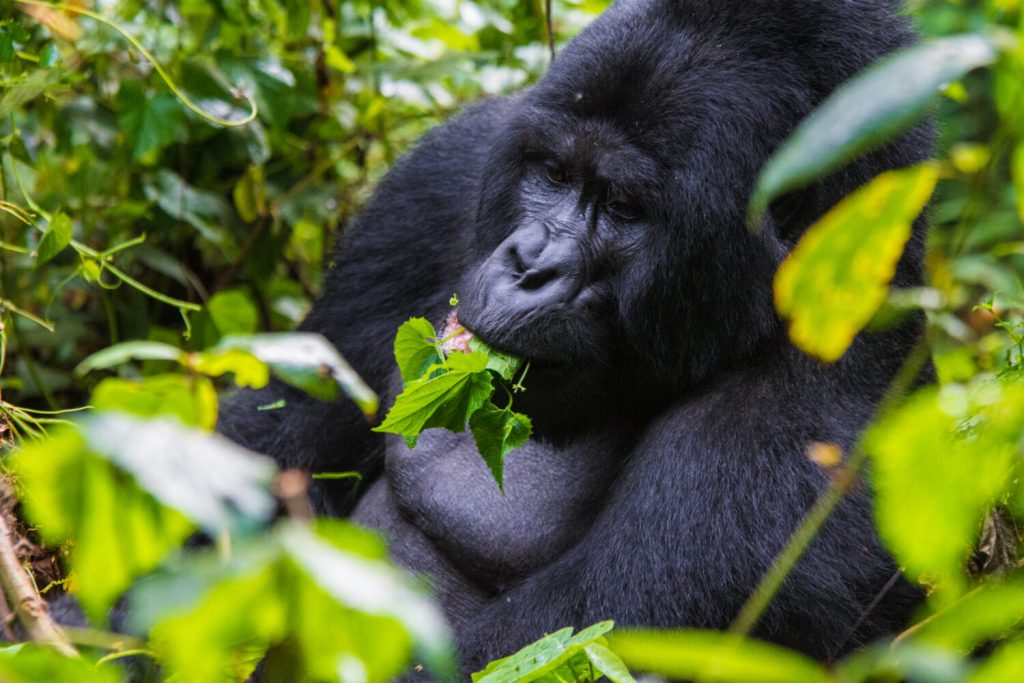 Mgahinga Gorilla National Park is Uganda’s smallest national park and forms part of the Virunga Conservation Area. It protects forested volcanic slopes and provides habitat for mountain gorillas, golden monkeys and other wildlife.
Although its 2024 visitor total was relatively low, Mgahinga is not a traditional open-savannah safari destination. Its main attractions are primate trekking, volcano hiking, birdwatching and forest experiences.
Activities in Mgahinga
- Mountain gorilla trekking.
- Golden monkey trekking.
- Volcano hiking on the Virunga slopes.
- Birdwatching and guided forest walks.
- Cultural experiences around the park.
Mgahinga is worth considering if you want a quieter primate destination and a chance to explore Uganda’s volcanic highlands. Discover Mgahinga Gorilla National Park and its golden monkey trekking experience.
Other Uganda Parks for a More Peaceful Safari
5. Semuliki National Park
Semuliki National Park lies in western Uganda near the Democratic Republic of Congo border. It protects lowland tropical rainforest and is particularly interesting for birdwatchers, nature lovers and visitors interested in forest ecosystems.
The park is known for its hot springs, forest walks, birdlife and primates. It can be a rewarding addition to an itinerary exploring western Uganda, particularly for travellers who prefer less conventional safari experiences.
Explore Semuliki National Park for a different side of Uganda’s natural heritage.
6. Lake Mburo National Park
Lake Mburo National Park is a convenient destination for visitors travelling between Kampala and southwestern Uganda. It offers savannah scenery, zebras, impalas, elands, buffaloes and hippos. Activities include game drives, boat trips, guided walking safaris and horseback experiences where available.
Although Lake Mburo receives more visitors than Kidepo, it can still offer enjoyable wildlife experiences, especially when visits are planned outside the busiest periods.
Read about Lake Mburo National Park before including it in your itinerary.
7. Kibale National Park
Kibale is internationally recognised for chimpanzee trekking and its rich primate diversity. It receives visitors interested in guided chimpanzee experiences, forest walks and birdwatching. Its visitor numbers are lower than those of Uganda’s busiest savannah parks, although trekking permits and popular activity times can create concentrated visitor activity.
Explore Kibale Forest National Park and learn about chimpanzee trekking in Uganda.
8. Bwindi Impenetrable National Park
Bwindi is a major gorilla trekking destination. It attracts travellers from across the world, but visitor activity is managed through permits, assigned trekking sectors and controlled gorilla viewing. It is possible to enjoy a more personal forest experience, although it is not Uganda’s least-visited national park.
Discover Bwindi Impenetrable National Park and the Uganda gorilla trekking experience.
Kidepo vs Mount Elgon vs Rwenzori: Which Quiet Park Should You Choose?
Each destination offers a different kind of escape. Your best choice depends on whether you want wildlife viewing, mountain hiking, primate experiences or a combination of activities.
| Destination | Main Experience | Best Suited To |
|---|---|---|
| Kidepo Valley | Savannah wildlife and game drives | Quiet traditional wildlife safaris |
| Mount Elgon | Mountain hiking and nature | Hikers and outdoor travellers |
| Rwenzori Mountains | High-altitude trekking | Experienced mountain trekkers |
| Mgahinga | Gorillas, golden monkeys and volcanoes | Primate and mountain enthusiasts |
| Semuliki | Rainforest, hot springs and birding | Birdwatchers and forest explorers |
| Lake Mburo | Savannah wildlife and walking activities | Shorter wildlife breaks |
Best Time to Visit Uganda’s Less-Crowded National Parks
Uganda’s national parks can be visited throughout the year, although weather conditions influence road access, trail conditions and wildlife viewing. The best time depends on the park and the activities you want to enjoy.
Kidepo Valley National Park
The relatively drier periods, particularly December to February and June to September, are often favourable for game viewing. During dry periods, wildlife may concentrate around more reliable water sources. The greener months can provide beautiful scenery and rewarding birdwatching, although animals may be more dispersed.
Mount Elgon and Rwenzori Mountains
Hiking conditions are influenced by rainfall, trail conditions and altitude. Choose your travel period carefully, check current park conditions and use qualified mountain guides for longer treks.
Semuliki and Forest Destinations
Rainfall can occur throughout the year in rainforest environments. Visitors should bring waterproof clothing and suitable footwear, especially when planning forest walks and birdwatching activities.
For broader seasonal advice, read our guide to the best time to visit Uganda for a safari.
How to Get to Kidepo Valley National Park
One of the main reasons Kidepo remains less visited is its distance from Uganda’s main international arrival points and popular safari circuits. Travellers can reach the park by road or arrange a domestic charter flight.
Travelling by Road
The road journey from Kampala is long and usually requires a full day or an overnight stop, depending on the chosen route, road conditions and planned breaks. Travellers may pass through central and northern Uganda before continuing towards the Karamoja region.
A suitable 4×4 safari vehicle is recommended, particularly for remote sections and changing road conditions. A well-planned journey can include overnight stops and cultural or sightseeing experiences along the way.
Travelling by Air
Charter flights provide a faster alternative for visitors with limited time. Flights and airstrip arrangements must be confirmed in advance, including luggage restrictions and transfers between the airstrip and accommodation.
Combining Kidepo with Other Destinations
Kidepo can be combined with other northern Uganda attractions or included in a longer wildlife circuit. Travellers with sufficient time may connect it with Murchison Falls National Park for a varied safari featuring savannah wildlife and the Nile River.
See our Uganda safari packages for ideas on arranging a multi-park journey.
Suggested 5-Day Kidepo Valley Safari
A five-day itinerary gives visitors time to reach the park, enjoy game drives and explore the surrounding region without making the journey unnecessarily rushed.
Day 1: Kampala to Northern Uganda
Depart Kampala and travel northwards through Uganda’s countryside. Depending on the route and travel pace, overnight in a suitable town before continuing to Kidepo.
Day 2: Continue to Kidepo Valley National Park
Continue towards Karamoja and arrive at your lodge. Relax, enjoy the surrounding landscape and receive a briefing about the following day’s activities.
Day 3: Game Drives in the Narus Valley
Enjoy morning and afternoon game drives in search of elephants, buffaloes, giraffes, antelopes and predators. Your guide will help interpret animal tracks and identify wildlife.
Day 4: Kidepo Valley and Cultural Experience
Explore more of the park’s scenery and arrange a guided cultural experience with local communities, subject to availability and community arrangements.
Day 5: Return Journey
After breakfast, begin the return journey or continue to another destination if your wider safari itinerary allows.
Responsible Tourism in Uganda’s Quiet National Parks
Visiting less-crowded destinations provides an opportunity to appreciate nature while supporting conservation and local livelihoods. Responsible tourism is especially important in remote areas where communities and wildlife share landscapes and resources.
- Follow park regulations and the instructions of authorised guides and rangers.
- Keep a safe and respectful distance from wild animals.
- Never feed wildlife or attempt to attract animals for photographs.
- Do not leave rubbish in protected areas.
- Choose accommodation and services that contribute positively to local communities.
- Ask permission before photographing people during cultural visits.
- Respect local customs, traditions and community guidance.
- Use experienced guides for walking safaris and mountain activities.
Supporting responsible tourism helps maintain the natural and cultural qualities that make Uganda’s quieter destinations special.
Who Should Choose a Less-Crowded Uganda National Park?
Quiet national parks are particularly attractive to travellers who want a more personal connection with nature and are willing to explore destinations beyond the most familiar tourism routes.
Wildlife Photographers
Enjoy more time observing wildlife and capturing the landscape without the same level of vehicle traffic found in busier areas.
Couples and Private Travellers
Choose a remote destination for a quieter holiday with private game drives and scenic accommodation.
Adventure Travellers
Explore mountain trails, remote valleys and wilderness environments beyond the usual safari circuit.
Repeat Visitors to Uganda
Discover less familiar parks after visiting popular destinations such as Bwindi, Kibale and Murchison Falls.
Practical Tips for Planning a Quiet Uganda Safari
- Allow enough time: Remote destinations such as Kidepo should not be squeezed into a short itinerary.
- Choose the right vehicle: A reliable 4×4 is recommended for remote routes and game drives.
- Book accommodation early: Remote parks have fewer accommodation choices than the major tourism centres.
- Travel with an experienced guide: Local knowledge can improve wildlife viewing and route planning.
- Pack for changing weather: Carry sun protection, comfortable clothing, suitable shoes and rain protection.
- Check park conditions: Confirm road access, activity availability and any operational changes before departure.
- Plan around your interests: Select Kidepo for savannah wildlife, Mount Elgon for hiking and Mgahinga for primate experiences.
First-time visitors can also explore our guide to the best Uganda destinations for first-time travellers.
Frequently Asked Questions About Uganda’s Least-Crowded National Parks
1. Which national park in Uganda is the least crowded?
For a traditional savannah wildlife safari, Kidepo Valley National Park is one of the best choices for a quiet and remote experience. However, 2024 official visitor statistics show Mount Elgon had the lowest total visitor count among national parks.
2. Is Kidepo Valley National Park less crowded than Murchison Falls?
Yes. The 2024 statistics recorded 7,613 visits to Kidepo compared with 139,304 to Murchison Falls. Kidepo generally offers a more remote and less busy safari atmosphere.
3. Why does Kidepo receive fewer visitors?
Its remote location in northeastern Uganda, long road journey and more specialised wilderness appeal contribute to its lower visitor numbers.
4. Is Mount Elgon the least-visited national park in Uganda?
In the 2024 visitor statistics presented in this article, Mount Elgon recorded 1,354 visits, the lowest figure among the listed national parks. It is primarily known for hiking, mountain scenery and nature experiences.
5. Can I see lions in Kidepo Valley National Park?
Yes. Kidepo supports lion populations, and game drives in suitable areas such as the Narus Valley may offer opportunities to see them. Sightings are never guaranteed.
6. Is Kidepo suitable for a first-time visitor to Uganda?
Yes, particularly for travellers with enough time and an interest in remote wildlife destinations. However, visitors with limited time may prefer a more accessible safari circuit.
7. Can I combine Kidepo with Murchison Falls?
Yes. The two parks can be combined in a longer Uganda safari. The itinerary should allow sufficient time for road transfers and activities in each destination.
8. Is Kidepo good for birdwatching?
Yes. Kidepo has a wide variety of birdlife and is an interesting destination for birdwatchers, especially those interested in northeastern Uganda’s savannah and dry-country species.
9. What is the best time to visit Kidepo?
The relatively drier periods are often favourable for wildlife viewing, particularly when animals gather around more reliable water sources. The park can be visited throughout the year, depending on your interests and travel conditions.
10. How many days should I spend in Kidepo?
Allow at least three nights if possible, with additional time for the road journey. A longer stay gives you more opportunities for game drives, scenery and cultural experiences.
Discover Uganda’s Quieter Wilderness
Plan Your Uncrowded Uganda Safari
Whether you want a remote wildlife adventure in Kidepo, a mountain escape in Mount Elgon or a forest and primate experience in Mgahinga, we can help you plan a safari that matches your interests, travel dates and budget.
Explore More Uganda Safari Guides
Continue discovering Uganda’s wildlife, national parks and safari experiences through these travel guides.