Gombe vs Mahale Chimpanzee Trekking Experience
Tanzania Primate Safaris
Gombe vs Mahale Chimpanzee Trekking Experience
Discover the differences between Gombe Stream and Mahale Mountains National Parks, two remarkable destinations for guided chimpanzee trekking along the shores of Lake Tanganyika.
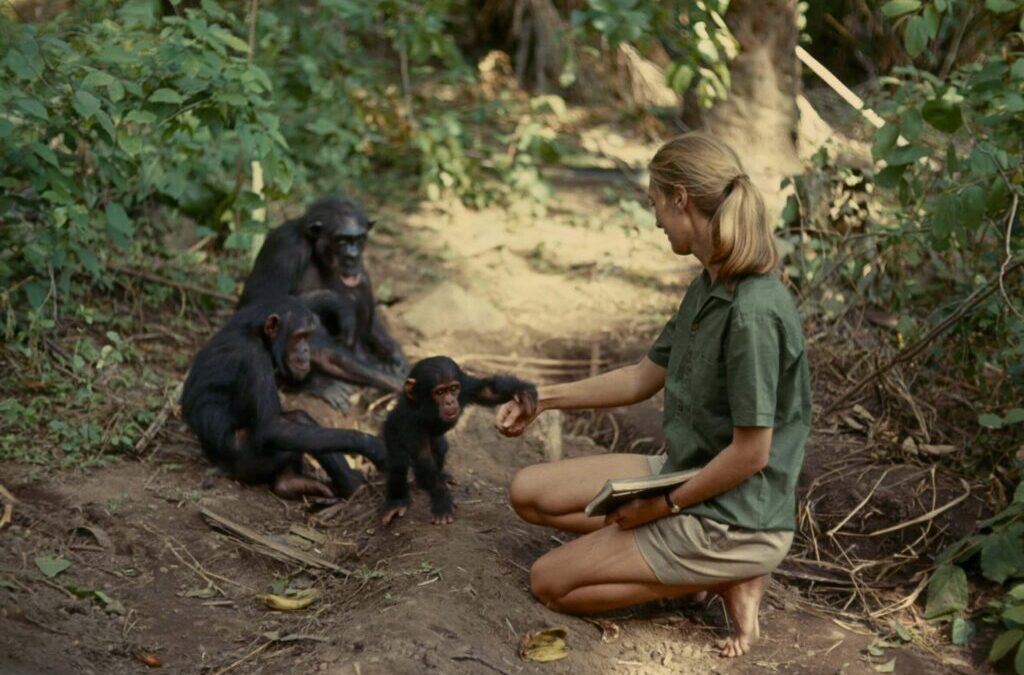
Gombe Stream and Mahale Mountains are among Tanzania’s best-known destinations for observing wild chimpanzees. Both offer guided forest experiences, beautiful landscapes and opportunities to learn about chimpanzee behaviour. However, they differ in accessibility, trekking environments, accommodation choices and the overall safari experience.
Choosing between the two depends on your travel schedule, preferred level of adventure, budget and interest in combining primate encounters with other activities. Gombe is closely associated with the pioneering chimpanzee research of Jane Goodall, while Mahale is known for its remote mountain forests and lakeside wilderness setting.
Gombe Stream National Park
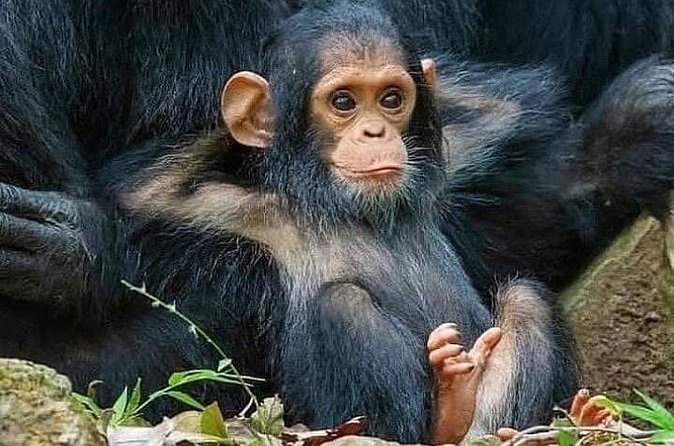
Gombe Stream National Park is located on the western side of Tanzania beside Lake Tanganyika. It is famous for its long-running chimpanzee research programme and the work of primatologist Jane Goodall, who began studying chimpanzees in the area in 1960.
The park protects forest, steep valleys, streams and woodland. Guided walks take visitors through the forest to look for habituated chimpanzee communities. The experience offers opportunities to observe their social behaviour, feeding habits, movement and interactions, while following the guidance of trained park personnel.
What Makes Gombe Special?
- Its internationally recognised history of chimpanzee research.
- Guided chimpanzee tracking in natural forest habitat.
- Scenic views of Lake Tanganyika.
- Forest trails, streams and diverse vegetation.
- An intimate wildlife experience in a relatively small national park.
Mahale Mountains National Park
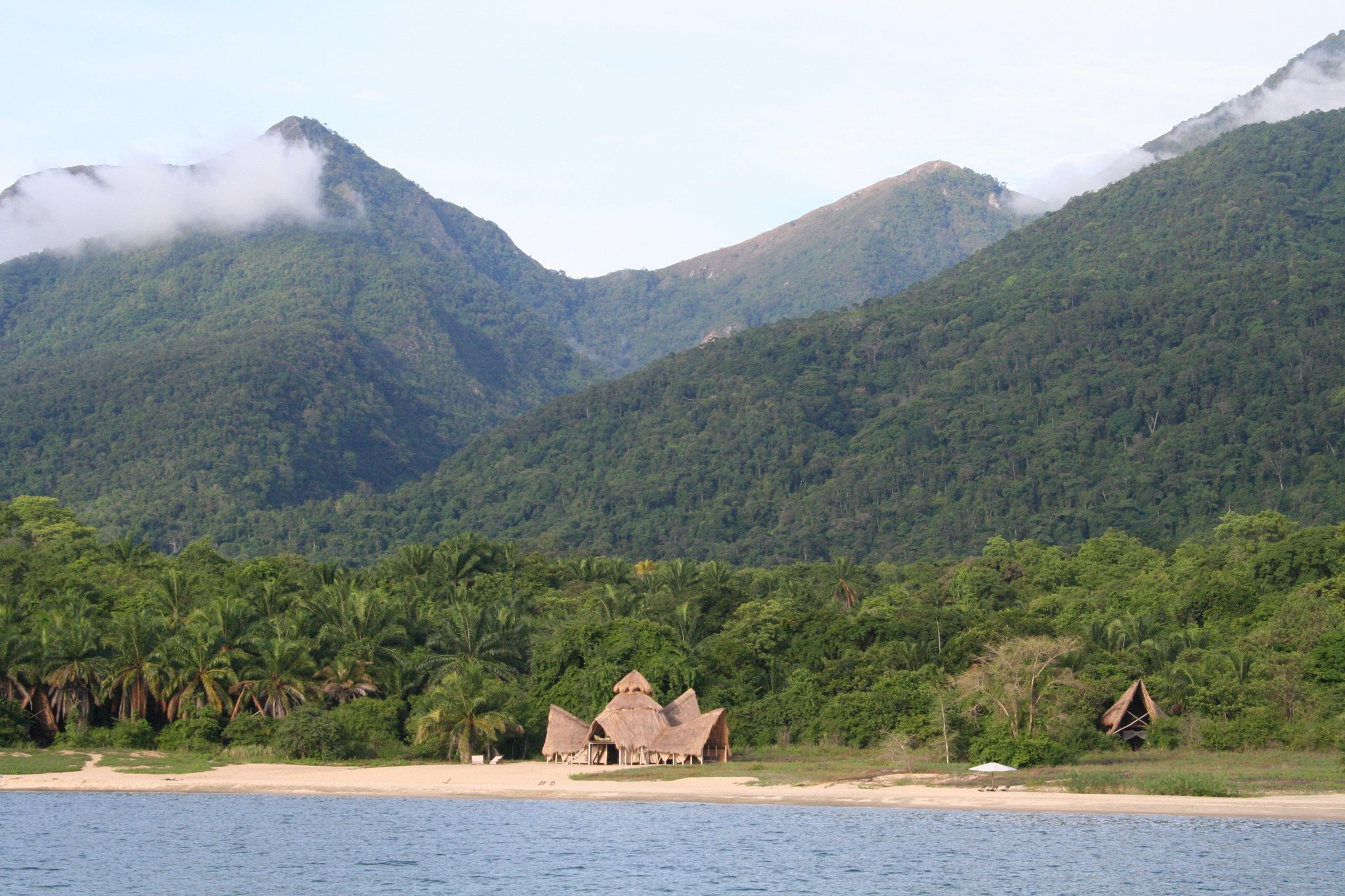
Mahale Mountains National Park lies along the eastern shores of Lake Tanganyika in western Tanzania. It is known for its forest-covered mountains, remote setting and wild chimpanzee populations.
The park’s landscape combines tropical forest, mountain slopes, clear lake waters and secluded beaches. Visitors generally reach the park by boat or other organised transfers, depending on their itinerary and travel arrangements. Chimpanzee trekking involves guided hikes through forest terrain, which can be steep and physically demanding.
What Makes Mahale Special?
- Remote and relatively untouched wilderness surroundings.
- Opportunities to track habituated chimpanzee communities.
- Beautiful mountain and Lake Tanganyika scenery.
- Possibilities for permitted lake activities where conditions allow.
- A combination of forest trekking and lakeside relaxation.
Gombe vs Mahale: Main Differences
| Feature | Gombe Stream | Mahale Mountains |
|---|---|---|
| Location | Western Tanzania, beside Lake Tanganyika | Western Tanzania, along Lake Tanganyika |
| Landscape | Forest, valleys and streams | Mountain forests, slopes and lakeside scenery |
| Chimpanzee experience | Guided tracking of habituated chimpanzees | Guided tracking of habituated chimpanzees |
| Accessibility | Commonly accessed through Kigoma and onward boat transfer | Remote access, often involving organised boat or air-and-boat arrangements |
| Trekking terrain | Uneven forest paths and steep sections | Mountainous forest terrain that can be challenging |
| Atmosphere | Compact, historic research destination | Remote wilderness and lakeside escape |
Travel arrangements, park access and available activities should be confirmed for your intended travel dates.
Chimpanzee Trekking in Gombe
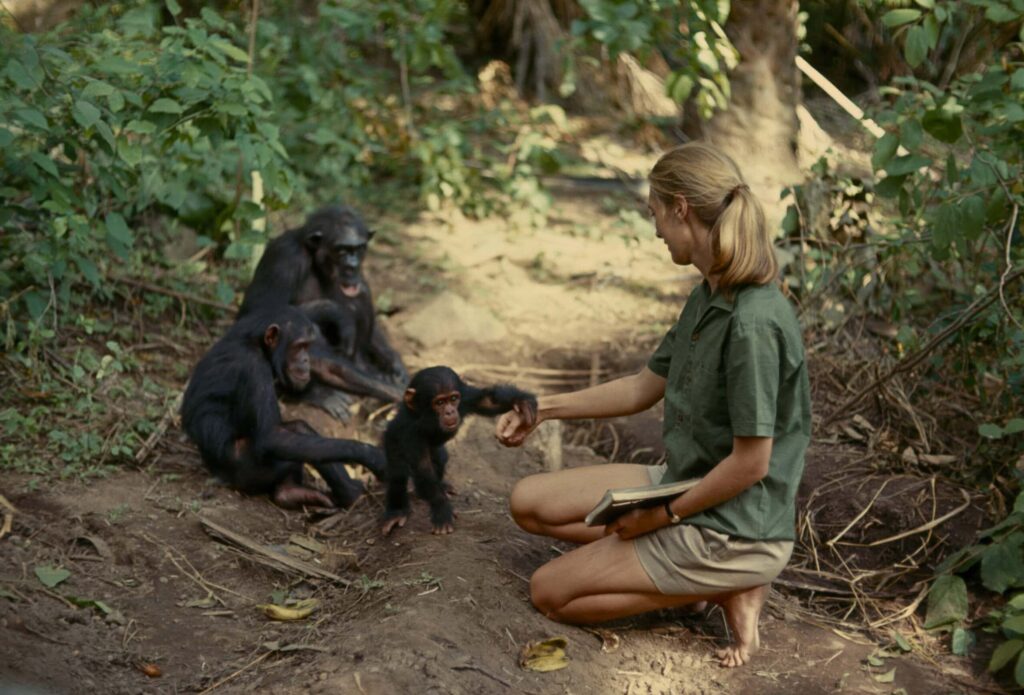
Chimpanzee trekking in Gombe involves walking with park guides through forest trails to locate habituated chimpanzee communities. The guides use their knowledge of the forest and chimpanzee movements to help visitors find the animals.
Once the chimpanzees are located, visitors may observe them feeding, grooming, resting, communicating or moving through the vegetation. Sightings are not guaranteed because chimpanzees are wild animals and move freely through their habitat.
What to Expect During the Trek
- A briefing before entering the forest.
- A guided walk through uneven terrain.
- Time spent searching for chimpanzees.
- An observation period subject to park rules.
- A return walk to the starting point or park facilities.
Chimpanzee Trekking in Mahale
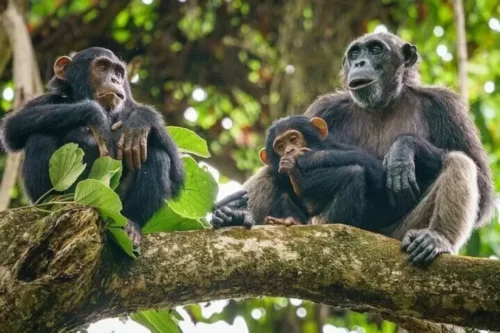
Chimpanzee trekking in Mahale takes place in a spectacular forest environment beneath the park’s mountain slopes. Visitors walk with experienced guides to locate habituated chimpanzee communities.
The duration and difficulty of the trek vary depending on where the chimpanzees are located. Some walks may be relatively manageable, while others involve longer hikes over steep and slippery ground. A reasonable level of physical fitness is recommended.
What to Expect During the Trek
- A park briefing and guidance on responsible wildlife viewing.
- Hiking through tropical forest and mountain terrain.
- Searching for chimpanzees with trained guides.
- Observing chimpanzee behaviour while maintaining the required distance.
- Returning through the forest to the park’s accommodation or access point.
Accessibility and How to Reach the Parks
Getting to Gombe Stream
Gombe is commonly accessed through Kigoma in western Tanzania. Travellers can reach Kigoma by domestic flight or overland transport, depending on their starting point and schedule. From Kigoma, visitors continue by boat across Lake Tanganyika to the park.
Getting to Mahale Mountains
Mahale is more remote and requires careful logistical planning. Access commonly involves reaching western Tanzania and arranging a boat transfer or a combination of air and boat transport, depending on the lodge and safari arrangements. Transfers may take considerable time, so it is important to confirm the itinerary before travelling.
Best Time to Visit Gombe and Mahale
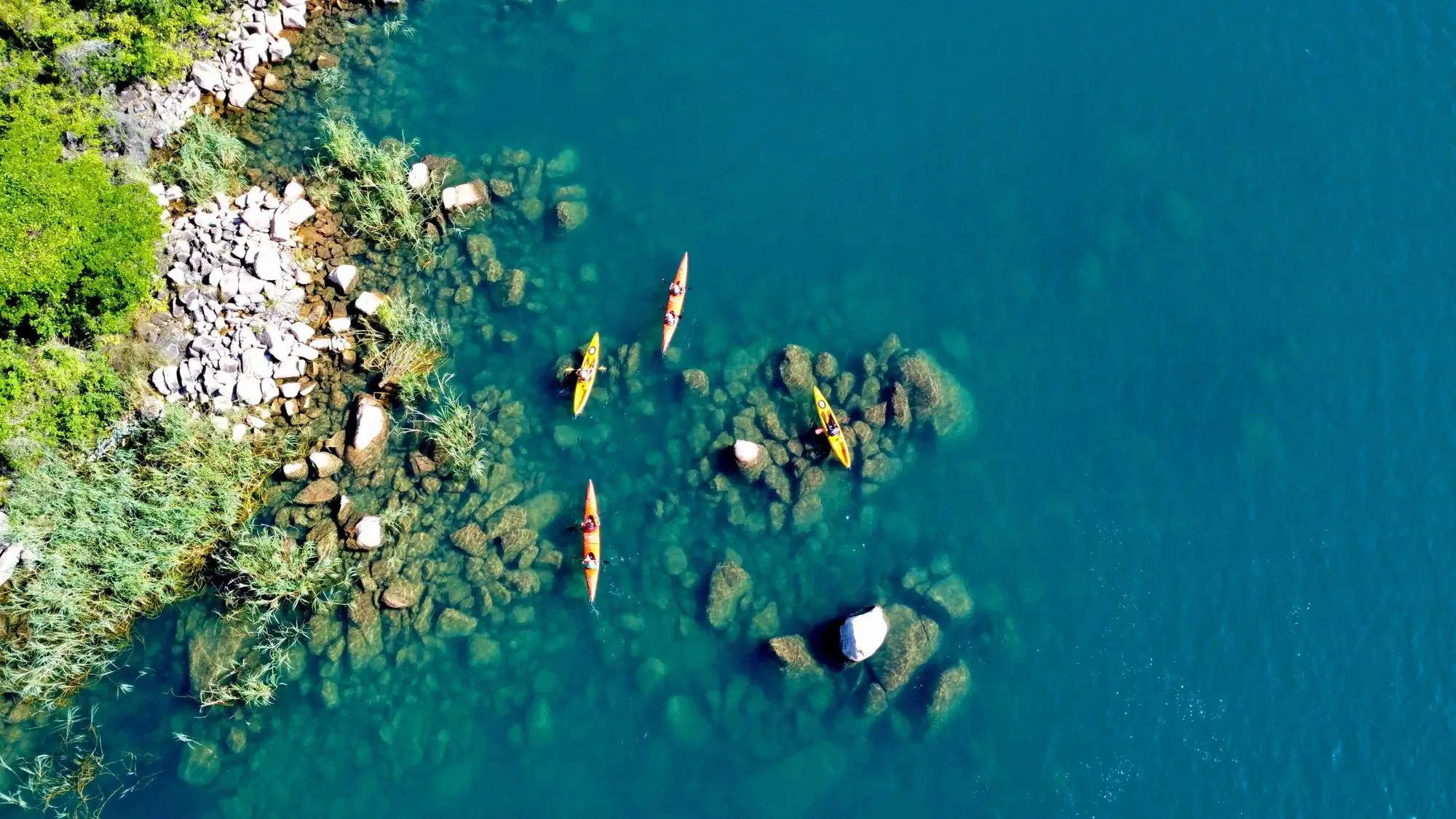
Both parks can be visited during different periods of the year, but weather conditions influence forest trails, transport and the general trekking experience.
Dry Season
The drier months are often preferred for chimpanzee trekking because forest trails may be easier to navigate. Wildlife viewing and transport arrangements can also be more convenient, although conditions vary from year to year.
Rainy Season
Rain can make forest trails muddy and slippery, especially on steep sections. However, the forests may appear especially lush and green. Travellers visiting during wetter months should prepare for changing conditions and allow flexibility in their plans.
Before booking, confirm the latest park conditions, transport schedules, accommodation availability and chimpanzee trekking arrangements.
Accommodation in Gombe and Mahale
 Staying Near Gombe
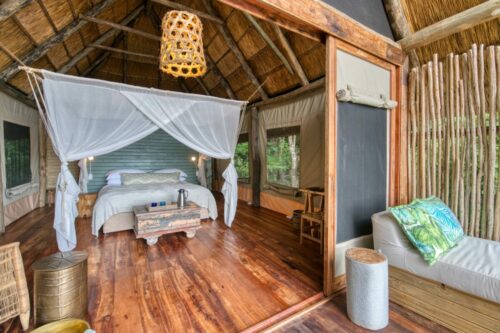
Accommodation options are more limited than in Tanzania’s major safari circuits. Visitors should plan their stay around available facilities in or near the park and in Kigoma, depending on their itinerary.
 Staying in Mahale
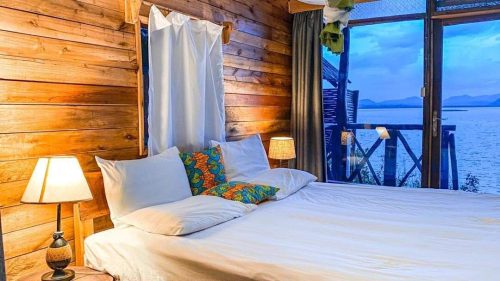
Mahale is known for remote lakeside accommodation and wilderness-oriented stays. Options can be limited and seasonal, making early planning especially important.
Which Park Offers the Better Chimpanzee Experience?
Neither park is universally better. The right choice depends on the type of safari you want to enjoy.
Choose Gombe for History and a Focused Forest Experience
Gombe is a strong choice for travellers interested in chimpanzee research history, forest walks and a focused primate experience. Its compact setting can suit visitors who want to explore this historic destination.
Choose Mahale for Remote Wilderness
Mahale suits travellers looking for a secluded experience that combines chimpanzee trekking with dramatic mountain scenery and the natural beauty of Lake Tanganyika.
Physical Preparation for Chimpanzee Trekking
Chimpanzee trekking in both parks involves walking through natural forest environments. Trails may be steep, uneven, muddy or slippery. Mahale’s mountainous terrain can be particularly demanding depending on the location of the chimpanzees.
How to Prepare
- Walk regularly before your safari, gradually increasing distance.
- Include uphill and downhill walking in your training.
- Wear comfortable hiking boots with good grip.
- Carry drinking water and follow your guide’s advice.
- Bring a lightweight rain jacket and suitable outdoor clothing.
- Inform your safari organiser of any mobility requirements before travel.
For more primate trekking preparation, explore our guide to physical preparation for a multi-hour gorilla trek.
Responsible Chimpanzee Tourism
Responsible wildlife viewing protects chimpanzees and their forest habitat while helping visitors enjoy a meaningful experience. Always follow the instructions of park guides and respect the rules established for chimpanzee encounters.
- Maintain the minimum distance required by park authorities.
- Never feed or attempt to touch chimpanzees.
- Avoid loud noises and sudden movements.
- Do not visit when you are unwell, particularly with symptoms of contagious illness.
- Follow all instructions regarding photography and observation time.
- Never leave litter in the forest.
Combining Chimpanzee Trekking with Other East African Safaris
A visit to Gombe or Mahale can be part of a wider East African holiday. Travellers interested in primates and wildlife may also consider Uganda and Rwanda, which offer additional opportunities for gorilla trekking, chimpanzee tracking, birdwatching and traditional wildlife safaris.
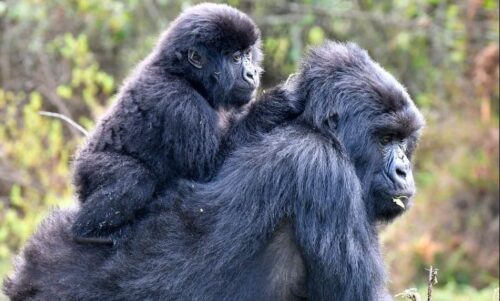 Uganda Gorilla Trekking
Discover mountain gorillas in Bwindi Impenetrable National Park and Mgahinga Gorilla National Park.
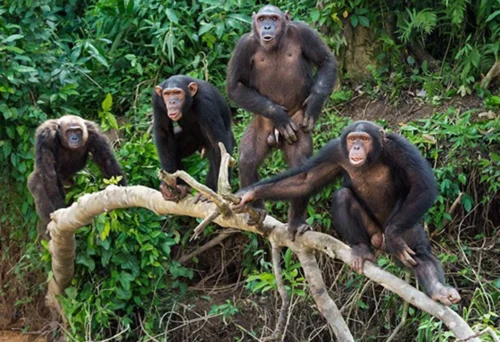 Uganda Chimpanzee Tracking
Explore Kibale Forest and other Ugandan destinations for guided chimpanzee encounters.
Suggested 7-Day Gombe and Mahale Safari Outline
Gombe vs Mahale Chimpanzee Trekking
Travellers with sufficient time may consider combining the two parks in one western Tanzania itinerary. This outline is a planning example, not a confirmed transport schedule. The final route depends on available flights, boats, accommodation and park arrangements.
Day 1: Arrive in Kigoma
Arrive in Kigoma, settle into your accommodation and prepare for the journey to Gombe.
Day 2: Gombe Chimpanzee Trekking
Enjoy a guided forest trek in search of habituated chimpanzees. Spend time learning about their behaviour and the park’s research history.
Day 3: Gombe and Lake Tanganyika
Enjoy additional time in the Gombe area, depending on park arrangements, before returning to Kigoma.
Day 4: Transfer Towards Mahale
Travel towards Mahale using the pre-arranged transport connection. Allow sufficient time for the journey and check-in.
Day 5: Mahale Chimpanzee Trekking
Join a guided trek through the forest to look for chimpanzees. The duration depends on their location and trail conditions.
Day 6: Mahale Nature and Lake Activities
Enjoy the park’s natural surroundings and any permitted lake activities available through your accommodation or park arrangements.
Day 7: Departure
Depart Mahale according to your confirmed transfer and onward travel schedule.
Explore More Safari Experiences with UgandaRwanda Safaris
Plan a wider East African adventure by combining primate encounters, wildlife viewing, scenic landscapes and cultural experiences. Explore these related safari destinations and activities.
Rwanda Safari Holidays
Tanzania Safari Holidays
Kenya Safari Holidays
Gorilla Trekking in Uganda
Gorilla Trekking in Rwanda
Chimpanzee Tracking in Uganda
Kibale Forest National Park
Bwindi Impenetrable National Park
Mgahinga Gorilla National Park
Queen Elizabeth National Park
Murchison Falls National Park
Lake Mburo National Park
Uganda Wildlife Safaris
Uganda Birdwatching Safaris
Nyungwe Forest National Park
Volcanoes National Park
Golden Monkey Trekking
Uganda Safari Lodges
Gorilla and Lake Bunyonyi Tour
Uganda and Rwanda Safari
Forest Walks in Lake Mburo
Uganda Safari Destinations
East Africa Safari Holidays
Contact Our Safari Team
Plan Your Chimpanzee Safari in Tanzania
Whether you prefer the historic forests of Gombe or the remote wilderness of Mahale, a well-organised itinerary makes your journey smoother. UgandaRwanda Safaris can help you plan a wider East African holiday with primate experiences, wildlife safaris and scenic destinations.