
Gorilla Trekking Secrets: A Park Ranger’s Guide to Getting Closer
Gorilla Trekking Secrets: A Park Ranger’s Guide to Getting Closer
Safari Vacations and Travel Services invites you to step into the misty world of the mountain gorillas, where every trek is an extraordinary journey into the heart of nature. Whether you’re an intrepid traveler, a wildlife photographer, or someone chasing a once-in-a-lifetime adventure, gorilla trekking in Uganda offers an experience like no other. To make your encounter even more memorable, we’ve gathered insights straight from the true experts — the park rangers themselves.
In this ultimate guide, you’ll uncover the best-kept secrets of gorilla trekking: how to choose the right trek, gear up properly, behave respectfully around the gorillas, and truly maximize your moment with these magnificent creatures.
Understanding Gorilla Trekking Uganda Adventures
Gorilla trekking is more than just a wildlife experience — it’s a deep connection to one of our planet’s most intelligent and endangered animals. Uganda, home to nearly half of the world’s remaining mountain gorilla population, offers two prime locations for trekking: Bwindi Impenetrable National Park and Mgahinga Gorilla National Park.
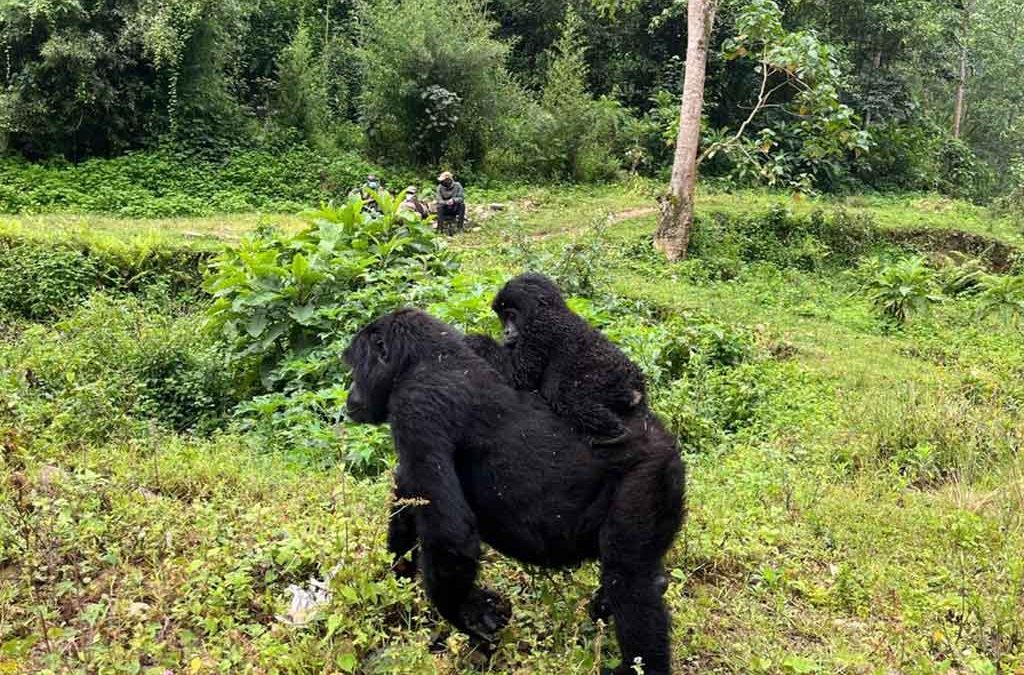
In the dense, ancient forests of Uganda, trekkers venture into wild, untamed territory to find habituated gorilla families. Every trek is different: some days you find a group after an hour of hiking, other days you may climb steep ridges for several hours. No matter the path, the reward is priceless — standing mere meters from a gorilla family in their natural habitat.
Unlike visiting wildlife in a safari park, gorilla trekking is unpredictable and raw. Gorillas are free to roam, build nests, feed, and care for their young without fences or interference. Trekking gives you an unfiltered glimpse into their complex social structures, tender family bonds, and striking personalities. Each gorilla family has a story, and through the eyes of an experienced ranger, you become part of that story for a precious hour.
Why Park Rangers Are Your Best Allies
Park rangers are the cornerstone of gorilla conservation and your most valuable allies during a gorilla trek. Their expertise, dedication, and courage ensure not only your safety and the success of your experience but also the survival of the gorillas and the protection of their fragile habitats.
Unmatched Expertise and Intimate Knowledge
-
Rangers possess deep knowledge of the forest ecosystem, gorilla behavior, and the subtle signs of the wilderness. This expertise is critical for tracking gorilla families, often starting their work hours before visitors arrive to ensure you find the gorillas safely and respectfully.
-
Their skills extend beyond gorillas- they can identify other wildlife, interpret animal tracks, and share insights about the forest, enriching your trek with stories and discoveries.
Guardians of Wildlife and Visitors
-
Rangers are frontline protectors, risking their lives to defend endangered gorillas from poachers and other threats, often in dangerous and challenging environments.
-
They ensure the safety and well-being of both wildlife and visitors, guiding you through the forest, minimizing risks, and maintaining order within the parks.
Conservation Champions
-
The success story of mountain gorilla population recovery-from critically endangered to endangered be largely credited to the relentless efforts of rangers who monitor, protect, and care for these animals every day.
-
Rangers enforce conservation laws, remove snares, and intervene in emergencies, sometimes even providing first aid to injured animals or tourists.
Community Connectors and Educators
-
Many rangers come from local communities and serve as vital links between conservation efforts and local people, fostering support and understanding for wildlife protection.
-
They educate visitors and locals about the importance of conservation, share cultural and ecological knowledge, and help communities benefit from sustainable tourism.
Dedication Beyond Duty
-
Rangers often work long, grueling hours in difficult conditions, driven by a sense of moral duty rather than financial gain.
-
Their willingness to go above and beyond, sometimes at great personal risk-ensures that gorilla trekking remains a safe and meaningful adventure for all
Choosing the Right Trek for the Best Gorilla Trekking Experience
Choosing the right trek is a critical first step to having an unforgettable adventure. At Safari Vacations and Travel Services, we tailor your trek based on your interests, fitness level, and sense of adventure.
Bwindi Gorilla Trekking vs Mgahinga Options
-
Bwindi Impenetrable National Park offers a more diverse experience with over 20 habituated gorilla families across four sectors: Buhoma, Ruhija, Rushaga, and Nkuringo. Trekking in Bwindi often means navigating thick vegetation, steep slopes, and varying altitudes.
-
Mgahinga Gorilla National Park is smaller but equally magical. It’s famed for the Nyakagezi family, known for their playful nature and mobility. Mgahinga also offers the unique opportunity to combine gorilla trekking with golden monkey tracking.
Each park offers its charms: Bwindi for its biodiversity and challenge, Mgahinga for its scenic beauty and ease of tracking.
How to Match Trek Difficulty to Your Fitness Level
Trek durations can vary from 30 minutes to 6 hours or more. If you prefer a shorter hike, Safari Vacations and Travel Services can request allocation to a gorilla family known to stay closer to the trailheads. If you’re up for a physical challenge, you can venture to more remote groups.
Always be honest about your fitness level during booking — it’s not about strength, but about ensuring you have the most enjoyable experience.
Essential Gear Tips from Park Rangers
Trekking through thick jungle isn’t a walk in the park. Proper gear can make the difference between a tough trek and a triumphant one.
Must-Have Clothing and Equipment
- Sturdy Hiking Boots: Waterproof and with good ankle support.
- Long-sleeved Shirt and Trousers: Protects against scratches and biting insects.
- Gardening Gloves: To grip vegetation and avoid thorny plants.
- Rain Jacket/Poncho: Rain can fall anytime in the rainforest.
- Gaiters: To keep mud and insects out of your boots.
- Day Pack: Lightweight, with space for water, snacks, and camera gear.
- Walking Stick: Often provided at park headquarters — accept it!
- Rehydration Salts: For longer treks in humid conditions.
What to Leave Behind to Stay Light
- Heavy camera gear unless you’re a professional.
- Drones (not allowed in gorilla parks).
- Loud gadgets or shiny items that could disturb wildlife.
Travel light; you’ll appreciate every saved ounce as you ascend the misty trails.
How to Behave Around Mountain Gorillas
Your actions during a gorilla trek are crucial for both your safety and the gorillas’ well-being. Following established guidelines ensures a respectful, safe, and memorable encounter.
Golden Rules of Gorilla Trekking
- Maintain a minimum distance of 7 meters (21 feet) from the gorillas at all times, even if they approach you. This protects both you and the gorillas from potential disease transmission and stress.
- Avoid direct eye contact, especially with the silverback, as it can be perceived as a challenge or threat. If a gorilla looks at you, avert your gaze and remain calm.
- Never touch the gorillas, regardless of how close they come. These are wild animals, and touching can endanger both parties.
- Speak softly and keep your voice low. Loud noises, shouting, or laughter can startle or agitate the gorillas.
- Always stay with your group and follow your guide’s instructions. Guides are trained to read gorilla behavior and will help keep everyone safe.
- Do not eat, drink, or smoke in the presence of gorillas to avoid attracting their attention or risking disease transmission.
- Do not use flash photography, as it can disturb or disorient the gorillas.
- Only spend the permitted time (usually one hour) with the gorillas to minimize stress and human impact.
Body Language Dos and Don’ts
- If a gorilla approaches, crouch down and look relaxed and non-threatening. This shows submission and helps diffuse any tension.
- Move slowly and deliberately; avoid sudden movements, pointing, or waving your arms, as these can be misinterpreted as threats.
- Never run away, even if a gorilla charges. Running can trigger a chase response. Instead, crouch down, look away, and remain calm.
- Avoid isolating yourself from your group. Staying together helps the gorillas feel less threatened and allows the guide to manage the encounter safely.
Additional Etiquette and Safety Tips
- Wash your hands before trekking to minimize the risk of transmitting diseases to the gorillas.
- Do not litter or leave any rubbish in the park. Take everything you bring with you back out.
- If you need to cough or sneeze, turn away from the gorillas and cover your mouth and nose.
- Only healthy individuals are allowed to trek; if you are sick, you may be asked not to participate to protect the gorillas from human diseases.
Respecting these rules demonstrates reverence for the gorillas’ world and helps ensure their continued survival. Responsible behavior not only safeguards these endangered animals but also enhances your own experience in their remarkable habitat
Secrets to Spotting Gorillas Faster
You might wonder how rangers manage to find elusive gorilla groups in vast forests. It’s part science, part art.
How Rangers Track Gorilla Families
Each morning, rangers begin by locating the previous night’s nests. Gorillas build new nests every evening. From there, they follow broken vegetation, dung piles, footprints, and vocalizations.
Sometimes, scouts are sent ahead to radio back the family’s latest position, optimizing your trekking route.
Signs in the Forest to Watch For
- Broken stems: Gorillas feed on plants and leave signs.
- Dung: Recent dung indicates proximity.
- Knuckle prints: Where gorillas have moved along the forest floor.
- Vocalizations: Deep grunts or hoots can mean you’re getting close.
Learning to “read” the forest deepens your trekking experience.
Maximizing Your One Hour with Gorillas
Once you meet the gorillas, time seems to fly. Make the most of your precious hour.
Best Ways to Observe Without Disturbing
- Move slowly and quietly.
- Sit or kneel if the gorillas are settled.
- Watch the silverback, but don’t fixate your gaze — show respect.
Remember: you’re a guest in their home.
Photography Tips Without Flash
- Turn off your flash — it’s prohibited and could distress the animals.
- Use a fast shutter speed; gorillas can move unexpectedly.
- Capture candid moments rather than forcing compositions.
Sometimes, the best photo is simply the one that captures the emotion of the encounter.
Common Mistakes Trekkers Make (and How to Avoid Them)
Even well-meaning trekkers sometimes stumble. Awareness is key to having a smooth trek.
Noise, Sudden Moves, and Other Pitfalls
- Speaking loudly or laughing can startle gorillas.
- Reaching toward gorillas or sudden movements can provoke defensive behaviors.
Stay calm, steady, and respectful.
How to Stay Calm if a Gorilla Approaches
Occasionally, curious young gorillas might move closer. If they do:
- Stay still.
- Let them investigate (without touching!).
- Trust your ranger’s instructions.
An encounter like this is rare and magical, but must be handled with reverence.
Where Your Gorilla Trekking Permit Money Goes
Purchasing a gorilla trekking permit in Uganda-currently $800 for foreign non-residents-directly supports a wide range of conservation and community initiatives critical to the survival of mountain gorillas and the well-being of local people. Here’s how your permit fee is allocated and why it matters:
1. Conservation and Protection of Gorillas
- Anti-Poaching Patrols: Permit revenue funds the hiring, training, and deployment of rangers who patrol gorilla habitats to prevent poaching and illegal activities, ensuring gorillas remain safe from harm.
- Ranger Salaries: Salaries for dedicated wildlife rangers are paid from permit income, providing stable employment and incentivizing the protection of gorillas.
- Veterinary Interventions: Organizations such as Gorilla Doctors receive support for health monitoring, disease surveillance, and emergency veterinary care for gorillas, helping to maintain healthy populations.
2. Habitat and Ecosystem Management
- Habitat Restoration: Funds are used for reforestation projects and to promote sustainable land use, protecting and expanding the forests that gorillas depend on.
- Park Maintenance: Permit money helps maintain park infrastructure, including trails and visitor facilities, ensuring safe and sustainable tourism.
3. Community Development
- Local Community Projects: A significant portion of revenue is invested in the communities surrounding gorilla habitats. This includes building schools, hospitals, and clean water systems, as well as supporting local employment and sustainable livelihoods.
- Revenue Sharing: In Uganda, approximately 10% of permit revenue goes directly to local communities, while 75% supports gorilla conservation, and 15% is allocated to government administration.
4. Research and Monitoring
-
Gorilla Monitoring: Permit fees support ongoing research, health checks, and behavioral monitoring of gorilla groups, providing essential data for conservation planning.
5. Economic Impact
-
Gorilla tourism is a major economic driver, contributing about 2.5% of Uganda’s GDP and accounting for 60% of the country’s tourism revenue. It creates jobs, generates foreign exchange earnings, and stimulates local economies through related tourism activities.
Without tourism revenue from permits, the survival of mountain gorillas would be in far greater jeopardy. These funds are essential for anti-poaching, veterinary care, community support, and the long-term sustainability of gorilla populations and their habitats
How Your Behavior Impacts Gorilla Survival
Minimizing stress, following health protocols (like wearing masks if required), and adhering to distance rules help prevent disease transmission, which is one of the greatest threats to gorillas.
Through your responsible actions, you become a guardian of these gentle giants.
Conclusion
Gorilla trekking is a soul-stirring, humbling experience — a chance to step into the world of another intelligent species and recognize our deep connection. With the guidance of expert park rangers, a spirit of respect, and a sense of adventure, your trek will become a story you carry forever.
At Safari Vacations and Travel Services, we’re honored to be part of your journey into the mist. Whether you choose the verdant hills of Bwindi or the volcanic slopes of Mgahinga, we’ll ensure your trek is seamless, meaningful, and unforgettable.
Ready to start your adventure?
Contact Safari Vacations and Travel Services today to plan your personalized gorilla trekking experience in Uganda. The gorillas are waiting — and the forest is calling.


