Murambi Genocide Memorial
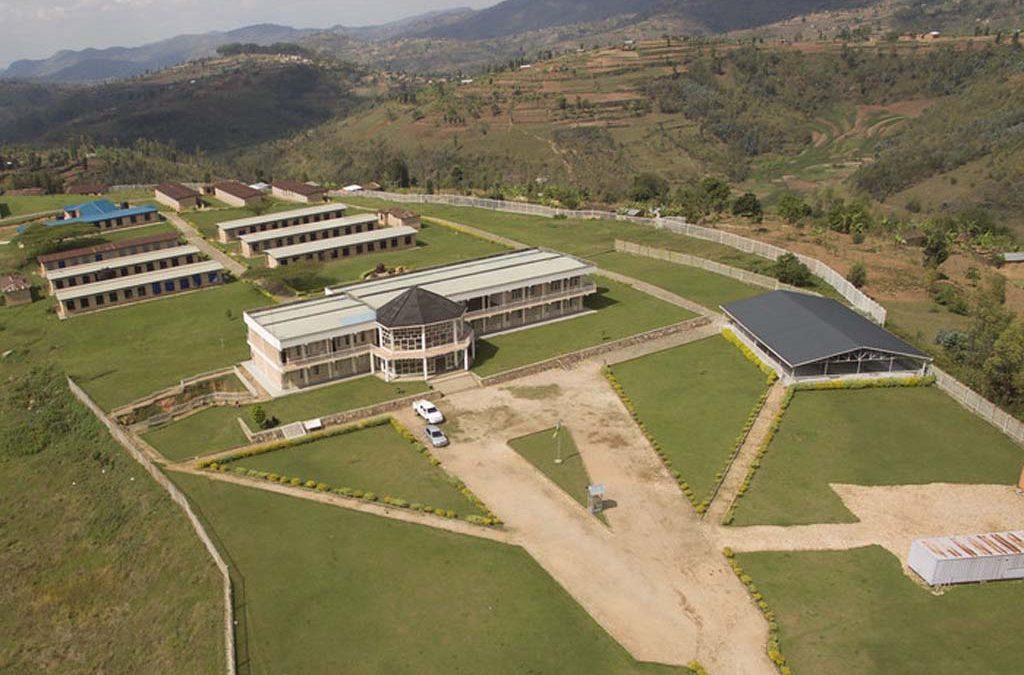
The Murambi Genocide Memorial stands as a poignant reminder of one of the darkest chapters in human history—the Rwandan genocide. Located in the Gikongoro province, this memorial not only commemorates the victims but also serves as a powerful educational tool aimed at preventing future atrocities.
Historical Background of the Rwandan Genocide
The Rwandan genocide, which took place between April 7 and July 19, 1994, was a result of deep-seated ethnic tensions between the Hutu and Tutsi populations. Historically, both German and Belgian powers favored the Tutsis during colonial rule, which led to significant resentment among the Hutus. This animosity culminated in horrific violence when someone shot down President Juvénal Habyarimana’s plane, triggering a systematic campaign against Tutsis and moderate Hutus. Over approximately 100 days, estimates suggest that between 500,000 and 1 million people were killed, while countless others suffered sexual violence and displacement.
Establishment and Purpose of the Murambi Genocide Memorial
The Murambi Memorial honors the memory of those who perished during the genocide. It sits on a site where thousands sought refuge under false promises of safety. Instead of protection, they faced brutal massacres. The memorial serves multiple purposes: it preserves the memory of the victims, educates future generations about the atrocities committed, and stands as a testament to resilience against denial and revisionism.
Preserving Memory and Educating Future Generations
The memorial plays a crucial role in ensuring that the stories of those who suffered are not forgotten. Through guided tours and educational programs, visitors learn about the events leading to the genocide and its devastating impact on Rwandan society. By confronting this painful history head-on, the memorial aims to foster understanding and prevent similar atrocities from occurring in the future.
Architectural Design and Features of the Memorial
The architectural design of the Murambi Memorial is both striking and somber. The layout is intentionally stark, reflecting the gravity of its purpose.
Symbolism in Architecture and Layout
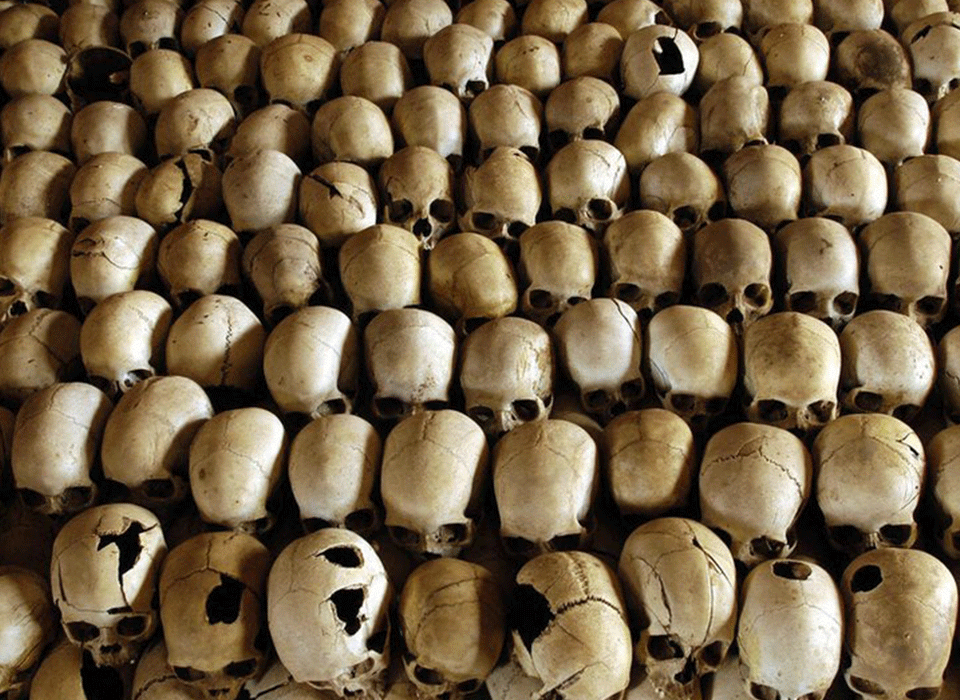
The unfinished technical school where many victims sought refuge has been preserved as part of the memorial. The classrooms now serve as chilling exhibits containing preserved bodies—remnants of those who were murdered. This choice of display is deliberate; it confronts visitors with raw evidence of the genocide, compelling them to reckon with its reality rather than allowing for abstraction or denial.
Exhibits and Collections at the Memorial
One of the most harrowing aspects of the Murambi Memorial is its collection of exhibits that include artifacts belonging to victims.
Artifacts and Personal Belongings of Victims
Visitors encounter personal items such as clothing, photographs, and everyday objects that belonged to those who perished. These items humanize the statistics, transforming abstract numbers into individual stories filled with loss and tragedy. The presence of these artifacts underscores the personal nature of the genocide—each item tells a story that contributes to our understanding of what was lost.
Visitation and Impact of the Memorial
The Murambi Genocide Memorial attracts both local and international visitors seeking to understand Rwanda’s past.
Local and International Visitors
Visitors come from all over the world to pay their respects and learn about this dark history. The memorial serves not only as a place for reflection but also as an educational resource for those looking to understand how such atrocities can occur. Local Rwandans often visit to honor their loved ones while grappling with their own experiences during this tragic period.
Challenges and Controversies Surrounding the Memorial
Despite its important role in commemoration and education, the Murambi Genocide Memorial faces challenges related to representation and interpretation.
Debates on Representation and Commemoration
There are ongoing debates regarding how best to represent such traumatic events without causing further pain or distress to survivors. Some critics argue that displaying bodies may be undignified or exploitative; however, supporters contend that these displays are essential for preventing denialism regarding what occurred during the genocide. This tension highlights broader discussions about how societies remember their pasts.
Comparative Analysis with Other Genocide Memorials
When compared to other genocide memorials around the world, Murambi offers unique insights into memorialization practices.
Lessons Learned and Best Practices
Murambi’s approach—displaying preserved bodies alongside personal artifacts—creates an immediate emotional connection for visitors. This contrasts with other memorials that may focus more on abstract representations or symbolic gestures. The effectiveness of Murambi’s “shock and awe” strategy raises important questions about how best to engage audiences in discussions about genocide prevention.
Conclusion: The Continued Relevance of the Murambi Genocide Memorial
The Murambi Genocide Memorial remains a vital site for remembrance, education, and reflection on humanity’s capacity for both cruelty and resilience. As we navigate an increasingly complex world where issues of hatred and intolerance persist, memorials like Murambi serve as crucial reminders of our shared responsibility to remember history accurately.
By visiting such sites, individuals can contribute to a collective understanding that honors those who suffered while promoting a commitment to preventing future atrocities. The legacy of Murambi is not just one of sorrow; it is also a call to action—a reminder that we must remain vigilant against hatred in all its forms.