Presidential Palace Museum in Rwanda
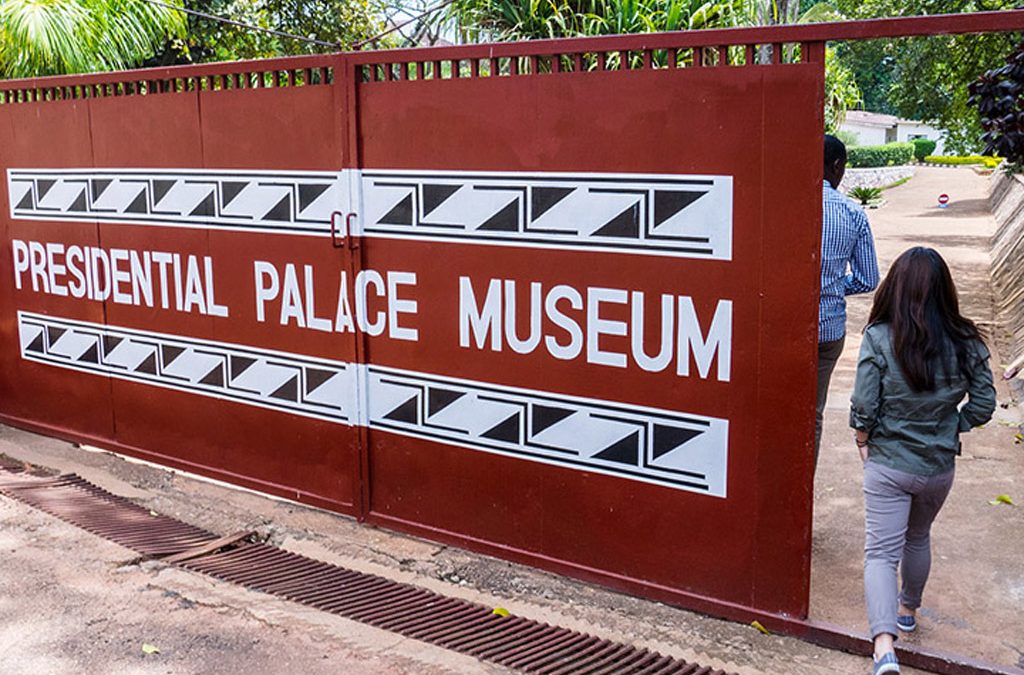
The Presidential Palace Museum in Rwanda offers a profound glimpse into the nation’s complex history, particularly surrounding the events leading up to and during the Rwandan genocide. The Museum is situated just a few kilometers from Kigali International Airport, this museum is housed in the former residence of Presidents Juvénal Habyarimana and Pasteur Bizimungu, making it a significant cultural and historical landmark.
Location and Architecture
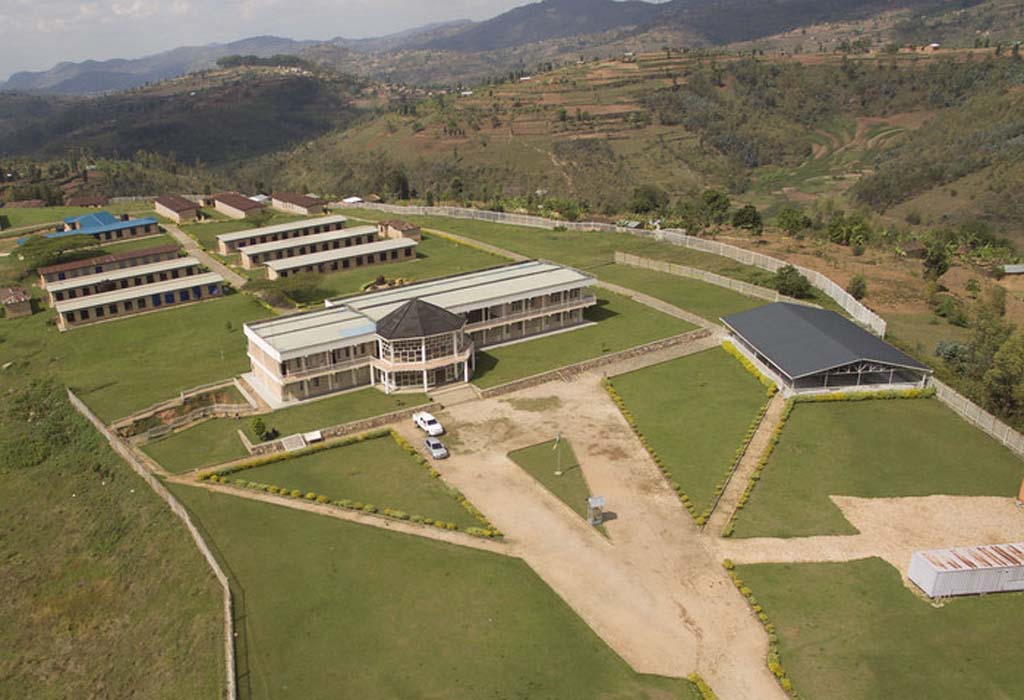
The museum is located on the eastern outskirts of Kigali, approximately 2 kilometers from the airport. Its architectural design reflects both the political power of its former occupants and the tumultuous history of Rwanda. Commissioned by Habyarimana in 1976 and completed in 1980, the palace features an eclectic mix of styles that convey a sense of opulence intertwined with underlying tensions. The layout includes various rooms that showcase a blend of well-preserved areas and those that have fallen into disrepair, symbolizing the instability that characterized Habyarimana’s presidency.
Historical Significance
The Presidential Palace is not just an architectural marvel; it is steeped in historical significance. It was here that the tragic event of April 6, 1994, unfolded when Habyarimana’s Falcon 50 presidential plane was shot down as it approached landing. This incident marked the beginning of a horrific genocide that claimed the lives of approximately 800,000 people in just 100 days. The museum stands as a testament to this dark chapter in Rwandan history, providing context for the political climate that led to such violence.
The Role of the Museum in Preserving Rwandan History
The Presidential Palace Museum plays a crucial role in preserving Rwandan history and educating visitors about its past.
Exhibits and Collections
Visitors to the museum can explore various exhibits that detail Rwanda’s history, including artifacts related to Habyarimana’s presidency and remnants from the plane crash. The museum houses flight debris from the Falcon 50, which serves as a stark reminder of the events that transpired on that fateful day. Additionally, personal items belonging to Habyarimana provide insight into his life and leadership style.
Educational Programs and Outreach
The museum also engages in educational outreach, offering programs aimed at schools and community groups. These initiatives encourage discussions about peace, reconciliation, and the importance of learning from history to prevent future atrocities. By fostering dialogue around these themes, the museum contributes to Rwanda’s ongoing journey toward healing and unity.
Key Events and Figures in Rwandan History Showcased at the Museum
The museum highlights several pivotal events and figures central to understanding Rwanda’s past.
The Rwandan Genocide
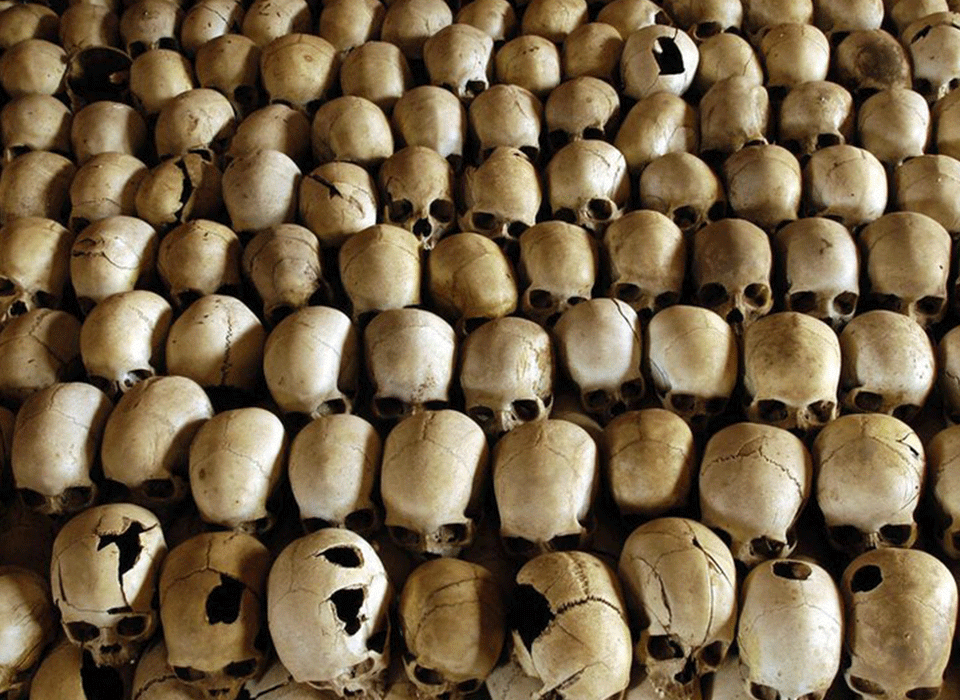
The genocide is a focal point of many exhibits within the museum. Through photographs, testimonies, and artifacts, visitors gain a deeper understanding of how ethnic tensions escalated into mass violence. The museum provides context for these events, helping visitors comprehend not only what happened but why it occurred.
President Juvénal Habyarimana
Habyarimana’s legacy is complex; he is often viewed as both a leader who sought to modernize Rwanda and as a figure whose policies contributed to ethnic divisions. The museum explores his life through various lenses, including his rise to power, governance style, and ultimately his role in triggering one of history’s most tragic genocides.
Impact of the Museum on Tourism and Local Economy
The Presidential Palace Museum has become a significant tourist attraction in Kigali, drawing both local and international visitors. Visitors often include this site as part of their itinerary when exploring Rwanda’s rich cultural landscape. The influx of tourists contributes positively to the local economy by creating jobs in hospitality, guiding services, and retail sectors surrounding tourism.
Challenges and Future Directions for the Presidential Palace Museum
Despite its importance, the Presidential Palace Museum faces several challenges as it seeks to fulfill its mission.
Sustainability and Conservation Efforts
Maintaining such a historic site requires ongoing conservation efforts. The palace itself shows signs of wear due to age and environmental factors. Future initiatives must focus on preserving both the building’s structural integrity and its exhibits while ensuring they remain relevant to contemporary audiences.
Community Engagement and Partnerships
Building stronger partnerships with local communities is essential for enhancing outreach programs. Engaging residents not only fosters a sense of ownership over their heritage but also encourages them to participate actively in preserving their history. Collaborations with schools, NGOs, and cultural organizations can amplify these efforts.
Reflections on the Importance of Cultural Heritage Preservation
The Presidential Palace Museum stands as a vital institution for preserving Rwandan cultural heritage. It serves not only as a reminder of past atrocities but also as a beacon for education and reconciliation. By reflecting on its history through exhibits and community engagement initiatives, the museum plays an essential role in shaping Rwanda’s narrative moving forward.
As visitors walk through its halls, they encounter not just relics of a troubled past but also stories of resilience and hope. The museum invites everyone to reflect on their responsibility towards cultural preservation—ensuring that future generations learn from history while fostering peace and unity within society.
In visiting this significant site, tourists contribute to an ongoing dialogue about healing from trauma while appreciating Rwanda’s rich cultural tapestry—a journey well worth embarking upon when exploring this beautiful nation.