Wildlife Wonders of Uganda

Wildlife Wonders of Uganda: A Comprehensive Guide to Safari Adventures
Introduction to Uganda’s Safari Attractions
Uganda, known as the “Pearl of Africa” for its extraordinary biodiversity and varied landscapes, showcases the wildlife wonders of Uganda through some of the most unique and enriching safari experiences on the continent, making it a premier destination for nature lovers. The country is home to lush rainforests, savannah plains, and alpine regions, all teeming with an abundance of wildlife. From the iconic mountain gorillas of Bwindi Impenetrable National Park to the tree-climbing lions of Queen Elizabeth National Park, Uganda’s safari attractions are as diverse as they are captivating. Whether you track chimpanzees, witness elephants roaming freely, or marvel at over 1,000 species of birds, Uganda offers a rich safari experience for any adventurer.
Understanding Uganda’s Diverse Ecosystems
Uganda’s ecosystems are a mosaic of habitats, each supporting a unique range of species. The tropical rainforests, such as those in Kibale National Park, are home to primates like chimpanzees and colobus monkeys. In contrast, the savannahs of Murchison Falls and Queen Elizabeth National Park provide an open landscape for animals like lions, giraffes, and elephants. Uganda also boasts wetlands, such as those around Lake Kyoga, which are essential for aquatic species and migratory birds. In the east, the arid landscapes of Kidepo Valley showcase an entirely different ecosystem, where zebras and ostriches thrive. The country’s diversity is amplified by its proximity to the Great Rift Valley and the extensive Nile River system, making Uganda a biologically rich and varied safari destination.
Planning Your Safari Trip to Uganda
When planning a safari in Uganda, consider the time of year, budget, and type of wildlife encounters you seek. The dry seasons from June to August and December to February are the best times for wildlife viewing, as animals congregate around water sources. Gorilla trekking permits in Bwindi Impenetrable National Park must be booked well in advance, as they are limited and in high demand. Additionally, consider the logistics of travel between parks, as Uganda’s road infrastructure can be challenging in remote areas. Opting for a reputable safari operator can help streamline travel arrangements, accommodation, and permit acquisition. Depending on your preferences, safaris can range from luxury lodges to budget-friendly camping trips, allowing for a wide array of experiences.
Top National Parks and Wildlife Reserves in Uganda
Bwindi Impenetrable National Park
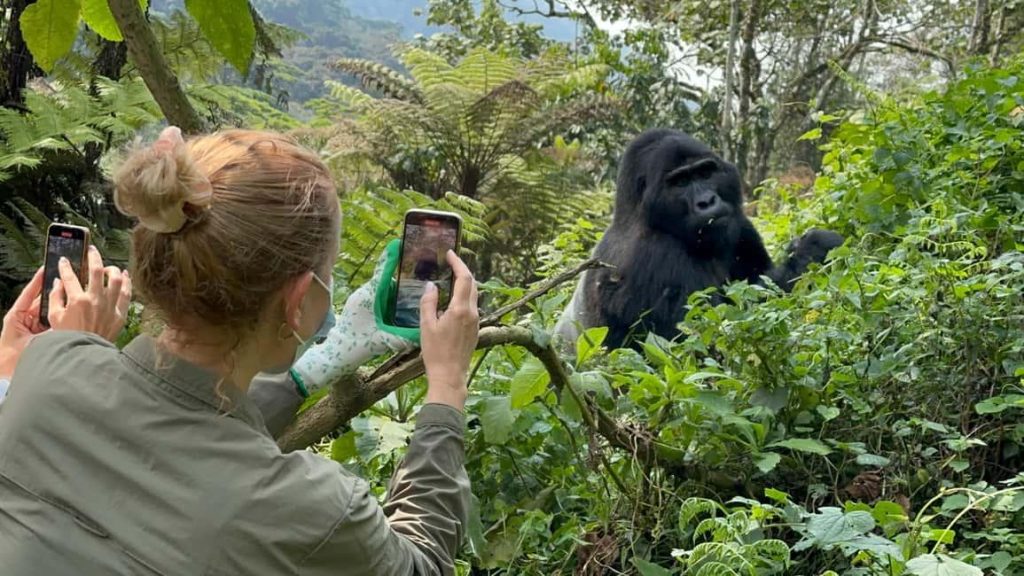
Bwindi Impenetrable National Park is a UNESCO World Heritage site and one of the most biodiverse rainforests in Africa. It’s best known for its population of endangered mountain gorillas, offering one of the most sought-after wildlife experiences in the world: gorilla trekking. Besides gorillas, Bwindi is home to a variety of other primates, bird species, and unique flora. The dense forest and rugged terrain offer a challenging but rewarding adventure for trekkers.
Queen Elizabeth National Park
Situated in western Uganda, Queen Elizabeth National Park is a prime safari destination known for its diverse ecosystems, which include savannah, wetlands, and crater lakes. The park is famous for its tree-climbing lions in the Ishasha sector, as well as large populations of elephants, buffalo, and hippos. The Kazinga Channel, a natural waterway connecting Lake Edward and Lake George, is a hotspot for boat safaris, where you can spot hippos, crocodiles, and numerous bird species.
Murchison Falls National Park
Murchison Falls National Park is the largest national park in Uganda and features the dramatic Murchison Falls, where the Nile River squeezes through a narrow gorge and plunges into a pool below. The park’s landscapes range from savannahs to riverine forests, making it a prime location for spotting the Big Five: lions, elephants, buffalo, leopards, and rhinos. A boat cruise along the Nile provides excellent opportunities to see wildlife, including crocodiles and hippos, up close.
Kidepo Valley National Park
Kidepo Valley National Park, located in the far northeast of Uganda, is one of the country’s most remote and least visited parks, offering an exclusive and pristine safari experience. The park’s rugged terrain and vast savannahs are home to a variety of wildlife, including zebras, giraffes, cheetahs, and ostriches. Kidepo also captivates visitors with its dramatic landscapes, including the Narus and Kidepo valleys, which create stunning backdrops for game drives.
Unique Wildlife Species of Uganda
Uganda’s rich ecosystems support a wide range of unique wildlife species. The mountain gorilla, one of the world’s most endangered animals, is perhaps the most iconic, drawing thousands of visitors each year. Additionally, Uganda is home to chimpanzees, which can be tracked in Kibale and Budongo forests. Other unique species include the Uganda kob, a type of antelope that serves as the national emblem, and the shoebill stork, an elusive bird found in the wetlands. The country’s diverse mammal population includes elephants, leopards, and giraffes, while the lakes and rivers are teeming with aquatic life like hippos and Nile crocodiles.
Birdwatching in Uganda
Uganda is a birdwatcher’s paradise, with over 1,060 bird species recorded, making it one of the richest birding destinations in Africa. The country’s varied habitats, from forests to wetlands, support a wide array of avian life. Key birding locations include the Mabamba Swamp, known for the rare shoebill stork, and Bwindi Impenetrable National Park, home to several Albertine Rift endemics. Other notable species include the African fish eagle, great blue turaco, and various species of kingfishers and bee-eaters. Birdwatching can be done year-round, but the rainy seasons are especially good for spotting migratory species.
Cultural Experiences on Safari
Uganda’s rich cultural diversity adds an extra layer of depth to any safari experience. Many safari tours incorporate visits to local communities, where travelers can learn about traditional customs, music, dance, and crafts. The Batwa people, who once lived as forest dwellers in the Bwindi area, offer cultural tours that give insight into their ancient way of life. Additionally, visitors can engage with the Karamojong people near Kidepo Valley National Park, known for their pastoralist culture. These cultural interactions not only enrich the safari experience but also support community-based tourism initiatives.
Safari Activities and Excursions
Uganda offers a variety of safari activities beyond traditional game drives. Gorilla trekking in Bwindi Impenetrable National Park is a once-in-a-lifetime experience, allowing travelers to observe these majestic creatures in their natural habitat. Chimpanzee tracking in Kibale Forest and Budongo Forest is another popular activity. Boat safaris on the Nile River in Murchison Falls and along the Kazinga Channel in Queen Elizabeth National Park offer unique perspectives on wildlife, particularly hippos, crocodiles, and bird species. For the adventurous, Uganda also offers hot air balloon safaris, guided bush walks, and community visits.
Conservation Efforts in Uganda
Uganda actively commits to wildlife conservation, recognizing the importance of preserving its natural heritage. The Uganda Wildlife Authority (UWA) manages national parks and reserves, working to protect endangered species and habitats. Key conservation programs include gorilla conservation efforts in Bwindi, which have led to a gradual increase in the population of mountain gorillas. Uganda also supports initiatives to reintroduce species like rhinos, which had been extinct in the country. Community-based conservation projects are vital in promoting coexistence between humans and wildlife, particularly in areas where poaching and habitat destruction are concerns.
Choosing the Right Safari Tour Operator
Selecting the right safari tour operator is crucial for a successful and enjoyable experience in Uganda. Look for operators who are licensed by the Uganda Tourism Board (UTB) and have a track record of delivering high-quality services. A good operator will have experienced guides who are knowledgeable about Uganda’s wildlife and ecosystems, as well as local cultures. Additionally, consider whether the operator supports sustainable tourism practices, such as employing local staff, reducing environmental impact, and contributing to community development. Reviews from past clients can provide valuable insights into the reliability and quality of a safari operator.
Practical Tips for a Memorable Safari Experience
To make the most of your safari in Uganda, it’s essential to prepare adequately. Bring appropriate clothing for both warm days and cool nights, as well as sturdy walking shoes for activities like gorilla trekking. A good pair of binoculars and a camera with a zoom lens are highly recommended for wildlife viewing. It’s also important to respect the natural environment by following park regulations, such as maintaining a safe distance from wildlife and avoiding littering. Traveling with an open mind and a flexible attitude will allow you to fully appreciate the beauty and unpredictability of the African wilderness.
Health and Safety Precautions for Safari Travelers
Before embarking on a safari in Uganda, ensure that you are up to date on vaccinations, including yellow fever, which is required for entry. Malaria is prevalent in many parts of the country, so take necessary precautions such as using insect repellent and sleeping under mosquito nets. It’s also advisable to carry a first aid kit and any personal medications. While Uganda is generally safe for travelers, it’s important to follow the advice of your guide, particularly concerning wildlife encounters. Gorilla trekking, for instance, requires strict adherence to safety protocols to protect both visitors and the animals.
Sustainable Tourism Practices in Uganda
Uganda increasingly focuses on sustainable tourism, actively working to preserve wildlife and ecosystems for future generations while benefiting local communities. Many lodges and safari operators have adopted eco-friendly practices, such as using solar power, minimizing waste, and sourcing food locally. Sustainable tourism in Uganda also involves limiting the number of visitors to sensitive areas, such as gorilla trekking sites, to prevent over-tourism and reduce environmental impact. Community-based tourism is a key component of sustainability, as it creates economic opportunities for local people, reducing the pressure on natural resources. Visitors are encouraged to support responsible tourism by choosing eco-friendly accommodations and respecting wildlife and local cultures.
Community Involvement in Safari Tourism
Community involvement is essential to the success of Uganda’s safari tourism industry. Authorities implement revenue-sharing programs that distribute a portion of the income generated from national parks to surrounding communities, ensuring local people benefit from conservation efforts. This system helps to foster positive relationships between communities and wildlife, reducing the likelihood of poaching and habitat encroachment. Many safari lodges and operators also work closely with local communities to provide employment opportunities and promote cultural exchanges. Programs such as the Batwa Experience in Bwindi or visits to the Karamojong people near Kidepo Valley National Park offer authentic cultural interactions while supporting community development.
Future Trends in Uganda’s Safari Industry
Technological advancements, conservation needs, and sustainable tourism trends will shape the future of Uganda’s safari industry. The rise of digital platforms is making it easier for travelers to book personalized safari experiences, while the use of drones and remote cameras is enhancing wildlife monitoring and protection. As the global demand for eco-friendly travel grows, Uganda’s focus on conservation and community engagement will continue to attract responsible travelers. There is also a growing interest in niche safari experiences, such as photography tours, birdwatching expeditions, and immersive cultural experiences. Furthermore, Uganda is positioning itself as a key player in East Africa’s tourism landscape, with ongoing infrastructure improvements and strategic partnerships aimed at increasing visitor numbers while preserving its natural heritage.