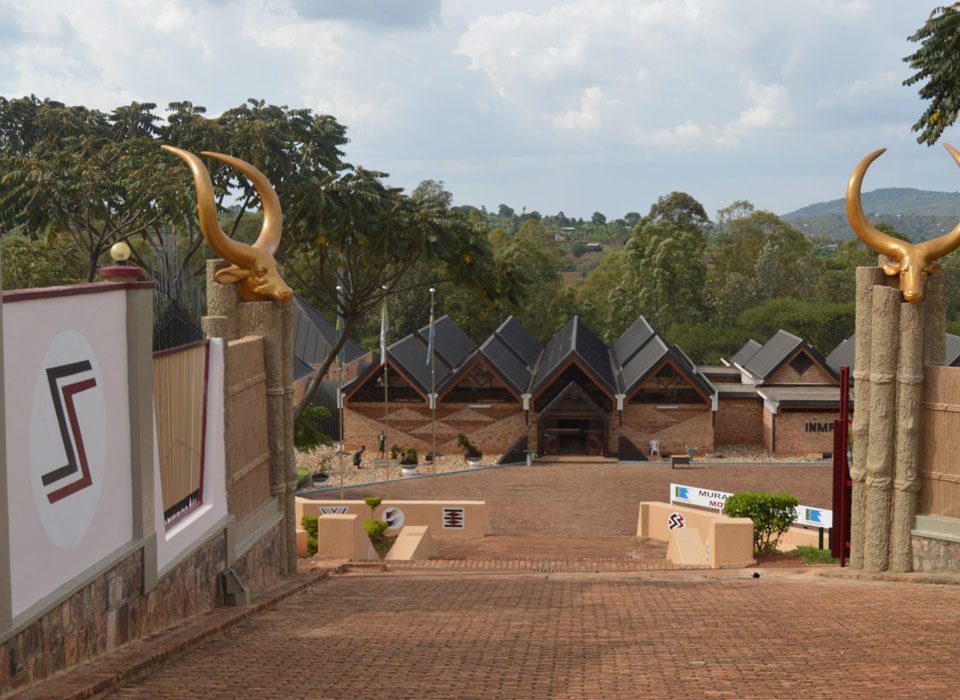
Uganda Museum is along Kira Road, from Kampala City, the distance covered on the road from Kampala City to the Museum is approximately 4km via Kitante Hill. The museum is the biggest and oldest museum in Uganda. It started way back in 1908, the Uganda Museum and it holds most of Uganda’s cultural heritage. While there, you can view the historical cultures and treasures of Uganda under one roof. For an incredible journey, the impressive set covers more than two million years of human history, spanning from statues to portraits in dim light spaces.
Uganda Museum collaborates with several national and international institutions of higher learning. These include Makerere University, Mbarara University, and the Natural History Museum in Paris. College de Franca and other institutions conduct research across the country in areas. These areas include the Karamoja region, parts of Eastern Uganda on the foothills of Mt. Elgon, and the western rift to Dellu. The Paleontological Unit has found and identified fossils of interest in human evolution in these areas.
A Brief History of the Uganda Museum
The British Protectorate Government founded the Uganda Museum in 1908. This was after Governor George Wilson called for the procurement of Uganda’s articles of interest. This was achieved on the former Kampala hill at Fort Lugard. Bishop J. Wilson, E. Lanning, Church Hill, and others performed the exploration and paleontologist studies plus archaeology. The place eventually was too small to handle all the experimental works and discoveries. This prompted the museum’s transfer and relocation to Makerere University College’s Margret Trowel School of Fine Art in 1941. Upon raising funds, a permanent home was later built. Then, the museum relocated to its current location on Kitante Hill in 1954.
With a diverse and well-captioned ethnographic range spanning clothes, fishing, agriculture, pharmacy, and faith. It’s also a collection of leisure, as well as archaeological and natural history exhibits. There is plenty to intrigue you here. Highlights include contemporary musical instruments, some of which you can perform. Also, you find the fossil remnants of a Napak rhino, a creature that died eight million years ago.
What you should expect to see at the Uganda Museum
The Uganda Museum does work and from the 1960s to the current there is a wide range of exhibits. Visitors can see the exhibitions that are in the Natural History or Paleontology Gallery inside the museum building and open to the public. On the other side, the museum offers learning in the form of outreach programs, and presentation lessons classes. During this event, a museum guide presents to the tourists and students. He helps them to understand more and explore further insights into the place through and around the house. The tourists will have an opportunity to view the Museum side by side. The museum features areas such as the archaeology department. This department features several different finds that are part of the Old Stone Age, iron smelting, demonstrating the methods used over a million years ago.
The building also houses the traditional music portion featuring the first equipment to be made locally in the pearl of Africa. The cultural village of huts represents the typical lives of citizens in Uganda at the rear of the Uganda Museum building. For tourists wanting to observe the Ugandan people’s traditional practices, there’s a range of traditional resources. These include wood-based dairy pots, cactus containers, flint knapping, jewelry making, and horn work. Also, you find ceramics, cutlery, leather works, weapons, and musical instruments that are on display. The huts represent the different tribes in Uganda, like Batooro Houses, Ankole Houses, Tooro houses, and Bahima, among others. The huts are from different regions of the country; from the south, western, eastern, and Northern regions of Uganda.
Getting to the Uganda Museum
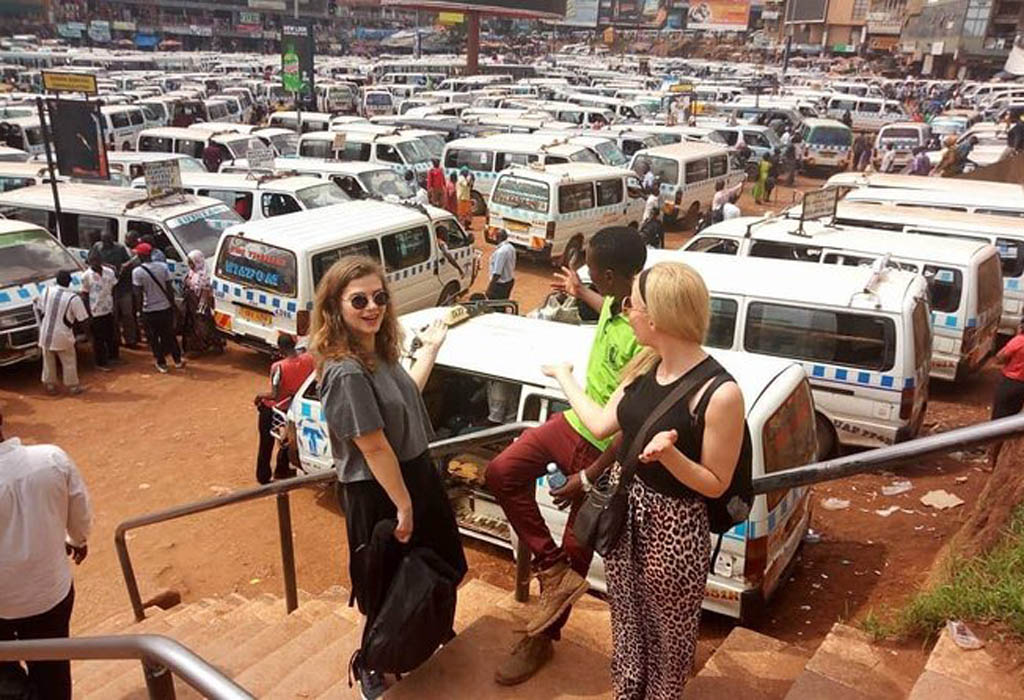
There are several ways and means of transport to reach the Museum. One can either use public means which is the taxis and Motorbikes (boda-boda). These are common methods of transport in Kampala city. However, in case a person requires the use of private means, they are available. However, it depends on the choose of the client on how he/ she would like to get to the Uganda Museum.
The Museum of Uganda has now become famous for organizing numerous celebrations and events in Kampala. The blankets and whine, for instance, and also the recently hosted Rolex festival. Also, it hosted Ekyoto cultural shows, and many more enjoyable fun factories. The museum is available from Monday through Saturday. This enables tourists to travel in and out of the museum building in a versatile manner. With the number of guides ready to serve you at any time you will need them.
Accommodations nearer to the Uganda Museum
Several accommodation facilities are close to the Uganda Museum from which visitors can have comfortable accommodation to stay in. The lodges include; the Golf Course Hotel, Fairway Hotel and Spa, and Metropole Hotel Kampala. Others include Bush Pig Backpackers and Arcadia Suites-Kampala among others.
Things You Can Find at the Uganda Museum
Music Gallery
The traditional music section displays traditional music instruments from all parts of Uganda. They are organized into different groups. Some of them are xylophones, drums, percussion, and flutes among others.
Early history
This is the archeological section that has elements of the Stone Age and Iron Age. Therefore, this is where you’ll find stone age tools that early people used about 1,000,000 years ago. There are tools such as spears, horns, and arrows among others. It also displays the evolution of man to date.
Science industry sector
This section displays stones, and mineral samples such as tin, limestone, phosphate, wolfram, and rocks. These mineral samples are from different parts of the country.
Cultural village
There is a cultural village just outside the main building of the museum which grass-thatched huts represent. These huts display the traditional lifestyle of the people of Uganda. They contain items that those people were using including baskets, musical instruments, artwork, pots, vessels, and many others. These Huts in the Bamba house, Batooro house, Hima house, Ankole house, and Kigezi house representing the western region tribes. The Karamojong house, Jopadhola house, Teso house and Bugisu House represent the eastern part of Uganda. Among the items in the Bugisu house are the circumcision tolls, knives and headgear.
There is a hose representing the central region. Here, you’ll find backcloth, baskets for keeping food in a local way, hunting nets, and drums among others. The Alur house, Acholi house and Madi house represent the northern part of Uganda have bows, arrows among others. This village summarizes the diverse cultures in Uganda and this is how you can get to learn about their differences.
On the ground floor to the back part of the museum are cars that former presidents of Uganda drove.