King’s Palace Museum

Overview of King’s Palace Museum
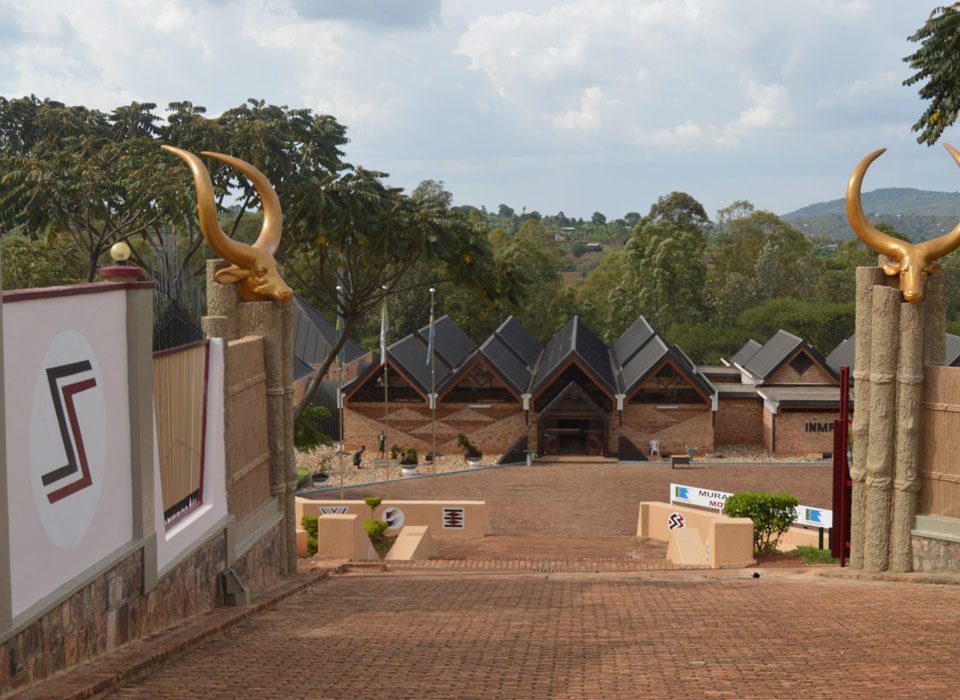
The King’s Palace Museum, located in Nyanza, is a vital cultural heritage site that offers visitors an immersive glimpse into Rwanda’s royal history. This museum, which opened in 2008, is situated on a hill that overlooks the picturesque countryside of Rwanda’s Southern Province. It serves as a testament to the rich traditions and lifestyles of Rwandan royalty, spanning from the 15th century until the monarchy’s dissolution in 1961.
Origins and Importance in Cultural Heritage
The museum is built on the site of the former royal palace, which was once the residence of Rwandan kings. It plays a crucial role in preserving and promoting Rwanda’s cultural heritage, showcasing the historical significance of the monarchy and its impact on Rwandan society. Through its exhibits and educational programs, the museum aims to foster a deeper understanding of Rwanda’s past and its cultural identity.
Architecture and Design of the King’s Palace
The architectural design of the King’s Palace Museum reflects a harmonious blend of traditional Rwandan styles and colonial influences, providing insight into the evolution of Rwandan architecture.
Influences and Styles
- Traditional Royal Palace: The circular structure, known as Ingoro y’Umwami, has a thatched roof made from locally sourced grass. This design not only maintains a comfortable indoor climate but also symbolizes the harmonious relationship between the palace and its natural surroundings. The interior features intricately woven patterns from reeds, showcasing Rwandan craftsmanship.
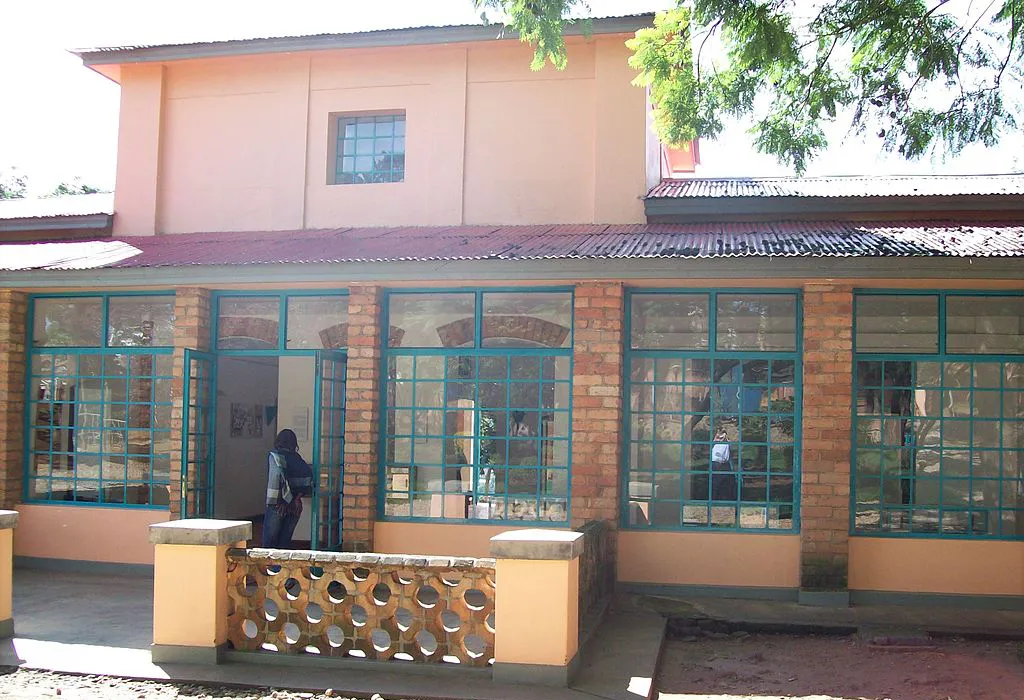
- Colonial-Style Palace: Adjacent to the traditional palace is a rectangular colonial-style palace built for King Mutara III Rudahigwa in 1932. This structure incorporates European architectural elements such as large windows, high ceilings, and ornate finishes, reflecting the influence of colonial powers during that era. The contrast between these two styles highlights the significant changes in Rwandan architecture over time.
Collections and Exhibits
The King’s Palace Museum houses an impressive collection of royal artifacts and treasures that provide insights into the life and reign of Rwandan kings.
Royal Artifacts and Treasures
Visitors can explore various sections of the museum that display items such as:
- Royal Thrones: These thrones symbolize authority and power within Rwandan culture.
- Ceremonial Regalia: Items used during important ceremonies, showcasing traditional practices.
- Household Items: Artifacts that reflect daily life in the royal household before the monarchy was abolished.
Guided tours offer detailed explanations of these artifacts, enhancing visitors’ understanding of their historical context and significance.
Cultural and Educational Programs
The King’s Palace Museum actively promotes heritage conservation through various cultural and educational initiatives.
Promoting Heritage Conservation
The museum conducts workshops, exhibitions, and cultural performances aimed at educating visitors about Rwanda’s monarchical history. These programs not only preserve traditional practices but also engage local communities in cultural heritage conservation efforts. By fostering appreciation for Rwanda’s rich history, the museum plays a crucial role in ensuring that future generations understand their cultural roots.
Visitor Experience and Tourism Impact
The King’s Palace Museum offers an enriching visitor experience while significantly contributing to local tourism.
Engagement and Outreach Initiatives
The museum implements various outreach initiatives to engage both local communities and international tourists. These include:
- Cultural Performances: Traditional dance performances are held regularly, allowing visitors to experience Rwandan culture firsthand.
- School Programs: Educational programs designed for schools help instill an appreciation for Rwanda’s history among younger generations.
These initiatives not only enhance visitor engagement but also support local artisans by showcasing their crafts within the museum setting.
Future Developments and Sustainability
The King’s Palace Museum actively preserves Rwanda’s cultural heritage by focusing on future developments that incorporate innovative technologies and sustainable practices.
The must-see exhibits at the King’s Palace Museum
The King’s Palace Museum offers visitors a deep dive into the rich history and culture of the Rwandan monarchy. Here are the must-see exhibits that highlight the significance of this cultural site:
Traditional Royal Palace Replica
The main attraction is the replica of the traditional royal palace, showcasing the architectural style of Rwandan royalty before the monarchy was abolished in 1961. This structure, designed to resemble a beehive with its thatched roof, provides insight into the living conditions and customs of past kings and their families. Inside, visitors can explore various artifacts related to royal life, including utensils, shields, and ceremonial items.
Inyambo Cattle Enclosure
Adjacent to the palace replica is the Inyambo cattle enclosure, where visitors can see the majestic long-horned Inyambo cattle. These cows are descendants of the royal herd and hold significant cultural importance in Rwandan ceremonies. The caretakers often sing to these cattle, maintaining a unique tradition that reflects their historical role in royal rituals.
Modern Art Deco Palace
The museum also features a modern art deco palace, built in 1932 for King Mutara III Rudahigwa. This building has been preserved to reflect its original state during the king’s reign until he died in 1959. Visitors can explore its elegantly designed interior, which combines Rwandan patterns with European-style furnishings. The palace offers a glimpse into the daily life and official duties of the king and his family through various exhibits and artifacts displayed throughout.
Royal Artifacts and Regalia
The museum houses an impressive collection of royal artifacts, including thrones used by past kings, royal regalia, jewelry, and currency from the monarchical era. These items not only illustrate the opulence of royal life but also serve as important symbols of Rwandan heritage.
Cultural Performances
Throughout the year, the museum hosts cultural performances that showcase traditional Rwandan music and dance. These events provide an engaging way for visitors to experience Rwandan culture firsthand while learning about its historical context.
Educational Exhibits
The museum features informative displays that educate visitors about Rwanda’s monarchical history from the 15th century to 1961. Through guided tours or self-exploration, guests can gain a deeper understanding of how the monarchy shaped Rwandan society and culture.
The King’s Palace Museum is not just a repository of artifacts; it is a vibrant cultural hub that brings Rwanda’s royal history to life. Whether you’re exploring the traditional palace replica, marveling at the Inyambo cattle, or engaging with live performances, each exhibit offers a unique opportunity to connect with Rwanda’s rich heritage. A visit to this museum is essential for anyone looking to understand the complexities and beauty of Rwanda’s past.
Innovative Technologies and Preservation Efforts
Plans are underway to integrate digital technologies into exhibits, providing interactive experiences for visitors. This includes virtual reality displays that allow guests to explore historical events or architectural features in greater detail. Additionally, ongoing preservation efforts aim to maintain both traditional structures and artifacts while ensuring they are accessible to future generations.
By embracing sustainability practices, such as using eco-friendly materials for renovations and promoting responsible tourism, the museum aims to minimize its environmental impact while enhancing visitor experiences. The King’s Palace Museum stands as a vital link between Rwanda’s past and present, offering insights into its royal heritage while actively engaging with visitors through educational programs and cultural initiatives. As it continues to evolve with innovative practices aimed at preservation and sustainability, it remains an essential destination for anyone interested in understanding Rwanda’s rich history and vibrant culture.