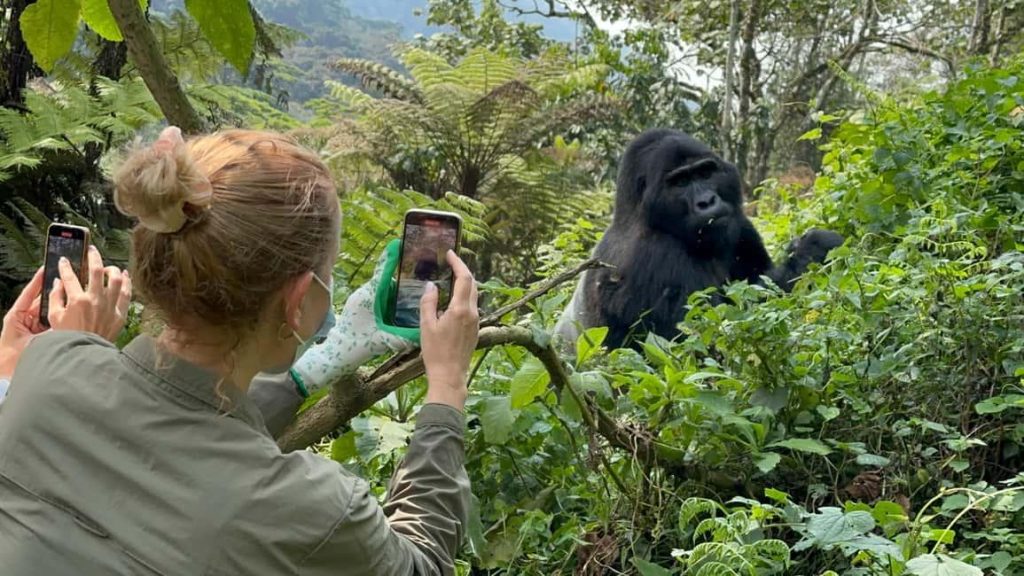
Amazing 9 Days Extreme Wild Adventure Uganda Safari
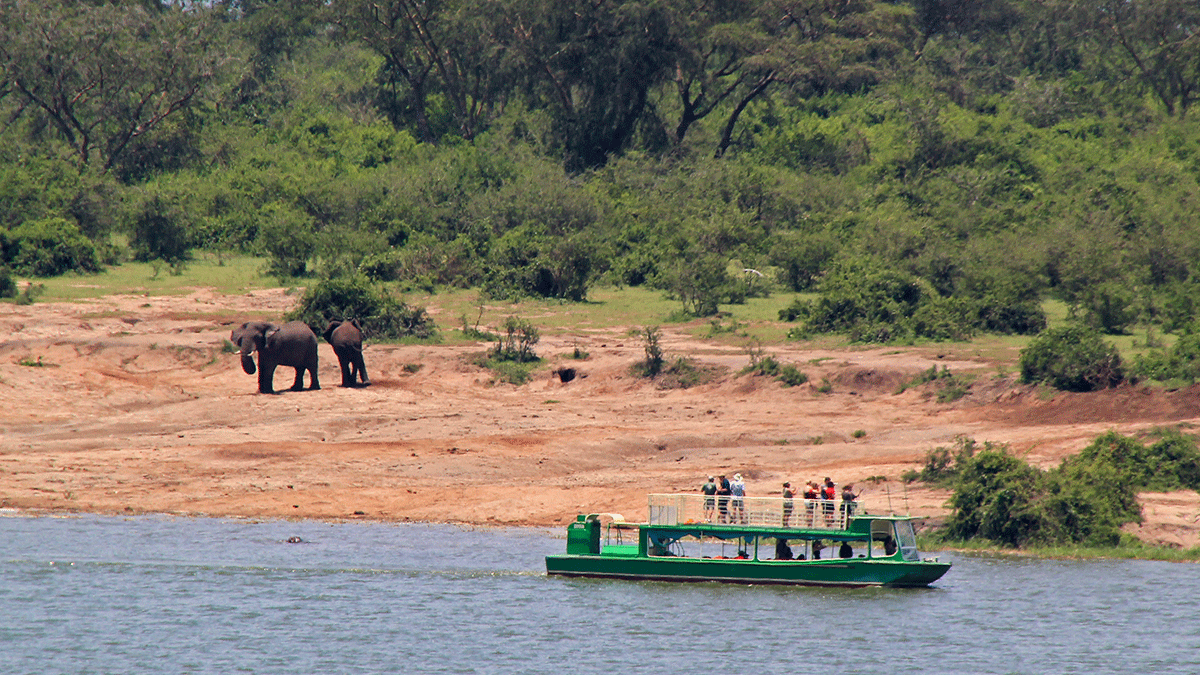
9 Days Extreme Wild Adventure Uganda Discovery
A safari can be memorable for one extraordinary sighting, but Uganda rewards travelers who want more than a single moment. 9 Days Extreme Wild Adventure Uganda Discovery is designed as an energetic journey from riverine savannah to tropical forest, bringing together rhinos, elephants, chimpanzees and mountain gorillas. Across nine days, the surroundings change dramatically, and so does the way you experience wildlife: on foot, by vehicle and from a boat.
The route begins after arrival at Entebbe International Airport, heads north for a rhino experience and the mighty Nile, then turns southwest through the green highlands to Kibale, Queen Elizabeth and Bwindi. This is a substantial road safari rather than a leisurely resort holiday. You will have early starts, some long journeys and opportunities to slow down when an animal encounter or a landscape deserves extra attention.
What makes this Uganda adventure safari compelling is its mixture of flagship animals and quieter details. Giraffes may walk across the grassland near Murchison Falls, birds move through the papyrus along the Kazinga Channel, and the forest floor can feel astonishingly alive during chimpanzee tracking. The trip reaches its emotional peak on a ranger-led search for gorillas in Bwindi, where the encounter is controlled and conservation rules come first.

Why Choose This 9-Day Uganda Adventure Safari?
A nine-day journey is long enough to join several of Uganda’s strongest wildlife regions without treating each park as a separate trip. It is also short enough to fit into a single holiday for travelers with limited time. In contrast to a tour focused only on the gorillas, this itinerary builds anticipation gradually: open-country encounters lead to primate-rich forest, then a final meeting with one of the world’s most carefully protected great apes.
The itinerary combines classic game-viewing experiences with two very different forest walks. A vehicle safari allows patient searching across broad habitats; chimpanzee tracking relies on calls, movement and ranger knowledge; a gorilla trek brings you into dense montane vegetation. These experiences appeal to curious travelers who enjoy contrasts rather than expecting every day to deliver the same photograph. If your interests are concentrated on shorter trips, the broader range of Uganda safaris offers alternative pacing and routing.
This tour is particularly well suited to fit adults and families with older children who enjoy active travel, wildlife photography, birdlife and varied scenery. It is not a no-effort itinerary: gorilla trekking can involve steep, slippery slopes, while northern-to-western park transfers consume much of a day. A thoughtfully selected lodge location and an experienced guide-driver are as valuable here as a good camera.
What makes 9 Days Extreme Wild Adventure Uganda Discovery special?
The signature is variety. At Ziwa you watch an endangered animal while walking with trained guides; at Murchison you feel the scale of the Nile; in Kibale you listen for wild chimpanzees; in Queen Elizabeth you scan the plains and waterways; and in Bwindi you step into the natural home of mountain gorillas. Wildlife remains wild, so no specific lion, leopard, chimpanzee or gorilla movement can be promised, but the habitats offer a remarkable sequence of possibilities.
9 Days Extreme Wild Adventure Uganda Discovery: Day-by-Day Itinerary
Day 1: Arrive in Entebbe and Settle in Kampala
Your first day is deliberately gentle. After landing at Entebbe, meet the appointed driver-guide and travel to your hotel in Entebbe or Kampala city, depending on your landing time and the following morning’s departure plan. The transfer provides the first glimpses of Uganda: roadside markets, tropical gardens, busy town life and, around Entebbe, the enormous presence of Lake Victoria. Arrival formalities, baggage and traffic mean you should not schedule an ambitious afternoon.
At the hotel, review the route with your guide. Confirm which fees and activities are included, whether packed lunches are arranged and which nights require early departure. It is worth checking that the gorilla permit matches the correct Bwindi sector and trekking date. Keep essential medication, walking shoes and a change of clothes in hand luggage when possible, particularly if connecting flights or bags arrive separately.
Day 2: Travel North via Ziwa Rhino Sanctuary to Murchison Falls
Leave the city after an early breakfast and travel toward Masindi through central Uganda’s cultivated landscapes. The highlight en route is Ziwa Rhino Sanctuary, where a guided walking encounter gives you a chance to observe rhinos from a safe, ranger-managed distance. You do not approach these large animals independently; the sanctuary team determines the route, spacing and duration according to conditions on the day.
Because this is a northbound transit day, the stop is designed as a meaningful wildlife experience rather than a long excursion. A separate rhino tracking activity typically requires its own booking arrangements or fee, so the operator should state clearly whether it is included. Your guide can explain the difference between sanctuary conservation and sightings of animals roaming freely in national parks; the two experiences should not be presented as identical.
After lunch, continue toward Murchison Falls National Park, where wooded grasslands, river systems and the dramatic Albertine Rift create a new visual rhythm. Depending on arrival time and permitted access, there may be an opportunity to see the top of the falls, but it should never be guaranteed on a busy transfer day. Settle into a lodge selected for its access to the next morning’s game drive and boat excursion.
Plan the Northern Safari Leg
Share your preferred arrival date and maccommodation level so the Ziwa stop, park entry and lodge location can be planned as one workable travel day.
Email: info@ugandarwanda-safaris.com

Day 3: Murchison Falls Game Drive and Nile Boat Safari
Your Murchison Falls safari day begins before the heat settles over the grassland. The early game drive is your opportunity to look for giraffes, elephants, buffalo, antelope and the predators that move through the park. Experienced guides read tracks, animal behavior and habitat rather than simply driving fast between sightings. The location of a particular pride or leopard can change daily, so consider every encounter a privilege instead of an item guaranteed on a checklist.
The northern savannah is especially atmospheric in the morning, when golden light touches the grasses and the air is still cool. During Murchison Falls game drives, slow observation can reveal smaller dramas: birds following grazing animals, a herd crossing a track or a pair of giraffes feeding beneath acacias. Keep voices low, remain inside the vehicle except where specifically permitted and follow the guide’s instructions about approaching wildlife.
Later, enjoy a Nile boat safari toward the base of the falls, subject to the operator’s sailing schedule and local conditions. This is often one of the most enjoyable activities in Uganda because the riverbanks bring different species into view. Hippos may surface nearby, crocodiles rest at the water’s edge, and fish eagles and other birds provide constant interest. The boat does not travel through the dangerous waterfall itself; it approaches the viewing area as navigation conditions allow.
At the falls, the Nile is forced through a narrow rocky gap, producing the noise and spray that made the park famous. A walk near the top is an optional experience only when access, time and current park arrangements permit it. Do not assume a hike is included just because a boat cruise is on the program. Finish with sunset near the lodge and discuss which sightings stood out rather than rushing to the next destination mentally.
Day 4: Drive from Murchison Falls to Kibale Forest
Today is one of the longest road days of the nine-day itinerary. Travel southwest past towns, farms and changing vegetation toward Hoima and Fort Portal, then continue to accommodation close to the chimpanzee tracking area. The exact journey time varies greatly with road conditions, stops, weather and lodge location. Treat the transfer as a full day and avoid promising a precise arrival hour in an itinerary that has not yet been scheduled.
You are entering the realm of Kibale National Park, best known to visitors for chimpanzees and its rich forest habitats. The atmosphere changes quickly: instead of distant horizons you begin to notice shaded paths, bird calls and layers of vegetation. Check the meeting point and reporting time for tomorrow’s tracking session; some lodges are considerably farther from the trailhead than they appear on a map.
If you arrive before dark and are not exhausted, a gentle lodge walk may be possible within the property’s permitted grounds. A full additional forest activity is usually unrealistic after the transfer. Put your trekking boots, rain layer, water bottle and small daypack ready before dinner. Overnight: Kibale or the Fort Portal area, with the lodge chosen to minimize early morning travel.
Day 5: Track Chimpanzees in Kibale, Then Continue to Queen Elizabeth
Kibale chimpanzee tracking brings your first major primate encounter. After a briefing at the designated meeting point, join ranger-guided chimpanzee tracking in the forest. Unlike a zoo visit, the day involves searching for free-ranging animals using sounds, recent movements and trackers’ knowledge. A successful sighting may involve chimpanzees feeding above you, moving through branches or resting quietly; the quality of the encounter is measured by respectful observation, not how close you can stand.
Forest conditions can be damp even in drier months. Wear long trousers, closed hiking shoes with grip and lightweight layers that protect against vegetation and insects. Carry drinking water, and protect electronics in a rainproof bag. Follow current Kibale chimpanzee permit conditions regarding age limits, the duration allowed near chimpanzees, photography and health requirements. The ranger’s directions always take priority over camera opportunities.
If the morning session and onward schedule leave enough room, you may choose a community-guided walk at Bigodi Wetland Sanctuary, a valuable place for birdwatching and learning how local livelihoods connect with conservation. This is optional, not something to squeeze into an already delayed transfer. Travelers who want an unhurried wetland visit should discuss it at booking stage so transport and lodge arrangements are adjusted accordingly.
Continue south toward Queen Elizabeth National Park. Crater landscapes and broad views of the Rift Valley often make this a particularly attractive drive, although weather can change visibility. Arrive in time to settle into the lodge and prepare for a full day of game viewing. Overnight: Queen Elizabeth area. The tour operator should clarify whether chimpanzee permit costs, Bigodi entrance and transport are included in the quoted total.
Reserve the Primate Experiences
Tell us your travel dates and group size so chimpanzee and gorilla permit availability can be checked before hotels are finalized.
Email: info@ugandarwanda-safaris.com

Day 6: Queen Elizabeth Game Drive and Kazinga Channel Cruise
Begin the day in the open plains, where early light and cooler temperatures make it comfortable to search for wildlife. The Kasenyi game drive area and other suitable routes may offer buffalo, elephant, antelope, warthog and occasional predators. Lions are never certain, and photography benefits from patience more than speed. Look beyond the largest mammals: a colorful bee-eater, a distant raptor or a herd behavior pattern can make the morning memorable.
In the afternoon, take the celebrated Kazinga Channel boat cruise, a water-based excursion that connects the landscape to the animals depending on it. Hippos, crocodiles, waterbirds and elephants may be seen from the boat, with sightings varying by season, water conditions and animal movements. A boat provides a wonderfully different perspective from the road; use binoculars and allow the guide time to identify species without crowding the vessel’s edges.
After returning to the lodge, review the following day’s route toward Bwindi. The Ishasha sector is a worthwhile stop when road and weather conditions cooperate, but travel times can vary substantially. Avoid adding an extra late-night drive simply to fit in one more activity. A well-paced safari should leave space for a meal, a hot shower and the pleasure of being in the park rather than racing through it.

Day 7: Explore Ishasha and Continue to Bwindi
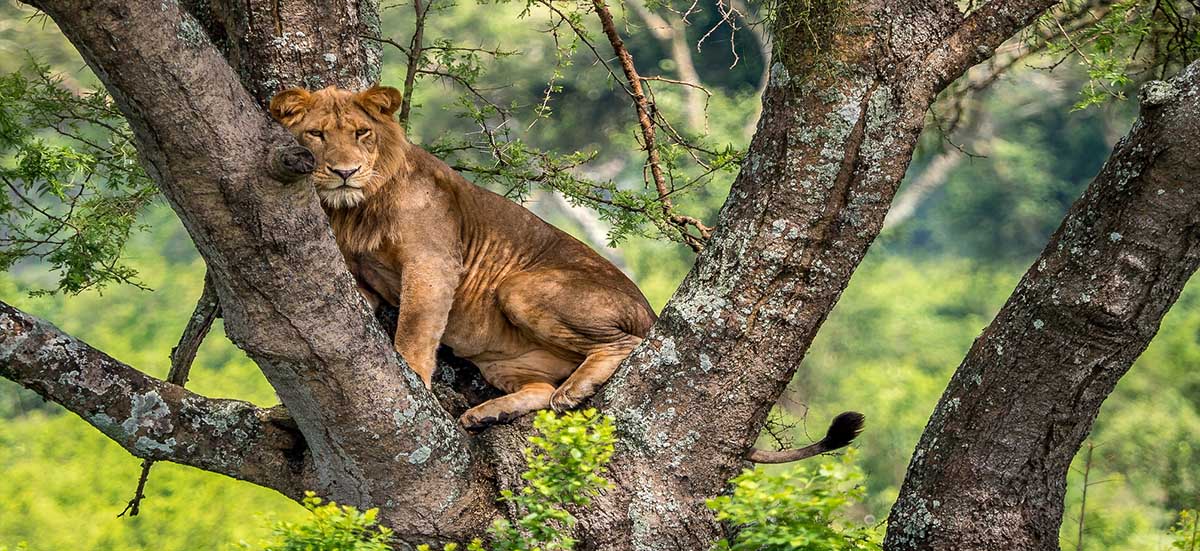
Drive toward the southern sector of Queen Elizabeth, where the landscape becomes quieter and the search for Ishasha tree-climbing lions is a favorite safari challenge. Some lions in this area are known for resting in trees, but you may find them on the ground, elsewhere in the landscape or not at all. Scan fig trees and surrounding vegetation carefully without assuming a tree-climbing sighting is guaranteed.
This transit day connects two very different parks. Leaving Ishasha behind, the road climbs into the lush hills surrounding Bwindi Impenetrable Forest. Farms, steep slopes and patches of thick forest replace the open savannah. Your overnight lodge should be booked near the actual gorilla briefing sector shown on your permit, not merely somewhere described as being “in Bwindi.” Travel between park sectors can take hours on winding roads.
Some published versions of this nine-day journey include a chimpanzee walk in Kyambura Gorge before the Ishasha drive. That can be an exciting addition, but it is not automatically practical on a day that also ends in Bwindi. If you want to include Kyambura, discuss the time commitment and whether an additional night or a modified program would be better than a hurried crossing.
Your guide should confirm the meeting location, reporting requirements and equipment for the morning. Ask about porter availability, walking-stick support and the procedure if you have a health concern. Charge your camera and pack a small day bag with rain protection. The evening is best spent resting at altitude and listening to the forest rather than adding strenuous activities.
Match Your Bwindi Lodge to Your Permit
Ask for an itinerary that places you near the correct gorilla trekking sector and allows enough time after Ishasha to rest.
Email: info@ugandarwanda-safaris.com
Day 8: Gorilla Trekking in Bwindi Impenetrable National Park
This is the day many travelers remember most. Report for the briefing before the scheduled departure, where rangers explain behavior rules and assign trekking groups according to the permits and local operating arrangements. Your gorilla trekking in Bwindi experience then begins on foot with authorized guides and trackers. The forest can be steep, wet and tangled, and the duration depends on where the assigned habituated gorilla family is moving that morning.
Trek with patience and leave expectations about exact walking distance behind. A family may be reached relatively quickly, or it may require a more demanding journey. Your physical preparation matters, but so does the willingness to follow the ranger’s pace. The official gorilla trekking difficulty guidance and local guide advice help you choose sensible footwear, pack light and decide whether a porter would make the experience safer and more enjoyable.
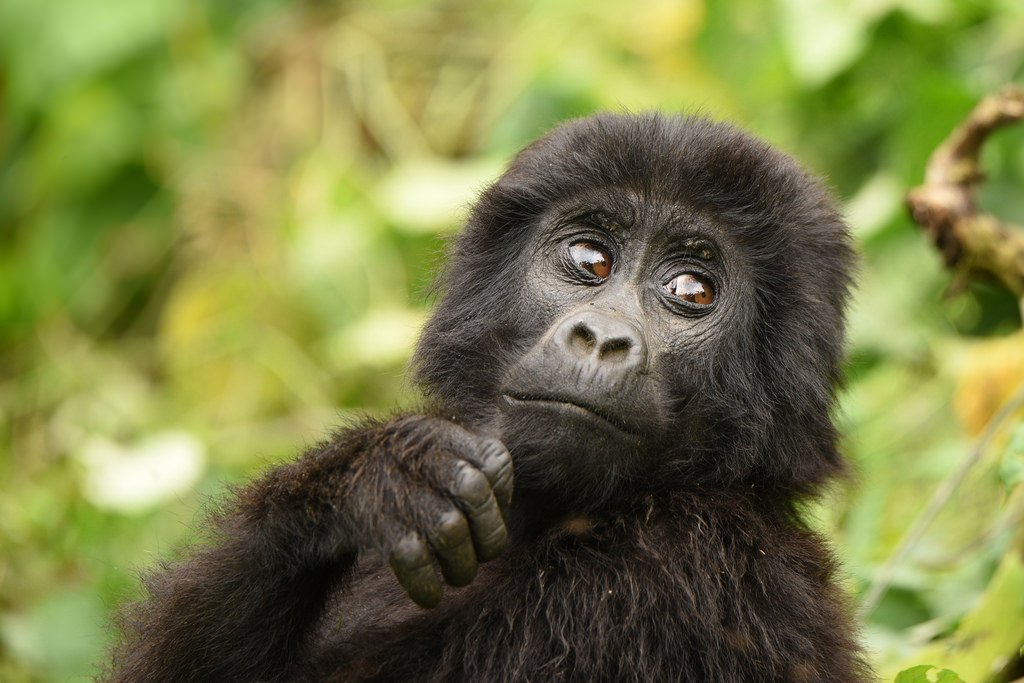
When the gorillas are located, follow every instruction about distance, movement, noise and photographs. The standard visit generally allows up to one hour with a habituated family once contact is made, but the rangers manage the encounter based on the animals’ behavior and current regulations. Flash photography is not permitted. A silverback’s calm glance, a youngster playing or a mother tending her infant can feel far more powerful than any posed photograph.
Bwindi’s trekking regions are spread around the forest, and the day’s exact starting point is determined by Bwindi trekking sectors and the permit allocation. Do not book a hotel solely because it has a scenic mountain view. After returning, enjoy a quiet afternoon at the lodge if energy permits; an optional community-led cultural activity should be agreed locally and conducted respectfully. Overnight: the same Bwindi sector for a second night.
Day 9: Return to Entebbe or Kampala for Departure
After breakfast, begin the long return drive toward central Uganda. The route commonly passes through southwestern towns, rolling farmland and the Ankole countryside. Planned breaks are important, especially after the previous day’s trek. Depending on road conditions and flight timing, you may stop at the Uganda Equator crossing for a photograph and lunch, but never allow a roadside stop to jeopardize an international departure.
This road transfer can take most of the day, and delays do happen. A late-evening flight may work with careful planning, but the safest itinerary often includes an additional night close to Entebbe Airport, particularly for travelers who prefer not to rush. Another option is to investigate Uganda fly-in safaris or a domestic connection from a suitable western airstrip, subject to schedules, baggage limits and transfer availability.
The drive offers time to reflect on how different each destination felt: the Nile’s power, the sound of chimpanzees, the movement of elephants along a channel and the quiet intensity of a gorilla encounter. You may have fewer photographs than expected of a particular animal, but the story of Uganda is larger than a list of sightings. Your guide will transfer you to the agreed hotel or airport location when the journey concludes.
Build Your 9-Day Uganda Safari
Request a tailored quote with travel dates, group size, preferred lodging level and the experiences you most want to prioritize.
Email: info@ugandarwanda-safaris.com
A Practical Route Summary for Travelers
The daily outline provides a clear structure, but no two departures unfold identically. The road circuit has substantial transfer days on days two, four, seven and nine; park activity days work best when lodges are selected for the actual entry points and departure times. Permit reporting is time-sensitive, and weather may alter road conditions. The best itinerary confirms the order of experiences before accommodation deposits become non-refundable.
A useful way to evaluate a quote is to ask for the confirmed overnight town or lodge on every day, expected drive windows, activities that are guaranteed by reservation and activities that remain optional. A name such as “9 Days Extreme Wild Adventure Uganda Discovery” describes a journey, not an assurance that every wildlife sighting or optional excursion will happen. Keep your expectations adventurous and your logistics specific.
Uganda Gorilla and Chimpanzee Permits: Booking Essentials
Two forest activities require particular attention: chimpanzee tracking and gorilla trekking. Both are regulated wildlife experiences with limited places, designated reporting procedures and conservation rules. Your itinerary is much easier to organize when the requested trekking dates are known first. Check gorilla trekking permits before placing non-refundable lodge deposits, and make sure the permit displays the correct park, date and participant details.
Permit prices are not a fixed lifetime figure. The Uganda Wildlife Authority has published conservation tariffs and later updates, including rate changes for certain products and categories. For example, widely published schedules have listed a standard foreign non-resident gorilla permit at US$800, but travelers should confirm the tariff and any seasonal or residency-based conditions for their actual date. The article does not assume that an online price automatically includes accommodation, transport or all park entry fees.
The same caution applies to Uganda gorilla permit costs and chimpanzee tracking. Different activities, resident categories and travel dates can produce different totals; some advertised safari packages include permits while others quote them separately. Request an itemized written proposal naming the permit type, number of permits and payment terms. Never rely on a vague promise that “permits are arranged” without evidence of the booking status.
Best Time to Take This 9-Day Uganda Wildlife Tour
Uganda is a year-round destination, but months with generally drier conditions often make forest walking and rural transfers easier. Travelers commonly favor parts of June through September and December through February for a combination of trekking and safari, while wetter periods can bring dramatic green scenery and fewer visitors in some areas. Conditions vary between Murchison, the western savannahs and the high-altitude forests, so no month is entirely rain-free.
Consider the best time to visit Uganda in relation to what matters most. Photographers may prize particular light, birdwatchers may enjoy seasonal activity, and trekkers may prefer a better chance of firmer trails. Rain can happen in the mountains during any season, while dry conditions can also make some lowland roads dusty. Your driver-guide’s local knowledge is more reliable than treating a broad national weather chart as an exact forecast for every park.
Booking early helps most when the trip includes a specific gorilla trekking date or sought-after lodge. Last-minute flexibility can be valuable, but it should not be mistaken for guaranteed availability. Families and groups may need extra time to secure permits together. If your dates coincide with major holidays, discuss alternatives before flights are purchased. A sensible operator can often adjust accommodation class without changing the essential safari experience.
What Is Included in the Safari Price?
Safari quotations vary widely because the largest costs are not limited to park entrance. Accommodation category, vehicle type, number of guests sharing transport, meals, permits, boat cruises and private versus shared guiding all influence the final figure. Ask whether each night is budget, midrange or luxury accommodation and whether the actual property is specified or described only as “or similar.” A lower headline figure is not necessarily a better-value holiday.
A typical customized package may include airport transfers, a professional driver-guide, a safari vehicle, accommodation and agreed meals, selected game drives and prebooked activities. However, none of these should be assumed without a written inclusion list. Park entry, rhino tracking, the Nile cruise, Kazinga Channel boat ride, chimpanzee permit and gorilla permit deserve separate confirmation. An optional activity is not included merely because it appears in an itinerary description.
Common exclusions include international flights, visas, some drinks, gratuities, personal shopping, travel insurance and activities not expressly booked. Ask also about airport arrival and departure times, child policies, single-room supplements and cancellation or rescheduling rules for permits. If a route requires an exceptionally early day, clarify how packed breakfasts and lunches are provided. Transparency is more useful than a price comparison stripped of its details.
What to Pack for a Wildlife and Primate Safari
Pack for two climates rather than one. Savannah drives can be warm and dusty; rainforest mornings may be cool, wet and muddy. Lightweight neutral-colored clothing, a breathable long-sleeved top, trousers that protect the legs, a waterproof shell and well-fitted walking boots are a strong foundation. Many travelers appreciate gaiters and gardening-style gloves for Bwindi’s vegetation, although equipment preferences depend on the trek and the ranger’s advice.
Your chimpanzee and safari packing checklist should also include insect repellent, sunscreen, a broad-brimmed hat, reusable water bottle, small daypack, personal medication and copies of necessary documents. Carry binoculars for birds and distant mammals. A camera with a suitable zoom is useful on game drives, but forest photographs may need good low-light performance instead. Protect batteries and memory cards from moisture, and avoid bringing an overly heavy bag into the forest.
For gorilla and chimpanzee visits, switch off flash and follow the rangers’ photography limits. Keep voices low, give animals space and never offer food. Wear clean clothing and observe all health screening requirements. A porter may help carry equipment on a steep trek and can also provide welcome practical support, but should be engaged through recognized local arrangements. Your equipment should make you more comfortable, not slow the entire group.
Health, Safety and Responsible Travel
A safari is safer and more enjoyable when basic precautions are treated as routine. Speak with a qualified travel-health provider well before departure about Uganda-specific vaccinations, malaria prevention, your medical history and any documentation required for entry. Requirements can change, and health advice is individualized. Arrange suitable travel insurance that covers your planned wildlife activities, evacuation needs and changes caused by illness or disruption.
Check the current Uganda visa process using official immigration channels before travel. Passport validity, visa eligibility and entry requirements depend on nationality and itinerary; internet summaries can become outdated. Keep emergency contacts and copies of important documents accessible. In cities, follow ordinary travel precautions with valuables, and on safari never leave a vehicle or approach animals without the guide’s explicit approval.
Responsible travel also involves how you treat people and places. Ask before taking photographs of community members. Choose visits that are organized with local participation and fair compensation. Avoid littering, do not pressure trackers for close wildlife access, and respect forest restrictions even when a photograph looks irresistible. Tourism is most beneficial when the habitats that draw visitors also receive careful protection and neighboring communities gain meaningful opportunities.
Can You Customize the 9-Day Itinerary?
Yes. The core experience is flexible, although changes to the route can increase driving time or require different permits. Wildlife enthusiasts might prioritize an additional morning in Murchison or Queen Elizabeth. Keen birdwatchers might spend more time at Bigodi. A traveler who loves water scenery could consider extending the trip to Lake Bunyonyi after Bwindi, but that extension is better added as an extra day or two than forced into an already crowded final transfer.
Another useful adjustment is to arrive a day earlier, particularly after a long international flight. This creates breathing room before the northbound drive. Travelers with limited mobility should ask frank questions about forest terrain, access to vehicles and possible porter support; good operators will help evaluate suitability without claiming a difficult trek is easy for everyone. Accommodation can be tailored to comfort level while preserving the itinerary’s geographic logic.
If you have exactly nine days including international flight arrival and departure, keep the scheduled excursions disciplined and avoid adding both a Kyambura chimpanzee session and long cultural stops on day seven. A route with more generous time can incorporate those experiences thoughtfully. The aim is not the greatest number of advertised stops, but meaningful time with Uganda’s remarkable habitats.
Frequently Asked Questions About the Nine-Day Uganda Safari
Is nine days enough to see gorillas, chimpanzees and savannah wildlife?
Nine days can cover these highlights in a well-organized route, as long as travelers accept several full transfer days and book required primate permits in advance. It is not a leisurely pace. A ten- or twelve-day itinerary would give additional time for photography, cultural experiences and rest, but nine days can still provide a rich introduction when the order of parks is carefully planned.
Are rhinos and the Big Five guaranteed?
No. Ziwa offers a managed rhino tracking experience, while other parks provide opportunities to search for elephants, buffalo, lions and leopards. Wild animal movements, weather and luck determine sightings. Uganda’s different ecosystems reward visitors who remain interested in birds, antelope, primates and landscapes even when a headline predator stays hidden.
Is the gorilla trek suitable for a beginner?
Some first-time hikers complete gorilla treks successfully, but the forest can be steep, uneven and slippery. Physical fitness, suitable footwear and willingness to follow ranger instructions are important. Discuss any health or mobility limitation before booking, ask about permitted support arrangements, and remember that distance and walking time cannot be selected in advance with certainty.
Does the itinerary include gorilla and chimpanzee permits?
Only if the operator confirms that in writing. Some quotations bundle both permits; others exclude them or list them as separate charges. Check the final invoice for each participant, permit category, trekking date and the destination’s correct reporting point. This is especially important when comparing prices between safari companies or considering a late itinerary change.
Can the safari begin or end in Kigali instead?
A different international gateway can sometimes work for a customized western Uganda itinerary, subject to border rules, visa eligibility, transport logistics and permit locations. It would materially alter the standard northbound Murchison circuit described here, however. Request a new travel plan rather than assuming the same nine-day sequence and prices will remain valid.
What if my international flight leaves on day nine?
The return from Bwindi is long, so a flight leaving early or midafternoon would be unsuitable for the standard road itinerary. A late departure may be possible after detailed scheduling, but an overnight near Entebbe is often the less stressful choice. Your flight time, road route and possible domestic air connection should be considered before the final safari night is booked.
Book a Uganda Adventure Built Around Real Experiences
The appeal of this journey lies in its range: a guided rhino walk, sunrise on the savannah, the Nile at Murchison Falls, forest calls around Kibale, wildlife along Kazinga Channel, Ishasha’s unusual lions and the deeply moving presence of mountain gorillas. The most rewarding trip treats each encounter as an opportunity, not a scripted promise, and gives guests enough practical support to enjoy the transitions between them.
Share your preferred travel month, number of travelers, accommodation style and the experiences that matter most. Ask for confirmed permit availability, a day-by-day lodge plan and an itemized price. With those details in place, 9 Days Extreme Wild Adventure Uganda Discovery can become a confident, wildlife-focused holiday rather than merely an attractive itinerary description.
Request Your Uganda Safari Proposal
Get a personalized nine-day route with realistic transfer days, permit arrangements and accommodation options matched to your dates.
Email: info@ugandarwanda-safaris.com