6 days Murchison Falls safari: Ultimate Amazing Trip

6 days Murchison Falls safari: Ultimate Amazing Trip
A 6 days Murchison Falls safari makes room for Uganda’s biggest national park without reducing it to a hurried waterfall stop. The journey combines the thunder of the Nile, open grassland filled with giraffes and antelopes, riverbanks visited by hippos and crocodiles, and a forest where chimpanzees live beyond the savannah. It is an appealing first Uganda wildlife holiday because each day introduces a different way of seeing nature. A private guide can adapt the pace to wildlife sightings and weather rather than treating each photograph as a deadline.
This sample journey begins and ends around Kampala or Entebbe and gives the park several full activity days. It includes time for rhinos at Ziwa, a boat trip toward the base of the falls, game viewing on the northern plains, an optional delta excursion, and Budongo’s forest. Transport arrangements, lodge location and permit availability influence the exact order. No wildlife sighting, chimpanzee encounter or boat departure should be described as guaranteed.

Why choose a 6 days Murchison Falls safari?
Visitors who stay only one or two nights often have to choose between a long game drive and the Nile. Six days create breathing room for both, along with a second chance to search for elusive animals. This is especially valuable when lion sightings are distant, the weather changes or a river activity is rescheduled. More time also helps photographers see the same landscape in different light. A morning on the northern bank feels very different from an afternoon beside the falls.
Murchison Falls National Park protects a huge stretch of northwestern Uganda where savannah, woodland, wetlands and river habitat meet. The river travels through the park before narrowing dramatically at the famous falls. The broad floodplains near the Nile are well suited to viewing Uganda kob, buffalo, Rothschild’s giraffe, elephant and a variety of birds. The trip is not a gorilla trek; travelers wishing to add gorillas generally need a longer itinerary or a carefully planned combination with a domestic flight.
Six-day itinerary at a glance
6 days Murchison Falls safari highlights
Day one takes the road north from Kampala or Entebbe through the countryside, normally allowing a guided white-rhino encounter at Ziwa before reaching a lodge in the Murchison area. Day two explores the northern game-viewing circuit and finishes with an upstream boat safari to the base of the waterfall. Day three uses an early start for more wildlife viewing and a vehicle visit to the top of the falls, subject to access conditions.
Day four can focus on the Nile Delta and birds, with a relaxed afternoon rather than another very long drive. Day five moves toward Budongo Forest for guided chimpanzee tracking if permits and operations allow, with an alternative guided forest walk or birding outing when chimp tracking is unsuitable. Day six returns south with comfort stops and suitable allowances for traffic. This outline gives the river, savannah and rainforest their own space instead of racing through all three.
Plan Your Uganda Safari With Local Guidance
Share your dates, group size and preferred travel style for an itinerary with clear activities, transfers and inclusions.
Day 1: Entebbe or Kampala to Ziwa and Murchison
Meet your driver-guide early, check that your luggage fits comfortably in the vehicle, and travel north on the main road. From Entebbe the journey is longer than from Kampala, so guests arriving on an international flight that morning should avoid an overly ambitious schedule. Breaks for lunch, fuel and restrooms are useful, especially when traveling with children. The drive itself reveals busy towns, farms, roadside markets and changes in vegetation as the city falls behind.
Ziwa Rhino Sanctuary offers guided on-foot encounters with southern white rhinos under the direction of trained staff. This is not an independent walk: follow the ranger’s instructions, keep the requested distance and avoid sudden movement. Ziwa rhino tracking complements the rest of the safari because rhinos are not normally part of the park’s standard game-drive sightings. The walk duration depends on the animals’ location and conditions, so pack walking shoes and water rather than assuming a short paved stroll.
After the sanctuary, continue toward the park and settle into your lodge. Some properties are beside the Nile; others are outside the boundary or nearer the forest. Ask for the exact driving time to the preferred game-viewing sector. An evening overlooking the river offers a calmer start than trying to fit in another formal activity after a full road transfer. Dinner is a good opportunity to discuss tomorrow’s departure time, breakfast arrangements and any dietary needs.

Day 2: Northern plains and the falls cruise
Leave before the strongest heat when possible. The Buligi area and other authorized routes on the northern bank offer open views across grassland and patches of woodland. Giraffes are among the most distinctive animals here; travelers may also see buffalo, elephants, kob, oribi, hartebeest and warthogs. Lions, leopards and hyenas occur in the ecosystem but can remain hidden. Murchison Falls game drives are about observation and patience rather than a promised Big Five checklist.
An experienced guide will pay attention to tracks, alarm calls, shade and watering points. Bring binoculars so a distant eagle or antelope becomes part of the experience even when a cat is not visible. Stop only where authorized and never ask the driver to block an animal. The park’s wildlife changes throughout the day, and the best route depends on recent conditions, grass height and road access. A packed breakfast or picnic may reduce unnecessary backtracking if the lodge is far away.
In the afternoon, board a scheduled or privately arranged boat heading upstream from the Paraa area toward the foot of Murchison Falls. A Victoria Nile boat safari gives a low-angle view of hippos, crocodiles, kingfishers, fish eagles and animals visiting the water. The boat ordinarily stops at a safe viewing distance from the roaring water rather than passing through it. Bring sun protection, keep equipment secure and follow crew guidance. Return to the lodge after a day that brings together the two signature faces of the park.

Day 3: More game viewing and the top of the falls
Another early game drive gives you a meaningful second opportunity to observe species missed the previous morning. A giraffe feeding among acacias, a herd of elephants approaching a channel or a lion resting in tall grass can be as rewarding as a high-speed search for the rarest animal. Photographers may want to spend longer with one subject and consider a private vehicle so everyone can photograph without leaning across other passengers.
Later, travel to the top of Murchison Falls using the authorized road and viewpoint access. The river funnels through an exceptionally narrow rocky passage before plunging into the gorge. The sound, spray and force of the water feel different here than from the boat below. Guardrails and designated paths exist for a reason: slippery rocks and steep edges make unsupervised climbing dangerous. Depending on the operating arrangements, a guided hike associated with the boat excursion may be possible, but it should never be assumed to be included.
Keep the afternoon adaptable. Visitors who love landscapes can take time to observe the river’s course and changing light, while families may prefer a short visit and a longer rest at the lodge. If a road is temporarily closed or conditions make the viewpoint unsuitable, your guide can reorganize the day around permitted game-viewing roads or a nearby nature experience. Flexibility protects the quality of the safari.

Day 4: Nile Delta, birds and a slower afternoon
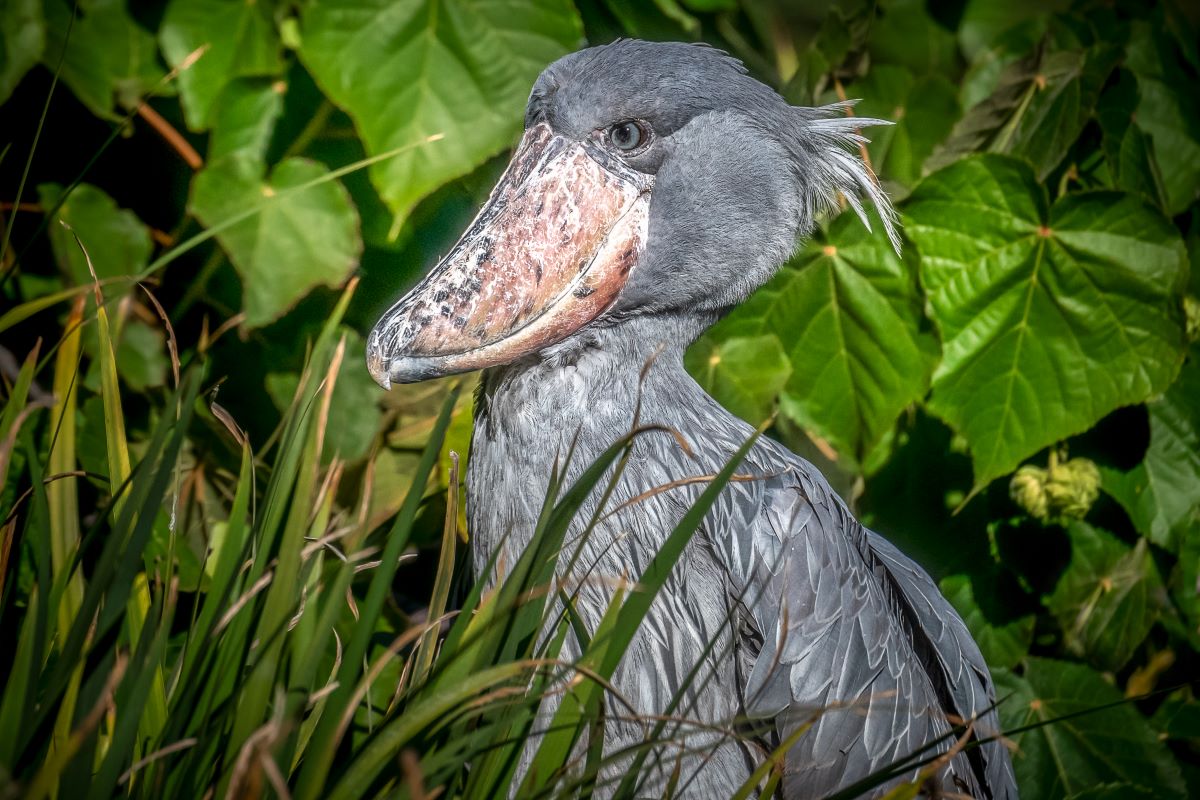
The downstream direction offers a different river experience from yesterday’s upstream waterfall cruise. On a Nile Delta outing the boat moves toward the wetlands where the Victoria Nile approaches Lake Albert. Papyrus, channels, floating vegetation and shallow areas create habitat for many birds. The extraordinary shoebill is a sought-after sighting, but it is elusive and should never be promised. A slow river excursion is particularly satisfying for birders who enjoy identifying species and watching behavior.
Along the route you may notice African fish eagles, herons, kingfishers, bee-eaters, cormorants and other waterbirds. Hippos can surface suddenly; crocodiles may bask along exposed banks. Your boat operator will determine a responsible viewing distance. Compared with the dramatic finish below the waterfall, the delta rewards quiet attention and patience. The excursion may be longer than the upstream cruise, and availability can vary with operators and water conditions.
Leave part of the afternoon unscheduled. Enjoy lunch, review photographs or sit quietly in a safe lodge viewing area. A six-day itinerary becomes distinctive when travelers have time to enjoy being in the wilderness, not simply passing through it. Those who would rather remain on land can arrange another game drive or bird walk with an authorized guide instead of booking the delta cruise.

Plan Your Uganda Safari With Local Guidance
Share your dates, group size and preferred travel style for an itinerary with clear activities, transfers and inclusions.
Day 5: Budongo Forest and chimpanzees
Budongo’s forest is a striking contrast to the bright, open plains. Tall trees, layered vegetation, forest birds and primate calls change the pace of the trip. With permits confirmed, join the designated ranger team for a chimpanzee tracking briefing. The group travels on forest trails while trackers interpret calls and signs of chimp activity. Budongo chimpanzee tracking can involve mud, roots, humidity and variable walking distances, so sturdy footwear, a rain layer and sufficient drinking water matter.
Chimpanzees move freely and may be high in the canopy, feeding on the ground or moving away before visitors obtain a clear view. The experience is not the same as a zoo visit. Stay with the guide, follow all distance and health rules, avoid flash when restricted and do not travel with symptoms of a contagious illness. The trekking permit and activity conditions must be confirmed before travel; the forest is not a casual walk-in attraction with unlimited places.
If tracking is not available, consider a permitted guided forest nature walk or a birding excursion with a specialist. Budongo is important for forest birds, monkeys and botanical diversity beyond its chimpanzees. Visitors should avoid scheduling a demanding forest walk immediately after another lengthy transfer. Depending on your chosen lodge, you may stay near Budongo or return to the river area for your final evening.
Day 6: Return to Kampala or Entebbe
Enjoy breakfast before beginning the journey south. The drive can take much of the day once rest breaks, traffic and road conditions are considered. If you have an international flight, allow a substantial buffer and confirm with your operator whether the flight schedule is realistic. A late-night departure may be easier than an afternoon connection, but it depends on the route and the time you leave the park.
The final day is also the moment to reflect on the contrasts: the measured steps of rhinos, the movement of giraffes across the grass, the deep sound of the falls, and the calls of chimpanzees in the forest. Ask your guide for advice on safe roadside stopping points rather than improvising unscheduled detours. Responsible souvenir purchases from reputable local makers can be a meaningful way to end the journey. Guests adding another Uganda destination should coordinate an onward vehicle or flight rather than assuming every national park sits close to Murchison.

What wildlife can you realistically see?
Northern savannah wildlife is a major reason to choose this route. Large herbivores often include giraffes, Uganda kob, buffalo, elephants and hartebeest, along with smaller antelopes. Predators may include lions, leopards, spotted hyenas and jackals, although sightings depend heavily on luck and conditions. The river supports Nile crocodiles and hippos, while the wetlands attract waterbirds. Forest sections add an entirely different assemblage of birds and primates.
Rhinos belong in a separate part of the itinerary because the guided sanctuary experience at Ziwa is distinct from sightings inside the national park. A classic Big Five claim can be misleading if it suggests all five animals are readily found on one game drive. Treat the trip instead as a broad wildlife encounter covering grasslands, riverbanks and forest. Families with children may find the frequent giraffe, hippo and bird sightings equally memorable, even on a day without a predator.
Which river activity is right for you?
The upstream cruise toward the foot of the falls emphasizes dramatic scenery and wildlife close to the water. The downstream delta excursion is usually slower and appeals to birders or anyone hoping for the chance, not a guarantee, of a shoebill sighting. Both can be rewarding, but they are not interchangeable. Travelers with limited time should decide whether the powerful waterfall panorama or wetland birdlife is their highest priority.
Boat capacity, duration, accessibility and schedule depend on the operator. Ask whether a seat is reserved, where boarding takes place, whether there is shade and what happens if a trip cannot operate. Carry a dry bag for camera gear. Never lean toward hippos or crocodiles for close-up pictures, and do not stand unexpectedly when other guests are photographing. Small actions contribute to a safer and more pleasant excursion.
Best time for this itinerary
The park can be visited throughout the year, but rainfall affects tracks, vegetation, visibility and comfort. Drier stretches often make some wildlife viewing easier because grasses can be shorter and animals spend more time around permanent water. Green months can be spectacular for landscapes and birds, although heavy showers may affect roads and walks. Conditions do not change precisely on the first day of a calendar month.
Travelers coming during high-demand holiday periods should secure Accommodation, boats and chimpanzee permits early. Those interested in birding should discuss their preferred species and possible delta conditions with an experienced local guide. Pack for heat during the day and cooler early departures, as well as sudden rain. A sensible itinerary leaves space to switch activities when weather changes instead of promising fixed sightings and flawless sunshine.
Plan Your Uganda Safari With Local Guidance
Share your dates, group size and preferred travel style for an itinerary with clear activities, transfers and inclusions.
Where should you stay?
Lodge position can change a trip more than an impressive room photograph. Properties near the Nile offer river atmosphere and convenient access to some water activities. Accommodation close to northern game-viewing areas can reduce time spent getting to productive tracks. Forest-side stays suit guests whose main priority is a chimpanzee outing. Ask which side of the river a lodge sits on, how transfers work and how long it takes to reach Paraa or the relevant gate.
Budget accommodation normally offers simpler rooms and fewer extras, while mid-range properties balance comfort with practical access. Premium lodges may offer private decks, elevated service and greater privacy, but no category can guarantee wildlife. Some riverside accommodation is unfenced: never wander alone after dark and follow staff escort procedures. Families should check room arrangements, pool supervision and age limits for activities before paying deposits.
How much does a six-day safari cost?
There is no honest single price without dates, group size, lodge standard and a detailed inclusions list. Private travel for two generally costs more per person than travel with four or six people sharing a vehicle. Accommodation choice, fuel, park entrance, guided activities, boats, chimpanzee permits and the route from Entebbe all influence the total. A cheaper room far from the main wildlife area may save money but also consume valuable morning hours.
Request a written quotation that separates included and excluded expenses. Confirm whether entry fees cover each park day, whether Ziwa tracking is included, whether both boat excursions are included, and whether forest tracking permits are prepaid. Ask about meals, bottled water, guide gratuities, laundry, drinks and single-room supplements. Avoid comparing offers on headline price alone: an itinerary that omits its most important activities is not the same product. Rates and permit rules can change, so current official information takes priority over historical online price tables.
Safari vehicle and road logistics
Most road-based itineraries use a safari-ready four-wheel-drive vehicle operated by a trained driver-guide. A pop-up roof can help with photography where conditions and park rules allow, but seat comfort and visibility matter just as much. Ask how many travelers share the vehicle, whether everyone has a window and how large luggage is handled. Long days on rough park tracks can be tiring even when the distances look modest on a map.
The exact drive from Entebbe or Kampala varies with traffic, roadworks and the chosen park entry route. Plan a proper meal or rest break rather than assuming nonstop travel. Some activities require crossing between river banks or coordinating with designated transport infrastructure; do not base an itinerary on outdated ferry schedules. Your lodge and guide should confirm current crossings, gates and bridge routes shortly before departure.
Packing for the Nile, savannah and forest
Choose neutral, breathable clothes for vehicle viewing and comfortable long trousers for forest paths. Walking shoes with reliable grip are useful for rhino tracking and the Budongo outing. A sun hat, sunscreen, sunglasses, insect repellent, reusable bottle, lightweight rain jacket and small daypack cover most situations. Early starts can feel cool, while afternoon outings can be hot, so layers are more useful than a single heavy outfit.
Bring binoculars, camera batteries, memory cards and a protective bag for dusty or wet conditions. A dry bag is especially helpful on boats. Pack any necessary medication and consult a qualified travel-health professional about vaccines and malaria prevention for your own circumstances. Check the latest airline luggage restrictions if domestic flying forms part of an extension. Keep important travel documents and contact numbers available offline because reception may be weak in remote areas.
Food, comfort and accessibility
Safari lodges may offer full board, half board or bed-and-breakfast packages. Clarify meal arrangements before the drive, particularly when an early departure means taking breakfast to go. Dietary requirements should be communicated ahead of time. Travelers prone to motion sickness can ask for a seat position that suits them and carry recommended remedies. Comfortable pacing makes a major difference to the pleasure of the trip.
Some tracks, boats and forest paths can be difficult for guests with limited mobility. Explain specific needs when requesting a quotation so the operator can assess vehicle access, lodge design, restroom facilities and the feasibility of a guided walk. Children may face restrictions for certain treks and activities. A good operator will explain what is realistic rather than claiming every experience suits everyone.
Photography tips
A 6 days Murchison Falls safari offers opportunities for landscapes, mammals and waterbirds without changing locations every night. Use a wide view for the waterfall, a longer focal length for distant birds and steady shooting technique on a safari vehicle. Avoid asking guides to approach too close simply for a stronger composition. Late-afternoon light can be lovely along the Nile, while early mornings often produce atmospheric grassland images.
Prepare for dust by keeping cameras covered between stops, and keep straps secure on a moving boat. Observing animal behavior for several minutes can produce a more interesting photograph than taking the first possible shot. Ask permission before photographing people in communities or at lodges. Even with a camera, take time to put it away and listen to the forest, the river or the distant calls of birds.
Plan Your Uganda Safari With Local Guidance
Share your dates, group size and preferred travel style for an itinerary with clear activities, transfers and inclusions.
Conservation and respectful travel
Uganda’s protected areas depend on responsible management and tourism that respects wildlife and nearby communities. Stay on permitted roads, follow ranger instructions and keep food away from animals. Do not encourage feeding, crowding or chasing wildlife. Large animals can move quickly and unpredictably, and seemingly peaceful riverbanks can be hazardous where hippos or crocodiles occur.
When visiting a sanctuary or forest, prioritize the animal’s welfare above a photograph. Keep the prescribed distance, avoid litter and report any worrying behavior to your guide. Local guides and lodge staff provide valuable knowledge about ecosystems and livelihoods. Choose respectful community experiences that are offered willingly and provide transparent benefits to local participants. An ethical safari can be memorable without dramatic close contact.
Common itinerary variations
Travelers mainly interested in cats may replace the delta boat morning with another full game drive. Bird-focused visitors can allocate more time to wetlands and forest edges. Families may choose one less demanding walk and an afternoon at the lodge. Couples may prefer extra riverside downtime. The right version depends on interests, age, mobility, budget and the month of travel rather than a fixed commercial checklist.
Some travelers want to connect this route to gorilla trekking in Bwindi or chimpanzees in Kibale. That requires additional days or careful flight planning because western Uganda’s travel times are substantial. Others prefer to shorten the park stay to a compact weekend, accepting fewer opportunities to view wildlife. Discuss the tradeoff clearly before booking, particularly if this is your first trip to Uganda.
Booking checklist
Before paying, confirm the exact start and finish points, names of lodges, number of nights, vehicle type and number of passengers. Ask which activities have confirmed reservations and which remain subject to capacity. Check the difference between a waterfall launch cruise and a delta cruise, and whether forest chimpanzee permits are actually included. Ask about cancellation rules and how seasonal rain or an operational closure would affect the plan.
Travel documents and health requirements depend on nationality and route. Verify visa and passport rules through official sources and arrange suitable travel insurance for medical costs and trip interruption. Ensure that emergency contacts are available and that your operator knows any relevant dietary or accessibility needs. Do not schedule a tight international departure after an ambitious final road transfer. Small practical decisions can matter more than glossy itinerary descriptions. Clear communication with a qualified local guide also helps travelers make realistic choices about changing weather and activity schedules.
Frequently asked questions
Is six days too long for Murchison Falls? Not for someone who enjoys wildlife, birding and slower travel. Multiple game drives and two different river experiences give the journey variety. Can travelers see all the Big Five? A Ziwa rhino visit adds the rhino component, but leopard and lion sightings are never certain and rhinos are not typically seen on ordinary Murchison game drives.
Is chimpanzee tracking guaranteed? No. The outing depends on permits, operations, health and fitness requirements, and chimpanzees are free-ranging. Is the river cruise suitable for children? Many boat trips can accommodate families, but operators set their own safety and age conditions. Can the schedule change? Yes. Road access, animal movements, boat availability and weather may require sensible adjustments. The best itinerary protects the main experiences while leaving room for local conditions.
Plan Your Uganda Safari With Local Guidance
Share your dates, group size and preferred travel style for an itinerary with clear activities, transfers and inclusions.
Make the journey your own
A strong 6 days Murchison Falls safari does more than visit a famous waterfall. It lets you watch how elephants use the landscape, how birds hunt along the river and how forest life contrasts with open savannah. Six days also allow moments without a camera or an urgent checklist, when being in the park is enough. For a first-time visitor, that rhythm often creates the most lasting memories.
Share travel dates, passenger numbers, preferred accommodation and any must-see wildlife before asking for a quotation. Mention whether you want extra birding, more photography time or an easier walking schedule. A transparent plan should explain each transfer, permit and optional activity so that the experience described is the experience you can reasonably expect to book.