13 Experiences You Must Have in Rwanda: Ultimate Gems

13 Experiences You Must Have in Rwanda: Wildlife, Culture and Landscapes
Start Here: 13 Experiences You Must Have in Rwanda
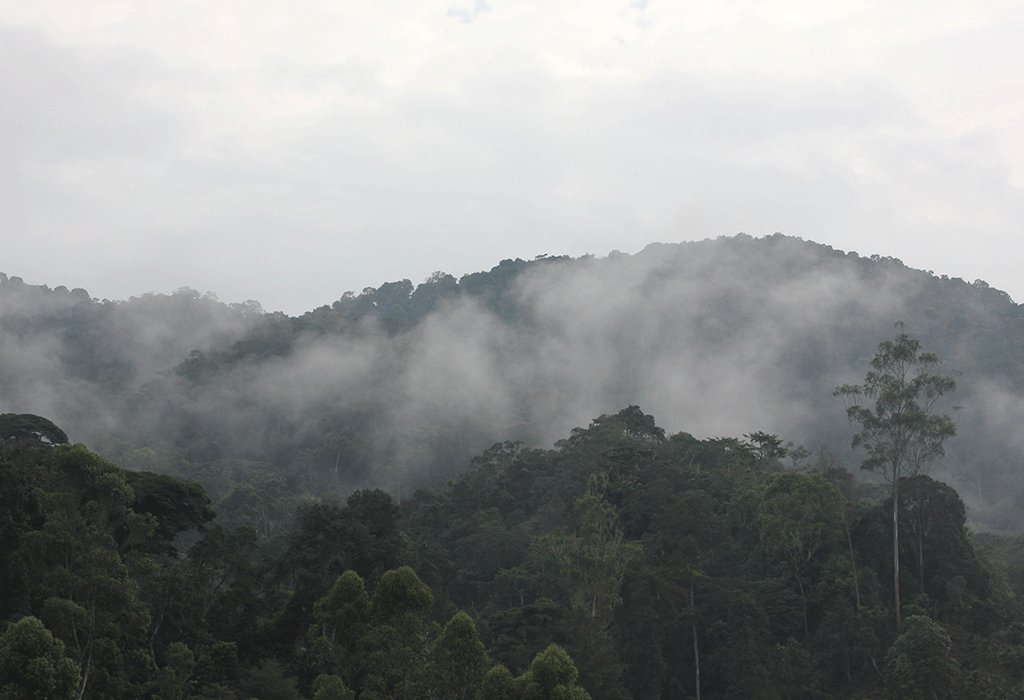
Rwanda rewards travelers who look beyond a single gorilla photograph. The country brings volcanic mountains, ancient rainforests, a wildlife-rich eastern savannah, lively city neighborhoods and lake landscapes into a journey that can be tailored to almost any travel style. These 13 Experiences You Must Have in Rwanda mix signature encounters with quieter moments that help visitors understand the people and landscapes behind the postcards. You do not need to complete all thirteen in one visit; a satisfying itinerary chooses complementary regions and leaves room for conversation, rest and unexpected discoveries.
The best things to do in Rwanda depend on whether you love wildlife photography, active hiking, food, cultural history or peaceful time beside the water. A first visit might center on Kigali, Volcanoes National Park and Lake Kivu. A longer Rwanda safari experiences itinerary can also include Akagera and Nyungwe, which lie in very different directions. This guide explains what each experience involves, who will enjoy it most, and the practical decisions that make the difference between an inspiring trip and an exhausting schedule.
An important planning principle comes first: confirm permits, operating arrangements and regional travel advice before committing to nonrefundable services. Wildlife sightings, trekking difficulty, weather and road conditions cannot be guaranteed. Some routes pass near international borders where security advice can change quickly. Treat the suggested durations below as planning allowances rather than fixed transfer promises, and make decisions with a reputable locally based guide who understands current conditions.
1. Meet Mountain Gorillas in Volcanoes National Park: 13 Experiences You Must Have in Rwanda

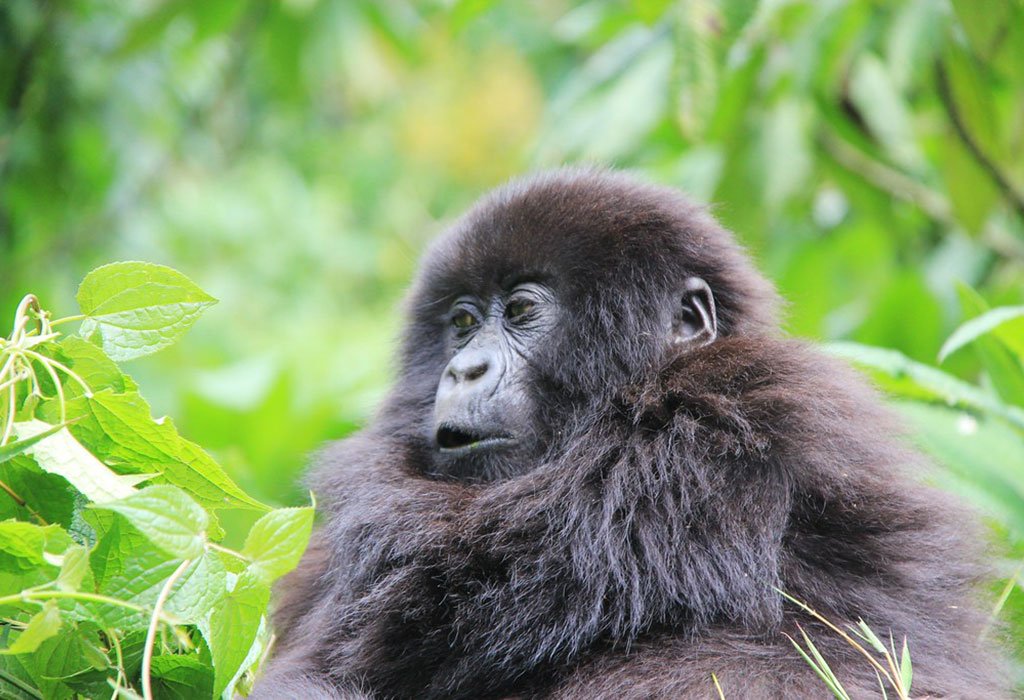
Gorilla trekking is the defining wildlife moment for many first-time visitors. The morning begins at the designated park briefing point near Kinigi, where rangers explain conservation rules and allocate groups. Trackers work in advance to locate habituated gorilla families, but you still walk through farmland edges, bamboo or montane vegetation to reach them. The hike may be relatively short or demanding according to the family location and weather. Once the group is reached, visitors have a regulated period of observation and must follow the ranger’s directions at every moment.
For most international tourists, Visit Rwanda currently lists the standard gorilla permit at US$1,500, with special categories or offers that may apply to qualifying visitors. The minimum trekking age is fifteen. Book before arranging an inflexible flight or lodge schedule; the permit is tied to a date, not a general promise to see a gorilla whenever convenient. The mountain gorillas in Rwanda live in protected habitat, and rules restricting close contact, illness exposure and disruptive behavior exist for their welfare.
Choose a lodge near the right access area and allow two nights around your trekking day, especially if you are arriving from Kigali after a flight. Wear grippy waterproof boots, long sleeves and gardening gloves for vegetation. A porter can help with a bag and uneven ground. If this is the centerpiece of your trip, make it one of the first activities you secure. Even experienced travelers find that slowing down before and after the trek makes the encounter more memorable.
2. Track Golden Monkeys Through the Bamboo Forest

Golden monkeys provide a lively contrast to the measured presence of gorillas. These colorful primates move quickly through the bamboo stands on the Virunga slopes, sometimes feeding close together and occasionally appearing suddenly above visitors. A ranger-led trek lets you observe natural behavior without chasing the animals or straying from designated access. It is often less physically demanding than some gorilla routes, although mud, altitude and uneven paths still matter. Bring a camera that handles movement and changing light rather than assuming the monkeys will remain still.
Golden monkey trekking in Volcanoes National Park pairs naturally with a gorilla day because both use the Musanze–Kinigi area as a base. Keep the activities on different mornings and resist booking a long transfer immediately after trekking. The experience is excellent for travelers who enjoy primate behavior, families with eligible children and photographers hoping to see the forest from a different perspective. Confirm age rules, prices and exact meeting instructions when you reserve, because permit categories and park arrangements can change.
Outside the forest, give yourself time to appreciate the villages, terraced slopes and dramatic volcanic skyline. Clear weather can reveal multiple peaks, but mist is part of the highland atmosphere. A relaxed evening in Musanze is often more rewarding than driving back to Kigali the same night. In the wider list of places to visit in Rwanda, the northern highlands deserve more than a single hurried sunrise.
3. Explore Kigali’s Neighborhoods, Cafés and Creative Energy
Kigali is not just an airport gateway. Its hills, galleries, markets, restaurants and public spaces reward a full day of exploration, especially when combined with a knowledgeable local guide. Start with a neighborhood walk or a gallery visit, then stop for Rwandan coffee and a meal that introduces local ingredients. The rhythm of the capital differs sharply from a national park: this is where travelers encounter contemporary design, entrepreneurship, music and city life. A good Kigali city tour balances well-known stops with time to notice ordinary daily routines.
Kimironko Market is a vibrant place to see produce, clothing, fabric, household goods and busy trading, but it should not be treated as a staged tourist performance. Ask before photographing people and respect anyone who declines. In Nyamirambo, community-led walks and food experiences may provide a more personal introduction to everyday life. Choose providers that explain their fees and work with local residents. These approaches create more meaningful exchanges than rushing between viewpoints simply to collect photographs.
If you have only one free day in Kigali, avoid planning every hour. Traffic, weather and spontaneous conversations affect the pace. Build in time for coffee and an unhurried lunch; plan indoor attractions around their published opening arrangements. Your Rwanda travel guide should describe the city as a destination in its own right, not merely a place to sleep before gorilla trekking.
Make room for the moments that matter
4. Visit the Kigali Genocide Memorial With Respect
The Kigali Genocide Memorial is an essential place for understanding Rwanda’s recent history and the 1994 genocide against the Tutsi. It is a memorial and resting place, not a casual sightseeing stop. The exhibitions, testimonies and gardens call for attentive reading, respectful silence and enough time to absorb difficult material. Visitors should follow the memorial’s photography and conduct rules, dress appropriately and avoid framing the visit as an entertainment activity. Some exhibits can be emotionally distressing, particularly for children or guests affected by similar histories.
Allow a substantial block of time rather than squeezing the memorial into the gap before your flight. A local guide or an introductory historical reading can provide context, but the memorial’s own interpretation should guide the experience. Rwanda today is much more than the events of 1994; learning about the genocide is one part of engaging responsibly with the country’s past and present. It offers context for conversations elsewhere on your journey without reducing Rwanda’s people to a single historical narrative.
Afterward, choose a quiet lunch, garden visit or reflective break rather than another intense scheduled stop. Do not pressure companions to discuss their reactions immediately. If you are traveling with children, review the content and suitability in advance and allow adults to make informed decisions about their participation. A thoughtful visit changes how you listen and learn during the rest of your Rwanda trip.
5. Go on a Big Five Safari in Akagera National Park

Akagera National Park introduces a completely different Rwanda: open grassland, woodland, lakes and wetlands near the eastern border with Tanzania. Game drives can reveal elephants, buffalo, giraffes, antelope and a variety of birds, while lions, rhinos and leopards remain wildlife sightings rather than promises. Conservation work has helped restore important species to the park. This is the place to add traditional vehicle-based safari watching to an itinerary otherwise dominated by forests and mountains.
For the most satisfying safari in Akagera National Park, plan an overnight stay rather than treating the entire reserve as a quick roadside detour. Dawn and late-afternoon drives give you changing light and opportunities to watch animal activity, but sightings depend on season, habitat and luck. Request a knowledgeable guide and discuss the preferred park entrance, lodge location and driving route before departure. The size of the park makes travel inside it part of the experience, not wasted time.
Akagera is ideal for families who want savannah wildlife alongside cultural visits, and for returning gorilla travelers looking for a broader picture of Rwanda. Bring binoculars even if you carry a long camera lens; watching birds and small mammals often fills the gaps between large-animal encounters. A responsible operator keeps to permitted tracks and does not crowd animals for photographs. In a roundup of Rwanda safari experiences, Akagera adds biodiversity and a welcome change of landscape.
6. Take a Guided Boat Safari on Lake Ihema
A boat excursion on Lake Ihema reveals Akagera from water level, where the perspective is distinct from a game-drive vehicle. Depending on conditions, travelers may see hippos, crocodiles, waterbirds and animals coming to the shoreline. Bird enthusiasts should keep an eye on herons, kingfishers and other wetland species without expecting a particular sighting. A guide familiar with the lake will explain the habitat, safe viewing distances and the importance of remaining seated when instructed.
Book the boat trip through authorized park arrangements and confirm the meeting point before starting a long game drive. The trip fits particularly well when paired with a morning wildlife drive and a relaxed afternoon at the lodge. Do not assume boating is interchangeable with independent kayaking or swimming: these waters contain dangerous wildlife and require strict safety practices. Weather and operational conditions can change departures, so include a little flexibility in your plan.
Photographers benefit from a dry bag, a protective cover for camera gear and enough space to move carefully without disturbing fellow guests. Birdwatchers may prefer binoculars over heavy equipment, while children often enjoy the different view of the wetland. It is one of those things to do in Rwanda that becomes more rewarding when the group is willing to slow down and observe smaller details.
7. Walk Above Nyungwe’s Rainforest on the Canopy Walkway
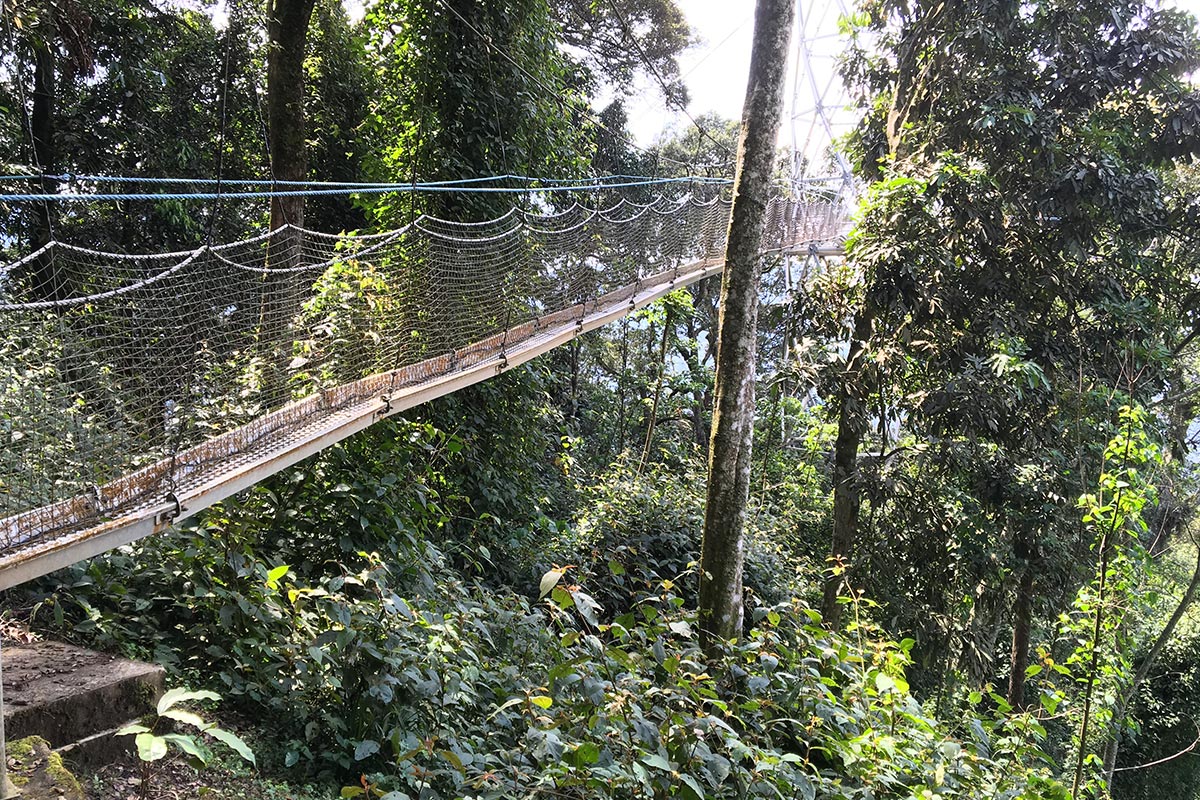
Nyungwe is an extensive montane rainforest in southwestern Rwanda, known for rich birdlife, primates and a network of guided walking trails. Its canopy walkway provides a memorable view of the forest from suspension bridges high above the ground. For travelers comfortable with heights, looking across layers of treetops gives an immediate sense of the landscape’s depth and ecological complexity. The bridge is not a theme-park ride; it is part of a managed nature experience with rules governing group movement and access.
The canopy walk generally involves walking on forest trails to reach the elevated section, so it should not be mistaken for a completely effortless stop. Rain makes paths slippery, mist obscures distant views and a guide may adjust the experience for safety. Wear stable footwear, bring a light waterproof layer and keep both hands available on exposed sections. Travelers who dislike heights can choose other forest walks instead of feeling pressured to complete the bridge.
A Nyungwe Forest National Park stay deserves at least two nights if you also want primate tracking or a substantial hike. Distances from Kigali and the north are significant, and the landscape is worth experiencing without rushing. For photographers and quiet nature lovers, even the approach road through tea-growing hills can be part of the appeal. Among the places to visit in Rwanda, Nyungwe may offer the most immersive rainforest atmosphere.
Make room for the moments that matter
8. Listen for Chimpanzees in Nyungwe Forest
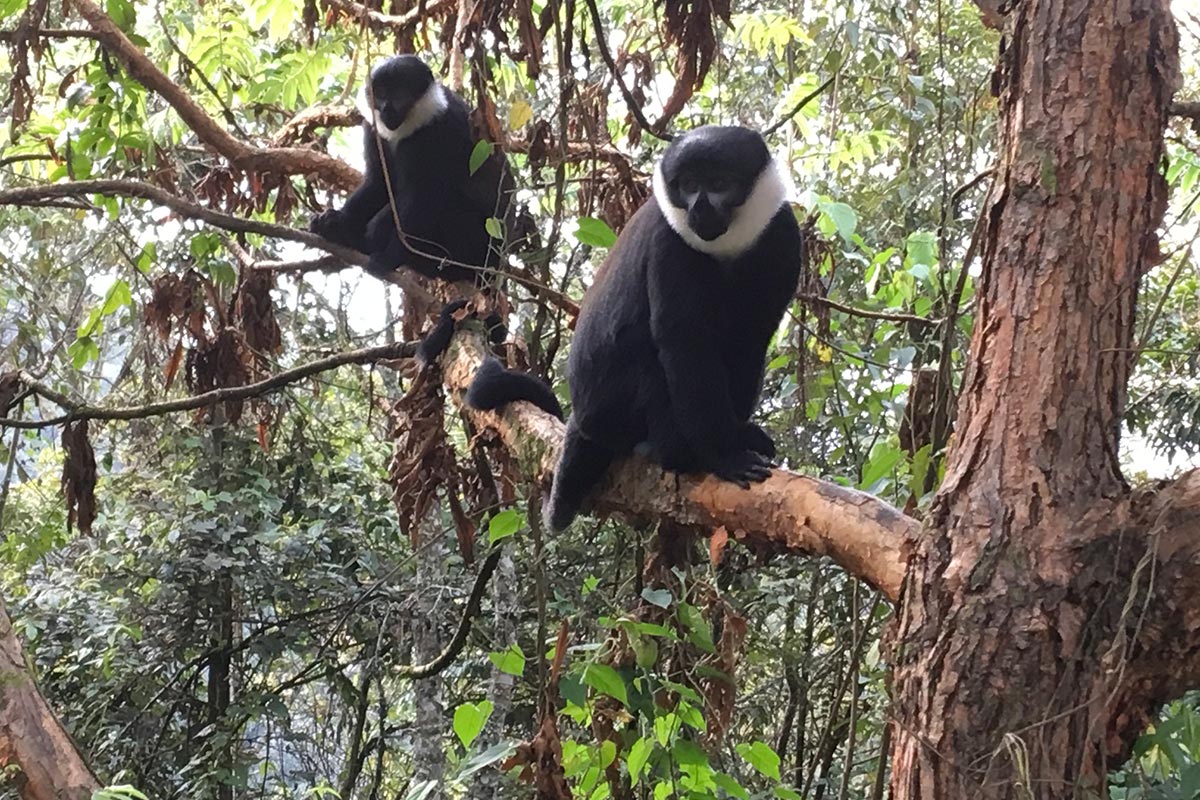
Chimpanzee tracking feels very different from meeting mountain gorillas. Chimpanzees move quickly through the canopy, call across valleys and often remain high in the trees. A guided tracking outing is as much about listening and learning as it is about photographs. Habituated groups are wild animals, and access or viewing quality varies with weather, food availability and their movements. A sighting may involve brief glimpses, long stretches of hiking or a dramatic chorus of calls echoing through the forest.
The activity often starts early, so stay within a practical distance of the assigned briefing or trail access point. Confirm your permit, the relevant forest sector, age rules and fitness expectations before paying for lodging. Comfortable boots, a waterproof jacket and a small daypack with drinking water are sensible essentials. A guide can also identify birds, plants and other primate signs, making the walk rewarding even if chimps are difficult to see.
Pair chimp tracking with the canopy walk on separate half-days when logistics allow. Travelers who want a broader primate theme can consider colobus monkeys and additional guided trails, subject to availability. The rainforest’s sounds are especially striking in quieter moments, so avoid treating it as a checklist of guaranteed species. Thoughtful expectations make this one of the most rewarding Rwanda safari experiences for wildlife enthusiasts.
9. Relax by Lake Kivu and Explore the Shoreline

Lake Kivu brings a welcome pause after several early starts in the mountains. Around Karongi or Rubavu, travelers can enjoy lake views, gentle shoreline strolls, meals overlooking the water and organized boat outings where conditions permit. The hills and islands create a softer setting than the volcanic forest, and the light can be beautiful at sunrise or late afternoon. Choose a base according to your route rather than assuming every lakeside town is equally convenient from every park.
For a restful stay, book two nights and reserve a full afternoon without an excursion. If you want a boat cruise on Lake Kivu, use a competent operator with suitable safety equipment and check local weather. Swimming should be assessed with local safety advice, not taken for granted. Lakeside areas near the DRC border require especially careful attention to current government travel advisories; do not select a route based solely on an attractive map or a hotel photograph.
Karongi suits travelers who like scenic islands and a quieter pace; Rubavu offers a different lakeside atmosphere but lies close to the Goma border and may be affected by security developments. Keep cross-border travel out of a casual sightseeing plan unless independently checked and professionally arranged. The contrast between tropical water and green hills makes Lake Kivu one of the loveliest places to visit in Rwanda.
10. Hike a Volcano or Choose a Gentler Highland Trail

The Virunga massif supplies much of Rwanda’s dramatic northern skyline. Mount Bisoke is popular with hikers who want a demanding mountain walk and the prospect of a crater lake at the top. Terrain can be steep, muddy and exposed to sudden weather changes, so the experience requires more preparation than a casual nature stroll. A suitable guide, a realistic assessment of your fitness and proper trekking footwear matter. Visibility at the summit is never guaranteed, but the shifting scenery and sense of achievement can be memorable.
If a long climb sounds too strenuous, ask about shorter guided nature walks and cultural activities around Musanze. Fitness is not a contest, and taking a manageable route often produces a better day than struggling toward a summit for the sake of a photograph. Porters may be available for some treks; confirm services and fees before departure. Carry snacks, water, sun protection and rain gear even when the morning sky looks clear.
Volcano trekking deserves its own day, not the afternoon after a major gorilla trek. Allow time to recover, particularly if altitude is unfamiliar. A well-paced northern itinerary might combine one day for gorillas, another for golden monkeys and a third for a hike or cultural experience. These are complementary things to do in Rwanda, but trying all three on consecutive mornings suits only travelers who enjoy active holidays.
11. Experience Rwanda’s Royal Heritage in Nyanza
Nyanza introduces visitors to Rwanda’s precolonial history through the King’s Palace Museum and related cultural interpretation. Traditional architectural forms, royal customs and the long-horned Inyambo cattle offer a different perspective from wildlife parks. A knowledgeable guide can explain the significance of objects and traditions in context, helping visitors avoid treating living heritage as a picturesque novelty. It is an appealing stop for travelers interested in how leadership, culture and everyday life have changed over time.
Nyanza lies on a useful southern corridor for itineraries linking Kigali with the wider south and Nyungwe, but a stop still needs adequate time. Check museum opening arrangements and any exhibition limitations before making an inflexible schedule. Photography permissions may differ between rooms and outdoor areas. Approach cultural displays respectfully and ask questions rather than making assumptions about practices that are unfamiliar.
The royal heritage visit also provides a welcome break from long drives. Combine it with a meal and a short stop in the region instead of arriving at the last minute. Families and history-focused travelers may find this experience particularly meaningful because it widens the story beyond gorillas and game drives. In a thoughtful Rwanda travel guide, culture should sit beside nature rather than appear as a small afterthought.
12. Discover Tea Landscapes, Coffee and Community Experiences
Rwanda’s hills are cultivated with care, and tea estates near the southern highlands offer some of the country’s most striking green views. Where guided visits are available, travelers can learn about growing conditions, harvesting and production while enjoying a closer look at rural landscapes. Coffee experiences elsewhere in the country can add insight into processing, roasting and the work behind a cup served in Kigali. Choose visits that are openly hosted by local businesses or community partners rather than entering agricultural land uninvited.
Taste is part of the experience. A guided tasting may help you notice how preparation and origin influence coffee flavor, while a local meal can introduce ingredients such as beans, plantains, cassava leaves and vegetables. Ask about dietary needs in advance, especially for hands-on cooking activities. Avoid assuming that every community offers the same experience or that all visits are appropriate at all times; schedules depend on hosts and agricultural seasons.
These slower activities work well between major wildlife days. A visitor who has spent a morning in Nyungwe can appreciate the afternoon in a tea-growing landscape without another strenuous trek. Supporting respectful local experiences spreads the benefits of tourism and gives greater depth to your understanding of the country. These quieter Rwanda safari experiences often become the moments people remember when the wildlife photographs are already stored away.
Make room for the moments that matter
13. Walk or Cycle a Section of the Congo Nile Trail
The Congo Nile Trail follows the western landscape associated with Lake Kivu, linking villages, hills, roads and lakeside sections. You do not need to tackle a long-distance expedition to appreciate it. A guided half-day walk or a manageable cycling section can provide views of farms, terraced slopes and the lake while allowing conversations along the way. Select a route that matches the group’s fitness and the current condition of roads and trails; a scenic line on a map does not describe every climb.
Ask a local guide about vehicle support, water supplies, luggage transfers and where the activity starts and finishes. Weather can change the character of unpaved tracks, and mountain biking is not necessarily easy simply because the route looks gentle from a distance. If children or inexperienced cyclists are traveling, a shorter walk may be more comfortable. Choose an operator who respects local communities and avoids sending large groups through private property without arrangements.
The trail can pair beautifully with a night beside Lake Kivu, turning a passive lakeside stop into an active encounter with the landscape. However, avoid border-adjacent segments when official travel advice warns against them, and verify the precise route in advance. This is one of the most flexible things to do in Rwanda because the experience can be adjusted for a relaxed traveler or an ambitious outdoor enthusiast.
How to Combine the 13 Experiences into a Realistic Rwanda Itinerary
For a short four- or five-day journey, concentrate on Kigali and Volcanoes National Park. A first day in the capital introduces its history and food; two or three nights near Musanze provide the breathing room for a gorilla trek and golden monkeys. Travelers with a sixth or seventh day can add Lake Kivu if the selected shoreline destination and current security situation make that addition appropriate. Resist adding Nyungwe or Akagera simply because both appear on a map of a relatively compact country.
With eight to ten days, consider Kigali, Akagera and the north, or Kigali, Volcanoes and Nyungwe, depending on whether savannah wildlife or rainforest primates matter more. Moving between the northern and southern regions takes time, and a route that combines all the major parks may need considerably longer. For a complete circuit with Lake Kivu as a resting place, ten to fourteen days is a more comfortable planning starting point. A 10-day best of Rwanda tour should not promise every activity without discussing transfers and permit availability.
For twelve to fourteen days, a possible flow is Kigali, Akagera, Kigali again, Volcanoes, a carefully assessed Lake Kivu stop, Nyungwe, Nyanza and return to the capital. The exact order can change with flights, hotel availability and weather. Avoid treating transfer days as if they automatically permit a full excursion as well. Place the most important permit-dependent activities early in your decision process, and leave one flexible afternoon after a long drive. A thoughtful journey is memorable because it flows, not because it includes every possible stop.
Best Time to Visit Rwanda for Wildlife and Sightseeing
Rwanda can be visited throughout the year, but seasonal rainfall affects road surfaces, hiking comfort and photography. The relatively drier periods, commonly June through September and December through February, are popular for forest trekking and open-country wildlife trips. Rain is still possible in mountain habitats at any time. The wetter months bring vivid vegetation and beautiful scenery, but muddy tracks can make hiking harder and some road journeys slower. Match travel dates to the activities you value rather than treating the weather as a simple yes-or-no choice.
For gorillas, permit demand can be more consequential than the small differences between months. Secure a confirmed date before committing to a nonrefundable safari route. Nyungwe’s wet forest requires waterproof clothing even in relatively dry periods; Akagera can feel warm and sunny, making shade, water and sun protection useful. Lake Kivu’s conditions should be checked before boating, while mountain hikes require a forecast and guide assessment on the day.
Birders may have different priorities from photographers who want clear views of volcano summits. Couples may prefer quieter periods and flexible stays, while families might work around school holidays. A Rwanda travel guide should explain these tradeoffs instead of claiming that one month guarantees sightings or perfect weather. Ask your operator to show the alternatives for your preferred travel window before finalizing permits.
Make room for the moments that matter
Permits, Transport, Packing and Responsible Travel
Rwanda’s gorilla trekking fee is a major budget item for many international visitors. The standard tourist rate currently advertised by Visit Rwanda is US$1,500, while eligibility-based special offers may apply; check the official booking system for your dates and category. Golden monkey and chimpanzee activities require their own reservations. Park entry, guiding, transport and lodging are separate considerations depending on the package. Ask for a written list of what is included so that the total reflects all permits and planned transfers.
Kigali International Airport is the usual starting point for international visitors. Private driving transfers are convenient for multi-park trips, but driving times depend on roadworks, weather, traffic and the route. A comfortable car and a driver who knows the region are valuable, especially when reaching remote lodges after dark would be unwise. If you rent a vehicle, confirm insurance, road conditions and park requirements rather than assuming ordinary urban driving is representative of rural travel.
Pack layers for cool mornings, a waterproof jacket, broken-in boots, sun protection, insect repellent, any required medication and a small backpack. Use a camera responsibly, never feed wildlife and follow ranger instructions. Trekking guests should disclose illness before visiting vulnerable primates and obey all health-related instructions. In city neighborhoods and cultural sites, ask permission before close-up photography. Responsible travel is not a separate item on a checklist; it is how every experience should be approached.
Before traveling, review current official entry rules, health guidance and your government’s travel advisory. UK guidance updated in 2026 advises against all but essential travel to specified parts of Rusizi District close to the DRC border and warns of rapidly changing conditions along the wider frontier. This does not describe all of Rwanda, but it matters when selecting Lake Kivu, western road routes or cross-border activities. Follow the advice relevant to your nationality and insurance; do not rely on a general travel blog to make security decisions.
Frequently Asked Questions About Visiting Rwanda
Is gorilla trekking worth the cost? For travelers whose central dream is to observe endangered mountain gorillas in their forest habitat, the experience can be extraordinary. The permit also supports a managed conservation tourism system, but sightings and ease of access still vary. If the fee is outside your budget, Akagera, Nyungwe, Kigali and cultural experiences can make a rewarding trip without pretending that there is a direct substitute for a gorilla encounter.
How many days do I need? Four to five days can cover Kigali and a focused northern visit. Seven to ten days allows a more varied route with two or three regions. For a broader selection of the 13 Experiences You Must Have in Rwanda, ten to fourteen days provides a better balance of driving, rest and activities. Your final duration should depend on confirmed permits, flight schedules and what you enjoy most.
Can I visit with children? Yes, Rwanda offers museums, markets, lake views and safari experiences for families, but specific wildlife activities have minimum ages. Gorilla trekking requires participants to be at least fifteen according to Visit Rwanda. Other activities have different rules, so check each one rather than treating age eligibility as uniform across parks. Consider hiking stamina and the emotional intensity of some memorial displays before making bookings.
Can I combine Rwanda with Uganda? Certainly, depending on border conditions and entry requirements. Rwanda and Uganda both offer primate tourism, but their parks, road networks and permits are distinct. A multi-country route should include appropriate border formalities and enough time for transfers. The best plan focuses on complementary experiences instead of repeating similar strenuous treks simply to claim more destinations.
Plan the Rwanda Experience That Fits You
The most successful trip is the one shaped around your interests. If gorillas are the priority, secure your trekking date and build a comfortable northern stay around it. If wildlife variety matters, give Akagera two days and add Nyungwe for rainforest primates. If you prefer culture and scenery, combine Kigali, Nyanza, a responsible community activity and carefully selected lakeside time. The country’s diversity is its strength, and you will enjoy it more when you leave breathing room between the highlights.
Use these 13 Experiences You Must Have in Rwanda as a menu rather than a demand. Ask for realistic travel times, clear permit inclusions, appropriate accommodation locations and contingency plans for weather or changing conditions. With those foundations in place, Rwanda can offer the rare combination of powerful wildlife encounters, thoughtful cultural learning and extraordinary landscapes in one memorable journey.