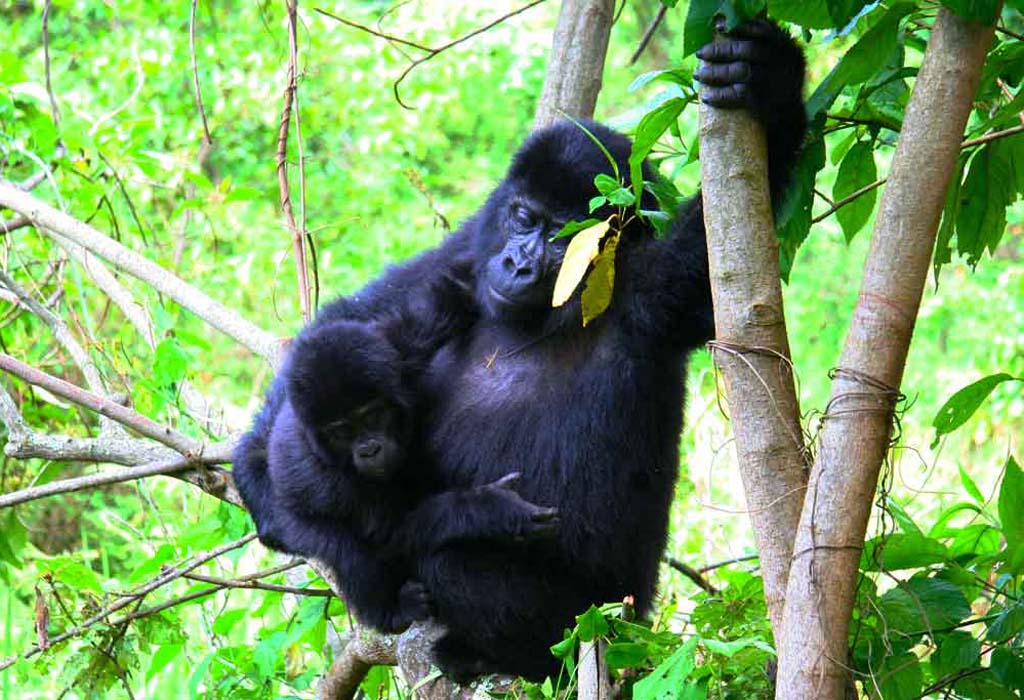
Why Rwanda’s Gorilla Naming Ceremony Touches Hearts Worldwide

A Celebration of Conservation and Culture
Every year, Rwanda hosts a unique and deeply significant event that captures the hearts of conservationists, tourists, and locals alike: Kwita Izina, the annual gorilla naming ceremony. More than just a tradition, Kwita Izina is a powerful symbol of Rwanda’s commitment to wildlife conservation and a testament to the successful efforts in protecting its endangered mountain gorillas. This ceremony, rooted in ancient Rwandan culture, has evolved into a global platform for raising awareness about gorilla conservation and celebrating the country’s rich natural heritage.
The Roots of Kwita Izina: A Blend of Tradition and Modern Conservation
The term “Kwita Izina” translates to “to give a name” in Kinyarwanda, Rwanda’s national language. The ceremony draws inspiration from a long-standing Rwandan cultural practice where families traditionally name their newborn children in the presence of loved ones. This modern adaptation, first introduced in 2005, extends this cherished tradition to the country’s most iconic inhabitants – the mountain gorillas.
Since its inception, over 328 baby gorillas have been named through the Kwita Izina ceremony. This annual event serves multiple crucial purposes:
- Conservation Awareness: It highlights the importance of protecting mountain gorillas and their habitats, drawing international attention to conservation efforts.
- Community Engagement: It fosters a sense of ownership and pride among local communities, encouraging their active participation in conservation initiatives.
- Scientific Monitoring: The naming process aids in the ongoing monitoring and identification of individual gorillas, which is vital for research and conservation management.
- Tourism Promotion: Kwita Izina has become a significant tourist attraction, showcasing Rwanda as a premier destination for gorilla trekking and sustainable tourism.
The Ceremony: A Spectacle of Hope and Unity
The Kwita Izina ceremony is a vibrant and elaborate event, typically held at the foothills of the Volcanoes National Park, the natural habitat of Rwanda’s mountain gorillas. The ceremony brings together a diverse group of attendees, including Rwandan dignitaries, international conservationists, celebrities, and tourists from around the world. The atmosphere is usually festive, filled with traditional music, dance, and cultural performances.
The highlight of the ceremony is the naming of the baby gorillas born in the past year. Organizers choose distinguished individuals, often called ‘namers,’ to bestow names upon the young gorillas. They carefully select these names to reflect the gorillas’ characteristics, family lineage, or messages of conservation and hope. Each name carries a profound meaning, symbolizing Rwanda’s dedication to the protection and well-being of these magnificent creatures.
How to Participate in the Kwit’Izina Ceremony
For those interested in experiencing this unique event, attending the Kwita Izina ceremony is possible. It is typically held in September each year. Tourists can often combine their gorilla trekking safaris with the ceremony, making for an unforgettable wildlife and cultural experience. The Rwanda Development Board (RDB) and various tour operators specializing in Rwandan safaris usually provide information on how to join the ceremony, including ticketing and logistics. It’s advisable to plan well in advance, as the event attracts significant international interest.
The Impact of Kwita Izina: A Model for Global Conservation
Kwita Izina has played a pivotal role in the remarkable recovery of Rwanda’s mountain gorilla population. Through sustained conservation efforts, supported by the global attention generated by the naming ceremony, the number of mountain gorillas has steadily increased, moving them from critically endangered to endangered status. This success story serves as an inspiring model for conservation initiatives worldwide, demonstrating that dedicated efforts can lead to tangible positive outcomes for endangered species.
The ceremony also contributes significantly to Rwanda’s tourism sector, providing economic benefits that are reinvested into conservation and community development programs. This creates a virtuous cycle where tourism supports conservation, and successful conservation, in turn, attracts more tourists, ensuring the long-term sustainability of both the gorillas and the communities living alongside them.
Conclusion: A Future of Hope for Gorillas
Kwita Izina is more than just a ceremony; it is a celebration of life, a commitment to conservation, and a symbol of hope for the future of mountain gorillas. It reminds us of our shared responsibility to protect the planet’s biodiversity and highlights the incredible impact that can be achieved when culture, conservation, and community come together. As Rwanda continues to host this heartwarming event annually, it reaffirms its position as a leader in sustainable tourism and wildlife protection, inviting the world to witness and participate in this extraordinary journey of conservation.
Historical Context and Cultural Significance: Beyond the Gorillas
The practice of naming newborns, or ‘Kwita Izina,’ is deeply ingrained in Rwandan culture, extending far beyond the realm of gorilla conservation. Historically, the naming ceremony for human infants was a momentous occasion, symbolizing the child’s integration into the community and the family’s hopes and aspirations for their future. Names were chosen with great care, often reflecting circumstances of birth, family values, or desired traits for the child. This tradition fostered strong communal bonds and a sense of collective responsibility for the upbringing of new generations.
When the Kwita Izina ceremony was conceptualized for gorillas, it was a stroke of genius that leveraged this profound cultural heritage. By extending a human tradition to the animal kingdom, Rwanda effectively elevated the status of its mountain gorillas from mere wildlife to cherished members of the national family. This cultural bridge has been instrumental in garnering widespread public support for conservation efforts, both domestically and internationally. It transformed the abstract concept of ‘conservation’ into a tangible, emotional connection with these magnificent primates.
The ceremony also serves as a powerful reminder of the interconnectedness between humans and nature in Rwandan philosophy. Traditional Rwandan beliefs emphasize a harmonious relationship with the environment, respecting and revering natural elements. Kwita Izina not only functions as a modern conservation tool but also expresses ancient wisdom, reinforcing that the well-being of gorillas is directly links to the well-being of the Rwandan people.
Furthermore, the ceremony provides a unique platform for cultural exchange. Kwita Izina immerses international guests in Rwandan traditions, music, dance, and hospitality, fostering a deeper understanding and appreciation of the country’s rich cultural tapestry. This cultural diplomacy strengthens Rwanda’s global standing and encourages more visitors to explore its diverse offerings, from its vibrant cities to its breathtaking natural landscapes.
Economic and Ecological Impact: A Sustainable Future
The success of Kwita Izina and Rwanda’s broader gorilla conservation efforts has had a profound and multifaceted impact on both the nation’s economy and its ecological landscape. Economically, gorilla tourism is a cornerstone of Rwanda’s tourism industry, generating substantial revenue that directly contributes to the country’s development. The high demand for gorilla trekking permits, coupled with the unique experience offered by the Kwita Izina ceremony, positions Rwanda as a premium ecotourism destination.
Authorities do not merely collect this revenue; they strategically reinvest it. They channel a significant portion back into conservation initiatives, funding anti-poaching patrols, habitat protection programs, and scientific research. This financial commitment ensures the long-term viability of the gorilla population and also the pristine condition of their natural habitats, primarily Volcanoes National Park. The park, a vital ecosystem, benefits from enhanced protection, leading to the flourishing of other biodiversity within its boundaries.
Beyond direct conservation, a percentage of tourism revenue is allocated to community development projects in areas surrounding the national parks. These projects include building schools, health centers, and providing clean water access, as well as supporting local businesses and agricultural initiatives. This direct benefit-sharing model is crucial; it incentivizes local communities to become active partners in conservation, as they directly experience the positive economic outcomes of protecting the gorillas. This approach mitigates human-wildlife conflict and also fosters a sense of shared responsibility for the natural heritage.
Ecologically, the resurgence of the mountain gorilla population is a remarkable success story. Once on the brink of extinction, their numbers have steadily increased, a testament to the effectiveness of concerted conservation efforts. The gorillas, as an umbrella species, play a critical role in the health of their forest ecosystem. Their protection indirectly safeguards countless other species of plants and also animals that share their habitat. The health of the forest, in turn, provides essential ecosystem services, such as water regulation, climate moderation, and soil conservation, benefiting both local communities and the wider region.
The Kwita Izina ceremony, by continually drawing global attention to these successes, reinforces the value of these ecological assets. It serves as an annual reminder of the tangible benefits derived from sustainable conservation practices, encouraging continued investment and support from both governmental and international bodies. This holistic approach, integrating economic development with ecological preservation, sets a powerful precedent for other nations grappling with similar conservation challenges.
The Role of Stakeholders: A Collaborative Conservation Effort
The success of Kwita Izina and the broader mountain gorilla conservation narrative in Rwanda is a testament to the power of collaborative effort involving a diverse range of stakeholders. This multi-pronged approach ensures that conservation is not an isolated endeavor but an integrated part of national development and community well-being.
The Government of Rwanda
At the forefront of these efforts is the Rwandan government, particularly through the Rwanda Development Board (RDB). The RDB has demonstrated unwavering political will and commitment to conservation, implementing robust policies, investing in protected areas, and actively promoting responsible tourism. Their vision has transformed Rwanda into a global leader in conservation, showcasing how a nation can prioritize its natural heritage while pursuing economic growth.
Local Communities
The communities living adjacent to Volcanoes National Park are indispensable partners in conservation. Recognizing that conservation cannot succeed without the support of those most directly affected, Rwanda has implemented progressive revenue-sharing schemes. As mentioned earlier, a percentage of tourism revenue is directly invested in community projects, providing tangible benefits such as schools, health clinics, and clean water. This direct link between conservation success and improved livelihoods fosters a sense of ownership and reduces pressures on the park resources, such as illegal poaching or encroachment. Community members are also employed as park rangers, guides, and in tourism-related businesses, further integrating them into the conservation economy.
Conservation Organizations and NGOs:
Numerous international and local conservation organizations play a crucial role, providing technical expertise, funding, and capacity building. Organizations like the Dian Fossey Gorilla Fund International, the International Gorilla Conservation Programme (IGCP), and the Wildlife Conservation Society (WCS) have been instrumental in supporting research, anti-poaching efforts, and community-based conservation initiatives. Their scientific contributions help inform conservation strategies, while their advocacy raises global awareness and mobilizes resources.
Tour Operators and Tourists
The tourism industry, including local and international tour operators, acts as a vital conduit for conservation funding. By facilitating gorilla trekking experiences, they generate the revenue that sustains conservation efforts. Tourists, through their permit fees, directly contribute to the protection of gorillas and their habitat. Their presence also provides an economic incentive for local communities to protect the gorillas, as these animals are the primary draw for tourism. Responsible tourism practices, promoted by operators and embraced by visitors, ensure minimal disturbance to the gorillas and their environment.
Researchers and Scientists
Ongoing research is critical for understanding gorilla behavior, ecology, and health. Scientists and researchers provide invaluable data that informs conservation management decisions, identifies threats, and also develops strategies for mitigating them. Their work deepens scientific understanding of these complex primates and ensures that conservation efforts remain evidence-based and adaptive.
This collaborative ecosystem of stakeholders, each playing a unique yet interconnected role, is a cornerstone of Rwanda’s conservation success. Kwita Izina serves as an annual celebration of these partnerships, bringing together all these actors to acknowledge their collective achievements and also renew their commitment to the future of mountain gorillas.
A Global Inspiration: The Rwandan Model
Rwanda’s Kwita Izina ceremony and its overarching conservation strategy offer a compelling blueprint for other nations grappling with biodiversity loss and environmental challenges. The integration of cultural traditions, economic incentives, and robust scientific research provides a holistic framework for sustainable development. It demonstrates that conservation is not a barrier to progress but a catalyst for it, fostering economic growth, community empowerment, and ecological resilience. The world watches and learns from Rwanda’s dedication, as the success of the mountain gorillas stands as a beacon of hope for endangered species globally.