Where to Go For Primate Habituation in Uganda

Where to Experience Primate Habituation in Uganda
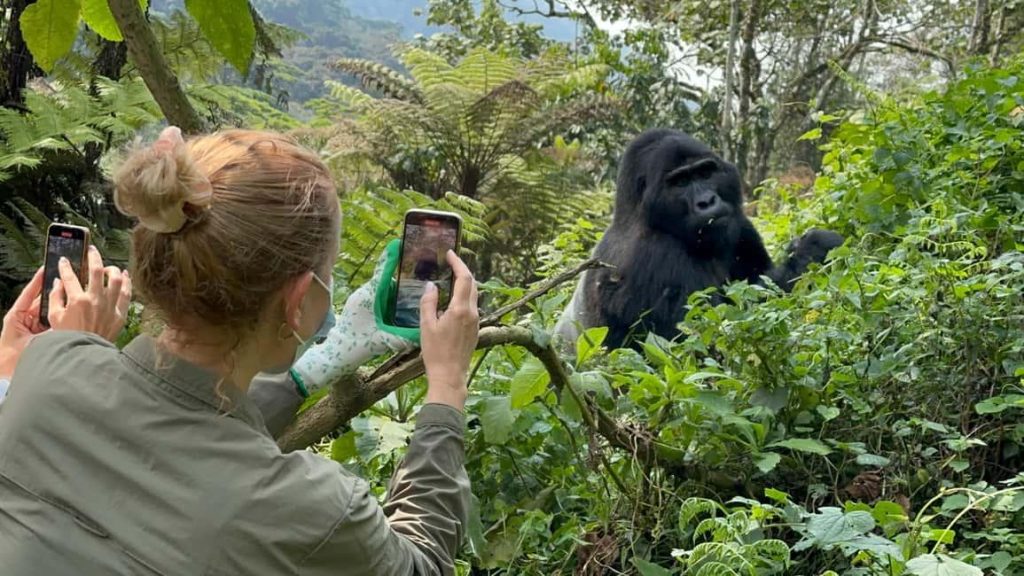
Primate habituation in Uganda is a process that involves researchers and trackers gradually acclimating primates to human presence in their natural environment. This unique experience allows tourists to spend extended time observing endangered mountain gorillas, chimpanzees, and golden monkeys. They do so while learning about their behaviors without disrupting their natural way of life.
In Uganda, primate habituation experiences are available in several national parks. Mountain gorilla habituation takes place in Bwindi Impenetrable National Park. Mgahinga National Park is home to the golden monkey habituation experience. For those interested in chimpanzees, Kibale National Park offers an immersive habituation experience. It provides a rare opportunity to witness these primates up close alongside conservationists and researchers.
Most Popular Safaris
3 Day Uganda Gorilla Habituation Safari
4 Days Bwindi Gorilla Habituation and Lake Bunyonyi tour
5 Days Chimpanzee and Gorilla Habituation
5 Days Gorillas and White Water Rafting
6 Days Uganda Gorilla and Wildlife Safari
6 Days Congo and Rwanda safari
2-Day Eastern Lowland Gorilla Trekking Experience
12 Days Best of Uganda and Rwanda Safari
To participate in a primate habituation experience in Uganda, tourists must obtain a habituation permit in advance. The Uganda Wildlife Authority issues these permits and you can acquire them through a trusted tour operator. Due to high demand and the limited number of slots available, it is advisable to book permits at least six months in advance. UWA sells the permits on a as they are sold on a first-come, first-served basis. Primate habituation is a strictly controlled activity, allowing only four participants per session to minimize disturbance to the animals and ensure a meaningful experience.
Uganda currently offers habituation experiences for three primate species. You can do Mountain gorilla habituation in Bwindi Impenetrable National Park. Chimpanzee habituation takes place in Kibale National Park. Golden monkey habituation is available in Mgahinga National Park. These experiences provide tourists with the rare opportunity to spend extended periods with the primates alongside expert researchers and conservationists, observing their behavior and contributing to their gradual acclimatization to human presence.
Gorilla Habituation Experience
Mountain gorillas are an endangered species that have faced years of poaching, primarily for their meat. To aid in their conservation and raise awareness, Dian Fossey introduced the concept of habituation. It is a process in which researchers gradually acclimate gorillas to human presence in the forest. In Uganda, this habituation experience exclusively takes place in the Rushaga and Nkuringo sectors of Bwindi Impenetrable National Park.
To participate in gorilla habituation, visitors must obtain a habituation permit. It costs $1,500 for foreign non-residents and $1,000 for citizens of other African countries. It also costs UGX 750,000 for East African citizens and $1,000 for foreign residents. The activity begins early in the morning with a briefing, which allows trekkers to know the rules to follow. They are then divided into groups of four and, accompanied by guides and researchers, set out to locate the mountain gorillas. Once you find them, you spend a maximum of four hours observing and learning about the primates. At the end of the experience, visitors return to the park headquarters, where they receive a certificate of participation.
Chimpanzee Habituation
Chimpanzee habituation is an immersive experience that allows tourists to spend an entire day with chimpanzees as they go about their daily routines. This activity takes place in Kibale Forest National Park, which is home to around 1,500 chimpanzees. The forest is also home to other primates. These include vervet monkeys, black and white colobus monkeys, grey-cheeked mangabeys, olive baboons, L’Hoest monkeys, and blue monkeys. Chimpanzee habituation also takes place in Budongo Forest, within Murchison Falls National Park.
The habituation process takes approximately two to three years before a chimpanzee community is fully accustomed to human presence and open for visitors. The experience begins as early as 5:30 am with a briefing on the rules and expectations. Afterward, the trek starts before the chimpanzees emerge from their nests. This allows participants to observe them throughout the day, studying their behaviors and social interactions. Since the activity lasts the entire day, you’ll pack lunch to take to the forest. Henceforth, the experience concludes when the chimpanzees return to their nests in the evening.
The cost of a chimpanzee habituation permit in Budongo Forest is $230 for foreign non-residents. It also costs $160 for foreign residents and $90 for East African citizens. This fee does not include the entrance fee to Murchison Falls National Park. Entry fee is $45 for foreign non-residents, $35 for foreign residents, and UGX 25,000 for East African citizens.
In Kibale Forest National Park, the chimpanzee habituation permit costs $300 for international visitors. It also costs $200 for foreign residents, and UGX 180,000 for East African citizens. Contact us for more details or assistance with planning your chimpanzee habituation experience.
Golden Monkey Habituation
You can find golden monkeys, an endangered species, in Uganda’s Mgahinga National Park. This park, in the southwestern part of the country, is the only place where golden monkey habituation takes place. This experience is a must for visitors interested in primate conservation, but like other habituation activities, it requires a permit.
The golden monkey habituation experience begins early in the morning with a mandatory briefing from guides. The where trekkers learn the rules and what to expect. Afterward, participants join a team of park guides, rangers, and researchers to track the golden monkeys. The trek can take anywhere from two to five hours. In most cases, time depends on the monkeys’ movements, as they are playful and constantly on the move. Tracking involves following signs like leftover bamboo shoots and leaves.
Once the golden monkeys are located, trekkers spend four hours observing their behavior, watching them leap from tree to tree, groom each other, and care for their young. This extended time allows visitors to take photos and videos while learning more about these fascinating primates before the session ends.
To participate, visitors must obtain a Golden Monkey Habituation Permit. It grants access to the monkeys in their natural habitat. Only individuals aged 12 and above are eligible, and age verification is a requirement, using a passport copy. The permit costs $140 for foreign non-residents, $110 for foreign residents, and UGX 120,000 for East African citizens.
Best Places/Parks to Do Primate Habituation in Uganda
There are three main places where primate habituation is done in Uganda and these include:
Bwindi Impenetrable National Park
Tourists can participate in gorilla habituation in the Nkuringo and Rushaga sectors. These two sectors are in the southern part of Bwindi Impenetrable National Park. Two gorilla families have been designated for habituation, allowing visitors to spend up to four hours observing and learning about these primates. The experience is open to tourists aged 12 and above. However, those feeling unwell should refrain from participating to prevent the risk of transmitting infections to the gorillas.
Bwindi is home to over 335 bird species, including several that are endemic to the Albertine Rift region, with seven species listed on the IUCN red flag list. In addition to mountain gorillas, the park also harbors other primates such as L’Hoest monkeys, olive baboons, black and white colobus monkeys, and red-tailed monkeys, along with various other wildlife species.
For accommodation, tourists visiting Bwindi for gorilla habituation can choose from options such as Gorilla Hills Eco-Lodge, Bwindi Jungle Lodge, Four Gorillas Lodge, Ichumbi Gorilla Lodge, Gorilla Valley Lodge, Gahiza Island Retreat, Rushaga Gorilla Haven Lodge, Lake Mulehe Gorilla Lodge, Nshongi Camp, Rushaga Gorilla Safari Lodge, Rushaga Gorilla Resort, Wild Olives Lodge, and Wagtail Eco Safari Lodge, among others. It is advisable to book accommodation within the sector where your habituation experience has been allocated for convenience.
You can get to Bwindi both by road or air transport. By road, tourists can travel from Kampala to Kabale and continue to Rushaga, or take the Kampala-Kabale route through Nkuringo. For those opting for air travel, there are daily scheduled domestic flights from Entebbe International Airport or Kajjansi Airstrip to Kihihi Airstrip. Upon arrival, a safari guide in a 4×4 safari vehicle will be available. He’ll transfer visitors to the Rushaga sector for the gorilla habituation experience.
Kibale National Park
Kibale National Park is home to over 1,500 chimpanzees. It is one of the two locations in Uganda where chimpanzee habituation takes place. The habituation process in Kibale is a full-day experience, requiring tourists to be physically fit and patient. This is because they will follow the chimps from early morning until they return to their nests in the evening. Since the chimpanzees are not fully habituated, visitors should expect some unpredictable behavior, including the possibility of the chimps retreating into the forest when they feel watched. In such cases, researchers will provide guidance on the next steps.
For accommodation, visitors to Kibale National Park can stay at Chimps Nest, Kibale Safari Lodge, Chimpanzee Guesthouse, Kyaninga Lodge, Ndali Lodge, Turaco Treetops Lodge, and Primates Lodge, among others.
Traveling to Kibale National Park can be done by road or air. By road, there are two main routes: the northern route via Kampala-Mubende-Fort Portal-Kanyanchu and the southern route through Kampala-Mbarara-Kamwenge-Kanyanchu. For those preferring air travel, charter flights are available from Kajjansi or Entebbe to Kasese Airstrip. This is followed by a road transfer to the park.
Budongo Forest
Budongo Forest, located within Murchison Falls National Park, is a prime destination for chimpanzee habituation. With the guidance of researchers and expert trackers, visitors can engage in the habituation process, closely observing the semi-habituated chimpanzees in their natural environment. During the experience, it is also possible to encounter other primates such as grey-cheeked mangabeys, black-and-white colobus monkeys, and red-tailed monkeys, along with a variety of bird species. The habituation exercise begins early in the morning and offers a unique opportunity to witness the chimpanzees’ daily activities. For those looking to maximize their visit, the experience can be combined with a game drive in Murchison Falls National Park.
Reaching Murchison Falls National Park is convenient, with a direct drive from Kampala through Luwero to Budongo Forest.
Accommodation options for those visiting Budongo Forest for chimpanzee habituation include Baker’s Lodge, Paraa Safari Lodge, Sambiya Lodge, Murchison River Lodge, and Nile Safari Lodge.
Mgahinga National Park
The Golden Monkey habituation experience takes place in Mgahinga National Park, located in southwestern Uganda. These unique primates are easily recognizable by their golden fur, which is most prominent around their eyes, nose, and other parts of their bodies. Unlike mountain gorillas, golden monkeys are more restless, often found in the lower altitudes of the park, where they leap energetically from tree to tree.
Traveling to Mgahinga National Park is convenient, with the option of either driving from Kampala or taking a domestic flight from Entebbe or Kajjansi to Kihihi Airstrip. Upon arrival, a safari vehicle and guide will be available to transport visitors to their accommodations. Due to the park’s compact size, lodging options are primarily located in nearby towns.
What’s the Best Time for Primate Habituation in Uganda?
Primate habituation in Uganda is available year-round, but the ideal time to visit is during the dry season, from June to September and December to February. This period is considered peak season, but the trekking routes used during the habituation exercise are easier to navigate compared to the rainy season, which often brings muddy trails. While the rainy season, from March to May, has the advantage of keeping the primates in one area due to abundant food, the rains can cause disruptions, making it less ideal for trekking.
Rules and regulations for primate habituation in Uganda:
- If you are feeling unwell, especially with conditions like flu or a cough, refrain from participating in the habituation exercise.
- Maintain a low voice when communicating to avoid disturbing the primates.
- Follow all the instructions provided by the researchers and guides during the habituation process.
- If you need to use the toilet, ask a ranger to assist you in digging a hole approximately 30cm deep. Also, ensure that you properly cover it afterward to prevent the primates from finding it.
- Only tourists aged 12 years and above can participate in the habituation exercise.
- Ensure no garbage is left behind in the national park.
- Do not spit on the vegetation during the habituation exercise.
- After locating the gorillas and golden monkeys, you are allowed to spend four hours with them and a full day with the chimpanzees.
- Flash photography is prohibited when taking photos of the primates during the habituation exercise.
- Sanitize your hands before entering the forest for the exercise.
Contact us for more information about primate habituation in Uganda at Safari Vacations and Travel Services.