What is Kahuzi Biega National Park Famous For
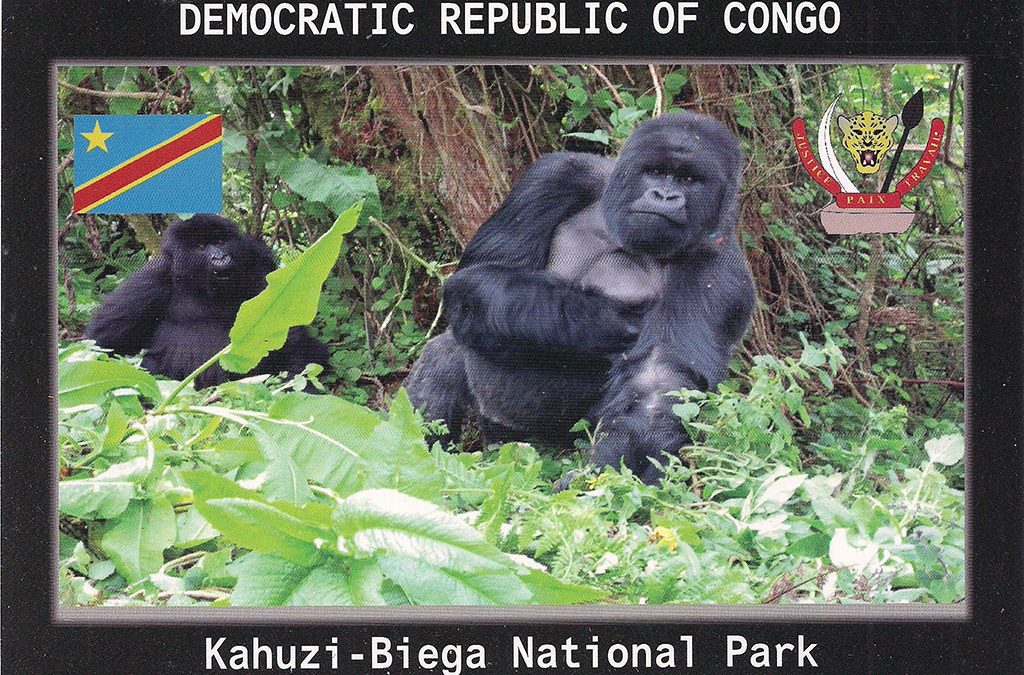
What is Kahuzi Biega National Park Famous For?
Kahuzi-Biega National Park, located in the eastern Democratic Republic of Congo (DRC), near Bukavu, is a UNESCO World Heritage Site known for its rich biodiversity and spectacular landscapes. Established in 1970, the park derives its name from two extinct volcanoes, Mount Kahuzi, and Mount Biega, which dominate its terrain. Covering an area of approximately 6,000 square kilometers, it stretches from the dense tropical rainforests of the Congo Basin to the Albertine Rift’s mountainous regions.
Initially, authorities created the park to protect the endangered eastern lowland gorillas, a species unique to this area. Over time, it has evolved into a sanctuary for diverse wildlife, including elephants, chimpanzees, and numerous bird species. The park’s size and varied altitude foster a wide range of ecosystems, from lowland rainforests to montane forests, making it a global biodiversity hotspot.
Situated in a region marked by natural beauty and complex ecological systems, Kahuzi-Biega National Park offers visitors breathtaking scenery and unparalleled opportunities for wildlife observation. However, challenges such as poaching and deforestation threaten its ecological balance. Conservation efforts, supported by local communities and international organizations, strive to preserve this invaluable natural treasure for future generations.
How to Get to Kahuzi Biega National Park
To reach Kahuzi-Biega National Park from Kigali, travelers can choose between road and air transportation, each offering a unique journey.
By road, begin your journey from Kigali and head toward the western border at Rusizi (Cyangugu). This route typically takes about 5-6 hours, offering scenic views of Rwanda’s rolling hills. After crossing the border into Bukavu, continue by car to the park, which lies approximately 30 kilometers away. The road from Bukavu to Kahuzi-Biega can be bumpy, so hiring a 4×4 vehicle or using a trusted local guide is advisable. Along the way, you’ll pass through lush landscapes and vibrant communities, which provide a glimpse of the region’s culture and natural beauty.
Alternatively, air travel offers a quicker option. While there are no direct flights to Bukavu, you can fly from Kigali to Kamembe Airport in Rusizi, a short flight of about 45 minutes. From Kamembe, travel by road across the border into Bukavu, then proceed to the park. With this option, you save time while still enjoying the region’s picturesque surroundings during the final leg of your journey.
No matter which mode of transportation you choose, planning ensures a smooth trip. Confirm border-crossing requirements, book transportation early, and prepare for an adventure through the heart of Africa’s natural wonders. Kahuzi-Biega National Park awaits with its majestic gorillas and pristine landscapes.
What are The Major Attractions and Activities in Kahuzi Biega National Park?
Exploring the Wonders of Kahuzi-Biega National Park
Kahuzi-Biega National Park, a UNESCO World Heritage Site in the eastern Democratic Republic of Congo (DRC), stands as a remarkable destination for nature enthusiasts and adventure seekers. Established in 1970, this park offers a diverse array of attractions and activities, making it a must-visit location for those seeking a blend of wildlife, stunning landscapes, and cultural experiences. Its unique features continuously draw visitors who wish to immerse themselves in its unparalleled beauty.
Encountering Eastern Lowland Gorillas
One of the park’s primary attractions lies in its population of eastern lowland gorillas, also known as Grauer’s gorillas. Kahuzi-Biega provides a rare opportunity to observe these majestic primates in their natural habitat. Guided treks allow visitors to approach gorilla families while learning about their behavior, diet, and conservation. Unlike mountain gorilla trekking, which occurs in higher altitudes, tracking eastern lowland gorillas offers a unique experience through lush, dense forests. These encounters foster a deeper appreciation for wildlife and underscore the importance of ongoing conservation efforts.
Exploring Diverse Ecosystems
Kahuzi-Biega National Park spans over 6,000 square kilometers, encompassing both mountainous and lowland terrains. Its name reflects the towering Mount Kahuzi and Mount Biega, volcanic peaks that dominate the landscape. Hiking trails lead adventurers through a mosaic of ecosystems, ranging from dense tropical rainforests to bamboo groves and swampy wetlands. These trails offer glimpses of the park’s rich biodiversity, with hundreds of bird species, reptiles, and amphibians adding life to the scenery.
The park’s lowland section, connected by a biological corridor, introduces visitors to a contrasting environment. Towering trees and flowing rivers create an inviting space for nature walks, birdwatching, and photography. Travelers often marvel at the seamless transitions between the park’s ecosystems, which highlight its exceptional ecological value.
Climbing Mount Kahuzi and Mount Biega
For those who crave adventure, climbing Mount Kahuzi or Mount Biega delivers an unforgettable experience. Mount Kahuzi, the taller of the two peaks, reaches an elevation of 3,308 meters. Treks to its summit reward hikers with breathtaking views of the surrounding forest and, on clear days, even Lake Kivu in the distance. The climb involves traversing rugged terrain, but the sense of accomplishment and the panoramic vistas make the effort worthwhile.
Mount Biega offers a slightly less challenging hike, appealing to those seeking a shorter adventure. Both mountains provide an opportunity to witness the park’s flora and fauna up close, further enriching the journey.
Discovering Rare Wildlife
In addition to gorillas, Kahuzi-Biega National Park boasts an impressive array of wildlife. Visitors often spot forest elephants, bush buffaloes, and giant forest hogs during treks. The park serves as a sanctuary for numerous endangered species, including the owl-faced monkey and the Ruwenzori turaco. Birdwatchers find the park especially rewarding, with its over 350 bird species offering a colorful display.
The diversity of life within the park speaks to its importance as a conservation area. Guides share insights into the animals’ behaviors and habitats, helping visitors develop a greater understanding of the interconnectedness of the park’s ecosystems.
Engaging with Local Communities
Interacting with local communities enhances the experience of visiting Kahuzi-Biega. Surrounding the park, indigenous communities, such as the Batwa people, share their cultural heritage through storytelling, music, and crafts. These interactions provide a window into their traditional ways of life and their relationship with the forest. Many visitors find this aspect of the trip particularly enriching, as it offers a chance to support community-based tourism and sustainable development.
Participating in Conservation Efforts
Kahuzi-Biega National Park places a strong emphasis on conservation. Travelers can contribute by participating in eco-tourism initiatives, supporting anti-poaching efforts, or learning about reforestation projects. Guided tours often highlight the park’s challenges, such as deforestation and human-wildlife conflicts, inspiring visitors to take an active role in protecting this natural treasure.
Photography and Nature Walks
Nature photography enthusiasts flock to the park for its picturesque landscapes and unique wildlife. From towering trees and colorful birds to serene waterfalls, the park offers countless opportunities to capture stunning images. Guided nature walks also allow visitors to explore the park at a leisurely pace, observing its flora and fauna while enjoying the peaceful ambiance.
Relaxing at Lake Kivu
Although not within the park itself, Lake Kivu lies nearby and complements a trip to Kahuzi-Biega. Visitors often unwind by the lake after days of trekking and exploration. Its tranquil waters, coupled with opportunities for kayaking and swimming, provide a serene escape that contrasts with the adventures of the park.
What is The Best Time to Visit Kahuzi Biega National Park?
The best time to visit Kahuzi-Biega National Park is during the dry seasons, which occur from June to September and December to February. These months offer more favorable conditions for trekking, as the trails remain less muddy and easier to navigate. Travelers can explore the park’s lush forests with greater ease while enjoying a higher likelihood of clear skies.
Additionally, the dry season is ideal for gorilla trekking, the park’s most famous activity. With reduced rainfall, gorillas often stay in more accessible areas, allowing visitors to spot these magnificent creatures without excessive effort. This period also enhances the overall experience of birdwatching and wildlife viewing, as animals tend to gather near water sources.
However, planning your visit early in the dry season can further improve your experience because the vegetation is less dense, offering better visibility. On the other hand, if you prefer fewer crowds, the short dry season from December to February may be more suitable.
By choosing the dry season, visitors not only ensure a smoother adventure but also maximize opportunities to immerse themselves in the breathtaking beauty and biodiversity of Kahuzi-Biega National Park.
What are the Requirements for Visiting Kahuzi Biega National Park?
Visiting Kahuzi-Biega National Park in the Democratic Republic of Congo requires careful planning to ensure a smooth and enjoyable experience. First and foremost, travelers must secure a valid visa to enter the country. To access the park, visitors need a specific entry permit, which is best obtained in advance through the park’s official website or designated offices. Since the park is a UNESCO World Heritage Site, strict conservation regulations apply, so visitors should familiarize themselves with these rules.
Additionally, travelers must carry a valid yellow fever vaccination certificate and stay up-to-date on other recommended vaccinations to protect against regional health risks. Malaria is prevalent in the area, so bringing prophylaxis and using insect repellents is essential.
To enhance your visit, it is advisable to hire a knowledgeable local guide who can navigate the park’s trails and offer insights into its unique biodiversity. Trekking gear, including sturdy boots and waterproof clothing, becomes crucial due to the challenging terrain and unpredictable weather. While exploring, visitors should remain respectful of wildlife and follow all park regulations to support conservation efforts. By preparing thoroughly and respecting the park’s ecosystem, travelers can fully immerse themselves in the beauty and wonder of Kahuzi-Biega.