7 Essential Drone Rules: Ultimate Gorilla Trekking Guide

GORILLA TREKKING • DRONE RULES • CONSERVATION
Using Drones for Gorilla Trekking in Rwanda and Uganda
Can you fly a drone to photograph mountain gorillas? This complete traveler’s guide explains the restrictions in Rwanda and Uganda, the difference between aviation permits and park permission, and how to take exceptional photos without disturbing wildlife.
Using Drones for Gorilla Trekking: Can You Fly Near Gorillas?
The practical answer for an ordinary visitor is no: do not plan to launch a drone during a gorilla trek in either country. Gorilla tracking is an intensely controlled wildlife experience, not an open-air filming location. Rangers set the route, manage group movement and enforce rules that protect the animals. For travelers researching drone permits for gorilla trekking, a flight authorization from an aviation regulator is not, by itself, an invitation to operate inside a protected forest or above a habituated gorilla family. Understanding this distinction protects your holiday, your equipment and the animals you traveled to see.
Visitors usually encounter mountain gorillas on foot after a forest hike with trained trackers and guides. The most meaningful part of the mountain gorilla tracking experience happens at ground level: quiet observation of family interaction, feeding, grooming and forest movement. An aircraft buzzing overhead changes that setting and introduces an avoidable disturbance. Leave the drone packed away and follow the instructions delivered at your trek briefing, even if you are an experienced remote pilot in your home country.
The words ‘drone permitted in a country’ and ‘drone permitted on a gorilla trek’ describe different legal questions. Countries may authorize aircraft for mapping, agriculture, logistics or approved filming, yet still restrict flights around wildlife. Before departing, obtain written clarification for the exact airspace and park location rather than relying on a generic app map. When in doubt, plan your gorilla trekking in Uganda and Rwanda without aerial filming and bring a suitable camera instead.
Why Drones Are a Problem Around Gorillas
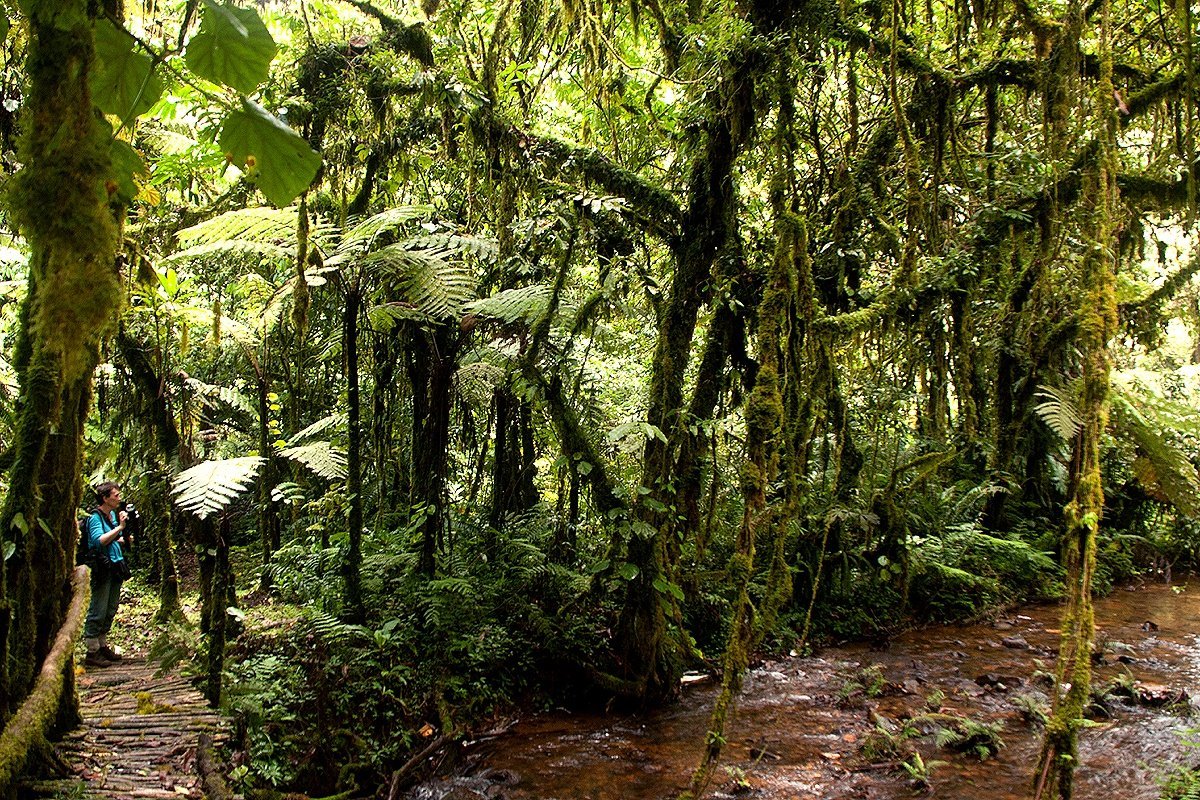
Mountain gorillas live in complex social groups and communicate through sound, posture and movement. A small unmanned aircraft adds unfamiliar noise, motion and visual stimuli to the forest canopy. Researchers and rangers work hard to maintain carefully managed encounters; forcing a new object into that setting offers little benefit to the animals. Noise may also interfere with communication among trekkers and between park staff. The ethical issue is not whether a particular model is marketed as quiet, but whether introducing it serves a legitimate conservation purpose.
A silverback may interpret unexpected movement in many ways, and no responsible operator can guarantee how an individual gorilla will react. A drone that loses signal or descends unexpectedly creates an additional hazard. Dense branches, uneven terrain, mist and rapidly changing weather all complicate aerial control. The logic behind ethical gorilla trekking is to let wildlife dictate the encounter, not to manipulate an animal’s behavior for a memorable image. That principle remains important even where an operator already possesses commercial aviation credentials.
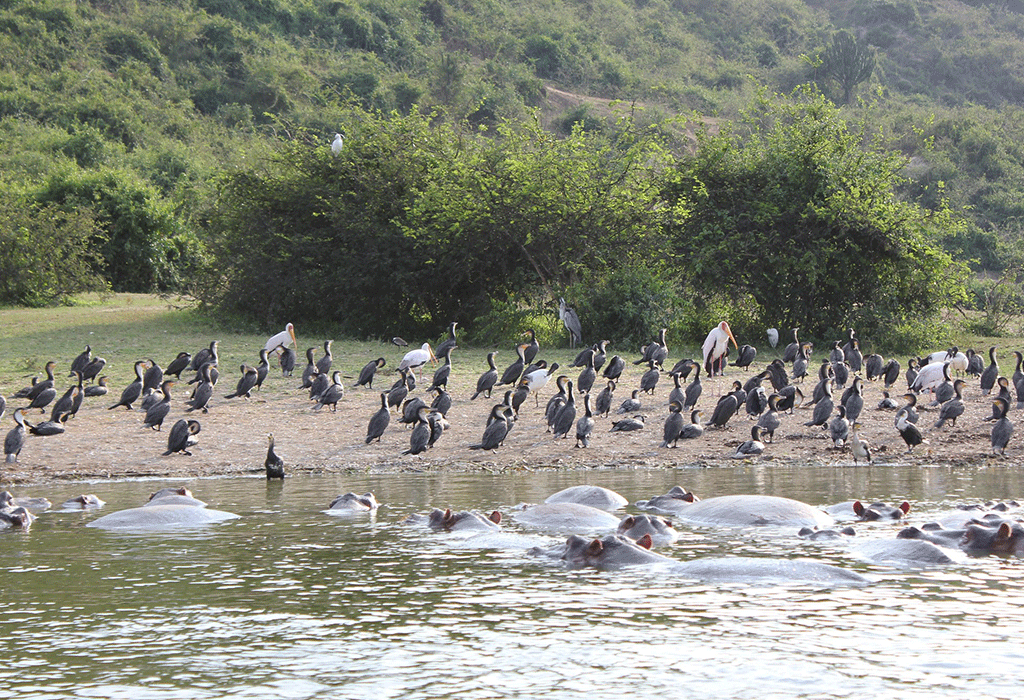
Gorillas are not the only consideration. Bwindi, Mgahinga and Volcanoes National Park contain other wildlife, sensitive habitats and people on narrow trails. A flight can disturb birds, distract guides or intrude on other travelers’ experience. An apparently empty clearing may still be ecologically sensitive. Respect for gorilla tracking safety therefore includes keeping the airspace quiet during guided observation. For the overwhelming majority of tourists, the best conservation decision is simply not to pack a drone for the forest trek.
Drone Rules in Rwanda: What Travelers Must Know
Rwanda regulates unmanned aircraft through the Rwanda Civil Aviation Authority, commonly called RCAA. Official guidance says aircraft must be registered, pilots must meet the applicable certification requirements and operators need an activity permit before conducting a flight. The RCAA also instructs visitors to declare a drone to the Rwanda National Police at the point of entry. These steps apply beyond tourism and should be checked directly with the authority because operational categories and procedural documents can change. Possession of a drone does not exempt a traveler from these obligations.
Visit Rwanda notes that foreign tourists cannot register a drone in their own name; a qualified Rwanda-based person or entity may be required to handle registration. Its guidance also describes administrative lead times that make spontaneous applications unrealistic. If the trip includes gorilla trekking in Rwanda, contact the aviation regulator and the appropriate park authority well before travel. Explain the exact purpose, locations, dates and aircraft model. Never assume a permit for scenic footage elsewhere in Rwanda extends to Volcanoes National Park or a gorilla tracking route.
Separate filming approvals may be needed for professional production, particularly inside national parks. The Rwanda Film Office explains that general filmmaking permissions and additional location-specific approvals can both apply. For an ordinary tourist, these multiple layers are a compelling reason to skip the drone entirely. Spend that planning time on Volcanoes National Park gorillas, an appropriate lodge and realistic hiking preparation. The forest experience is more rewarding when the day is not overshadowed by unresolved flight paperwork.
Drone Rules in Uganda: Park Permission Is Separate
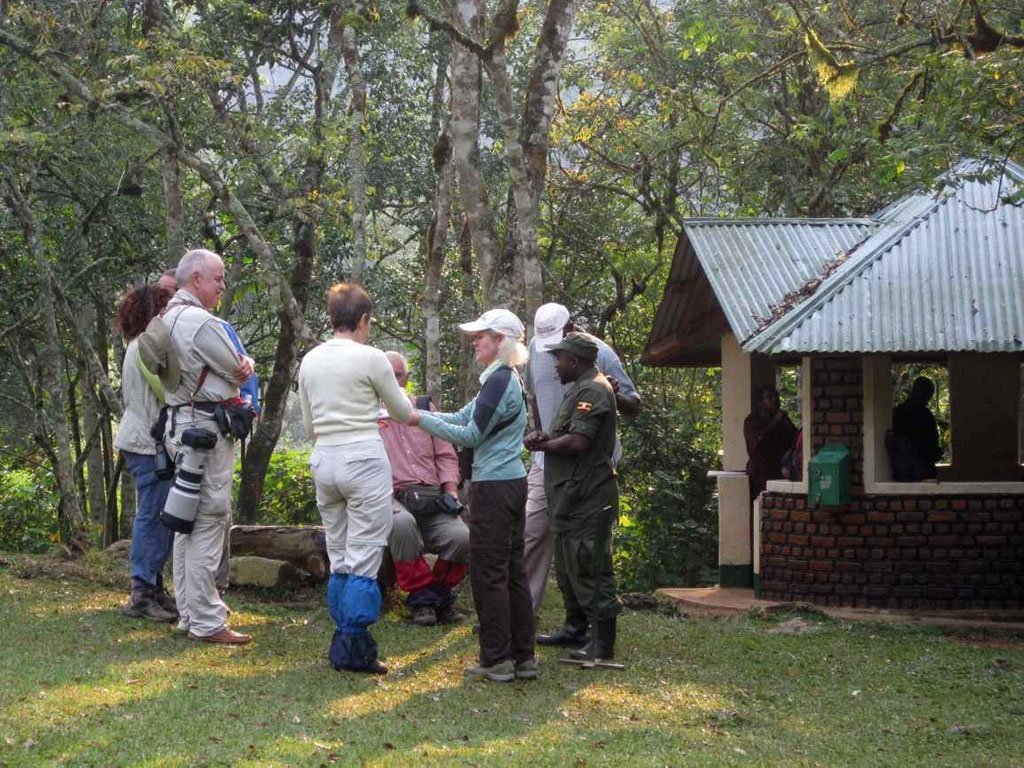
In Uganda, the Civil Aviation Authority provides unmanned aircraft registration and clearance procedures, including documents for remotely piloted aircraft operations. Applying for civil aviation permission is a separate matter from accessing a protected national park. Uganda Wildlife Authority manages wildlife activities and the protection of park habitats. For aerial filming or any proposed specialist operation near gorilla habitat, a producer would need clear written decisions from the relevant agencies. Ordinary tourists should not expect to fly a drone during a guided tracking encounter.
The issue matters particularly in Bwindi Impenetrable Forest and Mgahinga Gorilla National Park, where dense vegetation and rugged topography already make conservation management challenging. A park entrance ticket or an ordinary gorilla tracking permit is not a flight clearance. The fact that someone else has published aerial footage does not establish that visitors may repeat the activity. Footage might have been licensed, produced in a different location or captured under arrangements unavailable to holidaymakers.
Travelers arriving with an uncleared aircraft may face difficult questions at customs and delays in recovering equipment. Procedures can vary, so contact the competent authority before you fly into Entebbe if carrying one is essential. Uganda has abundant camera-friendly experiences that require no airborne equipment, including guided forest walks and gorilla trekking tours designed around terrestrial wildlife observation. If your purpose is a normal vacation, a good lens, spare batteries and a waterproof bag are usually more valuable than an aircraft you cannot launch.
Rwanda Versus Uganda: A Quick Drone Policy Comparison
Both destinations combine national aviation oversight with special protections for wildlife areas. In Rwanda, RCAA drone registration, pilot qualifications and activity authorization form the central aviation framework; filming inside sensitive areas involves further authorization. In Uganda, the UCAA handles aviation permissions while wildlife authorities control filming and activity access in parks. Neither framework should be interpreted as allowing a tourist to fly over mountain gorillas. The correct rule for visitors remains to keep drones out of the actual tracking experience.
The difference for a filmmaker is administrative rather than a guarantee of access. Rwanda’s published guidance restricts who may register aircraft, while Uganda has its own application and clearance pathway. The appropriate authority may ask about the aircraft, pilot, flight plan, purpose, risk assessment and local support. For a tourist choosing between countries, compare terrain, transport and permit arrangements through Uganda versus Rwanda gorilla trekking rather than deciding based on a supposed right to use a drone.
It is worth distinguishing three scenarios: carrying a drone in luggage, flying over an unrelated permitted landscape and using a drone during wildlife tracking. Each can have a different answer. Permission for one never automatically authorizes the next. If filming is your primary reason for travel, approach both the aviation and conservation authorities in writing before paying nonrefundable production costs. If seeing gorillas is the main objective, choose the country and itinerary that suits your schedule and leave aerial filming off the agenda.
Plan a quiet, guided gorilla encounter with routes tailored to your interests.

Can Professionals Obtain Special Aerial Filming Approval?
A documentary team, conservation project or scientific group may have a legitimate reason to request specialized aerial footage. Such work is not equivalent to a visitor lifting a drone out of a backpack after the guides locate a gorilla family. Professional applicants should expect separate questions from aviation regulators, protected-area managers and possibly national film offices. Approval is discretionary and may be refused outright where animal welfare or safety concerns cannot be addressed. Do not market an aerial gorilla sequence or promise clients a shot before obtaining clear written permissions.
A responsible proposal identifies the purpose of the project, its conservation benefit, aircraft specifications, pilot credentials, proposed sites and safeguards. It should explain why ground-based cameras or existing footage are insufficient. Further requirements may include insurance, a risk assessment, local coordination and restrictions on dates or takeoff points. Even then, permission to film in a park does not necessarily imply permission to approach or overfly gorillas. The most defensible production plan treats direct overflight as unavailable unless authorities expressly authorize it.
Professional crews researching gorilla photography tours can often achieve stronger footage with long lenses, stable supports and skilled ground operators. Audio recorded from the forest floor communicates the atmosphere in a way aerial footage cannot. A specialist guide can also help the crew understand animal behavior and avoid obstructing other visitors. A conservative filming concept is not less ambitious; it is often more authentic, more reliable and easier to complete without compromising park regulations.
How to Request Drone Permission Before a Safari
If you have a serious filming need outside normal gorilla tracking, begin with a written description of the exact locations and activities. Identify the aircraft, operator, date range and intended distribution of footage. Contact the national civil aviation authority first to determine the applicable registration, licensing and flight-authorization pathway. Then ask the relevant wildlife or park management agency what location-specific approvals are required. An answer from your hotel or a general online travel forum is not a substitute for written confirmation from the regulator.
In Rwanda, the RCAA website publishes information on UAS registration, pilot certificates and activity permits. The Rwanda Film Office also describes approvals for general filmmaking and special locations. In Uganda, consult UCAA’s unmanned aircraft guidance and seek park-specific direction from Uganda Wildlife Authority. Keep copies of permissions and pay only through official approved channels. If your application is incomplete, respond to questions before travel rather than attempting to resolve the issue at a ranger station on the morning of your trek.
Ask a narrow, direct question: ‘Does this authorization permit my named aircraft to operate at this exact location on these dates, and does it cover filming wildlife?’ An ambiguous reply is not approval. Also clarify transport, customs declarations, insurance and whether a local pilot is required. While planning gorilla tracking information, remember that ordinary tracking permits and drone-related clearances address different activities. If any authorization remains unsettled, travel without the drone instead of risking interruption to your safari.
What Happens if You Fly Without Authorization?
Unauthorized drone use can create both aviation and wildlife-enforcement problems. Potential consequences may include being instructed to stop, seizure or retention of equipment, fines, investigation or other legal proceedings, depending on the circumstances and applicable law. The precise outcome is not something a safari operator can predict. Rwanda’s civil aviation framework treats unauthorized operations seriously, and Ugandan rules likewise regulate unmanned aircraft. Do not assume a small, inexpensive drone will be overlooked simply because it is marketed for recreational use.
The practical consequence for a traveler can be just as significant as an official penalty. A guide may have to pause the activity, a group may lose valuable viewing time and a planned itinerary may unravel. Other guests have paid for a shared wildlife experience and should not bear the cost of one person’s unauthorized experiment. The value of gorilla trekking permits in Uganda comes from access to a managed encounter, not unrestricted control over the surrounding forest.
When a filming idea seems attractive but the paperwork is uncertain, postpone it. Ask your guide where ordinary photography is allowed and keep to the agreed trail. A portfolio is rarely improved by footage that was obtained under avoidable legal or ethical conflict. Travelers considering gorilla tracking guidelines in Rwanda should apply the same principle: park rules are part of the experience and should be treated as essential trip preparation, not negotiable obstacles.
Better Gorilla Trekking Photography Without a Drone
Using drones for gorilla trekking
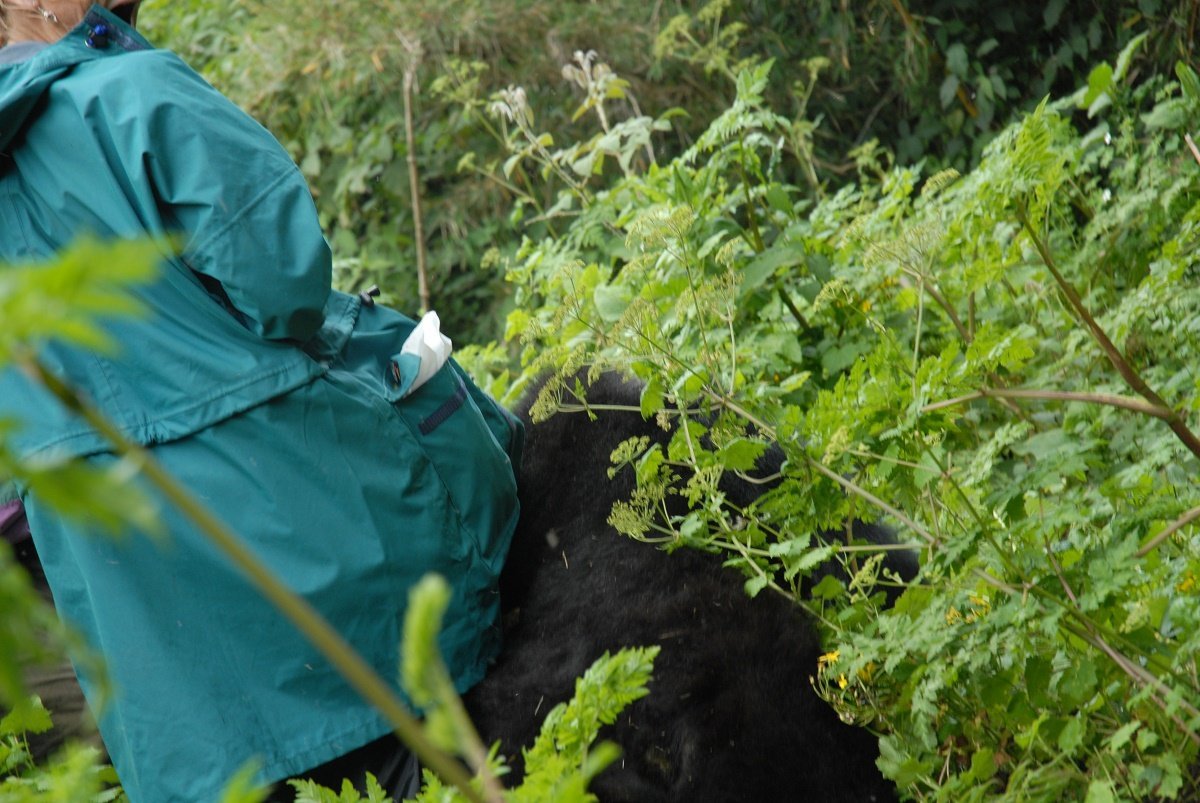
A modern mirrorless camera, DSLR or capable smartphone can capture remarkable images of mountain gorillas without leaving the ground. Light beneath the canopy is variable, so choose equipment that you can handle quickly and quietly. A moderate telephoto zoom is often more flexible than carrying several heavy lenses. Keep your camera accessible in a rain cover and practice adjusting exposure before the trek. The objective is to photograph behavior respectfully from the position approved by the guide, not to approach closer or direct the animals.
For gorilla trekking photography tips, prioritize focus on the eyes, a shutter speed suitable for moving subjects and settings that avoid flash. The forest can be dark even at midday; raising ISO is often preferable to using artificial illumination. Compose with branches and foliage rather than trying to eliminate every visual trace of the habitat. A photograph showing a gorilla within its natural environment often tells a richer story than a close crop with no sense of place.
Keep the camera strap secure, silence notifications and avoid excessive gear changes while gorillas are nearby. Do not place a tripod or accessory where another visitor must step around it on a narrow trail. An experienced guide may suggest where to stand, but they cannot promise clear views or specific animal behavior. These practical constraints are part of mountain gorilla trekking and help make a good photograph feel earned rather than manufactured.
Photographing Wildlife Ethically on a Gorilla Trek
Ethical photography starts with the animal’s welfare. Guides determine how close visitors may stand and whether the group needs to move. Keep to the instructed separation, avoid sudden gestures and never use flash. Silence electronic devices, keep voices low and stop photographing if the guide says to do so. Gorillas may move toward visitors without warning; do not deliberately get closer in search of a dramatic picture. Good footage never justifies overriding the instructions of the team responsible for protecting the family.
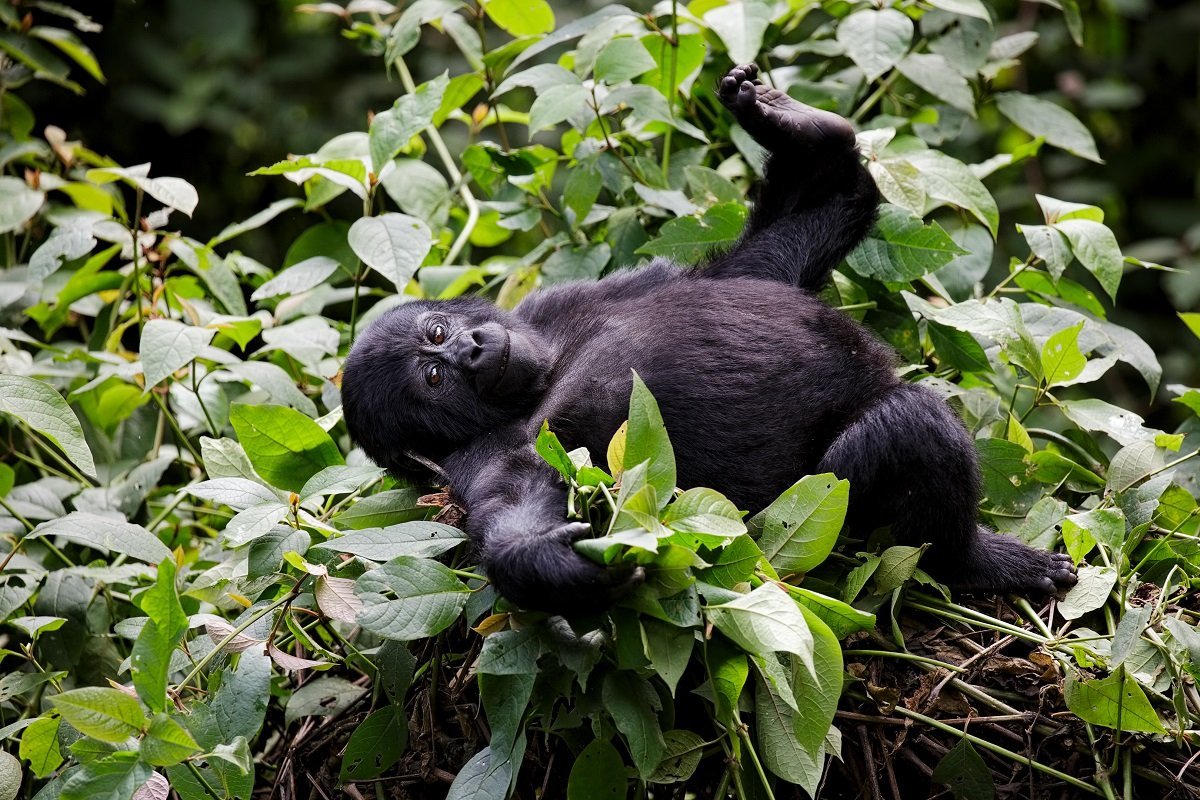
The viewing period is limited, so decide what you hope to remember beyond the photographs. Look for natural interactions rather than trying to provoke a reaction or arrange a pose. A young gorilla climbing a tree or a silverback resting among plants can communicate an entire story without any aerial angle. Understanding silverback gorilla tracking also reminds visitors that the animal’s behavior is its own, not a performance for an audience.
Respect for wildlife is inseparable from respect for fellow trekkers. Avoid blocking sightlines with extended arms, microphones or oversized camera rigs. Share the available vantage points and keep equipment inside your own space. Ethical image-making is one reason gorilla trekking in Bwindi remains such a special activity: a controlled, small-group encounter offers the chance to observe animals without turning their habitat into an uncontrolled filming set.
Compare destinations and choose an itinerary that fits your travel dates.

What to Pack Instead of a Drone
Build your camera kit around forest realities: humidity, mud, limited space and the need to hike. A weather-sealed camera is helpful, but even weather-sealed equipment benefits from a protective cover. Pack one versatile lens, spare charged batteries, memory cards and a soft cloth. A dry bag inside your daypack protects accessories during sudden rain. Use a padded strap or compact harness so your equipment does not swing into branches when descending a slippery trail.
Personal clothing deserves at least as much attention. Waterproof hiking boots with good grip, long trousers, a breathable long-sleeved layer and a light rain jacket will keep you more comfortable than any specialist camera accessory. Gloves can help when moving past rough vegetation, and gaiters or long socks offer added protection. Your what to wear for gorilla trekking decisions affect whether you can concentrate on the encounter once trackers locate the animals.
Carry water, a small snack if permitted, any required medicine and only the gear you can manage comfortably. Ask about hiring a local porter if a pack or camera kit would make the route difficult. If the forecast suggests wet conditions, be deliberate about how you protect batteries and lenses. The best gorilla trekking packing list is a practical checklist, not a contest to bring the most technology. A simple, reliable kit can preserve the memories without adding noise or risk to the forest.
Gorilla Trekking in Volcanoes National Park
Rwanda’s primary mountain gorilla trekking destination is Volcanoes National Park, reached from the Musanze region. The surrounding volcanic slopes, bamboo zones and forest create a striking setting for on-foot photography. Weather shifts quickly and fog may obscure distant views, which is another reason aerial shooting is a poor assumption for an ordinary tourist. Approved park activities operate according to guide instructions, and the presence of scenic open space does not make an aircraft launch legal.
During the trek, rangers lead visitors through habitat that differs from group to group and day to day. Some routes may be shorter than others, but every encounter depends on where trackers locate the gorillas. Visiting Volcanoes National Park requires flexibility and respect for the briefing. Bring a camera suitable for low light and protect it against showers. The mountain landscape can be photographed from permitted ground viewpoints without disturbing animals overhead.
An itinerary based in Musanze can also include community experiences and other park-authorized activities, provided the arrangements are confirmed in advance. These complement rather than replace a gorilla encounter. For guests choosing gorilla tracking from Musanze, the priority should be a manageable departure time, appropriate footwear and enough rest to enjoy the forest. A drone should never become the organizing principle of a wildlife trip designed around conservation.
Gorilla Trekking in Bwindi and Mgahinga
Uganda offers gorilla tracking in Bwindi Impenetrable National Park and Mgahinga Gorilla National Park. Bwindi is known for steep trails, thick vegetation and several trekking sectors; Mgahinga lies in the volcanic landscape of the Virunga region. Both destinations reward travelers who appreciate forest ecology and are willing to walk for their encounter. Their varied terrain also makes a supposedly simple aerial flight much more complex than promotional drone videos may suggest.
Choosing a Bwindi gorilla trekking sector influences the location of your lodge and the practical travel route. Buhoma, Ruhija, Rushaga and Nkuringo have different approaches, and transfers between sectors can take longer than a map makes them appear. A specialist safari planner can match the trekking permit, road transfers and maccommodation more effectively than a last-minute decision. None of these differences creates a general right to operate a drone inside the forest.
Mgahinga provides a different landscape experience, with mountain scenery and additional activities subject to park arrangements. Its open views can tempt photographers to think an aerial camera is essential, but accessible viewpoints often supply excellent compositions. Visitors exploring Mgahinga's gorilla habitat should seek local guidance about permitted ground photography. The most worthwhile photograph may be a small detail of habitat or an authentic interaction that would disappear in a broad overhead frame.
Planning Your Safari Around Photography Goals
Choose your destination based on the experience you actually want: time with gorillas, landscape photography, birdwatching or a combination. A short trek-focused itinerary gives fewer opportunities to recover from bad weather, whereas extra nights may allow room for other permitted photographic activities. Ask your operator about driving times, lodge locations and how luggage moves between stops. Do not assume a specific gorilla family, clear weather or an unobstructed photographic position can be guaranteed.
A three-day gorilla trekking safari may work for visitors seeking a concentrated adventure. Longer circuits can combine forest trekking with lakes, savannah wildlife and cultural experiences. Those other settings have their own photography rules, so do not assume that a drone is lawful merely because you are outside a gorilla tracking route. Any aerial plan still requires location-specific authorization. For most travelers, a thoughtful ground-based itinerary produces a more varied collection of images with far less paperwork.
Leave time for rest and travel contingencies. Cross-border itineraries may involve immigration procedures and different aviation laws, which complicate transporting an aircraft between countries. If planning gorilla trekking from Kigali, confirm the national park and country where the permit is actually valid. In mixed Uganda–Rwanda trips, treat each border as a fresh compliance question for drone carriage, not as a continuation of paperwork obtained elsewhere.
Best Time of Year for Gorilla Photography
Gorilla tracking operates across different seasons, and both countries can experience rain even during relatively drier months. Some travelers prefer periods with firmer trails, while others enjoy the lush vegetation and moody forest atmosphere of wetter weather. There is no month in which a routine tourist drone flight over gorillas becomes acceptable. Focus seasonal planning on comfort, transport conditions, photographic light and the likelihood of muddy slopes rather than on the possibility of obtaining aerial footage.
Cloud cover softens contrasts and can create beautiful portraits, though low light may require higher camera sensitivity. Rain brings saturated greens but also challenges for keeping lenses clear. The best time to trek mountain gorillas depends on your tolerance for rain, availability of permits and the wider journey. Travel dates should be chosen for a satisfying wildlife trip first; special filming ambitions can be evaluated separately with the authorities where appropriate.
A flexible traveler can make strong photographs in virtually any season by observing the direction of light, keeping equipment dry and remaining patient. During gorilla trekking in the rainy season, ensure that waterproof clothing and camera protection are ready rather than buried in checked luggage. Mist and rain can become part of an honest visual record of the rainforest. They are not problems that need to be solved by flying a camera over a sensitive wildlife habitat.
Start with a practical, ground-based itinerary and confirmed trekking arrangements.
Understanding Gorilla Permits and Filming Fees
A standard gorilla trekking permit pays for access to an organized visit under established park rules. It is not a general photography license for commercial production and does not confer rights to fly an unmanned aircraft. Rwanda Development Board manages its gorilla tracking reservations, while Uganda’s system runs through the relevant wildlife authority and authorized channels. Prices and conditions may change, so obtain a current written quotation that identifies what is included before making a payment.
Professional productions may face separate charges for commercial filming, aviation activities, specialist crews, locations or supervision. Those arrangements cannot be reliably estimated from the standard visitor permit alone. If a supplier gives you a bundled price for ‘drone filming,’ ask for the underlying official approvals and a precise description of the permitted site. When comparing how much a gorilla permit costs, make sure the discussion is about trekking access rather than a complicated production package.
Budget for basics first: permits, accommodation, road transport, guides, clothing and insurance suitable for your journey. A photographer may reasonably allocate extra money to an additional night near the park or a porter instead of a drone. The budget gorilla trekking approach is not about sacrificing the experience; it is about putting resources toward things that actually help you enjoy it. Clear costs are especially important when traveling with others whose priorities differ from yours.
How to Talk to Your Safari Operator About Drones
Using drones for gorilla trekking: visitor questions
Tell your operator early if you are traveling with an aircraft, even if you do not intend to use it during the trek. Ask whether they can confirm official import and park rules in writing and whether the itinerary includes countries with different requirements. A responsible company will not promise permission that belongs to a regulator or park manager. Its role is to help you understand the process, build a sensible itinerary and avoid preventable problems at airports or entry gates.
Distinguish the words ‘photography tour’ and ‘drone tour’ in every conversation. A luxury gorilla tracking safari may offer a private vehicle, a good lodge or extra support, but luxury does not suspend conservation rules. Likewise, having a professional photographer in the group does not guarantee permission for commercial filming. Ask what equipment is allowed on the actual tracking day, how porters work and whether there are restrictions on bulky supports or lighting accessories.
Request final confirmation on permits, park sectors, accommodation and transfer plans before travel. If you want photographs suitable for a portfolio or documentary, explain how they will be used and ask whether that changes the required permissions. An honest answer may be that standard ground photography is appropriate but specialized aerial filming is not available. That answer is far more useful than a vague promise that a ranger can make an exception when you arrive.

Frequently Asked Questions About Drones and Gorillas
Can tourists fly drones over gorillas in Rwanda? No visitor should plan to do so. Rwanda’s general drone approval process does not grant automatic access to Volcanoes National Park or permission to fly over wildlife. The RCAA regulates aircraft, while park and filming approvals are separate. Ask for written, location-specific authorization if you have a professional conservation or filming proposal; otherwise bring a regular camera. Do not interpret an approved drone flight somewhere else in Rwanda as approval for a gorilla encounter.
Can I bring a drone to Uganda if I never use it in Bwindi? Importing and transporting a drone raise their own clearance questions. Consult UCAA and the relevant customs authorities before travel, and do not assume the device can simply remain in a suitcase without paperwork. Can I use a smartphone instead? Yes, standard personal photography is part of ordinary tracking, subject to park instructions, distance rules and the ban on flash. Use silent settings and keep the device secure on muddy trails.
Do professional crews have different rules? They may be eligible to apply for specialized permission, but neither commercial status nor a film permit automatically authorizes flights over gorillas. Are drones essential for excellent photographs? Not at all. An alert eye, patient observation and a lightweight camera kit are much more useful during the viewing period. What if a guide says an exception is possible? Request written confirmation from the competent authorities before traveling with or launching the aircraft.
Final Advice: Protect the Gorilla Experience
Using drones for gorilla trekking may sound appealing because aerial footage can reveal the extraordinary scale of the Virunga mountains and Bwindi’s forests. Yet the right way to appreciate this environment is to recognize that access is deliberately limited. A gorilla trek is an invitation to observe wildlife in its home under the supervision of conservation professionals. It is not a chance to test the capabilities of a new camera drone or to chase a unique social media angle.
Both Rwanda and Uganda have aviation rules that apply to unmanned aircraft, and protected-area rules add further conditions. The safest decision for a typical visitor is clear: do not fly during gorilla tracking, and do not assume an aviation permit overrides park restrictions. Professional proposals require explicit, written decisions from the appropriate agencies. Travelers who embrace this difference can concentrate on their guides, the environment and the remarkable privilege of encountering wild mountain gorillas.
Bring comfortable footwear, thoughtful camera gear and a willingness to put the camera down occasionally. Ask questions during the briefing, remain calm near the animals and allow their behavior to guide the moment. When you plan with conservation at the center, even a simple portrait or a photograph of forest light becomes meaningful. The best souvenir of a gorilla trek is not necessarily an aerial video; it is the knowledge that your visit respected the habitat and its inhabitants.
Regulatory references: Rwanda Civil Aviation Authority (caa.gov.rw), Visit Rwanda (visitrwanda.com), Rwanda Film Office (rfo.rw), and Uganda Civil Aviation Authority (caa.go.ug). Rules and individual authorizations can change; confirm directly before traveling with or operating a drone. Image URLs are sourced from the project media library and require a live check before publication.