Uganda Safari Dos and Don’ts
Safari Vacations and Travel Services · Uganda travel guide
Uganda Safari Dos and Don’ts: Essential Tips for a Safe, Respectful Adventure
Practical advice for game drives, gorilla trekking, cultural encounters, photography, packing and responsible travel across the Pearl of Africa.
What Should You Do and Avoid on a Uganda Safari?
A successful Uganda safari is about more than seeing lions, elephants, mountain gorillas and chimpanzees. It also means protecting animals, treating local people with respect, preparing for changing conditions and listening to experienced guides. Knowing the right etiquette helps you enjoy the adventure without compromising the wellbeing of people or wildlife.
The most important dos are simple: follow park instructions, maintain safe distances, pack suitable clothing, drink safe water and remain flexible. The most important don’ts are equally clear: never feed or touch wildlife, never leave a vehicle where prohibited, never use flash around gorillas and never pressure your guide into an unsafe encounter.
Whether your itinerary focuses on a classic savannah game drive, a guided walking safari in Lake Mburo or a rainforest primate experience, the following advice will help you travel with confidence. Rules can change, so always follow the latest instructions from the Uganda Wildlife Authority and your ranger on the day.
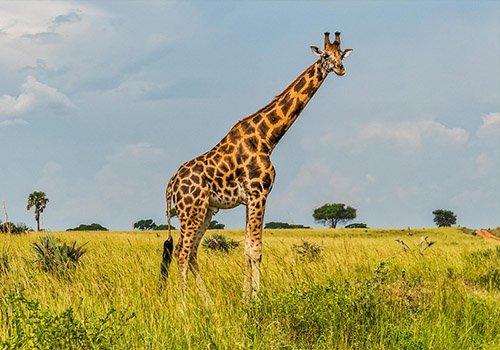
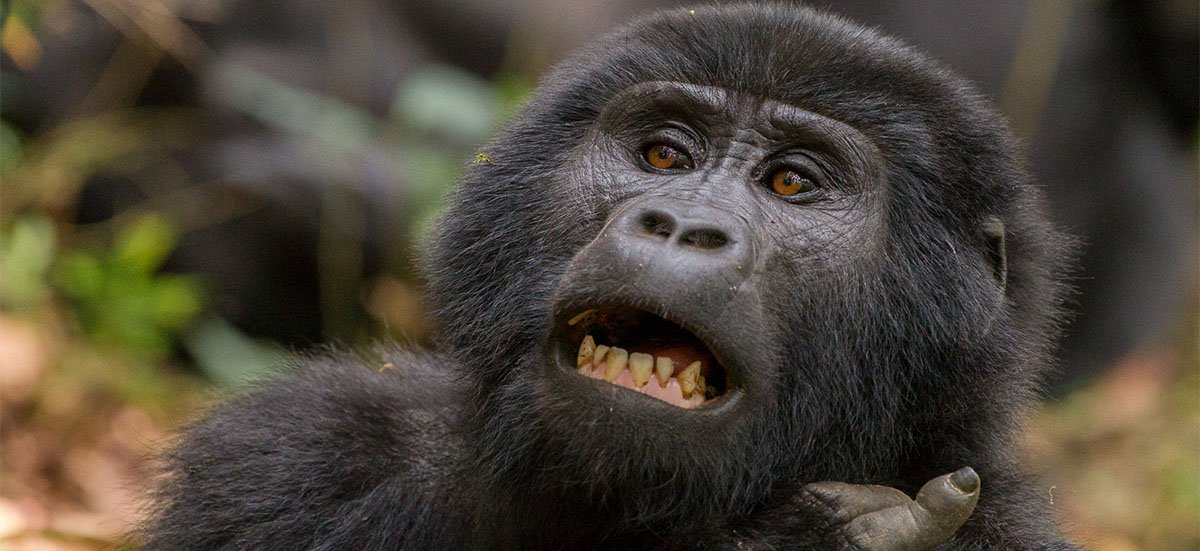
Three Safari Experiences, Three Different Sets of Rules
Uganda is remarkably diverse. The guidance that works on an open savannah game drive is not identical to the rules used on a gorilla trek or a guided walking safari.

21 Essential Uganda Safari Dos and Don’ts
These habits apply from arrival in Entebbe through the national parks and mountain forests. Each suggestion addresses an avoidable problem that can affect your comfort, safety or the conservation of Uganda’s wildlife.
1. Do Listen to Your Guide and Ranger
Do: Professional guides interpret animal behaviour, road conditions and visitor rules. Follow every safety briefing, even when an animal seems calm. If a route changes because of weather or wildlife activity, trust that assessment rather than insisting on the original plan.
Don’t: Do not ask guides to chase animals, cross restricted areas or ignore park authorities. Their first duty is to keep both visitors and wildlife safe.
2. Do Keep a Safe Distance from Wildlife
Do: Use binoculars or a zoom lens to observe from a distance. Give elephants room to move and allow animals to cross the road naturally. Your guide will determine appropriate spacing for each sighting.
Don’t: Do not block an animal’s escape route, surround wildlife with vehicles or lean toward animals for selfies.
3. Don’t Feed or Touch Wild Animals
Do: Wildlife must find its own food. Feeding can change behaviour, create human–animal conflict and expose animals to unsuitable food or disease.
Don’t: Never throw fruit, snacks or other food from the safari vehicle, and do not attempt to pet monkeys, baboons or other seemingly approachable animals.
4. Do Stay Inside the Safari Vehicle
Do: On ordinary game drives, remain seated or within the designated viewing configuration while the vehicle is moving. Disembark only in places and circumstances approved by your guide.
Don’t: Do not step out to photograph lions, elephants, buffaloes or any other wild animal without clear authorisation.
5. Do Keep Noise Low During Sightings
Do: Speak quietly, switch phones to silent where appropriate and allow the group to observe natural behaviour. A respectful sighting is often more rewarding than an animal reacting to a crowd.
Don’t: Avoid shouting, playing loud music, clapping for an animal to move or sounding the vehicle horn to attract attention.
6. Don’t Litter or Damage Habitats
Do: Keep wrappers, bottles and tissues in a small waste bag until you reach an approved disposal point. Leave flowers, stones, feathers and plants where you find them.
Don’t: Do not discard cigarette ends, collect natural souvenirs or make campfires outside designated areas.
7. Do Pack for Sun, Rain and Cool Mornings
Do: Uganda’s weather can change quickly, especially in higher-altitude forests. Pack breathable neutral-coloured layers, a light waterproof jacket, sun protection, closed shoes and a warm layer for early departures.
Don’t: Avoid relying on a single warm-weather outfit or bringing only fashionable shoes. For forest hikes, broken-in hiking boots and long trousers are more useful.
8. Do Bring Binoculars and a Prepared Camera
Do: Binoculars help everyone appreciate distant sightings without disturbing wildlife. Charge batteries, carry memory cards and protect camera gear from dust and rain.
Don’t: Do not use flash around gorillas or other primates when prohibited, and avoid loud drones or aerial filming without the required permissions.
9. Do Protect Your Health
Do: Consult a qualified travel-health professional about malaria prevention, routine vaccinations and any individual medical needs. Carry prescriptions, hydration supplies and comprehensive travel insurance covering your activities.
Don’t: Do not assume that a rural lodge has immediate access to a pharmacy or advanced medical facility. Tell your guide promptly if you become unwell.
10. Do Check Immigration Requirements Before Departure
Do: Confirm passport validity, the correct visa route and airline or transit-country conditions using official sources. Requirements depend on nationality and itinerary and may change.
Don’t: Do not rely on old blog posts for vaccine-entry rules. Uganda’s immigration authority announced in October 2026 that a yellow-fever vaccination certificate is no longer mandatory for entry, but health advice and other countries’ rules may differ.
11. Do Carry Drinking Water and Snacks
Do: Carry sufficient safe drinking water for road transfers and hikes, and arrange packed lunches for activities that extend over midday. Keep your food sealed away from wild animals.
Don’t: Do not eat or leave food near gorillas during the designated observation period, and never offer snacks to monkeys or baboons.
12. Do Respect Community Customs
Do: Greet people politely, dress with consideration in villages and cultural spaces, and ask before entering private property. Local guides can explain traditions that vary between regions.
Don’t: Do not photograph children, homes, ceremonies or community members without permission. Avoid treating villages as attractions rather than living communities.
13. Do Agree on Photography Permission
Do: Ask clearly before taking portraits and respect the answer. Where an organised cultural visit includes photography, confirm what the host considers acceptable.
Don’t: Do not assume that paying for an excursion gives unlimited permission to photograph everyone you encounter.
14. Don’t Drive or Walk Off Approved Routes
Do: Park regulations exist to protect delicate habitats and prevent vehicle damage or dangerous encounters. Use designated tracks and authorised walking routes.
Don’t: Do not encourage your guide to drive through vegetation for a better photo. For an on-foot option, book a legitimate guided Lake Mburo walking safari.
15. Do Allow Time for Road Transfers
Do: Uganda’s scenic roads pass through towns, hills and rural areas. Build a realistic itinerary with rest stops, meals and sufficient time to reach lodges before late evening when possible.
Don’t: Do not overload every travel day with activities. Long transfers and early park briefings are much easier when the schedule includes breathing room.
16. Do Book Popular Permits in Advance
Do: Gorilla trekking and selected chimpanzee experiences have limited spaces. Confirm availability and understand cancellation or rescheduling rules before finalising international travel.
Don’t: Do not assume a permit can always be purchased on arrival. If you want longer time with a gorilla group, read our gorilla habituation planning guide.
17. Do Arrive on Time for Briefings
Do: Game drives and treks often begin early because wildlife activity and trail conditions vary through the day. Prepare clothing, daypacks and permits the evening before.
Don’t: Do not miss a mandatory ranger briefing or leave your group without informing the guide.
18. Don’t Assume Wildlife Sightings Are Guaranteed
Do: Animals roam freely. Patient observation, multiple game drives and flexible expectations usually create a richer safari than rushing between sightings.
Don’t: Do not pressure your guide to manufacture a lion sighting or promise particular animals. Even in famous wildlife areas, nature is unpredictable.
19. Do Use Money and Technology Sensibly
Do: Carry a modest amount of local currency for tips and smaller purchases, while keeping passports and larger sums secure. Offline maps and emergency contacts can help when mobile signals weaken.
Don’t: Do not display valuables unnecessarily or assume every remote property accepts a particular card or mobile-payment service.
20. Do Choose Responsible Wildlife Experiences
Do: Select authorised activities, obey conservation restrictions and support operators that treat staff, communities and ecosystems respectfully. Ethical travel is built from many small choices.
Don’t: Do not purchase wildlife products, seek illegal animal encounters or support activities that encourage handling or harassment of wild animals.
21. Do Stay Curious and Flexible
Do: Listen to bird calls, appreciate landscapes and enjoy the expertise of your driver-guide. The joy of Uganda often lies in unexpected scenes between major destinations.
Don’t: Do not measure the whole safari solely by checking off the Big Five. Uganda’s forests, wetlands, scenery and communities are equally memorable.
What Are the Dos and Don’ts of Gorilla Trekking in Uganda?

Gorilla trekking in Bwindi Impenetrable and Mgahinga Gorilla national parks requires extra care because mountain gorillas are vulnerable to human respiratory illnesses and can be disturbed by close contact. A ranger-led briefing is mandatory and always takes precedence over advice found online.
✓ Do
- Carry your valid permit and attend the ranger briefing.
- Tell park staff if you are ill before the trek.
- Maintain the separation distance currently required by your ranger; Uganda Wildlife Authority published a 10-metre rule in its 2024–2026 conservation tariff.
- Keep voices low, remain with your group and use non-flash photography.
- Follow the standard maximum one-hour viewing period unless booked for an authorised different experience.
✕ Don’t
- Do not trek while suffering from a contagious illness.
- Never touch, feed, follow or attempt to approach a gorilla.
- Do not eat, drink or smoke close to the gorillas.
- Do not block a gorilla’s path or make sudden movements.
- Do not use flash or ignore instructions about masks and distance.
Gorilla trekking generally has a minimum participant age of 15. Review the specific rules supplied with your permit, and see our guide to a gorilla trek in Bwindi for more context.
Safari Clothing: What Should You Wear and Avoid?
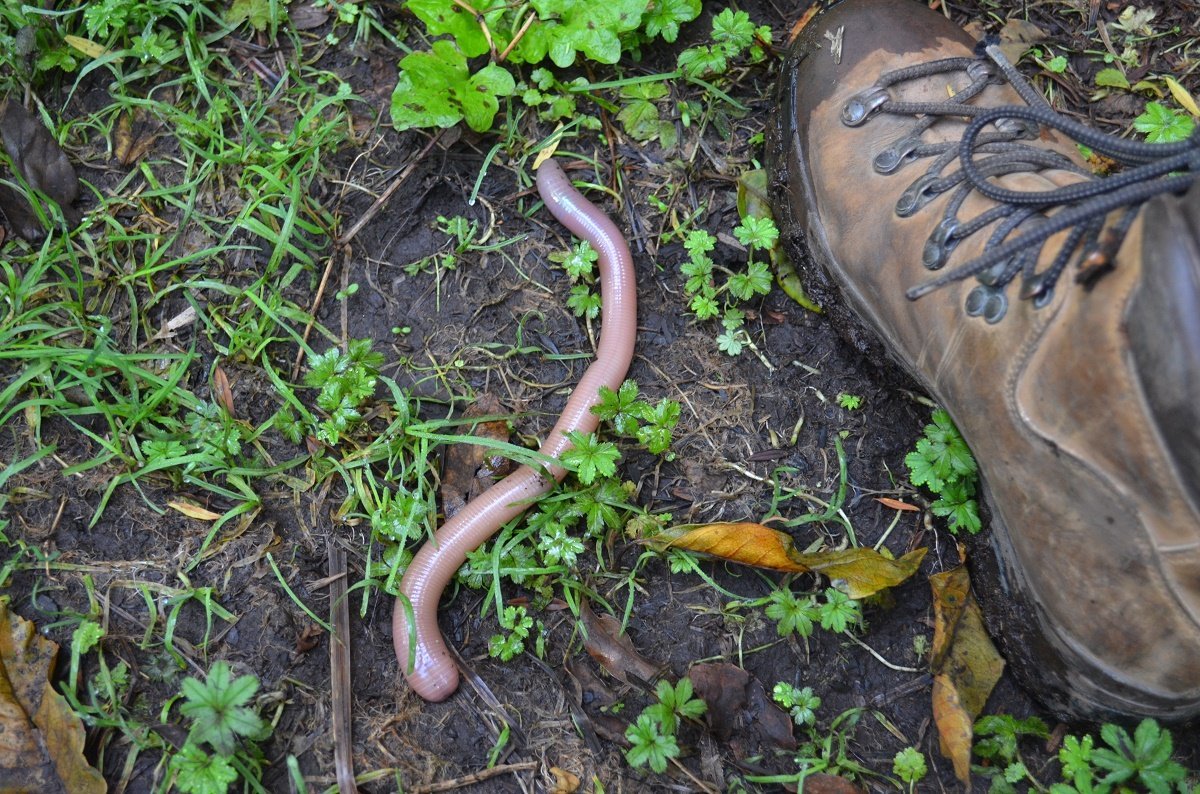
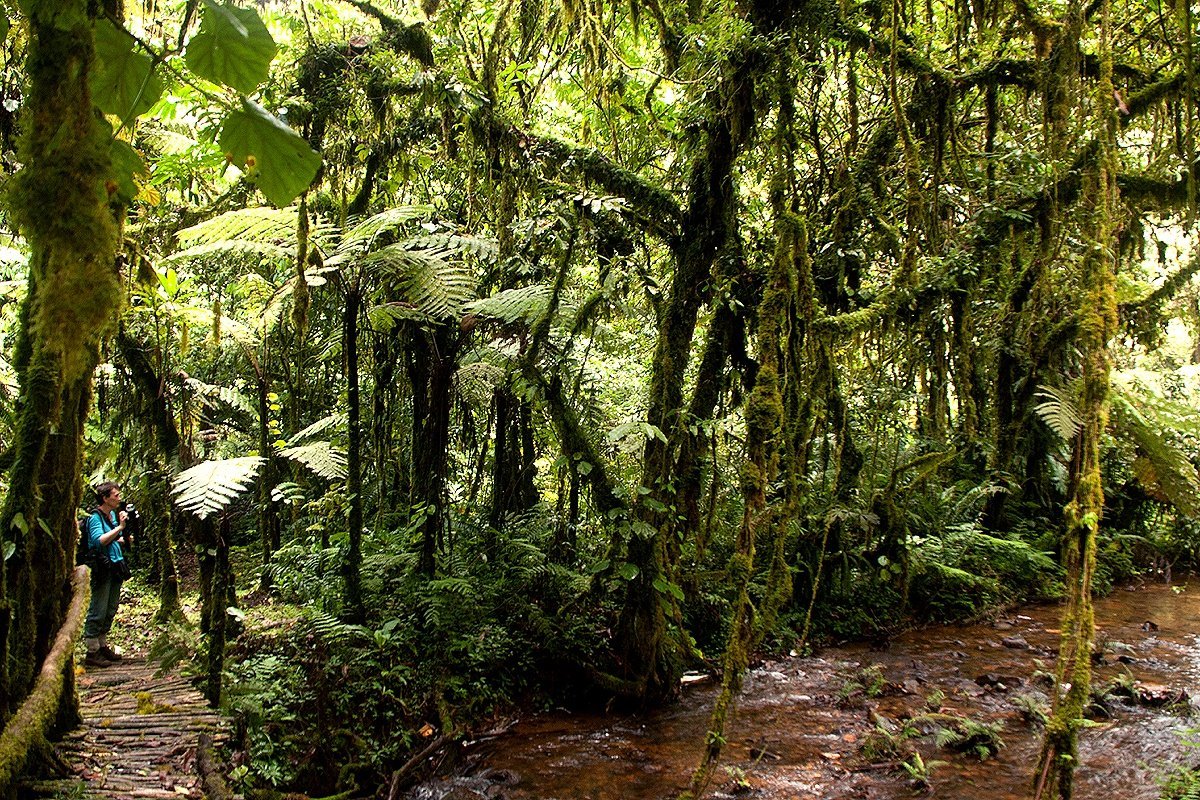
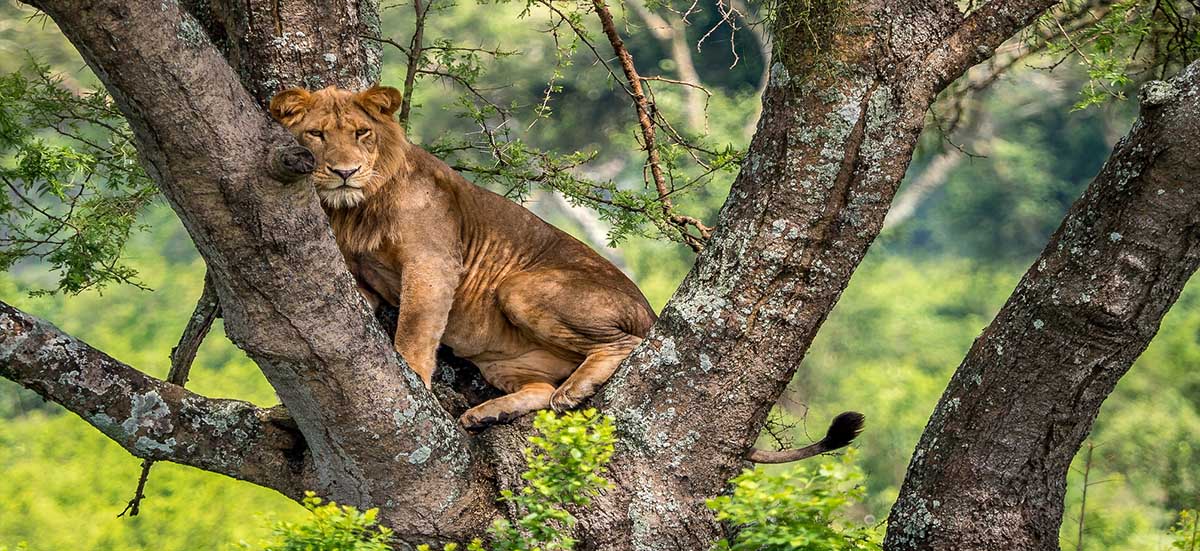
Camouflage clothing can have restrictions or unwanted military associations in some settings, so ordinary neutral safari clothing is a safer choice. Avoid overly bright clothing for close wildlife observations, and bring swimwear or smarter casual clothing if your lodges offer those opportunities.
How Do You Stay Safe on Safari Drives and Boat Cruises?

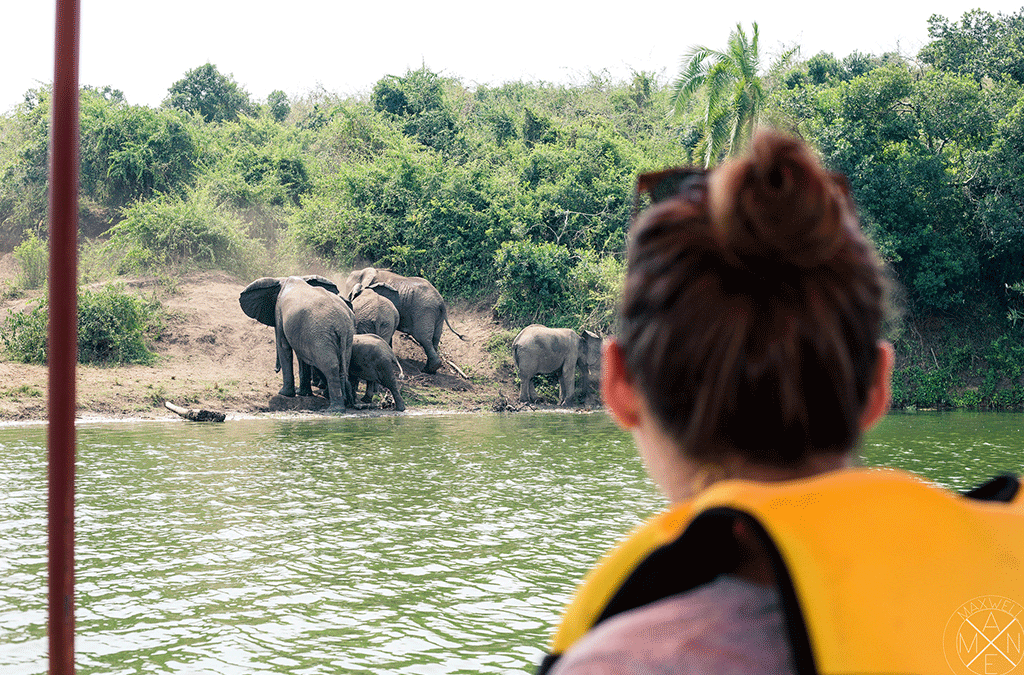
National parks contain wild animals whose behaviour can change suddenly. On game drives, keep hands and cameras within safe boundaries and let your guide manage positioning. Around rivers and lakes, remember that hippos and crocodiles are dangerous even when they appear motionless.
Use authorised boat operators, wear a life jacket when required and follow instructions about boarding, seating and movement. Do not trail hands in the water or stand near shorelines where hippos may emerge. If you are interested in combining safari activities, the three-day Lake Mburo wildlife, boat and walking safari demonstrates how different encounters can fit into one itinerary.
Which Uganda Safari Mistakes Do First-Time Visitors Make?
Many first-time visitors underestimate travel time, overlook changing mountain weather or bring too much luggage for a vehicle that must carry several people. Others assume that a gorilla permit includes every other activity in the park, or that accommodation rates automatically include all meals and park fees.
Before confirming a booking, ask for a written inclusions-and-exclusions list covering permits, entrance fees, domestic flights if any, meals, accommodation, transfers, activities, tips and personal expenses. Understanding what is included reduces surprises and makes competing quotations easier to compare.
Another frequent mistake is rushing: one night near a major wildlife park may provide less game-viewing time than expected once long transfers are considered. Your route should match your interests, energy level and available days. A short Lake Mburo safari can be rewarding, while a longer itinerary creates more opportunities to experience different ecosystems.
Responsible Cultural Visits: How Should You Interact with Communities?
Uganda’s hospitality is an important part of the journey. A simple greeting, attentive listening and respect for local customs help create genuine exchanges. For school or community visits, agree on arrangements through a trusted local host or guide rather than arriving unannounced.
Ask before taking photos and avoid promising donations or gifts you cannot deliver. If you wish to support a community project, ask your guide for locally appropriate ways to do so. Buying locally made crafts at a fair price can be meaningful, but bargain respectfully and remember that artisans rely on their work for income.
It is also important to be mindful of privacy. A compelling travel photograph should never come at the expense of someone’s dignity, consent or safety.
Uganda Safari Packing Checklist
Pack These Essentials
- Passport, visa documents if required, permits and insurance information
- Neutral-coloured shirts, long trousers and a warm layer
- Waterproof hiking boots and comfortable travel shoes
- Light rain jacket, sunscreen and sun hat
- Binoculars, camera, spare batteries and memory cards
- Personal medication, insect repellent and hand hygiene supplies
- Refillable drinking bottle, small daypack and dry bag
- Charging adapters and a power bank
Common Packing Mistakes
- New, untested boots for a strenuous gorilla trek
- Heavy luggage with no room for daily essentials
- Only thin clothing for cool, rainy highland mornings
- Unprotected cameras and electronics in dusty conditions
- Leaving medication or important paperwork in checked luggage
- Assuming all purchases can be made by card
- Carrying unnecessary valuables on activities
Frequently Asked Questions About Uganda Safari Dos and Don’ts
Quick answers to common questions from travellers planning their first or next Uganda wildlife holiday.
What should you not do on a Uganda safari?
Do not leave your safari vehicle without authorisation, feed wildlife, litter, drive off designated tracks or use flash around gorillas. Follow your ranger’s activity-specific rules.
Is Uganda safe for first-time safari visitors?
Many first-time visitors enjoy guided Uganda safaris. Use a reputable operator, follow official travel advice, keep valuables secure and ensure your insurance covers planned activities.
Can you wear shorts on a Uganda safari?
Shorts can be practical at lodges or during warm travel days, but long trousers are generally better for forest trekking, sun and insect protection.
Can I wear bright colours on safari?
Muted, earthy shades are usually preferable during wildlife viewing. Bright clothing is not always prohibited on vehicle safaris, but neutral colours are more versatile.
Can you take photos of gorillas?
Yes, subject to ranger instructions. Flash photography is prohibited, and you must maintain the required distance without disturbing the group.
How close can I get to mountain gorillas?
Always follow the distance given by the ranger. The Uganda Wildlife Authority 2024–2026 published rules specify 10 metres; older pages may mention seven metres.
Can I go gorilla trekking if I have a cold?
Do not visit gorillas with a contagious illness. Notify your operator and park authorities to discuss the applicable procedures.
Are children allowed on gorilla treks?
Uganda’s standard minimum gorilla trekking age is 15 years. Other wildlife activities have different rules and may be suitable for families with younger children.
Can I walk alone in Uganda’s national parks?
Do not undertake wildlife walks independently where authorised ranger guidance is required. Use approved activities and obey park restrictions.
Are boat safaris safe?
They can be enjoyable when conducted by approved operators under appropriate safety procedures. Follow life-jacket and seating instructions and respect hippos and crocodiles.
Should I tip my safari driver-guide?
Tipping is generally discretionary, guided by service quality, group size and budget. Ask your operator for a practical guideline before departure.
Do I need a yellow-fever certificate to enter Uganda in 2026?
Uganda’s immigration authority announced on 2 October 2026 that a yellow-fever vaccination certificate is no longer mandatory for entry. Check updated official requirements and separate medical advice before travelling.
What should I do if an elephant approaches the vehicle?
Stay quiet and seated. Do not provoke the animal or insist on closer photos. Let your experienced guide decide when and how to move.
What time should I start a game drive?
Morning and late-afternoon drives are often productive, but the exact timetable depends on park rules, weather, lodge location and your itinerary.
Can I bring a drone on safari?
Do not fly drones in protected areas without the necessary authorisations. Wildlife, aviation and filming restrictions can apply.
Can I feed monkeys at my lodge?
No. Feeding monkeys or other wild animals can cause habituation, aggression and health problems.
How can I make my safari more sustainable?
Stay on authorised trails, minimise waste, conserve water, support local businesses, seek consent for photographs and choose responsible operators.
What is the biggest safari planning mistake?
Trying to do too much in too little time. Build realistic transfers, book restricted permits early and allow time to enjoy the parks.
Why Plan Your Safari with Safari Vacations and Travel Services?
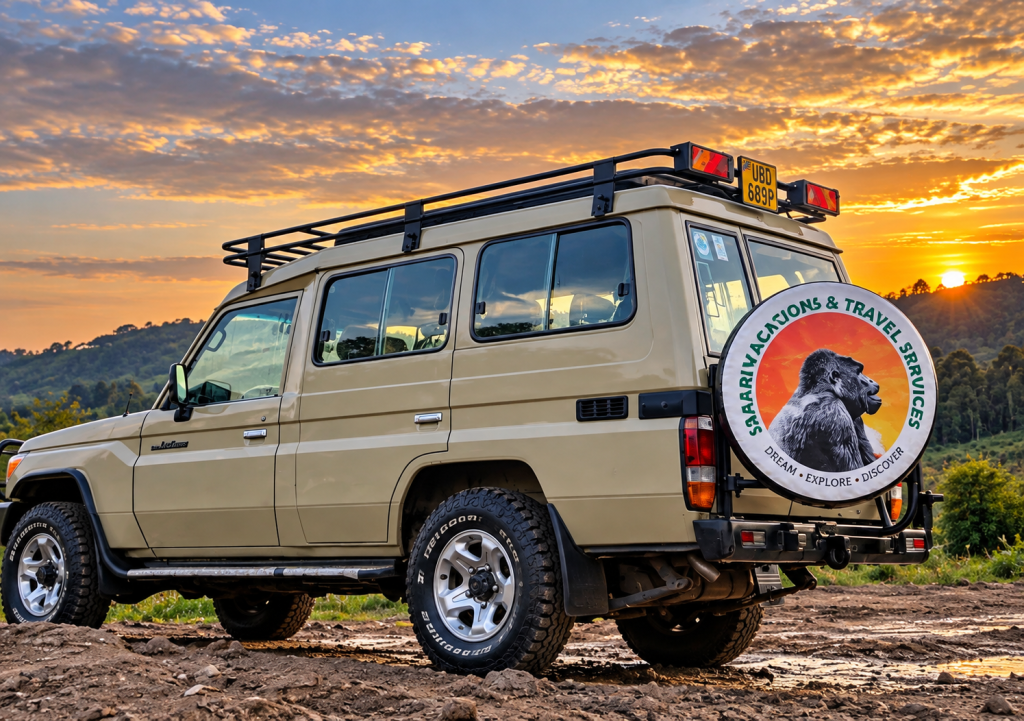 A knowledgeable local operator can explain which activities require permits, how many nights to allow in each park and what precautions matter for a particular season. Safari Vacations and Travel Services can help arrange your route, accommodation, professional driver-guide and relevant experiences while making the inclusions and exclusions clear before travel.
Whether you want to pair Lake Mburo game viewing with a guided walk or focus on an extended gorilla habituation experience, planning around the actual travel conditions makes a difference. We encourage travellers to enjoy wildlife patiently, honour conservation rules and leave a positive impression on the communities they visit.
Explore Uganda with Confidence
Tell Safari Vacations and Travel Services your travel dates, preferred parks and comfort level. We can help create a private safari with a realistic route, a professional guide and responsible wildlife experiences.