
Uganda Gorilla and Wildlife Safari: Ultimate Guide to Gorilla Trekking & Wildlife Adventures in Uganda (2026)
Why Choose a Uganda Gorilla and Wildlife Safari?
A Uganda Gorilla and Wildlife Safari combines two of Africa’s most rewarding travel experiences: meeting mountain gorillas in a protected rainforest and observing free-ranging wildlife across open savannahs, wetlands and river systems. Instead of travelling to separate countries for primate trekking and traditional game viewing, visitors can experience both within one carefully planned Uganda safari itinerary.
The journey can include gorilla trekking in Bwindi Impenetrable National Park, chimpanzee tracking in Kibale National Park, game drives in Queen Elizabeth National Park, boat safaris in Murchison Falls National Park and rhino tracking at Ziwa Rhino Sanctuary. Travellers planning their first journey can use this detailed Uganda wildlife safari and gorilla trekking guide to understand how the country’s major experiences can be combined.
A Uganda Gorilla and Wildlife Safari is especially suitable for travellers who want more than a single wildlife activity. It brings together primates, large mammals, birds, landscapes, cultural experiences and conservation-focused tourism. The safari can also be adapted for different budgets, travel periods, physical abilities and interests without losing its central focus on gorillas and wildlife.
Encounter Mountain Gorillas in Their Natural Habitat

Mountain gorilla trekking is the defining experience of a Uganda Gorilla and Wildlife Safari. In Uganda, organised gorilla treks take place in Bwindi Impenetrable National Park and Mgahinga Gorilla National Park. Bwindi is divided into the Buhoma, Ruhija, Rushaga and Nkuringo trekking sectors, while Mgahinga provides a smaller alternative within the Virunga Mountains.
The experience begins with an early-morning briefing conducted by park authorities. Visitors are assigned to a habituated gorilla family and accompanied by trained guides, trackers and armed tourism rangers. The walk may pass through thick vegetation, steep forest trails, streams and uneven terrain before the trackers locate the gorillas.
Once a gorilla family is located, standard permit holders are normally allowed to spend up to one hour observing it. During this period, visitors may watch a silverback protect the group, females care for their young, juveniles play in the vegetation and family members feed, groom or rest. The encounter is controlled by strict rules designed to protect both visitors and the gorillas.
Travellers should understand permit requirements, minimum-age rules, trekking procedures and conservation regulations before travelling. Our detailed information about gorilla trekking in Uganda explains the principal considerations involved in planning this experience.
The unpredictability of the forest makes every trek different. Some gorilla families may be found relatively close to the starting point, while others may require several hours of hiking. This natural variation is part of what makes a Uganda Gorilla and Wildlife Safari an authentic wildlife adventure rather than a staged animal encounter.
Combine Gorilla Trekking with Classic African Wildlife
Uganda allows visitors to move from dense mountain rainforest to open savannah within the same safari. After completing a gorilla trek, travellers can continue to national parks where game drives reveal elephants, buffaloes, lions, leopards, giraffes, zebras, hippos, crocodiles, hyenas, warthogs and several antelope species.
This combination gives a Uganda Gorilla and Wildlife Safari greater variety than a gorilla-only tour. The forest component provides an intimate, on-foot primate encounter, while the savannah component offers broader wildlife viewing from a specially designed safari vehicle. Boat cruises, guided walks and night game drives can add further perspectives.
Travellers interested in seeing Uganda’s largest animals can explore how to plan a journey that involves combining Uganda gorillas with a Big Five safari. Rhinos are generally added through a visit to Ziwa Rhino Sanctuary, while lions, leopards, elephants and buffaloes may be encountered in Uganda’s savannah national parks.
Wildlife sightings can never be guaranteed because the animals live freely in extensive natural habitats. However, travelling with an experienced driver-guide, allowing sufficient time in each park and scheduling game drives during productive wildlife-viewing hours can improve the quality of the safari.
Enjoy Diverse Wildlife-Viewing Experiences

A Uganda Gorilla and Wildlife Safari is not limited to morning and afternoon game drives. Uganda’s protected areas support several complementary activities that allow visitors to explore wildlife habitats in different ways.
Game drives are particularly important in Queen Elizabeth, Murchison Falls, Lake Mburo and Kidepo Valley national parks. Depending on the destination, they may pass through grasslands, acacia woodland, riverine areas, crater landscapes or semi-arid valleys. Early-morning drives are often selected for active wildlife and cooler temperatures, while late-afternoon drives can provide attractive light for photography.
Boat safaris offer a different experience. A cruise along the Kazinga Channel can reveal hippos, crocodiles, buffaloes, elephants, waterbirds and other animals around the shoreline. In Murchison Falls National Park, a Nile boat safari provides opportunities to observe aquatic and terrestrial wildlife while approaching the lower section of the falls.
Lake Mburo National Park is particularly suitable for travellers interested in guided walking safaris, while authorised night drives in selected parks may reveal nocturnal species that are difficult to observe during daylight. Visitors can learn more about the different options for game viewing in Uganda before selecting the most appropriate activities.
Combining several viewing methods prevents the itinerary from becoming repetitive. A well-designed Uganda Gorilla and Wildlife Safari can include forest trekking, vehicle-based game viewing, a boat safari, rhino tracking, birdwatching and a guided nature walk within one journey.
Explore Uganda’s Varied National Parks and Landscapes
Uganda’s geographical diversity is one of the strongest reasons to combine gorillas and wildlife in a single itinerary. The country’s safari route can pass through tropical forests, volcanic highlands, crater lakes, wetlands, savannah plains, river valleys and rural communities.
Bwindi Impenetrable National Park protects a mountainous rainforest in southwestern Uganda and serves as the principal destination for gorilla trekking. Queen Elizabeth National Park adds savannah wildlife, crater scenery, the Kazinga Channel and the Ishasha sector, which is associated with tree-climbing lions.
Kibale National Park is widely known for primate diversity and chimpanzee tracking. Murchison Falls National Park combines savannah wildlife with the River Nile and the dramatic Murchison Falls. Lake Mburo National Park is a convenient destination for zebras, impalas, elands, walking safaris and shorter wildlife extensions, while remote Kidepo Valley National Park offers expansive semi-arid scenery.
Travellers who are deciding which major savannah destination to include can read this comparison of Queen Elizabeth and Murchison Falls for wildlife. The best choice depends on the length of the itinerary, preferred wildlife activities, travel route and whether chimpanzee tracking or other destinations are being included.
The changing landscapes make the road journey part of the experience. Visitors can observe cultivated highlands, tea-growing areas, traditional homesteads, roadside markets, lakes and the Albertine Rift region while travelling between the parks.
See Gorillas, Chimpanzees and Other Primates
Uganda Gorilla and Wildlife Safari itineraries can include more than mountain gorillas. Uganda supports several primate-viewing opportunities, making it possible to combine gorilla trekking with chimpanzee tracking and encounters with other monkey species.
Kibale National Park is the country’s best-known chimpanzee destination and is commonly combined with Bwindi, Queen Elizabeth and Murchison Falls national parks. Chimpanzee tracking differs from gorilla trekking because chimpanzees are more mobile, frequently travel through the canopy and may communicate loudly across the forest.
Depending on the itinerary and destination, travellers may also encounter black-and-white colobus monkeys, red-tailed monkeys, blue monkeys, olive baboons, vervet monkeys and L’Hoest’s monkeys. Golden monkey tracking can be added in Mgahinga Gorilla National Park for travellers visiting the Virunga region.
A multi-park itinerary such as this Uganda gorilla trekking and wildlife safari demonstrates how gorilla trekking, chimpanzee tracking and traditional wildlife viewing can be arranged within one route.
This primate diversity gives the safari greater educational value. Visitors can compare gorilla and chimpanzee behaviour, forest habitats, social structures, feeding patterns and methods of movement while being guided by trained tourism professionals.
Choose Flexible Safari Lengths and Travel Styles
A Uganda Gorilla and Wildlife Safari can be designed around the traveller’s available time and preferred comfort level. Short itineraries may focus on Bwindi and Queen Elizabeth National Park, while longer journeys can include Kibale, Murchison Falls, Lake Mburo, Kidepo Valley, Ziwa Rhino Sanctuary and cultural experiences.
Budget safaris normally use simple but comfortable accommodation and may involve longer road transfers. Midrange safaris provide private rooms, reliable service and well-positioned lodges without the highest luxury costs. Luxury Uganda Gorilla and Wildlife Safari packages may include premium lodges, domestic flights, private vehicles, upgraded rooms and highly personalised services.
Starting points can also vary. Entebbe is the principal arrival point for comprehensive Uganda circuits, while Kigali can provide practical road access to southwestern Uganda for itineraries focusing on Bwindi, Mgahinga, Queen Elizabeth National Park or Lake Bunyonyi.
Travellers can select private departures, family safaris, honeymoon journeys, senior-friendly itineraries, photography trips or birding-focused extensions. This flexibility is one reason Uganda suits many first-time safari travellers.
The most suitable duration should be determined by the number of parks, driving distances and activities included. Adding too many destinations to a short itinerary can create rushed travel days and reduce the time available for wildlife viewing.
Support Gorilla Conservation and Local Communities
Choosing a responsibly managed Uganda Gorilla and Wildlife Safari contributes to the continued protection of forests, savannah ecosystems and threatened wildlife. Gorilla trekking is carefully regulated, and visitor numbers are controlled through a permit system.
Permit revenue supports protected-area management, ranger operations, monitoring, tourism infrastructure and conservation activities. Tourism also creates employment for guides, trackers, porters, lodge employees, drivers, craft makers and community tourism groups living near the national parks.
Responsible visitors can strengthen these benefits by following park regulations, maintaining the required distance from wildlife, avoiding litter, respecting local customs and using authorised tourism services. Hiring a porter during a gorilla trek can provide income to residents while giving the visitor practical support on steep or slippery forest trails.
Travellers who want to understand the relationship between tourism and wildlife protection can read about Uganda Wildlife Authority’s role in gorilla conservation.
A Uganda Gorilla and Wildlife Safari therefore offers more than exceptional sightings. When planned and operated responsibly, it helps create an economic reason to conserve wildlife habitats while supporting communities surrounding the protected areas.
Experience Exceptional birdlife and biodiversity

Uganda is suitable for both specialist birdwatchers and general safari travellers who enjoy identifying colourful and unusual species. Its forests, wetlands, lakes, rivers, woodlands and savannahs create habitats for a remarkable variety of birds.
Depending on the route, visitors may search for the shoebill, grey-crowned crane, African fish eagle, great blue turaco, saddle-billed stork, kingfishers, bee-eaters, hornbills, sunbirds and numerous forest species. Birdwatching can be included during game drives, boat cruises, forest walks and lodge stays without requiring a completely separate itinerary.
Specialist birding safaris should allocate more time to each habitat and use a guide with strong identification skills. General wildlife travellers can still enjoy excellent bird sightings while concentrating mainly on gorillas, chimpanzees and large mammals.
This combination of primates, savannah wildlife, birds and contrasting ecosystems makes a Uganda Gorilla and Wildlife Safari one of the most varied nature-based journeys available within a single East African country.
Receive a Complete Safari Experience in One Journey
The greatest advantage of a Uganda Gorilla and Wildlife Safari is the completeness of the experience. Visitors do not have to choose between gorilla trekking and a conventional wildlife safari. Both can be combined with chimpanzees, boat cruises, walking safaris, birdwatching, cultural activities and scenic journeys.
A properly paced itinerary creates a natural progression from Entebbe or Kigali to Uganda’s forests and savannah parks. It balances active trekking days with more relaxed game drives, boat cruises and lodge stays. Rest periods can be added after difficult treks, while optional activities allow the trip to reflect each traveller’s interests.
For travellers seeking an itinerary that combines several leading destinations, this 7-day Uganda gorillas and wildlife safari provides an example of how primate and savannah experiences can be connected.
Ultimately, choosing a Uganda Gorilla and Wildlife Safari means experiencing intimate forest encounters and expansive wildlife landscapes during the same holiday. The combination delivers adventure, wildlife diversity, conservation value and itinerary flexibility, making it an excellent choice for travellers planning a comprehensive African safari.
Best National Parks for a Uganda Gorilla and Wildlife Safari
The best national parks for a Uganda Gorilla and Wildlife Safari depend on the animals, landscapes and activities travellers want to experience. Uganda offers two protected mountain-gorilla habitats, extensive savannah parks, tropical primate forests, wetlands, lakes, rivers and remote wilderness areas. This diversity makes it possible to combine gorilla trekking, chimpanzee tracking, game drives, boat cruises, birdwatching and guided nature walks within one carefully planned journey.
Bwindi Impenetrable National Park and Mgahinga Gorilla National Park are the essential destinations for mountain gorilla trekking. Queen Elizabeth National Park and Murchison Falls National Park provide classic savannah game viewing, while Kibale National Park is the leading addition for chimpanzee tracking. Lake Mburo works well for shorter itineraries and walking safaris, whereas Kidepo Valley National Park rewards travellers who have enough time to explore Uganda’s remote northeast.
Travellers do not need to include every park in one Uganda Gorilla and Wildlife Safari. A shorter tour may combine Bwindi with Queen Elizabeth National Park, while a longer itinerary can connect Murchison Falls, Kibale, Queen Elizabeth, Bwindi, Lake Mburo and Ziwa Rhino Sanctuary. The final route should be based on available travel days, preferred activities, budget, accommodation style and tolerance for long road transfers.
Bwindi Impenetrable National Park

Bwindi Impenetrable National Park is the principal gorilla trekking destination in Uganda and one of the most important locations on a Uganda Gorilla and Wildlife Safari. The park lies in southwestern Uganda, within the Albertine Rift region, and protects a mountainous tropical forest characterised by steep valleys, dense vegetation, streams and exceptional biological diversity.
The park is divided into four main gorilla trekking sectors: Buhoma in the north, Ruhija in the east, Rushaga in the south and Nkuringo in the southwest. Each sector has its own trekking trailheads, habituated gorilla families, accommodation options and access routes. Selecting the correct sector is important because travelling between some sectors can take several hours over mountainous roads.
Buhoma was the first sector in Bwindi where organised gorilla tourism began and remains one of the best-known bases for trekking. Ruhija is positioned at a higher elevation and is often incorporated into itineraries connecting Kabale, Queen Elizabeth National Park and northern Bwindi. Rushaga has several trekking departures and also serves as an important location for the gorilla habituation experience. Nkuringo is recognised for its steep terrain, expansive views and access to southern Bwindi.
Visitors should study the different Bwindi gorilla trekking sectors before booking accommodation or road transfers. Gorilla permits are issued for a specific trekking location, so the lodge should normally be selected according to the sector shown on the confirmed permit.
A standard gorilla trek starts with an early-morning briefing at the designated park headquarters. Visitors are allocated to a habituated gorilla family and accompanied by professional trackers, guides and armed tourism rangers. Trekking time varies according to the gorillas’ location, terrain, weather and movement patterns.
Once the gorillas are found, standard permit holders are normally permitted to observe the family for up to one hour. Visitors may see silverbacks, adult females, juveniles and infants feeding, resting, grooming and interacting within the forest. The experience is closely managed to minimise disturbance and reduce health risks to the gorillas.
Bwindi contributes much more than gorilla trekking to a Uganda Gorilla and Wildlife Safari. Additional experiences may include guided forest walks, birdwatching, waterfall trails, community visits and cultural encounters. The park’s forest environment also contrasts strongly with the open savannah landscapes of Queen Elizabeth, Murchison Falls and Lake Mburo national parks.
Bwindi combines particularly well with Queen Elizabeth National Park. Travellers can move between gorilla trekking and savannah wildlife viewing through routes connecting Buhoma or southern Bwindi with the Ishasha sector. Lake Bunyonyi can also be added after trekking for rest, canoeing and scenic relaxation.
Mgahinga Gorilla National Park
Mgahinga Gorilla National Park is Uganda’s second mountain-gorilla destination. It lies in the far southwest near Kisoro, where Uganda meets Rwanda and the Democratic Republic of the Congo. The protected area occupies the Ugandan slopes of three Virunga volcanoes: Mount Muhabura, Mount Gahinga and Mount Sabyinyo.
Although smaller than Bwindi, Mgahinga offers a distinctive combination of mountain gorillas, golden monkeys, bamboo forest, volcanic scenery, hiking and cultural experiences. It is especially suitable for travellers who want to concentrate several activities within the Kisoro and Virunga region.
Gorilla trekking is the park’s main wildlife experience. Trekkers attend a morning briefing before entering the forest with guides and trackers to search for the habituated gorilla family available for tourism. As in Bwindi, the duration and difficulty of the walk depend on the gorillas’ location, trail conditions and weather.
Visitors can learn more about gorilla trekking in Mgahinga when deciding whether the park fits their Uganda Gorilla and Wildlife Safari. Permit availability, accommodation and transport should be confirmed before finalising the itinerary.
Golden monkey tracking is one of Mgahinga’s most important complementary activities. These active primates inhabit the park’s bamboo zone and offer a faster-moving forest encounter than mountain gorillas. Combining gorilla trekking and golden monkey tracking creates a strong two-day primate programme.
Physically prepared visitors can also undertake guided hikes on the Virunga volcanoes. The routes involve substantial elevation gain, changing weather and steep sections, making suitable footwear, layered clothing, rain protection and sufficient drinking water essential.
Mgahinga works well in itineraries beginning or ending in Kigali because the park is accessible through the Cyanika border region, subject to current entry requirements and border conditions. It can also be combined with Lake Mutanda, Lake Bunyonyi, southern Bwindi and Queen Elizabeth National Park.
The choice between Bwindi and Mgahinga should be based on permit availability, preferred scenery, accommodation, route and additional interests. Bwindi provides more trekking sectors and a wider selection of lodges, while Mgahinga offers a compact Virunga experience involving gorillas, golden monkeys and volcanic landscapes.
Queen Elizabeth National Park
Queen Elizabeth National Park is one of the most practical wildlife additions to a Uganda Gorilla and Wildlife Safari because it lies between the major primate destinations of Bwindi and Kibale. Its location in western Uganda allows travellers to combine forest trekking with game drives and boat-based wildlife viewing without making a major diversion from the principal western safari route.
The park contains several ecosystems, including open grasslands, acacia woodland, wetlands, crater landscapes, lakes and sections of tropical forest. These habitats support elephants, buffaloes, hippos, lions, leopards, Uganda kobs, waterbucks, warthogs, hyenas, primates and extensive birdlife. Wildlife sightings remain natural and cannot be guaranteed.
The Kasenyi Plains are among the principal areas used for game drives. Early-morning excursions may reveal grazing Uganda kobs, elephants, buffaloes, lions and other animals. Evening game drives can also be productive, especially when temperatures become cooler and wildlife activity increases.
A journey such as the Queen Elizabeth wildlife safari demonstrates how game drives and predator-focused experiences can be combined within the park. Experiential activities are subject to availability, current park regulations and advance arrangements.
The Kazinga Channel boat cruise is one of the park’s defining experiences. The natural channel connects Lake George and Lake Edward and supports large concentrations of hippos, crocodiles, waterbirds and mammals visiting the banks to drink. Elephants, buffaloes and antelopes may be observed from the boat when they approach the shoreline.
The Ishasha sector in southern Queen Elizabeth National Park is associated with tree-climbing lions. These lions are sometimes observed resting in large fig trees, although sightings and climbing behaviour are never guaranteed. Ishasha is particularly convenient for travellers moving between Queen Elizabeth National Park and the Buhoma sector of Bwindi.
Queen Elizabeth National Park also offers birdwatching, crater exploration, nature walks and community experiences. Travellers interested in chimpanzees may consider Kyambura Gorge or nearby Kalinzu Forest, although Kibale National Park generally remains the principal chimpanzee destination in a comprehensive Uganda itinerary.
Two or three nights are normally more productive than a rushed overnight stop. Additional time allows travellers to include a morning game drive, Kazinga Channel cruise, another wildlife activity and, where appropriate, the Ishasha sector before continuing to Bwindi.
Murchison Falls National Park

Murchison Falls National Park is a leading choice for travellers seeking a more extensive wildlife component within their Uganda Gorilla and Wildlife Safari. Situated in northwestern Uganda, it protects savannah, woodland, riverine habitats, wetlands and sections of the River Nile.
The park is particularly known for Murchison Falls, where the Nile is forced through a narrow rocky gorge before plunging into the river below. Visitors can experience the landscape through a boat journey toward the falls, a visit to the top of the falls or both, depending on the itinerary and current access arrangements.
A detailed Murchison Falls safari guide can help travellers plan the park’s principal game-drive circuits, boat cruises, accommodation and connections with other Uganda destinations.
The park’s northern savannah is the main area for traditional game drives. Wildlife may include elephants, giraffes, buffaloes, lions, leopards, hartebeests, Uganda kobs, oribis, waterbucks, warthogs and hyenas. Early-morning and late-afternoon departures generally provide comfortable temperatures and suitable conditions for photography.
A Nile boat safari introduces a different range of habitats and wildlife. Hippos and Nile crocodiles are commonly associated with the river, while elephants, buffaloes and antelopes may visit the banks. The river environment also supports kingfishers, fish eagles, herons, storks and other water-dependent birds.
Birdwatchers may add an excursion toward the Nile Delta, where there is an opportunity to search for the shoebill. Sightings are not guaranteed and usually require appropriate timing, patience and a knowledgeable guide.
Murchison Falls combines naturally with Ziwa Rhino Sanctuary, which lies along a commonly used road route from Kampala or Entebbe. Adding Ziwa gives travellers an opportunity to see white rhinos before continuing to Murchison Falls, thereby complementing sightings of lions, leopards, elephants and buffaloes in Uganda’s savannah parks.
The main disadvantage of combining Murchison Falls with Bwindi is the distance between northern and southwestern Uganda. A well-paced journey should include Kibale National Park or another suitable stop rather than attempting an exhausting direct transfer. Travellers with approximately ten days or more can generally incorporate the northern and southwestern circuits more comfortably.
Kibale National Park
Kibale National Park is the leading chimpanzee-tracking addition to a Uganda Gorilla and Wildlife Safari. Located in western Uganda near Fort Portal, it fits naturally between Murchison Falls, Queen Elizabeth National Park and Bwindi on longer western Uganda circuits.
The park protects tropical forest and supports several primate species. Chimpanzees are the principal attraction, but visitors may also encounter black-and-white colobus monkeys, red-tailed monkeys, blue monkeys, olive baboons and other forest wildlife.
During chimpanzee trekking in Kibale, visitors attend a briefing at the designated starting point and enter the forest with trained guides. Trek duration varies because chimpanzees move through their territory in search of food and may travel on the ground or through the canopy.
Once a habituated chimpanzee community is located, standard tracking participants are normally allowed a regulated observation period. Visitors may witness feeding, grooming, climbing, social interactions, territorial calls and rapid movement between trees. Chimpanzees are generally more active and mobile than mountain gorillas, making the experience visually and behaviourally different.
The chimpanzee habituation experience may be suitable for travellers who want a longer period in the forest, subject to permit availability and current Uganda Wildlife Authority regulations. It follows researchers and trackers as chimpanzees become accustomed to controlled human presence.
Kibale can also be combined with Bigodi Wetland Sanctuary, community tourism, crater-lake exploration and visits around Fort Portal. These additions can provide birdwatching, primate sightings, guided walks and local cultural interaction.
Including both Kibale and Bwindi creates a particularly strong primate itinerary. Travellers can compare the behaviour, movement, habitats and social dynamics of chimpanzees and mountain gorillas while still enjoying traditional wildlife viewing in Queen Elizabeth National Park.
Lake Mburo National Park
Lake Mburo National Park is a compact savannah destination located conveniently along the route between Kampala or Entebbe and southwestern Uganda. It is often used as the first or final wildlife stop on a Uganda Gorilla and Wildlife Safari involving Bwindi, Mgahinga or Lake Bunyonyi.
The park is known for zebras, impalas, elands, buffaloes, warthogs, waterbucks, topis and other antelopes. Giraffes can also be encountered in the park. Its wildlife composition differs from Queen Elizabeth and Murchison Falls, adding species that may not be commonly observed along other sections of the western circuit.
A Lake Mburo wildlife safari can combine game drives, guided walking and a boat excursion. These varied activities make the park especially useful for travellers who want to leave the vehicle and experience the savannah more actively.
Guided walking safaris are a defining attraction. Accompanied by an authorised ranger, visitors may approach wildlife habitats on foot while learning about animal tracks, plants, insects, birds and the wider ecosystem. All walks should follow the ranger’s safety instructions.
Boat cruises on Lake Mburo provide opportunities to observe hippos, crocodiles and waterbirds. Animals may also approach the shoreline to drink, particularly during dry conditions. The experience complements the park’s road-based game drives and walking activities.
One night can provide a useful introduction to Lake Mburo, while two nights offer a more relaxed programme with several activities. The park is particularly suitable for shorter safaris, repeat visitors, families and travellers who want to break the long road journey between Entebbe and Bwindi.
Kidepo Valley National Park
Kidepo Valley National Park is one of Uganda’s most remote and visually dramatic wildlife destinations. It lies in the far northeast near the borders with South Sudan and Kenya, far from the standard western tourism circuit followed by most Uganda Gorilla and Wildlife Safari itineraries.
The park contains broad savannahs, rugged mountains, seasonal river valleys and semi-arid landscapes. Its isolation creates a strong wilderness atmosphere and generally lower visitor density than Uganda’s more accessible western parks.
Travellers interested in remote wildlife destinations can read about exploring Kidepo Valley before deciding whether to include the park. Its distance requires additional travel days, careful road planning or a domestic flight arrangement.
The Narus Valley is one of the park’s principal wildlife-viewing areas because water sources attract animals, especially during dry conditions. Visitors may encounter elephants, buffaloes, lions, giraffes, zebras, hartebeests, waterbucks, Uganda kobs and other mammals.
Kidepo is also associated with wildlife and bird species that are uncommon or absent from many other Ugandan parks. However, every sighting depends on season, location, luck and the skill of the guide. The park should be chosen for its complete wilderness experience rather than for any guaranteed individual species.
Cultural experiences in the wider Karamoja region may be included when organised respectfully and in partnership with local communities. Such visits should avoid treating residents as displays and should focus on genuine cultural exchange, community benefit and responsible photography.
Kidepo is best suited to longer itineraries of approximately two weeks or more, especially when combined with Murchison Falls, Kibale, Queen Elizabeth and Bwindi. Travellers with fewer days may obtain a better-paced experience by concentrating on Uganda’s western circuit.
Ziwa Rhino Sanctuary
Ziwa Rhino Sanctuary is not a national park, but it is an important addition to a Uganda Gorilla and Wildlife Safari because it provides Uganda’s principal guided rhino-tracking experience. It is commonly included while travelling by road between Kampala or Entebbe and Murchison Falls National Park.
During rhino tracking at Ziwa, visitors are accompanied by trained rangers who locate the rhinos and explain their behaviour, conservation history and habitat. Tracking is undertaken under controlled conditions, and participants must follow all instructions regarding movement, distance, noise and photography.
Adding Ziwa to Murchison Falls creates the possibility of seeking Uganda’s Big Five across more than one protected area. Rhinos are tracked at Ziwa, while lions, leopards, elephants and buffaloes may be encountered in Murchison Falls, Queen Elizabeth or Kidepo Valley national parks. Wildlife sightings in every location remain unpredictable.
The sanctuary also supports other mammals, birds and wetland environments. Depending on available time and current operations, visitors may consider birdwatching, nature walks or a longer stay rather than treating Ziwa only as a brief roadside stop.
Ziwa does not normally fit naturally into a short gorilla safari starting from Kigali because it lies much farther north. It is more practical for journeys beginning or ending in Entebbe and including Murchison Falls National Park.
How to Select the Best Parks for Your Safari
The best combination for a Uganda Gorilla and Wildlife Safari should balance experience and travel time. Attempting to include too many parks can result in long daily transfers, late arrivals and insufficient time for game drives or relaxation.
Travellers with four or five days can concentrate on Bwindi and Queen Elizabeth National Park. A six- or seven-day itinerary may include Bwindi, Queen Elizabeth and Lake Mburo. Eight to ten days can accommodate Kibale, Queen Elizabeth, Bwindi and Lake Mburo, while Murchison Falls and Ziwa can be added when more time is available.
Travellers prioritising mountain gorillas should begin with permit availability in Bwindi or Mgahinga and build the remainder of the route around the confirmed trekking sector. Those primarily interested in large mammals may allocate additional nights to Murchison Falls, Queen Elizabeth or Kidepo Valley.
Chimpanzee enthusiasts should include Kibale, while active travellers may prefer Lake Mburo for walking safaris or Mgahinga for golden monkeys and volcano hiking. Birdwatchers should travel slowly and allocate enough time to forests, wetlands and savannah habitats rather than rushing between parks.
A carefully designed Uganda Gorilla and Wildlife Safari does not require every protected area. The strongest itinerary is the one that combines the traveller’s priority experiences with realistic driving times, appropriate accommodation and enough time in each destination to appreciate Uganda’s gorillas, primates, wildlife and landscapes.
Wildlife You Can See During a Uganda Gorilla and Wildlife Safari
A Uganda Gorilla and Wildlife Safari offers opportunities to encounter mountain gorillas, chimpanzees, lions, leopards, elephants, buffaloes, rhinos, giraffes, zebras, hippos, crocodiles, antelopes and numerous bird species. Uganda’s forests, savannahs, wetlands, lakes and river systems support different wildlife communities, allowing travellers to experience remarkable biodiversity within one country.
The wildlife seen on a Uganda Gorilla and Wildlife Safari depends on the parks visited, the season, the length of the journey and natural animal movements. Mountain gorillas are tracked in Bwindi Impenetrable National Park and Mgahinga Gorilla National Park, while traditional game viewing takes place mainly in Queen Elizabeth, Murchison Falls, Kidepo Valley and Lake Mburo national parks.
Kibale National Park is the leading destination for chimpanzee tracking, while Ziwa Rhino and Wildlife Ranch provides guided rhino-tracking experiences. Travellers can review the top animals seen on a Uganda safari when deciding which parks and wildlife experiences to include.
Wild animals move freely within their natural habitats, so no responsible tour operator can guarantee every sighting. However, a carefully designed Uganda Gorilla and Wildlife Safari, sufficient time in each park, and an experienced driver-guide can improve the chances of observing a wide range of species.
Mountain Gorillas

Mountain gorillas are the defining wildlife attraction of a Uganda Gorilla and Wildlife Safari. In Uganda, they inhabit Bwindi Impenetrable National Park and Mgahinga Gorilla National Park in the country’s mountainous southwest.
Gorilla trekking begins with an early-morning briefing at the designated park headquarters. Visitors are assigned to a habituated gorilla family and enter the forest with trained guides, trackers and armed tourism rangers. The duration of the search varies because gorillas move through the forest according to food availability, weather and natural family behaviour.
A gorilla family is normally led or protected by a dominant adult male known as a silverback. Visitors may also see adult females, younger blackbacks, juveniles and infants. The family may be feeding, grooming, resting, moving through vegetation or interacting socially when encountered.
Once a habituated family is located, standard gorilla trekking participants are normally permitted a regulated observation period of up to one hour. Visitors must follow instructions concerning distance, noise, photography, movement and health precautions.
Gorilla encounters are especially powerful because they take place on foot within the animals’ natural forest environment. The trek also introduces visitors to the sounds, vegetation, terrain and biodiversity of Uganda’s montane forests.
A Uganda Gorilla and Wildlife Safari can combine this intimate forest encounter with open-country game viewing in Queen Elizabeth, Murchison Falls or Lake Mburo national parks. This contrast between rainforest trekking and savannah exploration is one of the journey’s greatest attractions.
African Elephants
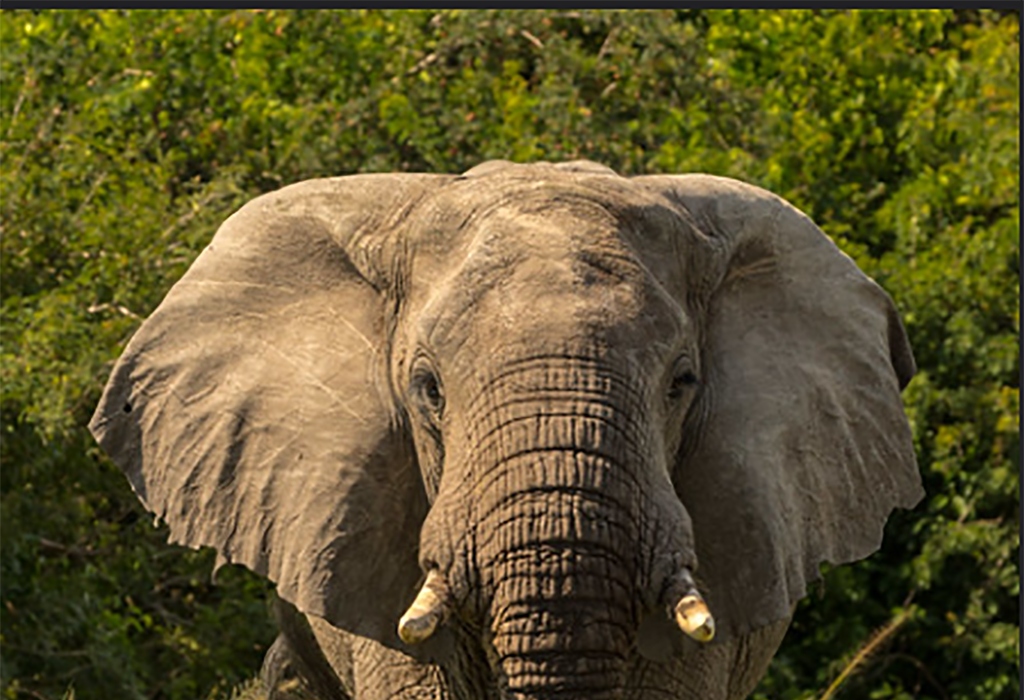
African elephants are among the largest and most impressive animals encountered during a Uganda Gorilla and Wildlife Safari. They can be observed in several protected areas, particularly Murchison Falls, Queen Elizabeth and Kidepo Valley national parks.
Elephants may be seen crossing open grassland, feeding in woodland, moving between water sources or gathering along riverbanks. Family groups are generally led by experienced adult females, while mature bulls may travel alone or associate temporarily with other males.
Queen Elizabeth National Park offers opportunities to observe elephants during game drives and Kazinga Channel boat cruises. From the boat, travellers may watch elephants approaching the channel to drink, bathe or feed near the shoreline.
Murchison Falls National Park also supports elephants across its savannah and riverine habitats. Animals may be encountered during northern-bank game drives or along the River Nile during boat excursions.
Travellers should never encourage a guide to approach elephants too closely. Elephants need sufficient space, particularly when calves are present or when an individual displays signs of discomfort. Responsible viewing protects visitors, guides and wildlife.
Lions
Lions are among the most sought-after predators on a Uganda Gorilla and Wildlife Safari. They occur in Queen Elizabeth, Murchison Falls and Kidepo Valley national parks, although sightings always depend on their location and activity.
Lions are most active during cooler periods, making early-morning and late-afternoon game drives productive times to search for them. During hotter hours, they may rest in grass, shade, thickets or other sheltered areas where they can be difficult to detect.
Queen Elizabeth National Park is associated with the tree-climbing lions of the Ishasha sector. These lions are sometimes observed resting on the branches of large fig trees. However, not every lion climbs during every visit, and tree-climbing sightings cannot be guaranteed.
The Kasenyi Plains in northern Queen Elizabeth National Park provide another important lion-viewing area. The presence of Uganda kobs and other prey species supports resident predators across the grassland ecosystem.
Travellers interested in lions, elephants, buffaloes, hippos and other savannah animals can examine available Queen Elizabeth wildlife safari packages when planning the wildlife portion of their journey.
Lions can also be encountered on the open savannahs of Murchison Falls and Kidepo Valley. Travellers should remain inside the safari vehicle unless they are in an area where an authorised ranger has specifically approved leaving it.
Leopards
Leopards are among the most elusive animals that travellers may encounter during a Uganda Gorilla and Wildlife Safari. They occur in several savannah parks, including Queen Elizabeth, Murchison Falls, Kidepo Valley and Lake Mburo.
These solitary cats are masters of concealment. Their spotted coats blend effectively with grass, woodland, shadows and rocky environments. Leopards may rest in trees, hide in dense vegetation or become active during the evening and night.
Early-morning game drives can provide opportunities to see a leopard returning from a night of hunting. Late-afternoon and authorised night drives may also be productive in parks where such activities are permitted.
An experienced driver-guide searches for tracks, alarm calls, unusual animal behaviour and other signs that may indicate a leopard’s presence. Even with excellent guiding, leopard sightings remain unpredictable.
Travellers should use binoculars and telephoto lenses instead of requesting that vehicles move too close. Allowing sufficient space helps the animal continue its natural behaviour and reduces pressure from several safari vehicles.
African Buffaloes
African buffaloes are widely distributed across Uganda’s major wildlife parks. They can be observed in Queen Elizabeth, Murchison Falls, Kidepo Valley, Lake Mburo and other protected landscapes.
Buffaloes may gather in large herds on open grasslands or around permanent water sources. Older males sometimes leave the main herd and form smaller bachelor groups or live alone. These solitary individuals are often seen near wetlands, woodland or muddy wallows.
The Kazinga Channel boat cruise provides opportunities to observe buffaloes feeding or resting close to the water. Herds may also be encountered during game drives across the Kasenyi Plains and Ishasha sector.
In Murchison Falls National Park, buffaloes can be seen in the northern savannah and along the Nile. Their dark bodies may be covered with mud, which helps protect the skin from insects and heat.
Buffaloes should be treated with considerable respect. Visitors must never approach them on foot without an authorised armed ranger, as their reactions can be difficult to predict.
White Rhinos
Rhinos complete the Big Five component of a Uganda Gorilla and Wildlife Safari. In Uganda, guided white-rhino tracking is conducted at Ziwa Rhino and Wildlife Ranch rather than inside one of the country’s national parks.
Ziwa lies along a commonly used road route between Kampala or Entebbe and Murchison Falls National Park. This makes it a practical stop for travellers undertaking a longer safari through northern and western Uganda.
Visitors track rhinos under the direction of trained sanctuary rangers. The activity involves approaching the animals on foot while maintaining a controlled distance and following strict instructions concerning movement, positioning, noise and photography.
Rhinos may be observed grazing, resting, walking or interacting with other individuals. Their behaviour should never be disturbed for a closer photograph. Participants must remain behind the ranger and move only when instructed.
Combining rhino tracking with Murchison Falls, Queen Elizabeth or Kidepo Valley creates an opportunity to seek all members of the Big Five during one Uganda Gorilla and Wildlife Safari. Lions, leopards, elephants and buffaloes are found in the national parks, while rhinos are tracked at Ziwa.
Visitors can study a wider Uganda wildlife safari planning guide before deciding how to incorporate rhino tracking into a multi-park itinerary.
Chimpanzees

Chimpanzees are one of the most valuable additions to a Uganda Gorilla and Wildlife Safari. Kibale National Park is Uganda’s best-known chimpanzee destination, although guided tracking is also conducted in selected forests elsewhere in the country.
Chimpanzee tracking differs considerably from gorilla trekking. Chimpanzees are highly active primates that can travel rapidly through the forest, climb high into the canopy and communicate through loud calls that carry over considerable distances.
During the trek, guides listen for vocalisations, examine feeding signs and follow information from trackers already working in the forest. Visitors may hear chimpanzees before seeing them.
Once a habituated community is located, participants may observe feeding, grooming, playing, climbing, resting and social interaction. The quality of the encounter depends on the chimpanzees’ position and movement. Some individuals may remain on the ground, while others stay high in the trees.
Kibale combines naturally with Queen Elizabeth National Park and Bwindi. This route allows travellers to experience chimpanzees, savannah wildlife and mountain gorillas during one well-paced Uganda Gorilla and Wildlife Safari.
Travellers can add guided wetland and community activities after chimpanzee trekking in Kibale National Park, subject to time, availability and the final itinerary.
Giraffes
Giraffes bring a distinctive character to Uganda’s open savannah landscapes. They are particularly associated with Murchison Falls, Kidepo Valley and Lake Mburo national parks.
Murchison Falls National Park is an important giraffe destination on Uganda’s northern safari circuit. Visitors may see individuals or groups feeding on acacia trees, walking across the grasslands or gathering near other herbivores.
Giraffes use their height and long tongues to browse vegetation beyond the reach of many other animals. They may appear calm, but they remain alert to predators and can move quickly when disturbed.
Lake Mburo National Park offers another opportunity to encounter giraffes. Their presence complements sightings of zebras, impalas, elands, buffaloes, warthogs and other species associated with the park.
Photographers should allow enough space around the animal in the frame to show its height and surrounding habitat. Early and late daylight can create attractive images of giraffes crossing open savannah.
Zebras
Zebras are not distributed throughout every Ugandan national park, making the choice of destination important for travellers hoping to see them. Lake Mburo and Kidepo Valley national parks are the principal locations included in most Uganda Gorilla and Wildlife Safari routes.
Lake Mburo is especially convenient because it lies along the road between Entebbe or Kampala and southwestern Uganda. It can be included before or after gorilla trekking in Bwindi or Mgahinga.
Zebras may be seen grazing with impalas, elands, topis and other herbivores. Their group behaviour helps individuals remain alert to predators and other possible threats.
Visitors can observe zebras during game drives, guided walking safaris and other authorised activities in Lake Mburo. Seeing them on foot under the supervision of a ranger provides a different perspective from vehicle-based wildlife viewing.
Kidepo Valley National Park also supports zebras within a much more remote wilderness setting. Including Kidepo requires additional travel days or domestic flight arrangements because it lies far from the western gorilla circuit.
Hippos
Hippos are commonly encountered in the waterways of Queen Elizabeth and Murchison Falls national parks. They spend much of the daytime in water, which helps protect their skin from excessive heat and direct sunlight.
The Kazinga Channel is one of the leading locations for observing hippos during a Uganda Gorilla and Wildlife Safari. Boat cruises pass through sections of the channel where pods may be seen resting, surfacing, vocalising and interacting.
Hippos may also be encountered along the River Nile in Murchison Falls National Park and in Lake Mburo. They leave the water mainly during cooler hours to graze on land.
Despite their heavy appearance, hippos can move quickly and can be dangerous when approached carelessly. Visitors should never stand between a hippo and the water or walk near known feeding routes without an authorised guide.
Boat operators maintain a safe distance and navigate according to animal positions and water conditions. Travellers must follow crew instructions and avoid sudden movements that could interfere with safe navigation.
Nile Crocodiles
Nile crocodiles are important predators within Uganda’s river and lake ecosystems. They can be observed during boat safaris on the River Nile, Kazinga Channel and other suitable waterways.
Crocodiles may rest on exposed banks to regulate their body temperature or remain almost completely submerged near the shoreline. Their position, colour and stillness can make them difficult to detect without help from an experienced guide.
Murchison Falls National Park offers notable opportunities to observe crocodiles during a boat cruise toward the base of the falls or through the Nile Delta. The river also supports hippos, waterbirds and mammals visiting the banks.
A detailed Murchison Falls National Park wildlife guide explains the principal animals and river-based experiences visitors may encounter in this part of Uganda.
Crocodiles should always be viewed from a secure boat, vehicle or authorised observation area. Visitors should never approach the water’s edge alone in habitats where crocodiles or hippos may be present.
Hyenas

Spotted hyenas occur in several of Uganda’s savannah parks, including Queen Elizabeth, Murchison Falls and Kidepo Valley. They are intelligent social predators and scavengers that play an important role in maintaining ecosystem health.
Hyenas are often active at night, although they may also be seen during early-morning or late-afternoon game drives. Visitors may encounter an individual moving across the plains, a group resting near a den or animals feeding on a carcass.
The characteristic calls of spotted hyenas can sometimes be heard from safari lodges after dark. Their vocalisations help members of a clan communicate across considerable distances.
Although hyenas are frequently portrayed only as scavengers, they are capable hunters. They pursue a variety of prey and can work cooperatively within organised social groups.
Night drives may improve the possibility of encountering hyenas where this activity is officially permitted. All night wildlife viewing must be undertaken with an authorised guide and in accordance with park regulations.
Antelopes
A Uganda Gorilla and Wildlife Safari introduces visitors to many antelope species occupying different habitats. Commonly observed examples include Uganda kobs, impalas, waterbucks, bushbucks, topis, hartebeests, elands, oribis and reedbucks.
The Uganda kob is particularly associated with the open plains of Queen Elizabeth and Murchison Falls national parks. Large concentrations may attract lions and other predators, making kob-dominated grasslands productive areas for game drives.
Impalas are strongly associated with Lake Mburo National Park. The park also supports elands, which are the largest antelopes, as well as topis and other grazing species.
Waterbucks are frequently found near wetlands, rivers and lakes. Bushbucks favour denser vegetation and may be seen near forest edges, lodge grounds or riverine woodland.
Jackson’s hartebeests are characteristic animals of Uganda’s northern savannahs and may be observed in Murchison Falls and Kidepo Valley. Oribis can also be seen in suitable grassland habitats.
Learning to distinguish antelopes by body size, horn shape, markings, habitat and behaviour adds depth to a wildlife safari. A knowledgeable guide can explain how different species feed, avoid predators and adapt to their environments.
Monkeys and Other Primates
Uganda’s primate diversity extends beyond mountain gorillas and chimpanzees. Depending on the parks and forests visited, travellers may encounter black-and-white colobus monkeys, red-tailed monkeys, blue monkeys, vervet monkeys, olive baboons and L’Hoest’s monkeys.
Kibale National Park is particularly important for primate diversity. Several species occupy different levels of the forest, from the ground and lower vegetation to the upper canopy.
Black-and-white colobus monkeys are recognisable by their contrasting coats and long white-fringed tails. Red-tailed monkeys are smaller and more active, while olive baboons are commonly encountered on roadsides and in open habitats near several national parks.
Vervet monkeys may be seen around woodland, savannah and lodge environments. Visitors should never feed them, as feeding changes natural behaviour and can create conflict between wildlife and people.
Golden monkeys provide another specialised primate experience in Mgahinga Gorilla National Park. They inhabit the Virunga region’s bamboo forests and can be tracked under the supervision of authorised guides.
Travellers comparing the country’s broader wildlife experiences can read why Uganda wildlife safaris extend beyond gorilla trekking.
Birdlife
Birdlife is a major part of every Uganda Gorilla and Wildlife Safari, even when travellers are not specialist birdwatchers. Uganda’s forests, wetlands, lakes, rivers, savannahs and highlands create habitats for an exceptional variety of resident and migratory species.
The shoebill is one of the country’s most sought-after birds. It inhabits papyrus wetlands and can be searched for in areas such as Mabamba, the Nile Delta and selected wetland environments. Sightings are never guaranteed.
Other notable birds may include grey crowned cranes, African fish eagles, great blue turacos, saddle-billed storks, African jacanas, kingfishers, bee-eaters, hornbills, sunbirds, vultures and numerous raptors.
Queen Elizabeth National Park is especially valuable for birdwatching because it combines savannah, wetlands, forests, crater lakes and the Kazinga Channel. Visitors can explore more information about birding in Queen Elizabeth National Park when developing a bird-focused extension.
Bwindi and Kibale offer forest birding, while Murchison Falls provides waterbirds, savannah species and opportunities to search for the shoebill. Lake Mburo supports woodland, wetland and grassland birds, whereas Kidepo Valley adds species associated with Uganda’s drier northeastern landscapes.
Specialist birdwatchers should allow additional time in each destination and travel with a guide experienced in visual and vocal identification. General safari travellers can still observe many memorable species during gorilla treks, game drives, boat cruises and lodge stays.
Warthogs and Other Savannah Mammals

Warthogs are frequently encountered in Uganda’s savannah parks. They feed on grass and low vegetation and are often seen kneeling on their front legs while grazing.
When disturbed, warthogs may run with their tails raised upright. They use burrows for shelter and protection, sometimes occupying holes originally excavated by other animals.
Other mammals that may appear during a Uganda Gorilla and Wildlife Safari include bush pigs, giant forest hogs, mongooses, jackals, servals, civets and genets. Many smaller predators are nocturnal and are therefore less frequently observed during standard daytime game drives.
Authorised night drives can reveal species that remain hidden during daylight, particularly in Lake Mburo and other parks where night activities are officially offered. Sightings depend on luck, habitat and prevailing conditions.
Travellers should not overlook smaller mammals while concentrating on gorillas and the Big Five. Their feeding habits, predator relationships and ecological roles form an important part of Uganda’s natural ecosystems.
Where to Find Uganda’s Major Wildlife
Bwindi Impenetrable National Park and Mgahinga Gorilla National Park are the primary destinations for mountain gorillas. Mgahinga also offers golden monkey tracking, while Bwindi provides several gorilla trekking sectors and extensive montane forest.
Kibale National Park is the principal destination for chimpanzee tracking and diverse forest primates. Queen Elizabeth National Park is appropriate for lions, elephants, buffaloes, hippos, crocodiles, antelopes and extensive birdlife.
Murchison Falls National Park offers giraffes, elephants, buffaloes, lions, leopards, hippos, crocodiles, antelopes and river-dependent birds. Ziwa Rhino and Wildlife Ranch is added for guided white-rhino tracking.
Lake Mburo National Park is particularly suitable for zebras, impalas, elands, giraffes, buffaloes and walking safaris. Kidepo Valley National Park provides remote wilderness, lions, elephants, buffaloes, giraffes, zebras and species associated with Uganda’s northeastern savannah.
A broad itinerary such as a nine-day Uganda gorilla and wildlife safari illustrates how primates, savannah mammals and scenic destinations can be connected within one journey.
Wildlife Safari Experiences During a Uganda Gorilla and Wildlife Safari
A Uganda Gorilla and Wildlife Safari offers far more than observing animals from a safari vehicle. Uganda’s national parks, forests, wetlands, lakes and rivers support game drives, boat safaris, guided walking experiences, night drives, birdwatching, nature walks and community encounters. Combining several activities creates a more complete safari because each experience reveals wildlife from a different perspective.
Game drives are the principal way to search for large savannah mammals, while boat safaris provide close views of animals and birds around rivers, lakes and channels. Walking safaris introduce travellers to animal tracks, plants and smaller ecological details that are easily missed from a vehicle. Night drives focus on nocturnal wildlife, while birding and nature walks add depth to both forest and savannah itineraries.
The activities included in a Uganda Gorilla and Wildlife Safari should be selected according to the parks visited, the traveller’s interests, physical ability, available time and current park regulations. Travellers can review the main options for wildlife viewing and boat safaris when deciding how to combine Uganda’s land-based and water-based experiences.
Game Drives

Game drives are among the most important wildlife experiences during a Uganda Gorilla and Wildlife Safari. They involve exploring established tracks through protected savannahs and woodlands in a safari vehicle accompanied by a professional driver-guide. Uganda’s principal game-drive destinations include Queen Elizabeth, Murchison Falls, Kidepo Valley and Lake Mburo national parks.
Early-morning game drives usually begin around sunrise, when temperatures are cooler and many animals are more active. Predators may still be moving after hunting during the night, while herbivores begin feeding across the grasslands. Morning light also provides favourable conditions for wildlife photography.
Afternoon and evening game drives normally begin after the hottest part of the day. As temperatures fall, animals may emerge from shade, move toward water sources or begin feeding. The softer evening light can produce attractive photographs of wildlife and savannah landscapes.
A typical drive progresses slowly because guides must observe the landscape, examine tracks, listen for alarm calls and watch the behaviour of prey animals. Speeding through a park reduces wildlife-viewing opportunities and can disturb animals. Travellers can prepare for the experience by reading how to plan a guided Uganda game drive.
Queen Elizabeth National Park offers game drives through the Kasenyi Plains and the Ishasha sector. Visitors may search for lions, elephants, buffaloes, leopards, Uganda kobs, waterbucks, warthogs and hyenas. Ishasha is associated with tree-climbing lions, although sightings and climbing behaviour cannot be guaranteed.
Murchison Falls National Park provides expansive game-drive circuits across its northern savannah. Wildlife may include giraffes, elephants, buffaloes, lions, leopards, hartebeests, Uganda kobs, oribis and warthogs. Kidepo Valley offers a remote wilderness setting, while Lake Mburo is particularly suitable for zebras, impalas, elands, giraffes and buffaloes.
A game drive normally lasts several hours, depending on the park, road conditions and planned route. Travellers should carry drinking water, binoculars, sun protection, a camera and a light jacket for cool morning departures. Remaining patient and allowing wildlife encounters to develop naturally often produces better experiences than attempting to see as many animals as possible within a short period.
Boat Safaris and Launch Cruises
Boat safaris are an essential part of many Uganda Gorilla and Wildlife Safari itineraries. They allow visitors to observe animals around rivers, channels and lakes without relying entirely on road access. Uganda’s leading boat experiences include the Kazinga Channel in Queen Elizabeth National Park, the River Nile in Murchison Falls National Park and Lake Mburo.
The Kazinga Channel connects Lake George and Lake Edward and supports large concentrations of aquatic wildlife. During a cruise, travellers may see hippos, Nile crocodiles, buffaloes, elephants, waterbucks and numerous waterbirds along the banks. The stable viewing platform also creates valuable photography opportunities.
A Kazinga Channel boat cruise complements game drives because it reveals animals that may be difficult to approach by road. Mammals often gather near the water to drink, feed, cool down or rest, particularly during dry conditions.
In Murchison Falls National Park, boat journeys operate along the River Nile. A cruise toward the base of the falls provides views of hippos, crocodiles, waterbirds and mammals visiting the riverbanks. Visitors can also observe the powerful landscape created as the Nile passes through the Murchison Falls gorge.
Some itineraries include a Nile Delta excursion, particularly for travellers interested in searching for the shoebill. Bird sightings depend on natural movement, season, habitat conditions and luck, so they cannot be guaranteed.
Lake Mburo boat trips provide opportunities to observe hippos, crocodiles and wetland birds. Animals may also appear along the shoreline. The boat experience can be combined with game drives and guided walking safaris to create a varied programme within the park.
Travellers should remain seated when instructed, avoid sudden movements and follow all safety guidance provided by the boat crew. Life jackets and other required safety equipment should be used according to the operator’s instructions. More information about Uganda’s main aquatic experiences is available through this guide to boat trips and river cruises.
Guided Walking Safaris
A walking safari provides a more intimate way to experience Uganda’s natural environment. Instead of observing everything from a vehicle, travellers move through an authorised wildlife area on foot under the supervision of a trained guide or armed ranger.
Lake Mburo National Park is one of Uganda’s best-known destinations for guided walking safaris. Depending on the route and animal movements, participants may encounter zebras, impalas, giraffes, elands, buffaloes, warthogs and smaller wildlife from a controlled distance.
The purpose of a walking safari is not simply to approach large animals. Guides also interpret footprints, feeding signs, dung, insects, plants, bird calls and animal behaviour. These details explain how the ecosystem functions and reveal signs that travellers may overlook during a vehicle-based game drive.
Walking safaris require strict obedience to the guide’s instructions. Participants should remain together, avoid loud conversation, never run and maintain the recommended distance from wildlife. Animals must always have an open escape route and should never be surrounded or approached aggressively.
Comfortable closed walking shoes, neutral-coloured clothing, sun protection and sufficient drinking water are important. Travellers should disclose mobility limitations or relevant medical concerns before the activity so that an appropriate route can be selected.
A guided walking experience can be incorporated into a Lake Mburo walking and wildlife safari. Combining a walk, game drive and boat excursion gives visitors three different perspectives on the same protected ecosystem.
Night Game Drives
Night game drives introduce travellers to wildlife that is active after sunset. These drives are offered only in authorised locations and must follow current park regulations. They normally involve a qualified guide, an approved vehicle and a spotlight used to locate animals without leaving the established tracks.
Nocturnal animals may include leopards, hyenas, genets, civets, servals, bush babies, porcupines and other species that are difficult to observe during daylight. Lions and hippos may also become more active during cooler evening conditions.
Night drives differ from daytime game viewing because visibility is limited and the surrounding landscape is experienced through sound as well as sight. Travellers may hear hyenas calling, hippos grazing, insects, frogs and the movement of animals in nearby vegetation.
Spotlights should be used responsibly. Guides avoid shining bright light continuously into an animal’s eyes or disturbing sensitive species. Flash photography may also be restricted, depending on the animal and the instructions given by the guide.
Visitors interested in nocturnal wildlife can examine information about Queen Elizabeth night game drives. Availability, timing, fees and operating areas should be reconfirmed when the safari is booked because park procedures can change.
Warm clothing can be useful because temperatures may fall after sunset. Travellers should also avoid leaving the vehicle unless an authorised guide confirms that it is safe and permitted.
Nature Walks
Nature walks can be included in forest, wetland, lakeside and community areas during a Uganda Gorilla and Wildlife Safari. They differ from traditional savannah walking safaris because their focus may include vegetation, birds, butterflies, primates, waterfalls, local landscapes and ecological interpretation rather than large mammals.
Bwindi Impenetrable National Park offers guided forest walks that can complement gorilla trekking. Depending on the selected trail, visitors may pass through dense forest, cross streams, visit waterfalls and observe birds, monkeys and plant life.
Kibale National Park and the surrounding area provide forest and wetland walks that can be combined with chimpanzee tracking. Bigodi Wetland Sanctuary is frequently added for community-guided nature experiences involving birds, monkeys, vegetation and local livelihoods.
Mgahinga Gorilla National Park offers forest activities within a volcanic landscape. Nature-based experiences may be combined with gorilla trekking, golden monkey tracking or more demanding volcano hikes, depending on the traveller’s interests and fitness.
Lake Bunyonyi and Lake Mutanda can provide relaxed lakeside and community walks after gorilla trekking. These experiences allow travellers to recover from the forest trek while learning about farming, settlement patterns and daily life in southwestern Uganda.
Nature walks should be conducted with an authorised guide, especially inside protected forests and wildlife areas. Trails may be wet, steep or slippery, so suitable footwear and rain protection are important even during generally dry travel periods.
Birdwatching Experiences
Birdwatching can be incorporated into every stage of a Uganda Gorilla and Wildlife Safari. Uganda’s forests, wetlands, savannahs, lakes, rivers and highlands support an exceptional range of habitats, making the country suitable for specialist birders and general wildlife travellers.
Birding begins around Entebbe, where wetlands and botanical environments can introduce visitors to waterbirds and woodland species. Mabamba Wetland is widely visited by travellers searching for the shoebill, although sightings remain natural and cannot be guaranteed.
Bwindi Impenetrable National Park is important for forest birding and Albertine Rift species. Birdwatching can be arranged before or after gorilla trekking, but specialist visitors should allocate an additional day because a gorilla trek alone does not provide enough time for concentrated bird identification.
Kibale National Park and Bigodi Wetland offer forest-edge and wetland birding. Queen Elizabeth National Park adds savannah, channel, crater and woodland habitats, while Murchison Falls combines Nile birds with open-country species.
Travellers can review notable birds to spot in Uganda before preparing a priority list. Possible sightings include the shoebill, grey-crowned crane, African fish eagle, great blue turaco, African green broadbill, kingfishers, bee-eaters, hornbills, sunbirds and numerous raptors.
Specialist birding requires a guide with strong visual and vocal identification skills. Early starts are often important because bird activity can be highest during the cooler morning hours. Binoculars, a field guide, weather protection and a camera with a suitable lens can improve the experience.
Primate Tracking Experiences

Although gorilla trekking is the central primate experience, a Uganda Gorilla and Wildlife Safari can include chimpanzees, golden monkeys and several other monkey species. Each activity offers a different forest environment and pattern of animal behaviour.
Chimpanzee tracking is principally associated with Kibale National Park. Chimpanzees are more mobile and vocal than mountain gorillas and may travel rapidly through the canopy or across the forest floor. Trackers use calls, feeding signs and recent movements to help locate a habituated community.
Golden monkey tracking is available in Mgahinga Gorilla National Park. These colourful and active primates inhabit bamboo-dominated areas of the Virunga Mountains. Their movement can make photography challenging, but the activity pairs naturally with gorilla trekking in Mgahinga.
Other primates that may be encountered during forest walks and game drives include black-and-white colobus monkeys, red-tailed monkeys, blue monkeys, vervet monkeys, olive baboons and L’Hoest’s monkeys.
Primate tracking activities are regulated, and participants must follow instructions about distance, health, noise, food and photography. Visitors who are ill should disclose their condition because human respiratory infections can threaten habituated great apes.
Wildlife Photography
Photography is an important part of a Uganda Gorilla and Wildlife Safari, but it should never interfere with animal welfare or visitor safety. Different activities require different equipment and techniques.
Game drives favour telephoto lenses because wildlife may be positioned far from the road. Boat safaris can provide lower viewing angles and reflections, while forest photography requires higher camera sensitivity because vegetation and cloud cover reduce available light.
Flash photography is prohibited during gorilla trekking. Travellers should understand their camera settings before entering the forest and avoid spending the entire regulated viewing period adjusting unfamiliar equipment.
Beanbags can stabilise long lenses on vehicle windows or roof openings, while lens cloths protect equipment from dust and moisture. Waterproof covers are useful in Bwindi, Mgahinga and Kibale because rain can occur throughout the year.
Photographers should never pressure guides to drive off authorised tracks, crowd an animal or block its path. Ethical photography records natural behaviour without causing distress. Respectful positioning also gives other visitors an opportunity to enjoy the sighting.
Community and Cultural Experiences

Community experiences help travellers understand the people and livelihoods connected to Uganda’s protected landscapes. When organised responsibly, these activities can complement gorilla trekking and wildlife viewing while generating local income.
Experiences may involve guided village walks, traditional music and dance, craft demonstrations, coffee processing, food preparation, farming activities and discussions about conservation. The exact programme varies between communities and destinations.
Around Bwindi and Mgahinga, community visits may explain how residents live near mountain-gorilla habitats and how tourism influences employment, conservation and land use. Around Kibale, wetland and village activities can introduce travellers to agriculture, medicinal plants, local food and community conservation initiatives.
Visitors should ask permission before photographing individuals, respect cultural expectations and avoid treating communities as staged attractions. Payments should follow the agreed arrangement, and souvenirs should be purchased without aggressive bargaining that removes fair value from local work.
Community tourism is most valuable when local residents control the interpretation of their culture and receive direct benefits. A well-managed experience should create meaningful interaction rather than a brief performance designed only for photographs.
Combining Wildlife Activities in One Itinerary
The strongest Uganda Gorilla and Wildlife Safari itineraries combine activities without making each day exhausting. Gorilla trekking is physically demanding and should not always be followed immediately by a long transfer or another strenuous walk.
A balanced journey might include an early game drive and afternoon boat safari in Queen Elizabeth National Park, followed by a transfer to Bwindi and gorilla trekking the next day. Lake Mburo can add a walking safari near the beginning or end of the trip, while Kibale introduces chimpanzee tracking and wetland birding.
Longer itineraries can include Murchison Falls for game drives and a Nile cruise, Ziwa for rhino tracking, Kibale for chimpanzees, Queen Elizabeth for savannah wildlife, Bwindi for gorillas and Lake Mburo for walking activities.
An itinerary such as this Uganda gorilla safari and game-drive tour demonstrates how primate tracking, road transfers and wildlife activities can be connected across several destinations.
The final programme should allow enough time for rest, meals, road travel and unexpected delays. Selecting fewer parks and experiencing them properly often creates a more rewarding safari than rushing through many destinations.
Choosing the Best Wildlife Experiences
Travellers primarily interested in large mammals should prioritise game drives in Murchison Falls, Queen Elizabeth or Kidepo Valley. Those who enjoy aquatic wildlife and photography should include the Kazinga Channel or River Nile boat cruise.
Active travellers may prefer a guided walk in Lake Mburo, while visitors interested in nocturnal wildlife can add an authorised night drive. Birdwatchers should allocate separate birding time rather than relying only on species encountered during general game drives.
Families, senior travellers and visitors with limited mobility should discuss walking distance, vehicle access, boat boarding and terrain before booking. Most Uganda Gorilla and Wildlife Safari activities can be adapted, but suitability depends on the individual traveller and the operating conditions at each destination.
A successful Uganda Gorilla and Wildlife Safari combines complementary experiences that match the traveller’s interests. Game drives reveal savannah mammals, boat safaris explore aquatic habitats, walking activities interpret the ecosystem at ground level, and primate tracking introduces Uganda’s remarkable forests. Together, these experiences create a diverse and memorable wildlife journey.
Best Uganda Gorilla and Wildlife Safari Itineraries
The best Uganda Gorilla and Wildlife Safari itinerary should combine mountain gorilla trekking with carefully selected wildlife, primate, boat and cultural experiences without making the journey unnecessarily rushed. Uganda’s leading safari destinations are spread across different regions, so the number of available travel days has a major influence on which parks can be combined comfortably.
Short Uganda Gorilla and Wildlife Safari itineraries generally concentrate on Bwindi Impenetrable National Park and Queen Elizabeth National Park. Longer tours can include Kibale National Park, Lake Mburo National Park, Murchison Falls National Park, Ziwa Rhino and Wildlife Ranch, Kidepo Valley National Park and selected cultural or scenic destinations.
The following itineraries are planning frameworks rather than fixed programmes. The actual route should be adjusted according to gorilla permit availability, the confirmed trekking sector, accommodation availability, arrival and departure times, road conditions, traveller fitness and preferred safari style. Driving times are approximate and can change because of traffic, weather, roadworks and border procedures.
3-Day Uganda Gorilla Safari
A three-day itinerary is the shortest practical option for travellers whose main priority is mountain gorilla trekking. It is best described as a compact gorilla tour rather than a complete multi-park wildlife circuit because there is limited time for extensive game viewing.
When starting from Kigali, the first day normally involves collection from the traveller’s hotel or Kigali International Airport, followed by a road transfer to Bwindi Impenetrable National Park or Mgahinga Gorilla National Park. The journey passes through Rwanda’s highlands before reaching the Uganda border and continuing toward the confirmed trekking sector.
The second day is reserved for gorilla trekking. Visitors report to the appropriate park headquarters for registration and a briefing before being allocated to a habituated gorilla family. The forest trek can take several hours, depending on the gorillas’ location, terrain and weather. Once the family is found, standard permit holders normally receive a regulated observation period of up to one hour.
The third day involves returning to Kigali. Depending on the departure time and final route, a short Kigali activity may be possible, but travellers should not schedule an international flight too close to the expected arrival time because border crossings and road journeys can be delayed.
A three-day tour from Entebbe is possible, but it normally involves two long road-transfer days or domestic flights to Kihihi or Kisoro. Travellers can examine this three-day Uganda gorilla trekking itinerary when comparing road-based arrangements and accommodation categories.
This itinerary is suitable for travellers with very limited time, visitors already staying in Rwanda, business travellers adding a gorilla trek to another trip and tourists who have previously completed a conventional African wildlife safari. It is less appropriate for travellers seeking chimpanzees, several game drives, boat safaris and a relaxed pace.
4-Day Uganda Gorilla and Wildlife Safari
A four-day Uganda Gorilla and Wildlife Safari can combine gorilla trekking with a short visit to Queen Elizabeth National Park. The itinerary is fast-paced, but it introduces travellers to both Uganda’s rainforest and savannah environments.
On the first day, travellers can begin in Kigali and transfer to Bwindi. Those starting in Entebbe should prepare for a long road journey or arrange a domestic flight to southwestern Uganda. Accommodation must be booked near the sector indicated on the confirmed gorilla permit.
The second day is dedicated to gorilla trekking. After the forest encounter, travellers return to their lodge for rest. Adding a long transfer immediately after the trek is generally undesirable because the activity can be physically demanding and its finishing time is unpredictable.
On the third day, the journey continues to Queen Elizabeth National Park, often through the Ishasha sector when the starting point and road conditions make that route practical. Travellers may search for elephants, buffaloes, Uganda kobs and the area’s famous tree-climbing lions, although all sightings remain natural and cannot be guaranteed.
The fourth day can include an early game drive before the return journey. Alternatively, the programme may feature a Kazinga Channel boat cruise if the departure arrangements allow sufficient time. Travellers ending in Kigali normally return through southwestern Uganda, while those continuing to Entebbe require a longer transfer.
Uganda Gorilla and Wildlife Safari Cost
The cost of a Uganda Gorilla and Wildlife Safari depends on the number of travel days, gorilla permit category, destinations visited, group size, accommodation standard, transport method, season and activities included. A short road-based journey combining Bwindi Impenetrable National Park with Queen Elizabeth National Park costs considerably less than a longer itinerary covering Murchison Falls, Kibale, Queen Elizabeth, Bwindi and Lake Mburo national parks.
The gorilla permit is normally the largest fixed individual expense. However, it is not the complete safari price. Travellers must also budget for accommodation, meals, a safari vehicle, fuel, a professional driver-guide, national park entrance fees, activity charges, airport transfers and administrative arrangements.
Travellers researching the overall Uganda gorilla trekking cost should compare quotations based on identical services. A lower headline price may exclude permits, park fees, meals, airport transfers or essential wildlife activities. Every quotation should therefore state clearly what is included and excluded.
There is no single fixed Uganda Gorilla and Wildlife Safari cost that applies to every traveller. A personalised quotation is more reliable than a generic price because transport and guiding expenses are divided among the number of people sharing the vehicle. Solo travellers usually pay more per person, while couples, families and small private groups can share major operational expenses.
Uganda Gorilla Permit Cost
A gorilla trekking permit is mandatory for every visitor participating in a standard mountain gorilla trek in Bwindi Impenetrable National Park or Mgahinga Gorilla National Park. The permit is issued through the Uganda Wildlife Authority and is valid only for the confirmed visitor, trekking date, and location.
For standard gorilla trekking in 2026, foreign non-residents pay USD 800 per person. Eligible foreign residents pay USD 700 per person, citizens from the rest of Africa pay USD 500 per person, and East African Community citizens pay UGX 300,000 per person. Eligibility for a discounted residency or citizenship category must be supported by the documentation required by the Uganda Wildlife Authority.
The standard permit authorises one regulated visit to a habituated mountain gorilla family. Once the gorillas have been located, participants are normally allowed to spend up to one hour observing them, subject to ranger instructions, animal welfare considerations and prevailing conditions.
The permit generally covers the organised gorilla trekking activity, park access associated with that activity and the services of Uganda Wildlife Authority rangers, trackers and guides. It does not cover accommodation, transport to the park, meals, personal porters, gratuities or travel insurance.
Travellers can review the current Uganda gorilla permit prices before committing to a travel date. Permit rates and conditions can be changed by the responsible authority, so the applicable amount should always be reconfirmed before payment.
Gorilla permits have limited daily availability. During popular travel periods, permits can sell out several months in advance. The trekking permit should therefore be secured before non-refundable accommodation, international flights or complicated onward travel arrangements are confirmed.
Discounted Low-Season Gorilla Permits
The Uganda Wildlife Authority introduced discounted standard gorilla permits for selected low-season travel months in 2026. Under the published offer, foreign non-residents pay USD 600 per person, and eligible foreign residents pay USD 500 per person for trekking in April, May and November 2026.
These reduced rates can lower the Uganda Gorilla and Wildlife Safari cost significantly, particularly for couples and groups. Two foreign non-resident travellers using the low-season offer can save USD 400 collectively compared with two standard USD 800 permits.
Discounted permits are subject to specific booking conditions. The published low-season permits cannot be rescheduled, making them more restrictive than a normal booking. Travellers should choose this option only when their dates, international flights and safari arrangements are firm.
Lower permit prices do not mean poor wildlife experiences. Gorilla trekking operates throughout the year, and the gorillas remain in their natural habitat during both wet and dry periods. However, April, May and November can bring heavier or more frequent rainfall, muddy trails and slower road journeys.
Travellers considering these months should examine the conditions attached to discounted gorilla trekking permits before booking. Rain protection, waterproof hiking footwear and flexible expectations are particularly important during wetter travel periods.
Gorilla Habituation Experience Cost
The Gorilla Habituation Experience is different from standard gorilla trekking. It allows a limited number of visitors to accompany researchers, trackers, and rangers as they observe a mountain gorilla family undergoing habituation.
For travel during 2026, the foreign non-resident Gorilla Habituation Experience permit costs USD 1,500 per person. Foreign residents and citizens from the rest of Africa pay USD 1,000 per person, while East African Community citizens pay UGX 750,000 per person under the published 2026 structure.
From January 1, 2027, the published foreign non-resident habituation permit price is scheduled to increase to USD 1,800 per person, while the foreign-resident rate is scheduled to increase to USD 1,600. Travellers must use the tariff applying to the actual trekking date rather than the date on which the initial inquiry is submitted.
The habituation permit allows up to four official hours with the designated gorilla family after it has been located. The activity is principally associated with southern Bwindi and has much more limited availability than standard gorilla trekking.
The additional permit cost may be worthwhile for photographers, primate enthusiasts and travellers seeking a longer research-oriented encounter. It may not be necessary for visitors who are satisfied with the standard one-hour gorilla experience or who prefer to allocate the difference to accommodation, chimpanzee tracking or additional wildlife parks.
Accommodation Cost
Accommodation is one of the most variable components of a Uganda Gorilla and Wildlife Safari cost. Uganda offers simple guesthouses, budget safari lodges, comfortable midrange properties, upper-midrange camps and exclusive luxury lodges.
Budget accommodation normally provides a private or shared room, basic furnishings, essential bathroom facilities and straightforward meals. Prices vary considerably by destination, room type, meal plan and travel season. Properties near popular gorilla trekking trailheads may cost more than similar accommodation in towns farther from the park.
Midrange accommodation generally provides en-suite rooms, reliable hot water, comfortable bedding, restaurant service and attractive views or natural surroundings. It is the most commonly selected category for travellers who want dependable comfort without the cost of premium luxury properties.
Luxury accommodation may offer larger rooms, highly personalised service, premium meals, private decks, spa treatments, fireplaces, exceptional forest or savannah locations and additional lodge experiences. Some high-end properties also charge for their exclusivity, limited room numbers and proximity to a gorilla trekking trailhead.
Travellers can compare the implications of choosing luxury safari accommodation before deciding whether the additional expense improves the aspects of the journey that matter most to them.
Accommodation prices must be compared using the same meal plan. A lodge offering full board may initially appear more expensive than a bed-and-breakfast property, but it can provide better value in remote areas where alternative restaurants are unavailable.
The confirmed gorilla trekking sector should determine the lodge location. Booking a cheaper property in the wrong sector may create a very early departure, a difficult mountain transfer or the risk of arriving late for the compulsory trekking briefing.
Safari Transport Cost
Transport is a major part of the Uganda Gorilla and Wildlife Safari cost because Uganda’s national parks are distributed across a large area. A complete western and northern circuit can involve substantial distances between Entebbe, Murchison Falls, Kibale, Queen Elizabeth, Bwindi and Lake Mburo.
A private road safari normally includes a suitable vehicle, fuel and an experienced driver-guide. The transport price depends on the type of vehicle, number of days, total distance, road conditions and whether the itinerary begins and ends in the same country.
Four-wheel-drive safari vehicles are generally preferred for multi-park itineraries because some park tracks and rural roads can become rough or muddy. Vehicle features may include comfortable seats, charging facilities, luggage storage, opening windows and a roof that can be raised for game viewing.
Transport expenses are normally shared by the travellers using the vehicle. A solo traveller pays the full operational cost alone, while two or more travellers divide it. This is why the per-person cost usually decreases as the group grows, provided the selected vehicle can accommodate everyone comfortably.
A longer itinerary does not increase only accommodation expenses. It also requires additional fuel, driver-guide time, vehicle use and maintenance. Travellers should therefore examine the complete gorilla safari cost per person rather than focusing exclusively on the permit.
Domestic Flight Cost
Domestic flights can reduce long road transfers between Entebbe and Uganda’s remote safari destinations. Scheduled flights may connect Entebbe with airstrips serving the Bwindi, Queen Elizabeth, Murchison Falls, Kidepo and Kibale regions, depending on the current airline schedule and minimum passenger requirements.
A flying Uganda Gorilla and Wildlife Safari costs more than a completely road-based itinerary because the price must include air tickets, airport or airstrip transfers and ground transport within each destination. A vehicle and guide are still required for game drives and transfers between the lodge and airstrip.
Flying is most valuable when travellers have limited time, want to avoid an eight-to-ten-hour road transfer or prefer a luxury safari style. It can also reduce fatigue for senior travellers and visitors who find long drives uncomfortable.
Travellers must check baggage limits before booking. Domestic safari aircraft normally have stricter luggage restrictions than international airlines, and soft-sided bags may be required. Excess luggage may have to be stored, transported separately or charged at an additional rate.
Road and air arrangements can be combined. For example, travellers may fly from Entebbe to an airstrip near Bwindi, complete gorilla trekking, drive through Queen Elizabeth National Park and later fly back from another airstrip. This approach reduces travel time while retaining scenic road sections and wildlife activities.
National Park Entrance Fees
A Uganda Gorilla and Wildlife Safari visiting savannah parks must include the applicable national park entrance fees. These charges are separate from most accommodation and transport costs and are normally calculated according to visitor category and the number of days spent inside each protected area.
Park entrance fees apply in destinations such as Queen Elizabeth, Murchison Falls, Lake Mburo and Kidepo Valley national parks. Separate vehicle entrance charges may also apply, depending on the vehicle category and current Uganda Wildlife Authority tariff.
Some specialised permits include park access directly associated with the activity, while other activities require both an entrance fee and an activity fee. Chimpanzee tracking, boat cruises, guided walks, night drives and experiential wildlife activities must therefore be checked individually.
A transparent safari quotation should identify whether national park entrance fees and vehicle charges are included. Travellers should not assume that an advertised package price covers them unless this is stated in writing.
Chimpanzee Tracking Permit Cost
Chimpanzee tracking is a popular addition to a Uganda Gorilla and Wildlife Safari. Kibale National Park is the country’s principal destination for this experience and fits naturally into routes connecting Murchison Falls, Queen Elizabeth and Bwindi.
For travel from January 1, 2027, the published Kibale chimpanzee tracking rate is USD 300 per foreign non-resident, USD 200 per eligible foreign resident, USD 100 for citizens from the rest of Africa and UGX 180,000 for East African Community citizens.
Travellers visiting before January 1, 2027 should use the tariff applying to their exact activity date. Permit rates changed across the 2026–2027 period, so quotations and older online articles may show different figures.
The chimpanzee tracking permit is separate from the gorilla permit. Adding Kibale therefore increases the Uganda Gorilla and Wildlife Safari cost through the permit, accommodation, park-related expenses and transport required to reach the forest.
Despite the additional expense, combining chimpanzees and mountain gorillas creates a more comprehensive primate safari. Visitors experience two different great apes, forest habitats and patterns of social behaviour during one journey.
Wildlife Activity Costs
Game drives conducted by the traveller’s private driver-guide may be included within the vehicle and guiding price, but park entrance and vehicle fees still apply. Special ranger-guided or experiential activities may attract separate charges.
Boat cruises on the Kazinga Channel, River Nile and Lake Mburo normally carry separate per-person fees. Private boat arrangements usually cost more than scheduled shared departures but may provide greater flexibility for photographers or small groups.
Guided walking safaris, night game drives, rhino tracking, birding excursions, nature walks and cultural experiences may also be charged separately. Their prices depend on the destination, duration, operator and whether a private guide is requested.
The most affordable itinerary is not always the one with the fewest days. A poorly designed short journey may involve expensive private transfers without enough time to benefit from the parks visited. A carefully planned route can reduce unnecessary driving and concentrate spending on meaningful activities.
Professional Driver-Guide Cost
A professional driver-guide is central to the success of a Uganda Gorilla and Wildlife Safari. The guide manages road navigation, park schedules, wildlife interpretation, game-drive routes, accommodation coordination and communication throughout the journey.
The driver-guide’s services are normally incorporated into the safari package rather than presented as a separate daily payment. The quotation should also explain whether the guide’s accommodation, meals and park access are already included.
A cheaper quotation may use a basic driver without strong wildlife interpretation skills, while a specialist birding or photography guide may cost more. Travellers should compare guiding quality as well as the vehicle and lodge category.
Driver-guide gratuities are normally not included unless the quotation states otherwise. Tips remain voluntary and should reflect the quality of service rather than pressure or a compulsory demand.
Porter Cost During Gorilla Trekking
Hiring a porter is optional but strongly recommended during gorilla trekking. A porter can carry a daypack, drinking water, camera equipment and rain gear while also providing practical assistance on steep, slippery or uneven forest sections.
Porter charges are normally paid locally and should be confirmed at the trekking location. Travellers should carry suitable cash in good condition because card payment may not be available at the park headquarters.
Using a porter can improve the trekking experience by reducing fatigue and allowing visitors to concentrate on the forest and gorillas. It also provides direct income to residents living around the protected area.
Travellers who require a sedan chair or specialised mobility support must arrange it separately and in advance. The cost depends on the terrain, trekking sector, number of assistants required and operational conditions on the day.
Meals and Drinking Water
Most remote safari lodges operate on full-board meal plans because alternative restaurants are limited. A full-board arrangement normally provides breakfast, lunch and dinner, but drinks outside the stated meal plan may be charged separately.
On transfer and trekking days, lodges may provide packed lunches. Travellers should confirm whether lunch on the first and final day is included, particularly when the journey starts early in Entebbe or ends after a long road transfer.
Drinking water is often provided in the safari vehicle, but the quantity and arrangement should be stated in the quotation. Alcoholic beverages, premium coffees, minibar items and imported drinks are usually excluded unless the lodge package specifically includes them.
Dietary requirements should be communicated before the safari. Special meals may not always create an additional charge, but advance notice is essential because remote lodges have limited access to specialised ingredients.
Visa, Insurance and Medical Costs
International flights, visa fees, travel insurance, vaccinations and personal medical expenses are normally excluded from the Uganda Gorilla and Wildlife Safari package price.
Visa requirements depend on nationality, entry point and the countries included in the itinerary. Travellers entering Uganda through Rwanda must budget for the immigration requirements applicable to both countries and should verify the rules before travel.
Comprehensive travel insurance should cover trip interruption, medical treatment, emergency evacuation, luggage loss and activities such as gorilla trekking. Travellers should read the policy wording carefully because some insurers classify trekking or remote-area travel differently.
Health-related expenses may include vaccinations, malaria-prevention medication, personal prescriptions and a medical consultation before departure. These costs vary by traveller and country of residence.
Tips and Personal Expenses
Gratuities for driver-guides, lodge employees, trackers, rangers and porters are usually excluded from the quoted Uganda Gorilla and Wildlife Safari cost. Tipping is voluntary and should be based on service quality.
Other personal expenses may include laundry, alcoholic drinks, souvenirs, telephone use, spa treatments, optional lodge activities and additional meals outside the agreed itinerary.
Travellers should carry a mixture of appropriate payment methods. Larger expenses may be paid electronically, while smaller purchases, porter payments, community activities and gratuities may require cash.
A safari emergency fund is advisable because road delays, flight changes, medical needs or voluntary itinerary modifications can create unexpected expenses.
Budget Uganda Gorilla and Wildlife Safari Cost
A budget Uganda Gorilla and Wildlife Safari uses simple accommodation, road transport and carefully selected activities while retaining the essential permit, professional guiding and park experiences. Budget does not mean eliminating safety, legal permits or reliable transport.
The most effective ways to reduce the cost include travelling with another person, joining an appropriate small group, using standard lodges, choosing a shorter route and avoiding unnecessary domestic flights.
Travelling in April, May or November 2026 may provide access to discounted gorilla permits, subject to availability and the non-rescheduling condition. Budget-conscious travellers should also avoid repeatedly changing lodges or adding distant parks that increase fuel and vehicle costs.
Midrange Uganda Gorilla and Wildlife Safari
A Midrange Uganda Gorilla and Wildlife Safari offers a balance between comfort, reliable service and reasonable pricing. It is designed for travellers who want private en-suite accommodation, dependable safari transport, professional guiding and well-planned wildlife activities without paying for the exclusive services associated with high-end luxury travel.
This safari category can combine mountain gorilla trekking in Bwindi Impenetrable National Park or Mgahinga Gorilla National Park with chimpanzee tracking, game drives, boat cruises, guided walks, birdwatching and cultural experiences. The exact programme depends on the number of available days, confirmed gorilla trekking sector, preferred national parks and arrival airport.
Travellers should understand that “midrange” is not a fixed international hotel classification. Lodge standards differ between destinations, and one property may describe itself as midrange while offering services closer to an upper-budget or upper-midrange level. Before booking, visitors should examine the room type, bathroom facilities, meal plan, location, electricity, hot-water system and accessibility.
Careful planning is therefore essential when arranging a midrange safari in Uganda. A transparent quotation should identify the accommodation, vehicle, permits, meals, park fees, activities and transfers included in the total price.
What Is a Midrange Uganda Gorilla and Wildlife Safari?
A Midrange Uganda Gorilla and Wildlife Safari is a professionally organised private or small-group journey using comfortable lodges and a suitable safari vehicle. It occupies the middle ground between basic budget travel and premium luxury safaris.
The accommodation normally provides a private bedroom, an en-suite bathroom, proper bedding, hot water and meals served at the lodge. Some properties also offer balconies, fireplaces, gardens, forest views, swimming pools, Wi-Fi in selected areas and charging facilities.
Road transport is generally provided in a customised safari vehicle with an experienced driver-guide. The vehicle should have adequate seating, luggage space, opening windows and a roof arrangement suitable for wildlife viewing. Air conditioning and charging facilities depend on the specific vehicle supplied.
The safari normally includes planned activities such as gorilla trekking, game drives and boat cruises. Chimpanzee tracking, rhino tracking, nature walks and community experiences can be added according to the itinerary.
A midrange safari does not mean receiving lower-quality wildlife experiences. Gorilla trekking regulations, observation time and ranger services are determined by the responsible wildlife authority and do not change according to the traveller’s accommodation category.
The main differences between safari categories usually involve lodge style, vehicle exclusivity, room quality, dining, service level, location and optional extras. Travellers can study the difference between midrange and luxury safaris before selecting the most suitable category.
Who Should Choose a Midrange Safari?
A Midrange Uganda Gorilla and Wildlife Safari is suitable for couples, friends, solo travellers, families, senior visitors, honeymooners and small private groups seeking dependable comfort without excessive luxury costs.
It is particularly appropriate for travellers who want private bathroom facilities and comfortable beds after gorilla trekking, chimpanzee tracking or long road transfers. These comforts can significantly improve a multi-day journey through Uganda’s forest and savannah destinations.
First-time visitors frequently choose midrange travel because it provides a reassuring level of organisation. Transport, accommodation, meals, park activities and guiding can be combined into one coordinated package rather than booked separately.
Photographers may also prefer the category because a private safari vehicle provides space for cameras, lenses and personal equipment. However, travellers carrying extensive equipment should confirm luggage capacity and charging arrangements before departure.
Senior travellers can select lodges with rooms close to the main restaurant, limited stairways and easier vehicle access. Families should confirm room configurations, child policies and the minimum ages for specialised activities before paying deposits.
Solo travellers can book a private midrange tour, although the per-person price will normally be higher because transport and guiding costs are not shared. Joining a compatible small-group departure may reduce these expenses when a suitable itinerary is available.
Midrange Safari Accommodation

Accommodation is central to the quality of a Midrange Uganda Gorilla and Wildlife Safari. Properties may include permanent safari lodges, tented camps, cottages, guesthouses and small boutique establishments near national parks.
A typical midrange room should provide a comfortable bed, mosquito protection where appropriate, a private bathroom and access to hot water. Electricity may come from the national grid, solar power or a generator, depending on the lodge’s location.
Remote lodges may switch electricity or hot water off during certain hours. Travellers should charge cameras, telephones and power banks when electricity is available. Those with medical equipment requiring continuous power must confirm arrangements directly before booking.
Meals are commonly offered on a full-board basis in national park areas because restaurants and shops may be far from the lodge. Full board normally includes breakfast, lunch and dinner, although premium drinks, minibar purchases and special beverages may be excluded.
Midrange accommodation does not always include a swimming pool, spa, private plunge pool or personal butler. These features are more common in upper-midrange and luxury properties and should never be assumed unless they appear in the confirmed booking.
Location is often more important than decorative luxury. A simple but well-positioned lodge can reduce morning driving, improve access to park headquarters and provide additional time for wildlife activities.
Midrange Lodges Near Bwindi Impenetrable National Park
Bwindi Impenetrable National Park has four principal gorilla trekking sectors: Buhoma, Ruhija, Rushaga and Nkuringo. A midrange lodge must be selected according to the sector indicated on the traveller’s confirmed gorilla permit.
Staying near the correct trailhead is important because gorilla trekking registration and briefing take place early in the morning. Booking accommodation in another sector can create a long pre-dawn transfer over steep or unpaved roads.
Buhoma offers a broad selection of accommodation and connects conveniently with the Ishasha sector of Queen Elizabeth National Park. Ruhija can work well for routes through Kabale and eastern Bwindi, while Rushaga and Nkuringo are suitable for southern Bwindi itineraries and journeys beginning or ending in Kigali.
Travellers should not select a lodge based only on price or online photographs. The tour operator should confirm the driving time between the property and the assigned briefing point before the booking is finalised.
Useful features at a Bwindi midrange lodge include reliable packed lunches, boot-cleaning assistance, walking-stick availability, early breakfast, laundry services and staff familiar with gorilla trekking schedules.
The lodge should also provide a warm and comfortable environment after the trek. Bwindi can be cool, wet and humid, making hot water, dry towels, covered walkways and secure space for wet equipment particularly valuable.
Midrange Accommodation Near Mgahinga Gorilla National Park
Midrange accommodation for Mgahinga Gorilla National Park is generally located around Kisoro, Lake Mutanda or the park-access area. The best choice depends on the activities included and the traveller’s preference for convenience or scenery.
A property close to Kisoro can simplify road transfers, shopping and connections with the Cyanika border. A lodge near Lake Mutanda may offer a more scenic and peaceful environment, although travel time to the park headquarters must be considered.
Visitors undertaking gorilla trekking, golden monkey tracking or volcano hiking should arrange early breakfast and packed lunch services. The lodge should also be informed about the activity start time so that transport can leave promptly.
Mgahinga’s mountainous environment can become cold, particularly during early departures and rainy periods. Rooms with warm bedding and reliable hot water add practical value to the midrange experience.
Travellers combining Mgahinga with Bwindi, Lake Bunyonyi or Queen Elizabeth National Park should select accommodation that fits the following day’s route. A scenic lodge can become inconvenient when it adds several hours to an already long transfer.
Midrange Lodges in Queen Elizabeth National Park
Queen Elizabeth National Park offers midrange accommodation around the Mweya Peninsula, Kasenyi, Kyambura, the Kazinga Channel area and the Ishasha sector. The correct location depends on the game-drive circuits and activities included in the itinerary.
Properties near Kasenyi and the Kazinga Channel are convenient for morning game drives and scheduled boat cruises. Accommodation near Kyambura can support gorge activities, forest walks and connections toward Kibale National Park.
Ishasha accommodation is useful when travelling between Queen Elizabeth National Park and Bwindi. Spending a night in the sector provides additional time to search for lions, elephants, buffaloes, topis and other wildlife rather than passing through quickly.
A midrange lodge in or near the park should provide early breakfast, packed meals when required and sufficient flexibility for game-drive departure times. Travellers should confirm whether park entrance fees are affected by the lodge’s location inside or outside the protected area.
Wild animals may move around unfenced safari properties. Guests must follow lodge instructions, particularly after dark, and should not walk between rooms and common areas without an escort when one is required.
Midrange Lodges Near Kibale National Park
Kibale National Park is Uganda’s principal chimpanzee-tracking destination and is commonly included in a Midrange Uganda Gorilla and Wildlife Safari. Accommodation is available near Kanyanchu, Bigodi, Fort Portal and the surrounding crater-lake region.
Staying close to the confirmed chimpanzee briefing point reduces early-morning travel. Travellers should confirm whether their permit is for a morning or afternoon session before selecting the lodge and planning additional activities.
Forest-edge properties can provide opportunities to hear birds and primates around the grounds. However, wildlife appearances at a lodge are unpredictable and should not be treated as a guaranteed substitute for an organised tracking activity.
Midrange properties around Kibale often provide full-board accommodation, packed lunches and assistance arranging Bigodi Wetland walks or crater-lake visits. The exact services and entrance charges should be confirmed in advance.
Combining Kibale with Queen Elizabeth National Park creates an efficient primate and wildlife route. Travellers experience chimpanzees in the forest before continuing to game drives and a Kazinga Channel boat cruise.
Midrange Lodges in Murchison Falls National Park
Murchison Falls National Park offers accommodation on different sides of the Nile and in surrounding conservation areas. Lodge location can influence access to game-drive circuits, boat-launch points and the top of the falls.
Travellers should select accommodation according to the planned activities rather than price alone. A lower room rate may not represent genuine savings when the property requires lengthy daily transfers or additional river crossings.
A typical midrange stay can include a private cottage or permanent tent, an en-suite bathroom, a restaurant and views over savannah, woodland or the Nile. Swimming pools and air conditioning are available only at selected properties.
Two or three nights allow a more complete experience than a rushed overnight stay. The itinerary can include an early game drive, Nile boat cruise, visit to the top of the falls and an optional delta excursion.
Murchison Falls is often combined with Ziwa Rhino and Wildlife Ranch. This route enables travellers to add guided rhino tracking before continuing to the national park for lions, elephants, buffaloes, giraffes, hippos and crocodiles.
Midrange Lodges in Lake Mburo National Park

Lake Mburo National Park is a practical midrange destination near the route connecting Entebbe with southwestern Uganda. It can be included at the beginning or end of an itinerary involving Bwindi, Mgahinga or Lake Bunyonyi.
Accommodation ranges from lodges outside the park boundary to safari properties overlooking woodland, valleys or the lake. Location affects access to walking safaris, boat cruises, game drives and the main road toward Entebbe.
A one-night stay can include an evening game drive and an early walking safari the following morning. Two nights provide a more relaxed programme with time for a boat cruise or additional wildlife viewing.
Lake Mburo is particularly valuable on a Midrange Uganda Gorilla and Wildlife Safari because it introduces zebras, impalas, elands and giraffes. These animals are not equally distributed across Uganda’s other western parks.
Travellers should confirm whether the accommodation is inside the park, within a neighbouring conservancy or farther away. This distinction can affect park fees, activity starting points and transfer times.
Midrange Safari Vehicles
Road transport has a major influence on comfort during a Midrange Uganda Gorilla and Wildlife Safari. Uganda’s principal safari route includes long distances, rural roads and national park tracks that may become rough during rainy conditions.
A suitable safari vehicle should provide comfortable forward-facing seats, functioning seat belts, adequate luggage space, opening windows and a roof that can be raised during authorised game drives. Four-wheel-drive capability is valuable on challenging park tracks and mountain roads.
Vehicle capacity should match the number of travellers and their luggage. Placing too many people in one vehicle reduces comfort, obstructs photography and creates competition for window or roof-viewing positions.
A private vehicle gives travellers more control over game-drive pace, photography stops and departure times. Shared transport may cost less but requires participants to follow an agreed programme and respect the interests of the group.
Air conditioning may not be used during game drives when the roof and windows are open. Travellers should therefore treat it as a road-transfer convenience rather than a feature available continuously throughout the safari.
Before confirming the package, visitors should ask what vehicle category is included, how many passengers it accommodates, whether it has charging points and whether the same vehicle will be used throughout the journey.
Professional Driver-Guide Services
A professional driver-guide is one of the most important components of a Midrange Uganda Gorilla and Wildlife Safari. The guide manages transportation, interprets wildlife, coordinates lodge arrivals, and helps keep the itinerary operating according to the planned schedule.
During game drives, an experienced guide observes tracks, bird calls, alarm behaviour and information shared by other authorised guides. However, no guide can guarantee a particular animal sighting because wildlife moves naturally within large protected areas.
Good guides also explain Uganda’s landscapes, communities, conservation challenges and national parks. This interpretation gives the journey greater value than transport alone.
The quotation should specify whether the driver-guide’s meals, accommodation and park-related expenses are included. These operational costs should not appear unexpectedly during the safari.
Specialist birding, photography or language guides may carry an additional charge. Travellers requiring a particular specialisation should request it before confirming the booking.
Gorilla Permits on a Midrange Safari
The gorilla permit price does not change according to accommodation category. A traveller staying in a budget guesthouse, midrange lodge or luxury property pays the permit rate applicable to their visitor category and trekking date.
For standard gorilla trekking in Uganda during 2026, the published foreign non-resident rate is USD 800 per person. Eligible foreign residents pay USD 700, citizens from the rest of Africa pay USD 500, and East African Community citizens pay UGX 300,000.
The permit grants access to one organised trek and a regulated observation period of up to one hour after the assigned habituated gorilla family has been located. Accommodation, transport, porter services and personal expenses are separate.
Travellers can examine the current Uganda gorilla trekking permit cost while calculating the total safari budget. The applicable tariff must be reconfirmed before payment because wildlife-authority rates and conditions can change.
Permits are limited and should be secured before the final lodge and transport arrangements are confirmed. The permit sector determines where the traveller must report and therefore influences accommodation selection.
Meals on a Midrange Safari

Most Midrange Uganda Gorilla and Wildlife Safari packages use a full-board meal plan in national park destinations. This normally includes breakfast, lunch and dinner at the selected lodge.
Packed lunches may be provided during gorilla trekking, chimpanzee tracking, long transfers and full-day game drives. Travellers should confirm whether drinking water and snacks are included in the vehicle.
Meal quality and variety differ between properties. A midrange lodge may provide a set menu, buffet or limited à la carte choices depending on occupancy and location.
Vegetarian, vegan, gluten-free and other dietary requirements should be communicated before arrival. Remote properties may need advance notice to obtain suitable ingredients.
Alcoholic beverages, premium coffee, imported drinks, minibar purchases and special dining experiences are normally excluded unless specifically stated in the quotation.
Activities Included in a Midrange Safari
A Midrange Uganda Gorilla and Wildlife Safari can include exactly the same core park activities as a luxury safari. The final selection depends on the itinerary and budget rather than the lodge category.
Common experiences include gorilla trekking, chimpanzee tracking, morning and evening game drives, Kazinga Channel cruises, Nile boat safaris, rhino tracking, walking safaris and community visits.
Some activities are covered by separate permits or per-person charges. These may include chimpanzee tracking, boat cruises, guided walks, night drives, golden monkey tracking and experiential wildlife programmes.
Every quotation should distinguish included activities from optional experiences. Travellers should also check whether park entrance, vehicle entrance and ranger-guide charges are covered.
A well-designed midrange itinerary prioritises important experiences instead of adding numerous activities that create rushed days. It should leave sufficient time for meals, road transfers, lodge check-in and rest after physically demanding treks.
Best Midrange Safari Duration
A three-day midrange itinerary generally concentrates on gorilla trekking from Kigali or Entebbe. It is suitable for travellers with limited time but does not provide a comprehensive wildlife circuit.
Five or six days can combine Bwindi with Queen Elizabeth National Park. This arrangement introduces mountain gorillas, game drives, the Kazinga Channel and the possibility of passing through Ishasha.
Seven to nine days allow travellers to add Kibale National Park or Lake Mburo. These itineraries can combine gorillas, chimpanzees, savannah wildlife, boat cruises and walking experiences.
Ten to fourteen days can include Ziwa, Murchison Falls, Kibale, Queen Elizabeth, Bwindi and Lake Mburo at a more comfortable pace. Longer journeys may add Kidepo Valley National Park or more specialised birding and cultural experiences.
Travellers should not assume that a longer itinerary is automatically better. The strongest duration is the one that provides meaningful time in priority destinations without exceeding the available budget.
Best Time for a Uganda Gorilla and Wildlife Safari

The best time for a Uganda Gorilla and Wildlife Safari depends on the traveller’s priorities. Visitors seeking firmer forest trails, easier road conditions and concentrated wildlife around permanent water sources generally prefer the drier periods. Travellers interested in greener scenery, fewer visitors, migratory birds and possible seasonal savings may prefer the wetter months.
Uganda is a year-round gorilla trekking and wildlife destination. Mountain gorillas remain in Bwindi Impenetrable National Park and Mgahinga Gorilla National Park throughout the year, while savannah wildlife can be observed in Queen Elizabeth, Murchison Falls, Lake Mburo and Kidepo Valley national parks during every season.
The commonly recognised drier travel periods are June to August or September and December to February. The wetter periods generally occur from March to May and from October to November, although rainfall patterns vary by region and year. Bwindi and Mgahinga are high-altitude forest environments where rain can fall even during months normally described as dry.
Travellers should therefore use seasonal information as a planning guide rather than a weather guarantee. This detailed month-by-month gorilla trekking guide can help visitors compare trail conditions, demand, permit availability and seasonal value before selecting travel dates.
Uganda’s Dry Seasons
Uganda’s principal dry-season windows generally run from December to February and from June to August or September. These months are popular for a Uganda Gorilla and Wildlife Safari because forest paths and unpaved park roads are often less muddy than during the main rainy periods.
Drier conditions can make gorilla trekking more manageable, particularly on steep slopes in Bwindi and Mgahinga. The ground may provide better grip, streams may be easier to cross and travellers may experience fewer prolonged rain interruptions. However, trails can still be steep, uneven and physically demanding.
Wildlife viewing can also be productive during dry periods. As seasonal water sources decrease, animals may concentrate around rivers, channels, lakes and permanent waterholes. This can improve viewing opportunities in Murchison Falls, Queen Elizabeth, Lake Mburo and Kidepo Valley national parks.
Dry-season travel attracts strong demand for gorilla permits, chimpanzee permits, safari vehicles and well-positioned lodges. Travellers considering June, July, August, December or the festive season should make arrangements early, especially when they require several rooms or permits on the same date.
The term “dry season” does not mean that no rain will occur. Bwindi, Mgahinga and Kibale are forest environments where showers can develop throughout the year. Every traveller should carry waterproof clothing and protect cameras, documents and electronic equipment.
Uganda’s Rainy Seasons
Uganda’s longer rainy period generally occurs from March to May, while a shorter rainy period commonly affects October and November. The timing and intensity of rainfall differ between regions, elevations and individual years.
Rain can make gorilla trekking trails slippery, muddy and slower to navigate. Steep sections may require additional support from a walking stick, porter or ranger. Travellers should wear waterproof hiking footwear with strong traction, quick-drying trousers, gaiters and a lightweight rain jacket.
Wet-season travel also has important advantages. Forests and savannahs become greener, dust levels may decrease, visitor numbers can be lower and photographic landscapes can appear especially vivid. Cloud cover may also create softer light for photography.
Some lodges offer better availability or seasonal rates during quieter periods. Uganda also introduced discounted gorilla trekking permits for selected low-season months in 2026, subject to official availability and booking conditions.
Visitors considering a green-season journey should read about Uganda safaris during the rainy season before deciding whether lower demand and greener landscapes outweigh the possibility of muddy roads and more demanding treks.
January: Short Dry Season and Strong Safari Conditions
January falls within Uganda’s shorter dry-season period and is generally a favourable month for a Uganda Gorilla and Wildlife Safari. Conditions are often relatively dry in many parts of the country, although showers remain possible, particularly in forested and mountainous areas.
Gorilla trekking trails in Bwindi and Mgahinga may be firmer than during the main rainy months. This can make steep climbs and descents more manageable, but trekkers should still prepare for mud, dense vegetation and rapidly changing weather.
Wildlife viewing in Queen Elizabeth, Murchison Falls, Lake Mburo and Kidepo Valley can be productive. Animals may spend more time near permanent water sources, and reduced vegetation in some savannah areas can improve visibility.
January is a popular holiday month, especially during the first part of the month. Accommodation and permits around the New Year period can be limited, and some lodges may apply festive-season pricing.
Travellers visiting later in January may find a calmer atmosphere after the holiday peak. Early booking is still recommended for preferred gorilla trekking sectors and well-located lodges.
February: One of the Drier Months
February is frequently selected for gorilla trekking and wildlife safaris because it generally remains within Uganda’s short dry season. Forest trails may be less waterlogged, while savannah roads are often easier to navigate than during April or May.
The month is appropriate for combining gorilla trekking with chimpanzee tracking, game drives and boat cruises. A route through Kibale, Queen Elizabeth and Bwindi can provide contrasting forest and savannah experiences within a relatively favourable weather period.
Warm daytime conditions can occur in lower-elevation areas, while early mornings in Bwindi, Mgahinga and other highland destinations may feel cool. Travellers should pack light layers rather than relying on one type of clothing.
February can be suitable for senior travellers and visitors concerned about difficult trekking conditions, although no month can guarantee an easy gorilla trek. The gorillas’ location, assigned trekking group and terrain remain important factors.
Information about visiting Uganda in February and March can help travellers compare the end of the dry period with the beginning of the longer rains.
March: Transition Toward the Long Rains
March is a transitional month. Early March may retain some of February’s relatively dry conditions, while rainfall commonly becomes more frequent as the month progresses.
This variation makes March attractive to travellers seeking a balance between favourable conditions and lower visitor demand. However, weather cannot be predicted precisely, and some journeys may experience significant rain earlier than expected.
Gorilla trekking remains fully operational. Forest vegetation becomes increasingly lush, and the landscape around Bwindi and Mgahinga can be particularly attractive for photography.
Game drives continue in Uganda’s savannah parks, although rainfall may cause animals to spread across wider areas as temporary water sources become available. Wildlife can therefore be less concentrated than during prolonged dry conditions.
Visitors travelling in March should use a four-wheel-drive safari vehicle, keep luggage protected from rain and allow realistic transfer times. Flexible expectations are important when showers affect road speeds or outdoor activities.
April: Green Season and Heavier Rainfall
April is normally one of Uganda’s wetter months. It forms part of the long-rain period and can bring muddy forest trails, slippery park roads and occasional delays during a Uganda Gorilla and Wildlife Safari.
Gorilla trekking remains possible, but participants should prepare for a physically demanding walk. Waterproof boots, gaiters, gloves, rain protection and a porter can make the experience more manageable.
The forest may appear intensely green, and mist, cloud and wet vegetation can create atmospheric photographs. Gorilla families may sometimes find abundant food within broader or lower forest areas, but their daily location can never be predicted or guaranteed.
April usually attracts fewer visitors than July, August or December. This can create a quieter trekking atmosphere, greater lodge availability and fewer safari vehicles at some wildlife sightings.
Discounted Uganda gorilla permits were published for eligible April 2026 travel, with specific rates and non-rescheduling conditions. Travellers should verify current availability and read the rules governing discounted low-season gorilla permits before committing to non-refundable arrangements.
April is suitable for flexible travellers who prioritise value, green landscapes and lower visitor numbers over dry trails. It is less suitable for visitors who strongly dislike mud, rain or uncertain road conditions.
May: Wet Conditions and Quieter Parks
May is another major green-season month and commonly experiences substantial rainfall. Some forest trails and unpaved roads can remain wet, slippery or difficult, especially after consecutive days of rain.
Gorilla trekking continues in Bwindi and Mgahinga. Visitors should expect the trek to proceed in changing conditions and should not cancel preparations merely because the morning begins with rain.
May can provide a quiet safari atmosphere. Popular lodges and national parks may receive fewer visitors than during the mid-year peak, allowing more flexibility when selecting accommodation and activities.
The countryside is generally lush, and birdwatching can be rewarding. Photographers may enjoy dramatic skies, fresh vegetation and reduced dust, although camera protection is essential.
Discounted gorilla permits were also announced for eligible May 2026 travel under specific terms. Travellers must confirm that the discounted permit applies to their nationality, residency category and exact date.
May is best for adventurous, well-prepared travellers who are comfortable with rain and flexible schedules. Those seeking the easiest possible trekking and driving conditions may prefer June, July, August, January or February.
June: Beginning of the Main Dry Season
June normally marks the beginning of Uganda’s main dry-season travel period. Rainfall often decreases, roads gradually become firmer and conditions for gorilla trekking and game drives generally improve.
The month is attractive because it may provide a transition between the quieter green season and the busiest weeks of July and August. However, demand begins increasing, and popular gorilla trekking sectors can still sell out well in advance.
Gorilla trekking trails may retain some moisture from the preceding rains, particularly during early June. Travellers should therefore continue carrying waterproof clothing and footwear with reliable traction.
Wildlife viewing improves as temporary water sources begin to diminish. Animals may gradually move toward rivers, channels and permanent waterholes, particularly in drier savannah areas.
June works well for comprehensive circuits involving Murchison Falls, Kibale, Queen Elizabeth, Bwindi and Lake Mburo. The improved road conditions can make long inter-park transfers more predictable, although delays remain possible.
July: Peak Gorilla and Wildlife Safari Season
July is one of the most popular months for a Uganda Gorilla and Wildlife Safari. It falls within the main dry season and is widely selected for gorilla trekking, chimpanzee tracking, wildlife viewing and family holidays.
Trails in Bwindi and Mgahinga are often less muddy than during April and May, although rainfall can still occur. The more stable conditions can assist trekkers who are concerned about slippery slopes and difficult stream crossings.
Savannah wildlife viewing is generally strong. Animals may gather around permanent water sources, and shorter grass or reduced vegetation in some areas can improve visibility during game drives.
The main disadvantage is high demand. Gorilla permits, chimpanzee permits, safari vehicles and popular lodges can sell out months in advance. Travellers requiring several permits on one date should plan especially early.
Visitors considering this month can review the practical details of a Uganda safari in July, including weather expectations, wildlife activities and peak-season booking considerations.
July is suitable for families, first-time safari visitors, senior travellers and those who prioritise generally favourable road and trekking conditions. It may be less suitable for travellers seeking the lowest rates or the quietest parks.
August: Dry Conditions and High Demand
August remains within Uganda’s main dry-season window and is another highly requested travel month. It offers favourable conditions for combining gorilla trekking with game drives, boat cruises and walking safaris.
Bwindi and Mgahinga trails are often relatively firm, although the rainforest environment remains unpredictable. Trekkers should still carry rain protection, gloves, gaiters and sufficient drinking water.
Wildlife viewing can be productive in Queen Elizabeth, Murchison Falls, Lake Mburo and Kidepo Valley. Dry conditions may concentrate animals around permanent water sources, while boat safaris can reveal significant wildlife activity along shorelines.
August frequently coincides with international school holidays, increasing demand from families and groups. Suitable family rooms and adjacent rooms may become especially difficult to secure.
Peak-season pricing may apply at some accommodations, and last-minute choices can be limited. Early reservation provides a better selection of gorilla sectors, lodges and vehicles.
September: End of the Main Dry Period
September can provide an excellent balance between generally favourable trekking conditions and gradually declining peak-season demand. Early September often retains the drier characteristics of July and August, while rainfall may become more frequent later in the month.
Gorilla trekking conditions are often manageable, but travellers should be prepared for seasonal transition. A dry morning can develop into an afternoon shower, particularly in highland and forest environments.
Wildlife viewing remains productive, and the changing conditions may bring fresh vegetation to selected areas. September is useful for photographers who want a mixture of dry-season wildlife concentration and greener landscapes.
Permit and lodge demand can remain high during the first part of the month. Travellers should not assume that September is automatically a low-demand period.
The article on seasonal gorilla trekking conditions provides further guidance on balancing trail quality, rainfall, crowds and permit availability.
October: Start of the Short Rains
October normally marks the transition into Uganda’s shorter rainy season. Showers become more frequent, forests become greener and some roads may become muddy.
Rainfall does not necessarily continue throughout every day. A common pattern may involve a shower followed by clearer conditions, although longer wet periods can occur.
Gorilla trekking remains available, but trails can be slippery. Travellers should hire a porter when appropriate and use waterproof footwear with deep tread.
Wildlife remains present throughout the national parks. Increased surface water may allow animals to spread beyond permanent water sources, requiring more patient game viewing and a knowledgeable driver-guide.
October can appeal to travellers who want fewer visitors than in July and August but do not want the heavier rainfall more commonly associated with April and May. Lodge availability may also improve outside holiday periods.
November: Green Season, Birding and Seasonal Value
November generally falls within the short rainy season and is one of Uganda’s greener travel months. It can bring regular showers, muddy roads and slippery gorilla trekking trails.
Despite the rain, November offers several advantages. Visitor numbers are often lower, vegetation is fresh, dust is reduced and landscapes can be especially attractive.
The month can also be rewarding for birdwatching as resident and migratory species occupy Uganda’s wetlands, forests and savannahs. Birding should be arranged with an experienced guide when particular species are a priority.
Discounted standard gorilla permits were published for eligible November 2026 travel under specific booking conditions. These permits can reduce the total cost of a Uganda Gorilla and Wildlife Safari, but their restrictions must be understood before purchase.
November travellers should pack waterproof bags, spare socks, quick-drying clothing and protection for cameras. Road itineraries should also allow sufficient time for slower travel on wet surfaces.
December: Short Dry Season and Festive Demand
December usually marks the beginning of Uganda’s shorter dry-season period, although early December may still receive rain from the preceding short wet season.
Conditions often become progressively drier, improving forest trekking and game-drive access. The landscape can remain green from the recent rains, creating attractive conditions for scenery and photography.
December is popular for family holidays, Christmas travel and New Year safaris. Gorilla permits, chimpanzee permits, vehicles and desirable lodges may sell out well in advance.
Festive supplements or minimum-stay rules may apply at selected accommodations. Travellers should request complete pricing rather than assuming that ordinary low- or shoulder-season lodge rates remain valid over Christmas and New Year.
The second half of December is best suited to travellers who book early and are comfortable with peak-period demand. Visitors seeking similar seasonal conditions with fewer festive pressures may consider January or February.
Best Time for Gorilla Trekking
Gorilla trekking is conducted throughout the year, but June to September and December to February are generally regarded as the most favourable periods for trail conditions. These months often receive less rain, making steep forest paths less muddy and slippery.
However, drier weather does not guarantee a shorter trek or closer gorillas. Trek length is determined primarily by the gorilla family’s location, movement and the terrain between the trailhead and the animals.
The wet months can still provide excellent gorilla encounters. Mountain gorillas remain in the forest, and tourism authorities continue operating organised treks unless exceptional circumstances affect safety.
Visitors should select travel dates according to their fitness, budget and tolerance for rain. This guide to the best time to visit Bwindi explains the advantages and challenges of different seasons in Uganda’s principal gorilla destination.
Best Time for Wildlife Viewing
June to August and December to February are commonly preferred for savannah wildlife viewing. Drier conditions may reduce vegetation density and encourage animals to gather around permanent water sources.
Murchison Falls National Park can offer productive wildlife viewing around the Nile and northern savannah. Queen Elizabeth National Park provides game drives across Kasenyi and Ishasha, while the Kazinga Channel remains an important water source.
Kidepo Valley National Park can be particularly rewarding during dry conditions when wildlife concentrates in the Narus Valley. Lake Mburo offers zebras, impalas, giraffes and other animals throughout the year.
Wet-season wildlife viewing remains worthwhile. The parks become greener, many animals give birth during seasonally favourable conditions and birdlife can be especially rich. However, wildlife may disperse because more water and grazing areas are available.
Travellers can compare Uganda’s best wildlife-viewing seasons before selecting the parks and months that match their priorities.
Best Time for Chimpanzee Tracking

Chimpanzee tracking in Kibale National Park operates throughout the year. Drier months can provide firmer trails and more comfortable walking conditions, while wetter months create lush forest scenery.
Chimpanzees are highly mobile and may travel considerable distances through the forest. Their location depends on food availability, daily movement and community behaviour rather than the visitor’s chosen month alone.
Rain can make forest tracks slippery and may cause chimpanzees to remain high in the canopy or change their movement patterns. However, guides and trackers continue using vocalisations, feeding signs and recent observations to locate habituated communities.
Travellers combining Kibale with Queen Elizabeth and Bwindi should consider road conditions across the complete route rather than assessing chimpanzee tracking in isolation.
Best Time for Birdwatching
Birdwatching is possible throughout the year because Uganda supports a large range of resident species. Migratory birds can add further diversity during parts of the wetter and northern-hemisphere winter periods.
Wet months provide green habitats, active wetlands and abundant food sources. However, heavy rain can reduce visibility temporarily and make forest trails more difficult.
Dry months can provide easier access to birding sites and clearer road conditions, although some open habitats may become dusty. Early mornings generally remain important because many birds are more active and vocal before temperatures rise.
Specialist birdwatchers should allocate more time to each habitat and use a guide experienced in visual and vocal identification. Rushing through several parks limits the opportunity to search for localised or forest-dependent species.
Best Time for Photography
The best photography season depends on the desired visual style. Dry-season travel may provide clearer game viewing, concentrated wildlife and easier access to remote tracks.
Uganda Gorilla and Wildlife Safari from Kigali
A Uganda Gorilla and Wildlife Safari from Kigali is one of the most convenient ways to combine Rwanda’s capital with mountain gorilla trekking and wildlife experiences in southwestern Uganda. Kigali is geographically closer to Bwindi Impenetrable National Park and Mgahinga Gorilla National Park than Entebbe, making it a practical starting point for travellers with limited time or international flights arriving in Rwanda.
From Kigali, travellers can cross into Uganda and continue toward Kisoro, Kabale, Mgahinga or the southern sectors of Bwindi. Longer itineraries can extend to Queen Elizabeth National Park, Kibale National Park, Lake Bunyonyi and Lake Mburo National Park before returning to Kigali or finishing in Entebbe.
A Uganda Gorilla and Wildlife Safari from Kigali can last from one day to more than a week. A one- or two-day tour focuses mainly on gorilla trekking, while four to seven days allow time for savannah wildlife, boat cruises, chimpanzee tracking and scenic relaxation. Travellers can study this two-day Uganda gorilla safari from Kigali when comparing the shortest practical overnight option.
The itinerary must be designed around the confirmed gorilla permit, trekking date and Bwindi sector. Border procedures, road conditions and immigration requirements must also be verified before travel because they can affect the route and departure time.
Why Start a Uganda Gorilla and Wildlife Safari in Kigali?
Kigali is an efficient gateway for travellers focusing on southwestern Uganda. The city is connected by road to Uganda’s gorilla trekking region, allowing visitors to avoid the much longer overland journey between Entebbe and Bwindi.
This arrangement is particularly valuable for visitors who are already travelling in Rwanda, attending a conference in Kigali or combining Rwanda with a Uganda safari. Instead of returning to Entebbe before beginning the safari, they can travel directly from Kigali toward the Uganda border.
Starting in Kigali also creates flexible itinerary options. Travellers can enter Uganda, trek gorillas in Bwindi or Mgahinga, visit Lake Bunyonyi and continue to Queen Elizabeth National Park. A longer safari can proceed north through Kibale before ending at Entebbe International Airport.
Kigali is also useful for short private safaris. Visitors with two or three available days can complete a gorilla trekking journey without allocating two full days to road transfers between Entebbe and southwestern Uganda.
However, Kigali is not automatically the best starting point for every Uganda Gorilla and Wildlife Safari. Travellers prioritising Murchison Falls, Ziwa Rhino and Wildlife Ranch, Jinja or Kidepo Valley generally benefit from entering through Entebbe because those destinations lie much farther from Rwanda.
Kigali to Bwindi Impenetrable National Park
The road journey from Kigali to Bwindi Impenetrable National Park varies according to the selected trekking sector, border route, traffic, road conditions and immigration processing time. Southern Bwindi is generally more convenient from Kigali than the park’s northern sectors.
Rushaga and Nkuringo are the principal southern Bwindi sectors. They are commonly reached through southwestern Uganda after crossing the Rwanda–Uganda border. Both sectors have gorilla trekking trailheads, accommodation and access to nearby scenic destinations.
Buhoma lies in northern Bwindi and normally requires a longer journey from Kigali. It can still be included when the itinerary continues to Queen Elizabeth National Park through the Ishasha sector. Ruhija lies in eastern Bwindi and may be selected for routes connecting Kabale, Queen Elizabeth or other western Uganda destinations.
Travellers should not book accommodation until the gorilla permit sector has been confirmed. A permit for Rushaga combined with a lodge near Buhoma would create an impractical early-morning transfer and could cause the visitor to miss the compulsory briefing.
The route described in this four-day Uganda gorilla safari from Kigali demonstrates how the capital can be connected with Bwindi and additional southwestern Uganda experiences.
Kigali to Mgahinga Gorilla National Park
Mgahinga Gorilla National Park is another practical destination for a Uganda Gorilla and Wildlife Safari from Kigali. The park lies near Kisoro in southwestern Uganda and forms part of the wider Virunga conservation landscape.
Mgahinga offers mountain gorilla trekking, golden monkey tracking, birdwatching, guided cultural activities and volcano hiking. It can therefore provide more than one primate or hiking experience within a compact geographical area.
The park is particularly suitable for travellers who want to combine Uganda with Rwanda’s Volcanoes National Park, Lake Mutanda, Kisoro or southern Bwindi. The final route depends on border operations, permit availability and the traveller’s onward destination.
Accommodation may be arranged near Kisoro, Lake Mutanda or the park-access area. Travellers should consider the morning transfer time to the briefing point rather than selecting a lodge based only on scenery or price.
The choice between Mgahinga and Bwindi depends on available permits, preferred activities, accommodation, route and travel style. This comparison of Bwindi and Mgahinga gorilla trekking can help travellers decide which park fits their Uganda Gorilla and Wildlife Safari from Kigali.
One-Day Uganda Gorilla Trekking from Kigali
A one-day gorilla trekking tour from Kigali is possible, but it is an intensive itinerary requiring a very early departure. The traveller must reach the relevant Uganda gorilla trekking headquarters before registration and the compulsory morning briefing.
The journey includes hotel pickup in Kigali, border crossing, road transport to the trekking location, gorilla trekking and an evening return to Kigali. The exact timing depends on the confirmed sector, road conditions, immigration procedures and the duration of the trek.
Gorilla trekking itself can last from a relatively short period to several hours because the animals move naturally through the forest. A later-than-expected return from the trek can significantly delay arrival in Kigali.
A one-day safari is therefore most appropriate for physically prepared travellers who accept a long day and have no fixed evening flight or important appointment. Visitors should not schedule an international departure immediately after the expected return.
The programme shown in this one-day Bwindi gorilla tour from Kigali explains the sequence of the transfer, briefing, trek and return journey.
Although possible, a one-day tour is less comfortable than an overnight itinerary. Spending a night near Bwindi allows travellers to attend the briefing without an extremely early transfer and provides time to rest after trekking.
Two-Day Uganda Gorilla Safari from Kigali
A two-day Uganda Gorilla and Wildlife Safari from Kigali is the most practical short option. It provides one travel day to reach the gorilla region, one night near the park and a second day for gorilla trekking and the return journey.
On the first day, the driver-guide collects the travellers from Kigali International Airport or their city accommodation. The route continues through Rwanda’s countryside to the appropriate border crossing and onward to Bwindi or Mgahinga.
Depending on the arrival time, visitors may add a short community walk, scenic stop or relaxation at the lodge. The evening should remain relatively quiet so that travellers can prepare their equipment and rest before trekking.
On the second day, travellers attend the early-morning gorilla briefing and enter the forest with Uganda Wildlife Authority guides, trackers and rangers. After finding the assigned family, standard permit holders normally receive up to one regulated hour with the gorillas.
The return journey to Kigali begins after the trek and any necessary refreshment stop. Because the trek’s finishing time cannot be predicted, travellers should avoid booking a same-evening international flight.
This arrangement offers a better balance than a one-day tour because it reduces the pressure of reaching the park headquarters from Kigali on the trekking morning.
Three-Day Gorilla Trekking Safari from Kigali
A three-day Uganda Gorilla and Wildlife Safari from Kigali provides a more relaxed experience and allows one additional activity. The itinerary normally includes the transfer to Bwindi, gorilla trekking and a return to Kigali on the third day.
The first day can include a Kigali pickup followed by the road journey to southwestern Uganda. Travellers arrive at the lodge with enough time to rest, enjoy dinner and prepare for trekking.
The second day is reserved for gorilla trekking. After returning from the forest, visitors can relax at the lodge rather than beginning a long transfer immediately.
The third day may include Lake Bunyonyi, Lake Mutanda, a community experience or a scenic drive before returning to Kigali. The selected addition should remain compatible with the traveller’s flight or hotel schedule.
A three-day trip is particularly suitable for couples, senior travellers, photographers and visitors who want enough recovery time after trekking. It can also accommodate unpredictable trek duration more easily than a one- or two-day itinerary.
Travellers calculating their budget can consult the verified guide to the cost of a three-day gorilla tour from Kigali. The final price still depends on group size, lodge category, transport and permit eligibility.
Combining Bwindi with Lake Bunyonyi

Lake Bunyonyi is a popular scenic addition to a Uganda Gorilla and Wildlife Safari from Kigali. It lies in southwestern Uganda and can be included before or after gorilla trekking, depending on the selected Bwindi sector and overall route.
The lake provides an opportunity to rest after a demanding forest trek. Activities may include canoeing, a boat excursion, birdwatching, a community walk or quiet time overlooking the islands.
Lake Bunyonyi is not a conventional Big Five safari destination. Its value comes from scenery, relaxation, local interaction and its position within the southwestern Uganda circuit.
One night is normally sufficient for a short itinerary, while two nights may suit honeymooners, senior travellers and visitors who prefer a slower pace. Accommodation ranges from simple guesthouses to comfortable lakeside lodges.
The route between Bwindi and Lake Bunyonyi depends on the trekking sector. Southern and eastern Bwindi generally connect more conveniently than Buhoma, although actual travel conditions must be considered.
Combining Bwindi with Queen Elizabeth National Park
Queen Elizabeth National Park is the strongest savannah-wildlife addition to a Uganda Gorilla and Wildlife Safari from Kigali. It allows travellers to combine mountain gorillas with game drives, a Kazinga Channel cruise, elephants, buffaloes, hippos, crocodiles, antelopes and possible predator sightings.
A practical route can begin in Kigali, continue to Bwindi for gorilla trekking and then proceed to Queen Elizabeth National Park. Travellers using the Buhoma route may pass through the Ishasha sector, while those starting in southern Bwindi require a different road connection.
Ishasha is associated with tree-climbing lions, but no sighting can be guaranteed. Visitors may also encounter elephants, buffaloes, topis and Uganda kobs while travelling through the sector.
Northern Queen Elizabeth National Park offers game drives across the Kasenyi Plains and boat cruises along the Kazinga Channel. The channel is known for hippos, crocodiles, waterbirds and mammals approaching the shoreline.
At least two nights in Queen Elizabeth National Park are recommended when the itinerary includes both a game drive and boat cruise. A rushed single-night stay may provide insufficient time after the transfer from Bwindi.
This seven-day Uganda gorilla and wildlife itinerary shows how Bwindi and Queen Elizabeth National Park can be combined within a broader western Uganda route.
Combining Bwindi, Queen Elizabeth and Kibale
Travellers with approximately six or seven days can extend their Uganda Gorilla and Wildlife Safari from Kigali to Kibale National Park. This creates a comprehensive journey involving mountain gorillas, chimpanzees and savannah wildlife.
The safari can begin in Kigali and travel first to Bwindi. After gorilla trekking, visitors continue to Queen Elizabeth National Park for game drives and a Kazinga Channel boat cruise.
The journey then proceeds to Kibale National Park for chimpanzee tracking. Depending on the permit session and available time, visitors may also include Bigodi Wetland Sanctuary or crater-lake scenery around Fort Portal.
The safari can finish in Entebbe rather than returning to Kigali. This open-jaw arrangement prevents unnecessary backtracking and can suit travellers whose international departure is from Uganda.
The reverse route is also possible, beginning at Entebbe, travelling through Kibale and Queen Elizabeth and finishing with gorilla trekking before ending in Kigali.
Travellers interested in this three-park combination can read about a Uganda primate and Queen Elizabeth safari before deciding how many nights to allocate to each destination.
Kigali to Uganda Border Requirements
A Uganda Gorilla and Wildlife Safari from Kigali involves international travel between Rwanda and Uganda. Every visitor must carry the required passport, visa documentation, and any other entry documents applicable to their nationality and travel date.
Visa and border requirements can change. Travellers should verify current rules with the relevant immigration authorities before departure rather than relying entirely on older travel articles or informal advice.
The passport should have sufficient validity and usable pages for immigration processing. The name submitted for the gorilla permit should match the traveller’s passport details.
Visitors should keep important documents accessible during the transfer rather than packing them deep inside checked or roof-stored luggage. Passport copies, permit confirmations and accommodation information can also be stored securely in digital form.
The border crossing used depends on the safari route and final gorilla trekking location. The operator should confirm the intended crossing shortly before travel and monitor any operational changes that could affect the itinerary.
Gorilla Permit Cost for Safaris from Kigali
Beginning the safari in Kigali does not change the Uganda gorilla permit price. The rate is determined by the visitor’s category and trekking date rather than the city from which the journey starts.
For standard gorilla trekking in Uganda during 2026, the published foreign non-resident rate is USD 800 per person. Eligible foreign residents pay USD 700, citizens from the rest of Africa pay USD 500, and East African Community citizens pay UGX 300,000.
The permit is valid for one organised trek on the confirmed date and at the assigned location. Once the gorilla family has been found, standard participants normally receive up to one regulated hour with the animals.
The permit does not include accommodation, Kigali transfers, border transport, meals, porter services or other safari activities. These items must be added to calculate the complete Uganda Gorilla and Wildlife Safari from Kigali price.
Travellers can confirm the published Uganda gorilla trekking permit cost before booking. Availability and tariff conditions should still be reconfirmed for the intended travel date.
Cost of a Uganda Gorilla and Wildlife Safari from Kigali
The total safari cost depends on duration, group size, lodge category, permit type, vehicle, border transfers and wildlife activities. A one-day private gorilla trek can have a high per-person transport cost because the vehicle and guide are used by only one traveller or a small party.
A two- or three-day journey adds accommodation and meals but normally provides a more comfortable schedule. Four- to seven-day itineraries cost more overall because they include additional parks, lodge nights, fuel, guiding and activity fees.
Solo travellers generally pay more per person because they do not share the vehicle and driver-guide expenses. Couples and small groups can divide these operational costs while each traveller still pays their own gorilla permit.
Budget accommodation reduces the package price, while upper-midrange and luxury lodges increase it. The wildlife experience itself remains subject to the same park regulations regardless of accommodation category.
A transparent quotation should state whether it includes the gorilla permit, accommodation, meals, vehicle, fuel, driver-guide, border transfers, park fees, boat cruises and drinking water. It should also identify visa costs, international flights, tips, personal purchases and optional activities as exclusions where applicable.
Best Safari Vehicle for the Kigali Route

A suitable four-wheel-drive safari vehicle is recommended for a Uganda Gorilla and Wildlife Safari from Kigali, particularly when the itinerary includes Bwindi’s mountain roads or national park game tracks.
The vehicle should provide comfortable seating, functioning seat belts, luggage space, charging facilities where available, and adequate ventilation. A raised or opening roof is useful when the safari includes Queen Elizabeth or another game-viewing destination.
Vehicle size should reflect the number of travellers. Overcrowding reduces comfort during border procedures, long transfers and game drives. Photographers should request enough space for camera bags and lenses.
The driver-guide should be familiar with cross-border procedures, southwestern Uganda roads and the confirmed trekking sector. Correct navigation is essential because different Bwindi trailheads are separated by significant road distances.
Travellers should confirm whether the same vehicle will operate in Rwanda and Uganda or whether a vehicle change is planned. Any transfer arrangement should be explained before the safari begins.
Best Time to Travel from Kigali
A Uganda Gorilla and Wildlife Safari from Kigali is possible throughout the year. June to September and December to February are commonly preferred because roads and trekking trails are often relatively dry.
March to May and October to November can bring heavier or more frequent rainfall. Forest roads may become muddy, and gorilla trekking can be more physically demanding.
Wet-season travel also offers green scenery, fewer visitors and possible seasonal accommodation value. Gorilla trekking continues because mountain gorillas remain in their natural forest habitat throughout the year.
Regardless of month, travellers should carry waterproof footwear, a rain jacket, gloves, long trousers and protection for cameras. Bwindi and Mgahinga can receive rain even during generally dry periods.
Peak-season permits and well-positioned lodges should be reserved early. Travellers with fixed international flights have less flexibility and should confirm the gorilla trekking date before making non-refundable arrangements.
What to Pack for a Safari from Kigali

Travellers should pack waterproof hiking boots with strong grip, long trousers, a long-sleeved shirt, gardening-style gloves, a rain jacket and a small daypack for gorilla trekking.
A reusable water bottle, insect repellent, sun protection, personal medication and a waterproof camera cover are also valuable. Clothing should be comfortable, quick-drying and suitable for changing temperatures.
Important documents include a passport, visa evidence where required, gorilla permit confirmation, travel-insurance information and accommodation details. These should remain accessible during the border crossing.
For game drives in Queen Elizabeth National Park, binoculars and a telephoto lens improve wildlife viewing. A warmer layer can be useful during early-morning departures and evenings in highland areas.
Travellers should avoid excessive luggage, particularly on short itineraries. Soft-sided bags are easier to fit into safari vehicles and may be required when domestic flights are added later in the journey.
Should the Safari End in Kigali or Entebbe?
A short gorilla safari focused on Bwindi or Mgahinga can begin and end in Kigali. This arrangement is convenient for travellers holding return flights from Rwanda or continuing to another Rwandan destination.
A longer safari involving Queen Elizabeth, Kibale, Lake Mburo or Murchison Falls may be better operated from Kigali to Entebbe. Ending in Uganda prevents unnecessary backtracking toward Rwanda.
The reverse arrangement is also effective. Travellers can arrive at Entebbe, explore Uganda’s national parks and finish with gorilla trekking before continuing to Kigali for departure.
The choice should be based on international flight prices, safari route, available days and visa requirements. An open-jaw flight itinerary can reduce road travel but may cost more than a return ticket to one airport.
Travellers should leave enough time between the final road transfer and international departure. Border processing, traffic, weather and road conditions can create delays that cannot be predicted precisely.
Is a Uganda Gorilla and Wildlife Safari from Kigali Worth It?
A Uganda Gorilla and Wildlife Safari from Kigali is particularly worthwhile for travellers prioritising Bwindi, Mgahinga, Lake Bunyonyi and Queen Elizabeth National Park. It provides efficient access to southwestern Uganda and supports short or extended safari designs.