the sitatunga Tragelaphus spekii: The Complete Visitor Guide
the sitatunga Tragelaphus spekii is most rewarding when visitors understand the destination as a real place rather than a collection of brochure promises. This guide explains the experience, practical routes, preparation and questions worth asking before booking. Advice is designed for travelers who value clear logistics, honest expectations, local expertise and responsible behavior. Activities and access can change with conditions, so the itinerary should remain flexible.
Understanding this remarkable antelope: the sitatunga Tragelaphus spekii
The sitatunga is a swamp-adapted spiral-horned antelope found across parts of tropical Africa. Its scientific name is Tragelaphus spekii, and the species belongs to the same broader antelope group as the bushbuck. For African wetland antelope species, understanding this remarkable antelope should be assessed before a fixed date is chosen. With wildlife viewing in wetlands, reliable advice is more useful than a rigid promise. Good information about the sitatunga Tragelaphus spekii distinguishes confirmed arrangements from possibilities. A clear plan turns a potentially complicated journey into a more comfortable experience without making unrealistic promises.
How to Plan understanding this remarkable antelope
Check whether the most important activity must be booked ahead. Many protected-area experiences are capacity controlled, and the absence of an available slot cannot be fixed simply by arriving early. Reliable descriptions of sitatunga swamp habitat conservation avoid unnecessary guarantees about the outcome. Information on wildlife viewing in wetlands should reflect actual arrangements at the destination. With the sitatunga Tragelaphus spekii, comfort and responsible behavior should remain as important as excitement. This is also a practical way to keep expectations aligned with the guide, the conditions and the available time.
For sitatunga swamp habitat conservation, compare the actual inclusions rather than isolated headline prices. Understanding papyrus marsh wildlife encounters also means considering local conditions around understanding this remarkable antelope. Rather than packing every possible item, organize essential gear by how it will be used: walking comfort, weather protection, personal health, observation and safe storage for documents.
Why its hooves are unusual
Long, widely spread toes help a sitatunga negotiate marshy ground and floating vegetation. These specialized feet are excellent in mud but can make travel across firm open ground less efficient. A sensible approach to African wetland antelope species accounts for time, terrain and expectations. Before committing to wildlife viewing in wetlands, ask what local guides currently recommend. Reliable descriptions of the sitatunga Tragelaphus spekii avoid unnecessary guarantees about the outcome. This perspective helps distinguish a well-run experience from an itinerary that looks impressive only in a brochure.
Rather than packing every possible item, organize essential gear by how it will be used: walking comfort, weather protection, personal health, observation and safe storage for documents. A realistic perspective on sitatunga swamp habitat conservation includes how plans may change. Choose wildlife viewing in wetlands with a full understanding of the time available. Small decisions about timing and equipment can have a surprisingly large effect on the quality of the day.
With sitatunga swamp habitat conservation, reliable advice is more useful than a rigid promise. Good information about papyrus marsh wildlife encounters distinguishes confirmed arrangements from possibilities. Seasonal advice is a starting point, not a guarantee. Vegetation, wildlife movements and road conditions can differ between trips even during the same month.
Coat, color and horns
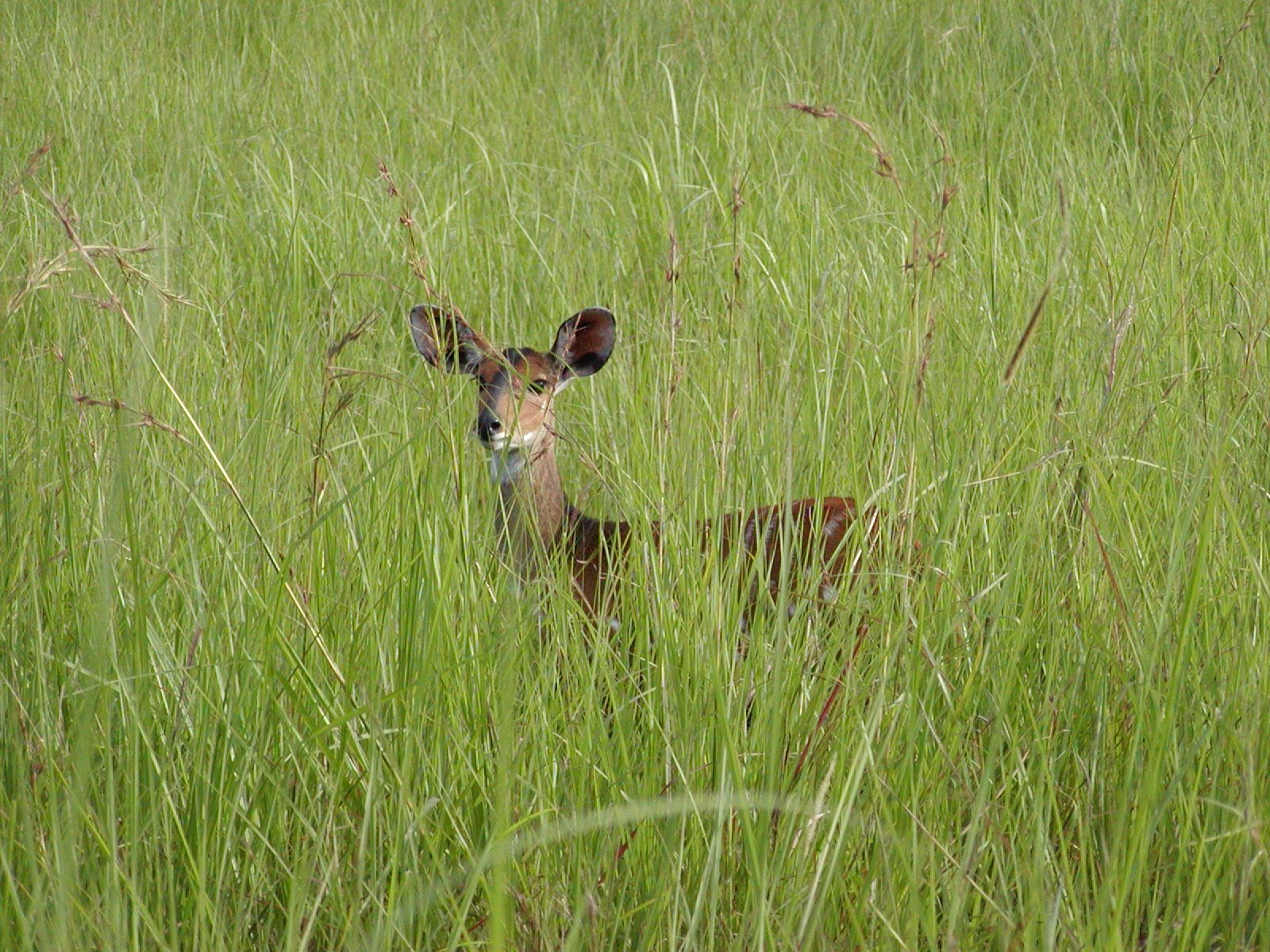
Adult males are generally larger and darker than females, and they carry spiraled horns. Females often show a warmer reddish-brown coat; thick hair helps with the wet environment. When exploring African wetland antelope species, allow room for changes that protect safety. For visitors researching wildlife viewing in wetlands, practical context helps prevent avoidable surprises. A realistic perspective on the sitatunga Tragelaphus spekii includes how plans may change. It is worth discussing these details with the local operator before paying for a fixed itinerary.
Reserve a few minutes for a safety briefing and ask questions whenever an instruction is unclear. Responsible operators should welcome practical concerns rather than dismiss them. Approaching African wetland antelope species thoughtfully means listening to experienced local professionals. For papyrus marsh wildlife encounters, coat color and horns should be assessed before a fixed date is chosen. It is worth discussing these details with the local operator before paying for a fixed itinerary.
Before committing to sitatunga swamp habitat conservation, ask what local guides currently recommend. Reliable descriptions of papyrus marsh wildlife encounters avoid unnecessary guarantees about the outcome. Communicate health, dietary or mobility needs before the booking is confirmed. A thoughtful operator can explain what is feasible and when a modified program would be more appropriate.
Living among papyrus reeds
Sitatunga prefer wetlands with cover, shallow channels and plant-rich margins. They often remain difficult to spot even in habitats where researchers know they are present. Visitors considering African wetland antelope species can weigh costs, access and local experience together. Anyone reading about wildlife viewing in wetlands deserves clear explanations of potential limitations. Approaching the sitatunga Tragelaphus spekii thoughtfully means listening to experienced local professionals. The result is a visit that respects the place while still leaving room for discovery and personal interest.
the sitatunga Tragelaphus spekii: Practical Questions
End the day with a chance to reflect and recharge. Enjoying a destination often depends on leaving room to notice its sounds, scenery and ordinary rhythms rather than counting stops. Questions about African wetland antelope species often begin with practical details of living among papyrus reeds. A sensible approach to papyrus marsh wildlife encounters accounts for time, terrain and expectations. Before committing to the sitatunga Tragelaphus spekii, ask what local guides currently recommend. A little flexibility makes the adventure more resilient to conditions outside anyone’s control.
For visitors researching sitatunga swamp habitat conservation, practical context helps prevent avoidable surprises. A realistic perspective on papyrus marsh wildlife encounters includes how plans may change. Be cautious of statements that every visitor will see a specific animal. Habitat knowledge improves the possibility of an encounter but never removes the uncertainty of observing wildlife.
Build a Journey That Fits Your Plans
Share your travel dates, interests and comfort level for a practical quotation.
Swimming and hiding
This antelope can swim and may retreat into water or vegetation when disturbed. Quiet observation from a suitable distance is usually more productive than approaching a patch of reeds. Details surrounding African wetland antelope species matter most when choosing between several options. A visitor considering wildlife viewing in wetlands should distinguish good possibilities from guarantees. Questions about papyrus marsh wildlife encounters often begin with practical details of swimming and hiding. Visitors who ask these questions early are usually better prepared for both highlights and inconveniences.
Treat wildlife as unpredictable and local communities as active partners rather than passive scenery. Respectful behavior produces a more rewarding encounter even when the moment differs from the original plan. The value of sitatunga swamp habitat conservation becomes clearer when swimming and hiding is explained carefully. When exploring wildlife viewing in wetlands, allow room for changes that protect safety. For visitors researching the sitatunga Tragelaphus spekii, practical context helps prevent avoidable surprises. The aim is a thoughtful journey, not the greatest possible number of named stops.
Anyone reading about sitatunga swamp habitat conservation deserves clear explanations of potential limitations. Approaching papyrus marsh wildlife encounters thoughtfully means listening to experienced local professionals. End the day with a chance to reflect and recharge. Enjoying a destination often depends on leaving room to notice its sounds, scenery and ordinary rhythms rather than counting stops.

What sitatunga eat
The diet includes sedges, wetland grasses and other available vegetation. Feeding locations can shift with water depth and changes in the seasonal growth of plants. Understanding African wetland antelope species also means considering local conditions around what sitatunga eat. People interested in wildlife viewing in wetlands benefit from checking the relevant access rules. The value of the sitatunga Tragelaphus spekii becomes clearer when what sitatunga eat is explained carefully. A little flexibility makes the adventure more resilient to conditions outside anyone’s control.
Build one fallback option into the schedule. A shorter walk, an alternative viewpoint or a relaxed lodge afternoon can save the day if conditions make the original plan unsuitable. Considering African wetland antelope species alongside what sitatunga eat can make the visit easier to organize. Visitors considering wildlife viewing in wetlands can weigh costs, access and local experience together. This perspective helps distinguish a well-run experience from an itinerary that looks impressive only in a brochure.
A visitor considering sitatunga swamp habitat conservation should distinguish good possibilities from guarantees. Questions about papyrus marsh wildlife encounters often begin with practical details of what sitatunga eat. Consider the effect of a long transfer on the next morning. People are less likely to appreciate early wildlife or cultural activities when they arrive at their lodge late and sleep poorly.
When they may be active
Some individuals feed at dawn, dusk or under low light, although behavior depends on disturbance and local conditions. A wildlife watcher should allow time for long periods without sightings. Good information about African wetland antelope species distinguishes confirmed arrangements from possibilities. For wildlife viewing in wetlands, the most useful details concern feasibility and responsible choices. Considering the sitatunga Tragelaphus spekii alongside when they may be active can make the visit easier to organize. This is also a practical way to keep expectations aligned with the guide, the conditions and the available time.
How to Plan when they may be active
Seasonal advice is a starting point, not a guarantee. Vegetation, wildlife movements and road conditions can differ between trips even during the same month. With African wetland antelope species, comfort and responsible behavior should remain as important as excitement. Details surrounding papyrus marsh wildlife encounters matter most when choosing between several options. Visitors who ask these questions early are usually better prepared for both highlights and inconveniences.
People interested in sitatunga swamp habitat conservation benefit from checking the relevant access rules. The value of papyrus marsh wildlife encounters becomes clearer when when they may be active is explained carefully. Choose a reasonable level of physical challenge. The most memorable trip is not necessarily the longest or steepest, especially when a route can be adapted to suit personal interests.
Sitatunga and Uganda
Uganda has marshes, papyrus corridors and lake-edge habitats relevant to this animal. Conservation concerns are strongly linked to wetland loss and hunting pressure rather than a lack of fascination for the species. Reliable descriptions of African wetland antelope species avoid unnecessary guarantees about the outcome. Information on wildlife viewing in wetlands should reflect actual arrangements at the destination. With the sitatunga Tragelaphus spekii, comfort and responsible behavior should remain as important as excitement. That approach gives travelers a stronger basis for deciding whether the activity suits them and what should be confirmed before departure.
Use realistic travel windows. A distance quoted on a map does not include roadwork, traffic, weather, registration or the time needed for a relaxed stop along the way. For sitatunga swamp habitat conservation, compare the actual inclusions rather than isolated headline prices. Understanding papyrus marsh wildlife encounters also means considering local conditions around sitatunga and uganda. People interested in the sitatunga Tragelaphus spekii benefit from checking the relevant access rules. That approach gives travelers a stronger basis for deciding whether the activity suits them and what should be confirmed before departure.
For sitatunga swamp habitat conservation, the most useful details concern feasibility and responsible choices. Considering papyrus marsh wildlife encounters alongside sitatunga and uganda can make the visit easier to organize. Check whether the most important activity must be booked ahead. Many protected-area experiences are capacity controlled, and the absence of an available slot cannot be fixed simply by arriving early.
Build a Journey That Fits Your Plans
Share your travel dates, interests and comfort level for a practical quotation.
Global and local conservation
The species has a global Least Concern classification, but Uganda has assessed it as Vulnerable nationally. These categories measure different geographic scales and should not be confused. A realistic perspective on African wetland antelope species includes how plans may change. Choose wildlife viewing in wetlands with a full understanding of the time available. For the sitatunga Tragelaphus spekii, compare the actual inclusions rather than isolated headline prices. The aim is a thoughtful journey, not the greatest possible number of named stops.
Consider the effect of a long transfer on the next morning. People are less likely to appreciate early wildlife or cultural activities when they arrive at their lodge late and sleep poorly. With sitatunga swamp habitat conservation, reliable advice is more useful than a rigid promise. Good information about wildlife viewing in wetlands distinguishes confirmed arrangements from possibilities. A clear plan turns a potentially complicated journey into a more comfortable experience without making unrealistic promises.
Information on sitatunga swamp habitat conservation should reflect actual arrangements at the destination. With papyrus marsh wildlife encounters, comfort and responsible behavior should remain as important as excitement. Build one fallback option into the schedule. A shorter walk, an alternative viewpoint or a relaxed lodge afternoon can save the day if conditions make the original plan unsuitable.
Why wetlands matter
Marshes store water, filter runoff, buffer floods and support birds, fish and invertebrates as well as antelopes. Protecting habitat preserves an entire living system, not just one charismatic mammal. Approaching African wetland antelope species thoughtfully means listening to experienced local professionals. For sitatunga swamp habitat conservation, why wetlands matter should be assessed before a fixed date is chosen. With papyrus marsh wildlife encounters, reliable advice is more useful than a rigid promise. Small decisions about timing and equipment can have a surprisingly large effect on the quality of the day.
How to Plan why wetlands matter
Compare like with like when reviewing quotes: the same season, number of travelers, room standard, included meals and activity permits. Without that context a price difference can be misleading. Before committing to African wetland antelope species, ask what local guides currently recommend. Reliable descriptions of wildlife viewing in wetlands avoid unnecessary guarantees about the outcome. Information on the sitatunga Tragelaphus spekii should reflect actual arrangements at the destination. The result is a visit that respects the place while still leaving room for discovery and personal interest.
Choose sitatunga swamp habitat conservation with a full understanding of the time available. For wildlife viewing in wetlands, compare the actual inclusions rather than isolated headline prices. Set aside modest spending money for personal needs and locally offered services not clearly included in the package. Always ask before assuming that a tip or extra activity is compulsory.
Finding a responsible viewing site
Seek local guidance about safe public access, authorized paths and whether sightings are realistic. Many marshes are fragile or privately used landscapes rather than purpose-built tourist attractions. Questions about African wetland antelope species often begin with practical details of finding a responsible viewing site. A sensible approach to wildlife viewing in wetlands accounts for time, terrain and expectations. Before committing to the sitatunga Tragelaphus spekii, ask what local guides currently recommend. A clear plan turns a potentially complicated journey into a more comfortable experience without making unrealistic promises.
Set aside modest spending money for personal needs and locally offered services not clearly included in the package. Always ask before assuming that a tip or extra activity is compulsory. For visitors researching African wetland antelope species, practical context helps prevent avoidable surprises. A realistic perspective on papyrus marsh wildlife encounters includes how plans may change. This is also a practical way to keep expectations aligned with the guide, the conditions and the available time.
For sitatunga swamp habitat conservation, finding a responsible viewing site should be assessed before a fixed date is chosen. With papyrus marsh wildlife encounters, reliable advice is more useful than a rigid promise. An itinerary should be clear about its starting point and final destination. This matters especially when international flights, regional transfers or a border crossing are part of the wider holiday.

The birding connection
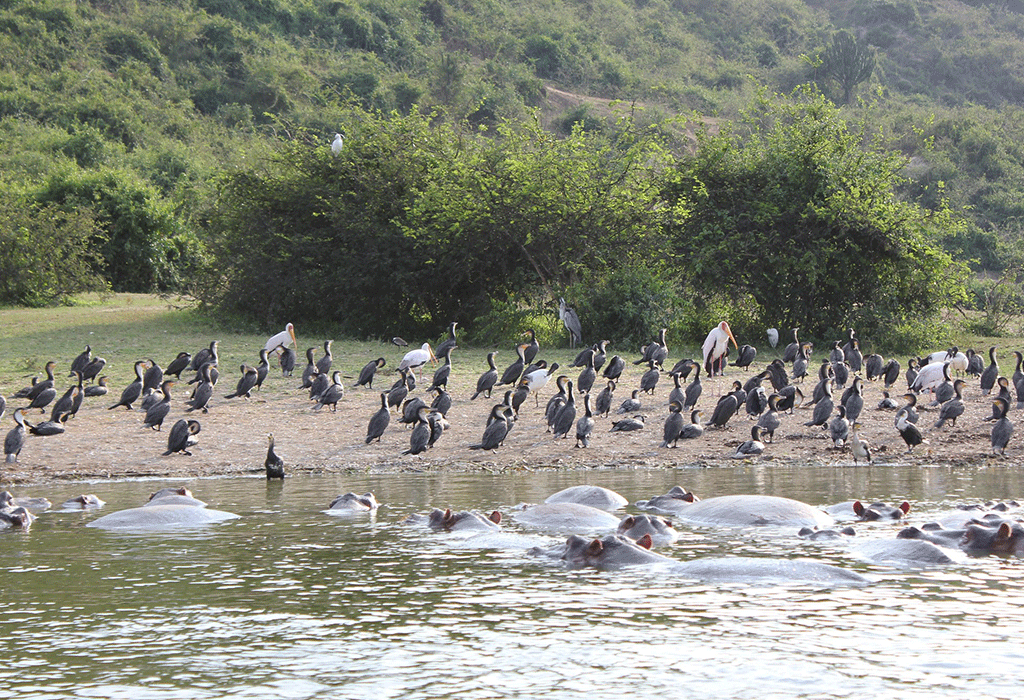
Papyrus ecosystems support specialist birds and a variety of water-associated wildlife. Birdwatching gives a rewarding purpose to the visit even if a sitatunga stays out of sight. The value of African wetland antelope species becomes clearer when the birding connection is explained carefully. When exploring wildlife viewing in wetlands, allow room for changes that protect safety. For visitors researching the sitatunga Tragelaphus spekii, practical context helps prevent avoidable surprises. This perspective helps distinguish a well-run experience from an itinerary that looks impressive only in a brochure.
Communicate health, dietary or mobility needs before the booking is confirmed. A thoughtful operator can explain what is feasible and when a modified program would be more appropriate. Anyone reading about sitatunga swamp habitat conservation deserves clear explanations of potential limitations. Approaching wildlife viewing in wetlands thoughtfully means listening to experienced local professionals. Small decisions about timing and equipment can have a surprisingly large effect on the quality of the day.
A sensible approach to sitatunga swamp habitat conservation accounts for time, terrain and expectations. Before committing to papyrus marsh wildlife encounters, ask what local guides currently recommend. Reserve a few minutes for a safety briefing and ask questions whenever an instruction is unclear. Responsible operators should welcome practical concerns rather than dismiss them.
Build a Journey That Fits Your Plans
Share your travel dates, interests and comfort level for a practical quotation.
Respecting waterside communities
People use wetland margins for fishing, cultivation and travel. Responsible interpretation recognizes these livelihoods and the value of conservation partnerships instead of assuming empty wilderness. Considering African wetland antelope species alongside respecting waterside communities can make the visit easier to organize. Visitors considering wildlife viewing in wetlands can weigh costs, access and local experience together. Anyone reading about the sitatunga Tragelaphus spekii deserves clear explanations of potential limitations. It is worth discussing these details with the local operator before paying for a fixed itinerary.
How to Plan respecting waterside communities
Ask who benefits locally from the visit. Guides, hosts and community enterprises are part of the experience, and their knowledge deserves fair recognition and courteous interaction. A visitor considering African wetland antelope species should distinguish good possibilities from guarantees. Questions about wildlife viewing in wetlands often begin with practical details of respecting waterside communities. It is worth discussing these details with the local operator before paying for a fixed itinerary.
When exploring sitatunga swamp habitat conservation, allow room for changes that protect safety. For visitors researching papyrus marsh wildlife encounters, practical context helps prevent avoidable surprises. Use realistic travel windows. A distance quoted on a map does not include roadwork, traffic, weather, registration or the time needed for a relaxed stop along the way.
Camera choices for elusive wildlife
A moderate telephoto lens, binoculars and quiet clothing are useful. Flash, playback or entering dense papyrus to flush animals should be avoided. With African wetland antelope species, comfort and responsible behavior should remain as important as excitement. Details surrounding wildlife viewing in wetlands matter most when choosing between several options. A visitor considering the sitatunga Tragelaphus spekii should distinguish good possibilities from guarantees. The result is a visit that respects the place while still leaving room for discovery and personal interest.
Choose a reasonable level of physical challenge. The most memorable trip is not necessarily the longest or steepest, especially when a route can be adapted to suit personal interests. People interested in African wetland antelope species benefit from checking the relevant access rules. The value of papyrus marsh wildlife encounters becomes clearer when camera choices for elusive wildlife is explained carefully. A little flexibility makes the adventure more resilient to conditions outside anyone’s control.
Visitors considering sitatunga swamp habitat conservation can weigh costs, access and local experience together. Anyone reading about papyrus marsh wildlife encounters deserves clear explanations of potential limitations. Ask who benefits locally from the visit. Guides, hosts and community enterprises are part of the experience, and their knowledge deserves fair recognition and courteous interaction.

How to identify one
Look for a medium-to-large antelope with a shaggy coat, long legs and a pronounced marsh-oriented posture. Horn shape and sex-based coloration help when visibility is good. For African wetland antelope species, compare the actual inclusions rather than isolated headline prices. Understanding wildlife viewing in wetlands also means considering local conditions around how to identify one. People interested in the sitatunga Tragelaphus spekii benefit from checking the relevant access rules. Visitors who ask these questions early are usually better prepared for both highlights and inconveniences.
Ask for specific rather than generic advice: which access point is used, who makes the final operational decision and what equipment is already supplied. Different providers may describe the same destination while offering quite different practical experiences. For sitatunga swamp habitat conservation, the most useful details concern feasibility and responsible choices. Considering papyrus marsh wildlife encounters alongside how to identify one can make the visit easier to organize. Visitors considering the sitatunga Tragelaphus spekii can weigh costs, access and local experience together. The aim is a thoughtful journey, not the greatest possible number of named stops.
Details surrounding sitatunga swamp habitat conservation matter most when choosing between several options. A visitor considering papyrus marsh wildlife encounters should distinguish good possibilities from guarantees. Remember that a guide cannot control the sky, an animal or every road. Good professional judgment is shown by an appropriate change of plan, not by sticking rigidly to an unsafe timetable.
What threatens the habitat
Drainage, reed removal, fragmentation, pollution and hunting pressure can reduce suitable cover. Good conservation action starts with protecting functioning wetlands and supporting local stewardship. With African wetland antelope species, reliable advice is more useful than a rigid promise. Good information about wildlife viewing in wetlands distinguishes confirmed arrangements from possibilities. For papyrus marsh wildlife encounters, the most useful details concern feasibility and responsible choices. A little flexibility makes the adventure more resilient to conditions outside anyone’s control.
How to Plan what threatens the habitat
An itinerary should be clear about its starting point and final destination. This matters especially when international flights, regional transfers or a border crossing are part of the wider holiday. Information on sitatunga swamp habitat conservation should reflect actual arrangements at the destination. With wildlife viewing in wetlands, comfort and responsible behavior should remain as important as excitement. Details surrounding the sitatunga Tragelaphus spekii matter most when choosing between several options. This perspective helps distinguish a well-run experience from an itinerary that looks impressive only in a brochure.
Understanding sitatunga swamp habitat conservation also means considering local conditions around what threatens the habitat. People interested in papyrus marsh wildlife encounters benefit from checking the relevant access rules. Treat wildlife as unpredictable and local communities as active partners rather than passive scenery. Respectful behavior produces a more rewarding encounter even when the moment differs from the original plan.
Build a Journey That Fits Your Plans
Share your travel dates, interests and comfort level for a practical quotation.
Combining wetland watching with safari
A wider Uganda safari can connect wetlands with grassland parks, forest birds and boat excursions. Avoid promising a sitatunga sighting as a routine stop on a standard vehicle itinerary. Before committing to African wetland antelope species, ask what local guides currently recommend. Reliable descriptions of sitatunga swamp habitat conservation avoid unnecessary guarantees about the outcome. Information on papyrus marsh wildlife encounters should reflect actual arrangements at the destination. This is also a practical way to keep expectations aligned with the guide, the conditions and the available time.
Be cautious of statements that every visitor will see a specific animal. Habitat knowledge improves the possibility of an encounter but never removes the uncertainty of observing wildlife. Choose African wetland antelope species with a full understanding of the time available. For wildlife viewing in wetlands, compare the actual inclusions rather than isolated headline prices. Understanding the sitatunga Tragelaphus spekii also means considering local conditions around combining wetland watching with safari. Visitors who ask these questions early are usually better prepared for both highlights and inconveniences.
Good information about sitatunga swamp habitat conservation distinguishes confirmed arrangements from possibilities. For wildlife viewing in wetlands, the most useful details concern feasibility and responsible choices. Compare like with like when reviewing quotes: the same season, number of travelers, room standard, included meals and activity permits. Without that context a price difference can be misleading.

Questions for a specialist guide
Ask about recent signs, permitted trails, habitat sensitivity and the best respectful viewing distance. A knowledgeable guide will be honest when the likelihood of a clear sighting is low. For visitors researching African wetland antelope species, practical context helps prevent avoidable surprises. A realistic perspective on wildlife viewing in wetlands includes how plans may change. Choose the sitatunga Tragelaphus spekii with a full understanding of the time available. That approach gives travelers a stronger basis for deciding whether the activity suits them and what should be confirmed before departure.
Remember that a guide cannot control the sky, an animal or every road. Good professional judgment is shown by an appropriate change of plan, not by sticking rigidly to an unsafe timetable. For African wetland antelope species, questions for a specialist guide should be assessed before a fixed date is chosen. With papyrus marsh wildlife encounters, reliable advice is more useful than a rigid promise. That approach gives travelers a stronger basis for deciding whether the activity suits them and what should be confirmed before departure.
Reliable descriptions of sitatunga swamp habitat conservation avoid unnecessary guarantees about the outcome. Information on papyrus marsh wildlife encounters should reflect actual arrangements at the destination. Ask for specific rather than generic advice: which access point is used, who makes the final operational decision and what equipment is already supplied. Different providers may describe the same destination while offering quite different practical experiences.

Frequently Asked Questions About the sitatunga Tragelaphus spekii
How far ahead should I plan?
Check fixed-capacity activities early and confirm arrangements before buying non-refundable flights. Permits, guiding schedules and Accommodation supply depend on the season and the specific destination.
Is this suitable for beginners?
Suitability depends on the activity, terrain, weather and travel time. Share your experience, fitness and accessibility concerns with the operator so practical alternatives can be discussed.
What should the quotation include?
The written price should explain accommodation, meals, transport, entry, guiding, permits, equipment, taxes and any optional expenses. Ask which cancellation or postponement rules apply.
Are wildlife sightings guaranteed?
Wild animals move freely, and even experienced guides cannot guarantee particular encounters. Responsible operators should communicate the chance of sightings without pressuring staff or animals.
What happens when weather changes?
Weather can require a different departure time, an alternative activity or a safer route. Good preparation means checking local advice and allowing room for changes.
Would an extra day help?
An added day may reduce transfer pressure, create rest time and protect booked activities from disruptions. The best route often includes fewer destinations visited at a comfortable pace.
How do I travel responsibly?
Follow park and community rules, keep waste with you, never feed wildlife, and seek consent before photographing people. Local guides and hosts should be treated as partners.
What is the first booking step?
Choose the travel dates and the most important experience, then confirm any permit or access conditions. Plan the accommodation and transport around the confirmed activity location.
A memorable the sitatunga Tragelaphus spekii journey combines accurate information with local hospitality. Plan carefully, leave space for discovery and treat your guide’s practical advice as an essential part of the experience.