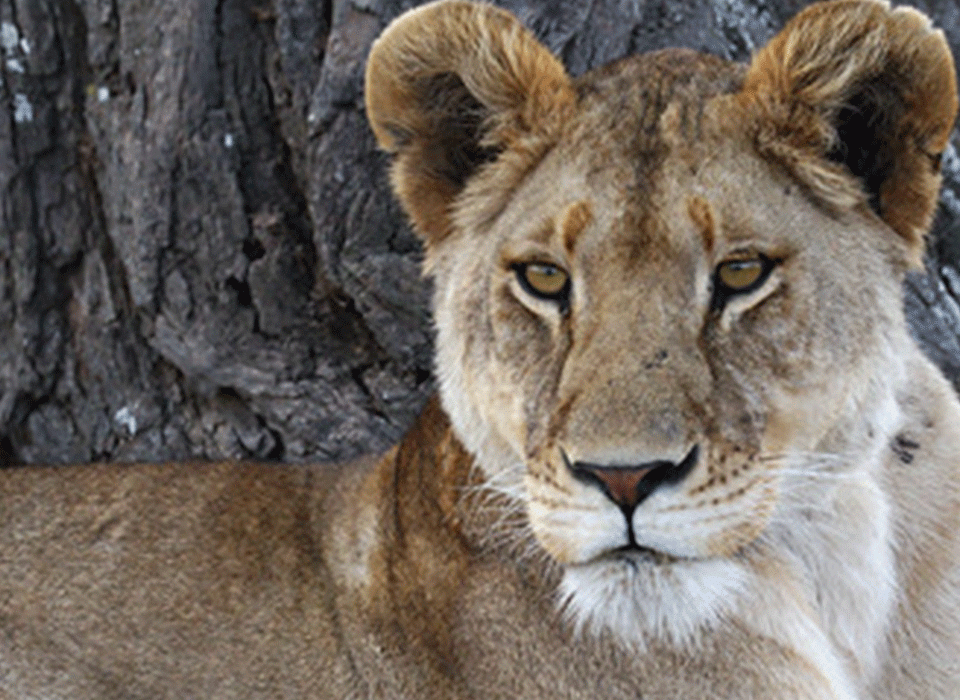
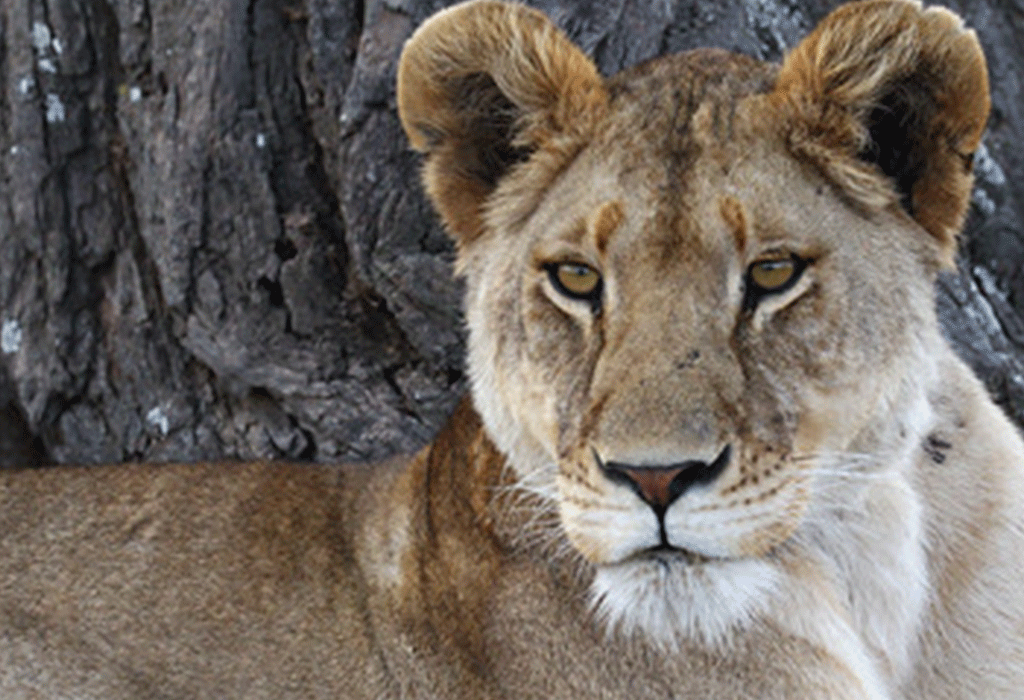
Serengeti National Park in Tanzania

Serengeti National Park in Tanzania – Facts, Deaths, Wildlife, and History
Facts about Serengeti National Park
The Republic of Tanzania hosts the expansive Serengeti National Park, covering an area of approximately 5,700 square miles. Extending from the northwestern region of the country into what is known as the Maasai Mara National Reserve in Kenya, it covers a vast expanse. As Tanzania’s oldest national park, it stands as a prime attraction for tourists visiting the country. The Serengeti National Park is an integral component of the Northern safari circuit, encompassing other renowned destinations such as Arusha National Park, Lake Manyara National Park, Ngorongoro Conservation Area, and Tarangire National Park.
The name Serengeti is got from the Maasai word Siringet (meaning a place where land stretches forever). The Masai lived in the Serengeti plains for over 200 years before the first European explorer Oscar Baumann arrived in the area in 1892. At that time, the Serengeti had arguably the largest number of big game in Africa and because of that attracted sport hunters from both Europe and the United States.
Uncontrolled hunting of lions prompted the British colonial administration to designate it as a partial game reserve in 1921. By 1929 it had become a full reserve. This paved way for the eventual establishment of the Serengeti National Reserve 1951. By this time the Ngorongoro Conservation area was also part of the Serengeti. Later in 1959, the Ngorongoro Conservation area became a separate reserve.
The Serengeti National Park encompasses three primary sectors or regions: the Serengeti plains, Western Corridor, and Northern Serengeti. Among these, the Serengeti plains stand out as the most renowned sector, characterized by vast expanses of uninterrupted grasslands occasionally punctuated by rocky hills known as Kopjes, which host various forms of vegetation. It is where most of the hoofed animals like wildebeest breed and feed from. Predators like lions, pythons and hyrax use the Kopjes to hide or observe grazing prey.
The western corridor on the other hand consists of rivers and forest. It is where you find martial eagles, crocodiles, hippos and patas monkeys. The Northern Serengeti is dominated by hills and open woodlands. It is the best place to see giraffe, dik and elephants. It is very close to the Maasai Mara National Reserve and is where migrating wildebeest pass through when crossing to Kenya. You might be interested in an article about the top attractions on the Ngorongoro Crater. We also have an article about hiking Mount Kilimanjaro.
Wildlife in the Serengeti National Park
The Serengeti National Park boasts incredible biodiversity and teems with wildlife, earning it global renown. UNESCO has recognized it as a World Heritage Site, and to further safeguard its ecosystem, it has also been designated as a Category II protected area by IUCN. Each year, over 1.5 million wildebeest, 300,000 gazelles, and 200,000 zebras embark on a migration across various sections of the park, eventually reaching the Masai Mara National Reserve. This awe-inspiring phenomenon is hailed as one of the 10 natural wonders of the world, drawing thousands of tourists to the park annually.
The Serengeti is also home to other grazers like the Topi, hippos, warthogs, hartebeest, waterbucks, giraffes, impala, eland, bushbucks, klipspringer, lesser kudus, roan antelopes, dik dik and Oryx. Although the migrating grazers are a key attraction, it is the big 5 (Lions, Leopards, Elephants, Rhinos and Buffaloes) that brings tourists to the park throughout the year. The Serengeti is home to the largest population of lions in Africa – over 2,500 individuals.
The cats thrive in the park mainly because of an abundance of prey. About 1,000 leopards call the park home while 5,000 elephants can be sighted in the park. Less than 50 black rhinos roam the Serengeti plains and this is because of uncontrolled poaching which occurred during the 1970’s and 80’s. Whereas rhinos are few, the Serengeti has over 53,000 buffaloes roaming the park.
Apart from the already mentioned herbivores and big 5, the Serengeti is also home to cheetahs, hyenas, serval cats, jackals, wild dogs, otters, honey badgers, mongoose and the African golden wolf. There are also hyraxes, ground pangolin, crested porcupine, cape hare, bat-eared fox, aardwolf and aardvark. The primates in the park include baboons, vervet monkeys, black and white colobus monkeys. The primates are mostly concentrated in the forests close to Grumeti River.
About birds and reptiles?
The Serengeti National Park is rich in reptile species, including terrapins, agamas, snakes like puff adder, cobras, and pythons, as well as crocodiles and tortoises. The park is also a habitat for over 500 bird species, such as storks, vultures, ostriches, and eagles, among others. Many of these creatures can be observed on the 3-day Serengeti safari package. Additionally, there’s an enticing 6-day package combining Rwanda gorilla trekking and a Serengeti tour.
Tourism in the Serengeti National Park
The Serengeti is a wildlife haven for anyone planning on an African safari. Tourism brings over 100,000 international travelers to the park each year. Tourism revenue plays a crucial role in supporting wildlife conservation, aiding nearby communities, funding research, and financing various projects within the Serengeti National Park. Key attractions in the park include day and night game drives, balloon safaris, exploring the Seronera River Valley, walking safaris, observing the great migration, birdwatching, visiting the Serengeti Visitor Center, exploring the Bologonja Springs, touring the Olduvai Gorge, experiencing Masai Cultural Villages, and exploring the Kopjes, which serve as favored hiding spots for predators.
Tour operators intentionally structure daytime game drives to provide visitors with opportunities to spot the Big 5 mammals. This requires the use of a 4X4 tour van, as it entails extensive driving deep into the park. They schedule game drives for the morning, afternoon, and even at night. During night game drives, visitors have the chance to observe nocturnal creatures such as skinks, nightjars, scrub hares, civets, chameleons, bush babies, bat-eared foxes, and aardvarks, among others. These drives take visitors all the way to the renowned hippo pool and to the Ngorongoro crater.
Night game drives are also excellent for watching the endless battles between predator and prey. Similar to the game drives is watching the great migration. Unlike normal game drives that go on throughout the year, witnessing the wildebeest migration depends on the particular month of the year. It is also important to mention that one can view the big 5 and the migration from the sky using hot air balloons. An aerial view of the vast wilderness and Kopjes (giant rock formations with grass that look like islands) will give you a completely different perspective of the park. If Balloon safaris are not your thing, you can instead choose to view wildlife on foot.
The Serengeti National Park is excellent for birding. Birders should expect to spot over 500 species of both resident and migratory birds if they have the time. The birds to watch out for are the Malachite Kingfisher, Nubian Woodpecker, Red-and-Yellow Barbet and the Grey Crowned Crane.
Apart from the wildlife, there is also the possibility of going for an amazing cultural experience in Tanzania with the Maasai Tribe in their villages. On a typical visit, the Maasai will take you to their homestead (known as bomas) to learn about their nomadic way of life, traditional dress code, marriage ceremonies, education system and their ancient tradition of keeping domestic animals. Visiting the Maasai is incomplete without taking part in the traditional Maasai dance and buying a few of their handicrafts.
Between the Serengeti National Park and the Ngorongoro Crater is Olduvai Gorge. It is where the Leaky family discovered over sixty human fossils dating back to over two million years ago. Olduvai Gorge is one of the leading paleo anthropological sites in the world. The Olduvai Museum houses a collection of artifacts and provides detailed information about all the discovered fossils, including the famous Laetoli footprints.
When leaving the park, do not forget to visit the Serengeti Visitor Center. You can take a walk around the center to learn more about the park, its history, the ecosystem and wildlife. The Center has beautiful gardens and is excellent for relaxation or picnics. If you are wondering about where to buy the best souvenirs, then the Serengeti Visitor Center is the place to visit.
More about Serengeti National Park
The Tanzania National Parks Authority, along with various wildlife conservation agencies, manages the Serengeti National Park. Independent safari planners should be aware that the park charges a daily entrance fee of $60 for adults and $20 for children, with free admission for children under 5 years old. When booking through a tour operator, the overall package usually already includes the park entrance fee.
The best time to visit Serengeti National Park
The ideal time to explore Serengeti National Park depends on your preferred activities and the specific section of the park you plan to visit. For game drives in Serengeti National Park, Tanzania, the optimal period is from June to October. During these months, the park is dry with limited vegetation, providing excellent conditions for wildlife viewing. To witness the incredible great migration, plan your visit between December and May. For bird enthusiasts, the prime time is from November to April. Wondering where to stay while on a safari in the Serengeti National Park, then you don’t need worry. There are several luxury, mid-range and budget hotels found within and outside the park. These accommodation facilities come in form of permanent tented camps, lodges, farms, mobile camps and campsites.
Wildlife in Serengeti National Park, it can be reached by air and road. The nearest airport and link to the park is Kilimanjaro international airport in Arusha. Air Burundi, Qatar Airways, Turkish Airways, Kenya Airways, Ethiopian Airlines, KLM and Zan Air all have flights to Kilimanjaro. From Kilimanjaro International Airport, one would need to book a smaller plane to one of the airstrips in the park or hire a car to go by road. The route by road starting from Arusha takes anywhere between 7 to 8 hours.
Safari Vacations and Travel Services designs itineraries in Uganda, Rwanda, and the DRC with over 10 years of experience and we are proud of our reputation for executing some of the most highly-rated vacation experiences. Our local consultants plan your preferred itinerary using expert ground knowledge. We take care of all the local logistics like permits, accommodation, and transport. And also, manage your entire trip, from start to finish.
And for inquiries, advice on how to plan for this safari, booking the hiking permits; organizing transport and accommodation, getting in touch with safari vacations and travel services, we help you to avoid inconveniences after you have arrived for the safari.