
Serengeti Family Safari
A practical planning guide for families who want exceptional wildlife without turning every safari day into an endurance test. Compare the best Serengeti areas for children, game-drive pacing, family accommodation, wildlife seasons and itinerary ideas.
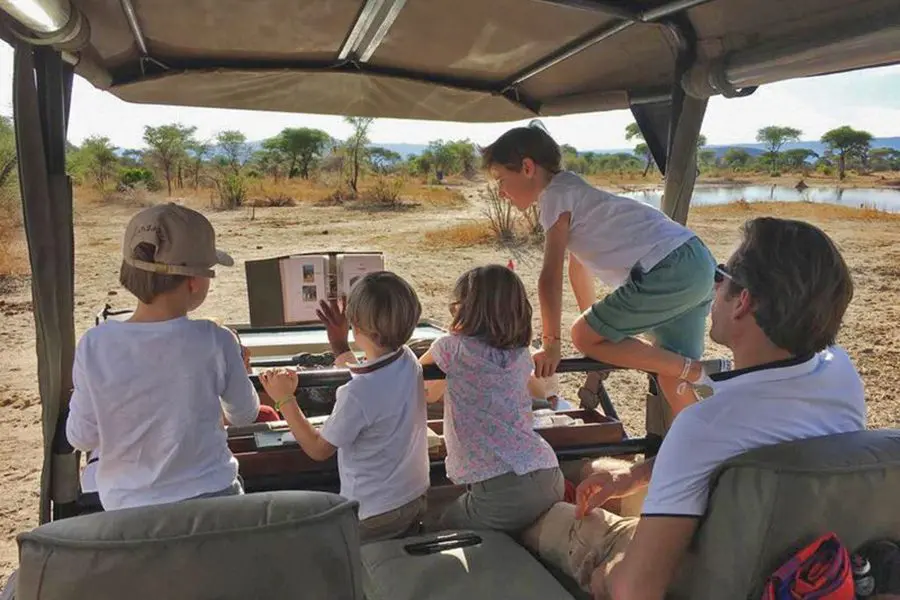
A successful Serengeti family safari is less about keeping children in a vehicle from sunrise to sunset and more about choosing the right pace, region and accommodation. Families generally benefit from a private safari vehicle, sensible driving days, flexible meals, rooms that work for parents and children, and enough downtime between wildlife outings. The Serengeti can then become a remarkably engaging outdoor classroom: lions on kopjes, elephant families crossing the plains, giraffes browsing acacias, cheetahs scanning grassland and, at the right time and place, vast moving herds of wildebeest and zebra.
Is it good for families?
Ages
Best areas
Wildlife
Lodges
Migration
Itineraries
Safety
FAQ
Is the Serengeti Good for a Family Safari?
Yes, for families who plan around the needs of their children rather than copying an adult safari schedule. Wildlife density and open landscapes can make sightings easier to understand than in thick forest, and children can learn quickly to identify zebras, giraffes, elephants, antelopes and predators.
The main challenge is distance. Northern Tanzania is large, and the Serengeti itself is enormous. A route that looks simple on a map may involve several hours on rough roads. A family itinerary should therefore reduce unnecessary transfers and protect time for meals, rest, swimming where available and shorter game drives.
What Age Is Best for a Serengeti Family Safari?
There is no single perfect age. The better question is how the itinerary should change with the children’s ages. Lodge policies and activity restrictions vary, so minimum ages should always be checked for the exact properties and activities being booked.
| Age group | How to plan | What matters most |
|---|---|---|
| Under 5 | Keep days short and build in substantial rest time. | Naps, meals, room configuration, medical planning and lodge child policies. |
| 5–7 | Use shorter wildlife drives and make sightings interactive. | Pool or downtime, snacks, binoculars and a flexible private vehicle. |
| 8–12 | An excellent age for animal identification and longer wildlife sessions. | Guides who engage children, photography and varied activities. |
| Teenagers | Can usually handle fuller safari days if interested in wildlife. | Photography, migration, predators, culture and some age-dependent activities. |
Best Parts of the Serengeti for Families
Central Serengeti
A strong first choice for many families because resident wildlife makes the Seronera area productive across much of the year. It also works well when families prefer fewer complicated seasonal movements.
Northern Serengeti
Especially compelling when migration herds are in the north. Families should weigh the wildlife opportunity against travel time and the unpredictability of river-crossing events.
Southern Serengeti
Seasonally attractive around the southern plains and wider Ndutu ecosystem, particularly when herds gather for fresh grazing and the calving period.
Should a Family Change Camps?
Changing regions can improve wildlife opportunities, but every camp move consumes time and requires packing again. With younger children, two well-chosen bases may be better than trying to cover every part of the ecosystem. Older children and teenagers may enjoy a more mobile itinerary.

Wildlife Children Can Expect to See in the Serengeti
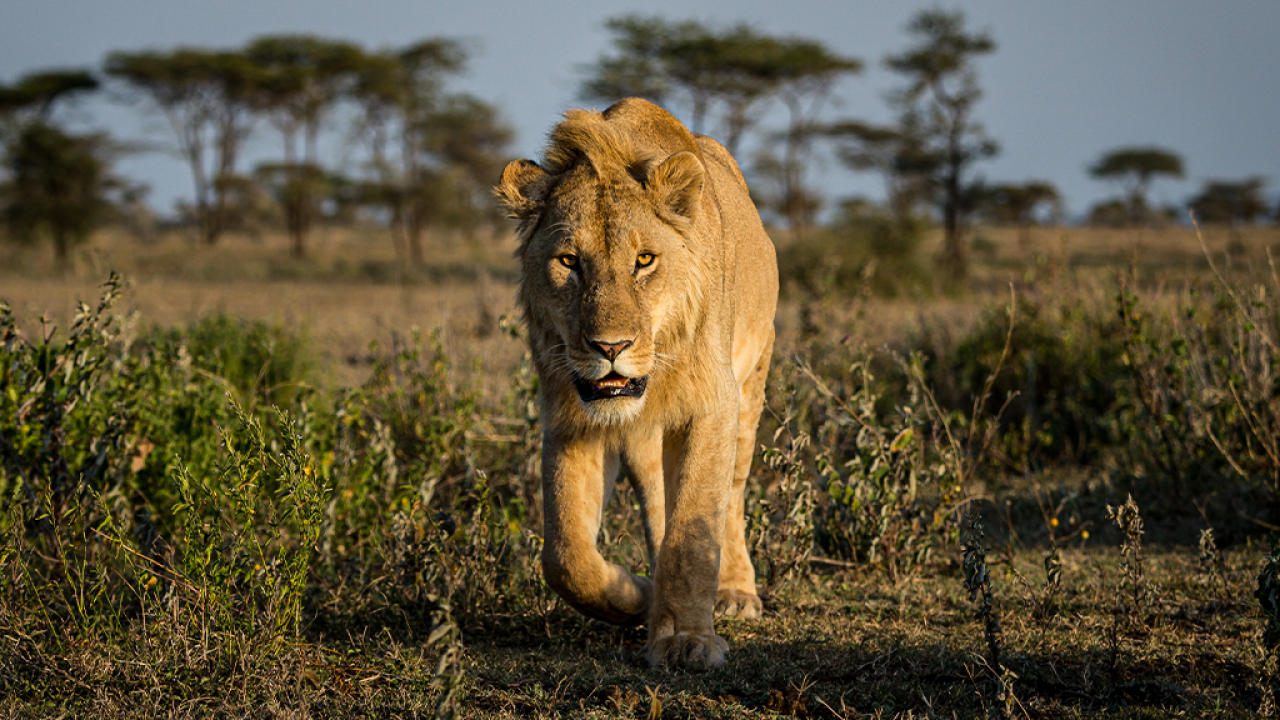
The Serengeti’s appeal for children comes from variety rather than one guaranteed sighting. Resident and seasonal wildlife can include lions, elephants, giraffes, buffaloes, zebras, wildebeest, gazelles, hippos, hyenas, cheetahs and numerous birds. Leopards and other elusive species require more luck and patient searching.

Lions & Big Cats
Predator sightings can become the most memorable part of a child’s safari. Guides can explain hunting behaviour, territories, family groups and the role predators play in the ecosystem.
Elephants & Giraffes
Large, easily recognizable mammals are particularly engaging for younger children and can often be watched for longer periods without needing constant vehicle movement.
Wildebeest & Zebra
Migration herds add scale and movement to the safari, but the exact location of large concentrations changes with rainfall, grazing and season.
How to Choose a Family-Friendly Serengeti Lodge

Do not choose accommodation from star rating alone. For a family, room layout and operating policies can matter more than luxury features. Ask the safari planner to verify the following directly for the dates of travel.
Questions to verify
- Minimum child age and any activity-specific age limits
- Family tent, interconnecting room or triple-room availability
- Maximum occupancy and whether parents must split between rooms
- Swimming pool and supervised children’s activities, where available
- Early children’s meals and dietary flexibility
- Private vehicle availability and any additional charge
- Distance from room to dining areas and escort procedures after dark
- Whether the property is fenced or wildlife can move through camp
What families often underestimate
A beautiful remote camp may involve a long transfer. A spectacular unfenced camp may require children to be escorted whenever they move around after dark. A swimming pool can become genuinely useful during the long midday break. Family rooms can also be fewer than standard rooms, so accommodation may determine the route during busy travel periods.
Great Migration With Children
The Great Migration can be extraordinary for families, but it should never be sold as a fixed appointment. Herd movements respond to ecological conditions, and dramatic river crossings cannot be guaranteed for a particular hour or day. A strong family itinerary focuses on the wider migration experience—large herds, predator activity and the changing landscape—rather than forcing children to wait indefinitely for one famous event.
Migration planning by family style
| Family priority | Planning approach |
|---|---|
| Younger children | Prioritize comfortable wildlife viewing and reasonable drive times over chasing every possible herd movement. |
| Older wildlife enthusiasts | Allow more time in the relevant seasonal area and keep the schedule flexible. |
| Photography-focused family | Consider longer stays and private vehicle use so photographic stops do not conflict with another group’s schedule. |
Private vs Shared Game Drives for Families
A shared vehicle can reduce cost, but a private vehicle is usually the stronger family option when budget allows. Children may need an earlier return, a toilet stop, food, a break from the vehicle or simply a change of pace. A private guide can also turn the drive into a child-friendly learning experience rather than delivering the same commentary to unrelated adults.
Driving vs Flying Into the Serengeti With Children
Road safari
Driving can make sense when Serengeti is part of a northern Tanzania circuit through places such as Tarangire and Ngorongoro. It reveals changing landscapes and can reduce domestic-flight costs, but families should understand the real transfer times before booking.
Fly-in safari
Domestic flights can reduce some long road transfers and work well for shorter holidays or families prioritizing comfort. Baggage restrictions, airstrip transfers and the total cost should be considered in advance.
Serengeti Family Safari Itinerary Ideas
These are planning frameworks rather than fixed packages. The right route depends on children’s ages, travel month, preferred comfort level and where the wildlife is expected to be.
4-Day Serengeti Family Safari
- Arrival/transfer to the Serengeti
- Two full or flexible wildlife-viewing days
- Final game drive and onward transfer
Best when the family is already in northern Tanzania or uses suitable domestic flights.
6-Day Serengeti & Ngorongoro Family Safari
- Begin around Arusha or the northern circuit
- Ngorongoro area
- Three or more nights allocated to Serengeti depending on season
- Return by road or domestic flight
A balanced first safari for families who want two contrasting wildlife environments without overloading the route.
7-Day Northern Tanzania Family Safari
Safari Vacations already operates a 7-day Tanzania safari combining Tarangire, Serengeti and Ngorongoro. A family version should be adjusted for children’s ages, driving tolerance and suitable room configurations.
Serengeti & Uganda Gorilla Combination
For families with children old enough for the relevant primate activity, the company’s existing Serengeti and Bwindi itinerary demonstrates how Tanzania wildlife can be combined with Uganda. Gorilla trekking eligibility and logistics must be checked before proposing the combination to a family.
How Much Does a Serengeti Family Safari Cost?
Family pricing should be quoted from a real itinerary rather than a misleading single headline number. The total changes with season, children’s ages, accommodation category, room configuration, number of nights, private vehicle use, park/conservation fees and domestic flights.
| Cost driver | Why it matters |
|---|---|
| Season | Accommodation rates and availability can change substantially between travel periods. |
| Children’s ages | Properties and services may apply different child policies. |
| Family room setup | One family unit can price differently from two separate rooms. |
| Private vehicle | Usually increases cost but adds flexibility that can be particularly valuable to families. |
| Road vs air | Domestic flights can save time but add fare and transfer costs. |
Serengeti Family Safari Safety
Health and comfort planning
Discuss destination-specific health requirements with an appropriate medical professional before travel. On safari, sun protection, hydration, suitable clothing, insect protection and any personal medication should remain easy to reach. Parents should also tell the safari planner about allergies, dietary needs or mobility considerations before accommodation is confirmed.
What to Pack for a Serengeti Safari With Kids
For game drives
Comfortable neutral clothing, layers for cool mornings, hats, sun protection, reusable water bottles and child-sized binoculars.
For downtime
A book, journal, quiet game or drawing materials can be useful between drives. Keep the amount of luggage realistic, especially when using light aircraft.
For photography
Phones and cameras are useful, but binoculars often help children engage with wildlife without spending the entire drive looking through a screen.
Combining Serengeti With the Rest of East Africa
A key strength of a multi-country East African operator is the ability to connect the Serengeti with very different experiences. Safari Vacations’ existing Uganda gorillas and Serengeti migration guide and Serengeti and gorilla safari show the site’s established connection between Tanzania‘s savannahs and Uganda‘s primate destinations. Families should, however, build such combinations around age eligibility, flight connections and a realistic overall pace.
Serengeti Family Safari FAQ
How many days should a family spend in the Serengeti?
Three to five nights is a useful planning range for many families, but the right stay depends on season, route and children’s tolerance for transfers. Longer stays can make sense when following seasonal wildlife or reducing the need to change camps frequently.
Do children need a private safari vehicle?
Not necessarily, but private use is often worthwhile because the family controls departure times, stops and the length of each game drive.
Can young children go on a Serengeti safari?
Families do travel with young children, but accommodation policies, room setup, activities and the daily schedule need more careful planning. Verify minimum ages directly for every booked property and activity.
Is Central Serengeti good for families?
It is often a practical choice because resident wildlife supports year-round game viewing and the area can work well for first-time visitors. The best location still depends on the month and the family’s priorities.
Can a family see the Great Migration?
Yes, if the route is matched to the expected seasonal movement. Exact herd positions and river crossings are natural events and cannot be guaranteed.
Are Serengeti camps fenced?
Policies and layouts vary. Some safari properties are unfenced or allow wildlife to pass through the surrounding area, making escort rules and close parental supervision important.
Plan the Safari Around Your Family
Share your children’s ages, travel month, preferred number of days and accommodation level. A useful proposal should explain why each Serengeti area and lodge suits your family—not simply send a standard adult itinerary with children’s names added.