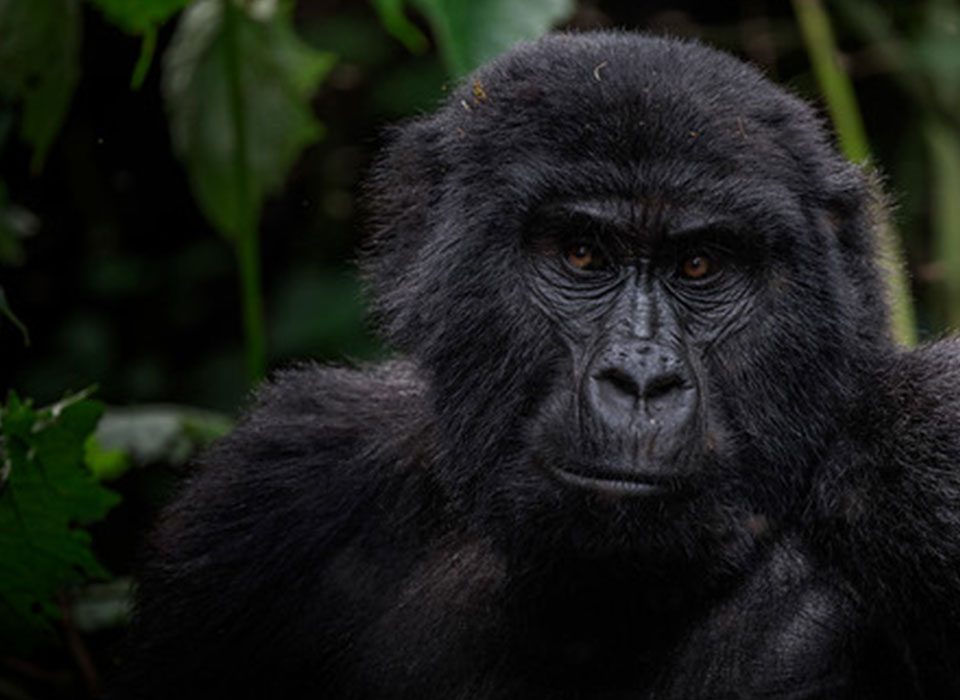
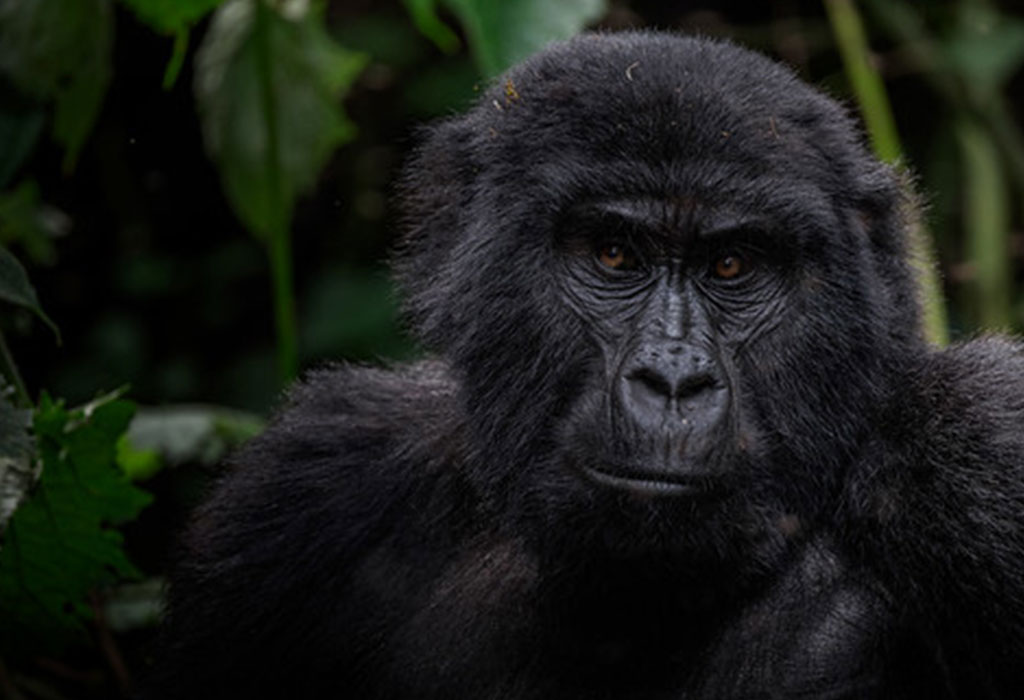
Camping Safaris to Kidepo Valley National Park

Kidepo Safari: 11 Unmissable Highlights for an Epic Uganda Trip
Prioritize two or three full activity days, repeated Narus Valley game drives and enough transfer time. Kidepo is most rewarding when the itinerary protects its remoteness instead of fighting it.
Why Choose a Kidepo Safari in Northeastern Uganda?
A Kidepo safari is for travelers who value space, dramatic landscapes and the feeling of reaching a genuinely remote corner of Uganda. In the far northeast, the park opens into broad savannah beneath mountain ranges near the South Sudan and Kenya frontiers. The journey takes more planning than a short western Uganda circuit, yet that effort is precisely why the destination feels different. Game drives can unfold with very few other vehicles, buffalo herds can fill the plains, lions use rocky viewpoints, elephants move between woodland and water, and giraffes stand against enormous horizons. This guide answers the questions tourists usually ask before committing to the trip: what makes the park special, where wildlife is easiest to find, when to travel, how to arrive, how many days to allow, where to stay, what cultural experiences add value, what to pack and how to combine Kidepo with the rest of Uganda.
For a Kidepo safari, the strongest reason to choose Kidepo is not a single animal; it is the combination of wildlife, scenery and low visitor density. Kidepo Valley National Park feels visually closer to the dry-country landscapes of northern Kenya than to Uganda’s greener southwest. Acacia woodland, grassland, rocky outcrops, seasonal riverbeds and distant mountains create constantly changing backgrounds. For repeat safari travelers, that landscape contrast is valuable. For first-time visitors, the park offers classic game viewing without the traffic sometimes associated with famous East African reserves. A Kidepo safari also works well for photographers because open terrain provides long sightlines and because dawn and late-afternoon light can be exceptional. The trade-off is distance: visitors should budget enough time to enjoy the park rather than treating it as a hurried overnight stop.
What Is Kidepo Valley National Park Famous For?
Kidepo Valley National Park is famous for remoteness, sweeping savannah, very large buffalo concentrations and a mix of dry-country species that gives the park a distinctive character within Uganda. The most productive wildlife area is usually Narus Valley, where reliable water draws animals when surrounding country dries. The northern Kidepo Valley is often more about landscape, ostriches, seasonal river scenery and the sense of approaching a frontier wilderness. Together, the two valleys create a trip that is more varied than simply repeating game-drive loops around one waterhole.
The park also appeals to travelers interested in unusual Uganda wildlife, and a Kidepo safari gives that diversity room to unfold. Cheetah, greater kudu and dry-country birds are among the sightings visitors hope for, although no wild animal can be guaranteed. Lions, elephants, giraffes, zebras, hartebeest, oribi, warthogs, jackals and hyenas broaden the experience. Kidepo wildlife is best approached with patience: spend time reading the terrain with a skilled guide instead of racing from one reported sighting to another.
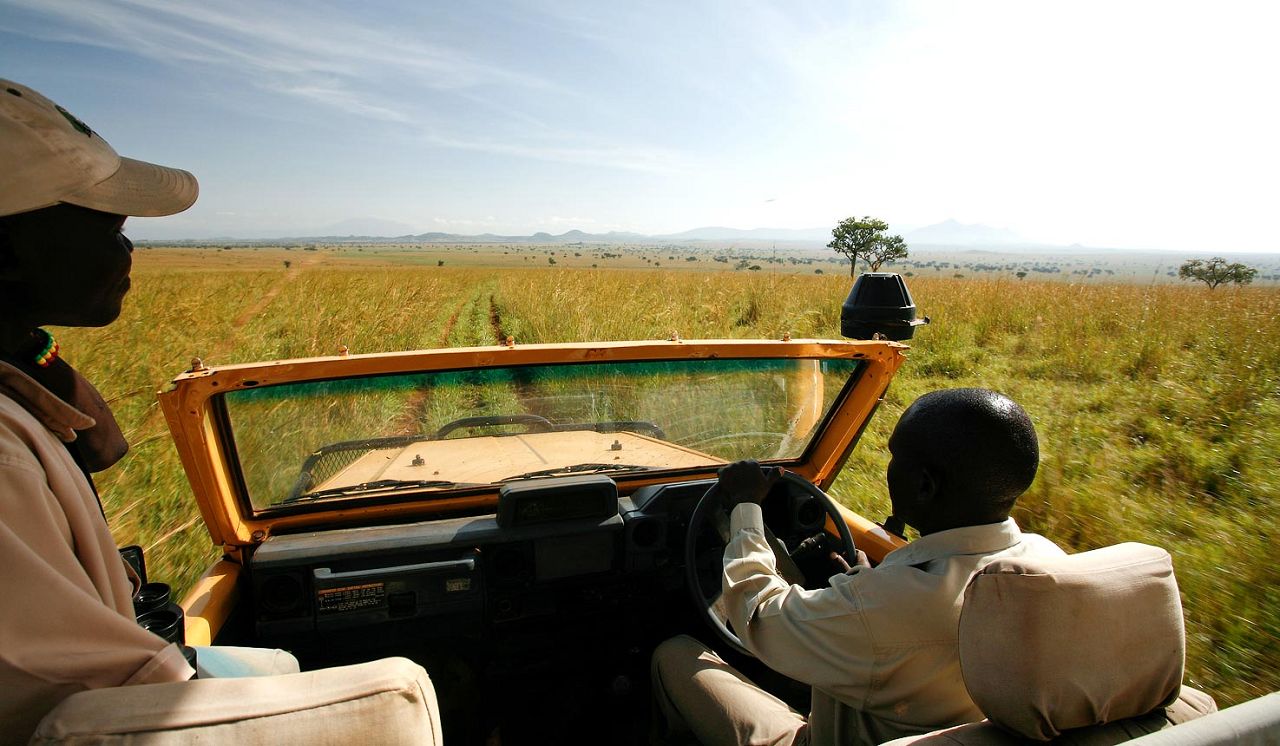
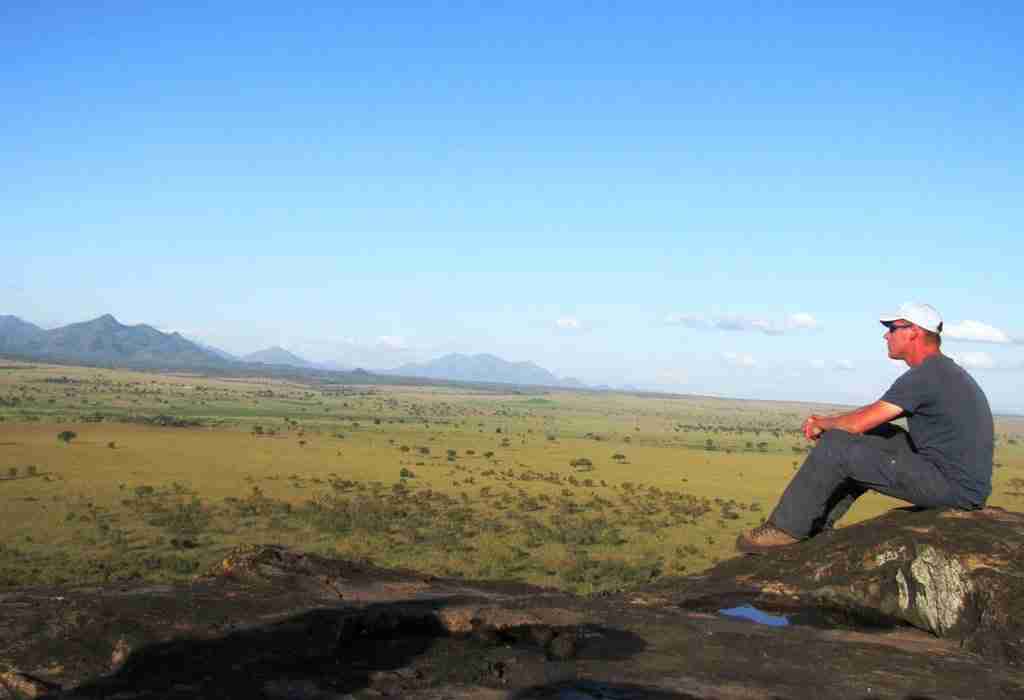
 The scale of Kidepo Valley National Park is a major part of the experience: broad plains framed by rugged ranges.
Narus Valley Game Drives: Where Most Wildlife Viewing Happens
Narus Valley game drives are the core activity for most visitors because the valley holds dependable water and productive grassland. In dry conditions, animals that are spread more widely during wetter months concentrate around the valley, making it easier to watch interactions rather than merely tick species off a list. Early morning is excellent for cooler temperatures, softer light and the possibility of predators still active after night. Late afternoon brings another productive window as heat falls and animals return toward water or feeding areas.
A good Kidepo safari normally includes several Narus Valley game drives rather than one rushed circuit. Repetition is useful because wildlife changes by hour and by day. A quiet water source that seems empty at breakfast may hold elephants later; buffalo can shift across the plains; lions may leave a rocky outcrop; giraffes and antelope may appear along woodland edges. Ask your guide to balance major mammals with birdlife, landscape stops and behavior. That slower approach makes Narus Valley game drives feel exploratory instead of scripted.
Best time of day for Narus Valley game drives
For Narus Valley game drives, start around first light when possible, then consider a rest through the hottest part of the day before returning in late afternoon. Photographers should tell the guide which side of the vehicle and light direction matter. Families may prefer a shorter morning loop followed by breakfast and another outing later. Whatever the schedule, build flexibility into the day; the best Kidepo wildlife moments are often the ones that require waiting.

Large buffalo herds are a signature Kidepo wildlife sight, especially during Narus Valley game drives around dependable water.
11 Unmissable Kidepo Safari Highlights
A Kidepo safari can be shaped around these headline experiences: sunrise game viewing in Narus Valley; watching buffalo gather around water; searching rocky areas for lions; scanning open plains for cheetah; photographing giraffes against mountain backdrops; driving toward the dry Kidepo Valley; looking for ostriches and secretary birds; seeing the seasonal Kidepo River bed; visiting the Kanangorok area when road conditions and park guidance allow; joining a ranger-led nature walk; and adding a respectful community experience outside the wildlife circuits. These highlights answer the most common “what to do in Kidepo” search intent without pretending every activity or species is guaranteed.
Do not try to force all eleven into one day. A rewarding Kidepo safari uses two or three full activity days so that wildlife drives can happen at the best hours. Weather, road conditions, animal movement and ranger advice should shape the exact plan. The remote setting is part of the attraction, so leave room to stop at viewpoints, watch a herd cross the track or simply take in the scale of the landscape.
 Elephants moving through the open country can be a memorable part of a Kidepo safari.
Kidepo Wildlife: Animals Tourists Can Look For
Kidepo wildlife includes African buffalo, elephant, Rothschild’s giraffe, zebra, Jackson’s hartebeest, eland, waterbuck, oribi, warthog and several predators. Lions are a major target, while leopard and cheetah require more luck and careful scanning. Hyenas and jackals add interest, particularly for travelers who enjoy predator ecology rather than focusing only on the biggest cats. The open habitat often allows visitors to observe how different species use water, shade and grassland through the day.
Birders should allow extra time. Ostrich is one of the park’s emblematic birds, while raptors, secretary birds, hornbills, bee-eaters and many dry-country species can turn a general wildlife trip into a serious birding itinerary. If birds matter to you, say so before the first game drive; a birding pace is slower and more habitat-focused than a mammal-first drive. This is one reason Kidepo Valley National Park works well for mixed-interest groups: one landscape can satisfy photographers, birders and classic safari travelers.

Best Time to Visit Kidepo Valley National Park
For straightforward game viewing, the drier months are usually favored because vegetation thins and animals concentrate near reliable water, especially in Narus Valley. Broadly, September through March is often recommended for strong wildlife visibility, although December to February can be very hot and dusty. Travelers who dislike intense heat may prefer shoulder periods when conditions are still practical but temperatures feel less severe.
The wetter months can still reward a Kidepo safari. Landscapes become greener, skies can be dramatic and birding improves, but animals may disperse and some tracks can become slower or more difficult. Rather than asking for one perfect month, match the season to your priorities: concentrated Kidepo wildlife, green photography, birding, lower visitor numbers or easier overland access. Always confirm current road and park conditions shortly before travel because rainfall does not follow a fixed tourist calendar.
Is Kidepo worth visiting in the rainy season?
Yes for travelers who value green scenery, birdlife and quiet travel, provided they accept that wildlife may be more dispersed and road conditions can affect timing. A 4×4 and a flexible itinerary matter more in wet periods. Keep an extra margin before flights or onward connections rather than scheduling a long road transfer too tightly.
Choose the Right Kidepo Travel Window
Share your month, trip length and wildlife priorities for a route that balances game viewing, weather and transfer time.
How to Get to Kidepo from Kampala or Entebbe
Most travelers choose between a long overland journey and a light-aircraft connection. By road, Kidepo is a major expedition rather than a quick transfer. The exact duration depends on route, road works, weather, stops and where you start, so itineraries often break the journey with an overnight stop or combine the park with another northern or eastern Uganda destination. A road trip gives a strong sense of changing landscapes and can lower the cost for groups sharing a private vehicle.
Flying protects safari time and is attractive for shorter or premium itineraries. A fly-in Kidepo safari can turn a long transit day into more time for Narus Valley game drives, but flight schedules, baggage limits and minimum operating requirements must be checked for the exact date. Some travelers fly one way and drive the other, gaining both efficiency and an overland view of Uganda. Whichever method you choose, avoid planning a tight international departure immediately after a remote transfer.
Road safari or fly-in Kidepo safari?
Choose road travel when you have more days, enjoy landscapes and want to combine northern Uganda stops. Choose flying when time is scarce, comfort is a priority or the park is the main purpose of the trip. For families and photographers carrying equipment, compare baggage allowances and vehicle space before deciding.
How Many Days Do You Need for a Kidepo Safari?
Three nights is a practical minimum for many travelers because it creates two full days in the park after arrival and before departure. Four nights gives more breathing room for repeated wildlife drives, a northern valley excursion, a walk and a community visit. Two nights can work for a fly-in itinerary with favorable schedules, but it leaves little margin for weather or wildlife movement. If you are driving from central Uganda, spending only one night after such a long journey rarely delivers good value.
A focused four-day Kidepo safari can use arrival afternoon for a gentle game drive, the next morning and evening for Narus Valley game drives, a third day for the Kidepo Valley and cultural or walking activity, and the final morning for one last drive before departure. Longer routes can connect Murchison Falls, Ziwa Rhino Sanctuary, Sipi Falls or Karamoja, turning the distance into part of a broader northern Uganda circuit.
Where to Stay: Kidepo Safari Lodges, Camps and Budget Options
Accommodation is more limited than in Uganda’s busiest safari parks, so booking early is sensible. Staying in or close to the main game-viewing area reduces daily transfer time and makes dawn starts easier. Travelers can choose between higher-comfort safari lodges, mid-range camps and simpler rest-camp or camping styles depending on current availability. The important question is not only room quality; ask how far the property is from the gate or the Narus Valley circuits, what meals are included, whether power is continuous, and how activities are arranged.
For a premium Kidepo safari, location and guiding can matter more than luxury extras. A beautiful room far from the morning circuit may cost you wildlife hours. Budget travelers should check whether meals, bedding, park transfers and ranger services are included, because remote logistics can make seemingly cheap options less simple than expected. Reserve accommodation before committing to nonrefundable flights, especially in popular travel periods.
Karamojong Cultural Tours and Community Experiences
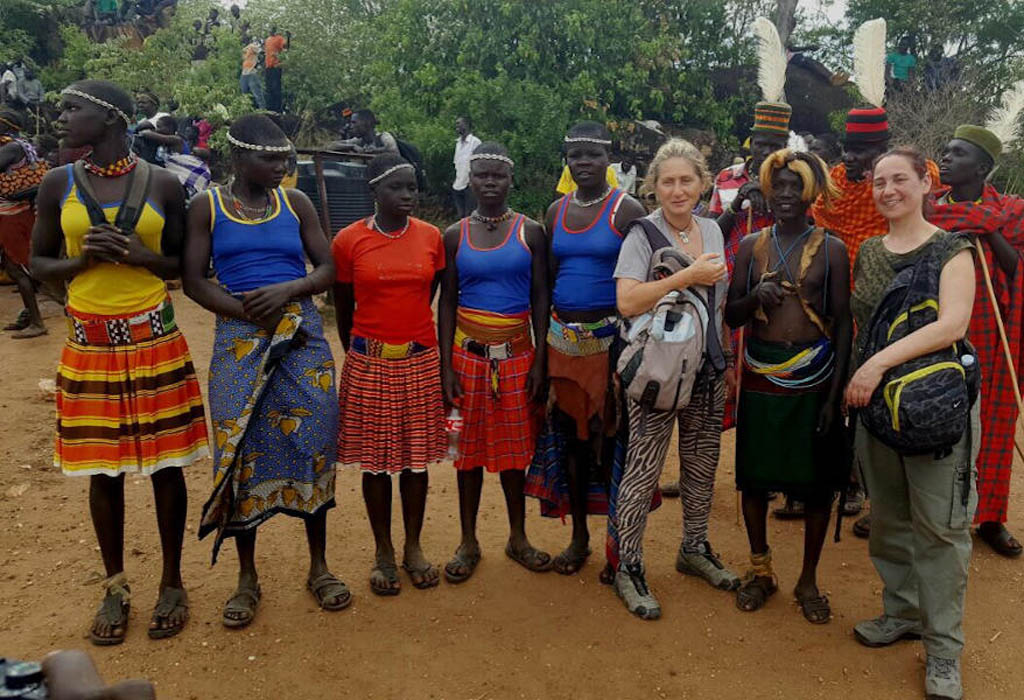
Karamojong cultural tours can deepen a visit by explaining pastoral traditions, architecture, cattle culture, food, dance, crafts and the modern realities of life in Karamoja. The best experiences are hosted respectfully, use local guides, make photography consent clear and return meaningful benefit to the community. Avoid treating a village as a staged backdrop. Ask how the visit is organized, what the fee supports and whether guests may photograph people before lifting a camera.
Some longer itineraries also explore the wider Karamoja region or arrange experiences connected with the Ik communities near Mount Morungole. These require more time and physical preparation than a casual lodge visit. A Kidepo safari becomes richer when culture is integrated thoughtfully rather than squeezed between game drives. Karamojong cultural tours are especially valuable for travelers who want context about the landscapes and communities surrounding the protected area.
Walking Safaris, Birding and Photography
A guided nature walk changes the scale of the experience. Instead of scanning kilometers of savannah from a vehicle, you notice tracks, insects, plants, bird calls and small signs that explain how the ecosystem works. Walks must follow current park rules and ranger guidance. They are not a substitute for game drives but a useful complement, especially for active travelers who want time outside the vehicle.
Photography benefits from the park’s uncluttered horizons. Bring a telephoto lens for wildlife and a wider lens for mountains, storm skies and environmental portraits. Dust protection, spare batteries and sufficient memory cards are important because charging options can be limited at remote camps. On Narus Valley game drives, ask the guide to position the vehicle without blocking animal movement. Patient viewing is both more ethical and more likely to produce natural behavior.
Kidepo Safari Costs: What Changes the Price?
There is no single useful Kidepo safari price because the total changes with transport, season, accommodation, group size and trip length. Flying raises transport costs but can save a full day or more. A private road vehicle becomes better value per person as the group grows. Lodge choice creates another large difference, while park entry, ranger activities, meals and community experiences should be itemized so you know what the quote includes.
When comparing offers, ask whether the price covers airport transfers, fuel, driver-guide accommodation, park fees, all meals, drinking water, domestic flights, baggage handling and the exact activities listed. A low headline price can become expensive if essential remote logistics are excluded. Conversely, an all-inclusive quote may look high but deliver better value. Budget by the complete route rather than by a generic daily safari rate.
What to Pack for Kidepo Valley National Park
Pack breathable neutral clothing, a hat, sunglasses, sunscreen, insect repellent, closed walking shoes, a light layer for early starts, a compact rain shell, binoculars and a refillable water bottle. Dust can be significant in dry periods, so protect cameras and electronics. A small daypack is useful for game drives, while soft-sided luggage is often easier in safari vehicles and may be required on light aircraft.
Bring personal medication and basic travel essentials because remote locations do not offer the same shopping options as Kampala or Entebbe. Download travel documents and important contacts for offline access. Photographers should carry spare batteries and storage. If your Kidepo safari includes a guided walk, ask about footwear and clothing requirements before departure. For community visits, modest, comfortable clothing and respectful photography habits matter more than specialized gear.
Safety, Health and Responsible Travel
Follow ranger and guide instructions around wildlife, never leave the vehicle except in designated or guided situations, and do not pressure a driver to chase animals or leave authorized tracks. Remote camps may be unfenced, so use escorts after dark when instructed. Travel insurance should cover the activities and evacuation realities of a remote safari. Health advice, vaccination requirements and malaria prevention are personal and time-sensitive, so consult an appropriate travel-health professional before travel.
Responsible Kidepo wildlife viewing means giving animals space, keeping noise low and avoiding behavior that changes feeding, resting or movement. Carry waste out, use water carefully and choose community experiences with transparent local benefit. In a destination whose appeal depends on wilderness and low visitor impact, small decisions by each traveler matter.
How to Combine Kidepo with Other Uganda Destinations
A northern circuit can pair Kidepo Valley National Park with Murchison Falls National Park, Ziwa Rhino Sanctuary or selected Karamoja stops. Eastern routes can include Sipi Falls before or after the park. Travelers with two weeks or more can continue toward Uganda’s western parks for chimpanzees, boat safaris and gorilla trekking, creating a journey from dry northeastern savannah to equatorial forest.
The key is pacing. Do not connect every famous destination simply because it appears on a map. Long road days can consume the holiday. A Kidepo safari works best as an anchor destination with enough nights to justify the journey, then one or two logical additions. If gorilla permits or domestic flights are fixed, build the flexible road sectors around those commitments.
Frequently Asked Questions About a Kidepo Safari
Is a Kidepo safari worth the long journey?
Yes if you prioritize remoteness, scenery, low traffic and distinctive dry-country wildlife. Give the park at least three nights when driving so the travel effort is rewarded with enough activity time.
What is the best month for Kidepo wildlife?
Dry-season months generally make wildlife easier to locate around dependable water, but there is no guaranteed single best month. September through March is widely favored, while green months can be excellent for scenery and birds.
Can you see lions in Kidepo?
Yes, lions occur in the park and are an important target on game drives, but sightings remain wild and cannot be guaranteed.
Are cheetahs found in Kidepo Valley National Park?
Cheetahs are associated with the park and are one of its distinctive attractions in Uganda, but they are less predictable than common plains game.
Where are the best Narus Valley game drives?
The main circuits around the Narus Valley and Apoka area are generally the most productive because permanent water supports wildlife concentrations, especially in drier conditions.
Can I fly to Kidepo?
Light-aircraft services or charters may be available depending on date and operator. Confirm the current schedule, baggage allowance and transfer arrangements before booking.
How many nights should I stay?
Three nights is a useful minimum for many visitors; four nights provides a more relaxed balance of game drives, scenery, walking and cultural time.
Are Karamojong cultural tours ethical?
They can be when visits are locally hosted, consent-led and designed to return clear benefit to participating communities. Ask your operator how the experience is organized.
Is Kidepo good for birding?
Yes. The dry-country habitat, ostriches, raptors and broad species mix make the park rewarding for birders, especially when a guide knows birding is a priority.
Can Kidepo be combined with Murchison Falls?
Yes. The two parks can form a strong northern Uganda wildlife route, but allow realistic road time and avoid overpacking the itinerary.
What vehicle is best for the road trip?
A well-maintained 4×4 with an experienced driver-guide is the practical choice, especially when rain or rough sections affect access.
Is Kidepo suitable for families?
It can be excellent for families comfortable with long transfers and early game drives. Check child policies, activity age limits and room arrangements before booking.
Do I need a guide?
A knowledgeable guide adds major value by reading tracks, locating wildlife, managing remote logistics and explaining ecology and culture.
What makes Kidepo different from Queen Elizabeth or Murchison?
Its northeastern dry-country scenery, low visitor density, mountain-framed plains and distinctive species mix create a noticeably different safari atmosphere.
Can I camp in Kidepo?
Camping options may be available, but facilities and rules should be confirmed in advance. Remote camping requires more logistical preparation than staying in a full-service lodge.
What should photographers prioritize?
Dawn and late-afternoon drives, a private or lightly occupied vehicle, dust protection, long and wide lenses, and enough nights to wait for behavior rather than chasing sightings.
Are night drives available?
Activity rules can change, so confirm current ranger-led night-drive availability with the park or your operator rather than assuming private night driving is allowed.
What is the Kidepo Valley itself like?
The northern valley is drier and more scenic than the wildlife-rich Narus area, with a seasonal riverbed, open plains and dramatic borderland mountain views.
Should I book accommodation early?
Yes. The remote park has fewer accommodation choices than Uganda’s busier circuits, so preferred rooms can disappear during popular periods.
Can a Kidepo safari fit into one week in Uganda?
Yes, especially with flights, but a road-based week should be planned carefully. A focused northern route is usually better than trying to add distant southwestern parks.
Ready to Plan a Remote Uganda Adventure?
Send your dates, number of travelers, preferred comfort level and must-see wildlife. Build a route with enough time for the park instead of rushing the journey.
A Practical Kidepo Safari Planning Checklist
Before paying a deposit for a Kidepo safari, confirm the exact number of nights inside or near the park, whether each day includes a morning or afternoon game drive, the vehicle type, who pays park and ranger fees, the accommodation meal plan, drinking water, airport or hotel pickup, and the realistic duration of every road sector. For a fly-in Kidepo safari, confirm the departure airfield, reporting time, baggage allowance, transfer from the airstrip and what happens if weather changes the schedule. For an overland trip, ask where you will stop for fuel, meals and an overnight break if the route is divided across two days. Good Kidepo safari planning is especially important here because there are fewer easy alternatives once you are deep in northeastern Uganda.
Also confirm communication and contingency plans. A Kidepo safari works best when your driver-guide, lodge and office team know the same itinerary. Carry offline copies of booking confirmations, insurance details and emergency contacts. Tell the operator about dietary needs, mobility limitations, medical considerations and children’s ages before arrival. If your main goal is photography, birding or Kidepo wildlife, say so while the itinerary is being built; guide allocation and daily pacing can then reflect your interests. If Karamojong cultural tours matter, reserve enough daylight and avoid scheduling them as a rushed stop after an exhausting transfer.
Finally, protect unstructured time on a Kidepo safari. A strong Kidepo safari is not measured by how many named attractions fit on a spreadsheet. It is measured by whether you have time to watch buffalo settle around water, wait for elephants to cross, follow giraffes through golden grass, scan a ridge for predators and stop when the light changes over the mountains. The destination rewards travelers who accept distance, start early and let the landscape set the pace.