Rwanda Gorilla Permits: 7 Essential, Amazing Booking Tips

4 Days Rwanda Gorilla and Cultural Village Tourhttp://gorillatrekking.travel/content/gorillas-families-uganda#
Rwanda Gorilla Permits Price and Availability: Costs, Dates and Booking
An up-to-date traveler’s guide to official Rwanda Development Board fees, promotional rates, permit dates, booking steps and trekking-day logistics.

Rwanda Gorilla Permit Prices at a Glance
| Visitor category | Listed USD fee | Important restriction |
|---|---|---|
| Foreign non-resident | $1,500 | Standard published rate |
| Foreign resident in Rwanda | $500* | Promotional; not June–October 2026 |
| African citizen / foreign resident in Africa | $500* | Promotional; not June–October 2026 |
| Rwandan citizen | $200* | Promotional; not June–October 2026 |
| East African citizen | $200* | Promotional; not June–October 2026 |
*Government-published promotional categories, subject to eligibility and date restrictions. Verify at checkout. The current live inventory was not accessed for this article.
Rwanda Gorilla Permits Price and Availability: The Essentials
The first decision in a Rwanda gorilla journey is not which lodge has the most beautiful view. It is whether a mountain gorilla tracking permit exists for the day you want to trek. Rwanda gorilla permits price and availability determine the entire itinerary because the Rwanda Development Board controls admission to habituated groups in Volcanoes National Park. The permit is tied to an individual and a date; finding a comfortable hotel does not reserve the forest experience. For a foreign visitor, the published standard price is US$1,500 per person. That is a permit fee rather than a complete safari package, so transport, accommodation and personal expenses must be budgeted separately.
Rwanda’s gorilla tourism works best when travelers make decisions in a deliberate order. Identify suitable dates, confirm the category you qualify for, check the official inventory, and only then make dependent bookings. This guide explains advertised tariffs, the conditional discounts, how allocations work, ways to apply directly or through a reputable operator, and practical steps when your first date is not open. We also address the questions that often surface after payment: meeting times, age restrictions, health rules, hiking preparation and what the permit actually includes. The goal is a reliable plan, not a promise that places will remain on sale.
What Does a Rwanda Gorilla Permit Cost in 2026?
The baseline Rwanda gorilla permit cost for a foreign non-resident is US$1,500 for one person on one trekking date. The Rwanda Development Board publishes other categories, including foreign residents in Rwanda at US$500, African citizens and foreign residents in Africa at US$500, and Rwandan or East African citizens at US$200. Those lower figures are designated promotional on the booking portal. Crucially, the portal says the promotional rates do not apply from June through October 2026. A person entitled to a discount in November should not automatically assume the same checkout figure in July. The final rate depends on citizenship or residence evidence, eligible travel dates and the government tariff in effect when you pay.
Price comparisons often become confusing because a permit, a park transfer, a lodging package and an entire holiday are described with similar language. A package priced per person may include several nights, meals, a vehicle, a driver and airport assistance; the government permit is just one component. Likewise, a promotional permit is not a general sale that every visitor can claim. Before comparing safari quotes, request a separate line for the permit and identify the visitor category used. For travelers weighing different countries, our overview of gorilla permit prices in Uganda and Rwanda places the two official systems in their wider travel context.
Understanding the Current Permit Fee Categories
The official booking categories are important because they define which price appears when an applicant enters personal details. Foreign non-resident travelers should use the US$1,500 headline rate unless a current, explicitly qualifying promotion says otherwise. Residents must be able to provide the required documents, and East African citizen status should not be confused with living temporarily in the region. The application should match the identity document that will be presented at the park gate. Incorrect nationality, an expired document or unsupported residence claims can invalidate an issued permit even if money has already changed hands.
Rwanda’s official portal advises foreign residents in Rwanda and East African countries to show at least four consecutive months of qualifying residence status or a work permit. A citizen should use the appropriate identification; the government’s current requirements remain the final authority. If circumstances are unusual, ask the Rwanda Development Board reservations office to review documents before applying. That small step is safer than buying the wrong product to test whether a cheaper category can be selected. Visitors researching gorilla tracking rules in Rwanda should treat documentation and disease-prevention rules as part of the same preparation, rather than as paperwork to complete after arrival.

Is There a 30 Percent Low-Season Gorilla Permit Discount?
Yes, Rwanda Development Board publishes a conditional low-season discount for qualifying combined national-park trips. Its dedicated discount page specifies November to May and a 30 percent reduction on the gorilla permit when the applicant meets the linked-park requirements. On a US$1,500 headline permit, a 30 percent reduction would equal US$450, resulting in US$1,050 if the application qualifies and the current tariff still authorizes that discount. This is not an automatic reduction for anyone trekking on a rainy day. It is a separate product with evidence requirements, and it should be confirmed before changing the safari budget.
The published conditions call for two nights in Akagera or Nyungwe with the specified hotel payment evidence and a paid park activity, or one qualifying night in each park on consecutive nights with the required activity. The discount is generally limited to one gorilla permit per qualifying park stay; a second discounted trek requires additional qualifying nights. These conditions can make an expanded itinerary appealing for travelers already interested in Akagera National Park or Nyungwe Forest. However, adding hotel nights just to pursue the reduction may erase the savings. Calculate the full travel cost and seek approval under the official scheme before paying.
How Does Rwanda Gorilla Permit Availability Work?
Rwanda gorilla permit availability is a fixed-capacity problem rather than a general question of whether the national park is open. Published travel guides describe roughly 96 visitor places per trekking day, based on twelve habituated groups and a maximum of eight tourists assigned to each. This figure helps explain why popular dates can sell out, but it is not an inventory feed. The allocation of gorilla tracking permits may already be partly committed when a date appears in a travel plan; others may become available if arrangements change. A website article cannot responsibly promise how many permits remain on a future date without consulting the live government booking system.
Every permit buyer competes for the same controlled inventory, although applications may be handled through different authorized channels. Group size makes a considerable difference. One traveler can sometimes find a space on a date that cannot accept six people together, while a family may need to move the entire journey by several days. Treat a verbal statement that permits are ’usually available’ as general advice, not confirmation. The authoritative step is checking the intended dates and receiving a completed booking in the names of the actual trekkers. This is especially important for travelers planning mountain gorilla tracking experiences around international flights.

Check Available Trekking Dates
Share your preferred dates and group size so the team can check the available government permit allocation.
Where to Check Actual Dates and Remaining Places
The Rwanda Development Board tourism booking portal is the primary place to inspect available slots and complete an application. It lists the activity as Mountain Gorilla Tracking and requires the applicant to select an available place, enter identity details, supply relevant supporting documents and pay the applicable fee. Availability can change between an initial inquiry and the moment a transaction is completed. If you are arranging the journey independently, use the official government portal rather than relying on a screenshot of a calendar from an unrelated website. A licensed operator can also check dates and coordinate the permit with transport and accommodation.
When asking anyone to check a date, provide the full trekking date rather than merely a month, your number of travelers, the qualifying visitor categories and whether shifting one or two days is possible. That information prevents unnecessary back-and-forth and makes alternatives useful. Keep each traveler’s name identical to the passport or qualifying identification. The official portal can automatically issue a permit after a properly completed application, but a reservation inquiry alone is not an issued authorization. Our explanation of online gorilla permit booking can help independent travelers understand the distinction between inquiry, application, payment and confirmation.
When Should You Book Rwanda Gorilla Permits?
If your desired trekking day falls within a busy travel period, securing the permit early is prudent. Demand is commonly high during June through September and around the December holidays, when many international travelers organize summer or festive-season safaris. The practical planning window varies with actual bookings, and there is no universally guaranteed date by which every permit will disappear. An individual date may sell out before a neighboring date; a quiet month can still attract a large group. Advance planning is therefore about preserving choices rather than following a rigid countdown.
A useful rule is to check permits as soon as international travel dates are credible. If the trip depends on an exact wedding anniversary, school vacation or flight connection, confirm that date before committing to nonrefundable arrangements. Travelers with greater flexibility can compare adjacent days and choose lodging after the slot is secured. December travelers may find gorilla trekking in December appealing for holiday timing, while those flexible across the calendar should also assess the best time to trek mountain gorillas in terms of trail conditions, airfare and crowds. None of those seasonal descriptions substitutes for a current permit search.
How to Book Rwanda Gorilla Permits Step by Step
How to Book Rwanda Gorilla Permits Safely
To book Rwanda gorilla permits directly, begin at the Rwanda Development Board’s official tourism booking platform and select the mountain gorilla tracking product. Choose the exact day and the correct visitor category, then enter personal details exactly as they appear on the traveler’s current identification. Upload any required supporting document and review the total fee before payment. After the application is completed, retain the issued confirmation and transaction records where they can be accessed without mobile data. Do not use a different person’s identity to hold an allocation; the park checks documents at entry.
An operator-assisted booking follows the same underlying principle but adds coordination. Provide your desired date range, passport details through an appropriate secure channel, group size and residence evidence if seeking a special tariff. Ask for a written breakdown of government fees and any separate operator service charges. When the operator confirms that the permit is issued, request the permit reference or appropriate documentary proof, along with the exact trekking date and your name. Travelers combining the permit with a Rwanda safari should also confirm whether the quote includes private transfers, guide time, meals and accommodation taxes. The critical distinction is that submitting a request is not the same as owning a confirmed permit.
Direct Booking Versus a Safari Operator
Booking independently can be practical for confident travelers who are comfortable navigating a government portal, arranging road transport and choosing accommodation near Kinigi. It provides visibility into the published permit tariff and allows each part of the trip to be selected separately. The responsibility for checking travel time, meeting points, proof of payment and contingency arrangements remains yours.
A reputable operator may be especially valuable when flights arrive late, several travelers need coordinated permits, or a trip includes multiple destinations. The operator can align dates and transport, advise on suitable lodging and help organize accessible trekking support where appropriate. Ask which entity issues the permit, what evidence you will receive and what happens if the requested date cannot be secured. Our Rwanda gorilla trekking tours and booking Volcanoes gorilla permits pages provide relevant background for planning these arrangements, but final permit availability must always be verified at booking.
What Exactly Does the Permit Include?
The standard permit provides access to a regulated gorilla tracking experience in Volcanoes National Park on the named date, with park-authorized guiding and tracking arrangements. Once a group finds its assigned gorilla family, the usual maximum observation time is one hour. That hour is the defining component of the permit, but it is not the length of the entire excursion. Briefing, travel to the trailhead, climbing, forest walking and the return journey can occupy much of the morning or longer. A permit should be understood as access to a structured conservation activity, not a guaranteed close-up wildlife photography session.
Accommodation, flights, vehicle transfers, personal hiking equipment, optional porter services and discretionary gratuities generally sit outside the government permit fee. Ask your tour provider for a precise inclusion list rather than assuming an expensive permit means every service is covered. The park’s trackers and guides are part of the official activity; a private driver taking you to headquarters is an additional logistics service. Travelers studying how long gorilla trekking takes should reserve the whole day, particularly when hiking conditions or the gorillas’ location are unpredictable. The permit offers a managed wildlife encounter, not a guaranteed sighting.

Why Gorilla Permits Are Limited
Mountain gorillas are endangered great apes living in sensitive highland habitats. Human access is restricted to reduce disturbance, protect the animals from infectious disease and make encounters manageable for park staff. Small daily groups make the experience quite different from a drive-through zoo or an open wildlife viewing area. Rangers lead trekkers under established rules, and visitor behavior matters as much as the permit itself. These restrictions explain why Volcanoes National Park gorilla permits must be booked around confirmed dates. The park is not an attraction for spontaneous, unreserved gorilla visits, even when other activities remain open. Travelers visiting Volcanoes National Park should prioritize this authorization.
Permit revenue forms part of the wider economic structure supporting protected-area management and the communities that coexist with wildlife. It is important not to oversimplify this relationship by assuming every dollar of a permit is spent on a single conservation task. Conservation requires patrols, veterinary monitoring, habitat management, collaboration with local communities and durable tourism policies. Visitors can contribute by choosing responsible operators, following ranger instructions and approaching the forest with realistic expectations. Our article on ethical gorilla trekking discusses how thoughtful travel decisions complement the rules established by conservation authorities.
Build Your Rwanda Gorilla Safari
Coordinate the permit date with Kinigi accommodation, Kigali transfers and your wider itinerary.
How to Reach Volcanoes National Park from Kigali
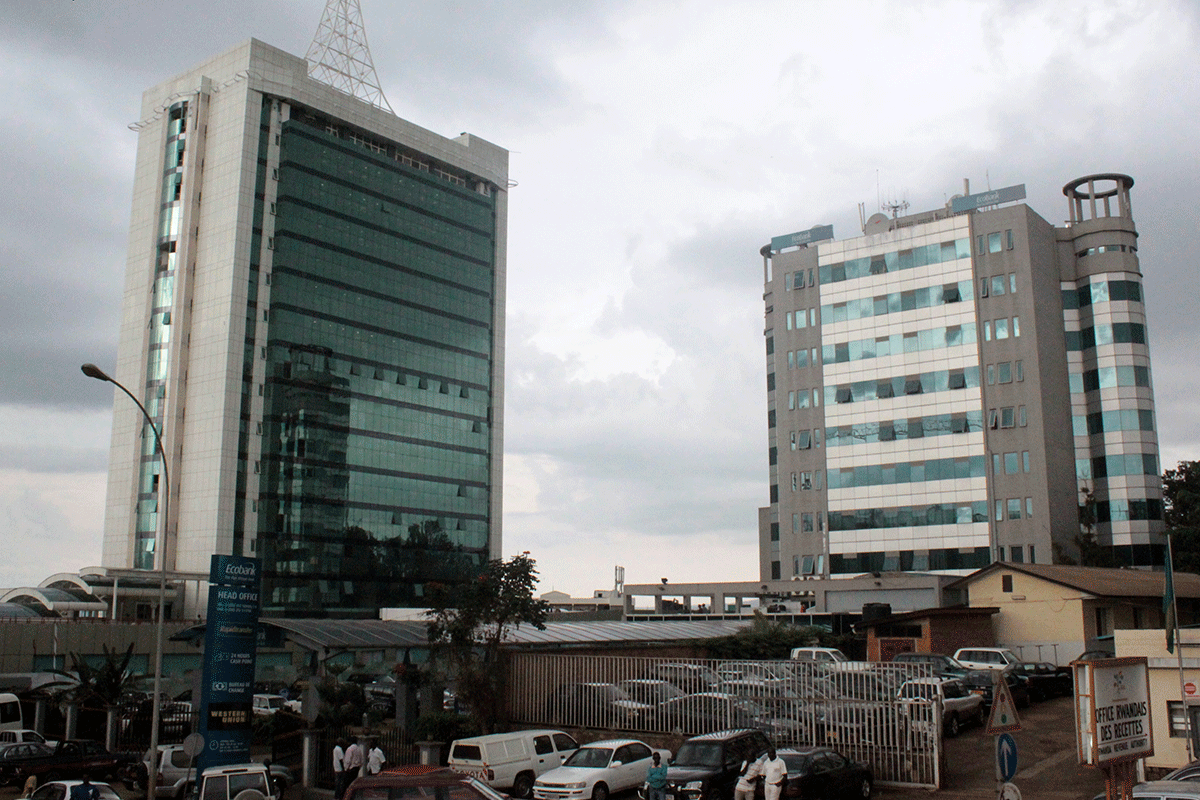
Most international visitors arrive through Kigali International Airport and travel by road toward Musanze and the Kinigi park headquarters. The road journey is commonly planned at around two to three hours depending on traffic, conditions and the location of the lodge. Rather than attempting to calculate a precise arrival based on a best-case drive, factor in airport formalities, luggage collection, stops and possible weather delays. Reaching a nearby lodge on the afternoon or evening before trekking is usually more relaxing than leaving the capital extremely early on permit day.
Musanze is a practical base for the Virunga region, but lodging distances vary and not every property is immediately beside the briefing point. Your driver should know the park’s reporting time and the access route to your designated meeting location. Visitors connecting a city stay with the forest can explore Kigali’s attractions before traveling north. Those planning a short safari should resist squeezing the trekking morning and a tightly timed international departure into the same day. Roadworks, changing trail assignments, rain or a longer hike can make an apparently neat schedule stressful and risky.
The Gorilla Trekking Day: Reporting Time and Briefing
Rwanda’s official booking instructions specify reporting at visitor information or registration centers at 7:00 a.m. Travelers should plan to arrive earlier if advised in their confirmation. Staff check names and identification, explain the rules, and organize trekkers into groups before the movement to the starting locations. The assignment process considers operational factors and the gorillas’ recent movements. You should not assume a particular family is guaranteed simply because an online description says it is easy or popular. The physical route may change from day to day.
After the briefing, the party travels or walks to its assigned starting point and enters the park with rangers. The forest is alive with birds, plants and shifting light, but slippery soil, roots and steep slopes demand attention. The group moves under the guide’s direction and follows established distance and photography rules near the gorillas. Practical knowledge of gorilla families in Rwanda can increase appreciation of the encounter without creating unrealistic expectations of choosing a specific silverback. Keep your permit confirmation, passport and any required identification readily available at headquarters, not hidden at the bottom of a packed suitcase.

Best Months for Permit Availability and Trekking Conditions
No month guarantees both perfect trails and plentiful permits. Rwanda has wetter and relatively drier periods, but rainforest weather can shift quickly in any season. More popular travel months may produce higher competition for limited spots, while wetter periods may provide greater flexibility for some dates. The trade-off depends on your tolerance for rain, available holiday time and the cost of the complete itinerary. A flexible traveler could save money on accommodation or qualify for an applicable conditional promotion, but should not expect the standard foreign visitor permit to become cheaper simply because the month is wet.
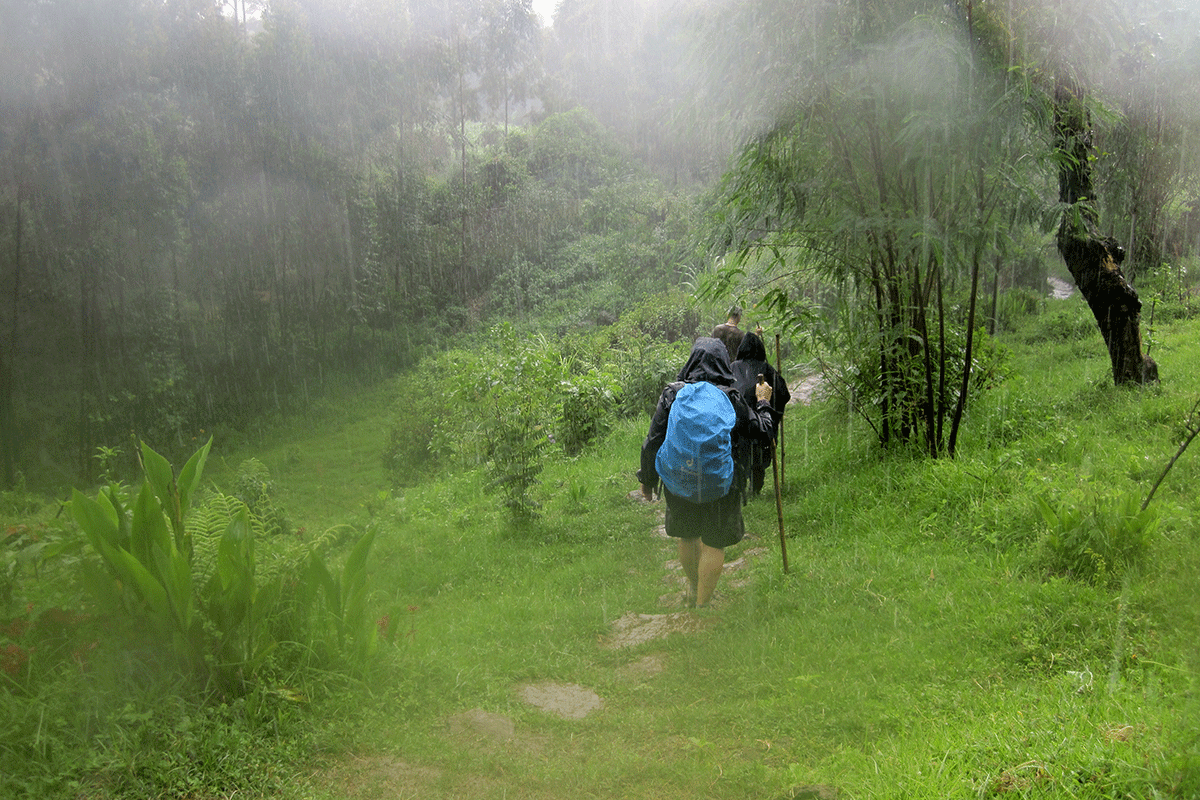
For dry-season travel, plan early and put the permit before the lodge booking. For green-season travel, pack for mud, ask which roads are practical and still verify actual availability before paying for flights. Some travelers enjoy the atmosphere of misty volcano slopes and lush vegetation; others prefer to minimize the chance of persistent rain. The comparison offered in best time of year to trek gorillas can help frame that decision, while general Rwanda gorilla trekking information helps separate weather preferences from the administrative reality of securing a date.
Plan Around the Permit
Ask about nearby dates and practical travel arrangements before paying for nonrefundable services.
What to Do If Your Preferred Dates Are Sold Out
A sold-out date does not mean the entire journey is impossible. First, ask whether you can trek one or two days earlier or later without disrupting essential flight connections. If you are a large party, determine whether the priority is remaining together on one trekking day; splitting a group across dates may be possible but changes transport and lodging arrangements. Recheck dates through the official system or an operator and make decisions only when the updated allocation can be confirmed. Avoid paying a third party that claims to have a guaranteed private stock of permits without verifiable authorization.
If flexibility is limited, consider changing the travel month or looking at a different destination for mountain gorilla trekking. Uganda has distinct permit tariffs, different trekking sectors and longer or different transfer routes, so the overall value calculation must include travel time and accommodation as well as government fees. Our comparison of Uganda versus Rwanda gorilla safaris and broader gorilla trekking in Uganda and Rwanda can help you understand the consequences of changing countries. Do not cross a border simply because a blog suggests permits ’might’ exist there; confirm the new country’s genuine availability first.
Can You Buy a Permit at the Last Minute?
Last-minute purchases are possible only if the official system still shows an available place for the exact day and applicant category. A national park remaining open does not imply there are unsold gorilla places, and a travel desk cannot create an extra visitor slot when the authorized allocation is full. Late booking also leaves little time to correct documentation problems or arrange lodging close to headquarters. Travelers who turn up in Kigali without a permit should ask for an availability check before committing to a drive toward Musanze.
Even if a slot is found at short notice, it is sensible to review your arrival time, transport arrangements and physical readiness. A traveler landing late at night may be better served by trekking a later day than by attempting a rushed early departure. If your preferred date is unavailable, do not surrender personal documents or send money to an unverified intermediary offering access outside official channels. The main advantage of a reputable local team is coordinated planning, not the power to override park limits. The short gorilla tracking experience may suit travelers with limited time when permits and connections genuinely align.
Changing Dates, Cancellations and Refund Questions
A gorilla permit should be treated as a meaningful financial commitment. Its conditions can differ from those of a hotel room or a flight, and the ability to reschedule or obtain a refund should never be assumed. Review the Rwanda Development Board’s current rules at checkout, retain official documentation and ask detailed questions about how changes are handled. A travel company may have separate terms for services it arranges, so make sure you understand both the government permit conditions and the operator’s contract. Cancellation policies may change, making a copied online summary an unreliable substitute for the actual terms.
Purchase travel insurance early enough to cover the risks you are concerned about, checking exclusions and required evidence. Insurance will not necessarily cover every reason for missing a trek or every change of mind. If a flight is delayed, contact the operator or issuing authority as quickly as possible rather than assuming that a permit can roll forward automatically. Reconfirm names, dates, passport validity and airport connections before paying. Travelers checking gorilla permit updates should focus on information that applies to their specific purchase and should seek written confirmation for any unusual circumstance.
Building a Realistic Two-Day or Three-Day Rwanda Plan
A focused two-day arrangement can begin with arrival in Kigali and a transfer toward Musanze, followed by an early start at Kinigi and a trek on the second day. That pattern only works if flights and ground travel leave adequate buffers. Many travelers prefer three days: arrival and transfer on day one, gorilla trekking without additional major travel pressure on day two, and a relaxed return on day three. This creates room to enjoy the mountain setting, recover after the hike and avoid an anxious same-day international departure. The permit date remains the fixed point around which everything else is organized.
For a more varied visit, combine the trek with golden monkeys, cultural experiences or additional national parks, provided the timing supports each activity. A short four-day Rwanda gorilla and culture tour can offer more depth than a hurried there-and-back journey. A longer five-day Rwanda gorillas and Nyungwe itinerary introduces different forests and may be relevant to the government’s conditional low-season discount rules if the exact park-stay requirements are met.
A Sample Budget Beyond the Government Permit
For two foreign non-resident adults, standard Rwanda gorilla permits cost US$3,000 in total before any qualifying promotion. The other costs are variable: international flights, airport transport, a private or shared vehicle, driver services, accommodation for one or several nights, meals, optional porters, tips, insurance and personal purchases. A couple comparing a simple guesthouse with a luxury lodge may face very different final totals despite paying the same standard government permit amount.
When reviewing a quote, check whether the gorilla permits are already included, whether accommodation is listed per room or per traveler, which meals are covered and whether taxes or park-related transfers appear elsewhere. Ask about the vehicle’s availability after the trek and the treatment of unexpected schedule changes. If you want to compare styles, our luxury gorilla trekking safari and budget gorilla trekking discussions show why experience design matters alongside government fees. There is no reliable universal all-inclusive cost for every traveler; request an estimate based on dates, hotel standard and group size.

Rwanda or Uganda: Which Gorilla Permit Is Better Value?
There is no single answer, because cost and convenience point in different directions for different travelers. Rwanda’s standard foreign visitor permit is US$1,500, while the frequently published Uganda standard foreign non-resident rate is US$800 outside its applicable discounted periods. Rwanda’s road access from Kigali to the Virunga foothills is relatively compact, making a shorter itinerary attractive. Uganda can offer a different overall trip structure with multiple gorilla sectors, other wildlife destinations and longer overland distances from Entebbe. A cheaper permit does not necessarily create a cheaper total trip if transport or additional hotel nights increase significantly.
Travelers already visiting Kigali may find the transfer to Uganda’s southern gorilla areas worth considering, but border requirements and the sector-specific travel time must be researched carefully. The one-day gorilla tracking route from Kigali illustrates an ambitious cross-border option, while Bwindi gorilla trekking describes a different mountain-forest experience. Choose after comparing dates with actual available permits in each country, not by applying Rwanda’s ticket price to Uganda or vice versa. The best value is the itinerary that reliably delivers the experience you want within an acceptable time, comfort and budget.
Responsible Trekking After Your Permit Is Issued
Having a paid permit grants entry subject to the rules; it does not remove the need to protect wildlife. Listen to ranger instructions, keep the required separation from gorillas, remain quiet and avoid sudden movements. If a gorilla approaches, follow the guide rather than trying to arrange a better photograph. Do not use flash, feed animals or leave litter. Tell the guide if you feel ill, because a preventable human infection can threaten animals that are closely related to us. The official health rules apply even if you have spent many months planning the journey.
The experience is often memorable precisely because it is not choreographed. A young gorilla may play, an adult may feed or the family may rest silently in the vegetation. Ethical travelers accept those moments rather than demanding an artificial performance. A guide can explain body language and keep the group in the appropriate position. Visitors interested in mountain gorillas in Rwanda can approach the trip as an opportunity to understand a living ecosystem, not simply purchase a photograph. A well-managed visit can support conservation while still recognizing that the forest belongs to the animals.
Frequently Asked Questions About Rwanda Gorilla Permits
People often ask whether the quoted US$1,500 is a daily entrance pass that could be reused. It is not: it pays for a single assigned gorilla trek on a specific day. To trek on two separate days, a traveler normally needs two individually confirmed permits. Others ask whether children can accompany their parents. Rwanda’s minimum tracking age is fifteen, so a family with younger children must plan alternative activities and safe supervision. Another frequent question is whether everyone can join the same gorilla group. Staff assign groups according to the day’s operational needs; a large party should discuss arrangements in advance but must not assume a particular family is reserved.
Does rainy weather cancel trekking? Ordinary rain is part of the forest experience, although the park makes decisions based on safety and operating conditions. Can the permit be purchased from a hotel? A hotel or operator may help arrange it, but the authorization must ultimately come through the official government system. Can the price rise after a quotation? Published tariffs and promotions can change, so confirm what is paid, what is provisional and what is covered by written terms. These distinctions are as important as knowing the headline Rwanda gorilla permit cost. If your questions are unusually specific, consult the government’s booking office rather than accepting an unverified social-media answer.
Final Checklist Before You Pay
First, confirm that every trekker is at least fifteen on the tracking date and that the identity documents are valid. Second, choose two or three acceptable trekking dates and check the official system or request a documented check from a trustworthy operator. Third, confirm the applicant category and any documentary proof needed for a promotional tariff. Fourth, read the relevant conditions before payment, especially when a low-season discount depends on additional national-park stays. Fifth, request and save the issued permit confirmation showing the right names and date. Sixth, reserve transport and accommodation so you can report to the park on time.
Finally, prepare for the actual forest: train for hills, pack appropriate clothing, monitor your health and build buffer time around flights. Rwanda gorilla permit availability may be the most urgent booking question, but comfort, safety and responsible behavior shape the value of the experience. When you are ready to book Rwanda gorilla permits, ask for an itinerary that itemizes government fees separately and identifies which services remain optional. The best-planned gorilla encounter balances a confirmed date, practical logistics and respect for wildlife.
Rwanda Gorilla Permits Price and Availability: Official Sources
Published fee categories and eligibility were checked against the Rwanda Development Board booking page; practical guidance against the official Visit Rwanda trekking overview; and the conditional park-stay offer against the official low-season discount page. Prices and rules may change. Source access checked in November 2026; live date-by-date permit inventory was not checked.