quad biking and horse riding in Jinja: 7 Amazing Secrets
East Africa • Visitor guide
Quad Biking And Horse Riding In Jinja — Quad Biking and Horse Riding in Jinja
Quad biking and horse riding in jinja begins with clear expectations about the destination, timing and rules that affect the visitor experience. Jinja sits near the Nile in eastern Uganda and offers countryside experiences beyond white-water rafting and boat excursions. Guided quad routes may include rural tracks, village paths and riverside viewpoints; choose a reputable provider with working helmets and clear safety briefings. This guide explains the important choices in a way that helps travelers arrange a realistic trip rather than relying on a general promise about travel time, scenery or wildlife sightings.
A practical example
A first-time rider may enjoy a short, supervised Jinja circuit while an experienced companion wants a longer route. Those requests should not automatically be combined into one group pace. Ask which surfaces, equipment and instructor ratios apply, then decide whether the rides should be booked separately.
Quad Biking and Horse Riding In Jinja Uganda .
quad biking and horse riding in Jinja: practical decisions and Jinja adventures
Decision 01
quad biking and horse riding in Jinja: River setting
Jinja sits near the Nile in eastern Uganda and offers countryside experiences beyond white-water rafting and boat excursions.
Decision 02
Jinja adventures: Quad biking
Guided quad routes may include rural tracks, village paths and riverside viewpoints; choose a reputable provider with working helmets and clear safety briefings.
Decision 03
Nile horse rides: Horse riding
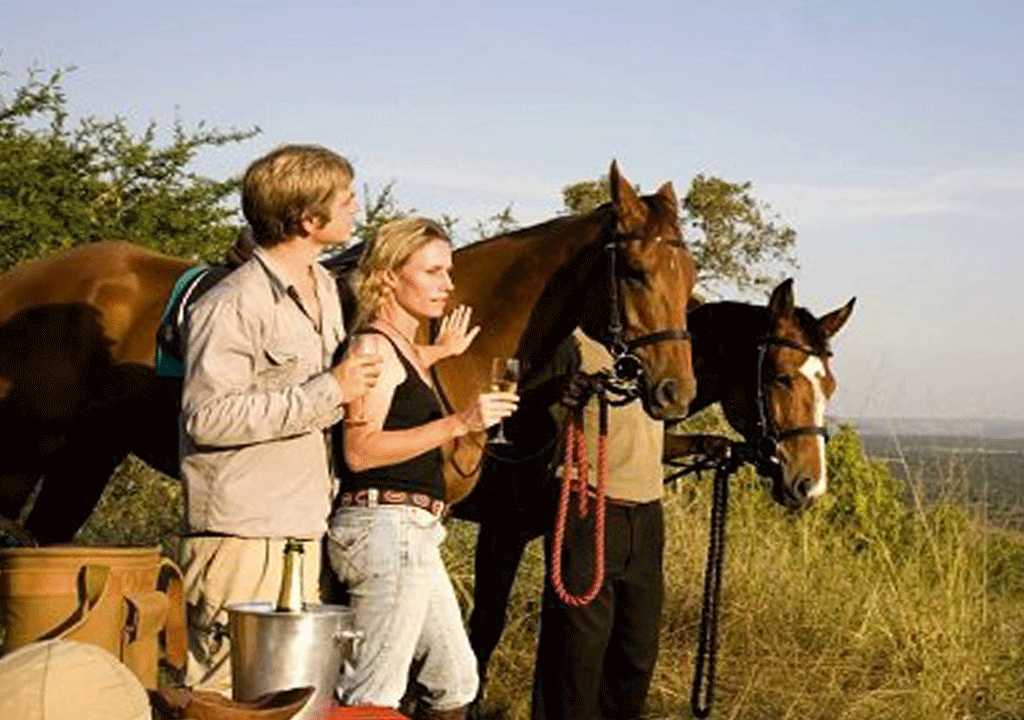
Riding excursions vary from gentle beginner sessions to longer routes for experienced riders, and should match the traveler’s ability.
What to expect: activities, access and conditions
quad bike safety: River setting
Ask the person arranging quad biking and horse riding in jinja to explain how “river setting” changes the practical plan. The important detail is not just the attraction’s name but the exact location, time and conditions described here.
Uganda outdoors: Quad biking
Ask the person arranging quad biking and horse riding in jinja to explain how “quad biking” changes the practical plan. The important detail is not just the attraction’s name but the exact location, time and conditions described here.
Ask the person arranging quad biking and horse riding in jinja to explain how “horse riding” changes the practical plan. The important detail is not just the attraction’s name but the exact location, time and conditions described here.
Safety equipment
Closed shoes, a properly fitted helmet and appropriate clothing are more important than casual adventure photos.
Horseback Riding .
Community respect
Slow down near homes and livestock, give pedestrians space and ask before photographing children or residents.
Age and weight policies
Operators set horse-riding and quad-bike participant rules; verify these rather than assuming a universal minimum age.
Horse back riding .
Weather effects
Rain may make trails slippery and alter routes, so a backup time slot is useful.
Trip planning
Jinja works as a day visit or overnight addition to a wider Uganda itinerary, with different timing from Kampala depending on traffic.
Ask the person arranging quad biking and horse riding in jinja to explain how “trip planning” changes the practical plan. The important detail is not just the attraction’s name but the exact location, time and conditions described here.
Where to Go for Horse Riding Safari in Uganda .
What to compare
Check instructor-to-guest ratios, insurance, protective gear, cancellation terms and whether the advertised price covers transport.
Ask the person arranging quad biking and horse riding in jinja to explain how “what to compare” changes the practical plan. The important detail is not just the attraction’s name but the exact location, time and conditions described here.
Nile horse rides and quad bike safety: preparation details
Before travel
What to confirm
Booking proof
Date, operator, location and whether every required permit is included
Transfers
Pickup time, driver contact, border or road buffers where relevant
Equipment
Footwear, rain protection, medication and suitable personal gear
Visitor rules
Minimum ages, guide instructions, health conditions and safety briefing
Price details
Entry tickets, accommodation, meals, extra activities and cancellation clauses
Weather contingency
Alternative timing or safe activities if conditions change
For this itinerary, choose Accommodation close enough to the actual activity entrance to avoid unnecessary transfers. Confirm the access road, check-in timing and any early breakfast arrangements.
Horseback riding safaris in Uganda e1706106299532 .
Uganda outdoors: what to decide before visiting
Frequently asked questions
What should visitors know about what to compare?What should visitors know about weather effects?What should visitors know about community respect?What should visitors know about horse riding?What should visitors know about river setting?Jinja Nile Resort .
Key takeaways for this visit
The most useful planning details for Quad Biking and Horse Riding in Jinja are river setting, horse riding and community respect. Confirm the relevant rules and logistics before travel, and keep weather-sensitive activities flexible.
Quad biking and horseback riding trips around Jinja operate on different routes and meeting points. Identify the actual departure location before comparing packages.
Ride difficulty
A beginner ride on a managed track differs from an extended trail crossing uneven ground. Ask about the minimum age, instruction and pace for each participant.
Helmets and a pre-ride briefing should be expected. Check instructor supervision and what happens when rain changes trail conditions.
Cultural respect
Rides may pass farms and settlements. Responsible behavior means respecting local paths, animals and residents rather than treating rural areas as a racecourse.
Practical details worth checking
This approach is especially helpful for families, photographers and visitors who prefer a gentler pace, because quad biking and horse riding in jinja should be tailored to people rather than to a fixed sales script.
The most important early decision for quad biking and horse riding in Jinja is the confirmed date and access point.
Before departure
The day on the ground
Weather and season
quad biking and horse riding in Jinja: particular questions for this trip
The reason this deserves attention is that travelers often make the decision too late, after another part of the itinerary is already fixed. Jinja works as a day visit or overnight addition to a wider Uganda itinerary, with different timing from Kampala depending on traffic. The best comparison includes both the attractive experience and the less visible transport, access and recovery time needed to enjoy it. Keep the plan flexible enough to accommodate actual conditions while making sure the essential booking details are not vague.
The reason this deserves attention is that travelers often make the decision too late, after another part of the itinerary is already fixed. Check instructor-to-guest ratios, insurance, protective gear, cancellation terms and whether the advertised price covers transport. The best comparison includes both the attractive experience and the less visible transport, access and recovery time needed to enjoy it. Keep the plan flexible enough to accommodate actual conditions while making sure the essential booking details are not vague.
A clear checklist helps avoid last-minute confusion. Review the documents and contact details well before the departure day, then confirm again when dates or visitor categories change. The questions below are deliberately specific: every operator should be able to explain which part of the journey is fixed, which is weather-dependent and which additional cost needs your approval.
For a smoother trip, review Accommodation options only after confirming the activity location and the travel day. A beautifully photographed lodge is not automatically convenient for an early park briefing or a long cross-border transfer. Ask how long the final approach takes in the conditions likely at your time of travel.
Consider the complete travel party when judging physical difficulty or pace. Children, older visitors, people with mobility needs and photographers carrying heavy equipment may need different support. If medical or accessibility requirements are relevant, contact the operator early and obtain an honest description of the terrain and assistance that can actually be arranged.
Before sending any final payment, ask for a written itinerary showing confirmed dates, activity locations, guide arrangements, hotel location and a transparent list of included services. This is especially important where national borders, protected wildlife or changing transport schedules are involved. A carefully checked itinerary gives visitors more freedom to appreciate the place once they arrive.
Quad biking and horse riding in Jinja: choosing your activity
The two experiences feel different
Quad biking and horse riding around Jinja introduce visitors to outdoor landscapes at different speeds and with different kinds of physical control. A quad bike requires attention to a motorized vehicle, throttle response, braking and the route surface. Horse riding depends on the animal’s temperament, the rider’s balance and communication with the instructor. Neither activity should be selected solely because it appears exciting in photographs. Ask what the route includes, which skill level it is designed for and how guides supervise participants. The most enjoyable choice is the one that fits the traveler’s confidence, health and willingness to follow safety instructions throughout the session.
Beginners should say so before arriving
A first-time rider may be comfortable with a short supervised circuit but not with a longer route involving rough tracks or faster movement. An experienced companion may prefer something more demanding. These preferences should be discussed when reserving the activity rather than after the group is assembled. Ask whether introductory instruction is included and how the operator evaluates a person’s readiness. Nobody should feel pressured to ride beyond their comfort level to keep up with friends. A responsible provider can describe its available beginner options and explain when a particular route is unsuitable. Honest ability information helps avoid preventable problems for both guests and staff.
A single booking may not suit every group member
Families, couples and groups of friends sometimes assume everyone can participate in the same format. Age restrictions, body-size limits, riding experience and other eligibility conditions may differ between operators and activities. One guest may enjoy a guided horse walk while another prefers a motorized adventure. Ask how mixed-ability groups are handled, whether alternative activities are available and where participants can meet afterward. Booking separate sessions can be more satisfying than forcing everyone into one pace. The point of an outdoor outing is enjoyment and confidence, not proving that all members can complete the same route under the same conditions.
Quad biking: equipment and route decisions
Proper instruction comes before the trail
A quad bike should not be treated as an automatic extension of driving a car. Controls, balance and stopping techniques can be different, particularly on gravel, mud or uneven ground. A competent operator should explain the vehicle and provide supervised practice appropriate to the rider’s level. Listen carefully to instructions about throttle control, spacing and following the guide. If the machine feels difficult to control, communicate the concern immediately rather than continuing out of embarrassment. The most valuable part of a beginner session may be learning to move safely and comfortably before attempting any longer route.
Protective equipment is essential
Ask what helmet and other protective equipment are supplied, whether sizes fit correctly and how equipment is maintained. Closed shoes and clothing that covers the skin may be more practical than sandals or loose garments. Do not wear accessories that can snag on the machine or obstruct vision. If weather is wet, discuss whether the intended route remains suitable. A visitor should never assume that a photograph of an unprotected rider represents acceptable practice. Safety arrangements are a central part of what is being purchased. A low price is not good value if it comes with vague instruction or poorly fitting gear.
Mud and dust change riding conditions
A trail that is firm on a dry day may be slippery after rain. Dust can also reduce comfort and visibility when conditions are dry. The guide should select a pace that fits the group and explain how to handle difficult patches. Keep a suitable distance between vehicles and avoid overtaking without permission. A rider who feels overwhelmed should ask to slow down or stop in a safe location. The objective is to explore the landscape while maintaining control, not to race other tourists. When weather changes the route, the operator should communicate that choice clearly rather than treating the original plan as mandatory.
Duration is not the same as difficulty
Two quad-bike tours may both be advertised as one hour while including very different surfaces, stops and levels of instruction. Ask how much time is spent on practice and how long riders actually travel on the trail. A shorter route with varied scenery may be more enjoyable for a beginner than a longer technical circuit. Experienced riders should also confirm whether the operator permits advanced routes rather than assuming they can drive at their preferred speed. The value of a session depends on appropriate supervision and the nature of the terrain, not only on the number of minutes listed in the package.
Horse riding: matching the visitor with the experience
The horse and guide matter as much as the route
Horse riding is an interaction with a living animal. The operator should choose a suitable mount for the participant’s experience, size and confidence, and explain how to behave around it. A beginner should receive clear instruction on posture, holding the reins and responding to the guide. Avoid sudden movements or loud behavior that may unsettle a horse. If a visitor is uncomfortable, it is better to discuss the concern before setting out. The goal is a calm, supervised experience in which the animal’s welfare and the rider’s safety are both respected.
Walking pace can be a meaningful activity
Not everyone needs a fast ride to enjoy the landscape. A guided horse walk may offer opportunities to notice vegetation, rural scenery and the river environment while learning basic riding skills. It can be especially suitable for someone seeking a relaxed outdoor experience rather than an adrenaline-focused activity. Ask whether the operator offers different durations and difficulty levels, and understand that route availability may depend on conditions. A ride should not be advertised as suitable for all ages or fitness levels without checking the provider’s requirements. A thoughtful choice values comfort, supervision and scenery over speed.
Animal welfare is part of responsible tourism
Visitors can observe how a riding provider treats its horses before committing to the activity. Animals should appear appropriately cared for, with suitable equipment and reasonable work practices. Do not pressure a guide to make a horse perform beyond its comfort or capacity merely to create a dramatic photograph. Follow instructions about feeding, touching and approaching the animals. A good operator should be willing to discuss its care routines and the matching of horses to riders. Responsible tourism includes the welfare of working animals, not only the satisfaction of the paying visitor.
Clothing and posture affect comfort
Long trousers and closed shoes can reduce rubbing and help protect the rider during a session. Avoid clothing that restricts movement or catches on equipment. Listen to the instructor’s advice about sitting position and balance, especially when the terrain changes. Riders who have not been on a horse before may find even a short outing physically unfamiliar. Discuss any relevant back, knee or balance concerns before booking. A responsible provider can explain whether a ride is suitable, but guests should not conceal significant limitations. Comfort and confidence help people appreciate the scenery instead of concentrating only on staying in the saddle.
Jinja’s landscape and the Nile setting
Use the scenery as part of the experience
Jinja is known for its relationship with the Nile and for outdoor activities in the surrounding countryside. A guided ride may pass rural landscapes, vegetation or river views, depending on the operator’s permitted route. Ask what the route actually includes instead of assuming every booking travels beside the water. A photograph on a website may come from a particular package or older route. The most worthwhile session is one where visitors understand the setting and move at a pace that allows them to notice it. Experienced local guides can provide context without promising access to private land or places beyond the agreed trail.
Respect communities along the route
Riding routes may pass near homes, farms or working paths. Participants should remain with the guide and avoid damaging crops or disturbing residents. Ask permission before photographing people and keep noise under control. The area is not an empty playground created exclusively for tourism. Some local paths are shared by walkers, cyclists or other road users, so riders should follow instructions about yielding and spacing. Respectful behavior helps outdoor activities coexist with everyday community life. It also makes the experience more meaningful by reminding visitors that the landscape has economic and social roles beyond recreation.
Different seasons change the atmosphere
Rain may make some tracks muddy, while dry weather can create dust or heat exposure. The operator should select routes that remain safe under current conditions and explain any changes before the activity begins. Visitors should carry drinking water and sun protection where appropriate. A camera or phone may need protection from dust and rain, but avoid using it while operating a vehicle or controlling a horse unless the guide has permitted a safe stop. An enjoyable outdoor session responds to the actual environment rather than insisting on the same route regardless of weather. Flexibility is a strength when it protects participants and animals.
Combining Jinja activities in one visit
An active morning does not require an overloaded afternoon
A traveler may want quad biking, horse riding and another Nile activity during a short Jinja stay. Each experience needs preparation, travel and recovery time, so combining everything into a narrow window can reduce enjoyment. Decide which activity matters most and allow sufficient time for instruction. After a demanding session, a relaxed meal or scenic break may be more appealing than immediately beginning another adventure. A longer stay can make different outdoor experiences feel distinct. The aim is not to accumulate as many activity names as possible, but to enjoy a manageable sequence suited to the visitor’s interests and energy.
Water activities have different safety systems
Jinja is also associated with river experiences, but rafting or other water-based activities should not be treated as extensions of a quad-bike or horse-riding booking. They involve separate equipment, guides and risk assessments. Travelers who want to combine them should confirm eligibility and operating conditions with each specialist provider. An activity may be unsuitable for someone because of health, skill level or age, even when another activity is appropriate. Discuss the entire day’s plan rather than assuming everyone can participate in every adventure option. Responsible operators will explain the differences and avoid pressure to take unnecessary risks.
A slower Jinja visit can be just as rewarding
Some visitors prefer a scenic river outlook, a walk around town or time to learn about the area’s history. A ride can be one element of this wider experience rather than the only purpose of a visit. Travelers who are not comfortable with motorized sports or horses need not feel that they are missing the essence of Jinja. The region offers different ways to enjoy its landscape, and the appropriate choice depends on personal interests. An itinerary with one well-organized outdoor activity and time for quieter exploration may offer greater variety than a hectic series of similar high-energy sessions.
Choosing a trustworthy activity provider
Ask specific questions about safety
A useful booking conversation covers the guide’s experience, protective equipment, route suitability and how beginners are instructed. Ask what happens if a participant becomes uncomfortable or a vehicle or horse cannot continue. An operator should have a clear plan for these situations. Be cautious of a provider that promises any rider can do any route without considering age, skill or physical needs. Safety policies should be explained calmly and without dismissing questions. A well-supervised activity is enjoyable precisely because participants understand the boundaries and can concentrate on the experience.
Know what is included in the quoted price
Some packages may include transport to the activity location, equipment and guiding, while others charge separately. Confirm the start point, session duration and whether time for instruction is included in the advertised length. If several people are booking together, ask how the price changes with group size. Clarify cancellation terms and weather-related arrangements. A low headline rate is not necessarily better value when the session is shorter or has fewer services than expected. An itemized description allows travelers to compare options based on the real experience rather than marketing labels such as extreme or premium.
Verify age and health requirements
Riding activities can have minimum ages, size limits or other restrictions determined by the provider. Do not guess those conditions from a photograph of a young participant. Families should check eligibility individually and plan appropriate supervision for children who are not participating. Visitors with relevant medical or mobility concerns should seek appropriate advice and explain their situation before making a reservation. A private booking cannot make an unsafe activity suitable for someone who should not take part. Clear eligibility information protects guests and supports responsible decisions by operators.
Personal preparation and practical travel details
Plan clothing for the chosen session
Closed shoes, weather-appropriate layers and comfortable clothing are useful for both quad biking and horse riding, though the operator may have specific requirements. Avoid loose scarves or accessories that could interfere with equipment. Ask whether the activity provides helmets and other protective items, and check the fit before starting. Bring drinking water and a change of clothes if muddy conditions are possible. A large travel bag usually does not belong on the trail; arrange secure storage for belongings. Proper preparation helps visitors focus on instruction and surroundings without worrying about preventable discomfort.
Book around your Jinja arrival time
A traveler driving from Kampala or arriving from another part of Uganda should account for road traffic and time needed to reach the operator’s actual starting point. Do not assume an afternoon session is still available if the transfer runs late. Confirm how early participants need to arrive for briefing and equipment fitting. If an activity is central to the visit, consider sleeping nearby rather than attempting a very long same-day return. A clear route and realistic timing can make the difference between a relaxed outdoor experience and a rushed journey that begins or ends in poor conditions.
Keep photographs secondary to safe control
Taking pictures while riding a quad bike or controlling a horse can create unnecessary distraction. Use safe stops approved by the instructor or ask a companion on the ground to photograph the group where permitted. Never operate equipment one-handed merely to record a video. Respect private property and ask permission before photographing residents along the route. Good photographs are valuable memories, but they should result from the experience rather than compromise it. An operator who prioritizes safety should be willing to advise on suitable photo opportunities without encouraging risky maneuvers.
Responsible outdoor tourism in Jinja
Protect trails and shared spaces
Follow established routes and avoid driving or riding through areas where access is restricted. Muddy tracks can be particularly vulnerable to damage, and private farmland should be respected. Carry litter back and avoid disturbing animals or vegetation unnecessarily. Guides are responsible for explaining route rules, while visitors are responsible for following them. The landscape supports communities and other road users, so recreational activity should not interfere with their safety or livelihoods. Responsible behavior helps outdoor tourism remain compatible with the wider environment.
Treat working animals with care
During horse riding, a visitor should recognize that the animal has limits and needs. Follow the instructor’s guidance about mounting, movement, rest and contact with the horse. Do not insist on a faster pace or a difficult maneuver for a photograph. A well-managed experience respects the horse as more than equipment used for entertainment. Travelers can choose providers that demonstrate careful handling and appropriate welfare standards. That decision contributes to a better experience for both people and animals.
Select the experience you will genuinely enjoy
An exciting Jinja itinerary is not defined by how extreme it sounds. Some travelers find a supervised introductory quad-bike ride satisfying, while others enjoy a quiet horse ride through suitable scenery. More experienced visitors may be interested in longer routes when appropriate options exist. A good booking process matches the visitor with the right activity, explains the risks and leaves room to ask questions. The outcome should be a safe, memorable outdoor experience rather than pressure to complete a route chosen only because it looks dramatic in a promotional photograph.