Practical Safari Trips for Female Travelers
Practical Safari Trips for Female Travelers
Practical Safari Trips for Female Travelers are for female travelers aiming to go on a safari in Uganda or Rwanda. A Uganda safari for women can be an exciting adventure for a girls’ trip or even a solo female safari.
Going to a new place can be scary and intimidating. However, it can be exciting, fun, and full of possibilities if you plan well for it.
Traveling to a place for the first time can be quite challenging and dreadful if you have little or no information. Don’t let this hold you back. Here are a few tips to help you come to terms with that upcoming holiday trip to Uganda.
For more than 10 years, we have executed many safaris all over Uganda, with thousands of people. Whether you are traveling alone, with your family (including children), or in a small group of friends, we have handled that before and we speak from firsthand experience.
These Safari tips are to help you, as the female traveler to come to terms with some of the questions on your mind.
Some of the Practical Uganda Safari Trips For Female Travelers
1. Climate & Seasons
The first Practical Safari Trip for Female Travelers concerns climate. Uganda has two seasons, the rainy seasons (April, May, October, November, and December) and the dry seasons (January, February, March, June, July, and August).
The weather is generally warm and temperatures will rarely past 30 degrees Celsius ( 86 degrees Fahrenheit) during the day. Higher altitude areas like Bwindi (where you might go for gorilla trekking) and the other mountains will be colder due to the high altitude.
While you can visit Uganda at any time of the year, we advise you to choose a season that will make your stay more comfortable. The season of your safari and the places you want to visit will determine what you should pack. This is so because different seasons require different items to pack.
Your basic casual clothing and a light sweater or two are perfect for your visit. The extra adjustments are for the activities and weather.
2. Clothing.
Packing the right outfit is always vital for a woman. With being such a long way from home, you might want to come prepared for literally anything. Depending on your itinerary, you need to pack something fit for the activities you intend to partake in.
Make sure that you pack clothes that are comfortable to wear. For long drives and game drives, the road can get bumpy. We highly recommend a sports bra for this reason as it will be much more comfortable.
Modest clothing is recommended as Ugandans are generally modest in their dress code. Mini skirts and very short and revealing clothing are less practical. If you visit a place of worship or cultural center, attire that covers up so much is very necessary.
3. Shoes.
In most of the areas, simple Converse shoes or trainers will work perfectly. If you already have hiking shoes, they will do fine in most situations.
We recommend carrying shoes that you have worn and tested out and are certain of their being comfortable. Uncomfortable shoes can easily ruin your day and the safari experience.
In the event of mountain climbing or gorilla trekking where specific shoes are recommended, you will be told so by our team as you prepare. The topography and landscape in these forests are bumpy and mountainous with a lot of hiking involved, so you need sturdy footwear.
Carrying simple sandals is also recommended, for use during long drives, in towns, or at the lodge. There is no need to carry high-heeled shoes for safari. You might carry them along for separate reasons, but they are not practical on your safari.
In the national parks and forests, it is recommended to wear closed shoes. This protects you from injuries such as sprinters, as well as bites from all manner of ants.
4. Attire & Colors to wear.
Tracksuits and raincoats come in handy too as you venture deeper into the rain forests. This protects you from insects, thorny bushes, and unpredictable weather.
Be sure to pick out neutral colors that don’t stand out too much, after all this isn’t Hawaii, you will spend most of your time in the wild. Once again, comfort is key. We advise against tight trousers, shorts, or showy tops as this tends to turn out to ruin your wild experience. You will want to wear loosely fitted and flexible attire.
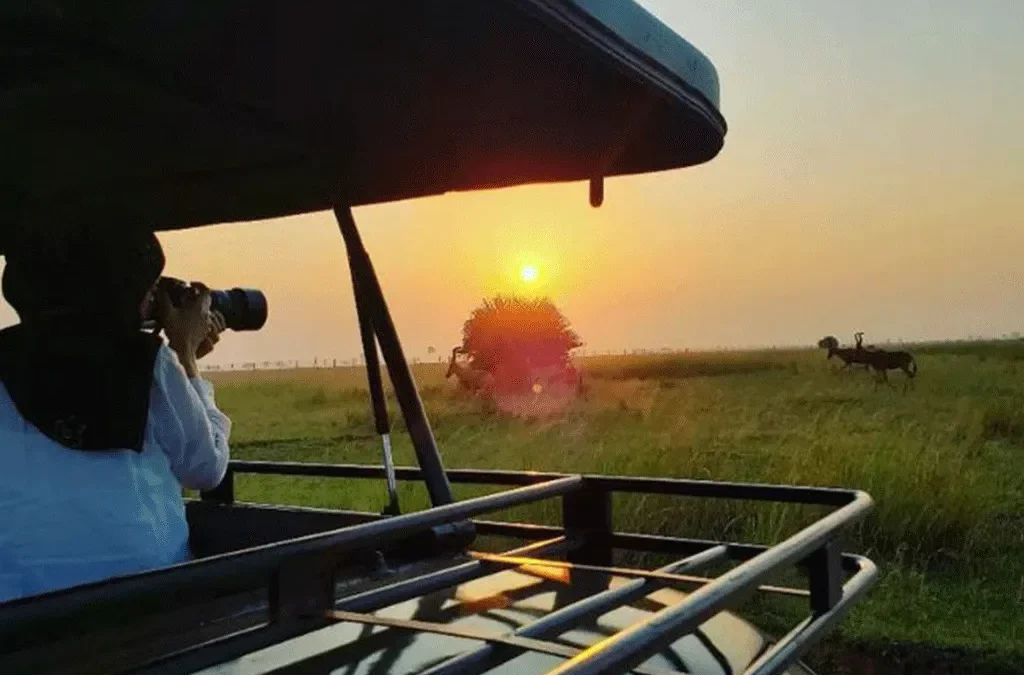
Other game parks like Murchison Falls, Queen Elizabeth, Lake Mburo, and Kidepo might not require much protection. You can only view the animals from the comfort of your safari car. Your casual clothing, a hat, and sunglasses should be enough.
Colors like pink, white, and very light blue catch dirt very fast and that doesn’t feel great. Good color options include Khaki, beige, brown, green, grey, and other colors close to these.
5. Skin Protection.
Practical Safari Trips for Female Travelers- skin protection. Yes, Uganda is in the equatorial region. These are new conditions for you. You will spend most of the time out in the sun and possible heat. If you are already used to equatorial conditions, just don’t worry much about this point.
As much as the hat and sunglasses will protect you, carry your sunscreen and insect repellent. You can also buy sunscreens in Kampala on arrival but don’t be certain of finding a very specific brand. It is recommended you carry your sunscreen from home – something you have already used and already love and trust.
Nature walks into the forests and exposes you to so many insects like mosquitoes. This is why you need an insect repellent.
6. Backpack.
Every woman needs a smaller convenient handy bag. A backpack will help in carrying toiletries, water bottles, phone charger/power bank, camera, sweater, packed lunch & snacks, sanitizer, sunscreen, and insect repellent among others.
You are spending the entire day away from your lodging area, and you want to move light but with every necessary thing, you need within arm’s reach. As part of your tour package, (this is optional) packed lunch can be prepared and distributed to you in the morning from your lodges if you plan to spend the entire day in the park.
A small backpack will be easy to carry around, tuck under the raincoat in case of rain, and help you keep hydrated on that long hike. You should choose a light backpack that won’t be so much of a problem for you to carry.
Any backpack in the right size, with the right straps, will do fine. A huge backpack will tempt you into carrying more things – which makes it all heavy and a burden.
7. Health & Well-being.
Generally, there are no major epidemics in Uganda. However, for your assurance, please check the Ministry of Health for the current national status and specific regions you will be visiting. Check the Uganda Ministry of Health website. Our Safari consultant will tell you of any health risks as soon as possible.
You are required to take the yellow fever vaccination before your travel to Uganda and take prescription medicine for malaria before, during, and after your visit. The Centre for Disease Control (CDC) also recommends Hepatitis A and Typhoid vaccines since they can be easily contacted through water and food.
Travel insurance can be a literal lifesaver! You a visiting a new place, taking on risky adventures deep in the game parks, whitewater rafting, zip-lining, and all other exhilarating activities. Taking precautions is smart and vital in case anything unplanned happens.
For that ‘time of the month’, you should carry enough familiar supplies. It won’t be easy to ‘borrow’ especially when you are deep in the wilderness. In case you need any assistance, feel free to ask your guide or any staff at the lodges. Menstruation is normal and you shouldn’t feel shy about it.
You should also carry any of your regular medicine. This is, of course, as your doctor recommends. Medical conditions should be communicated so that we can account for them in the way the tour runs.
8. Safety & Security.
Being a fairer gender comes with a certain percentage of worry. If you are traveling solo, ensure to check TripAdvisor for the best-rated travel and tour companies in Uganda. Reading good reviews will give you confidence in your choice. A well-trusted and professional tour operator is enough to give you great peace of mind.
Correspondence with your safari planner as you make preparations should help create a connection even before the trip. There are lots of female tour guides if that is what makes you more comfortable. So, feel free to ask for one, if you want her. Game parks normally close at 6 pm giving you ample time to drive back to your lodging to freshen up and rest.
You should raise all questions you have about your safety as they come (before or during the safari) and take proper precautions. Our tour guides are professional people with many years of experience and are always ready to assist in making sure that you are safe and have the peace of mind to enjoy your safari.
9. Keep in contact with the outside world.
Your phone is your best friend. Don’t forget to carry a power bank, you don’t want to be halfway hiking Mt. Rwenzori and not capture that moment or drive past the majestic elephants in Queen Elizabeth National Park without sneaking a picture. But most importantly you want to keep in touch with people at home daily. Or, you’d want to let them know you are doing okay at a certain period.
Most lodges have free Wi-Fi that you can use to keep in touch with your loved ones. In very remote places, the WiFi might not be very strong. You can buy a portable Mi-fi upon arrival, which doesn’t cost beyond $15. This will help you to keep connected when you’re not at the lodge. If you prefer to get a local Ugandan SIM card, our guide will help you get one from the many providers.
10. Money & Foreign exchange.
Practical Safari Trips for Female Travelers- Monetary and financial tips. Pay in advance with your selected tour company/guide for important things like Hotel booking and securing game park permits. You can read our booking terms to understand the payment commitments in full detail.
This will help you sail smoothly from one activity to another without wasting any precious time. Carry with you any important documents in case you might need to identify yourself.
With the help of your tour guide, you can exchange your money for local currency (Ugandan shillings). You may need to use it for small tips and buying souvenirs. Foreign exchange rates are not fixed and change from time to time. Therefore, a guide will advise you on where to exchange from.
Credit cards are not widely used especially in smaller business centers. Major international banks will accept debit card transactions.
As for keeping your trip within a certain budget, we (at Safari Vacations and Travel Services) can create for you a customized itinerary of your interests, that is within your budget and schedule. There are some smart ways in which you can lower your safari costs without sacrificing the wonderful experience.
11. Culture, Language, and People.
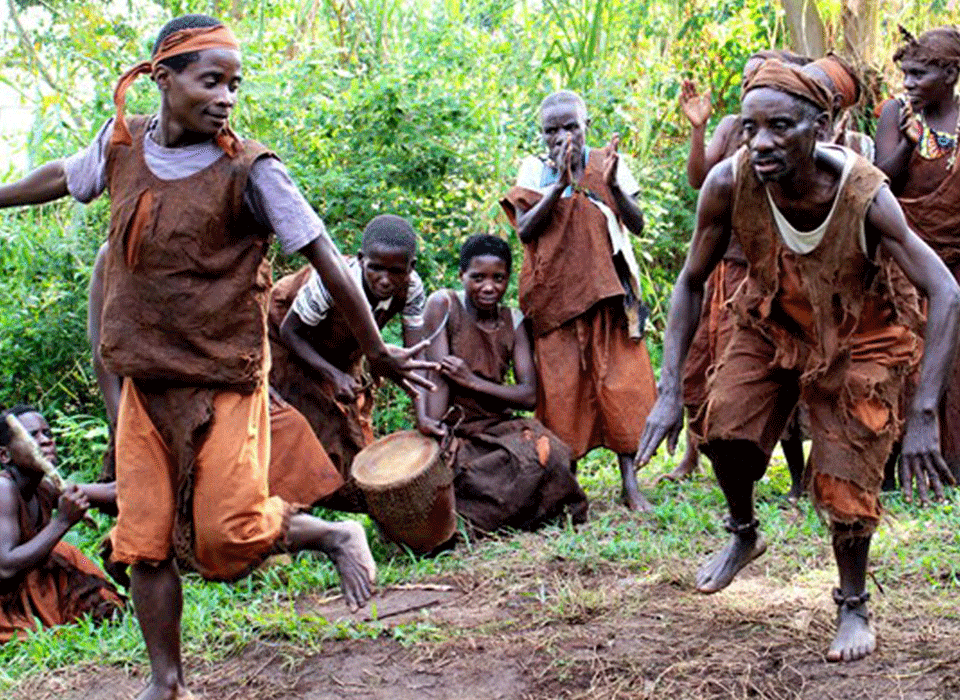
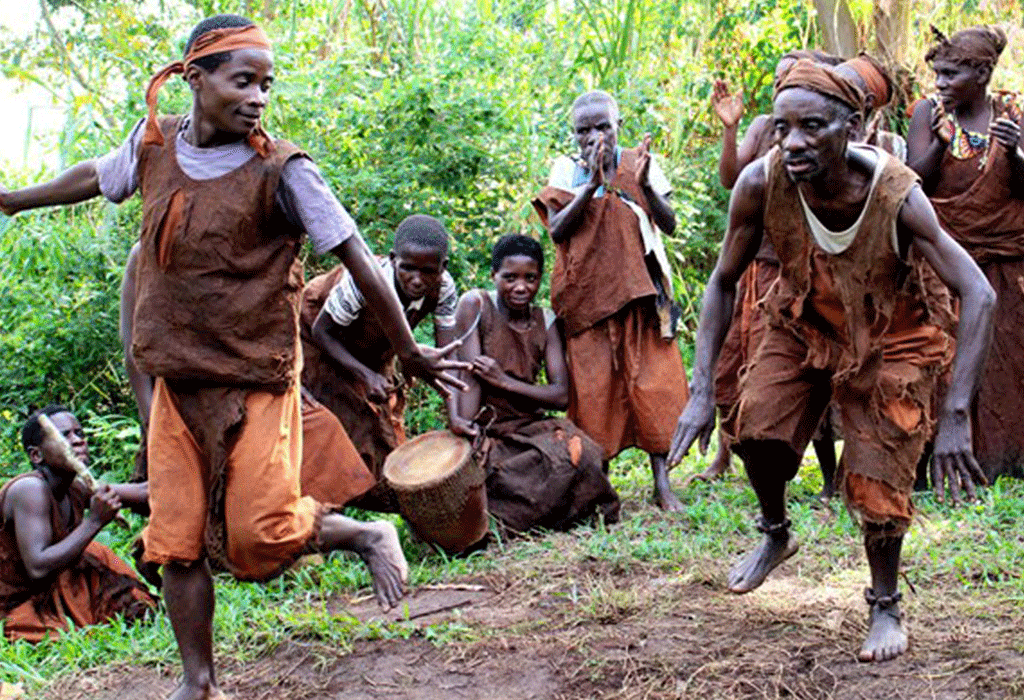
Uganda is a very culturally diverse country with over 40 ethnic sub-cultures. Each group speaks different languages (dialects) and has different customs and traditions.
English is the national language with Swahili coming in second, most of the staff at the tour sites you’ll visit and all the places in between are fluent in English so communication won’t be a problem. For non-English speaking visitors, we can make early for a guide who speaks your native language.
Generally, the people are warm and welcoming. Learning a little bit of the local languages from your tour guide for a little small talk with the locals will always bring smiles. Part of the reason you are traveling is to experience new ways of living, so embrace it and learn a thing or two from Ugandans.
12. Foods and drinks.
You don’t have to worry about carrying foodstuffs all the way. Most of the lodges and hotels around the game parks provide continental cuisines. However, you can use this opportunity to try out our original Ugandan delicacies like Luwombo, matooke, chapatis, and Rolex among others.
You can find all sorts of drinks ranging from soft drinks, fresh juice, and wines to hard liquor and locally made traditional drinks.
Conclusion
With the right tour guide, you can have the vacation of your dreams with minimum hurdles. Doing your research is important to help you get the feel of what to expect and prepare adequately for your trip. This is why we have taken the time to share our expert advice with you.
We know Uganda and also enjoy sharing it with you. Whether you are planning your first African Safari, or you are planning a solo trip to check off items on that bucket list, we believe that we are the team to make that dream vacation exceptional.
Tell us what sort of safari you want, and when you want it via our contact page. We will work closely with you to plan and execute it just the way you want.