
Plan Your First Uganda Safari

Plan Your First Uganda Safari: A Complete First-Time Travel Guide
Your first journey to Uganda should feel exciting rather than complicated. The country pairs rainforest encounters with classic open-country wildlife, beautiful crater lakes, lively communities and exceptional birdlife. Yet deciding between national parks, reserving permits and understanding long road transfers can overwhelm even experienced travelers. This guide turns those choices into a manageable sequence, without promising that wildlife sightings or specific permits can be guaranteed.
Whether your dream is to meet mountain gorillas, watch elephants crossing the savanna, follow chimpanzees through a forest or cruise beside hippos, the best trip begins with the right priorities. We explain where to go, how many days to allow, the difference between a permit and a tour package, what to pack and how to avoid exhausting schedules. Treat the sample routes as adaptable starting points rather than fixed promises.

How to Plan Your First Uganda Safari in 9 Practical Steps
A Uganda safari for beginners works best when each decision follows logically from the previous one. Start by deciding what wildlife matters most; then choose your season and length of stay. Next, check permit spaces and obtain a transparent quotation for guiding, accommodation and park activities. Only after the core route is realistic should you finalize flights and optional side trips. That order keeps expensive, date-sensitive activities from becoming afterthoughts.
Unlike a destination where every attraction sits along one highway, Uganda combines different ecosystems. A visit to one park may mean early-morning vehicle-based game viewing, while the next involves steep forest walking with rangers. Strong Uganda safari planning tips therefore focus on fit: match the right park and activity to each traveler, allow enough driving time, and keep at least one flexible afternoon in the schedule.
Step 1: Plan Your First Uganda Safari Around Your Priorities
Write down your top three experiences before looking at lodges. If gorillas are non-negotiable, place Bwindi or Mgahinga at the center of the trip and protect a suitable trekking date. If you prefer elephants, lions, giraffes and photography from a vehicle, place more emphasis on broad savanna landscapes. Travelers who love birds might favor wetlands, forest edges and slow nature walks over rushing between famous game-drive circuits.
Your travel companions matter just as much as your wildlife wish list. A couple celebrating a special occasion may value a comfortable lodge and a slower pace. Families may need activities that accommodate younger children. Keen hikers often welcome challenging forest days, whereas people with limited mobility may enjoy river cruises and shorter guided walks. A good itinerary balances expectations within the same vehicle rather than treating every passenger as identical.
Step 2: Decide How Many Days You Can Realistically Travel
Three or four days can support a targeted gorilla trip or a focused wildlife safari, but it cannot cover all of Uganda without major compromises. Seven to ten days generally offers a stronger introduction, combining two or three contrasting regions. With twelve to fourteen days, additional destinations become practical and there is more time to recover from long drives or wait for good light during photography outings.
Remember that an overnight stay is not the same as a full sightseeing day. A road transfer through hilly western Uganda may take much of the daylight, especially after stops for lunch, viewpoints or rough weather. Review every proposed Uganda safari itinerary by counting usable activity mornings and afternoons. If four consecutive days are dominated by driving, remove one destination rather than hoping the distances will somehow shrink.
Best Parks to Include on a First Uganda Safari
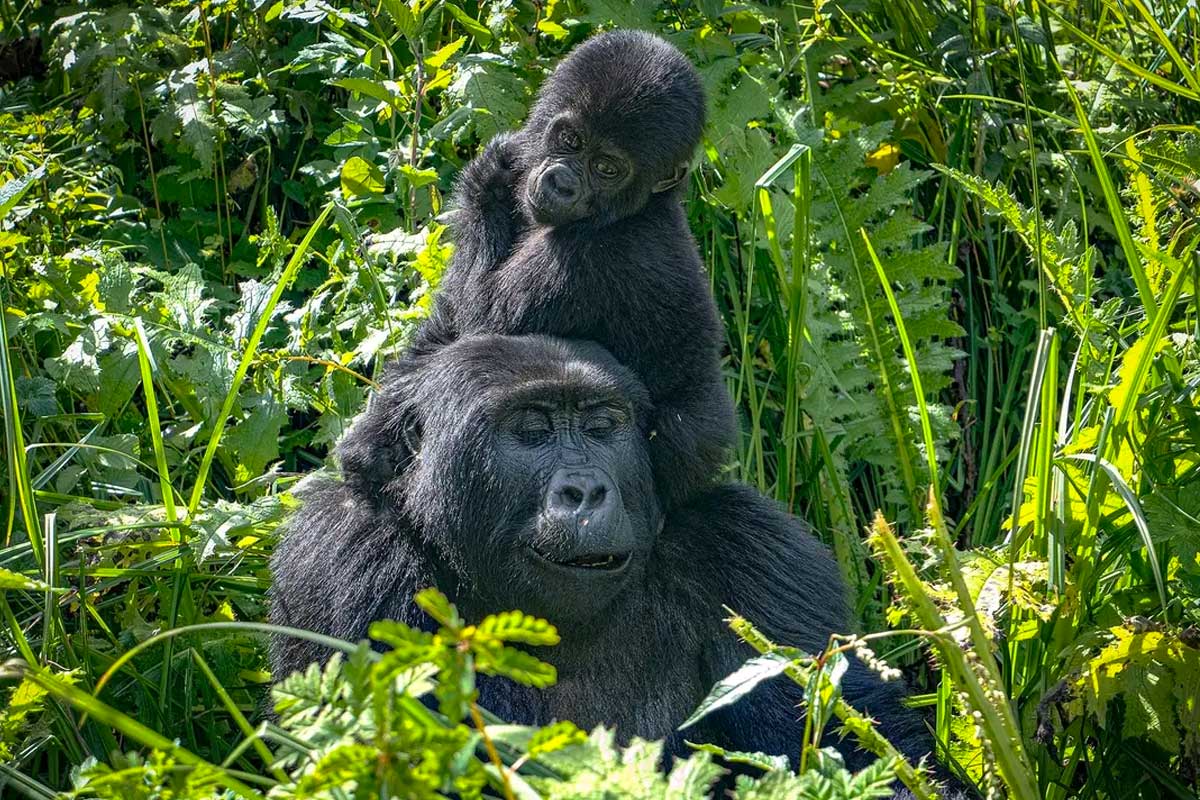
Bwindi Impenetrable Forest: Mountain Gorilla Trekking
Bwindi protects rugged mountain rainforest and habituated gorilla families visited through tightly managed tracking activities. The forest is divided into trekking sectors, and your permit allocation must agree with your lodge location. Treks vary greatly in length and difficulty. Rangers follow the animals’ movements, so no operator can accurately promise a short hike, a specific family or a close encounter on demand.
If your dream trip revolves around gorilla trekking in Bwindi, reserve the permit before paying nonrefundable accommodation deposits. Budget for a porter if you would appreciate help on steep ground, and carry rain protection even in relatively dry months. Participants must respect briefing instructions, maintain the required distance and avoid joining a trek while ill. These rules protect both visitors and the gorillas.
Kibale Forest: Chimpanzees and the Bigodi Wetland
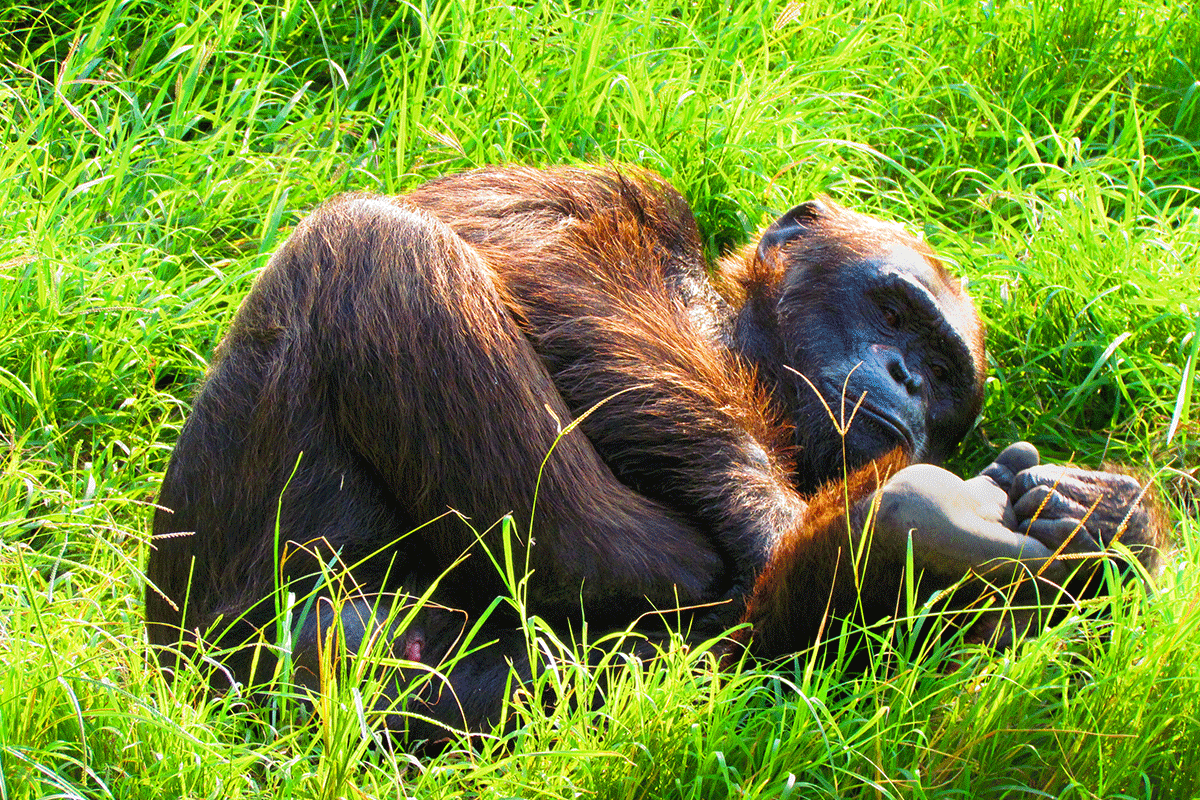
Kibale is one of the most attractive choices for travelers hoping to see chimpanzees in their natural forest habitat. Tracking generally involves walking with professional guides while listening for calls and watching the canopy for movement. Chimpanzees travel quickly, and sightings depend on their behavior and forest conditions. Tracking is not a zoo visit; the unpredictability is part of the experience.
The nearby Bigodi wetland offers a calmer complement to primate tracking, with opportunities for birds, smaller primates and local community engagement. Together these activities create an appealing transition between northern savanna parks and the southwest. Schedule one principal forest activity in a morning instead of stacking multiple strenuous experiences and assuming all will finish at a predictable time.
Queen Elizabeth National Park: Game Drives and the Kazinga Channel
Queen Elizabeth National Park provides a classic open-country safari experience beside beautiful crater landscapes and the Rwenzori foothills. Commonly sought animals include elephants, buffaloes, hippos and varied antelope, while large predators remain less predictable. Different sectors have different road access and wildlife patterns. Ask which section your itinerary actually visits rather than assuming every headline attraction is close to the lodge.
A boat cruise on the Kazinga Channel is a particularly rewarding addition for first-time guests, revealing wildlife from a different angle. Hippos, birds and animals visiting the water are often easier to observe while a guide explains the behavior unfolding on the banks. Boats depart according to operator schedules and conditions; reserve your preferred session and avoid squeezing the outing between two long road transfers.

Murchison Falls: Nile Scenery and Savannah Wildlife
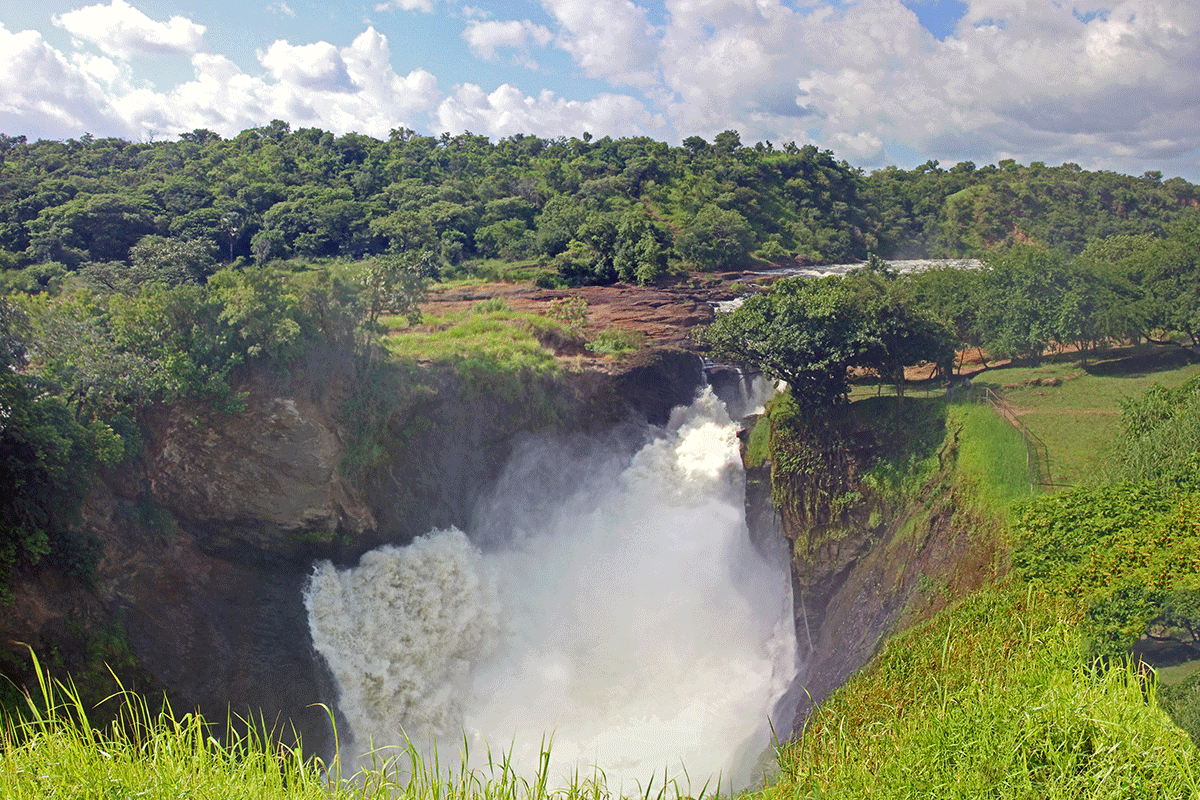
Murchison Falls National Park offers broad grassland, riverine habitats and the dramatic point where the Nile squeezes through a narrow rock gap. On suitable game drives, visitors may encounter giraffes, elephants, antelope, buffaloes and predators, though sightings are never assured. A boat journey toward the falls reveals a different dimension of the landscape, including birdlife and wildlife along the river.
Because Murchison lies north of the main southwestern gorilla circuit, it works particularly well on longer itineraries. When combined with Ziwa Rhino Sanctuary, it also introduces guests to rhino conservation without suggesting that rhinos roam every national park. Allow more than one night if you want both early game drives and a relaxed river excursion; a single rushed stop rarely conveys the place well.
Lake Mburo, Mgahinga and the Quieter Alternatives
Lake Mburo National Park makes a useful first or final park stop along the southwestern route, particularly for zebras, impalas and guided outdoor activities. Certain areas permit ranger-led walking safaris, a different perspective from standard vehicle game drives. It is not a substitute for the country’s gorilla forests, but its manageable scale can be valuable when a traveler has only one or two nights left.
Mgahinga Gorilla National Park combines dramatic volcanic scenery with the possibility of gorilla tracking and golden monkey excursions. Its location can suit travelers based around Kisoro, but trekking activities still depend on permits and operational conditions. Farther north, Kidepo Valley offers striking landscapes and a relatively remote atmosphere, best included when time and transport budgets genuinely allow the detour.

Share your dates, travel party and interests for a tailored route and quotation.
Step 3: Find the Best Time for Uganda Safari Travel
Uganda is a year-round destination, but seasonal rainfall influences the condition of forest trails, secondary roads and open-country wildlife viewing. The more frequently preferred relatively dry periods are roughly June through August or September and December through February. Their principal advantage is often firmer trekking paths and easier movement, not an absolute guarantee of sunshine or animal sightings.
Traveling in March through May or October through November can still be wonderful, particularly for green landscapes, birds and smaller visitor numbers. Expect heavier rain spells, muddy hikes and occasionally slower driving. If the best time for Uganda safari travel must match school holidays, work commitments or a special anniversary, choose a suitable itinerary for that month rather than postponing a meaningful trip indefinitely.
Peak demand affects lodge choices and gorilla permit availability as much as weather. Book important services earlier for busy travel dates and ask whether your quote is based on a specific lodge category or a subject-to-availability alternative. A low-season offer is only a bargain if the logistics, dates and activity inclusions suit your plans. Rainforest animals live in wet environments, so pack for showers whatever month you select.
Step 4: Establish a Realistic Uganda Safari Budget
A proper quotation distinguishes the safari package from extras. Ask for a written breakdown covering private or shared transport, driver-guide services, lodge class, meals, game-drive fees, boat activities, trekking permits and taxes. International flights, travel insurance, drinks, gratuities and optional excursions are often separate. One apparently cheap holiday can become expensive when mandatory activity charges appear later.
For travelers trying to control costs, the biggest levers are trip length, lodging level, number of passengers sharing the vehicle and the inclusion of premium primate activities. A simple lodge with excellent guiding can produce a stronger wildlife experience than a luxurious property located far from the assigned trekking sector. Conversely, paying a little more for better-positioned accommodation can reduce tiring transfers and improve your available safari time.
Treat online package prices as examples rather than guarantees. A quotation should state the currency, travel dates, occupancy assumptions, available accommodation and whether permits have actually been reserved. Ask about deposit requirements and cancellation terms before paying. If a tour company promises a gorilla permit, request confirmation of how and when it will be secured. Financial clarity is one of the most useful Uganda safari planning tips you can adopt.
Step 5: Understand Gorilla and Chimpanzee Permits
A gorilla tracking permit is permission to participate in a specific regulated activity, not a substitute for transport, food or accommodation. Permit numbers are limited, and dates matter. For many foreign nonresident visitors, Uganda Wildlife Authority’s published standard gorilla tracking rate has been US$800, while seasonal and category-specific rates can differ. Tariffs have changed over time, so confirm the price and date category directly before making a commitment.
Chimpanzee tracking is a separate reservation with its own fees, rules and location. Kibale is the best-known forest for the activity, but other tracking options exist with different experiences. Do not assume that chimpanzee access is bundled into a park entry fee or that two primate permits can be switched between parks. If your itinerary includes both experiences, allocate realistic transfer days between the forests.
Uganda Wildlife Authority has published permit-purchase rules including special channels for foreign nonresident clients using licensed tour operators. Choose a verifiable provider, ask for official permit documentation and never confuse a booking inquiry with confirmed availability. Standard gorilla tracking generally allows a limited observation period with a habituated family after the group is found; the hike needed to reach that family varies widely.
Step 6: Match Gorilla Trekking Difficulty to Your Fitness
Gorilla tracking takes place in mountainous forest where humidity, steep slopes, slippery roots and sudden rainfall can make even relatively short distances demanding. Build basic walking endurance before travel, bring broken-in boots and consider trekking poles or a porter where available. A successful day requires patience and flexibility more than athletic speed; the ranger team sets a pace appropriate to conditions and group safety.
If anyone in your party has knee problems, a chronic condition, mobility limitations or uncertainty about endurance, discuss those details before permits are purchased. Some support arrangements may be possible, but must be individually checked and should never be guaranteed without operator confirmation. Gorilla tracking has a minimum participant age of fifteen under commonly published rules, so parents of younger children should plan alternative activities.
Share your dates, travel party and interests for a tailored route and quotation.
Step 7: Build a First Uganda Safari Itinerary That Actually Works
A balanced first journey often follows the western circuit instead of zigzagging between distant regions. Starting at Entebbe, guests can visit Kibale and Queen Elizabeth before continuing to Bwindi, with Lake Mburo on the return. Murchison Falls may be an excellent addition on a longer safari, but squeezing it into a short route often introduces more driving than wildlife viewing. Adjust the order to your flight times, lodge availability and trekking sector.
Sample 7-Day Uganda Safari Itinerary
Day 1: Land in Entebbe, meet your guide and rest after the flight. Day 2: Drive toward Kibale with scenic stops when conditions permit. Day 3: Join a reserved chimpanzee track and enjoy a relaxed afternoon. Day 4: Continue to Queen Elizabeth National Park and take a game drive if arrival time allows. This sequence leaves room for acclimatization instead of starting with an overnight dash.
Day 5: Enjoy a morning game drive or a prebooked channel cruise, then continue south if the actual route and daylight support it. Day 6: Trek gorillas in your assigned Bwindi sector, following ranger guidance. Day 7: Return by road to Entebbe or arrange a domestic flight when operationally available. This seven-day model is ambitious; travelers who dislike long journeys should add a buffer night or omit one activity.
Sample 10-Day Uganda Safari Itinerary
Days 1–2: Arrive in Entebbe and travel to Murchison Falls, optionally stopping at a prearranged rhino sanctuary activity. Day 3: Explore Murchison on a game drive and Nile boat cruise. Day 4: Transfer toward the Kibale region, allowing a long road day. Day 5: Track chimpanzees and visit the Bigodi area if energy and booking times permit.
Day 6: Transfer to Queen Elizabeth and explore an accessible sector. Day 7: Combine a game drive with a Kazinga Channel outing. Day 8: Continue toward the confirmed Bwindi trekking sector. Day 9: Complete the gorilla trek. Day 10: Return toward Entebbe, ideally with a suitable late flight or a post-safari hotel night. This plan is still active and requires honest drive-time estimates, but offers a broader introduction.
A longer Uganda safari itinerary can trade some transfers for extra nights in Kibale, Bwindi or Queen Elizabeth. Photographers may prefer repeat game drives in changing light; birders often benefit from guided wetland walks; families may choose pool time between wildlife activities. The strongest schedule is not necessarily the one containing the highest number of park names. It is the one whose travel rhythm supports the experiences you have paid to enjoy.
Step 8: Choose Your Guide, Transport and Accommodation
For many newcomers, a licensed and experienced driver-guide adds significant value. A knowledgeable guide interprets animal behavior, communicates with park staff and helps adapt each day when roads or weather change. Ask about the vehicle type, whether every passenger has a window or viewing opportunity, how much luggage fits and whether transport includes airport transfers. A comfortable 4×4 matters on longer routes, particularly during rain.
Self-driving offers independence, but remote roads, route planning, unexpected diversions and early departures can make it more demanding than visitors expect. Scheduled domestic flights or charter arrangements may reduce certain long transfers, though they add costs and are subject to operating schedules and baggage restrictions. Compare total journey time, not simply the flight duration: reaching and leaving small airstrips still requires ground transport.
Lodges range from simple guesthouses to refined safari properties. Location often matters more than promotional adjectives. In Bwindi, choose accommodation appropriate to your assigned trekking entrance; in larger parks, a property far from the planned game-drive circuit may result in predawn departures. Confirm meal plans, hot water, electricity or charging arrangements, mosquito protection and laundry opportunities. Ask whether room allocations and named lodges are already confirmed.
Step 9: Prepare Entry Documents, Health and Practical Essentials
Check your passport validity and your nationality’s entry category before travel. Uganda provides an official online immigration process for travelers who require a visa; use the government portal, not a look-alike commercial page. Verify the application status before departure, keep digital and offline copies of important documents, and ensure the name on each reservation matches your passport. Flight schedules and entry rules can change independently of your safari booking.
Important 2026 update: Uganda’s Directorate of Citizenship and Immigration Control published an October 2, 2026 notice stating that a yellow-fever vaccination certificate is no longer mandatory for entry into Uganda. Older tourism pages and application instructions still mention the certificate, and health recommendations can differ from border-entry rules. Consult the latest immigration notice and a qualified travel-health clinician before departure; transit countries or individual medical needs may impose separate considerations.
Discuss malaria prevention and routine or destination-specific vaccinations with a healthcare professional well before leaving. Comprehensive insurance should cover medical treatment, emergency evacuation, pre-existing conditions where relevant and the trekking activities you intend to do. Share dietary restrictions or accessibility needs during booking, not upon arrival at a remote lodge. Keep prescription medication in original packaging with documentation and carry essentials in hand luggage.

What to Pack for a Uganda Safari for Beginners
Pack light layers rather than a wardrobe of bulky outfits. Warm mornings in highland forest can give way to sunny afternoons elsewhere. Include a waterproof outer layer, breathable long sleeves, neutral-colored trousers, a sun hat and sturdy footwear. Gorilla trekking calls for boots with reliable grip, long socks and often gloves to protect your hands around vegetation. A small daypack keeps water and rain gear accessible during the hike.
Carry binoculars, a reusable water bottle, insect repellent, sunscreen, a power bank, universal plug adapter and enough memory for photographs. A camera with a modest zoom can be useful in open savanna; remember that forest photography may involve low light, restricted movement and animal-welfare rules. Avoid using flash around primates where prohibited. Waterproof cases or dry bags help protect electronics during boat journeys and afternoon showers.
Keep a compact first-aid kit, any required medication and a copy of travel insurance contacts in your bag. Choose soft-sided luggage if your vehicle or bush-flight arrangements have size restrictions. You do not need expensive specialist equipment for every game drive; spending on fit-for-purpose trekking boots and comfortable clothing is usually more useful than purchasing elaborate safari costumes. Ask your operator what the vehicle already supplies.
Food, Money, Connectivity and Local Etiquette
Ugandan hospitality is a highlight in its own right. Meals often feature fresh fruit, vegetables, beans, plantains, rice, grilled meats and regional specialties. Lodge menus usually offer familiar international options alongside local dishes, but choices can narrow in remote locations. If you have allergies, a vegetarian preference or particular dietary needs, confirm what the lodge can actually provide in advance.
Ugandan shillings are useful for small purchases and tips, while some tourism operators quote packages in US dollars. Ask which currency and payment methods are accepted, and avoid assuming every remote lodge has reliable card-processing or cash-machine access. Carry a modest supply of clean, appropriate banknotes if your provider recommends it. Tipping should be voluntary and reflect service; request local guidance instead of relying on rigid figures copied from another country.
Mobile coverage is stronger in cities than in valleys and forest sectors. Download maps, keep confirmation numbers offline and inform relatives that you may be unreachable during a trek. Ask before photographing people, respect village customs and avoid buying wildlife products. If you visit a local community project, select activities with clear community benefits and a meaningful explanation of how visitor fees are used.
Safety, Responsible Tourism and Common First-Timer Mistakes
Wildlife viewing has practical rules. Stay inside the vehicle where required, never feed animals, give elephants and other large wildlife space, and obey ranger instructions on walks. River excursions require appropriate safety briefings and a suitable operator. Keep valuables discreet in towns and pay attention to current local security advice. Your guide’s experience is valuable, but it does not remove the need for travel insurance or individual judgment.
Around great apes, health and conservation come first. Report illness before trekking; do not attempt to touch animals, force photographs or separate group members in the forest. Hire authorized guides and support conservation programs that clearly benefit habitat protection and communities. Responsible travel is not only about following rules during a one-hour encounter. It also includes reducing waste, conserving water and being respectful when visiting settlements near protected areas.
The most common planning errors are entirely preventable: reserving flights before checking permit dates, choosing the wrong Bwindi sector lodge, overlooking travel-day fatigue, assuming every wildlife sighting is guaranteed and accepting vague package inclusions. One of the best Uganda safari planning tips is to insist on a day-by-day schedule with realistic departure times, activity reservations and named overnight locations. That document becomes your practical checklist before departure.
Share your dates, travel party and interests for a tailored route and quotation.
Frequently Asked Questions About a First Uganda Safari
Is Uganda suitable for someone who has never been on safari?
Yes. Uganda offers guided game drives, wildlife boat cruises and well-established primate tracking activities that can be combined to suit first-time travelers. A Uganda safari for beginners does not have to involve sleeping under canvas or hiking every day. Choose comfortable accommodation, a knowledgeable guide and a pace that suits your group. Be clear about fitness, preferred animals and whether you want wilderness solitude or more social lodge settings.
How many days should my first Uganda trip last?
Seven to ten days is a useful starting range for a combination of primates and savanna wildlife. Four days can work for one focused destination, while two weeks allows a less hurried cross-country route. Add time whenever one traveler moves slowly, multiple destinations are far apart or you want photography, birding or rest days. Do not judge the value of an itinerary by the number of parks listed on the front page.
Do I need to book gorilla trekking before I book flights?
Check availability and flight flexibility together. Gorilla permits are issued for particular dates, so making them a priority reduces the risk of an expensive mismatch. Ask the operator how reservations are secured, what official documentation will follow and what happens if you change travel dates. A proposed permit is not a confirmed booking until the relevant authority’s requirements have been completed.
Can children join all Uganda safari activities?
No. Gorilla tracking generally has a minimum age of fifteen, and other activities may also have restrictions or practical safety considerations. Families can still enjoy many vehicle-based wildlife excursions, boat outings and suitable nature experiences. Discuss the age of every child before booking and request written confirmation of applicable activity rules, accommodation arrangements and vehicle safety features.
Should I plan gorillas or the Big Five first?
Choose the experience you would regret missing most. Uganda is particularly distinctive for great-ape experiences, whereas classic savanna trips emphasize open-country mammals and repeated game drives. Rhino viewing is typically arranged at a dedicated conservation location rather than assumed at every national park. You can combine several priorities, but allow enough time to appreciate each one and remember that all sightings depend on conditions.
When should I start planning and what should I confirm?
Start as early as practical when your trip includes date-sensitive permits or busy holiday periods. Before paying, confirm the operator’s credentials, permit status, lodge names, transportation type, meals, entrance fees, activities and cancellation rules. Keep an agreed itinerary in writing and recheck travel documents and current health guidance shortly before departure. Your first safari is much easier to enjoy once these basics are clear.
Plan Your First Uganda Safari With Confidence
The right introduction to Uganda begins with a few thoughtful decisions: choose your must-see wildlife, protect time for forest and savanna experiences, travel in a season that suits your expectations and request transparent details from the people handling your booking. You do not need to fit every national park into a single holiday to experience the country’s extraordinary range of landscapes and animals.
If you are ready to Plan Your First Uganda Safari, begin with your travel month, approximate duration, budget range and top experiences. Share whether gorillas, chimpanzees, large mammals, birds or gentle scenic activities matter most. From there, a properly planned route can put more time into meaningful wildlife encounters and less into unnecessary transfers—leaving you free to appreciate the journey itself.
Share your dates, travel party and interests for a tailored route and quotation.


