Nyungwe Forest National Park — Nyungwe Forest National Park Guide
Nyungwe forest national park begins with clear expectations about the destination, timing and rules that affect the visitor experience. Nyungwe protects montane rainforest in southwestern Rwanda, with rich birdlife, primates, orchids and steep forested valleys. Reserve the guided tracking activity and understand that chimpanzees range widely; sightings, distance and duration vary. This guide explains the important choices in a way that helps travelers arrange a realistic trip rather than relying on a general promise about travel time, scenery or wildlife sightings.
A practical example
A traveler who wants the canopy walkway and a chimpanzee outing should not assume both can be completed during a casual half-day stop. Each has its own approach trail, briefing and physical demands. A lodge chosen for scenery may also be inconvenient for an early activity. The order of outings should follow the actual reporting points.
Nyungwe forest national park .
Nyungwe Forest National Park: practical decisions and Nyungwe canopy walk
Decision 01
Nyungwe Forest National Park: Forest character
Nyungwe protects montane rainforest in southwestern Rwanda, with rich birdlife, primates, orchids and steep forested valleys.
Decision 02
Nyungwe canopy walk: Chimpanzee experience
Reserve the guided tracking activity and understand that chimpanzees range widely; sightings, distance and duration vary.
Decision 03
chimpanzee tracking: Canopy walk
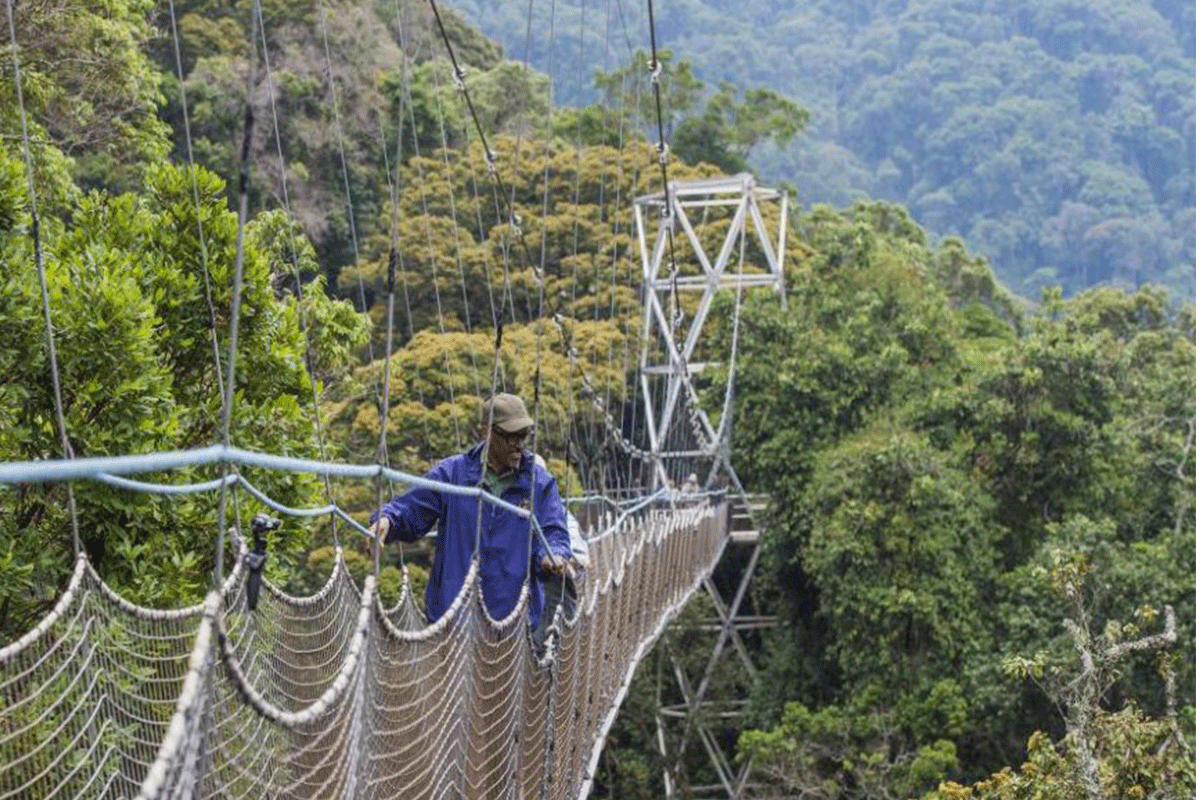
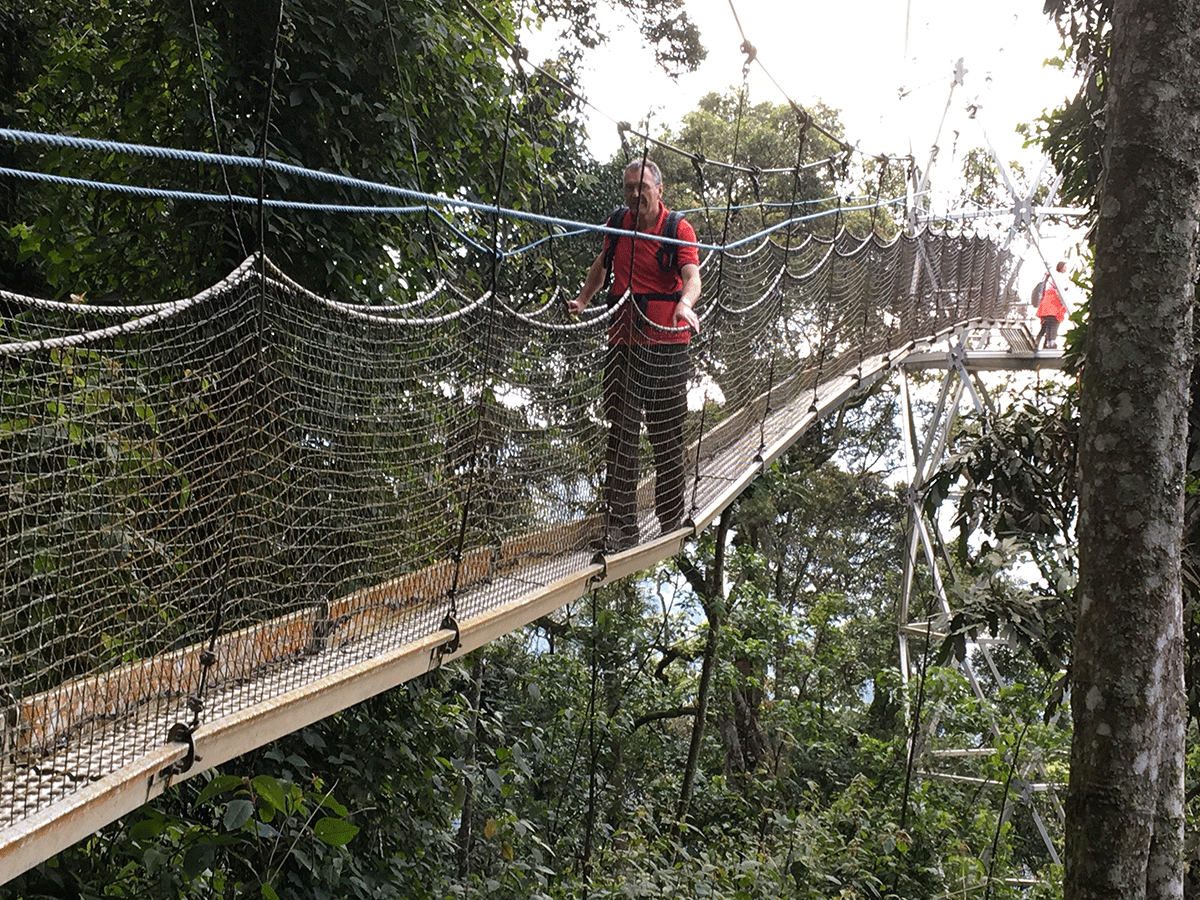
The elevated canopy walkway offers a different perspective on the forest, though participants should be comfortable with heights.
What to expect: activities, access and conditions
forest trails: Forest character
Rwanda birding: Chimpanzee experience
Plan the next stage with a clear, practical itinerary.
Choose routes according to distance and fitness, from shorter interpretive walks to longer waterfall and ridge trails.
Ask the person arranging nyungwe forest national park guide to explain how “hiking network” changes the practical plan. The important detail is not just the attraction’s name but the exact location, time and conditions described here.
A specialist bird guide can help locate Albertine Rift forest species in the understory and canopy.
Access
The journey from Kigali can take much of a day; overnight in or near the Nyungwe area before early activities.
Confirm luggage allowances, vehicle suitability and contingency time before linking the journey to a fixed flight or park briefing.
5 Days Nyungwe Forest National Park Safari .
Seasonality
Rain is possible throughout the year and affects trail surfaces; pack waterproof layers even in relatively drier periods.
Conservation
Stay with park guides and do not feed monkeys or approach wildlife outside permitted observation distances.
Ask the person arranging nyungwe forest national park guide to explain how “conservation” changes the practical plan. The important detail is not just the attraction’s name but the exact location, time and conditions described here.
Nyungwe National Park Rainforest Landscape .
Nearby route
Lake Kivu and Rwanda’s western corridor can form a natural extension without repeatedly returning to Kigali.
chimpanzee tracking and forest trails: preparation details
Before travel
What to confirm
Booking proof
Date, operator, location and whether every required permit is included
Transfers
Pickup time, driver contact, border or road buffers where relevant
Equipment
Footwear, rain protection, medication and suitable personal gear
Visitor rules
Minimum ages, guide instructions, health conditions and safety briefing
Price details
Entry tickets, accommodation, meals, extra activities and cancellation clauses
Weather contingency
Alternative timing or safe activities if conditions change
For this itinerary, choose Accommodation close enough to the actual activity entrance to avoid unnecessary transfers. Confirm the access road, check-in timing and any early breakfast arrangements.
Nyungwe National Park .
Rwanda birding: what to decide before visiting
Frequently asked questions
What should visitors know about nearby route?What should visitors know about seasonality?What should visitors know about birding?What should visitors know about canopy walk?What should visitors know about forest character?Nyungwe National Park .
Key takeaways for this visit
The most useful planning details for Nyungwe Forest National Park Guide are forest character, canopy walk and birding. Confirm the relevant rules and logistics before travel, and keep weather-sensitive activities flexible.
Nyungwe is a montane rainforest in southwestern Rwanda, known for primates, birdlife and established forest walking trails.
The canopy walkway is an elevated forest experience reached by a trail rather than a roadside attraction. Heights, slippery conditions and visitor confidence should shape the decision.
Chimpanzee tracking
The timing and physical effort of chimpanzee outings can differ from a short nature walk; confirm reporting location and realistic travel times.
Where to sleep
Accommodation around Nyungwe is dispersed. Select a base according to the activities booked and the relevant park entrance, not only an attractive view.
Practical details worth checking
The explanation should be specific to nyungwe forest national park guide.
This approach is especially helpful for families, photographers and visitors who prefer a gentler pace, because nyungwe forest national park guide should be tailored to people rather than to a fixed sales script.
The safest plan responds to nyungwe forest national park guide by checking the activity conditions first and arranging transport and resting time second.
The most important early decision for Nyungwe Forest National Park is the confirmed date and access point.
For Nyungwe Forest National Park, avoid placing a tight onward flight directly after a variable-length activity.
Before departure
The day on the ground
Weather and season
Nyungwe Forest National Park: particular questions for this trip
The reason this deserves attention is that travelers often make the decision too late, after another part of the itinerary is already fixed. Stay with park guides and do not feed monkeys or approach wildlife outside permitted observation distances. The best comparison includes both the attractive experience and the less visible transport, access and recovery time needed to enjoy it. Keep the plan flexible enough to accommodate actual conditions while making sure the essential booking details are not vague.
A clear checklist helps avoid last-minute confusion. Review the documents and contact details well before the departure day, then confirm again when dates or visitor categories change. The questions below are deliberately specific: every operator should be able to explain which part of the journey is fixed, which is weather-dependent and which additional cost needs your approval.
Before sending any final payment, ask for a written itinerary showing confirmed dates, activity locations, guide arrangements, hotel location and a transparent list of included services. This is especially important where national borders, protected wildlife or changing transport schedules are involved. A carefully checked itinerary gives visitors more freedom to appreciate the place once they arrive.
Nyungwe Forest National Park: understanding the destination
A montane rainforest, not a single roadside attraction
Nyungwe Forest National Park protects a highland forest landscape in southwestern Rwanda. Its appeal lies in the variety of habitats, trails, primates, birds and forest scenery rather than one short viewpoint. Travelers should first decide what type of experience interests them: a guided chimpanzee outing, a canopy walkway, a nature hike or focused birdwatching. Each involves different physical demands and starting arrangements. It is not realistic to assume every activity can be enjoyed during a quick stop while driving between distant towns. A good visit begins with a clear understanding of the forest’s scale and the time needed to reach the appropriate trailhead.
Forest altitude influences comfort and preparation
Nyungwe’s high elevation means the environment can feel cooler and wetter than travelers expect from an equatorial destination. Mist, sudden showers and wet vegetation are part of the experience. Pack footwear with reliable grip, a breathable waterproof layer and clothing that can be adjusted during a walk. A small daypack is usually easier than carrying all travel luggage on a trail. Visitors should also carry drinking water and any personal medication recommended for them. Even people who enjoy nature walks at home may find steep forest sections tiring. A realistic itinerary gives the group enough time to walk at a suitable pace and pause safely.
Choose activities before selecting where to sleep
Accommodation around Nyungwe is dispersed, and the best base depends on the scheduled activity and access point. A lodge with spectacular views may involve a longer early-morning drive to a chimpanzee briefing than a more conveniently positioned property. Ask for the actual trail or meeting location, not merely the general name of the national park. Then compare the lodge’s road access, breakfast timing and included services. The aim is to minimize avoidable stress before a guided activity while still enjoying the forest setting. A room reservation should support the chosen itinerary rather than determine it after all other arrangements have been made.
Chimpanzee tracking in Nyungwe
The animals decide the pace of an encounter
Chimpanzees move through their habitat and do not remain in place for tourists. A guided outing may involve listening for calls, following signs and adjusting the walking route as trackers gather information. It can be physically demanding and may begin early. Visitors should understand that an encounter is not guaranteed to unfold like a promotional photograph. The guide’s explanations help interpret calls, movement and social behavior, even when visibility is limited. Travelers who prefer gentle strolls should ask whether chimpanzee tracking is suitable for them rather than assuming it resembles a short nature trail. The decision should reflect interest, mobility and tolerance for variable conditions.
The briefing and departure point are essential details
A traveler booking chimpanzee tracking needs to know where the group reports, what documents are required and when the activity begins. The relevant trailhead can determine which nearby accommodation is most practical. An early start becomes more demanding if the lodge requires a lengthy road transfer first. Ask the operator to confirm the exact arrangements rather than accepting a generic promise of a morning forest experience. The staff’s safety and behavior instructions are part of the activity. Follow guidance about distance, noise, health and movement around the animals. Private transport does not give a visitor authority to bypass park procedures or choose an independent approach.
Observation is valuable even without perfect photographs
Nyungwe’s forest canopy can make wildlife difficult to see clearly, and light changes rapidly. A successful visit may involve hearing chimpanzees, observing brief moments of movement and learning how the forest supports them. Bring binoculars if useful, keep camera equipment protected from moisture and avoid prohibited flash. A guide can identify other signs of forest life while the group moves between locations. Remember that wildlife viewing is not an entertainment performance. Watching respectfully and accepting the natural behavior of animals produces a more authentic experience than pressing staff to deliver a particular scene or prolonged close approach.
The canopy walkway and forest trails
Reaching the walkway involves walking
The canopy walkway is not simply a bridge beside a car park. Visitors typically follow a forest route to reach the elevated structure, and the approach can include uneven or slippery ground. Ask about the route and current operating arrangements before booking. Anyone uncomfortable with heights should consider whether the experience suits them, rather than feeling obliged to participate because it is a famous attraction. The walkway provides a different perspective on forest layers and vegetation. It should be enjoyed at a steady pace, following staff instructions and avoiding unnecessary movement that disturbs other guests.
Height and weather matter to individual confidence
An elevated walkway can be exciting for one traveler and unsettling for another. Discuss the experience frankly with companions before purchasing an activity. Wind, rain or reduced visibility can change how the crossing feels, and park staff may adjust access for safety reasons. Wear secure footwear, keep loose equipment contained and use any prescribed handholds. Do not force a nervous traveler to continue beyond their comfort level. Someone who decides against the bridge can still appreciate Nyungwe through guided trails and other forest experiences. The goal is enjoyment and understanding, not completing a challenge for its own sake.
Shorter trails may suit certain visitors better
Not everyone visiting Nyungwe wants a demanding full-day hike. Some guests enjoy a more moderate guided forest walk where the emphasis is on trees, birds, plants and views. The appropriate route depends on the available trails, recent weather and personal fitness. Ask the guide to describe elevation changes and typical walking duration rather than judging difficulty by distance alone. A shorter trail can still reveal considerable biodiversity when visitors move slowly and listen carefully. For families or groups with mixed abilities, a well-selected walk may offer a more positive experience than an ambitious route that leaves someone exhausted early.
Longer hikes deserve dedicated time
Travelers who enjoy active hiking may prefer a trail that reaches deeper into the forest or offers a particular landscape feature. Such an outing requires a realistic start, enough water and clothing appropriate for changing conditions. Avoid treating a longer hike as something that can automatically fit between checkout and a distant hotel arrival. Ask about the official guide arrangement, the likely terrain and any restrictions relevant to the trail. A satisfying hike gives the traveler time to observe the environment and take breaks without pressure to keep to an artificial timetable. Planning the day around the actual walk creates a better experience than adding it as an afterthought.
Birdwatching and forest biodiversity
Birds require patience rather than a checklist promise
Nyungwe is well known among birdwatchers, but species sightings depend on habitat, weather, season and guide knowledge. A traveler with a particular target list should share it before the outing so the guide can discuss realistic possibilities. Binoculars and a quiet pace can be more useful than large camera equipment for general observation. The most rewarding birding often involves listening to calls and studying different forest layers. Visitors should not judge the experience solely by the number of species photographed. A good guide will also explain the habitats that make certain birds likely or difficult to observe.
Look beyond the best-known primates
The forest supports a broad ecological community that includes plants, insects, birds and several mammals. A walk that concentrates exclusively on chimpanzees may miss much of this richness. Ask a nature guide to explain distinctive vegetation, the relationship between forest and rainfall, and the role of plants in providing food and shelter. Noticing small signs of life can make an outing meaningful even if larger animals remain hidden. A visitor interested in ecology may prefer a slower interpretive trail over a fast-paced search for one species. This wider perspective encourages respect for the protected area as an ecosystem rather than a collection of headline attractions.
Photography conditions favor flexible equipment
Forest light is uneven, with bright openings and deep shade appearing close together. A lightweight camera that can be handled safely on a trail may be more useful than a large collection of lenses. Protect equipment against rain and condensation, and avoid placing bags on muddy paths where they obstruct other walkers. Binoculars can assist observation when the animal is too distant for a useful photograph. Be willing to put the camera down and listen to the guide. The best forest images often include texture, leaves, mist and light rather than relying on a close-up animal sighting that cannot be guaranteed.
Reaching Nyungwe as part of a Rwanda itinerary
Start with your actual arrival point
The route to Nyungwe is very different for someone already in southwestern Rwanda and someone arriving at Kigali International Airport. Before booking, identify the first overnight location and the planned road stages. A long drive may pass beautiful landscapes, but it still uses a substantial portion of the day. Ask the driver for a conservative estimate and include rest breaks. An itinerary that lists a morning arrival followed by multiple forest activities may be unrealistic once airport procedures and road travel are counted. The forest deserves enough time to feel like a destination, not a quick photograph stop between hotels.
Consider combining Nyungwe with Lake Kivu carefully
Some travelers add a Lake Kivu stay because they want water views and a slower pace after forest walking. This can create a pleasant contrast, but the locations and driving stages need to be mapped realistically. Decide whether the lake stay is for scenery, relaxation or a specific arranged activity. Do not assume a boat excursion is automatically included in a hotel booking. A well-designed route allows travelers to enjoy each place rather than spending the majority of the holiday in transit. If the trip is short, it may be wiser to dedicate the available nights to Nyungwe and leave another region for a future visit.
A trip to Volcanoes National Park is a separate commitment
Nyungwe and Volcanoes National Park are both important Rwanda destinations, but they are not next to one another. Combining chimpanzees and mountain gorillas can be rewarding for a primate enthusiast, yet the itinerary needs sufficient travel time and separate activity reservations. A guest should not select consecutive early morning activities without evaluating the road transfer between them. Match lodging to each park’s briefing locations and protect the confirmed permit dates. If time is limited, decide which primate experience matters most. A shorter trip with one well-organized encounter may be preferable to an ambitious circuit that risks late arrivals.
Costs and booking arrangements
Park activities may be separately priced
A hotel room near Nyungwe does not automatically include guided chimpanzee tracking, a canopy walkway visit or a specialized nature trail. Ask the operator which permits or activity charges are included and which will be paid locally. Clarify transport between the hotel and trailheads, especially for early starts. Fees and eligibility conditions may change, so a quotation should identify the date and visitor category where relevant. Comparing two tour packages is easier when each line shows the same services. A low headline price can be misleading if the principal forest activities are listed only as optional extras.
Choose guiding that matches your interests
A general nature walk, a dedicated birding outing and a chimpanzee tracking session may require different expertise and timing. Tell the booking provider what you most want to learn. Guests interested in forest ecology can ask about interpretive walking, while keen birdwatchers may need more patient observation. Travelers with photography goals may prefer time for careful framing rather than a rushed circuit. The guide’s role is to explain the environment, organize safe participation and follow park instructions. A tailored approach does not guarantee sightings, but it makes the activity more relevant to the visitor’s actual interests.
Check changes and cancellation terms in advance
Weather and travel disruptions can affect a forest itinerary. Ask what happens if a trail becomes unsuitable, an activity is not operating or a flight delay changes the arrival day. Park-related bookings and private hotel reservations may follow different rules. Record the relevant policies before paying, particularly when a trip involves several destinations. A flexible contingency could mean selecting another suitable trail or adjusting a transfer, but it should not be assumed that every permit can simply move to another date. Transparent booking conditions help travelers understand the practical risks and decide how much schedule flexibility they need.
Preparing for a responsible Nyungwe visit
Pack for wet forest conditions
Sturdy walking shoes, weather protection and comfortable clothing are more important than elaborate safari outfits. A small daypack should hold drinking water, personal essentials and protected electronics. Long trousers and sleeves can help with vegetation, while a light warm layer may be useful in the highlands. Test new shoes before the trip to avoid blisters. Do not carry unnecessary luggage onto a forest trail. If an activity starts early, pack the previous evening so the morning remains calm. Proper equipment cannot eliminate every challenge, but it allows visitors to enjoy the trail without constant discomfort.
Choose walking activities honestly
Some forest excursions involve steep paths, slippery surfaces or exposure to heights. Travelers should describe relevant mobility concerns before booking rather than relying on a generic label of easy or moderate. A guide can explain available options, but not every trail is suitable for every visitor. Groups with children or older adults may prefer a shorter route with more pauses. It is better to enjoy a manageable walk than struggle through an overly ambitious outing. Suitability is personal and can change with weather, so a responsible itinerary includes alternatives rather than treating a predetermined trail as mandatory.
Respect the forest and its wildlife
Nyungwe’s value extends beyond tourism photographs. Stay on permitted routes, follow guide instructions and do not feed or approach animals outside the rules. Carry rubbish out and avoid damaging plants when reaching for a camera angle. Sound and movement can disturb wildlife, so quieter observation often improves the experience as well as reducing impact. When visiting surrounding communities, ask permission before photographing people and support local services respectfully. Responsible behavior allows the forest to remain a place where wildlife and visitors can coexist under managed conditions. Every visitor has a role in protecting that relationship.
Plan enough time to absorb the experience
A forest holiday can include early mornings, walking and unpredictable weather. Leave room for meals, rest and unhurried observation. A rainy afternoon is not necessarily a failed day; it may be a chance to learn about the ecosystem from a guide or enjoy the forest atmosphere from the lodge. Avoid measuring the trip exclusively by the number of attractions completed. Nyungwe’s appeal lies in its combination of habitats, sounds, scenery and wildlife possibilities. A carefully paced visit gives each of those elements time to become memorable rather than passing through them as a checklist.
Questions that improve an individual forest itinerary
Which activities are fixed and which are flexible?
Before departure, mark the activities with confirmed reporting times and separate them from optional walks or scenic stops. A chimpanzee outing may determine the early morning, while a shorter nature walk can sometimes be placed where the schedule allows. This distinction prevents a travel delay from affecting every part of the trip. Ask who will contact the park or guide if an arrangement changes and how the traveler will receive the information. A good itinerary is clear about what has been reserved rather than presenting every suggested activity as guaranteed.
Does the room location support an early start?
Guests sometimes focus on the view from the lodge and overlook the approach to the activity meeting point. Request a realistic transfer description, including whether the vehicle needs to travel before sunrise. Check breakfast and packed-food arrangements for the selected activity. A quieter room closer to the correct trailhead may be more useful for a dedicated birdwatcher or chimpanzee visitor than a more elaborate room much farther away. The best base depends on the trip’s purpose, not on an accommodation category alone.
What would make the visit successful for this traveler?
For one guest, success means listening to forest birds and learning to recognize vegetation. Another may care most about the canopy perspective or the possibility of chimpanzee observation. Discuss these interests openly before choosing activities. The operator can suggest a suitable schedule without guaranteeing that animals will appear on command. A family may value interpretive walking and manageable distances; a keen hiker may prefer a challenging trail. These are different valid experiences within the same protected landscape. Matching the visit to personal curiosity gives Nyungwe greater meaning than following a standard list of attractions without considering the people taking part.
A powerful silverback mountain gorilla rests among lush vegetation, highlighting the unforgettable wildlife encounter offered by gorilla trekking in Rwanda.