Ngamba Island Chimpanzee Sanctuary: 7 Amazing Tips

Ngamba Island Chimpanzee Sanctuary: 7 Amazing Tips
Ngamba Island Chimpanzee Sanctuary offers a rare combination of rescued great-ape care, an island crossing, and a practical conservation lesson close to Entebbe. This detailed guide explains how to choose a viewing session, compare transport and trip lengths, avoid common planning mistakes, and support ethical tourism without expecting direct contact with the animals.
What Makes Ngamba Island Chimpanzee Sanctuary Special?
Ngamba Island Chimpanzee Sanctuary: A Conservation Visit
Ngamba Island Chimpanzee Sanctuary is not a conventional zoo, a walking safari, or a forest trek in search of wild apes. It is a managed refuge on Lake Victoria where rescued chimpanzees receive long-term care in a wooded setting. For visitors, that distinction matters. The strongest reason to come is to understand how human pressure on wildlife creates a need for rescue, and how specialist carers respond when releasing an individual into the wild is not possible. The experience is also memorable because the journey begins on water: the mainland recedes, fishing boats move across the horizon, and the island gradually comes into view.
A visit combines observation, conservation interpretation, and the atmosphere of a small island. You may watch chimpanzees approach a feeding area, interact with their companions, vocalize, or disappear back toward the forest. You are observing rescued residents behind a protective barrier, not joining the animals or entering their forest. Visitors planning Uganda safaris often value this contrast with ordinary game drives. The trip can fit beside an arrival or departure in Entebbe, but the boat schedule must be considered before promising a convenient connection. What makes the visit worthwhile is not physical closeness: it is the insight that respectful distance allows.

Where Is the Sanctuary on Lake Victoria?
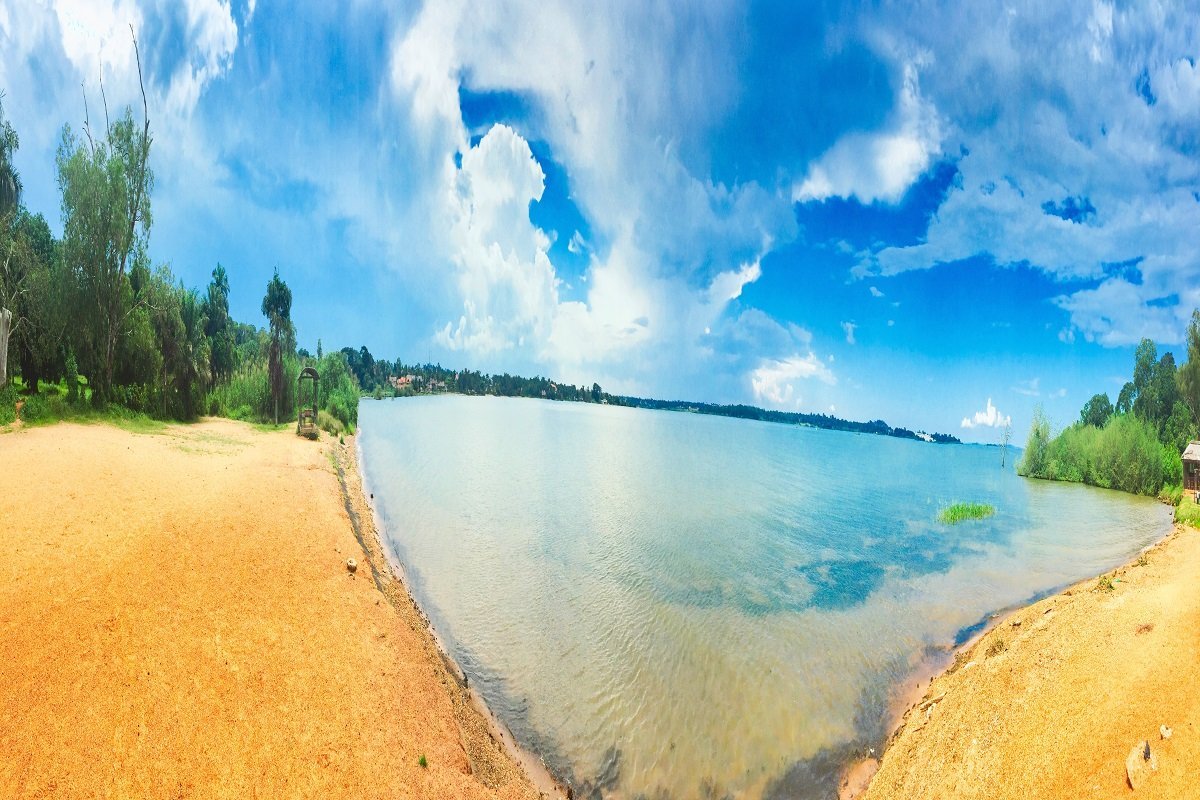
The island lies roughly 23 kilometres southeast of Entebbe in the Ugandan waters of Lake Victoria. Although it looks near on a map, it is a separate destination requiring organized boat transport. There is no road bridge or routine land transfer, and weather on the lake can change the comfort or timing of a crossing. The surrounding water is part of the experience, but the island is primarily a place dedicated to chimpanzee welfare. It should not be described as a general wildlife park with unrestricted access to every beach or forest path.
Most international visitors reach the area through Entebbe International Airport. An early arrival can make a day trip possible on some itineraries, while a late flight usually means staying locally before departure to the island. Travelers with spare hours can enjoy the top things to do in Entebbe, including gardens, lakeside stops, cafés, and guided nature activities. Entebbe Botanical Gardens offers an easy mainland complement for people who prefer an unhurried schedule. Ask the operator for the exact reporting point, rather than assuming that all excursion boats leave from the same jetty.
The Story Behind the Rescued Chimpanzees
Chimpanzees are intelligent, social great apes that depend on learning, relationships, and stable group structures. Illegal wildlife trade, habitat loss, and human–wildlife conflict can leave young animals orphaned or displaced. A rescued chimpanzee may arrive with serious physical or behavioral needs that cannot be solved by simply placing it in a forest. Professional rescued chimpanzee care must consider nutrition, veterinary treatment, social integration, and the risk of exposing animals or people to disease. These realities make chimpanzee conservation both a welfare challenge and a broader habitat-protection issue.
The Chimpanzee Sanctuary and Wildlife Conservation Trust was established in 1998 and oversees the island programme. Its activities go beyond Accommodation and feeding: education, community engagement, and protection of natural chimpanzee habitat form part of the wider mission. A guest interested in chimpanzee facts should pay attention to explanations of grooming, dominance, alliances, and communication; those details turn an observation into a lesson about social life. Published chimpanzee numbers vary across the Trust’s own pages, so do not rely on an old headline figure when planning a visit. The important constant is the ongoing commitment to individual welfare and long-term care.
How to Get There: Speedboat and Canoe Options
A Lake Victoria boat trip is the standard way to approach the island from Entebbe. The sanctuary’s official transport guidance describes speedboat crossings of approximately 45–50 minutes and motorized canoe journeys of about 90 minutes, subject to conditions. Departure schedules and boarding locations should be reconfirmed when you reserve. A faster crossing may suit guests who want a compact excursion; a slower ride can appeal to travelers comfortable spending more time on the lake. Neither option should be booked merely from an outdated screenshot or a third-party timetable.
Keep sun protection, a light rain layer, and essentials where you can reach them without opening a suitcase. Follow the skipper’s instructions and wear the life jacket supplied for the crossing. If you are susceptible to motion sickness, discuss conditions and prevention with a suitable professional before traveling. Lake crossings are operational decisions, and a responsible skipper may delay or alter departures when conditions are unsuitable. Build time around the return rather than arranging an immediate airport connection. A holiday centered on chimpanzee tracking elsewhere in Uganda needs similarly realistic transfer buffers, particularly when permits are fixed to specific dates.

Plan Your Next Step
Share your dates, group size, and interests to coordinate the island excursion with a sensible Uganda itinerary.
Email: info@ugandarwanda-safaris.com
Choosing a Half-Day, Full-Day, or Overnight Visit
A half-day trip is attractive when your main aim is to see the residents at a scheduled viewing session and hear an introduction from sanctuary staff. It concentrates the experience around the boat journey, visitor orientation, and observation. However, a half-day on a timetable is not a promise of uninterrupted time watching active chimpanzees. Animals choose their own pace, and the trip includes logistics that reduce the minutes spent at the platform. Ask exactly what the booking includes: return boat, guide, entrance, refreshments, and local transfers may be presented differently by different sellers.
A longer visit allows more time for education, the lake setting, and optional activities that are genuinely operating on your travel date. Overnight accommodation, when available, can offer a quieter evening and morning rhythm than a quick round trip. The official sanctuary site advertises tented ecolodge accommodation, but room availability and package inclusions must be confirmed directly. The right choice depends on your objectives, not on selecting the most expensive category. Families with young children may benefit from a shorter format, while conservation-minded adults or photographers may appreciate extra time. Ngamba Island attractions work best when the programme has room for questions rather than becoming a rushed photo stop.
What Happens During a Chimpanzee Viewing Session?
The chimpanzee viewing experience begins with guidance about the sanctuary’s history, rules, and residents before visitors move to a designated viewing area. Staff may describe the background of individual chimpanzees, how feeding and enrichment are managed, and why a fence separates people from the animals. From the platform, watch the social interactions rather than treating the event as a spectacle of food being distributed. Dominant individuals may approach first; others may wait, call, chase, groom, or forage away from the main activity. Every session can look different.
The sanctuary currently publishes four feeding or viewing times across the day, including sessions intended for overnight guests. Day-trip schedules are typically coordinated around particular sessions, not all four. A guide can explain why animals sometimes remain unseen or leave a viewing area quickly. This differs greatly from a chimpanzee tracking experience in a protected natural forest, where participants move on foot with trained trackers to locate a habituated wild community. Both experiences can be valuable, but they answer different questions: the island illustrates rescue and care, while trekking explores free-ranging behavior in a forest ecosystem.

Visitor Rules and Respectful Wildlife Photography
Maintain the boundary between you and the chimpanzees. Do not feed animals independently, call to them aggressively, throw objects, or try to draw an individual closer for a photograph. Avoid flash if prohibited, follow staff directions about camera use, and never interpret an animal’s approach as permission to touch it. Respiratory infections can be dangerous to great apes, so report symptoms honestly and follow any health restrictions in force when you travel. A worthwhile sanctuary visit respects the needs of the residents more than the wishes of a camera owner.
Photographers can make better images by observing behavior rather than shooting continuously. Look for grooming, attentive expressions, movement among branches, and moments that show relationships within the group. The fence and designated visitor zone are part of the conservation story; there is no need to crop away every sign of the managed environment. Bring a lens suitable for photography from a platform, keep equipment protected from spray on the boat, and use a strap where deck movement is possible. Anyone comparing gorilla versus chimpanzee experiences will notice differences in movement, vocal behavior, social organization, and the ethics of each encounter.
How Much Does a Visit Cost?
The amount paid can vary with transport type, group size, travel date, residency category, and whether you select a short excursion or an overnight package. Some advertised figures cover boat transport and guiding; others quote an entrance component separately. Accommodation, meals, private transfers, and optional experiences may be excluded. Because rates and operating arrangements change, a single unverified price in a travel article is less useful than a precise checklist of what to request. Ask for a dated quotation in writing, with currency and cancellation terms clearly stated.
When comparing offers, check whether the operator is coordinating directly with the sanctuary, where boarding occurs, how weather-related postponement works, and whether a minimum passenger number affects price. A solo traveler may pay more for transport than someone joining a group. The chimpanzee permit guide used for forest trekking describes a different permit system; its prices should not be confused with an island entry or boat package. Budget for the complete door-to-door trip, not only the headline sanctuary fee. A thoughtfully planned Entebbe day trip can be good value when it avoids unnecessary hotel changes and long road transfers.
Best Time of Year to Visit the Island
The sanctuary is a year-round destination in principle, but comfort and lake crossings are affected by local weather. Uganda’s commonly drier periods often make outdoor plans more convenient, while rainy periods can bring showers, stronger winds, and changing visibility. Lake Victoria creates its own localized conditions, so seasonal averages are not a guarantee of a smooth departure on any particular morning. If your dates are flexible, ask about expected lake conditions and retain a little flexibility in your itinerary. The most important planning tool is a confirmed booking and a sensible contingency, not a rigid promise of blue skies.
Morning light can be attractive for photography, but the best session depends on the sanctuary’s published programme and your boat booking. A cloudy day may actually produce softer portraits than harsh midday sunlight. Travelers combining the visit with birdwatching around Entebbe should also allow for changing weather because forest and lakeshore observations are different from the managed chimpanzee viewing area. Do not confuse the best time for a lake excursion with the best season for gorilla trekking in Uganda or distant savannah game drives. A multi-stop itinerary may require balancing several separate seasonal considerations.
Plan Your Next Step
Share your dates, group size, and interests to coordinate the island excursion with a sensible Uganda itinerary.
Email: info@ugandarwanda-safaris.com
Birdlife, Shoreline Nature, and the Lake Setting
Chimpanzees are the central attraction, yet the surrounding island and water create opportunities to appreciate other wildlife. Birds may be visible from the boat or visitor area, while lakeshore vegetation and changing light add interest between scheduled activities. The wider Lake Victoria environment supports an extraordinary range of human livelihoods and wildlife, but a specific bird sighting should never be guaranteed. Bring compact binoculars if you enjoy identifying movement along the shoreline. The journey is also a chance to learn why water quality and responsible waste management matter to island communities and conservation work.
Enthusiasts can build a broader Uganda birding safari around Entebbe, wetlands, and forest sites rather than treating the sanctuary as a specialist birding destination. Birding in Uganda often requires very early starts, patient guides, and attention to habitat, whereas the island excursion follows defined transport and visitor sessions. If birding is a major priority, tell your planner so the right sites receive enough time. A relaxed lakeside visit can still be rewarding even without a rare species: fish eagles overhead, changing clouds, passing boats, and the texture of the equatorial shoreline all help locate the sanctuary in its landscape.

Visiting With Children or Older Travelers
Families may find a managed viewing platform easier than an extended forest trek, but that does not mean every age or mobility need is automatically accommodated. Boat boarding, wet surfaces, stairs, and heat can present challenges. Ask the operator about child eligibility, life-jacket sizes, platform access, toilets, shade, and the length of time between departure and return. Young visitors often respond well to short explanations about why the rescued animals live behind a barrier and why visitors must not feed or touch them. Good guides make the rules feel purposeful rather than arbitrary.
For travelers interested in a Uganda safari with children, choose an itinerary that leaves plenty of time for snacks, rest, and unforeseen delays. Older visitors should describe their walking and boarding requirements before paying; the boat crossing may matter more than the amount of walking on the island. A private transfer can simplify coordination but does not remove lake-weather limitations. If accessibility information is uncertain, ask specific questions about each stage: vehicle to jetty, jetty to boat, boat to island landing, and route to the observation area. Accessible planning is about the full journey, not only the destination.
Is Ngamba Island Ethical?
The ethical question is not whether chimpanzees should live behind a fence for tourists. It is whether vulnerable individuals who cannot safely return to the wild receive appropriate welfare, veterinary care, species-appropriate social opportunities, and protection from exploitative contact. The sanctuary explains its rescue and long-term-care mission and provides public education. Visitors can support better practice by favoring transparent organizations that describe animal histories, welfare programmes, and the limits of visitor interaction. Beware of experiences that advertise cuddling, riding, or unregulated close contact with great apes.
Ethical wildlife tourism also includes how tourism income is used, how local staff and communities are involved, and whether public messaging helps protect wild habitat. The Trust describes conservation and education work beyond the island. This broader view matters because a sanctuary cannot solve the pressures that create orphaned chimpanzees by itself. The reasons to visit Ngamba Island include the chance to understand those connections and support care without treating rescued animals as performers. Questions about food sourcing, veterinary standards, enrichment, and habitat protection are reasonable questions to ask your guide.
Ngamba Island Compared With Wild Chimpanzee Trekking
The island and a forest trek should not be sold as interchangeable. At Ngamba, the chimpanzees are rescued residents in a managed sanctuary, and observation takes place from a designated area. In a protected forest, a guided group may walk for an unpredictable time to find a habituated wild community moving through its territory. Both experiences involve rules and professional staff, but their conservation purposes, physical demands, and expectations differ. Visitors seeking a demanding wildlife walk should investigate chimpanzee trekking regions in Uganda before deciding where to spend their time.
Kibale Forest National Park is one of Uganda’s most established wild-chimpanzee destinations and can anchor a longer western circuit. A chimpanzee trekking safari usually requires advance arrangements, appropriate footwear, and enough time to reach the trekking area. The island, by contrast, fits geographically with Entebbe and a lake excursion. If your itinerary can accommodate both, the comparison becomes especially illuminating: visitors can learn about the personal histories of rescued animals and later see how wild chimpanzees navigate a complex forest. One experience does not cancel out the value of the other.
Planning a Relaxed Entebbe Day Trip
A comfortable Entebbe day trip begins the night before. Confirm the boat reporting location, departure time, pickup arrangement, and contact number, and pack only what you need for the crossing. Have breakfast early enough that traffic or delayed checkout does not make boarding stressful. After the visit, leave space for a proper meal, a lakeside walk, or rest rather than assuming that every hour will run according to the original plan. A return trip on open water is not as predictable as a short urban taxi ride.
If your interests extend beyond wildlife, Entebbe also provides gardens, markets, and quiet places to observe daily life around the lake. A visit to Entebbe Botanical Gardens can complement the conservation theme with trees and birdlife. Travelers seeking a city experience might reserve a separate day for things to do in Kampala, because the capital is not a quick extra stop to squeeze between two sanctuary departures. The best short visit feels well paced: one primary experience, realistic transfers, and enough flexibility to enjoy what happens along the way.
Plan Your Next Step
Share your dates, group size, and interests to coordinate the island excursion with a sensible Uganda itinerary.
Email: info@ugandarwanda-safaris.com
Adding the Sanctuary to a Longer Uganda Safari
The island can be a gentle introduction to a larger trip. Spend the first night near Entebbe, take the excursion after recovering from your flight, then continue toward the western parks on a separate travel day. This gives a traveler a clear conservation story at the beginning rather than adding another rushed excursion at the end. People planning a Uganda primate safari may combine the island with chimpanzee trekking in forest habitat and a mountain-gorilla trek in southwestern Uganda. Each experience requires distinct logistics and should have its own reserved time.
A longer route might also include Queen Elizabeth National Park for savannah wildlife and a boat activity, or Murchison Falls National Park for game viewing and Nile scenery. A gorilla and chimpanzee safari can combine two great apes, but the island should be added only when the overall journey has sufficient days. Couples seeking a Uganda safari for couples often enjoy a slower itinerary with two-night bases and less packing. Rather than filling every afternoon, preserve time to process what you have learned and adapt if weather affects a transfer.
What to Pack for the Lake Crossing
Wear breathable clothes, practical footwear with a good grip, and sun protection. Pack a hat that will not blow away, sunglasses, drinking water if permitted, a waterproof pouch for documents and phone, and a light rain jacket. A small bag is easier to handle while boarding than a rigid suitcase. For photography, a lens cloth and protective cover help with moisture and boat spray. If the day includes scheduled meals, ask whether dietary needs can be accommodated before boarding. Do not assume there is an unrestricted shop or pharmacy on the island.
Bring confirmed booking details in a form that can be accessed without a phone signal. Travelers with medical needs should carry essential medication and disclose relevant requirements to their operator privately. On the island, follow the staff’s instructions regarding food, waste, and sanitation. Uganda safari tips about hydration, insect precautions, and keeping valuables secure are applicable here, although packing for a half-day on Lake Victoria is much simpler than preparing for a long forest trek. The aim is to carry enough to stay comfortable without turning a modest excursion into an expedition.
Conservation Education and Community Impact
A responsible visit can turn curiosity about chimpanzees into a broader understanding of wildlife protection. Ask how rescued animals are introduced to social groups, what behavioral enrichment looks like, and why certain individuals cannot be returned to wild populations. The answers may touch on disease, human imprinting, trauma, and the skills required to survive independently. The sanctuary’s welfare team must consider each individual’s history while supporting the needs of the whole group. Conservation education is more persuasive when it connects these practical decisions to the larger threats facing wild chimpanzees.
There is also a human dimension. Wildlife protection depends on communities, government agencies, educators, researchers, and responsible visitors, not only a fenced habitat on an island. Programmes that reduce conflict and help people value remaining forests can benefit wildlife far beyond a tourism site. A guest interested in chimpanzee conservation should therefore judge the visit by what they learn and support, not just the number of photographs taken. Questions about how to contribute without seeking special access are especially worthwhile. Ethical support may include a legitimate donation or an adoption programme offered through the official organization.
Booking, Cancellation, and Weather Contingencies
Booking in advance is essential according to the sanctuary’s current visitor information. Confirm your travel date, number of guests, nationality or residency categories if relevant to pricing, pickup location, and chosen boat option. Ask for a written confirmation and a payment receipt, and retain the reservations contact. If your flight arrives on the morning of departure, do not commit to a boat time until you have considered baggage collection, immigration, and unpredictable airport transfers. A spare night in Entebbe is often a better investment than paying for a trip you cannot reach.
Cancellation terms deserve special attention because a lake excursion may be postponed for weather or operational reasons. Ask what happens if a boat cannot depart, if a participant becomes ill, or if the operator changes a session time. Understand whether funds are refundable, transferable, or held toward a future date. An overnight guest should confirm meal plans and check-in details separately from transport. For travelers combining several Uganda safari packages, it can help to appoint one planner to coordinate the island booking with hotels and onward transfers. Good coordination is more valuable than promises that every delay can be avoided.

Safety, Health, and Responsible Behavior
The central safety principles are straightforward: use the prescribed transport, follow the skipper, wear flotation equipment correctly, and stay within the visitor spaces identified by staff. On land, do not attempt to enter the chimpanzee habitat or bypass fences. Do not offer food to wildlife or assume that a calm-looking animal is harmless. If the sanctuary introduces additional hygiene requirements, follow them exactly, particularly when you have symptoms of a respiratory illness. Travel insurance should cover the transport and activities in your itinerary; verify the wording rather than relying on assumptions.
Keep the wider lake environment in mind too. Sudden rain or wind may change plans, and the correct response is to follow staff guidance rather than pressuring the crew to continue. Parents should actively supervise children around water and platforms. Avoid leaving plastic packaging or other litter, and ask before photographing staff or fellow guests. A trip to the island is safest and most respectful when everyone accepts that sanctuary rules exist to protect people and chimpanzees alike. The quality of the experience comes from patient observation, not from gaining special access.
Plan Your Next Step
Share your dates, group size, and interests to coordinate the island excursion with a sensible Uganda itinerary.
Email: info@ugandarwanda-safaris.com
Frequently Asked Questions
How far is the island from Entebbe? The sanctuary describes a location about 23 kilometres southeast of town, reached by organized boat. How long is the crossing? Its published guidance gives about 45–50 minutes by speedboat or around 90 minutes by motorized canoe; actual conditions can vary. Can you see chimpanzees on a day trip? Day excursions are planned around viewing sessions, but the animals retain their own behavior and no individual sighting should be guaranteed. Can you touch them? No ordinary visitor should expect touching or direct interaction; observation takes place from a safe designated area.
Do you need to reserve? Yes, the current official visitor guidance requires pre-booking. Is it suitable for non-hikers? The viewing format is less physically demanding than forest trekking, but boarding and walking accessibility need checking. Can you stay overnight? The Trust advertises an ecolodge; check current room availability and inclusions. Is the island a replacement for wild tracking? No. It is an opportunity to see rescued animals in specialist care, while wild chimpanzee tracking is a distinct forest experience. Is it possible to add other attractions? Yes, if time permits, but the return boat and weather should govern your schedule.
Final Planning Advice
The most satisfying visit to Ngamba Island Chimpanzee Sanctuary starts with clear expectations. Come to learn about rescued chimpanzees, observe their natural social behaviors within a managed habitat, and understand the conservation work required to provide lifelong care. Choose the trip length for your interests, book transport early, and avoid tight flight connections. Respect the boundaries that protect the animals and give yourself enough time to listen to the guides. Those small decisions turn a simple excursion from Entebbe into a thoughtful wildlife experience.
If you are designing a larger journey, place the island where it makes geographic sense, typically near an Entebbe stay. Then select other regions for experiences the island cannot provide: long forest treks, savannah drives, or specialist birding. A balanced itinerary can include gorilla trekking Uganda and Rwanda when permits, borders, and travel days allow, but a rushed schedule rarely adds value. The best memory may be watching chimpanzees communicate from a safe viewing area while knowing that your visit supports a wider conversation about their future.