
Ndutu Safari: Complete Wildebeest Calving & Southern Serengeti Guide

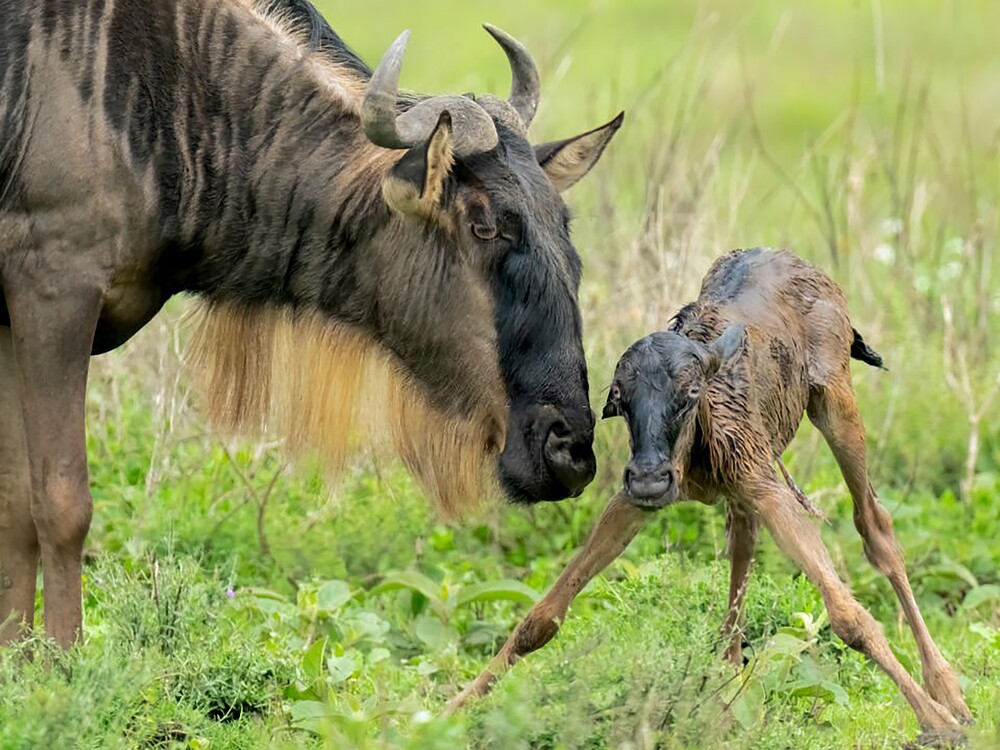
A wildebeest mother and newborn calf on the Ndutu plains at sunrise during Tanzania’s Great Migration calving season.
An Ndutu safari explores the wildlife-rich southern Serengeti ecosystem and the Ndutu area of the Ngorongoro Conservation Area, a landscape famous for green-season scenery, open short-grass plains, cheetahs and the Great Migration calving period. December through March is the key seasonal window, with January and February particularly important for travelers hoping to see large wildebeest herds, newborn calves and intense predator activity.
Start with our Siterengeti safari planning guide, compare the wider Great Migration in Africa, or review wildebeest migration in Tanzania before choosing dates. Travelers ready for an itinerary can explore a five-day Serengeti and Ngorongoro migration safari, a six-day Tanzania migration safari, or our broader best Tanzania safaris guide.
Ndutu Safari Quick Answer and Essential Planning
| Ndutu Safari Interest | Recommended Period | Why Visit |
|---|---|---|
| Great Migration herds | December–March | Large wildebeest and zebra concentrations can gather across the southern plains. |
| Wildebeest calving | January–February | Newborn calves and strong predator activity make this the signature Ndutu experience. |
| Cheetah viewing | December–March | Open plains provide excellent visibility and productive hunting habitat. |
| Green-season photography | January–March | Fresh grass, dramatic skies and young wildlife create attractive photographic conditions. |
| Ngorongoro combination | December–March | Ndutu combines naturally with Ngorongoro Crater; our Ngorongoro Conservation Area travel guide provides useful planning context and the wider conservation area. |
What is the Serengeti calving season?
The Serengeti calving season is the southern phase of the annual Great Migration, when large wildebeest concentrations gather on nutrient-rich short-grass plains and a huge pulse of calves is born. The event is not confined to one park gate or one lodge. Herds spread through the wider southern Serengeti–Ndutu ecosystem according to rainfall, fresh grazing and water availability. That is why a good Ndutu safari is built around seasonal positioning rather than a rigid map.
January through March is the main planning window, with February commonly regarded as the strongest month for travelers whose priority is newborn wildebeest and predator activity. December can provide an early preview as herds return south, while March can still be excellent as calves strengthen and begin moving with the herds. Read our Tanzania migration season guide, Serengeti timing advice, Great Migration route overview, Tanzania safari month guide, and Ngorongoro conservation guide for the wider seasonal context.
Why does calving happen around Ndutu?
The southern plains become productive after seasonal rains. Fresh grass supports pregnant wildebeest and provides the energy needed during calving and early lactation. The open landscape also favors wide herd movement and makes wildlife behavior easier to observe from safari vehicles. The exact concentration can shift rapidly, so your guide’s current field information matters as much as a calendar.
Useful supporting reading includes our Serengeti and Ngorongoro migration itinerary, seven-day Tanzania safari, Tanzania northern circuit itinerary, African safari planning guide, and Safari Vacations company profile. For independent regional context, see Anthill Safaris on the Great Wildebeest Migration, Tanzania safari experience, and popular safari activities in Tanzania.
Best Time for an Ndutu Safari
December and January: the herds return to the southern plains
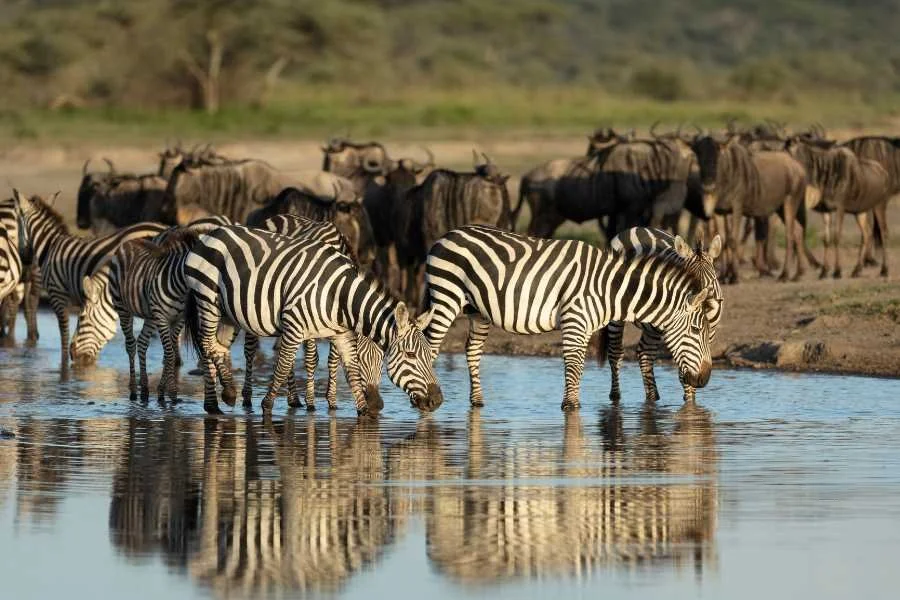
By late December and through January, many migration herds are usually moving into or settling across the southern Serengeti and Ndutu ecosystem. January is rewarding for travelers who want green scenery, large herd concentrations, young animals and a slightly broader calving window. Early-season rain patterns influence where the animals settle, so choosing a mobile or strategically located camp can make a major difference.
February: the strongest month for wildebeest calving
February is the core month most travelers associate with a Ndutu safari. Large numbers of pregnant females are on the southern plains, many newborn calves are present, and predator activity can be intense. Lions, cheetahs, hyenas and jackals take advantage of the seasonal concentration of vulnerable young animals. February is also popular, so well-positioned camps and private vehicles should be reserved early.
March: calves strengthen and the migration begins to change
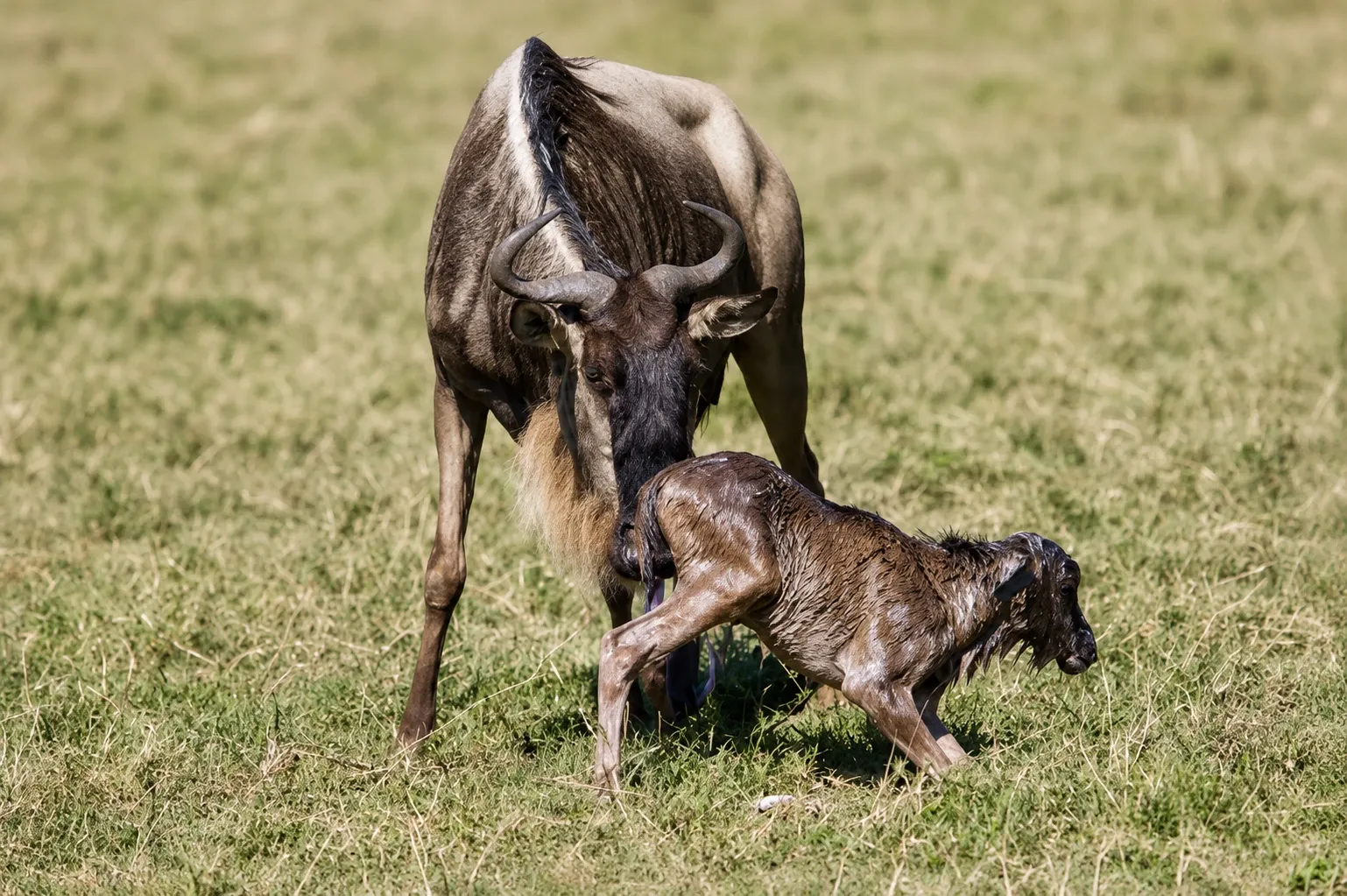
March remains highly worthwhile. Many calves are already mobile, the plains can remain green, and predator sightings continue. As rainfall and grazing patterns evolve, the herds may become more dispersed or begin edging away from their February concentrations. A March Ndutu safari therefore benefits from route flexibility and a guide who is prepared to adjust daily game drives.
Compare seasons with our complete Serengeti planning article, Tanzania safari calendar, Great Migration Tanzania guide, annual migration route, Tanzania migration safari itinerary, five-day migration safari, seven-day Tanzania safari, northern circuit safari, Ngorongoro travel guide, and wildlife safari planning advice.
Does rain ruin a Serengeti calving safari?
No. Rain is part of the ecological reason the herds are in the south. Showers can affect roads and change animal distribution, but they also create fresh grazing, cleaner air, dramatic cloudscapes and vivid green photography. Travelers should prepare for mixed weather rather than expecting uninterrupted sunshine or all-day rain.
For another perspective on seasonal movement, read Anthill Safaris’ Serengeti and Masai Mara comparison, Great Migration guide, and Tanzania safari overview.
Where Is Ndutu and Why Is It Important for Safari?
Ndutu and the southern Serengeti ecosystem
Ndutu is the name most closely associated with the wildebeest calving season. The broader area includes short-grass plains, woodland edges, seasonal lakes and sections that connect Serengeti National Park with the Ngorongoro Conservation Area. Wildlife ignores administrative boundaries, so a smart itinerary considers where the herds are likely to be rather than assuming every lodge labeled “Serengeti” is equally well placed.

Why camp location matters more than a famous lodge name
During a Ndutu safari, distance to productive game-viewing areas matters every day. A camp that reduces long transfers can give you earlier starts, more time with the herds and better opportunities to stay at sightings until the light changes. Seasonal mobile camps can be especially useful because they are designed around migration movement.
Should you add Central Serengeti?
Central Serengeti is valuable for resident wildlife and can complement Ndutu when you have five or more safari days. Seronera’s river systems and varied habitats support lions, leopards, cheetahs, elephants and many other species throughout the year. A split stay can add variety without turning the safari into constant packing and driving.
Plan the route using our Serengeti region guide, migration location guide, Serengeti–Ngorongoro itinerary, migration safari route, longer Tanzania itinerary, complete northern circuit, Ngorongoro area guide, best Tanzania safari guide, Uganda–Tanzania safari experience, and gorillas and Serengeti combination guide.
For additional destination context, see Anthill Safaris on Ngorongoro safari activities, top East African safari destinations, and combining Kenya and Tanzania.
Wildlife and Predator Action on an Ndutu Safari
Newborn wildebeest and the first hours of life
The emotional center of the Ndutu safari is the sight of newborn calves standing, wobbling and quickly learning to follow their mothers. A birth itself can be witnessed, but it can never be guaranteed. The stronger promise of the season is the overall concentration of young animals, maternal behavior, moving herds and constant ecological interaction.

Lions, cheetahs and hyenas around the herds
Large herbivore concentrations attract predators. Lions may shadow the migration or hold territories near productive plains. Cheetahs use open country for high-speed hunts, while hyenas patrol widely and exploit both hunting and scavenging opportunities. The result can be exceptional predator viewing, although no responsible safari operator should guarantee a kill or specific hunt.

A cheetah encounters wildebeest on the open Ndutu grasslands, highlighting the dramatic predator-and-prey interactions of Tanzania’s Great Migration calving season.
Resident wildlife beyond the migration
The southern Serengeti is not empty when the wildebeest move. Zebras, gazelles, giraffes, elephants, warthogs, birds of prey and many other species make the safari richer. Combining migration-focused days with habitats around Central Serengeti or Ngorongoro can broaden the wildlife list considerably.

Deepen your wildlife planning through our Great Migration ecology guide, wildebeest migration article, Serengeti wildlife planning guide, Tanzania safari wildlife guide, Serengeti and Ngorongoro itinerary, migration safari package, Tanzania experience safari, northern circuit safari, Ngorongoro wildlife guide, and African wildlife trip planning.
Anthill Safaris also covers the Great Wildebeest Migration, most popular Tanzania safari activities, and Serengeti versus Masai Mara for travelers comparing different wildlife experiences.
How Many Days Do You Need for an Ndutu Safari?
Three days: possible but tightly focused
Three days can work if flights or efficient transfers place you close to Ndutu and the migration. It is best for travelers with limited time who are comfortable prioritizing calving wildlife over a broader northern-circuit journey. A short itinerary becomes much less effective when a large share of the first and last day is lost to driving.
Four to five days: the best overall balance
For most first-time visitors, four to five safari days is the strongest balance. It allows repeated game drives in the southern migration region, gives some protection against weather or dispersed herds, and makes it realistic to add Ngorongoro without rushing every morning. This is the duration Safari Vacations would normally use as the starting point for a focused Ndutu safari.
Six to seven days: ideal for photography and a slower pace
Longer stays suit photographers, families, honeymooners and repeat safari travelers. Extra time allows you to wait for behavior, revisit productive areas and split accommodation between Ndutu and Central Serengeti or Ngorongoro. More days are particularly useful when wildlife photography is a major goal because light, animal behavior and weather change continuously.
Sample five-day calving itinerary
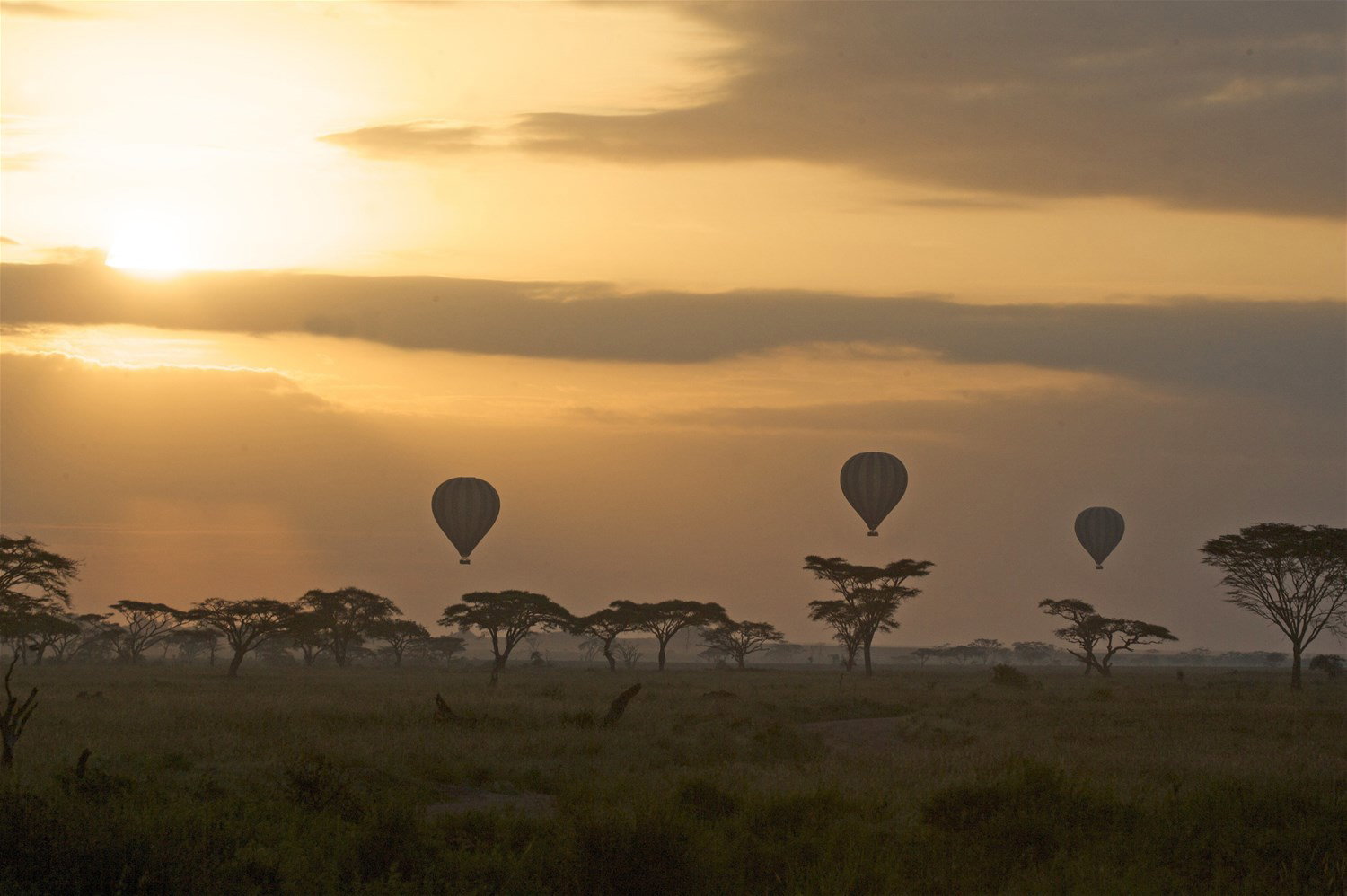
Day 1: Travel from Arusha toward Ndutu with game viewing as time and routing allow. Day 2: Full-day migration-focused game drive across the southern plains. Day 3: Continue Ndutu and southern Serengeti exploration, following fresh field information rather than repeating the same road. Day 4: Morning wildlife viewing followed by a transfer toward the Ngorongoro highlands. Day 5: Descend into Ngorongoro Crater before returning toward Arusha or continuing to your next destination.
Compare itinerary lengths through our five-day Serengeti and Ngorongoro safari, six-day migration safari, seven-day Tanzania experience, six-day northern circuit, Serengeti duration planning, Tanzania safari guide, migration season advice, Ngorongoro travel guide, Uganda–Tanzania itinerary, and gorilla and Serengeti combination.
For broader itinerary ideas, see Anthill Safaris on combining Kenya and Tanzania, Uganda gorilla trekking with Tanzania, and top East African safari destinations.
Where to Stay and What an Ndutu Safari Costs
Mobile camps and tented camps near Ndutu
During the wildebeest calving season, location should come before decorative luxury. A comfortable tented camp close to current herd concentrations may produce a better safari than a famous lodge that requires long drives each morning. Mobile and seasonal camps can offer proper beds, private bathrooms, quality meals and excellent access while still feeling close to the wilderness.

Mid-range, luxury and fly-in options
Mid-range travelers can prioritize strong guiding and practical camp location while choosing simpler tented accommodation. Luxury travelers may add premium camps, private dining, charter flights and larger suites. Fly-in safaris reduce road time and can be particularly useful for short trips, honeymoon itineraries or travelers continuing to Zanzibar.
What determines the total safari price?
There is no responsible single price for every Ndutu safari. Cost changes with travel dates, number of guests, private vehicle requirements, camp category, conservation fees, internal flights, route length and whether the itinerary includes Ngorongoro, Tarangire, Zanzibar or another country. Request a quotation based on the exact month and group size rather than comparing headline prices alone.
Use our Tanzania safari planning guide, Serengeti planning page, five-day migration itinerary, six-day migration safari, seven-day safari, northern circuit itinerary, Ngorongoro guide, African safari planning advice, Safari Vacations information, and custom safari enquiry page to compare options and request a tailored plan.
For additional Tanzania travel context, Anthill Safaris provides articles on why Tanzania is a leading safari destination, Tanzania safari activities, and Ngorongoro safari activities.
Combine an Ndutu Safari With Serengeti, Ngorongoro or Zanzibar
Serengeti calving season and Ngorongoro Crater
Ngorongoro is the most natural extension because of its position between Arusha and the southern Serengeti ecosystem. A crater day adds a contrasting landscape and a resident wildlife experience that is not dependent on migration movement. For a five-day trip, combining three migration-focused days with the Ngorongoro highlands and crater is often more balanced than trying to add too many parks.
Serengeti calving safari and Zanzibar
After early starts and long wildlife days, Zanzibar provides an easy change of pace. Couples, families and honeymooners can fly from the safari circuit to the coast for beaches, Stone Town, snorkeling, diving and relaxed resort time. A Serengeti calving season and Zanzibar itinerary works especially well when the safari remains concentrated rather than being stretched across too many mainland destinations.
Serengeti calving safari and Uganda gorilla trekking
For one of East Africa’s strongest wildlife contrasts, combine the open Serengeti plains with mountain gorillas in Bwindi Impenetrable National Park. The safari moves from large-scale migration ecology to an intimate forest encounter with a habituated gorilla family. This combination is particularly compelling from December through February, when Uganda’s drier trekking period overlaps with the southern Serengeti calving season.
Build a multi-destination trip with our Ngorongoro Conservation Area guide, Zanzibar beach and safari guide, Zanzibar activities guide, family safari and Zanzibar guide, Uganda gorillas and Serengeti guide, Uganda–Tanzania safari experience, Tanzania safari guide, Serengeti and Ngorongoro itinerary, African safari planning guide, and Safari Vacations custom trip form.
Anthill Safaris offers additional perspective on gorilla trekking in Uganda with Tanzania, combining Kenya and Tanzania, and East African safari destinations.
Ndutu Safari FAQs and Booking Advice
When is the Serengeti calving season?
The main planning period is January through March, with February commonly treated as the strongest month for concentrated wildebeest births. Actual herd position varies with rainfall and grazing conditions.
Where is the Great Migration in February?
Large herds are commonly found across Ndutu, the southern Serengeti and nearby parts of the Ngorongoro Conservation Area. They can spread widely, so camp location and daily field information remain important.
Can I see a wildebeest giving birth?
Yes, it is possible, but a specific birth cannot be guaranteed. The broader calving-season experience—newborns, maternal behavior, huge herds and predator activity—is the reliable reason to travel.
Are predators easier to see during calving season?
Predator activity can be excellent because lions, cheetahs, hyenas and other carnivores respond to the seasonal abundance of prey. Specific sightings and hunts remain unpredictable.

A lioness leads her young cubs through the lush green grasslands of Ndutu in Tanzania’s Ngorongoro Conservation Area.
Is February too wet for safari?
No. Showers are part of the green-season pattern and can improve scenery and photography. Road conditions vary, which is why appropriate vehicles and flexible routing matter.
How many days should I spend on an Ndutu safari?
Three nights is a practical minimum for a focused visit, while four or five safari days gives most travelers a better balance of flexibility, game-drive time and the option to add Ngorongoro.
When should I book a February calving safari?
Book as early as practical when dates are fixed. Prime seasonal camps, private vehicles and preferred room categories can fill well in advance because the strongest calving window is relatively short.
Is a Ndutu safari good for families?
Yes. Families benefit from private vehicles, flexible game-drive schedules, fewer hotel changes and camps with appropriate family rooms. The visible presence of young animals can make the safari especially engaging for children.
Is it good for photographers?
Excellent. Green plains, newborn animals, active predators and dramatic weather create strong photographic variety. Photographers should consider a private vehicle and extra nights so they can wait for behavior and good light.
Calving season or Mara River crossings: which is better?
Choose calving season for newborn animals, predator activity and green southern plains. Choose the northern migration period for the possibility of Mara River crossings and drier landscapes. Neither experience can guarantee a particular wildlife event.
Continue with our Serengeti safari planning guide, Tanzania migration guide, Great Migration article, best Tanzania safaris, five-day migration safari, six-day migration safari, Ngorongoro guide, Zanzibar safari and beach guide, gorilla and Serengeti guide, and Safari Vacations booking form.
For alternative reading, see Anthill Safaris’ Great Wildebeest Migration article, Masai Mara and Serengeti comparison, and Tanzania safari overview.
Plan Your Ndutu Safari With Safari Vacations
A customized Ndutu safari route built around your dates
Tell Safari Vacations and Travel Services Ltd your travel month, number of travelers, preferred accommodation level, approximate safari duration and whether you want to add Ngorongoro, Zanzibar, Uganda or Rwanda. We will structure the route around realistic driving times, likely migration areas and the style of wildlife experience you value most.
Review our company information, Tanzania safari guide, Serengeti planning guide, five-day migration itinerary, six-day migration itinerary, seven-day Tanzania safari, Ngorongoro guide, Zanzibar planning guide, Uganda–Tanzania safari, and gorilla plus Serengeti guide before sending your request.
Regional reference reading: Great Migration, Uganda–Tanzania combination, and East African safari destinations.