Lake Kivu: 11 Ultimate Amazing Rwanda Travel Tips

RWANDA LAKESIDE SAFARI GUIDE · WESTERN RWANDA
Lake Kivu: The Complete Rwanda Travel Guide to Beaches, Islands and Lakeside Adventures
Discover Rubavu, Karongi and Rusizi, beautiful boat routes, the Congo Nile Trail and practical advice for a relaxing Rwanda journey.
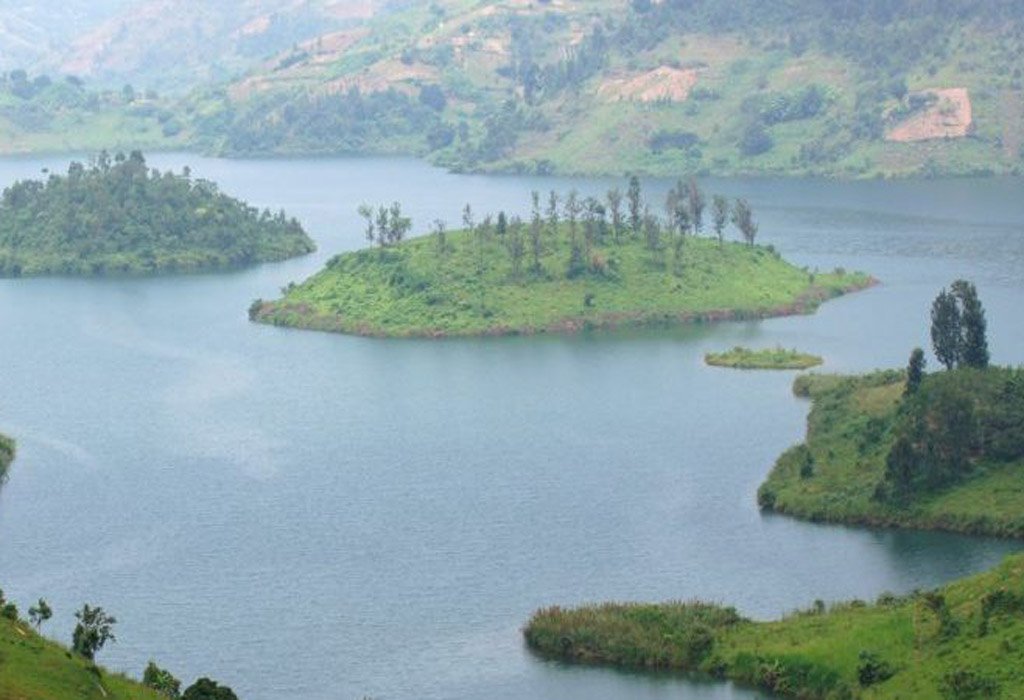
Lake Kivu: Rwanda’s peaceful lakeshore escape
Lake Kivu in Rwanda stretches along the country’s western frontier, gathering green hills, fishing villages, curved bays and islands into one of East Africa’s most appealing waterside landscapes. The lake invites a change of pace after early safari departures: breakfast overlooking quiet water, an unhurried boat ride, a village walk or simply an afternoon watching clouds drift above distant ridges. This Lake Kivu guide explains how to choose the right town, build a realistic itinerary and experience the shoreline thoughtfully.
Travelers often imagine one resort destination when they hear the name, but the Rwandan coast offers distinct experiences. Rubavu is sociable, Karongi is scenic and Rusizi is comparatively low-key. The difference affects your driving route, hotel choices and available activities. A broader Rwanda travel guide helps put those destinations into context, especially if this is your first visit and you are combining several parts of the country.
Things to do in Lake Kivu do not require expert kayaking or hiking experience. Families appreciate gentle waterfront time, couples enjoy sunset viewpoints and active visitors can add cycling or guided paddling. The key is to match the itinerary to your priorities rather than attempting to cover the entire shore in a single day. Longer journeys can connect the lake to Rwanda safari packages without turning every transfer into a race.
Where is Lake Kivu and what makes it special?
Lake Kivu occupies part of the Albertine Rift between Rwanda and the Democratic Republic of the Congo. Its shoreline is framed by cultivated hills, wooded headlands and settlements that climb above the water. Rwanda’s principal visitor towns are Rubavu in the north, Karongi around the central shore and Rusizi to the south. The lake covers roughly 2,700 square kilometers, although published measurements vary according to the way its irregular shoreline is mapped.
Beyond its beauty, the lake has an unusual geological story. Deep waters contain naturally dissolved gases, including methane and carbon dioxide, which are monitored and studied. Their presence does not make every ordinary lakeside visit hazardous, but it is another reason to follow local safety guidance and avoid exaggerated claims that the lake is completely risk-free. A responsible visit considers boat conditions, weather and designated recreation areas as carefully as the scenery.
Lake Kivu also connects naturally with Rwanda’s wider landscapes. Northern visitors may come from Volcanoes National Park, while southern travelers can link the shore with forest adventures. These combinations make sense geographically, although actual driving times depend on roads and stopping points. Instead of describing a continuous lakeside circuit as effortless, allow enough daylight for viewpoints, market visits and unexpected delays on winding hills.
Rubavu and Gisenyi: the lively northern waterfront
Rubavu, historically known to many visitors as Gisenyi, is the liveliest base along Lake Kivu. It offers a waterfront promenade, sandy stretches, restaurants and hotels ranging from simple guesthouses to larger resorts. Visitors who enjoy a sociable atmosphere can walk between cafés and scenic viewpoints, browse local streets or arrange a guided outing on the water. The town is especially convenient after gorilla trekking in Rwanda, when a slower afternoon feels welcome.
Choose Rubavu if your travel days are limited or you want activity options close to accommodation. Ask a hotel which sections of the waterfront are comfortable for walking and whether guided paddling or boating departs nearby. Water access changes with weather and local management, so do not assume that every piece of beach is a supervised swimming area. An early morning stroll can be more relaxing than trying to fit multiple water activities into the hottest hours.
Rubavu is also a practical gateway to the Congo Nile Trail, whose scenery unfolds farther down the coast. A visitor can sample a nearby section without committing to a multiday expedition. The town’s position suits an itinerary built around mountain gorillas in Rwanda, but do not plan a complicated border crossing to the DRC as a casual add-on. Border rules and regional security conditions require separate, current checks.

Karongi and Kibuye: quiet bays, islands and views
Karongi, formerly called Kibuye, is a beautiful choice when you want the lake itself to set the rhythm of your stay. The shoreline folds into sheltered bays below forested hills, and small islands make boat excursions particularly rewarding. Hotels often occupy slopes above the water, creating wide views at breakfast and sunset. Travelers seeking a calmer stop after busy cities frequently prefer Karongi over Rubavu, especially when they have more than one night.
A boat outing here can introduce the geography that is difficult to appreciate from the road. Headlands appear to overlap, villages become visible along coves and the islands offer different perspectives across Lake Kivu. Ask whether the operator includes landing opportunities, how much walking is involved and which destinations are actually permitted. A scenic cruise does not automatically include a guided island hike, entry fees or refreshments, so clarify those details before departure.
Karongi works well for a restful day between bigger adventures, particularly a Rwanda honeymoon safari that values scenery and privacy. Couples can pair a gentle activity with dinner overlooking the bay; families may choose a shorter cruise and spend the afternoon at their lodge. Stay flexible about the exact sunset viewpoint because clouds, wind and rain may alter the best plan, even during a generally favorable travel season.
Rusizi and Cyangugu: the southern lakeshore
Rusizi, often associated with the older name Cyangugu, offers a quieter introduction to the southern end of Lake Kivu. Its atmosphere is more local and less oriented toward big waterfront resorts than Rubavu. This is not a disadvantage for travelers who prefer everyday town life, birdwatching and unhurried views. Restaurants and activity choices may be more limited, so confirm arrangements rather than expecting spontaneous departures at any hour.
The principal strategic advantage of Rusizi is its proximity to southwestern Rwanda’s forest region. Travelers who plan Nyungwe chimpanzee trekking can use the southern lakeshore as a rest stop before or after demanding forest walks. Check the specific location of your Nyungwe accommodation and activity briefing, since the park covers a broad area and the road transfer can vary. A nominally short distance on a map is not always a short morning journey.
A slow afternoon near Rusizi can be rewarding without elaborate activities. Observe waterside life respectfully, visit a local market with a guide or enjoy views from a safe established lookout. Ask permission before photographing people, working boats or private homes. If your larger route includes an 11-day Uganda and Rwanda tour, Rusizi may provide a useful link, but confirm border formalities separately for any international crossing.
Boat trips and island excursions on Lake Kivu
Lake Kivu boat trips: what to confirm before departure
Lake Kivu boat trips are among the simplest ways to understand the lake. From the water, steep hills, fishing communities and resort terraces form a continuous landscape that changes with each bend. Short cruises are suitable for travelers who mainly want photographs and fresh air, while longer excursions may call at islands or sheltered coves. Choose a departure point near your accommodation to avoid spending more time driving than actually enjoying the experience.
Before boarding, ask about life jackets in the correct sizes, passenger limits, the captain’s experience and whether the boat has appropriate safety equipment. Weather can change quickly over a large body of water. A competent operator should explain its cancellation procedures and be willing to delay departure when wind or visibility is poor. For travelers familiar with boat cruises on safari, a Lake Kivu trip feels different because the emphasis is on scenery and local life, not guaranteed sightings of large animals.
Some operators offer visits to islands around Karongi, but not every island is accessible or suitable for landing. Avoid assuming you can climb hills, touch nesting birds or enter farms without permission. Take drinking water, a light rain layer and protection for your phone or camera. If you are traveling with small children or a mobility limitation, describe those needs when booking so the operator can recommend an appropriate vessel and boarding point.

Kayaking, paddle trips and water-based adventures
Guided kayaking reveals a more intimate side of Lake Kivu. Close to shore, you can hear birds calling from vegetation, watch hillside farms unfold and notice the different textures of the water. Some routes lead through sheltered bays, while others cross more exposed sections where wind matters. A good guide will match the distance to the group’s experience and explain how the outing changes if the weather becomes unsuitable.
Beginners should ask for a calm-water introduction rather than booking a long expedition because the photographs look easy. Confirm whether the price includes equipment, an instructor, a flotation device and transfer from your lodge. Wear quick-drying clothing, use sun protection and secure belongings in a suitable dry bag. Travelers planning Rwanda adventure holidays can enjoy kayaking as an active day without needing to complete a demanding multi-day route.
Stand-up paddling and other water sports may be offered by individual hotels, but availability varies considerably. Check what is running on your exact dates and whether activity providers have established safety procedures. Never go out alone to an unfamiliar stretch, particularly at dusk or during rough conditions. Remember that recreational boating should respect fishing routes, communities working on the water and clearly marked restricted areas.
The Congo Nile Trail: hiking and cycling beside the lake
The Congo Nile Trail is a remarkable route following the western landscape from Rubavu toward Rusizi. Rwanda’s tourism authorities describe a roughly 227-kilometer trail, with sections suitable for walking or cycling. It passes terraced farms, coffee-growing areas, fishing settlements and dramatic views above Lake Kivu. The entire route requires serious planning, but the beauty of the trail is that travelers can enjoy selected stages without committing to the full distance.
Choose a section according to your fitness, available daylight, surface conditions and interest in village encounters. Some stretches involve steep climbs or rough ground, which can become slippery in wet weather. A local guide helps with navigation and introductions, while a support vehicle may be useful for longer cycling days. A traveler building a wider East African safari should allow enough time for both the trail and its cultural stops rather than racing from one viewpoint to the next.
Carry water, food, comfortable footwear, rain protection and an offline route reference. Ask where you can refill supplies, whether bicycle repairs are available and what happens if you need to shorten the day. Rural paths sometimes pass farms and homes, so show courtesy to people whose daily lives share the trail. A modest walk followed by a lakeside meal can be every bit as memorable as an ambitious athletic challenge.
Coffee, fishing villages and community encounters
The countryside around Lake Kivu supports small farms and communities whose work is closely connected to the landscape. Coffee visits can introduce growing, harvesting and processing, while village walks reveal how roads, gardens and markets connect hillside homes with the water. These experiences are most rewarding when organized with guides or hosts who explain local practices accurately and ensure participants are welcome. Seek opportunities that fairly compensate community members for their time.
Fishing is an important feature of the lake, with distinctive boats and evening or nighttime working traditions in some areas. Observing crews from a suitable location is often more respectful than trying to join an active expedition. Ask a guide about the best public viewpoints and whether photography is appropriate. Travelers interested in Rwanda culture and wildlife should approach village visits as exchanges with individuals, not performances arranged simply for tourist pictures.
Food offers another friendly connection. You may find grilled fish, seasonal vegetables, fresh fruit and locally prepared dishes at restaurants near the shore. Menus and ingredients depend on the town and venue, so ask what is available rather than expecting the same meal everywhere. When purchasing crafts or produce, negotiate politely and pay an agreed price. Choosing local guides and businesses can help spread the economic value of tourism beyond larger hotels.

Birdwatching and the quieter side of nature
Although Lake Kivu is chiefly known for water views, the shoreline can be engaging for travelers who enjoy birds and small wildlife. Look along vegetated bays, trees near hotel gardens and quieter stretches away from busy traffic. Herons, kingfishers and other water-associated birds may appear, while the particular species seen depends on the habitat and season. A guide familiar with the locality can help distinguish common residents from occasional visitors.
Early mornings are useful because light is soft and waterfront activity is often quieter. Bring binoculars, a camera with a modest zoom and patience. Avoid disturbing nesting birds on islands or approaching wildlife too closely simply to obtain a picture. Dedicated travelers interested in birding safaris in Rwanda may wish to combine Lake Kivu with protected forests, where woodland species provide a very different experience.
Not every natural attraction requires an organized excursion. A balcony above the shore, a quiet village path or an evening by the water can reveal subtle changes in weather and light. Watch how fishing boats return, how the hills darken after sunset and how distant clouds influence the lake’s color. This slower approach gives travelers a genuine sense of place instead of reducing the coast to a checklist of activities.
Can you swim in Lake Kivu safely?
Visitors often hear that Lake Kivu has fewer of the familiar wildlife hazards associated with some other African lakes, and certain established beaches are used for swimming. However, it would be misleading to promise that all water is safe at all times. Freshwater environments can carry health risks, while weather, depth, currents, boat traffic and shore conditions vary. Use only locally recommended swimming areas and heed current advice from accommodation staff and competent authorities.
Do not swim in isolated places, near active boat routes or where signs advise against entry. Children need close supervision, and flotation devices are important for any boat activity regardless of swimming ability. Ask whether a location is monitored and whether water conditions have changed after storms. For a first visit, the most sensible strategy is to make swimming optional rather than the central promise of a family holiday.
The lake’s deep dissolved gas layers are part of its unusual geology, not an invitation to dismiss ordinary water safety. Recreational visitors should avoid speculation and follow established local guidance. When planning a Rwanda family safari, choose accommodation with amenities that suit your group; a safe pool or supervised recreation option may be preferable to open-water swimming for younger travelers.
Best time to visit Lake Kivu
Lake Kivu can be visited throughout the year, but the balance between sunshine and rainfall influences outdoor plans. Rwanda commonly experiences relatively drier periods around June to September and December to February, alongside wetter months. Weather is never guaranteed, especially in hilly terrain. A clear morning can turn cloudy later, so book activities with a little flexibility and keep one indoor or sheltered alternative in mind.
Drier conditions are often more comfortable for cycling, walking and unpaved approaches to viewpoints. Rain can make hills intensely green and bring atmospheric photographs, although wet trails and sudden showers require extra care. The ideal date also depends on the rest of your itinerary; visitors considering the best time to visit Rwanda should account for gorilla permits, national park interests and availability of desired lakeside accommodation.
Peak travel periods may bring higher demand for popular waterfront rooms and experienced activity guides. If you care about a specific lodge view, book ahead rather than assuming every room faces the water. At quieter times, some activities need advance notice before a guide or boat is assembled. A well-designed itinerary leaves room for changing the order of your kayak trip, trail walk and relaxed afternoon as conditions evolve.

How to get to Lake Kivu from Kigali
Road travel from Kigali is the usual starting point for international visitors. Karongi and Rubavu are both reached by scenic routes through the hills, while Rusizi is farther south. Indicative journeys are several hours rather than a quick urban transfer, and exact times depend on traffic, stops, roadworks and weather. The best arrival plan also depends on which lake town you have selected; there is no single road journey that describes every Lake Kivu holiday.
A private vehicle allows you to stop at viewpoints and travel directly to a lodge, making it attractive for families and photography enthusiasts. Shared buses or other public transport can cost less, but you may need an additional transfer from a terminal to your accommodation. If considering car hire for an East African trip, clarify driver arrangements, luggage space, insurance terms and whether the intended route is appropriate for the vehicle.
Confirm the hotel address and expected arrival time with your driver before leaving Kigali. Mountain roads can be winding, so plan comfort breaks and avoid an unnecessarily late arrival. International passengers who land in the afternoon may appreciate an overnight in the city first. A Kigali city tour can provide a worthwhile introduction to Rwanda rather than adding a stressful same-day road transfer after a long flight.
Traveling between Rubavu, Karongi and Rusizi
Moving between Lake Kivu towns can be one of the most scenic parts of a Rwanda trip, but it requires planning. The route follows hills and settlements rather than a straight lakeside boulevard. Some sections are smooth, while local access roads and surfaces may vary. Travelers choosing multiple bases should allow extra time for viewpoints and lunch, and should check prevailing road conditions close to departure.
Boat services and private water transfers are sometimes discussed as alternatives, but do not assume a scheduled connection is operating on your particular date. Confirm the route, operator, luggage allowance, safety equipment and embarkation details directly. For a multi-stop Rwanda luxury safari, a dedicated driver can simplify logistics, especially when accommodation lies outside the main town or travelers carry camera equipment.
Consider whether changing hotels is actually worth the transfer. Two nights in Karongi plus one in Rubavu can suit some routes, but a three-night stay in one place may be more restful for families or anyone recovering after strenuous trekking. Build the trip around meaningful activities instead of collecting town names. If visiting both northern and southern Rwanda, dividing the lake stay between regions may make more geographical sense.
Where to stay: lakeside hotels and lodges
Where to stay in Lake Kivu depends on guesthouses, lakeside resorts and hillside boutique properties. The most valuable feature is not always the highest star category; location, reliable transport and a setting suited to your activities matter more. If you plan early kayaking, choose a property close to the departure point. If you want uninterrupted views, ask whether the exact room category faces the water.
Rubavu offers a broader selection of restaurants and accessible waterfront services, while Karongi is attractive for quiet stays above the bays. Rusizi may suit travelers who prioritize a southern route or a local atmosphere. If you are comparing Rwanda luxury lodges, request clear information on room views, meal plans, airport or road transfers and any included excursions before paying a deposit.
Practical questions can make a major difference: Is the property up a steep driveway? Are there stairs between rooms and the lakeside? Does the restaurant serve dinner when you arrive late? Are mosquito screens available? For families, check room configurations and child policies. For couples, ask about privacy rather than assuming that every advertised honeymoon room is secluded. Recent photographs and written confirmations are more helpful than generic promotional descriptions.

What does a Lake Kivu holiday cost?
The cost of a Lake Kivu visit depends mainly on accommodation, transport and the activities you choose. A simple stay using public transport and a short shared outing is very different from a private vehicle, premium lakeside accommodation and several guided excursions. Prices change with the season, operator and currency, so a fixed figure presented without a current quotation could mislead. Budget separately for lodging, meals, boats, guides and tips.
When comparing offers, check whether a boat fare is charged per person or per vessel, whether guide fees and life jackets are included and how long the trip actually lasts. On land, verify whether bicycle rental includes a helmet, repair support or transportation at the end of a trail stage. If you are researching Rwanda safari costs, remember that gorilla permits and other national park activities can dominate a combined holiday budget.
Keep a modest contingency for weather changes, a replacement transfer or an extra meal on the road. A fair price should reflect competent guiding and safety, not just the cheapest advertised excursion. Request a written itinerary showing inclusions, exclusions and cancellation terms. This is especially important for travelers combining countries, because border travel, insurance and accommodation changes can introduce costs that are not visible in an attractive package headline.
Combining Lake Kivu with Volcanoes National Park
Lake Kivu is a natural relaxation stop after a visit to Rwanda’s volcanic highlands. A gorilla trek can involve an early start, unpredictable walking time and significant physical effort; an afternoon or full day beside the lake provides contrast. Rubavu is a convenient northern base for that combination. The goal should be recovery as much as sightseeing, so resist scheduling a lengthy road transfer immediately after an exhausting trek.
If your priority is the great apes, organize Rwanda gorilla permits before committing to nonrefundable lakeside reservations. Permit rules, dates and availability are controlled separately from accommodation. Those who enjoy lighter wildlife activities can also consider golden monkey trekking in the Volcanoes region on another day. The lake then becomes a pleasant conclusion to a more active northern Rwanda program.
An itinerary of several nights is more forgiving than a rushed two-day schedule. Spend sufficient time in the gorilla trekking area before traveling to the shore, and consider weather and road comfort when arranging activities. Travelers comparing gorilla trekking in Uganda and Rwanda should base that decision on overall route, permit rules and experience preferences rather than assuming one destination is always cheaper or easier.
Combining Lake Kivu with Nyungwe and other parks
Southern Lake Kivu can pair beautifully with the rainforests of Nyungwe. The contrast is striking: open water and fishing communities one day, dense forest and primate calls the next. Rusizi is useful for certain approaches, but the appropriate overnight location depends on your reserved activity and entry point. Forest excursions may start early, making an accurate road-transfer plan essential for travelers who want a comfortable experience.
A visit to Nyungwe may feature guided forest walks, chimpanzee tracking or the famous elevated canopy experience when open and properly booked. A five-day Rwanda gorillas and Nyungwe trip shows how varied a compact country itinerary can become, though adding Lake Kivu requires realistic time allocation. Do not assume the south can be covered in a hurried afternoon after an activity in the forest.
Visitors planning a longer wildlife holiday can also consider Akagera National Park in eastern Rwanda. It delivers a very different landscape and game-viewing focus. The lake does not offer the same safari experience as a savannah park, and treating them as interchangeable creates unrealistic expectations. A stronger itinerary gives each place its own purpose: wildlife in Akagera, primates in forests and relaxed water-focused time at Lake Kivu.

Sample itineraries for one, two and three nights
With one night, choose the lake town that fits your travel direction and limit expectations. Arrive with enough time for a waterfront walk and dinner, then arrange an easy morning activity before moving on. A short guided cruise may be a better choice than a long cycling stage. One night offers a taste of the scenery but little flexibility if weather interrupts your plans, so keep the agenda intentionally simple.
Two nights are a comfortable introduction for many travelers. On arrival, settle into the lodge and explore nearby cafés or viewpoints. Use the full middle day for a boat excursion, guided paddle or a manageable trail walk, then enjoy a relaxed final evening. Three nights permit a fuller mix of activities with time for local culture and contingency. A five-day Volcanoes, Nyungwe and Lake Kivu itinerary can inspire route ideas, although each transfer needs individual consideration.
For an extended stay, it may be worthwhile to combine Rubavu and Karongi, or Karongi and Rusizi, but only if the additional base supports different goals. Travelers on a Uganda and Rwanda safari should also account for international crossings and broader driving distances. Whatever the length, reserve one unscheduled period. A quiet sunrise or spontaneous conversation can become the highlight of your stay.
Travel tips, packing and responsible tourism
Pack for a warm lakeside environment with occasional rain and cooler evenings. Comfortable walking shoes, breathable clothing, a lightweight waterproof jacket, a sun hat and refillable water bottle are useful. Bring suitable protection for phones and cameras during boat rides. If your itinerary includes cycling or trails, add the appropriate footwear and clothing rather than relying on beach sandals. A small day bag helps keep belongings organized while moving between activities.
Respect local communities and the lake environment. Ask permission before photographing residents, avoid littering and choose licensed or reputable guides when possible. Do not approach wildlife on islands or encourage boats to disturb birds. Travelers interested in responsible safari experiences can apply the same principles here: fair payment, low-impact visits and curiosity about everyday local life. Your actions matter even when no national park entrance gate is involved.
Before travel, review current identification, insurance and health advice relevant to your nationality and route. Rwanda’s border with the DRC is close to parts of Lake Kivu, but proximity does not mean a crossing should be added without security and entry checks. Avoid making decisions based on old social media posts. For a broader preparation framework, the Rwanda safari tips guide provides a starting point, while official agencies remain the best source for current rules.
Lake Kivu questions travelers commonly ask
Is Lake Kivu worth visiting without a boat trip? Absolutely. Waterfront walks, hillside views, local meals and restful time at a lodge can make a rewarding stop. The best experiences depend on your interests. Some visitors seek a busy activity schedule, while others want the opposite after intense wildlife trekking. Choose the town and accommodation accordingly, and do not feel obliged to purchase every excursion offered.
How many days should I stay? Two or three nights give many travelers enough time to relax and enjoy one or two activities without rushing. One night can work along an established route; more nights suit kayaking, walking and multi-town exploration. Can children visit? Yes, but water outings require appropriate safety equipment, supervision and operators prepared to accommodate younger passengers. Ask about age and size restrictions for each activity before booking.
Is Lake Kivu suitable for a honeymoon or a photography holiday? Both are possible, particularly around scenic Karongi and quieter bays. Couples may prefer secluded rooms, while photographers often value early light and flexible boat departures. For ideas beyond the shoreline, a Rwanda honeymoon journey can combine the lake with forests or other landscapes. Always confirm logistics and expectations before paying for activities marketed as exclusive or romantic.
Plan your Lake Kivu stay with confidence
A successful Lake Kivu visit begins with a simple decision: what kind of lakeside experience do you want? Choose Rubavu for convenient northern connections and a livelier setting, Karongi for scenic bays and island excursions, or Rusizi for a quiet southern stop. Then select accommodation near the activities that matter most. The lake rewards thoughtful pacing more than the number of sights you can squeeze into a day.
Keep the essentials realistic. Verify the correct town and lodge, confirm boat and guide arrangements, leave room for weather and follow current local safety information. When the lake is part of a wider Rwanda safari itinerary, protect the time needed to enjoy it rather than treating the shoreline as a photograph stop between parks. An afternoon spent watching the water can be a valuable travel experience in its own right.
Whether you travel as a couple, family, solo visitor or group, the best memories often emerge from small moments: fishermen returning beneath fading light, a conversation with a local guide or a quiet view across layered hills. Lake Kivu is more than a beautiful break between safaris. With reasonable expectations and careful planning, it becomes a destination whose atmosphere lingers long after you leave Rwanda’s western shore.
Editorial note: Boat availability, routes, weather, costs, safety guidance and travel conditions can change. Confirm arrangements with qualified local operators and official authorities before visiting.