Why Kibale Is the Ultimate Destination for Chimpanzee Trekking?

Why Is Kibale the Best Place for Chimpanzee Trekking in Uganda?
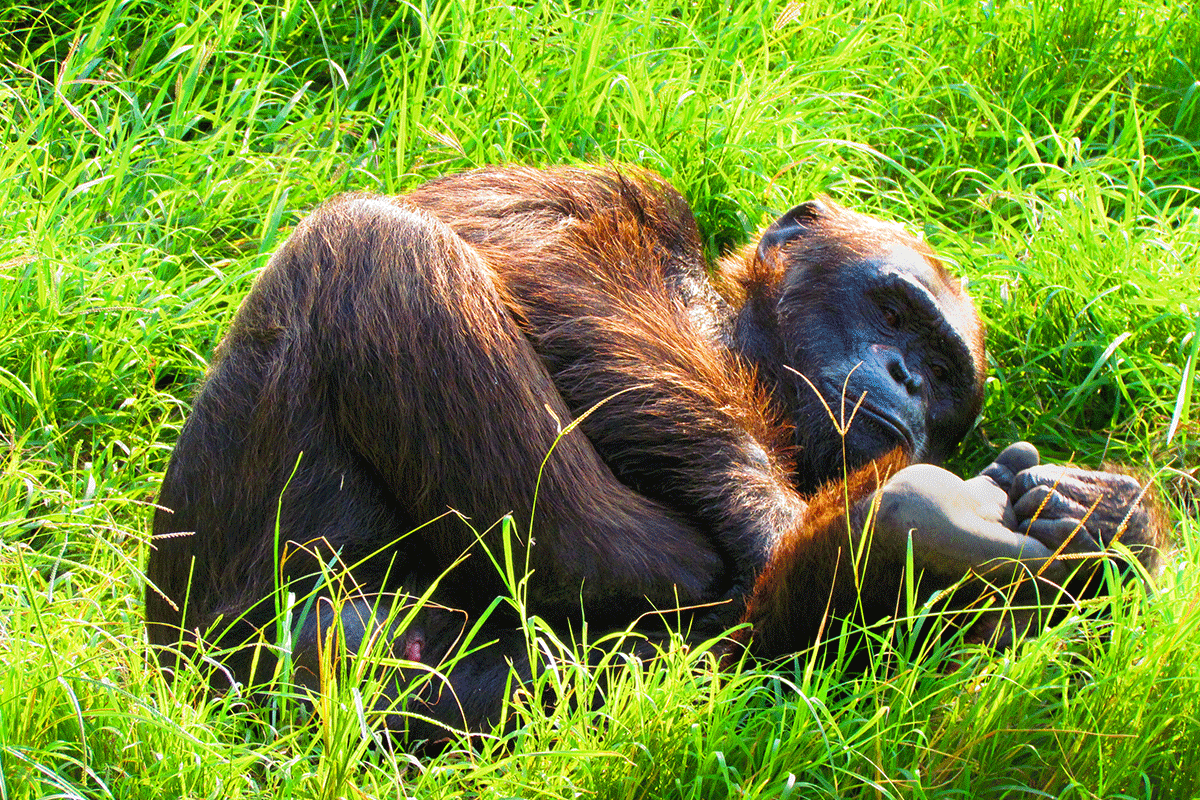
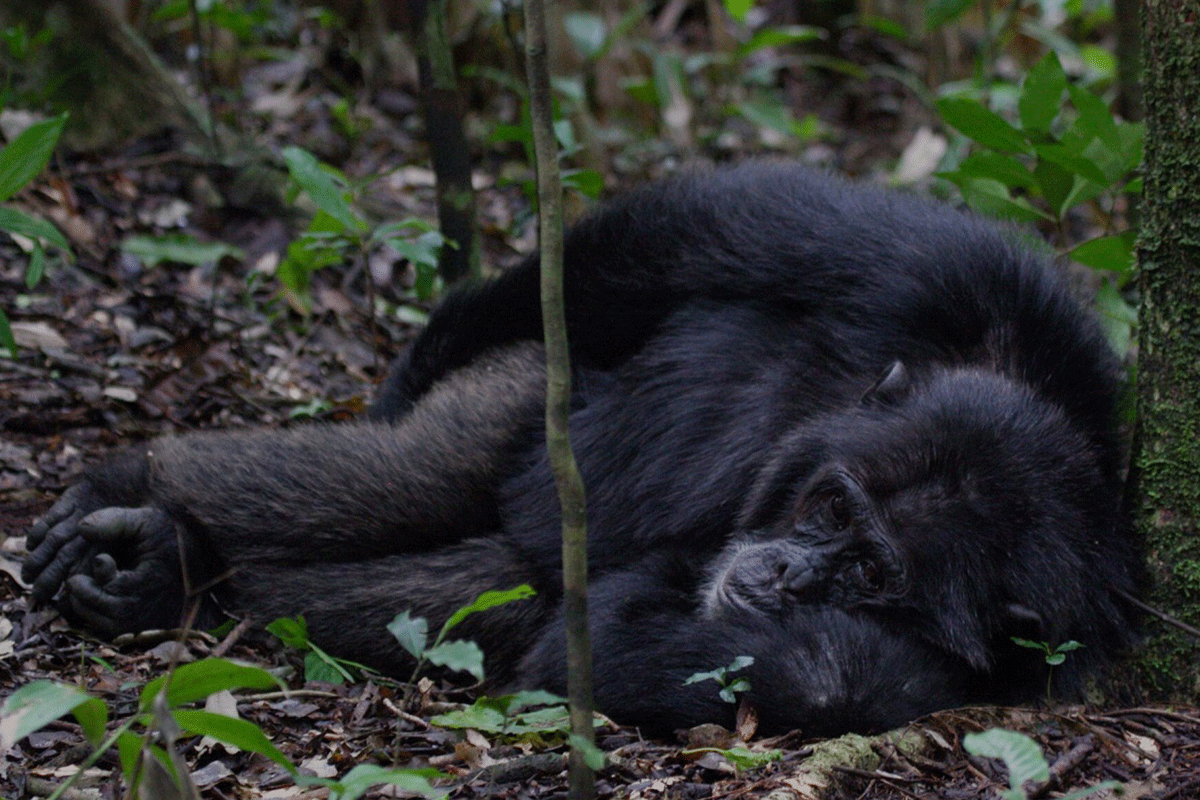
Kibale National Park stands out because it combines accessible encounters with habituated wild chimpanzees and a remarkably diverse tropical forest ecosystem. For wildlife enthusiasts, few African experiences compare with walking beneath a thick green canopy, hearing a chorus of chimpanzee calls and finally watching these intelligent primates interact in their natural habitat. The encounter is spontaneous rather than staged. A chimpanzee may pause to groom a companion, a youngster may leap between branches, or an entire community may suddenly move across the forest floor.
Located near Fort Portal in western Uganda, Kibale provides a compelling centerpiece for an itinerary built around primates, landscapes and traditional game viewing. Its position also makes it convenient to combine with Queen Elizabeth National Park, the crater lakes region and Bwindi Impenetrable National Park. This combination of wildlife quality, travel flexibility and immersive scenery explains why many visitors choose Kibale for their first chimpanzee trekking adventure.
Three Experiences That Make Kibale Special
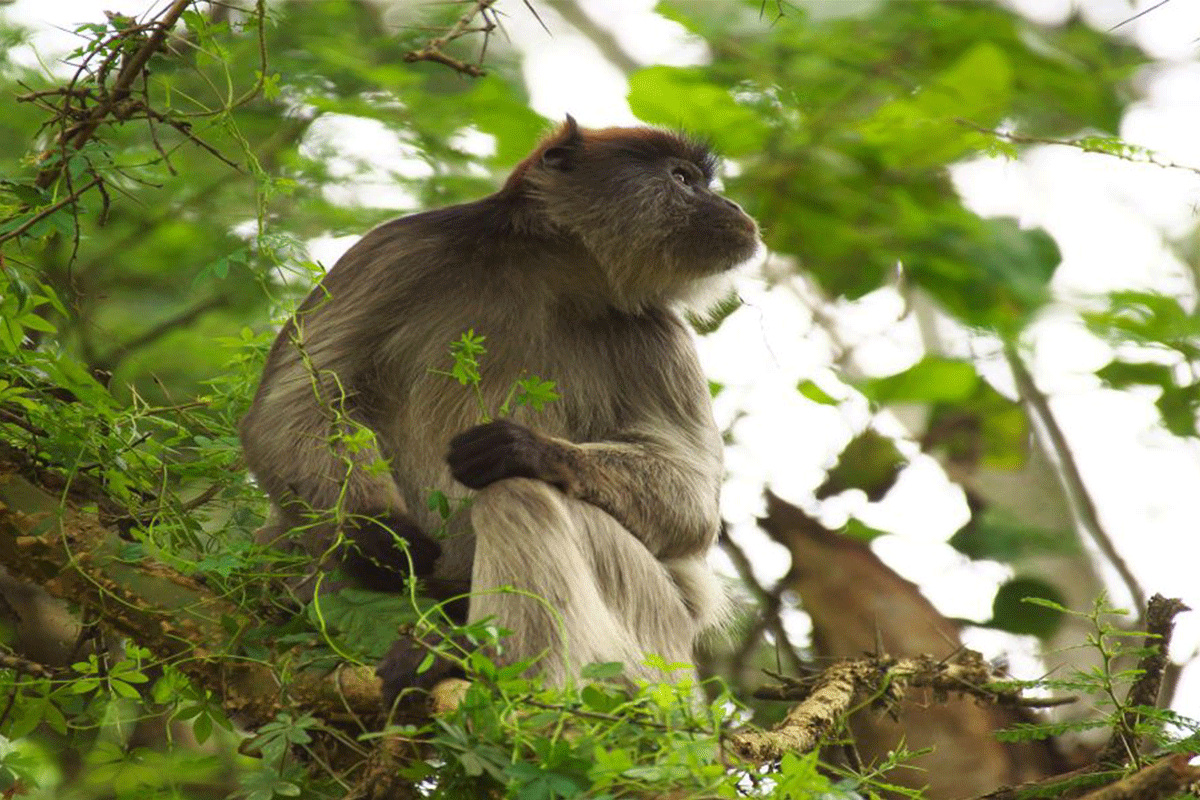
1. A Remarkable Population of Wild Chimpanzees
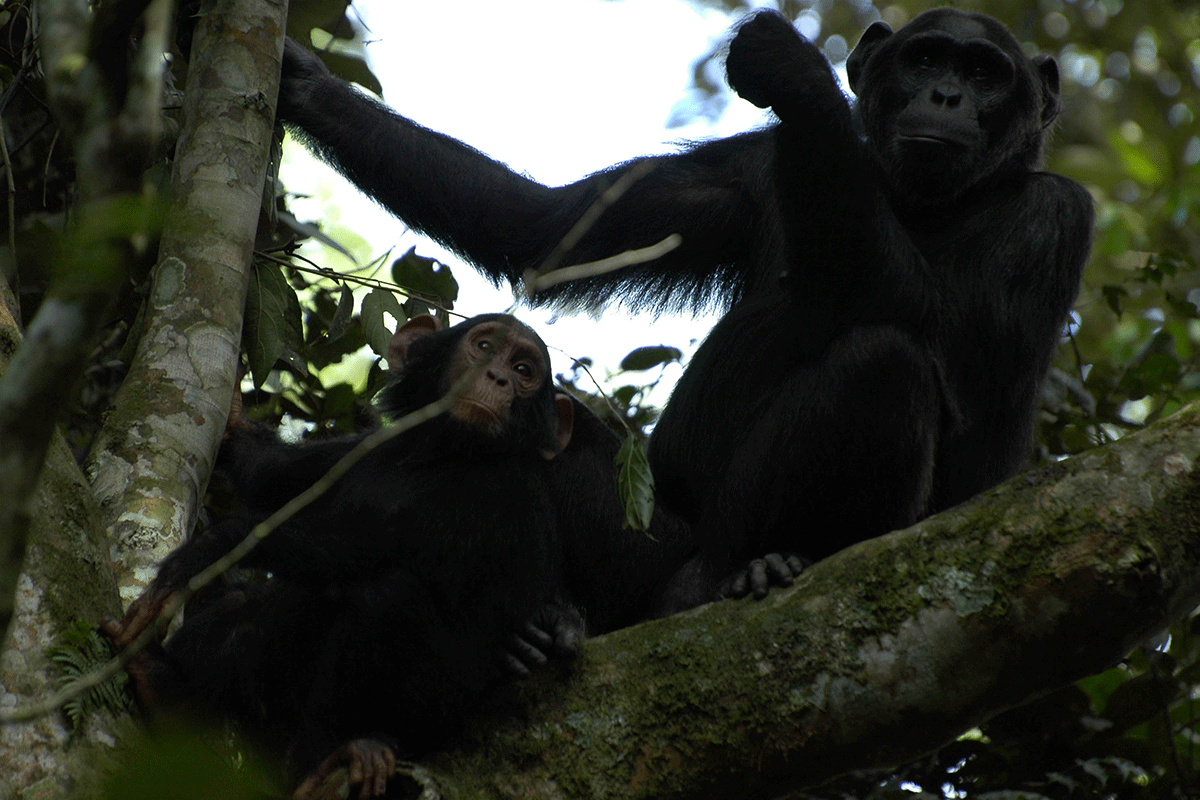
One major reason Kibale is so highly regarded is its importance as a habitat for wild chimpanzees. The park protects a significant population, including communities that have gradually become accustomed to the presence of researchers and carefully supervised tourists. Habituation does not make chimpanzees tame. It simply allows guided visitors to observe normal behavior at a respectful distance without the animals immediately fleeing.
This matters because chimpanzees are often surprisingly difficult to find in dense African forests. They travel in fluid subgroups, sometimes moving quickly or feeding high in the canopy. Kibale’s long-established tracking program and knowledgeable guiding teams improve the overall quality of the search, although every encounter remains dependent on wildlife movements and cannot be guaranteed.
2. Fascinating Natural Chimpanzee Behavior
A chimpanzee trek is far more than an opportunity to take photographs. These primates live in complex social communities, maintain relationships through grooming and vocal communication, and display remarkable curiosity and problem-solving ability. Watching them can feel like witnessing an elaborate social story unfold in real time.
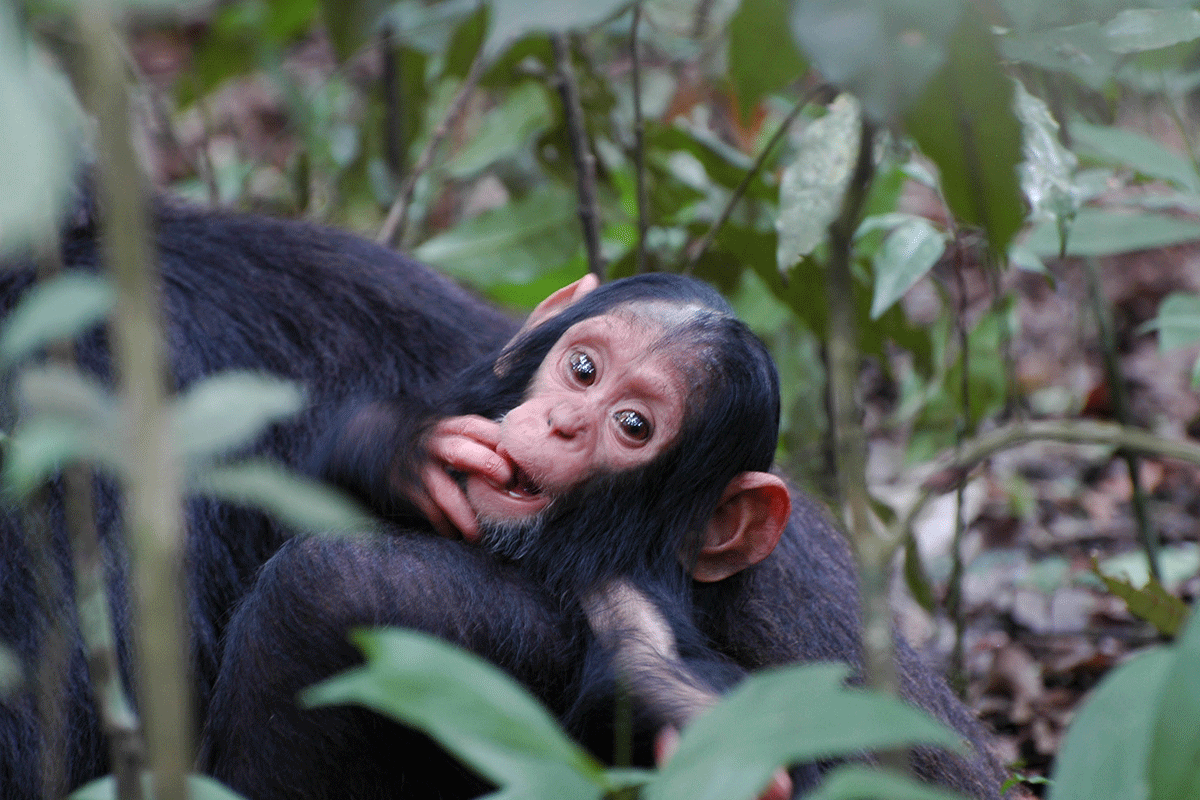
Visitors might observe mothers carrying infants, energetic youngsters playing, adults sharing resting places or dominant individuals signaling their position. Chimpanzees also forage for fruit, leaves and other foods, with their daily movements influenced by seasonal availability. No two forest visits tell the same story. Some encounters are peaceful and quiet, while others are filled with rapid movement and calls echoing across the canopy.
3. One of Uganda’s Richest Primate Habitats
Kibale’s appeal goes beyond chimpanzees. The forest supports an impressive variety of other primates, making it a remarkable place to appreciate the diversity of Uganda’s tropical ecosystems. During guided walks and forest-edge explorations, travelers may also encounter black-and-white colobus monkeys, red-tailed monkeys, L’Hoest’s monkeys, blue monkeys and olive baboons.
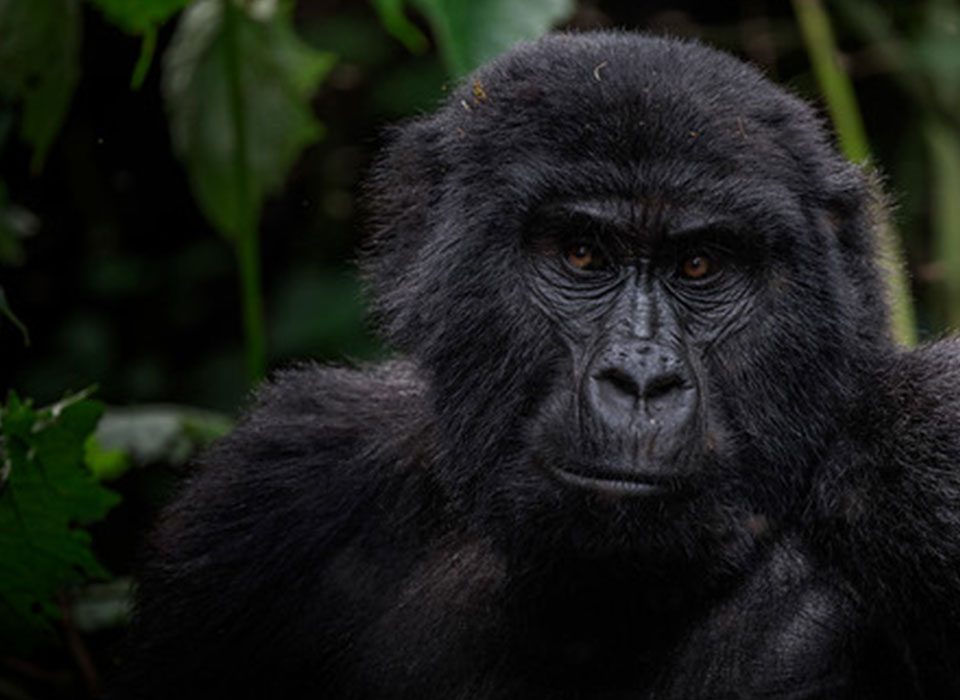
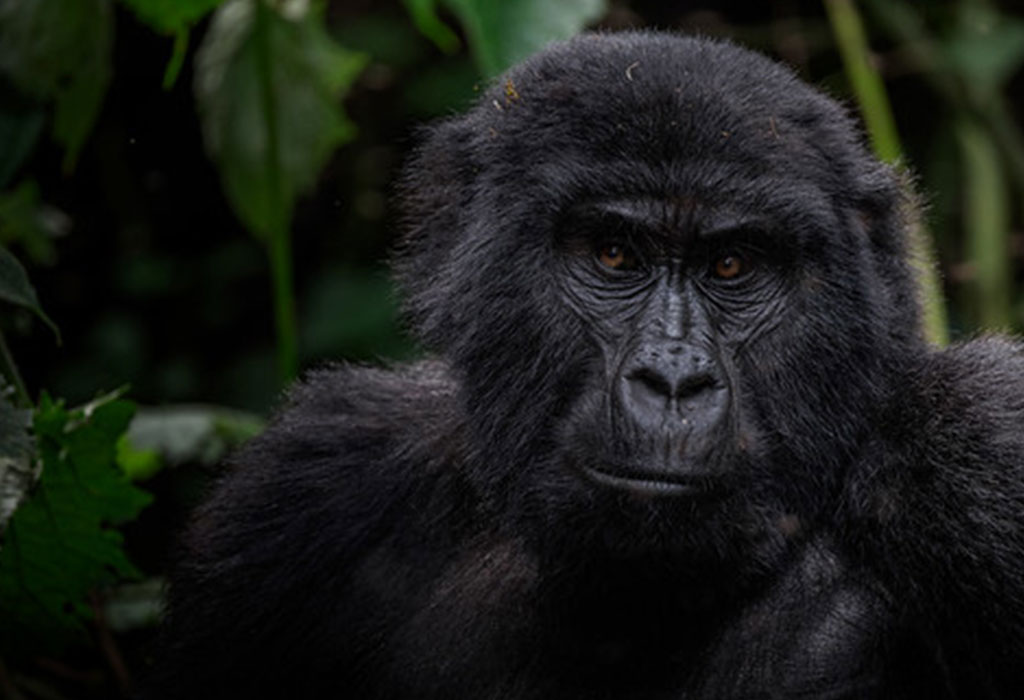
For visitors planning a primate-focused holiday, Kibale pairs beautifully with Uganda’s mountain gorilla destinations. The two encounters are very different: chimpanzees are energetic, vocal and mobile, while gorilla visits may involve observing quieter family interactions. Experiencing both provides a richer understanding of the country’s extraordinary primate heritage.
4. A Beautiful Rainforest Worth Exploring

Kibale’s atmosphere is an attraction in itself. Tall trees, layered vegetation, forest paths and shafts of sunlight produce an immersive setting where every sound seems meaningful. Birds call overhead, insects hum among the leaves and distant chimpanzee vocalizations occasionally break the stillness. Unlike a vehicle-based savannah safari, a trekking expedition requires visitors to slow down and experience the habitat on foot.
The terrain may be muddy, uneven or slippery, especially after rain. Yet the rewards extend far beyond a single animal sighting. You begin noticing the structure of the forest, fallen fruit beneath feeding trees and the signs that wildlife has passed nearby. These small details create a strong sense of place that photographs alone rarely capture.
5. Excellent Opportunities for Guided Tracking
Kibale benefits from an established visitor program and professional field guides who understand both the forest environment and the need for low-impact tourism. Before setting off, participants receive instructions on safety, health precautions, group conduct and respectful chimpanzee viewing. Tracking normally begins from designated park entry points such as Kanyanchu, subject to the permit and arrangements confirmed by Uganda Wildlife Authority.
A typical outing includes a briefing, guided forest search, observation of the chimpanzees when located, and a return walk. The total duration varies considerably because chimpanzees are constantly moving. Some groups locate them relatively quickly; others walk much farther through more demanding terrain. Travelers should therefore avoid treating the excursion as a fixed-distance stroll.
Standard tracking offers up to one hour with the chimpanzees once they are reached. Morning and afternoon sessions may be offered, depending on the official schedule and available permits. A private safari vehicle can simplify transfers between your lodge and the briefing point, allowing more time to enjoy the forest without logistical stress.
6. The Special Chimpanzee Habituation Experience
Travelers who want a deeper primate experience can consider chimpanzee habituation instead of standard tracking. This specialized activity involves following chimpanzees undergoing the gradual process of becoming familiar with carefully managed human observation. It is a more time-intensive outing, generally beginning early and requiring additional endurance and patience.
Where standard tracking allows a maximum of one hour of viewing, the authorized habituation experience permits up to four hours with chimpanzees. This provides more opportunity to appreciate subtle interactions, listen to communication patterns and understand how communities move through the forest over time. It can be especially rewarding for keen photographers, wildlife enthusiasts and travelers curious about primate research.
Habituation does not guarantee uninterrupted close views. The animals may move quickly, disappear into thick vegetation or spend time high in trees. Visitors must still follow ranger directions and maintain an appropriate distance. Because places are controlled and the experience differs from a standard trek, permits should be arranged well before travel.
7. Birdwatching and the Bigodi Community Experience
Kibale is also an attractive destination for birdwatching. Its forest habitats, surrounding agricultural mosaics and nearby wetlands support an exciting variety of birds. Patient visitors can listen for distinctive calls, search the canopy for colorful species and appreciate the connections between birds, insects, flowering plants and forest regeneration.
The nearby Bigodi Wetland Sanctuary is a particularly valuable addition. Guided community-based walks introduce travelers to a contrasting habitat of papyrus, forest patches and wetland vegetation. Along the way, guides explain local ecology and how tourism can support conservation and livelihoods. Bird sightings and occasional monkeys add to the appeal, but the opportunity to engage with a locally managed initiative is equally important.
8. Convenient Location for a Longer Uganda Safari
Kibale is situated in western Uganda, close to Fort Portal, making it a logical stop on many road-based safari circuits. Travelers commonly arrive from Entebbe or Kampala via Fort Portal and continue south toward Queen Elizabeth National Park. The journey itself introduces changing scenery, farms, settlements and increasingly green western highland landscapes.
After exploring Kibale, it is possible to continue toward the crater lakes and Queen Elizabeth’s savannah landscapes for game drives and a boat cruise on the Kazinga Channel. Travelers with more time can proceed toward Bwindi Impenetrable National Park for mountain gorilla trekking. This progression creates a varied safari featuring rainforest primates, elephants and other plains wildlife, scenic lakes and exceptional cultural experiences.
9. When Is the Best Time to Trek Chimpanzees in Kibale?
Chimpanzee trekking operates throughout the year, so there is no single month that suits every visitor. Drier periods, often around December to February and June to August, can make walking conditions more comfortable because trails may be less muddy. However, Uganda’s tropical weather is variable, and rain can fall in any season.
Wetter periods may offer excellent forest atmosphere, greener vegetation and changing chimpanzee feeding patterns. The wildlife authority notes that chimpanzees may be easier to find at certain wetter times, even though paths can be more challenging. Consequently, choosing the best month involves balancing personal comfort, overall safari plans, accommodation availability and the type of experience desired.
During popular travel periods, booking early is wise, particularly if you intend to add mountain gorilla trekking. In quieter months, travelers may enjoy a more relaxed atmosphere, although permits, guide arrangements and selected lodges must still be confirmed. Never assume that rainy-season travel means poor wildlife viewing or that dry-season travel guarantees sightings.
10. How Much Does Chimpanzee Trekking Cost?
Chimpanzee tracking requires an official Uganda Wildlife Authority permit, with fees depending on residency category, activity and travel date. The published July 2024–June 2026 tariff listed standard Kibale tracking at USD 250 for foreign non-residents and the habituation experience at USD 300. Subsequent notices have introduced seasonal considerations and prospective changes. Because later documents differ on some 2027 figures, do not treat an older published tariff as a guaranteed current rate.
Before confirming a booking, request the applicable rate for your nationality or residency classification and specific travel dates. Ask whether the quoted safari price includes the tracking or habituation permit, park-related charges where applicable, accommodation, meals, guide, vehicle, fuel and other activities. This distinction is essential when comparing two safari offers that appear similar at first glance.
11. What Should You Expect on Trekking Day?
Your guide will normally collect you from your accommodation and transfer you to the designated briefing point. After your ranger briefing, you enter the forest with the assigned group. Guides interpret animal signs, explain the surroundings and help establish safe walking practices. Although the forest may initially seem quiet, distant calls or movement in the treetops can signal that chimpanzees are nearby.
Once the chimpanzees are located, the experience may become lively very quickly. Keep your camera ready, but also take moments to watch without a screen. Observe how younger chimpanzees interact, how adults respond to calls and how the community uses the trees and forest floor. The permitted observation time passes surprisingly quickly, making it worthwhile to remain attentive.
Wear sturdy closed walking shoes, breathable long sleeves and trousers, and consider lightweight gloves if you prefer protection when passing vegetation. Bring drinking water, insect repellent, a small daypack and waterproof storage. Carry necessary medication and advise your tour organizer of any mobility concerns so that practical arrangements can be discussed in advance.
12. Responsible Trekking and Chimpanzee Protection
Responsible behavior is essential because chimpanzees share many biological similarities with humans and are susceptible to some human illnesses. Do not attend a trek if you have symptoms of an infectious illness; report health concerns before departure. Follow the ranger’s instructions about distance and positioning, and never attempt to touch, feed or approach a chimpanzee for a photograph.
Keep noise low, remain with the group and avoid imitating chimpanzee calls. Flash photography is prohibited, and visitors should not eat close to the animals. The guide may direct the group to move back if chimpanzees approach unexpectedly. These boundaries protect both wildlife and visitors while supporting the long-term sustainability of the experience.
Conservation-minded tourism can contribute to habitat protection, ranger work and nearby communities. Choosing licensed activities, respecting park rules and supporting community initiatives such as Bigodi strengthens the connection between tourism and local conservation. Each visitor has a role in ensuring that future generations can appreciate chimpanzees in a thriving natural ecosystem.
Accommodation Guide
13. Where Can You Stay Near Kibale?
The Kibale and Fort Portal area provides accommodation across a range of budgets, from simple guesthouses to intimate forest lodges and more luxurious retreats. Travelers seeking easy access to early-morning tracking should give particular consideration to the distance between the lodge and the assigned briefing location. A beautiful property can still create an inconveniently early start if it lies far from the activity point.
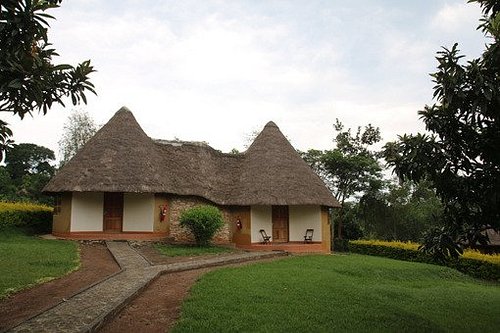
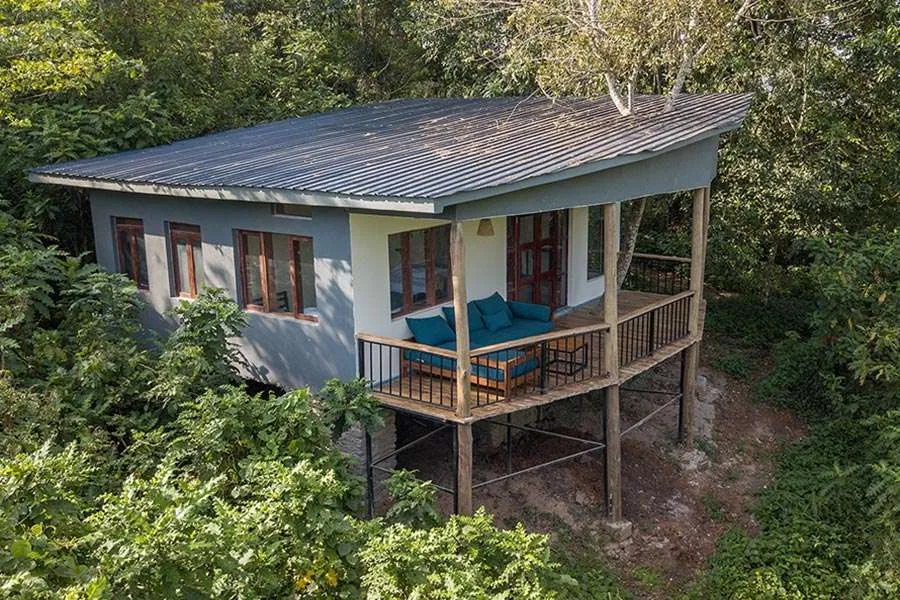
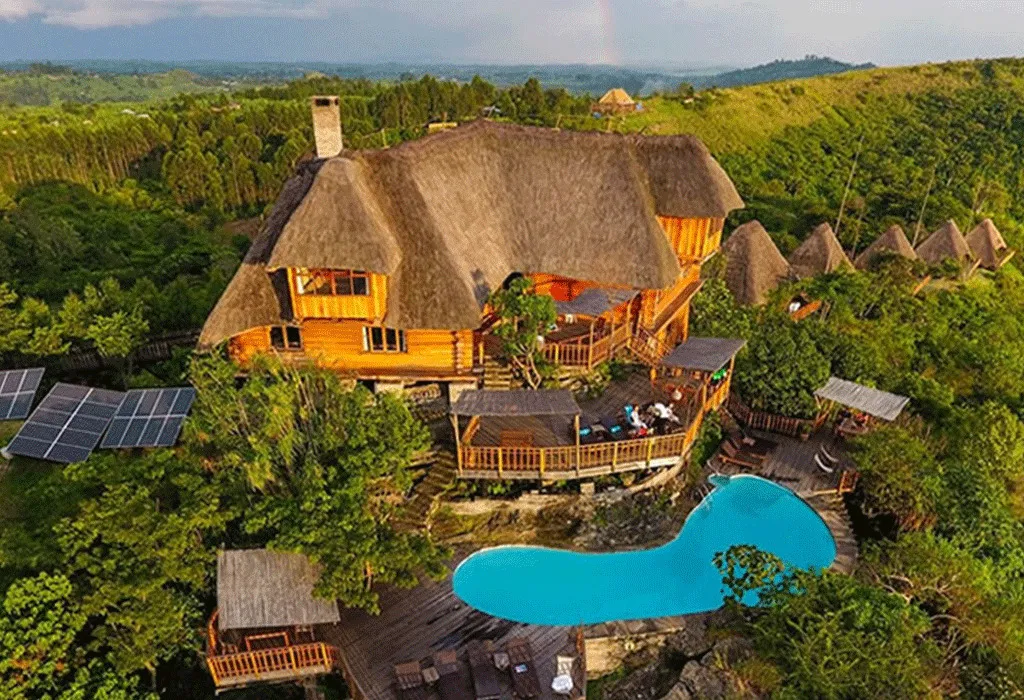
Budget accommodation generally focuses on essential comforts and value, while midrange properties may offer more spacious rooms, gardens, restaurant facilities and appealing natural surroundings. Luxury lodges can provide distinctive architecture, refined hospitality and exceptional views, although amenities vary from one property to another. Availability and pricing should always be checked for the actual travel dates.
When choosing your lodge, consider whether meals are provided, what time breakfast is served, whether packed lunches can be arranged and how transfer plans will work during the trek. Families, couples and photographers may prioritize different features. Safari Vacations and Travel Services can recommend options based on comfort expectations, budget and the wider route rather than accommodation category alone.
Quick Booking Tips
- Ask how far the lodge is from the chimpanzee briefing point.
- Confirm early breakfast or packed breakfast options before trek day.
- Check if packed lunches and private transfers can be arranged.
- Choose based on your full itinerary, not accommodation category alone.
14. Suggested Kibale Chimpanzee Safari Itineraries

15. Who Should Choose Kibale for a Safari?
Kibale is well suited to couples seeking an intimate wildlife adventure, solo travelers who enjoy guided nature experiences, photographers interested in animal behavior and travelers combining several Uganda national parks. It is also excellent for people who have already seen big game and now want a contrasting rainforest adventure. A forest trek introduces a very different pace and perspective from the open landscapes of the savannah.
Frequently Asked Questions About Kibale Chimpanzee Trekking
Is Kibale the best destination for chimpanzee trekking in Uganda?
It is widely considered one of Uganda’s leading locations because of its habituated chimpanzee communities, experienced tracking operation and rich rainforest setting. The best choice still depends on your route, preferences and available permits.
Are chimpanzee sightings guaranteed?
No. Chimpanzees are wild, free-ranging animals. Guides use their knowledge to locate them, but their movements and weather conditions can affect each excursion.
How much time can I spend with chimpanzees?
Standard tracking permits a maximum of one hour after finding the chimpanzees. The dedicated habituation experience may permit up to four hours, subject to the park’s rules.
Can I visit Kibale during the rainy season?
Yes. Chimpanzee activities operate year-round, although forest trails may be muddy and showers can be frequent. Pack waterproof gear and suitable footwear.
What is the difference between tracking and habituation?
Standard tracking focuses on finding a habituated chimpanzee community for an hour of viewing. Habituation involves a longer, more intensive guided observation of chimpanzees undergoing a managed habituation process.
Do I need to book a permit in advance?
Advance booking is recommended, particularly during busy travel periods. Permits are limited and activity availability must be confirmed before a safari is finalized.
Is chimpanzee trekking suitable for children?
The published minimum age for standard chimpanzee tracking is twelve years. Confirm the current requirement for your date and specific activity before making plans.
Can I combine Kibale with gorilla trekking?
Absolutely. Many Uganda safari routes combine Kibale chimpanzees with gorilla trekking in Bwindi, often adding Queen Elizabeth National Park along the way.
Do I need special photographic equipment?
No. A camera or phone can capture memorable moments, but a camera with useful low-light performance is helpful under the canopy. Flash photography is not permitted.
How many nights should I spend near Kibale?
Two nights is often comfortable for a short safari, giving you time for arrival, a full trekking day and departure. Additional time allows a Bigodi visit or a more relaxed itinerary.
Why Book with Safari Vacations and Travel Services?
 Planning chimpanzee trekking involves more than reserving an activity. Travelers need appropriate permits, conveniently located lodges, reliable transfers and realistic sequencing of experiences across western Uganda. Safari Vacations and Travel Services helps bring these elements together into a cohesive journey that reflects your travel dates, interests and expectations.
Whether you prefer a short Kibale forest escape, a wildlife safari incorporating Queen Elizabeth National Park or an extended Uganda primate holiday with gorilla trekking, the itinerary can be tailored around your group. You can request a detailed quotation showing planned accommodation, activity inclusions, transport arrangements and relevant permit costs before confirming your trip.
Kibale deserves its reputation as an outstanding chimpanzee destination because the experience feels genuinely wild. The thrill of hearing chimpanzees through the trees, walking into their forest habitat and witnessing their extraordinary behavior makes a lasting impression. It is not simply another stop on a safari itinerary; for many travelers, it becomes the moment they remember most.
Ready to Explore Kibale Forest?
Tell Safari Vacations and Travel Services your preferred travel dates, number of travelers and accommodation style. We will help you build a personalized Uganda chimpanzee trekking safari.