Kibale Chimpanzee Trekking Difficulty
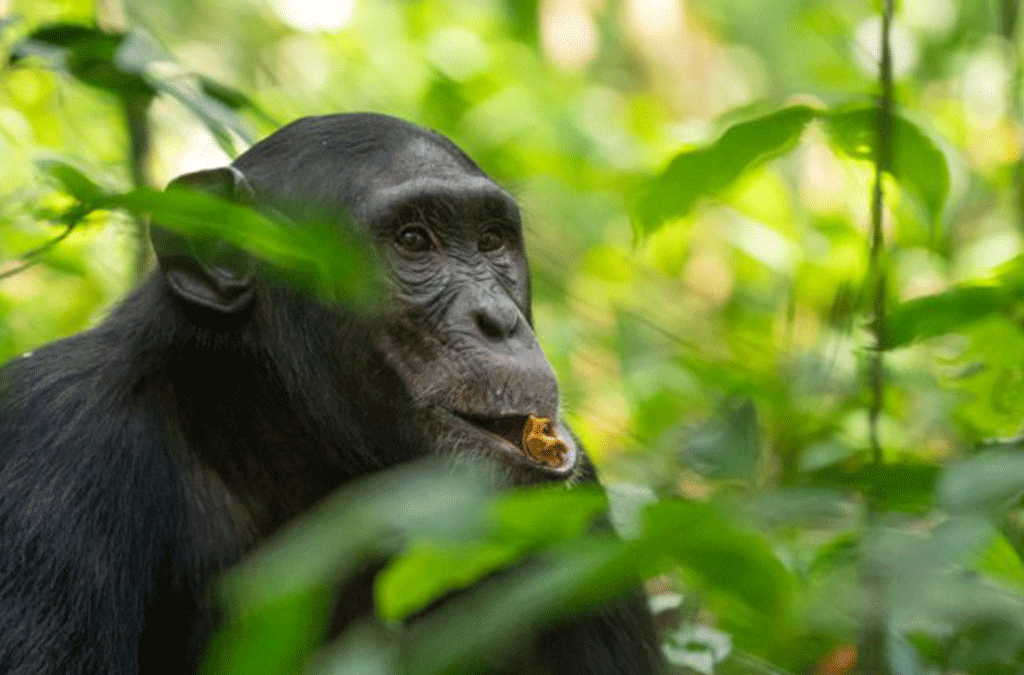
Kibale Chimpanzee Trekking Difficulty. Trekking here is generally considered moderately challenging, requiring basic to moderate physical fitness. Difficulty varies based on factors like the chimps’ location, weather conditions affecting trails, and chimp behavior on the day. Unlike gorilla trekking in Bwindi or Volcanoes National Parks, chimp trekking in Kibale is typically easier due to its flatter terrain and lower elevation. While some effort is needed, it doesn’t demand exceptional fitness or climbing skills. Understanding these factors helps you prepare well, set realistic expectations, and enjoy a rewarding chimpanzee encounter in this incredible tropical rainforest.
Physical Demands of Chimpanzee Trekking: Kibale Chimpanzee Trekking Difficulty
Understanding the physical requirements helps you assess your readiness and identify areas where preparation might improve your experience.
Fitness Level Requirements
Chimpanzee trekking in Kibale requires what fitness experts would classify as basic to moderate fitness levels—the ability to walk continuously for two to five hours at varying paces over uneven terrain without becoming excessively exhausted. You don’t need to be a marathon runner or mountain climber. Still, you should be comfortable with sustained walking and able to navigate trails that occasionally become steep, slippery, or obstacle-laden.
Most people who engage in regular walking, light jogging, or general physical activity will find Kibale’s chimpanzee treks manageable, though they may feel pleasantly tired by the end. Sedentary individuals or those with very limited recent physical activity may struggle more significantly, particularly during longer treks or when conditions are challenging. If you can comfortably walk for an hour or more on moderately hilly terrain without requiring extended rest breaks, you likely possess adequate fitness for chimpanzee trekking.
Trek Duration and Variability
One of the most significant factors affecting perceived difficulty is the highly variable duration of chimpanzee treks. Unlike scheduled tours where timing is predictable, wildlife tracking involves searching for animals that move freely according to their natural behaviors and needs. Your trek could last as briefly as two hours if the chimpanzees are located close to the starting point, or extend to five hours or occasionally longer if the chimps have ranged deep into their territory or are moving rapidly through the forest.
This unpredictability requires mental flexibility and stamina reserves beyond what the average trek duration might suggest. You can’t predict whether you’ll experience a short, easy trek or a longer, more demanding one, so preparing for the upper end of the duration spectrum ensures you’re not caught off-guard by a challenging day. The uncertainty itself can create psychological stress for some visitors who prefer knowing exactly what to expect, though most find the adventure aspect exciting rather than anxiety-inducing.
Terrain Characteristics
Kibale National Park’s terrain presents one of its greatest advantages compared to mountain gorilla trekking destinations. The park’s elevation ranges from approximately 1,100 to 1,600 meters above sea level—significantly lower than gorilla habitats that typically range from 2,400 to over 4,000 meters. This lower elevation means better oxygen availability, less cardiovascular stress, and no altitude-related symptoms that can complicate mountain gorilla treks.
The forest floor is relatively flat compared to the steep volcanic slopes characteristic of gorilla habitats. While Kibale’s trails certainly include some hills, undulations, and occasional steeper sections, the overall topography is far more forgiving. You won’t face the sustained, steep climbs and descents that make gorilla trekking so physically demanding. This flatter terrain makes Kibale accessible to a broader range of fitness levels and ages.
However, “relatively flat” doesn’t mean “easy.” The trails remain uneven, with exposed tree roots creating tripping hazards, fallen logs requiring climbing over or ducking under, muddy patches that can be slippery and energy-sapping, and occasional steep sections that demand bursts of greater effort. The forest floor’s natural irregularity means you must watch your footing constantly, which creates its own form of physical and mental fatigue over hours of trekking.
Dense Forest Navigation
The physical challenge extends beyond simple walking to navigating through dense tropical rainforest undergrowth. Kibale’s magnificent forest, which hosts Uganda’s highest density of primates, features thick vegetation layers that require active navigation. You’ll frequently need to duck under low-hanging branches and vines, step carefully over or around roots and fallen logs, push through sections of thick bush, particularly when following chimps off established trails, and squeeze between trees or through narrow passages in the vegetation.
This constant physical maneuvering—bending, ducking, lifting legs over obstacles, and pushing through vegetation—engages muscle groups beyond those used in simple walking. Your core muscles work to maintain balance on uneven surfaces, your arms and upper body push aside vegetation, and your legs must lift higher than a normal walking stride to clear obstacles. This full-body engagement contributes to overall fatigue, particularly during longer treks.
The Challenge of Chimpanzee Mobility
Unlike mountain gorillas, which are primarily terrestrial and move relatively slowly while feeding, chimpanzees are highly mobile, agile primates that spend considerable time in trees. This fundamental behavioral difference creates unique trekking challenges. When chimpanzees are traveling through the forest or moving between feeding trees, they can cover ground much more quickly than humans navigating the same terrain. Your group may need to walk at a brisk pace, sometimes approaching a slow jog, to keep up with moving chimps.
Chimpanzees’ arboreal nature means you might spend significant time looking upward as you track their movements through the canopy. This head-tilted position, maintained for extended periods, can create neck strain and add a dimension of physical challenge beyond simple walking. Following chimps through dense forest also means you may deviate from established trails, navigating through more difficult, less-cleared terrain as you track their movements.
Environmental Factors Affecting Trek Difficulty
Beyond the inherent physical demands, environmental conditions significantly influence how challenging any particular trek proves to be.
Seasonal Weather Variations
Weather patterns dramatically affect trekking difficulty in Kibale National Park. The park experiences distinct wet and dry seasons that create vastly different trail conditions.
Dry Seasons (June–September and December–February: During dry periods, trails are generally firmer, less muddy, and more stable underfoot. Walking requires less energy, footing is more secure, and the overall experience feels less physically demanding. These months represent optimal times for visitors with fitness concerns or those seeking the most comfortable trekking experiences. However, even during dry seasons, morning dew can make trails slippery until mid-morning, and sudden tropical downpours can occur without warning.
Wet Seasons (March–May and September–November: The wet months transform Kibale’s trails into much more challenging terrain. Heavy rains create extensive mud that can be ankle-deep or deeper in some sections, making every step energy-intensive. Slippery surfaces dramatically increase the energy required for maintaining balance and forward progress. Tree roots and rocks become treacherously slick when wet. Stream crossings, which may be simple hop-across affairs during dry seasons, can become significant obstacles when water levels rise.
Wet season trekking isn’t impossible—in fact, many visitors deliberately choose these periods for the lush vegetation and excellent photography opportunities—but it unquestionably increases physical demands and requires greater caution. Proper waterproof footwear becomes essential rather than merely advisable.
Tropical Humidity and Heat
Kibale’s tropical forest climate maintains high humidity levels year-round, typically ranging from 70 to 90 percent. This humid environment makes physical exertion feel more intense than the same activity would in drier climates. Your body works harder to cool itself through perspiration, but the humid air prevents sweat from evaporating efficiently, reducing cooling effectiveness and creating a sensation of greater heat and discomfort.
The combination of physical exertion, humidity, and forest shade’s retained warmth can be challenging for visitors unaccustomed to tropical conditions. Proper hydration becomes crucial—you’ll sweat profusely and need to replace fluids consistently throughout your trek. The humidity also affects clothing choices; quick-drying, moisture-wicking fabrics prove far more comfortable than cotton, which retains moisture and can become heavy and uncomfortable.
Trek Variations and Difficulty Levels: Kibale Chimpanzee Trekking Difficulty
Kibale offers different chimpanzee trekking experiences with varying difficulty levels, allowing you to choose based on your fitness, interests, and adventure preferences.
Standard Chimpanzee Tracking
The standard tracking experience, lasting two to five hours total, represents the most common choice and is manageable for most people with decent fitness levels. This experience focuses on locating a habituated chimpanzee community, spending one hour observing them, and returning to the trailhead. The predictable one-hour observation period and generally shorter overall duration make this option accessible to a broad range of visitors, including families with teenagers, older adults with reasonable fitness, and first-time trekkers.
Chimpanzee Habituation Experience (CHEX)
For visitors seeking more challenging and immersive experiences, the Chimpanzee Habituation Experience involves tracking less-habituated communities alongside researchers. This full-day experience, lasting from early morning until afternoon, proves more strenuous and unpredictable than standard tracking. You’ll spend extended hours in the forest following chimps that are less accustomed to human presence and may range farther and move more unpredictably. The physical demands are greater, but so are the rewards—you’ll gain deeper insights into chimpanzee behavior and the habituation process while spending up to four hours observing the chimps rather than just one.
This option suits physically fit visitors with a genuine interest in primate research and those seeking more adventurous, authentic experiences. The extended duration and greater unpredictability require better fitness and more flexible attitudes toward physical challenges.
Essential Tips for Trek Success
Strategic preparation and smart choices significantly improve your trekking experience and reduce perceived difficulty.
Proper Footwear is Non-Negotiable
Sturdy, waterproof hiking boots with excellent traction and ankle support rank as the single most important gear item for chimpanzee trekking. Kibale’s muddy, uneven, root-crossed trails make inappropriate footwear genuinely dangerous, not merely uncomfortable. Your boots should be well broken in before your trek to prevent blisters that could ruin your experience. The waterproofing must be reliable—wet feet become cold, uncomfortable, and blister-prone within an hour or two of trekking.
Protective Clothing Choices
Wear long-sleeved shirts and long trousers made from durable, quick-drying materials. This coverage protects against multiple hazards, including scratches from thorny vegetation and branches, stinging nettles that can cause painful skin reactions, insect bites, particularly from ants encountered when touching vegetation, and sun exposure in forest clearings. Lightweight, moisture-wicking fabrics designed for hiking prove far more comfortable than cotton, which absorbs sweat and moisture without drying, becoming heavy and uncomfortable during extended activity.
Optimal Timing Selection
Booking morning trekking sessions offers several advantages. Chimpanzees typically leave their night nests at dawn and begin feeding actively in early morning hours, making them more predictable and easier to locate. Morning temperatures are cooler, making physical exertion more comfortable. Trails are less crowded since daily permit numbers are split between morning and afternoon sessions. The morning light filtering through the forest canopy creates beautiful photography conditions.
Walking Stick Assistance
Walking sticks, typically provided by the park, prove surprisingly helpful for maintaining balance on slippery or uneven terrain, testing ground stability before committing your weight, reducing stress on knees during descents, and providing additional points of contact for stability. Even fit, experienced hikers benefit from walking sticks in Kibale’s conditions.
Porter Services
Kibale Chimpanzee Trekking Difficulty: Consider hiring porters to carry your daypack, camera equipment, water bottles, and other gear. Beyond the physical relief of reduced carrying weight, hiring porters provides valuable employment to local communities, creating direct economic benefits from primate conservation. Porters can also assist with balance on difficult sections and offer encouragement during challenging moments. The modest cost—typically $10-15—represents excellent value for the assistance provided.
Conclusion
Chimpanzee trekking in Kibale National Park presents moderate physical challenges that require preparation and reasonable fitness but remain accessible to most visitors willing to engage honestly with their capabilities and prepare appropriately. The experience proves significantly easier than mountain gorilla trekking while still providing an authentic, demanding adventure through magnificent rainforest in pursuit of our closest living relatives.