Kibale Chimp Activities: 5 Great Add-Ons

Kibale Chimp Activities: 5 Great Add-Ons
Kibale Chimp Activities offers a rewarding way to explore Kibale, Uganda when the route, people and expectations are planned carefully. This guide explains practical choices, responsible visitor conduct and the questions worth asking before booking. Conditions and official fees can change, so confirm time-sensitive details close to travel.
Kibale Chimp Activities: planning essentials
Plan with confidence
Five realistic Kibale chimp activities around Kibale
Compare bigodi wetland walk, crater-lake scenery and tea and local food when planning this particular experience. The details below address the choices travelers encounter most often.
Bigodi Wetland walk
A community-led swamp walk can add birds, monkeys and wetland ecology to the morning spent tracking chimpanzees.
Crater-lake scenery
Consider a relaxed scenic drive around the crater-lake landscapes near Fort Portal, allowing time for viewpoints rather than racing between lakes.
Tea and local food
A guided visit exploring tea cultivation or a locally hosted meal gives useful context to the people living around the forest.
What makes this experience distinctive
An effective place to begin for Kibalechimp activities is to identify the moments that matter most to the guest. A journey can be spectacular and still feel disappointing if it asks people to rush past the part they came to see. Bigodi Wetland Sanctuary, birding, village experiences, nature walks and crater-lake landscapes are common extensions. This makes the sequence of planned outings more essential than an overcrowded list of stops. Make space in the day to arrive, receive instructions and take in the setting without pushing every free moment into another excursion. A good plan is measured by what it makes achievable, not just how many names appear on paper.
Before weighing packages, identify the essential experience, the comfortable pace and the dates that genuinely work. For Kibale, Uganda, modest transport choices often carry a larger consequence than another luxury upgrade. A guide can clarify the choices, but the visitor should know whether the main interest is close wildlife observation, calm scenery, photography or a cultural encounter. This creates a workable decision framework and helps avoid paying for outings that do not match the interests of the people traveling.
Where arrangements rely on a weather window or wildlife activity, keeping the following hours flexible avoids unnecessary disappointment. The strongest itineraries protect the essential experience and treat every extra activity as a genuine choice rather than an obligation.
Location, access and the correct starting point
Location has practical implications beyond their map coordinates. In Kibale, Uganda, a place name may describe a wider area rather than one entrance gate or meeting point. A single well-planned activity can be more rewarding than two hurried ones. Ask for the confirmed starting location, the lodge location and the expected conditions of the last stretch of the transfer. A published travel projection can be accurate for a town yet misleading for the final trailhead. Keep separate estimates for the main highway, the smaller road and the last transfer so there is no surprise on the outing morning.
A useful travel plan should show the previous evening the main excursion, not just the airport and park boundary. Alternative routes can mean different road surfaces, weather exposure and times of day. For Kibale chimp activities, verify whether the proposed base is chosen for convenience or simply because a room is available. It is commonly better to stay close to the correct starting point and enjoy an unhurried breakfast than to pay less for a distant bed and begin the important day exhausted.
Responsible travel also asks how the experience supports the people and landscapes visited. Paying for knowledgeable local guidance, following access restrictions and allowing time to listen can be more meaningful than adding a hurried attraction to the schedule.
From the field

Seasonal conditions and when to go
Rain does not automatically close a landscape to visitors, but the outing can feel completely varied. Chimpanzee groups move freely; wildlife encounters cannot be guaranteed. In forest country, wet foliage, slippery roots and mist may affect walking, while savannah areas can be greener and more atmospheric. Dry periods can simplify access, but they also attract more guests and may raise accommodation demand. The applicable question is not whether one month is universally best. It is which combination of comfort, availability and wildlife interest works for your dates and budget.
A traveler should also ask what is actually optional, since the practical value of an extra stop depends on the time available and the interests of the group. An unhurried explanation from a local guide often gives more context than a fast transfer between unrelated attractions.
When planning Kibale chimp activities, look at historical seasonal patterns as a guide rather than a certainty about a particular week. Allow a practical cushion into extended transfers and prevent tightly connecting an outdoor activity with an international flight. For keen photographers, expect changing light throughout the day and keep equipment protected. If walking comfort matters most, be ready for wet conditions even outside the usual rainy seasons, because tropical and mountain weather seldom follows a neat travel plan.
What is included—and what is not
A confirmation is practical only when it states precisely what has genuinely been reserved. Confirm the actual meeting point rather than relying on a town name. A wildlife permit, a vehicle scheduling and a hotel confirmation are separate reservations, each governed by separate terms. Ask which services are finalized, which are requested and which can still change. Pay attention to the date, participant particulars, park or sector and the rules on cancellation. This is especially important when scarce outing permissions must be matched with rooms and transport over several days.
A written confirmation is particularly useful for people organizing a journey from overseas. It creates a common understanding of the departure point, local contact, services included and decisions that still need to be made before the trip.
For Kibale chimp activities, the tour company should be able to explain the useful consequence of a changed flight, delayed arrival or missed briefing. Ask whether the quote includes entry prices, local guides, equipment, meals and tips, and keep a written version of the answer. Do not assume a premium package means every activity is private. Protected-area visits may be organized under common rules even when ground transport and accommodation are exclusive to your party.
Transfer timing and realistic connections
Transfers can be rewarding, but they require the same attention as the headline activity. The trekking briefing, start time and group assignment control the morning schedule. Rural roads can be scenic yet slow, and a map’s distance does not communicate traffic, rain or winding terrain. Leave room for meals, comfort breaks and a short pause at a viewpoint without turning the drive into a race. If a transfer starts before dawn, ask what breakfast and luggage arrangements will actually be in place rather than assuming hotel services operate at the same hour.
Compare the extra activity with the time required for meals, rest and transfer to the next overnight stop. With kibale chimp activities, leave time for the guide to explain what you are seeing rather than treating each stop as a photo opportunity.
Break the transfer into stages and identify any crossing, ferry, airstrip or park gate that can disrupt the planned hours. With Kibale chimp activities, the most important transfer is commonly the one immediately before the main experience. Arriving late adds pressure just when travelers should be preparing clothing and resting. A professional itinerary will show a sensible overnight stop and a dependable contact for the driver, including what to do if a connection changes. Reserve a buffer after activities that depend on aircraft conditions, ranger decisions or the movement of wildlife. For kibale chimp activities, confirm the one non-negotiable experience first and build the rest of the route around it.
How to plan the experience
For five kibale-area experiences beyond chimps, the sequence below helps you place the most important arrangements before the optional additions.
Tracking day
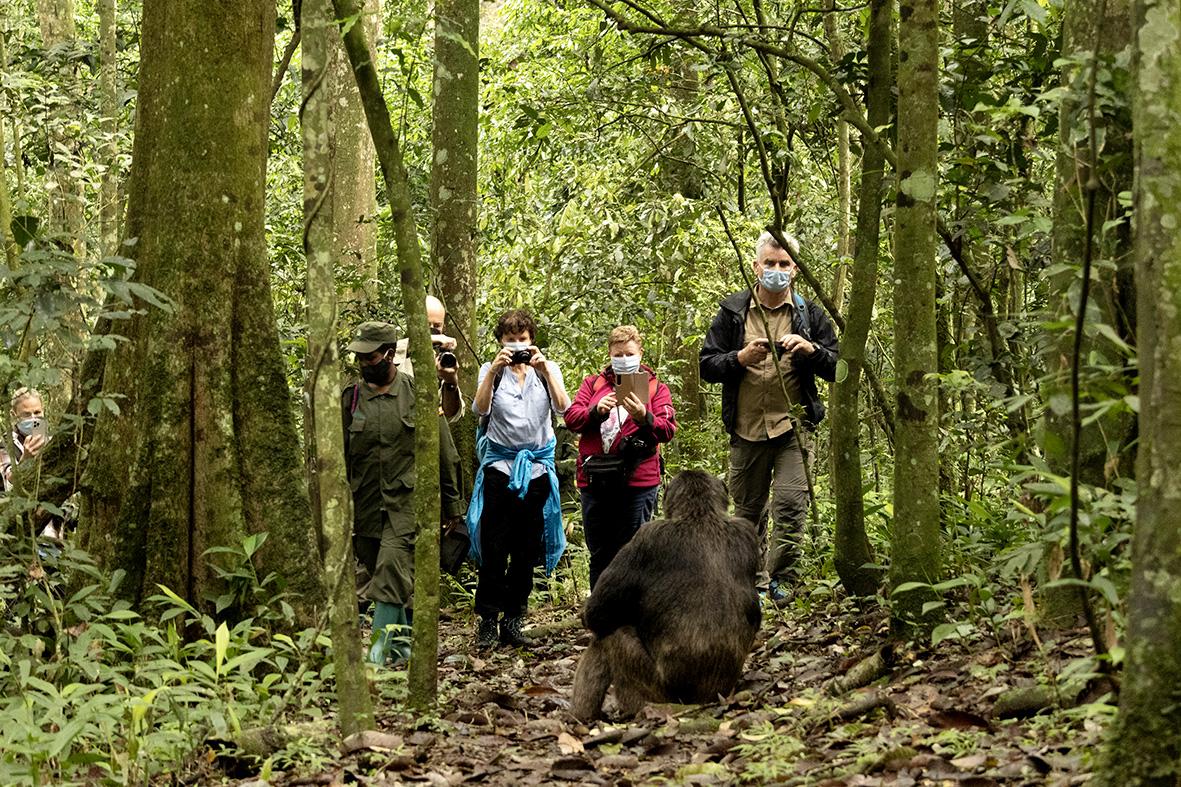
Attend the confirmed chimpanzee briefing at the designated meeting point and allow for variable time in the forest.
Afternoon add-on
Book Bigodi or a low-effort community activity only after checking the chimpanzee session time.
Extra day
Explore crater lakes or local food experiences without combining them with a long west-Uganda transfer.
Wildlife sightings and what to expect
Free-ranging animals do not follow scripts on a fixed schedule. The season affects conditions but does not guarantee any wildlife encounter. Guides draw on field outing, tracks, weather and reports to make good decisions, but observations change with movement and conditions. Any description of a likely encounter should remain a probability not a fixed promise. For travelers who value photography, this is a reason to prioritize patience and flexible time. For others, birds, landscapes and the atmosphere of a protected place may be just as rewarding as the most famous species.
In Kibale, Uganda, nature offers many smaller observations when people slow down: develops in vegetation, bird calls, animal signs and the work of rangers. This perspective does not diminish the excitement of seeing a rare animal. Instead, it reduces pressure on guides to cut corners and helps travelers remain respectful of both wildlife and the people responsible for managing its habitat. For kibale chimp activities, respectful visiting starts with following the rules established by local guides and protected-area managers. Rather than adding another long drive, consider a locally guided short walk or a well-timed rest period where permitted.
Park rules, etiquette and conservation
Kibale Chimp Activities: what to expect on the day
Conservation areas establish limits for ecological and safety reasons, and some rules apply even to experienced travelers. Bigodi activities can create local community income when booked through appropriate community providers. Pay close attention during any briefing, follow distances specified by rangers and steer clear of stepping out of approved areas for a photograph. Food, noise and sudden movement can change an animal’s behavior. Rules about litter, drones and professional filming may be stricter than casual visitors expect. Confirm permissions in advance rather than relying on what somebody saw another group do on social media.
For Kibale chimp activities, responsible behavior extends beyond the few minutes nearest wildlife. Pick operators that respect staff working hours, safety limits and local community relationships. If an activity is cancelled for weather or animal welfare, request a clear explanation of the options instead of asking guides to bypass their instructions. The trip will feel more authentic when travelers recognize that conservation areas are living environments, not sets created for an individual scheduling. Keep the next major connection separate from any outing whose finish time depends on the terrain or weather. If an optional stop adds pressure without improving the trip, remove it and use the time for recovery or photography.
How expert guiding changes the experience
A good guide does more than identify a species or point toward a view. The written confirmation should distinguish included services from optional extras. They explain changing conditions, explain the purpose of conservation rules and coordinate the small decisions that keep an itinerary achievable. Ask whether a specialist ranger, driver-guide and community host are separate roles. Where park staff control the activity, the private tour guide may coordinate the day but not lead the protected-area encounter itself. Clarifying each person’s role avoids unrealistic expectations.
When comparing Kibale chimp activities packages, ask for the actual experience of the people who will work with the group. Straightforward discussion helps: an expert should be willing to say that a sighting is uncertain, that a road may be slow or that an outing needs separate payment. These are signs of sensible service rather than shortcomings. Holidaymakers can help by describing their interests and limits early, leaving guides free to adapt the day without last-minute pressure.
A closer look
Choosing the right overnight base
For a practical comparison of overnight bases, review Accommodation before confirming the travel route.
An attractive nearby property is not necessarily the best base for the schedule. Forest trails may be slippery and humid even outside the heaviest rain months. Examine the address, road access, meal timing, peace, heating or cooling needs and available transfer arrangements. A room with a beautiful view can still be inconvenient if it adds a difficult predawn drive. Conversely, a modest property close to the correct departure point may be the smartest choice for a physically demanding activity.
Request a precise inclusions list rather than relying on broad labels such as luxury. Remove any optional visit that would force an early departure or an arrival after dark on a challenging route. A single thoughtfully chosen activity can be preferable to several rushed visits that offer little time for questions.
For Kibale chimp activities, Accommodation choice should support the rhythm of the journey. Consider whether guests call for an early packed breakfast, a place to dry clothing, reliable charging points or a comfortable afternoon after a lengthy outing. Couples may prefer privacy; groups may prioritize shared space and coordinated meal service. If the lodge is outlying, verify how the staff will respond to travel delays and whether the next day’s arrangements are confirmed.
What to pack for this trip
Clothing and gear should reflect the actual setting, real terrain rather than promotional images. A long road transfer deserves its own realistic time allowance. Forest walks call for protective clothing and grip; lengthy road transfers reward light layers and a small day bag; wildlife photography requires weather protection as well as a helpful lens. Guests should ask what equipment is supplied and what must be brought independently. A rental or porter service can help, but it should be booked rather than assumed available at the last minute.
Ask for the booked activity date, contact telephone number and transport arrangements in the same written itinerary. For kibale chimp activities, identify who will meet you, where that person will wait and what you should do if a connection changes.
For Kibale chimp activities, prioritize relaxed footwear, sun and rain protection, identification, a modest medical kit and a way to keep documents dry. Steer clear of taking more technology than you can manage during an active outing. When battery charging or internet service may be limited, plan accordingly. Pack expensive items safely on shared transfers. The aim is not to acquire specialized gear for every feasible excursion; it is to carry a sensible kit that works for the booked plan.

Taking better photographs responsibly
The strongest pictures frequently depend on appreciating the surroundings instead of chasing a perfect pose. Crater-lake drives take longer on rural roads than a map distance suggests. Low light, moving wildlife and rain are common challenges in East African habitats. Know your camera before departure, test simple settings and keep lenses protected from moisture. Avoid flashes or disruptive behavior where park guidelines prohibit them. A explicit view is never worth standing where a ranger has asked visitors not to stand.
Travelers planning Kibale chimp activities should consider whether photography is their main priority or one part of a wider holiday. This affects the number of nights, guide briefing and amount of spare time required. Carry spare batteries, but do not spend the entire experience looking at a screen. Ask permission before photographing local people, and steer clear of treating cultural visits as informal photo shoots. Respect makes both the memory and the resulting photographs better.
Keep the next major connection separate from any outing whose finish time depends on the terrain or weather. If an optional stop adds pressure without improving the trip, remove it and use the time for recovery or photography.
Health and safety preparations
Suitable health precautions depends on the individual traveler and route. People differ in stamina, comfort and tolerance for uncertain schedules. A medical professional can advise on vaccinations, malaria prevention, altitude concerns and medication based on personal history. Travel insurance should be checked for the exact outings being booked, particularly walking in remote areas. Follow official entry and disease-control updates instead of relying on a dated packing list. Before departure, leave a copy of key papers and emergency contacts with someone trusted.
During Kibale chimp activities, follow the guide’s local instructions about wildlife distance, road travel and staying with the group. Do not conceal illness before visiting vulnerable primates. Build hydration and rest into demanding days, and tell the guide early if someone is struggling. A good schedule gives visitors permission to opt out of a strenuous extra outing without feeling that they have spoiled the holiday. Safety and enjoyment should reinforce each other. A community visit should be by invitation or through an agreed local program, not an unplanned stop at a private home. Ask your host which activities genuinely benefit nearby residents and what contribution is included in the booking.
How to combine nearby experiences
Pairing excursions may reduce transfers when they genuinely fit the itinerary. A full rest afternoon can be preferable to another strenuous hike. The mistake is to assume that two activities shown close together on a regional map can happen in one afternoon. Ask for start times, permit conditions and the achievable distance from one excursion gate to the next. If the main excursion may run late, leave the following afternoon optional. This gives the guide room to respond to weather without causing a chain of missed bookings.
For Kibale chimp activities, choose complementary outings rather than collecting unrelated park names. A calm boat outing or village walk may balance a demanding forest day; a relaxed evening may be better than another early departure. Consider how much time is spent doing the activity compared with time spent reaching it. The itinerary should have a coherent rhythm and help travelers understand a place, not merely produce the longest feasible list of experiences.
A sensible day-by-day rhythm
Make the first day an arrival and settling-in day that allows time for transport, accommodation check-in and a explicit briefing about the next morning. Free-ranging wildlife changes its location without regard for a visitor itinerary. Place the most important activity on a date that has been confirmed, then build the surrounding days to support it. A physically demanding outing deserves a flexible evening. A later scenic or cultural visit can add depth, but it should not pressure the group to rush.
Where an international flight is involved, preserve a transfer buffer rather than preparation every minute around the advertised schedule. Carry an offline copy of the booking documents, since mobile coverage can be unreliable away from the main towns. On a journey through Kibale, Uganda, a practical contact plan matters as much as the sightseeing timetable.
For Kibale chimp activities, the ideal pace is not necessarily the shortest duration sold online. Some travelers can manage a compact itinerary; others benefit from an extra night to enjoy the lodge or adapt to conditions. Compare the number of nights with the number of true activity windows. A longer holiday that leaves space for weather changes and rest frequently offers more value than a tightly packed circuit in which one delayed arrival disrupts everything.
Questions to settle before you book
These are practical decisions for kibale chimp activities in Kibale, Uganda, not assumptions that every operator, season or traveler is the same.
What should be confirmed before choosing dates?
Bigodi Wetland Sanctuary, birding, village experiences, nature walks and crater-lake landscapes are common extensions. Treat this as a question for the operator before paying, especially when a ranger briefing, flight, community host or park gate controls the timetable. A well-structured schedule makes the reason for each stop clear and gives visitors a way to compare two itineraries on equal terms.
How much time should the central experience receive?
Chimpanzee groups move freely; wildlife encounters cannot be guaranteed. Leave a margin after the main outing so that a late finish does not immediately put the next transfer at risk. Travelers often remember the unhurried moments after an activity as vividly as the headline event itself.
Which details are worth comparing between offers?
The trekking briefing, start time and group assignment control the morning schedule. Ask for the exact service, departure point and local contact in writing, rather than relying on a broad package label. The right question is not simply which offer costs less, but which essentials are included and which remain uncertain.
What could change the day’s plans?
Bigodi activities can create local community income when booked through appropriate community providers. Rain, access conditions and operational decisions can all matter. A flexible plan protects the quality of the visit without promising a specific outcome. An experienced guide should describe these limits plainly, rather than treating the original itinerary as a guarantee.
How should a first-time visitor prepare?
Forest trails may be slippery and humid even outside the heaviest rain months. Prepare according to the actual terrain, activity length and season. Comfortable clothing and a practical personal kit usually matter more than extra gadgets. This preparation can reduce avoidable discomfort while leaving the experience adventurous and authentic.
Which choices support responsible travel?
Crater-lake drives take longer on rural roads than a map distance suggests. Choose local providers who explain park rules, respect communities and avoid misleading guarantees about wildlife or cultural access. Such arrangements help protect the location and make the encounter more respectful for hosts and guests.
Where should the overnight stay be based?
A full rest afternoon can be preferable to another strenuous hike. Use the correct trailhead, airstrip or activity meeting point to choose lodging; the nearest well-known town may not be the most convenient base. An early start is easier when the night before is planned around the actual meeting point.
What is a sensible alternative if plans change?
Chimp permits and additional walks are separate expenses that should appear clearly in a quotation. Ask which paid activities are refundable, whether a substitute is possible, and how the change would affect transport and accommodation. It is better to understand the fallback before departure than negotiate important terms during an unexpected delay.
Choose an itinerary that fits your travelers
A successful plan for wetland walks and chimpanzee trekking depends on matching real interests, available time and travel conditions.
Questions to ask before paying
A short list of precise questions is more useful than a long exchange of vague promises. Chimp permits and additional walks are separate expenses that should appear clearly in a quotation. Ask which outing permits have actually been secured, the exact place of reporting, the name or standard of lodging and the planned transport. Confirm whether prices are refundable or transferable, especially when the journey involves a wildlife permit. Request the itinerary in writing, including what happens if a planned excursion cannot proceed safely.
Remove any optional visit that would force an early departure or an arrival after dark on a challenging route. A single thoughtfully chosen activity can be preferable to several rushed visits that offer little time for questions.
When scheduling Kibale chimp activities, read the exclusions just as thoughtfully as the inclusions. Clarify tips, visa expenses, personal purchases, optional visits and any private guiding supplement. Check whether the operator will assist during an airport delay and whether there is a local emergency contact. A credible provider should answer without inventing guarantees about animal sightings, perfect weather or a fixed walking duration.
For kibale chimp activities, take a moment to compare the practical departure details with the advertised experience. Crater-lake drives take longer on rural roads than a map distance suggests. If the timing, road access or activity requirements differ from expectations, agree on the revised plan before final payment. This simple check helps travelers protect the most important part of the journey while leaving room for genuine discovery.
Final advice for a smooth trip
Choose the visit first and fit the travel framework around it. The ranger team controls access, wildlife distances and responsible visitor behavior. A good operator should make the permit, travel journey, lodge and day-by-day pacing work together rather than sell each piece independently. Recheck important specifics close to departure, particularly costs and travel requirements that can change. Keep plans ambitious enough to be memorable but flexible enough to accommodate weather and human energy.
The main takeaway of Kibale chimp activities is simple: thoughtful preparation makes room for discovery. Build a trip with dependable logistics, clear expectations and respectful relationships with local guides and hosts. Do not confuse packed schedules with quality or expensive upgrades with exclusive wildlife access. When the essentials are secure, the most rewarding moments frequently arrive naturally, without being promised in advance. When visiting Kibale, Uganda, respect local photography preferences and avoid disrupting wildlife or community activities. A calm viewing pace helps reduce pressure on guides to break park rules in search of a better photograph.

Frequently asked questions
Is Bigodi inside Kibale National Park?
Bigodi is a community wetland destination near the park, with its own guiding and admission arrangements.
Can I guarantee chimpanzee sightings?
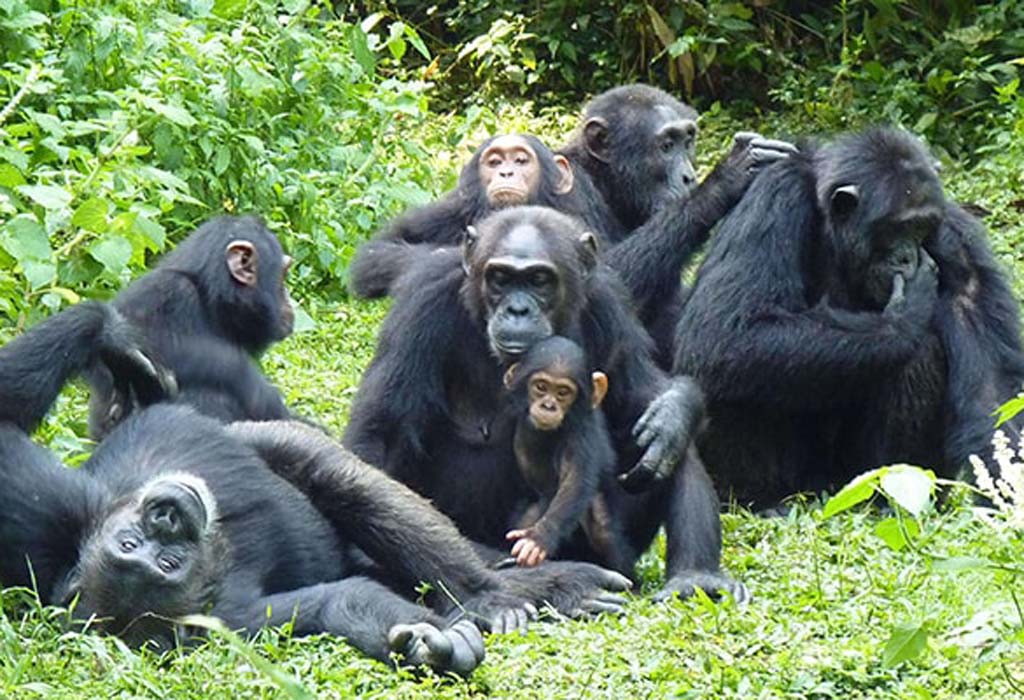
No. Habituated chimpanzees are wild and the time needed to locate them changes.
How much time should I leave for an afternoon walk?
Avoid fixing a tight departure immediately after tracking; the forest encounter and return can take longer than expected.