Best Attractions at Kalambo Falls
ZAMBIA & TANZANIA BORDER / NATURE & HERITAGE
Kalambo Falls Attractions
Discover a spectacular waterfall, dramatic gorge, remarkable archaeological discoveries and the landscapes bordering Lake Tanganyika.
An extraordinary corner of East Africa
Why visit Kalambo Falls?
A journey to Kalambo Falls is different from a quick stop at an ordinary roadside viewpoint. The attraction brings together an immense waterfall, a deeply cut gorge, the geological story of the Rift Valley and archaeological discoveries that have attracted international attention. Visitors can appreciate the scenery without needing to undertake a strenuous expedition, although longer walks may be possible where local conditions and access arrangements permit. The experience is particularly rewarding for travellers who prefer quiet natural landmarks, unhurried photography and meaningful explanations from a knowledgeable local guide.
Kalambo sits in northern Zambia close to the Tanzanian border and the southern end of Lake Tanganyika. Its location gives the visit a strong sense of geographical discovery: a river follows the border, plunges over an escarpment and continues through a dramatic landscape toward one of Africa’s great lakes. Rather than promising a busy safari park atmosphere, the appeal here is open space, powerful scenery and an opportunity to understand how landscape and human history connect. Plan sufficient time to appreciate each dimension instead of treating the falls as a single photograph.
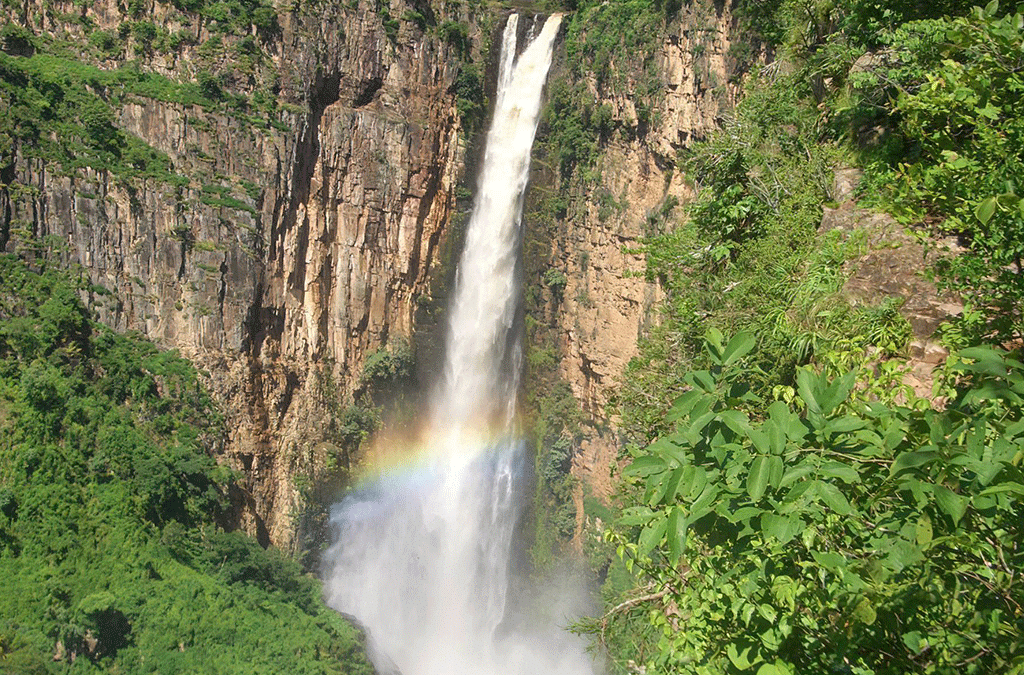
The most memorable Kalambo Falls Attractions combine powerful natural scenery with a story of early human ingenuity. The Kalambo River plunges over the Tanganyika Rift escarpment along the Zambia–Tanzania border, creating one of the region’s most dramatic waterfall landscapes.
The destination is especially appealing to curious travellers who want more than a quick photo stop. With careful planning, a visit can include gorge viewpoints, landscape photography, nature observation and a deeper understanding of the archaeological work that has made Kalambo internationally significant. Explore our East Africa safari guide.
Because access, site facilities and walking conditions vary by season and by the side from which you approach, confirm the current route and local guiding arrangements before travelling.
01 / The headline attraction
The waterfall and breathtaking gorge
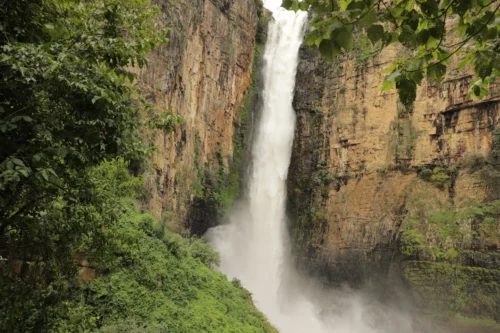
The main spectacle is the river’s dramatic descent over a steep rock face. Zambia’s tourism authorities commonly describe the drop as approximately 235 metres, although published measurements vary slightly between sources. From a suitable designated viewing position, the contrast between the narrow upper river, the falling water and the deep gorge is striking. The sound, spray and appearance of the cascade change with seasonal flow. During wetter periods, the waterfall may look fuller; in drier conditions, exposed rock and the gorge’s structure can be easier to distinguish. See more things to do on a Tanzania safari.
The gorge deserves attention of its own. It reveals the forces of erosion over long periods as the watercourse cuts into the escarpment. Looking along its contours can be as memorable as looking directly at the waterfall, particularly for visitors interested in landscape photography or natural geography. Take time to watch how vegetation changes between more exposed rock faces and sheltered sections. These environmental contrasts help make Kalambo Falls a rich destination even for visitors who have already seen other major African waterfalls. Compare Tanzania wildlife safari experiences.
The Kalambo Falls waterfall is the centrepiece of the visit. Water drops over a high escarpment into a steep gorge, while the surrounding rock faces frame a spectacular Rift Valley panorama. Its striking single-drop appearance is particularly impressive when river flow is strong.
What makes the viewpoint special?
A good viewpoint makes the enormous scale understandable: the water is only one part of the scene, framed by the cliffs, river and vegetation. Ask about the condition of any steps or descent routes before setting off, since the walk back can be more demanding than the outward journey. Visitors with limited mobility should request an honest assessment in advance rather than assume every viewpoint is accessible. There is no need to attempt the longest route to have a worthwhile visit.
The combination of cascading water, deep valley walls and distant landscape gives visitors multiple photographic subjects. You can appreciate the waterfall’s scale, look for shifting light on the cliffs and listen to the sound of water echoing through the gorge.
Remain on established paths and behind barriers where provided. Gorge edges can be unstable or slippery, especially after rain.
02 / A remarkable human story
Explore Kalambo’s archaeological significance
Kalambo Falls is internationally important because of the archaeological record preserved near the river. Researchers have studied evidence of human activity extending far into prehistory, with particular interest in how ancient populations used the resources around water and woodland. The importance of the site is not that every object can be seen by tourists on the ground. Much of the scientific evidence has been recovered through excavation and studied in specialist settings. A guided explanation can still transform the landscape into a fascinating account of early technology and adaptation.
A major study published in Nature in 2023 described deliberately modified, interlocking wooden logs from waterlogged deposits at Kalambo. The evidence was dated to at least about 476,000 years ago and has been interpreted as an early example of wood used structurally rather than merely as a portable tool. This discovery has changed discussions about the capabilities of ancient hominins. It should not be presented as proof of a modern-style house or as a structure visitors will necessarily find displayed at the falls; the surviving objects are scientific archaeological finds.
The riverine setting helped preserve wooden material that would usually decay. That rare preservation is one reason the discoveries are so significant. Archaeological interpretation also requires care: a site’s importance comes from its documented evidence, context and dating methods, not from sensational claims. Visitors interested in prehistory can read the research summary before travelling and ask whether locally available guides can explain the excavations. Respect any restricted areas, and never remove stones, artefacts or natural materials from a protected heritage landscape.
UNESCO lists Kalambo Falls National Monument on Zambia’s Tentative List, which is different from being inscribed as a World Heritage Site. This distinction matters when reading travel descriptions that use the word “UNESCO.” The tentative listing nevertheless reflects the recognized importance of the landscape and archaeological heritage. Heritage travellers might combine the outing with a stop in Mbala to learn more about the region, subject to museum opening arrangements and transport availability. A thoughtful visit should balance excitement about discoveries with respect for ongoing scholarship and conservation. For wider itinerary ideas, browse Tanzania safaris and tours.
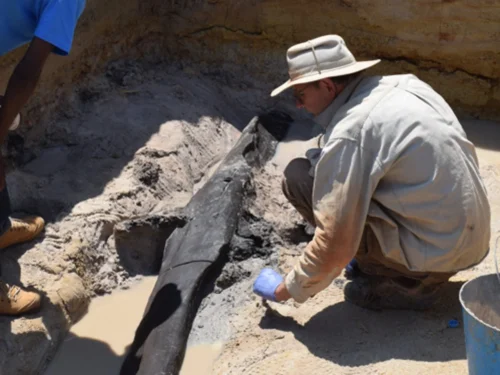
The Kalambo Falls archaeological site is internationally important. Archaeological excavations have revealed an unusually long record of human activity, including evidence that ancient hominins worked and joined pieces of wood around 476,000 years ago.
The discovery is important because wood normally decays long before it can enter the archaeological record. Waterlogged deposits helped preserve material that gives researchers rare insight into early technology and problem-solving.
Kalambo Falls National Monument was added to Zambia’s UNESCO World Heritage Tentative List in 2026. A tentative listing is not the same as inscription on the World Heritage List.
03 / More to experience
The wider attractions around Kalambo Falls
For a well-rounded visit, start with the principal viewpoint and allow the guide to explain the landforms. Continue with a short walk only if the route is safe and suitable for the group. Pause for photography, water and observation, then spend time discussing the archaeological importance. The result can be an engaging half-day outing, although the total duration depends on the approach road, the pace of the group and current access rules. Travellers coming from farther away should allow more time and avoid building a rushed timetable around uncertain road conditions. Discover other nature walks and chimpanzee trekking experiences.
Rift Valley panoramas
Admire changing views of the escarpment, layered hills and the broader Kalambo River landscape.
Nature observation
Pause for local vegetation, birds and riverine habitats. Wildlife encounters are possible but never guaranteed.
Guided scenic walks
Explore approved trails with a knowledgeable local guide, subject to current access and conditions.
Photography
Capture the waterfall, textured cliffs, changing mist and scenic contrasts in the surrounding valley.
04 / Beyond the waterfall
Lake Tanganyika scenery and regional discoveries
Lake Tanganyika provides a second major landscape story in the wider region. It is one of the world’s great Rift Valley lakes, shared by several countries, and lies downstream from the Kalambo River system. The lake’s shoreline and surrounding hills can provide a compelling contrast with the sheer waterfall gorge. However, travellers should not assume that a waterfall ticket includes a lake excursion or that the lake is visible from every viewing platform. The route, travel time and activities need separate planning with a local operator. Read about Tanzania safari destinations.
The broader northern Zambia circuit also rewards slower travel. Mbala provides a practical regional reference point, while cultural and museum interests can add depth to the journey. If you are planning a cross-border holiday from Tanzania, confirm the intended legal border crossing rather than assuming that proximity to the border means you can casually walk across at the falls. Visa permissions, vehicle documentation and current entry rules are separate matters. A well-planned route respects the geography of the region without underestimating its distances or administrative requirements. Explore our Great Lakes safari itinerary.
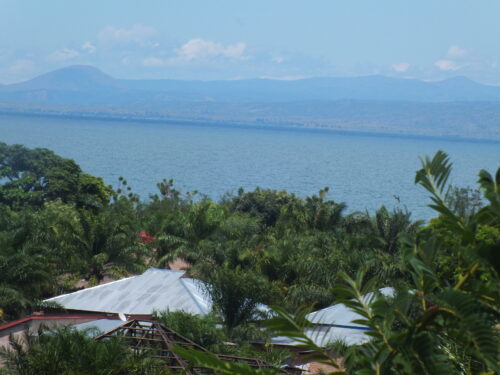
Kalambo Falls lies near the southern end of Lake Tanganyika, one of Africa’s great Rift Valley lakes. Depending on your itinerary, access point and time available, the surrounding region can offer sweeping lake views and a rewarding contrast between rushing river scenery and the lake’s expansive waters.
Ideas for a longer visit
One sensible approach is to overnight in the Mbala area, visit Kalambo Falls in daylight and allow optional time for a local cultural or museum stop. Travellers with a broader northern Zambia programme may allocate additional nights for Lake Tanganyika or other regional attractions. Accommodation standards and transport options vary, so request current choices before finalizing an itinerary. A longer stay is worthwhile when it improves the quality of the experience, not simply because it adds more attractions to a checklist. For multi-country options, see East Africa safari packages.
07 — Lake Tanganyika viewpoints: Enjoy the sense of scale and striking landscape at suitable public viewpoints.
08 — Local history and communities: Arrange respectful, locally guided cultural or historical encounters where available.
09 — Regional sightseeing: Pair the falls with other attractions around Mbala or the southern Lake Tanganyika region, based on current transport and access arrangements.
Plan with confidence
Practical tips for visiting Kalambo Falls
Good preparation matters because Kalambo Falls is a natural heritage destination rather than a fully controlled indoor attraction. Services, signage and route conditions can vary, and mobile coverage may be unreliable in some areas. Confirm the site access arrangements, expected admission requirements and whether a local guide is available before leaving your accommodation. Carry cash or an accepted payment method as advised locally, but avoid treating any unverified online fee as fixed. An itinerary should include a contingency for heavy rain, a delayed road transfer or a viewpoint temporarily closed for safety.
Choose footwear that gives stable traction on uneven or potentially wet surfaces. Bring water, sun protection and a light waterproof layer, and carry camera equipment in a secure bag. If travelling with children or anyone who finds steep steps difficult, discuss the walking requirements before booking. Drivers should avoid unnecessary night travel on unfamiliar rural roads. Most importantly, visitors should treat the cliff and gorge as serious natural terrain, follow local instructions and avoid creating their own shortcuts or approaching slippery edges. Compare regional highlights in our Burundi travel guide.
When should you go?
Seasonal conditions shape the visit. Rain can increase the waterfall’s volume and turn surrounding vegetation a vivid green, yet may also make approach roads and paths muddy. Drier periods can offer more comfortable walking conditions but a narrower cascade. There is no single month that suits every traveller. Ask for a current assessment close to departure, especially if photography, mobility or road reliability is your main concern. The best visit is one that matches your interests and the conditions on the ground.
Waterfall flow changes with rainfall. Wetter periods can create powerful views, but trails may be muddy; drier periods may offer easier walking.
What should you bring?
Pack light but thoughtfully: drinking water, a hat, sunscreen, insect repellent, grippy walking shoes, a rain layer and any personal medication. A wide-angle lens can capture the gorge, while a zoom lens can isolate the waterfall and surrounding landscape. Keep spare batteries protected from moisture, and avoid using drones without obtaining the necessary permissions. Leave valuables and unnecessary luggage securely at your accommodation or in the vehicle under suitable supervision.
Wear grippy walking shoes, carry water and sun protection, and use waterproof protection for electronics during wet weather.
How do you get there?
Zambian tourism sources place the falls approximately 33–35 kilometres from Mbala, but the journey time depends on road condition and the exact departure point. Arrange transport with someone familiar with the route and check whether a high-clearance vehicle is appropriate. Reports about difficult access roads underscore the importance of up-to-date local advice. If starting in another country, plan the border crossing independently of the attraction and confirm the documents needed for everyone in the group.
Plan the approach carefully from the Zambian or Tanzanian side. Do not assume there is a direct cross-border visitor crossing at the falls.
Your questions answered
Kalambo Falls Attractions FAQs
Another common question concerns whether archaeological artefacts can be seen on a routine visit. The scientific discoveries are central to Kalambo’s story, but excavation finds and active research areas are not equivalent to a visitor exhibition. Ask in advance what interpretation is currently available and whether a museum visit can be added. Equally, do not assume that boat trips, gorge descents or cross-border excursions are standard inclusions. Each requires an availability and safety check before it is advertised as part of an itinerary.
Where are Kalambo Falls located?
The falls are on the Kalambo River along the Zambia–Tanzania border, near the southern end of Lake Tanganyika.
What are the main Kalambo Falls Attractions?
The main highlights are the waterfall, gorge viewpoints, archaeological significance and surrounding Rift Valley scenery. Visitors can also explore approved walks and nearby Lake Tanganyika landscapes depending on their route.
Why is the archaeological site so important?
Researchers found evidence of intentionally shaped and joined wooden logs dating to around 476,000 years ago, providing rare insight into early hominin woodworking.
Is Kalambo Falls a UNESCO World Heritage Site?
No. Kalambo Falls National Monument is on Zambia’s UNESCO World Heritage Tentative List, submitted in March 2026; tentative status does not mean the site is inscribed.
Can I visit Kalambo Falls as a day trip?
It may be possible from suitable nearby bases, but journey times depend on road conditions, the chosen access route and local arrangements. Confirm logistics before committing to a same-day return.
Is the site suitable for every visitor?
Some approaches and viewpoints may involve uneven terrain, steps or steep paths. Travellers with limited mobility should confirm current accessibility conditions and alternatives in advance.
Responsible travel and a rewarding day at Kalambo
The waterfall, gorge and archaeological deposits are part of a sensitive heritage landscape. Staying on accepted paths and avoiding excavation zones helps protect places that may still contain valuable scientific evidence. Keep noise modest, carry rubbish out and respect the privacy of nearby communities. If a guide points out plant life, birds or cultural features, treat the information as an invitation to learn rather than a reason to disturb or collect anything. Small decisions by visitors contribute to preserving the site’s appeal for future travellers and researchers. Discover other natural and cultural attractions in Burundi.
A practical day plan might involve departure after breakfast, the road journey to the monument, an orientation with a local representative, the main viewpoint, a comfortable rest and time for heritage interpretation. If paths and conditions permit, add a short scenic walk before returning toward Mbala. Lake Tanganyika is better considered as an optional extension than an automatic stop squeezed into the same afternoon. This allows the experience to remain flexible when weather, mobility needs or road conditions affect the original schedule. For another heritage-oriented trip, explore our Burundi cultural tour.
Further reading: UNESCO tentative listing · Nature archaeological study · Zambia tourism overview ·
Start planning
Make your East Africa journey more memorable
For an East Africa journey that includes Kalambo Falls, the most useful starting point is a realistic conversation about your route, interests and comfort level. Tell us whether you primarily want a waterfall viewpoint, a stronger archaeology focus, landscape photography or a wider Zambia and Tanzania travel plan. We can discuss how a visit might fit alongside other destinations and clarify which local arrangements require confirmation. We never recommend treating seasonal access, admission charges or optional activities as guaranteed without checking them for your travel dates. For further inspiration, discover Lake Tanganyika and Burundi attractions.
Interested in combining distinctive landscapes, wildlife experiences and cultural discoveries? Tell Safari Vacations and Travel Services what you hope to see, and we can discuss a suitable tailor-made itinerary and practical travel arrangements.