How to Verify Your Gorilla Trekking Guide’s License
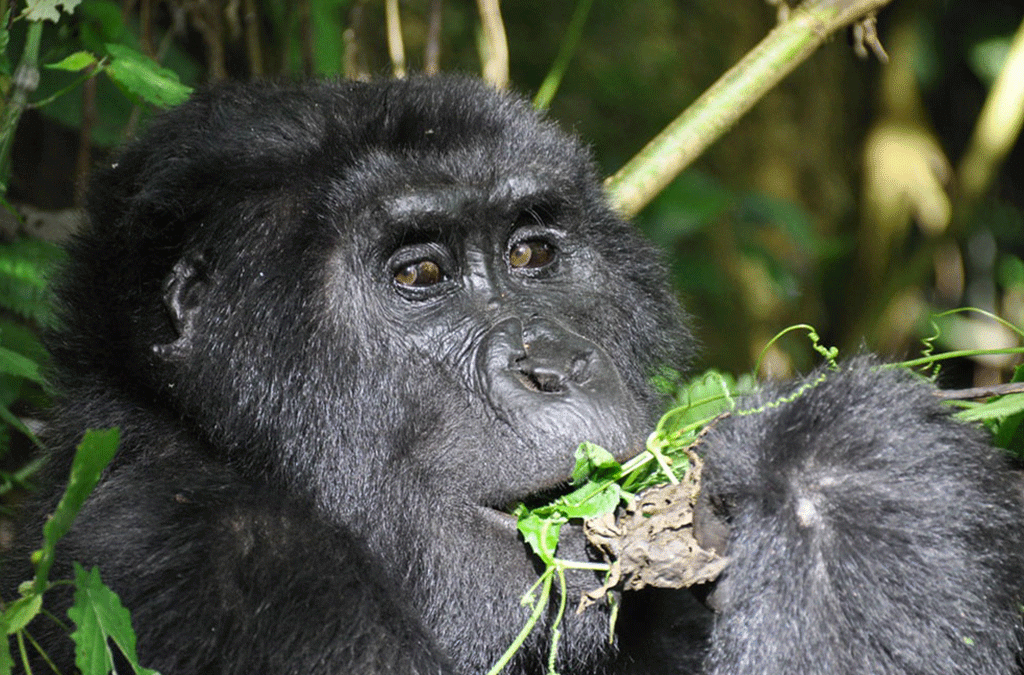
How to Verify Your Gorilla Trekking Guide’s License is something every traveler must know before stepping into the forest. Gorilla trekking is a rare and thrilling wildlife experience in Africa. It lets you observe mountain gorillas up close in their natural home. However, your safety and the quality of your experience depend on having a properly licensed guide. When you book your trip through Safari Vacations and Travel Services, knowing how to check your guide’s credentials gives you peace of mind. This guide walks you through every step, from checking your permit to confirming your guide’s identity on trek day.
Understand the Permit System First
How to Verify Your Gorilla Trekking Guide’s License. First, you need to understand how the permit system works. A valid permit forms the base of any legitimate gorilla trek. In Uganda, the Uganda Wildlife Authority (UWA) issues all gorilla trekking permits. In Rwanda, the Rwanda Development Board (RDB) holds the sole authority to issue these permits. Both bodies tightly control the number of permits they release each day. This protects the gorillas and their forest habitats from overexposure.
Furthermore, each permit allows only one person to spend one hour with a specific gorilla family on a set date. The system also raises conservation funds that protect the gorillas and support nearby communities. Therefore, any legitimate trekking experience must begin with a valid, official permit.
How Safari Vacations and Travel Services Help You
Safari Vacations and Travel Services acts as your trusted partner throughout the booking process. As an accredited tour operator, the company secures your permit directly from UWA or RDB. It also handles all logistics, including transport, accommodation, and paperwork. Working with an established operator like Safari Vacations and Travel Services gives you several benefits. You get expert guidance, permit availability even during busy seasons, and full support if any issue arises.
In addition, your tour operator will keep you fully informed about your booking. They will confirm your trek date, the gorilla family you will visit, and the park location. They will also brief you on gorilla behavior rules, what to pack, and the physical demands of the trek. This level of service ensures you feel prepared and confident well before your departure day.
Verify Your Permit Before You Travel
Checking your permit is the first real step in verifying your guide’s legitimacy. Start by asking Safari Vacations and Travel Services for a scanned copy of your permit receipt. This document serves as official proof of your booking. It will show your name, passport number, trek date, park location, and permit reference number. Your tour operator should send this to you within a few days of your payment.
Additionally, you can verify your permit directly with the issuing authority. If you are trekking in Uganda, contact the Uganda Wildlife Authority through their official website or visit their Kampala headquarters. If you are trekking in Rwanda, reach the Rwanda Development Board in Kigali. Give them your permit reference number, your full name as it appears on your passport, and your trek date. They will confirm whether your permit is registered in their system.
It is also important to note that legitimate permits come at a set price. Uganda charges $800 per person, while Rwanda charges $1,500 per person. Consequently, if you find an operator offering permits at a much lower price, treat this as a serious warning sign. Safari Vacations and Travel Services always charges the official permit price plus transparent service fees.
What Happens on the Day of Your Trek
On the morning of your trek, you will check in at the park headquarters for a pre-trek briefing. Park staff from UWA or RDB will check your permit against their official registry. They will also confirm that your identity matches the name on the permit. This step is strictly enforced, as park authorities take both gorilla protection and the permit system very seriously.
After verification, park staff will assign your guide for the day. Note that this assignment comes directly from official park staff, not from your tour operator. The guides are professional rangers employed by UWA or RDB. They undergo extensive training in gorilla behavior, forest navigation, safety protocols, and conservation principles. Your tour operator has no power to appoint the guide independently.
Moreover, your guide will wear an official uniform. In Uganda, rangers wear khaki or green uniforms with UWA patches. In Rwanda, rangers wear their own official RDB uniform. Your guide will also carry proper equipment, such as a communication device, first aid supplies, and sometimes protective gear, depending on trail conditions.
Check Your Guide’s Credentials Directly
Once your guide has been assigned, take a moment to check their credentials in person. A legitimate guide will show you their official license or identification badge without hesitation. This badge will carry a clear photograph, the ranger’s full name, their official registration number, and the authorizing seal from either UWA or RDB. Match the photo on the badge to the person standing in front of you.
Besides checking the badge, engage your guide in a brief conversation. A well-trained guide will know facts about the gorilla family you will visit. They will speak confidently about the forest environment and the conservation challenges that gorillas face. They will also be clear about the safety rules you must follow during the trek.
However, if anything seems wrong, act immediately. Report your concern to the park headquarters staff right away. Watch for signs such as a missing badge, an unofficial uniform, or a reluctance to answer questions. Safari Vacations and Travel Services arranges all treks with officially assigned rangers, so any deviation from this standard needs immediate attention.
Observe Your Guide’s Adherence to Safety Rules
Beyond credentials, a legitimate guide follows strict safety and conservation rules at all times. For example, your guide will enforce a seven-meter distance between your group and the gorillas. They will ensure your group does not exceed eight visitors. They will also check that no one in the group shows signs of a contagious illness, since gorillas are highly vulnerable to human diseases. Your guide will limit the time spent with the gorilla family to exactly one hour.
Furthermore, your guide works as part of a wider team. Early each morning, trained trackers locate the gorilla family and maintain radio contact with your guide. They share the gorillas’ current position so your guide can lead your group there efficiently. Throughout the trek, your guide gives clear updates on progress, explains what you see in the forest, and delivers instructions calmly when you reach the gorillas.
As a result, a professional guide enhances both your safety and your enjoyment. They do not bend the rules, even when visitors request more time or a closer distance. This firmness reflects genuine professionalism and a real commitment to gorilla conservation.
Conclusion
Verifying your gorilla trekking guide’s license is a simple but vital step. It protects you, supports genuine conservation efforts, and ensures you get the best possible experience. Start by booking through Safari Vacations and Travel Services and confirming your permit with UWA or RDB. On trek day, check that park staff assigns your guide and review their official credentials before entering the forest. Watch how your guide enforces safety rules and communicates with your group.
In short, a verified, licensed guide transforms a good trip into an extraordinary one. With the right checks in place, you can fully immerse yourself in the breathtaking experience of meeting mountain gorillas face to face. You will know that every step of your journey is in safe, authorized, and expert hands.