How to Train Physically for a Multi-Hour Gorilla Trek
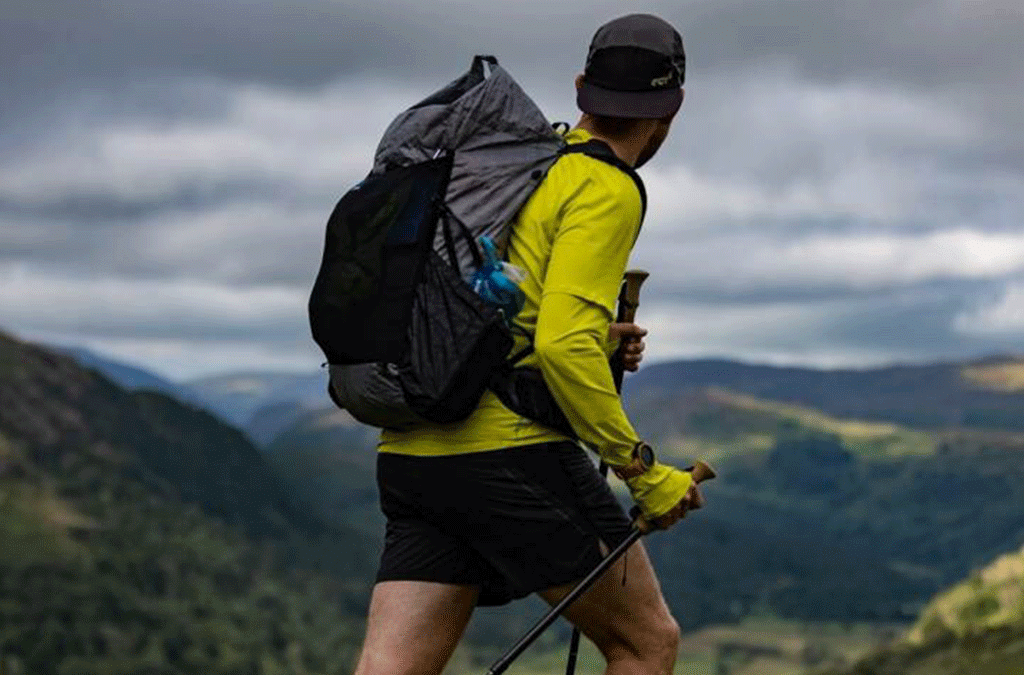
How to train physically for a multi-hour gorilla trek is one of the most important steps you can take before this adventure. A gorilla trek is not a walk in the park. You move through thick forests, climb steep hills, and push through mud for hours. The terrain is rough, the altitude is high, and the trek can last up to eight hours. Therefore, you must prepare your body well in advance. Start training at least twelve weeks before your trip. Build your fitness step by step. With the right plan, you will enjoy every moment in the wild.
Understand What Gorilla Trekking Demands and How to Train Physically for a Multi-Hour Gorilla Trek
First, know what you are getting into. Gorilla trekking takes place in Uganda, Rwanda, and the Democratic Republic of Congo. The forests sit at altitudes between 2,400 and 4,000 meters above sea level. The trails are steep, muddy, and dense with roots and fallen trees. You push through thick undergrowth and scramble over uneven ground.
Moreover, you cannot predict how long the trek will take. Some groups find gorillas within one hour. Others walk for six to eight hours before spotting them. Because of this, you must prepare for the worst-case scenario. Your body needs to be ready for a long, hard day in the wild.
Build Your Endurance With Walking
Walking is the best way to train for a gorilla trek. It mimics the exact movement you will do on the day. Start with short, easy walks on flat ground. If you are new to exercise, begin with twenty to thirty minutes per session. If you already stay active, start with forty-five minutes to an hour.
Schedule at least three walking sessions per week. Do not walk on back-to-back days at first. Your body needs rest to grow stronger. Each week, make your walks a little longer or a little harder. In addition, pick one walk each week to be your long walk. Slowly extend this session until you can walk comfortably for four to six hours. This prepares you for the longest possible trek.
As you walk, focus on your form. Stand tall, even when you feel tired. Engage your stomach muscles for balance. Find a steady pace you can hold for hours. Your breathing should stay controlled. A good test is whether you can still talk during the walk, even if your sentences are a little short.
Add Hills and Uneven Ground to Your Training while learning how to Train Physically for a Multi-Hour Gorilla Trek
Flat walking alone is not enough. You also need to train on hills and rough terrain. This is because gorilla trekking involves steep climbs and tricky descents. These demand far more from your muscles and heart than flat ground does.
Seek out the hilliest trails near your home. If you live in a flat area, use stairs instead. Climb stadium steps, office stairwells, or any outdoor staircase you can find. Repeat the climb several times per session to build leg strength and cardio fitness.
When you climb hills, lean slightly forward and take shorter steps. Breathe in a steady rhythm. Do not rush. Additionally, practice going downhill slowly and with control. Descents put heavy stress on your knees and quads. Keep your knees soft, your core tight, and your weight centered over your feet. This mirrors the careful movement you will need on slippery rainforest slopes.
Furthermore, walk on uneven surfaces as often as you can. Roots, rocks, and muddy paths force your feet and ankles to adjust constantly. This builds the stabilizing muscles that protect you from twisted ankles and falls. If possible, train in wet conditions to get used to slippery surfaces.
Add Interval Training to Boost Fitness while looking at How to Train Physically for a Multi-Hour Gorilla Trek
As your fitness grows, add interval training to your walks. Intervals alternate between hard bursts of effort and easy recovery periods. This method builds your cardiovascular power quickly and raises your endurance threshold.
To do intervals, walk briskly for three to five minutes, then slow down for two to three minutes. Repeat this pattern for the length of your session. The hard sections should feel tough but manageable. This style of training also prepares you for the stop-and-start nature of gorilla trekking. You might push hard through a dense section of forest, then pause while guides communicate with trackers or the group navigates a difficult spot.
If your trek takes place at high altitude, plan for the thinner air. If possible, train at elevation before your trip. Alternatively, arrive in Africa a few days early to let your body adjust before the trek.
Cross-Train With Other Activities
Walking and hiking are the most specific forms of training for a gorilla trek. However, other activities add great value to your program. Running builds cardio fitness and leg power. It is more intense than walking, so be careful if you have joint issues. Swimming gives you a full aerobic workout with no impact on your joints. It is ideal for recovery days or if you need to protect your knees.
Cycling also builds excellent leg endurance, especially in the quads and calves. It is gentle on your joints and easy to fit into a busy week. Include one or two cross-training sessions per week alongside your main walking workouts. This variety keeps your fitness sharp and prevents burnout.
Strengthen Your Legs and Core
Cardio fitness alone will not carry you through a gorilla trek. You also need strong muscles. Your legs power you up steep slopes. Your core keeps you balanced and protects your back. Therefore, add strength training to your weekly routine.
Focus on squats, lunges, step-ups, and calf raises for your legs. These movements build the exact muscles you use on the trail. For your core, do planks, side planks, and rotational exercises. A strong core improves your balance on uneven ground and helps you stay upright during long hours of trekking.
Do two strength sessions per week. Allow at least one rest day between sessions. As you get stronger, add more repetitions or increase the resistance.
Train With a Weighted Backpack
On trek day, you will carry a daypack. It will hold water, a camera, rain gear, snacks, and other essentials. This extra weight adds up and makes the trek harder. So, train with a loaded backpack to prepare your body.
Start with a light pack of five to ten pounds. Carry it on your walks and hill sessions. Every two to three weeks, add a little more weight. Work up to fifteen to twenty pounds over time. This trains your shoulders, back, and legs to handle the load. It also helps you find the right pack fit before you travel, which prevents blisters and sore spots.
Rest, Recover, and Listen to Your Body
Training hard is only part of the process. Rest is equally important. Your body does not get stronger during exercise. It gets stronger during recovery. So, build rest days into your weekly schedule and take them seriously.
Sleep well each night. Eat nutritious food to fuel your workouts and support recovery. If you feel pain beyond normal muscle soreness, ease off and seek advice. Pushing through an injury will only set you back. The goal is to arrive at your gorilla trek feeling strong, rested, and fully ready.
Final Thoughts
Physical preparation for a gorilla trek takes time, effort, and commitment. However, the reward is extraordinary. When you stand face to face with a mountain gorilla in the wild, you want to be present in that moment—not gasping for breath or aching with fatigue. Start your training twelve weeks out. Build your endurance steadily. Add hills, intervals, and strength work as you progress. Train with your pack. Rest well. Follow this plan, and you will arrive ready to fully experience one of the greatest wildlife encounters on earth.