Gorilla Sculpture: 7 Amazing King Nyani Facts

Gorilla Sculpture: 7 Amazing King Nyani Facts
The gorilla sculpture at Hudson Yards was a temporary exhibition, not a permanent New York landmark. This guide explains its artists, meaning, original location, later move, and the wildlife story behind its memorable expression.
A surprising piece of New York public art
In 2020, an enormous bronze silverback appeared in Bella Abzug Park near the Hudson Yards development on Manhattan’s West Side. The work was called King Nyani, and its pose was deliberately unexpected. Instead of roaring, pounding his chest, or intimidating pedestrians, the animal reclined with one open hand extended toward the public. The artists hoped that a familiar image of a frightening ape could become an invitation to think about empathy. That contrast explains why photographs traveled quickly online and why visitors remember the artwork years after its temporary exhibition ended. This gorilla sculpture was a public encounter, not simply an object to admire from behind a rope. People could approach it, observe its face, and consider what the expression suggested about the living animals that inspired it. The friendly appearance was important because the installation was asking New Yorkers to look beyond the monster imagery associated with King Kong. It brought a real conservation question into a setting better known for architecture, shopping, and skyline photography.

Where is King Nyani now?
Visitors planning a trip today need the historical dates before they make a special journey. The gorilla sculpture stood in the Hudson Yards area beginning in August 2020 and departed in 2021. Contemporary news coverage reported its removal, while the creators’ own exhibition page lists Brookfield Zoo near Chicago as its permanent exhibition location. This is the most important distinction in the entire visitor guide: an old photograph is not evidence that an outdoor installation remains on the same street. The area around Bella Abzug Park still offers places to walk and enjoy New York public space, but travelers should not arrive expecting to find King Nyani there. Before making a journey specifically for any piece of outdoor art, confirm the current installation with the owner or venue. Public artworks travel, temporary displays close, and historical listings sometimes remain in search results long afterward. For art enthusiasts researching a former Hudson Yards landmark, however, the history of this sculpture remains worth exploring.
Meet Gillie and Marc, the artists
Artists Gillie and Marc Schattner have long used accessible animal imagery to connect people with endangered wildlife. Their project Love the Last aims to encourage attention, affection, and concern for species that are often seen only through documentaries or alarming headlines. King Nyani followed that approach: rather than expecting viewers to read a complex gallery label, the artists presented an enormous animal with an emotional gesture almost anyone could understand. Their inspiration grew from time spent watching a mountain gorilla family in Uganda. They described being moved by the attentiveness of a silverback toward the members of his group, an observation that contradicted popular stereotypes. The resulting gorilla sculpture turned a close wildlife encounter into a large-scale public message. It also demonstrated the particular advantage of outdoor art: people could encounter the work unexpectedly on an ordinary walk, without tickets, specialist knowledge, or prior interest in conservation. That moment of surprise created an opening for conversation.

Why the sculpture looks gentle instead of fierce
The story of King Kong helped shape the artistic concept. Cinema has repeatedly imagined a giant ape threatening a major city, particularly New York. King Nyani reversed the relationship. The silverback was the vulnerable figure, while the city and its residents were asked to respond with compassion. His low, resting posture communicated calm rather than conquest. The extended hands were scaled to hold two or three people, making the artwork an unusually direct invitation to participate. Photographs of visitors sitting in a palm became part of the public story. The gorilla sculpture therefore worked through physical scale and emotional contrast at the same time. It was large enough to command attention among tall buildings, yet its expression was quiet and approachable. Seeing the piece did not require a lecture about genetics or ecology. The basic idea was intuitive: an animal people fear might also be an intelligent, socially connected creature deserving protection. That question remained with viewers after they left the park.
Explore the living story behind the artwork
For a responsible Uganda or Rwanda wildlife itinerary, ask about trekking permits, available dates, and realistic travel conditions.
Size, material, and physical presence
Artist statements describe King Nyani as an exceptionally large bronze representation of a gorilla, measuring nearly 23 feet from end to end and approximately 8.5 feet in height. Its reported weight was 4,766 pounds. Those dimensions matter more than a record-book claim because they explain the work’s effect on an urban sidewalk. A small figurine could suggest tenderness, but a nearly room-length form makes the visitor feel physically small beside the animal. Bronze also gives the surface a durability and seriousness that contrast with the playful pose. The gorilla sculpture was designed for public space and for an audience moving past it, not only for stationary viewing. From a distance, its broad silhouette stood out; closer up, the expression and hands became the focus. People could appreciate the craftsmanship while engaging with a conservation story. When researching monumental outdoor art, remember that dimensions and weights are historical descriptions of the finished object, not a promise that the object is accessible at its former site.
Bella Abzug Park and the Hudson Yards setting
The original setting was Bella Abzug Park, a linear public park along the Hudson Yards and Hell’s Kitchen corridor. New York’s West Side combines modern towers with older neighborhood streets, transit entrances, pedestrian routes, and public gathering spaces. Installing a wildlife-themed work there made the contrast between habitat and metropolis unmistakable. A bronze silverback surrounded by the city reminded visitors how distant mountain rainforest can feel from daily urban life. Yet the work also drew people together in a shared moment of attention. Tourists, families, office workers, and residents could approach from different directions and discover the same unexpected sight. The gorilla sculpture became a visual landmark in photographs and local stories during its run. Today, the park’s history can enrich a walk even without the artwork in place. Think of this stop as part of a changing urban art landscape, not a permanent museum collection where every object remains in the same room.
What photographs can and cannot tell you
Images often show the bronze figure with skyscrapers, planting beds, or delighted visitors in its hands. They accurately document a memorable episode of New York public art, but publication dates and captions require scrutiny. A photo from 2020 may be presented on a page updated years later, creating the impression that the sculpture still stands in Manhattan. When searching for the gorilla sculpture, check whether the source describes an unveiling, a temporary run, a removal, or a permanent location. Prioritize an artist’s current exhibition listing and dated reports over an undated social post. Different web pages may also refer to the work as a Hudson Yards statue or a Bella Abzug Park installation; these names point to the same historical project. If you share photographs, include the year so friends do not make an unnecessary detour. A good caption can celebrate the artwork while remaining accurate about where and when it could be seen.
A useful way to read historical images is to look beyond the object itself. Park benches, construction fences, seasonal plantings, and nearby buildings may help establish when a photograph was taken, but they rarely prove where an artwork stands today. Check the publication date against the date of the photograph; those are not always the same. If a social post gives no date, treat it as a record of someone’s visit rather than directions for your own. This distinction matters particularly for temporary outdoor exhibitions, which can remain highly visible in online searches long after they close.
For a present-day Hudson Yards visit, separate two activities: exploring the neighborhood where the sculpture once stood and seeking the sculpture itself. The former can still be a satisfying walk through the area’s parks and architecture. The latter requires checking the artists’ latest location information before making travel plans. Families showing children older photographs can explain the difference between permanent monuments and touring installations. That turns an outdated image into a practical lesson about how cities change, rather than a disappointing search for an object that has moved.
How Uganda inspired the artwork
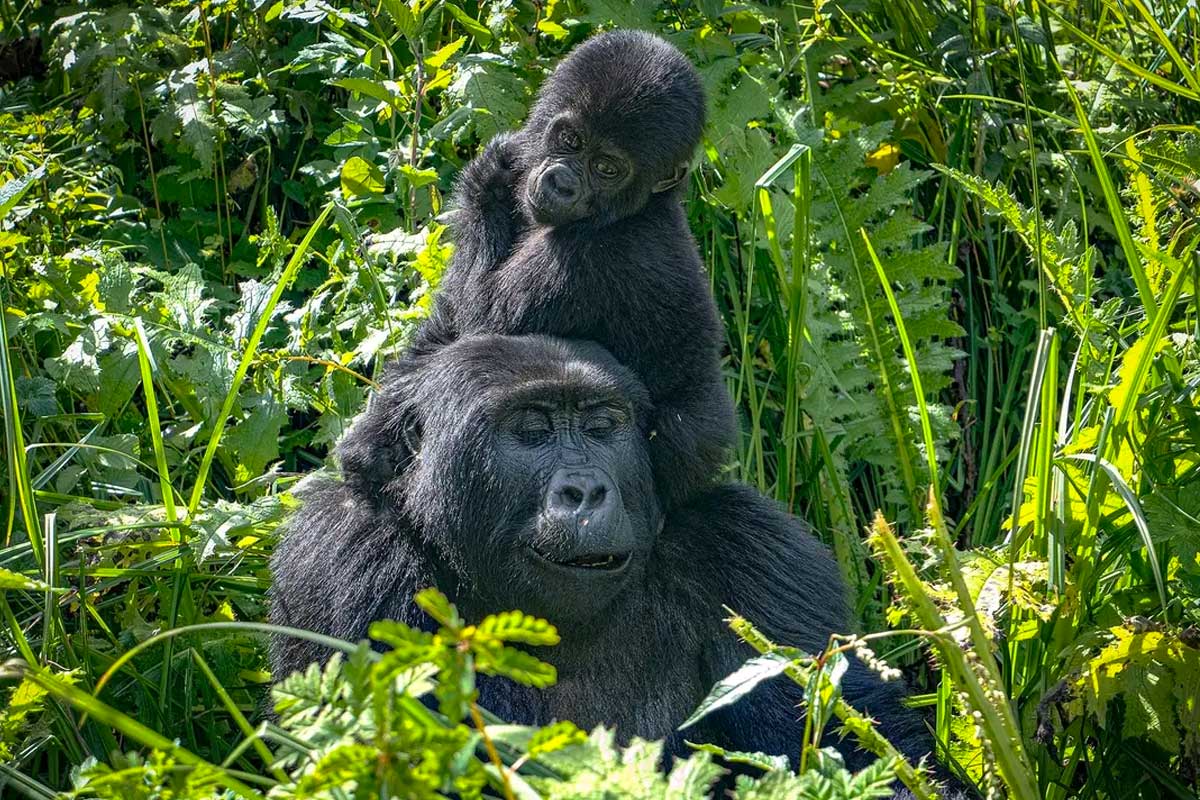
The strongest connection between King Nyani and real wildlife lies in Uganda‘s mountain forests. Gillie and Marc describe watching a silverback and his family during a visit, noticing care and social connection rather than aggression. That experience informed the sculpture’s welcoming expression. Mountain gorillas live in cohesive groups with complex relationships, and a mature silverback often plays a major role in their movements and security. These groups are not sentimental characters in a fable, but neither are they the indiscriminate monsters of old films. Understanding the difference makes the gorilla sculpture more meaningful. A visitor who discovers the artwork may become curious about mountain gorilla habitats, the challenges of protecting forest ecosystems, and the role of communities living near protected areas. The journey from a quiet wildlife observation to a massive Manhattan installation is unusual, yet its logic is clear: personal encounters can reshape public imagination, and public imagination can influence support for conservation.
Explore the living story behind the artwork
For a responsible Uganda or Rwanda wildlife itinerary, ask about trekking permits, available dates, and realistic travel conditions.
What a silverback actually does
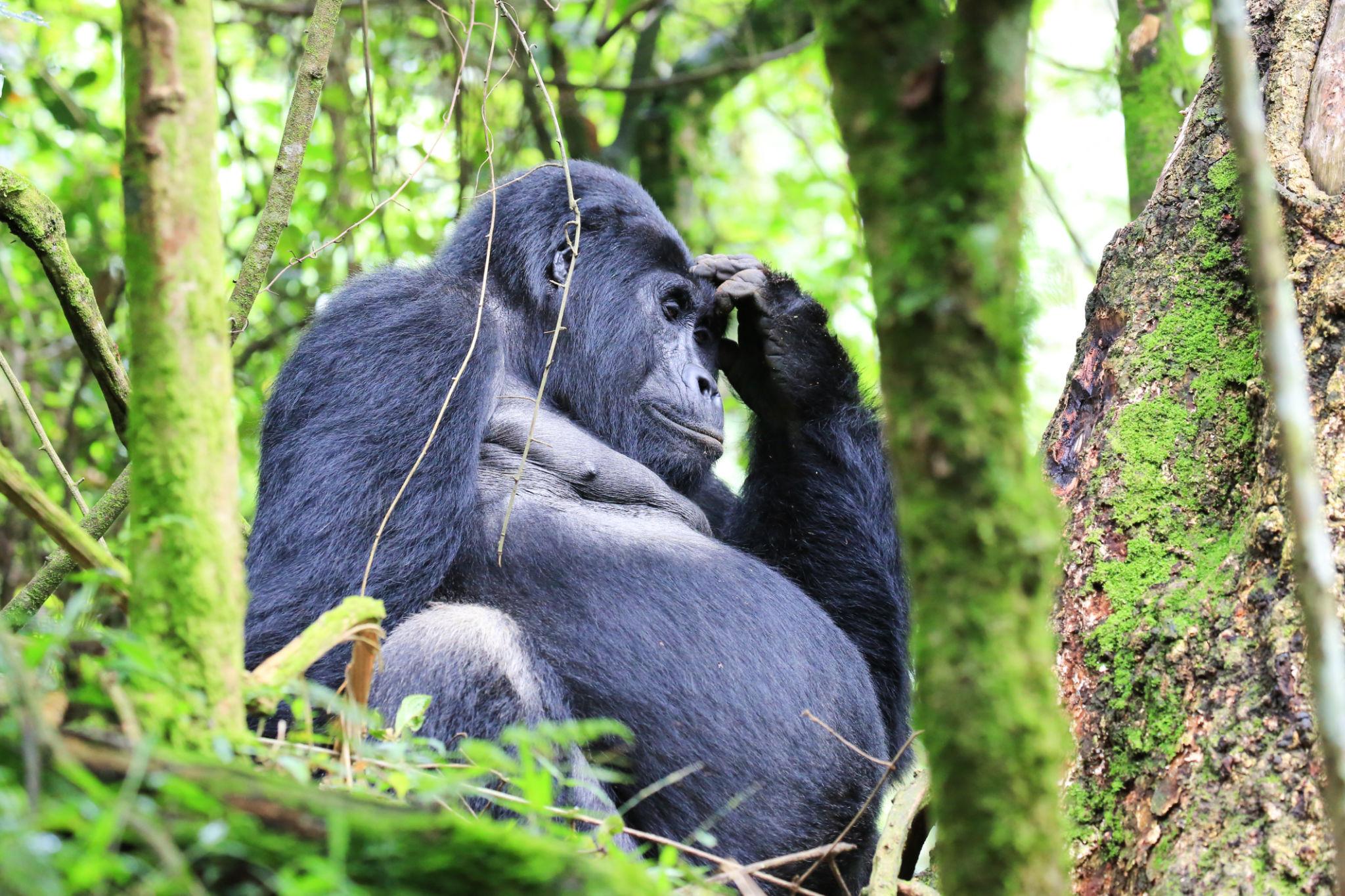
A silverback is an adult male gorilla distinguished by the pale or silvery coloration that develops across his back as he matures. In mountain gorilla families, dominant males may help mediate disputes, guide movements, and respond to threats. Individuals differ, and no animal should be approached as a harmless pet. The sculpted figure expresses a quality the artists observed, but a bronze artwork cannot replace careful understanding of wild behavior. Real gorilla groups include infants, juveniles, and adult females, and their interactions can be affectionate, energetic, competitive, or defensive depending on circumstances. The gorilla sculpture highlights one aspect of that complexity: strength does not automatically mean cruelty. This is particularly compelling in a city where monumental size often symbolizes power or domination. Here, physical power was paired with vulnerability. The resulting image offered a simple invitation to reconsider assumptions about another species while respecting the distance between artistic symbolism and actual animal behavior.
Why gorilla conservation matters
Mountain gorillas depend on protected forest habitat and sustained cooperation among wildlife authorities, researchers, guides, and surrounding communities. They face pressures connected with habitat needs, human activity, disease transmission, and the broader fragility of small, geographically restricted populations. Conservation is not only about removing immediate threats. It also involves veterinary monitoring, habitat management, lawful tourism, community livelihoods, and coordination across national borders. The gorilla sculpture did not solve those challenges, but it made a distant subject emotionally legible to a wide audience. Public awareness can be a useful beginning if it leads to better questions: Which organizations do long-term work? How are nearby residents involved? What safeguards protect wild animals from visitor-borne illness? What does responsible support look like? Those questions are more meaningful than merely repeating a dramatic population figure that may become outdated. A thoughtful response should favor reputable, current conservation reporting and specific actions over fear-based slogans.
Gorilla sculpture and the journey to African forests
Gorilla sculpture lessons for wildlife visitors
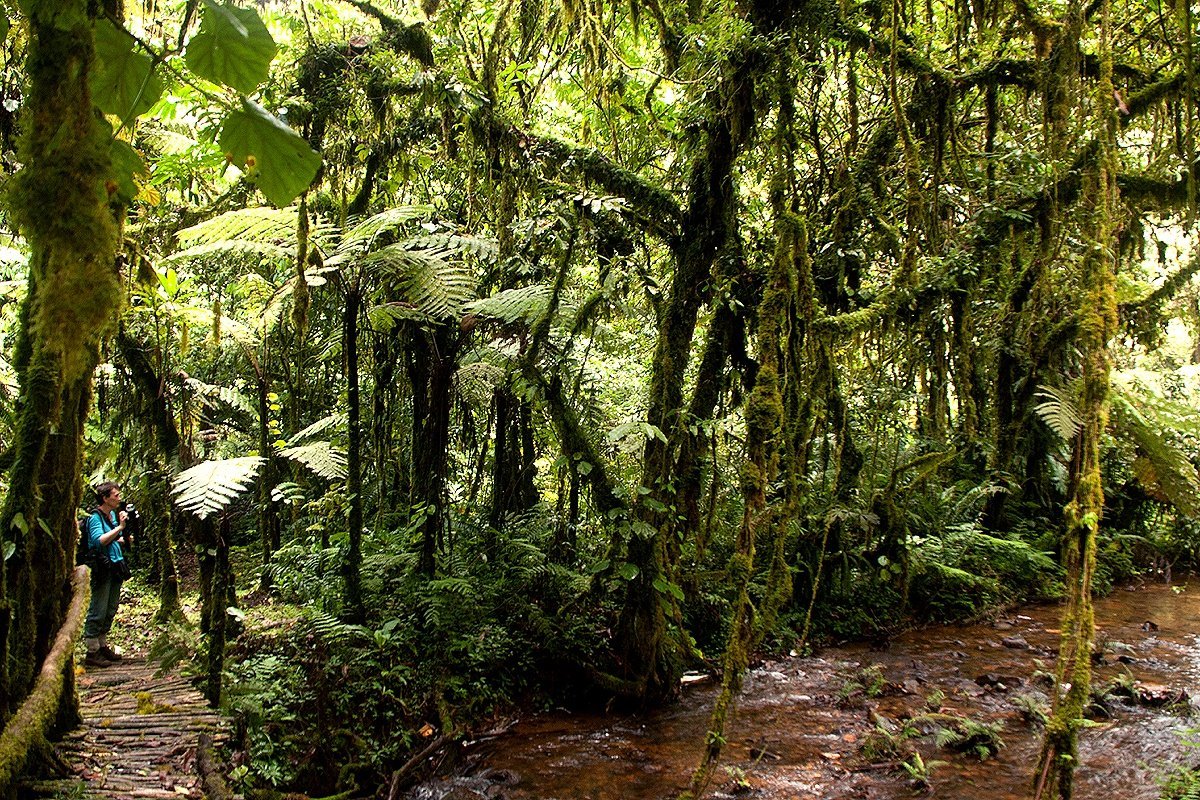
Some visitors who discover the New York artwork become interested in seeing gorillas in their natural habitat. That is an entirely different experience from observing bronze in an urban park. A gorilla trek typically begins with a ranger briefing and a guided walk through dense, sometimes steep rainforest. The goal is respectful observation under wildlife authority rules, not direct contact. Conditions vary with weather, terrain, and the animals’ movements, so itineraries require flexibility. Uganda and Rwanda are major destinations for mountain gorilla tourism, and each offers different combinations of travel time, landscapes, and additional activities. The gorilla sculpture can serve as the starting point for learning, but it should not create unrealistic expectations of a cuddly interaction. In the forest, visitors need to maintain the prescribed distance, remain calm, and follow guides precisely. Responsible travel involves humility: the animals’ needs always come before a photograph or a personal moment.
How the gorilla sculpture inspires travel
Uganda’s Bwindi Impenetrable National Park is among the best-known places for regulated mountain gorilla trekking. Its wooded slopes, trails, and varied vegetation are very different from the open city setting where King Nyani once reclined. Trekkers may walk through thick plants and changing terrain before reaching a habituated family. The length and difficulty of a particular outing cannot be guaranteed because gorillas move and weather affects the trails. Staying near the assigned trekking sector is important; road distances within the region can be deceptive. A well-planned visit accounts for permits, local Accommodation, porter assistance when appropriate, and travel buffers. The gorilla sculpture helped people imagine a real silverback as a social animal, while a forest visit allows observation of family dynamics within the habitat that shapes them. Both experiences can build appreciation, but only the latter puts travelers face to face with the complexity and unpredictability of wildlife.
Explore the living story behind the artwork
For a responsible Uganda or Rwanda wildlife itinerary, ask about trekking permits, available dates, and realistic travel conditions.
Rwanda and the Virunga landscape
Rwanda’s Volcanoes National Park protects mountain gorilla habitat within the Virunga region. Its dramatic volcanic scenery adds a distinctive setting to guided encounters, while access from Kigali makes the country practical for some shorter itineraries. The right destination depends on more than marketing claims or a headline permit price. Travelers should consider available trekking dates, physical demands, accommodation location, transport, and the wider trip they hope to enjoy. Ethical planning also recognizes that wildlife encounters depend on ranger decisions and animal movements. The gorilla sculpture offers a visual reminder of how visitors often arrive with an image in mind; good guiding replaces that fixed image with patient attention to real behavior. Whether choosing Uganda or Rwanda, ask an experienced operator to explain the specific park and trekking arrangements rather than treating all gorilla experiences as interchangeable. Current rules and fees should be confirmed with official authorities before committing nonrefundable travel costs.

The value and limits of wildlife tourism
Protected-area tourism can contribute to conservation finance and employment, but benefits depend on management choices and visitor conduct. Permit systems help manage numbers and create a framework for supervised encounters. Local guides, porters, drivers, accommodation teams, and neighboring businesses may also receive income, though distribution is not automatic or equal. Travelers can ask direct questions about community partnerships and the treatment of staff. The gorilla sculpture in New York offered one kind of access: a free opportunity for city residents to engage with a conservation story. A forest trek is a controlled, paid activity with different responsibilities. Neither should be confused with touching wildlife or seeking a theatrical performance. Informed visitors support rules even when those rules prevent the perfect camera angle. The strongest legacy of the artwork is not just admiration for its friendly face, but greater willingness to protect an animal whose actual survival depends on detailed, sustained work.
Planning a responsible gorilla trek
Start with official permit availability and travel dates, then choose the route and accommodation that place you close to the correct starting point. Check the age rules, health restrictions, and physical demands before paying a deposit. Bring suitable hiking boots, rain protection, long trousers, water, and a comfortable daypack. A porter may make difficult terrain more manageable while contributing directly to local livelihoods. Keep your expectations flexible: a short hike one day may be longer in a different season or with a different gorilla group. The gorilla sculpture is approachable because it is an artwork; living gorillas require space. Do not travel to a trek when unwell if park protocols prohibit participation, and follow every distance and photography instruction. Guides and rangers make judgments to protect people and animals, even if the decision changes a visitor’s plan. A good safari operator should explain these responsibilities plainly rather than promise a guaranteed close-up experience.
Tips for photographing gorillas respectfully
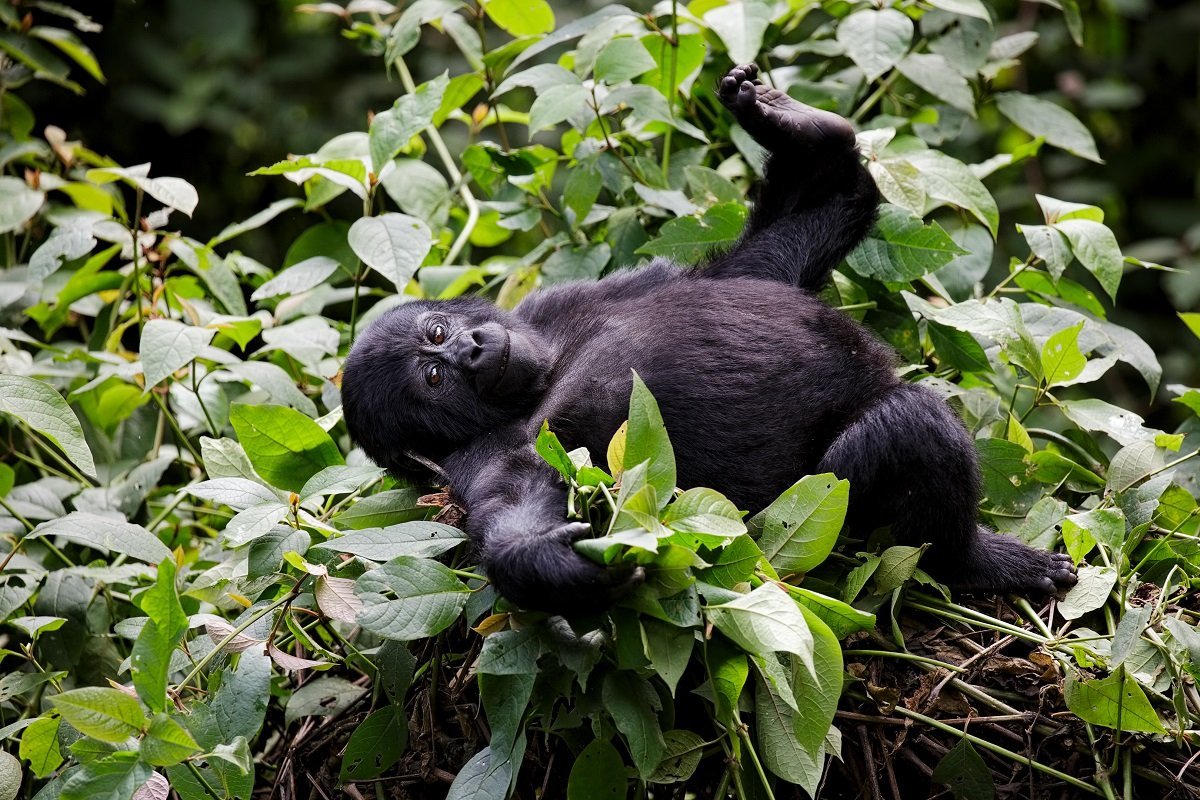
Forest photography is challenging because light changes quickly, leaves obscure sightlines, and animals rarely arrange themselves for a clean composition. Prepare camera settings in advance, keep movement controlled, and avoid flash when prohibited. A moderate focal length or zoom can help capture context without trying to approach closer than permitted. Sometimes putting the camera down produces a richer memory than taking another sequence of images. Visitors who remember the giant hands of the gorilla sculpture may be tempted to imagine comparable proximity in the wild. The responsible approach is the opposite: allow the animal to determine the encounter while guides manage the group’s position. Include habitat in photographs rather than cropping every frame into a dramatic portrait. Share captions that explain where a picture was taken and what protection rules were followed. That context turns personal travel imagery into a more useful conservation conversation.
Explore the living story behind the artwork
For a responsible Uganda or Rwanda wildlife itinerary, ask about trekking permits, available dates, and realistic travel conditions.
A short Hudson Yards walking itinerary
Even though the original artwork has left, its former setting can still anchor a relaxed exploration of the West Side. Begin around the public spaces near Hudson Yards, observe the towers and pedestrian routes, then spend time in Bella Abzug Park. Continue toward the High Line if your interests include contemporary landscape design and the way New York repurposes urban infrastructure. Allow flexibility for current exhibitions, construction changes, and seasonal crowds. The gorilla sculpture belongs in the story you tell about the neighborhood, not on a checklist of guaranteed present-day sights. If the artwork is your primary reason to travel, consult the artists’ current exhibition information rather than buying a ticket to Manhattan on the basis of an old photograph. This approach avoids disappointment while allowing visitors to enjoy a dynamic district whose public art program changes over time. It also turns a simple sightseeing stop into a reflection on the relationship between culture, urban space, and conservation.
How public art can change perceptions
Outdoor sculpture reaches people who might never attend a wildlife fundraiser or open a specialist conservation report. Scale attracts attention; recognizable form lowers the barrier to engagement; and an unexpected expression can challenge established ideas. King Nyani combined all three. Its accessibility mattered because a visitor could understand the central gesture without reading an academic text. Yet the gorilla sculpture also demonstrated a limitation of public art: emotional connection is not the same as measurable conservation impact. A powerful photograph may prompt curiosity, but sustained protection depends on institutions, local communities, policy, and financial support. Viewers can build on the initial feeling by learning about species biology, supporting credible conservation work, and choosing ethical wildlife tourism. The work’s temporary stay in Hudson Yards is part of its significance. By moving between settings, public art can introduce similar questions to different audiences rather than becoming invisible through familiarity.
What the artwork teaches children and families
A gentle giant is an accessible starting point for family discussion. Children might first notice the enormous hands or ask whether gorillas are dangerous. Adults can then explain that wild animals deserve both respect and protection, and that film monsters rarely reflect ordinary animal behavior. A good conversation avoids describing gorillas as human substitutes. Instead, it focuses on social bonds, forest habitats, and the importance of giving wildlife room to live undisturbed. The gorilla sculpture provided a playful visual reference, and historic photos remain useful for discussing public art even after the object has moved. Families visiting New York today can use the story as a scavenger-hunt-style prompt about changing installations, then choose current attractions based on up-to-date venue information. If a trip to East Africa becomes a family ambition, confirm minimum trekking ages and consider other nature activities for younger travelers. Conservation education works best when curiosity is paired with accurate expectations.
What to know before sharing this story online
Social media regularly recycles images of striking attractions without dates. King Nyani is a prime example because the sculpture looks so distinctive and because older posts sometimes appear in current search results. When sharing the gorilla sculpture, mention that it was installed in the Hudson Yards area in 2020 and subsequently relocated. Credit the artists, Gillie and Marc, and distinguish their account of the inspiration from independently established wildlife facts. Avoid claiming that the artwork is currently available for selfies in New York. If encouraging donations, verify the intended organization and use its official channels rather than assuming every page quoting the project is authorized to collect money. These small habits preserve the useful message of the work. They help readers discover the story of a remarkable animal while keeping travel information accurate, which is especially important for people who may be planning an expensive visit based on a single image.
Explore the living story behind the artwork
For a responsible Uganda or Rwanda wildlife itinerary, ask about trekking permits, available dates, and realistic travel conditions.
A lasting connection between city and forest
The enduring appeal of King Nyani rests on a simple reversal: a creature widely imagined as frightening appeared in one of the world’s busiest cities as an inviting, calm presence. The gorilla sculpture linked the spectacle of monumental New York architecture to the less visible daily lives of mountain gorillas in African forests. It asked people to think about care rather than conquest. The object later left Hudson Yards, but the story still travels through photographs, articles, and conversations about wildlife. Its most practical message is to combine curiosity with responsibility. Celebrate public art, check a sculpture’s current location before visiting, learn about the animals represented, and favor conservation efforts grounded in long-term work. The result is a richer understanding of both places: the urban park that hosted an unusual installation and the living forest ecosystems that inspired its creation. That connection is why a temporary exhibition remains a worthwhile subject years after its removal.
Frequently asked questions
Is the statue still at Hudson Yards?
No. It was a temporary installation that left Bella Abzug Park in 2021. The artists list Brookfield Zoo near Chicago as the permanent home; check the venue before planning a visit.
Who made King Nyani?
The artist duo Gillie and Marc Schattner created the bronze figure as part of their broader wildlife-focused art practice.
What inspired the expression?
The artists described their experience observing a mountain gorilla family in Uganda and wanted the sculpture to communicate the social, gentle qualities they witnessed.
Can I sit in its hands today in New York?
No. The historic New York exhibition has ended. Any hands-on access at its current location depends on venue rules and should be checked directly.
What does the work have to do with conservation?
Its inviting appearance was intended to challenge frightening stereotypes about gorillas and encourage attention to threatened wildlife and habitat protection.
Why do older travel websites still feature it?
Many pages and photographs document the unveiling rather than current availability. Check dates and the artist exhibition listing whenever an outdoor attraction is the central reason for a visit.
The most reliable historical sources include the artists’ King Nyani project and exhibition pages, contemporary 2020 reporting, and dated coverage of the 2021 removal. The sculpture’s original appearance is well documented; its present-day accessibility should always be confirmed with the current venue.