Gorilla Sanctuaries: What wildlife experts don’t tell you about
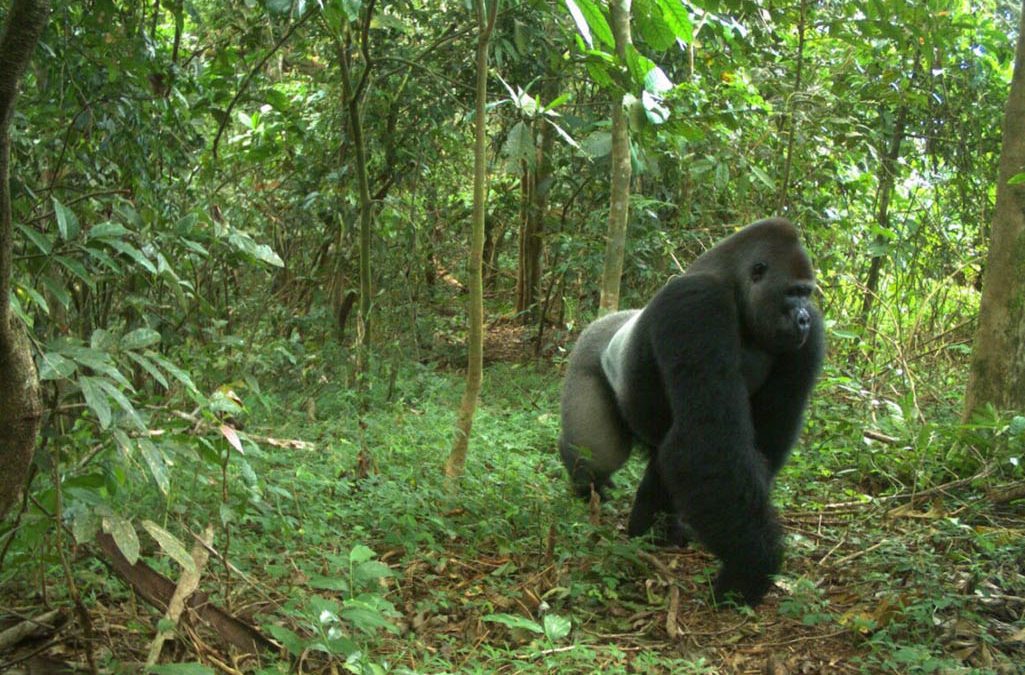
Gorilla Sanctuaries: What wildlife experts don’t tell you about their limitations
Gorilla sanctuaries, often portrayed as idyllic havens for these magnificent primates, play a crucial role in conservation efforts. They offer a safe refuge from poaching, habitat loss, and human-wildlife conflict, contributing significantly to the recovery of endangered gorilla populations. The image of these sanctuaries is often one of unblemished success, a testament to dedicated conservationists and the power of tourism to fund vital work. However, beneath this widely accepted narrative lies a more complex reality. While we cannot deny their contributions, gorilla sanctuaries, like any human-led intervention in the natural world, come with inherent limitations and challenges that people do not always openly discuss. This article aims to shed light on these often-overlooked aspects, providing a more nuanced understanding of what it truly takes to protect gorillas and the intricate web of issues that wildlife experts sometimes don’t fully disclose.
For decades, conservation organizations and governments have championed gorilla tourism as a win-win solution: tourists get an unforgettable experience, and the revenue generated directly supports gorilla protection. This model has indeed been instrumental in bringing mountain gorillas back from the brink of extinction. In the 1980s, fewer than 400 mountain gorillas remained worldwide. Thanks to concerted conservation efforts, this number has now risen to over a thousand. This remarkable recovery is often attributed to the establishment of national parks and sanctuaries, coupled with strict regulations around tourism. Yet, the very success of these initiatives can sometimes obscure the underlying vulnerabilities and ongoing threats that gorillas face, even within the protected confines of a sanctuary.
This blog will delve into the less-talked-about challenges, such as the ever-present risk of disease transmission from humans to gorillas, the subtle yet significant behavioral changes observed in habituated groups, the persistent pressures of habitat encroachment, and the complex ethical considerations surrounding the displacement of local communities. By examining these limitations, we can foster a more informed perspective on gorilla conservation, moving beyond simplistic narratives to appreciate the multifaceted efforts required for the long-term survival of these incredible animals. Understanding these challenges doesn’t diminish the value of sanctuaries; rather, it acknowledges the full scope of the conservation battle and identifies areas where we desperately need more transparency and innovative solutions.
The Promise of Sanctuaries: What We See
Gorilla sanctuaries, often synonymous with national parks like Bwindi Impenetrable National Park in Uganda or Volcanoes National Park in Rwanda, represent a beacon of hope for the critically endangered gorilla species. Their primary promise is protection: a secure environment where gorillas can thrive, free from the immediate dangers that plague their wild counterparts. These protected areas are meticulously managed, with dedicated rangers patrolling against poaching, monitoring gorilla health, and ensuring the integrity of their forest habitats. The success stories emanating from these sanctuaries are compelling, often highlighting the direct link between tourism revenue and conservation outcomes.
One of the most visible benefits of gorilla sanctuaries is their role in anti-poaching efforts. The presence of park rangers and the economic value placed on gorillas through tourism act as powerful deterrents to illegal hunting. Regular patrols within the sanctuaries help to dismantle poaching networks and remove snares, which can indiscriminately injure or kill gorillas. This heightened security has been a critical factor in allowing gorilla populations to rebound in areas where they were once severely threatened. The constant monitoring also allows for rapid intervention in cases of injury or illness, providing veterinary care that would otherwise be impossible for wild populations.
Furthermore, gorilla tourism, a cornerstone of many sanctuary operations, generates substantial income that is reinvested into conservation. This revenue funds park management, pays ranger salaries, supports anti-poaching units, and contributes to research initiatives. A portion of the tourism fees often goes directly to local communities, creating a vested interest in gorilla conservation among the people living near the parks. This economic incentive transforms gorillas from potential competitors for resources into valuable assets, fostering a sense of shared responsibility for their protection. For instance, in Uganda and Rwanda, the purchase of a gorilla trekking permit directly contributes to gorilla research, medication, security, and park maintenance. This financial model is frequently lauded as a sustainable approach to conservation, demonstrating how human interaction, when managed carefully, can benefit wildlife.
Beyond the financial aspect, sanctuaries also serve as vital research hubs. The habituation of gorilla groups for tourism allows scientists to observe and study these animals up close, gathering invaluable data on their behavior, ecology, and population dynamics. This research informs conservation strategies, helping experts understand the specific needs of gorilla populations and adapt their approaches accordingly. The long-term studies conducted within these sanctuaries have provided unprecedented insights into gorilla social structures, reproductive patterns, and health, all of which are crucial for effective conservation planning. The visible success and the compelling narrative of these sanctuaries often overshadow the underlying complexities and challenges that wildlife experts grapple with behind the scenes.
The Unseen Challenges: Limitations Revealed
While gorilla sanctuaries are undeniably critical to conservation, their operations are fraught with challenges that are not always apparent to the casual observer or even to many tourists. These limitations, often downplayed or omitted in public discourse, present significant hurdles to the long-term health and survival of gorilla populations. Understanding these unseen challenges is crucial for a holistic view of gorilla conservation and for developing more robust and sustainable strategies.
Disease Transmission
One of the most pressing and often understated threats within gorilla sanctuaries is the risk of disease transmission from humans to gorillas. Gorillas share a close genetic relationship with humans, making them highly susceptible to human-borne illnesses, including common colds, flu, and more serious respiratory infections. Unlike humans, gorillas have not developed the necessary immunities to many of these pathogens, meaning an illness that might be minor for a human could be devastating, even fatal, for a gorilla.
Despite strict rules requiring tourists to maintain a minimum distance of 7 meters from gorillas, studies have shown that this rule is frequently violated. In Bwindi Impenetrable National Park, for example, observations revealed that the 7-meter distance rule was violated in over 98% of tours, with human-gorilla spacing often being 3 meters or less. This proximity significantly increases the risk of disease transmission through airborne particles, direct contact, or contaminated surfaces. Rangers, researchers, and even former poachers who now work in conservation also pose a risk, as they have more frequent and prolonged contact with the gorillas.
Outbreaks of respiratory diseases are a significant cause of sudden deaths in mountain gorillas, accounting for approximately 20% of such fatalities. There have been documented cases where human paramyxoviruses and human metapneumovirus have been linked to gorilla deaths. The high number of international visitors to these sanctuaries further intensifies this risk, as tourists may carry foreign infections to which local human and ape populations lack resistance. While officials make efforts to educate tourists and implement health protocols, the sheer volume of visitors and the inherent difficulty in enforcing strict distancing rules create a persistent and grave concern about disease transmission. Wildlife experts constantly monitor this issue but rarely publicize it in detail to avoid deterring tourism.
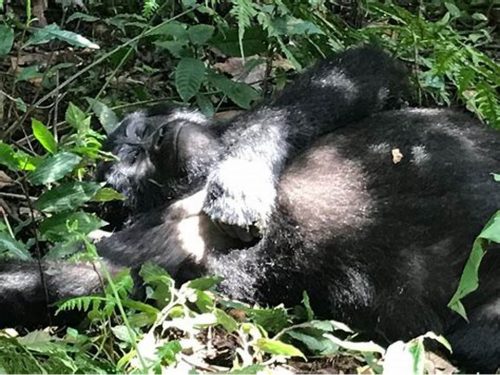
Sick gorilla
Habitat Pressure and Human-Wildlife Conflict
Even within the designated boundaries of a sanctuary, gorillas face ongoing pressures related to habitat. The areas surrounding many gorilla habitats are densely populated by humans, leading to inevitable conflicts over land and resources. As human populations grow, there is increasing encroachment into protected areas for agriculture, settlement, and the collection of natural resources like firewood. This encroachment reduces the available habitat for gorillas, fragments their populations, and increases the likelihood of direct encounters between humans and gorillas.
While tourism revenue is intended to benefit local communities and reduce their reliance on park resources, the reality is often more complex. The creation of national parks and sanctuaries has, in some cases, led to the displacement of indigenous communities, such as the Batwa people in Uganda and Rwanda, who were traditionally forest dwellers. Forced from their ancestral lands, many Batwa have been pushed into poverty, losing their traditional way of life and sometimes harboring resentment towards conservation efforts. This disenfranchisement can undermine conservation goals, as local communities may feel little incentive to protect the very resources that led to their displacement.
Furthermore, gorillas occasionally venture outside park boundaries in search of food, leading to crop raiding and property damage. This can result in retaliatory killings by farmers seeking to protect their livelihoods. While people make efforts to mitigate these conflicts through community outreach programs and compensation schemes, the underlying pressure of a growing human population and limited resources remains a significant challenge. Wildlife experts constantly balance the needs of conservation with the socio-economic realities of the communities living adjacent to gorilla habitats, a delicate and often contentious issue that they do not easily resolve.
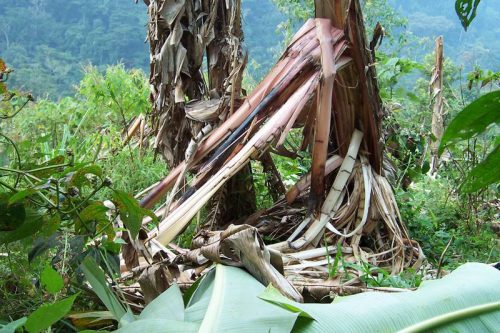
Banana plant destroyed by gorillas
Habituation and Behavioral Changes
The process of habituation, where gorillas are gradually accustomed to the presence of humans, is essential for gorilla tourism and research. It allows for close observation and enables tourists to view gorillas safely. However, habituation is not without its limitations and potential negative consequences for the gorillas themselves. While it reduces their natural shyness towards people, it can also lead to behavioral changes that may compromise their long-term survival in the wild.
Habituated gorillas may become less wary of humans in general, potentially making them more vulnerable to poachers or other threats outside the sanctuary. They might also alter their natural foraging patterns or social behaviors due to human presence. For example, some studies suggest that habituated gorillas may spend less time foraging and more time resting or interacting with tourists, which could impact their overall health and fitness. There’s also the risk of gorillas becoming dependent on human presence for protection, potentially losing their instincts to avoid danger.
Moreover, the constant presence of humans, even at a distance, can be a source of stress for gorillas, leading to subtle behavioral changes that are difficult to quantify but could have long-term impacts on their well-being. The ethical implications of habituation are a subject of ongoing debate among wildlife experts. While it facilitates conservation funding and research, it also fundamentally alters the natural lives of these animals, raising questions about the true meaning of conservation when it involves such significant human intervention. Wildlife experts are constantly weighing these trade-offs, a complex ethical tightrope walk that is rarely fully transparent to the public.
Poaching (Continued Threat)
Despite the robust anti-poaching efforts within gorilla sanctuaries, the threat of poaching remains a persistent and insidious challenge. While large-scale commercial poaching for gorilla meat or trophies has largely been curtailed within protected areas, other forms of poaching continue to jeopardize gorilla populations. One of the most significant ongoing threats comes from snares set for other wildlife, such as antelopes or bush pigs. These indiscriminate traps often injure or kill gorillas unintentionally, leading to severe wounds, infections, or even death. Rangers regularly patrol to remove these snares, but the vastness of the protected areas makes it impossible to eliminate them.
Another aspect of poaching that wildlife experts are acutely aware of, but which is less publicized, is the continued demand for infant gorillas for the illegal pet trade or private collections. While rare, tragic incidents of direct poaching for infants still occur, driven by unscrupulous dealers. These operations are often highly organized and can pose a significant threat to gorilla families, as adult gorillas are typically killed to capture their young. The emotional and social impact on the surviving gorilla group can be devastating, disrupting their complex social structures and potentially impacting their reproductive success.
Furthermore, the presence of civil unrest and armed groups in regions surrounding gorilla habitats can exacerbate poaching risks. Militias and displaced populations may turn to poaching for sustenance or to fund their activities, making conservation efforts incredibly dangerous for rangers and challenging to enforce. The political instability in some areas means that even well-established sanctuaries can become battlegrounds, putting both gorillas and the dedicated individuals protecting them at immense risk. Wildlife experts are constantly battling not just individual poachers, but also the broader socio-economic and political factors that drive illegal wildlife trade, a fight that extends far beyond the boundaries of any sanctuary.
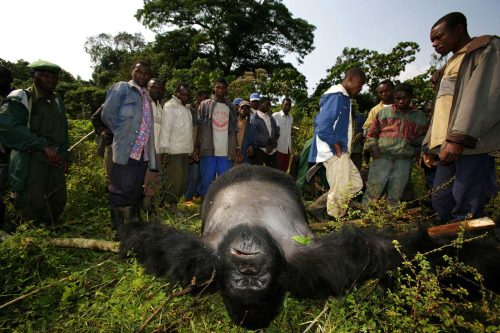
poached gorilla
Financial Sustainability and Ethical Tourism
Gorilla tourism often serves as the financial backbone of gorilla conservation, providing much-needed revenue for park management and community development. However, relying on tourism also presents its own set of limitations and ethical considerations that people do not always openly discuss. Global travel trends, economic stability, and unforeseen events like pandemics are inherently tie to the sustainability of this model. These factors can severely disrupt tourism flows and, consequently, conservation funding.
The high cost of gorilla trekking permits, while intended to limit visitor numbers and generate substantial revenue, also raises questions about accessibility and equity. While the funds are crucial for conservation, they make gorilla tourism an exclusive
experience, potentially limiting broader engagement and support from a wider demographic. Furthermore, the economic benefits of tourism are not always evenly distributed within local communities. While some individuals find employment as guides, porters, or in lodges, others may feel marginalized or that they are not receiving a fair share of the profits, leading to resentment and a lack of incentive to support conservation efforts.
Ethical tourism also extends to the behavior of tourists themselves. Despite briefings and guidelines, some tourists may not fully adhere to rules designed to protect gorillas, such as maintaining distance or refraining from flash photography. The desire for a perfect photo opportunity can sometimes override conservation principles, putting gorillas at risk. Wildlife experts are constantly working to educate tourists and enforce regulations, but the sheer volume of visitors makes complete compliance a continuous challenge. The delicate balance between generating revenue through tourism and minimizing its potential negative impacts on gorillas and local communities is a constant tightrope walk, and the long-term financial sustainability of these conservation models remains a subject of ongoing evaluation and concern.
Beyond the Sanctuary: A Holistic Approach
Recognizing the inherent limitations of relying solely on sanctuary-based conservation, wildlife experts and conservation organizations are increasingly advocating for a more holistic and integrated approach to gorilla protection. This involves expanding efforts beyond the boundaries of protected areas and addressing the root causes of threats to gorilla populations. This recognizes that the long-term survival of gorillas is closely connected to the well-being of the human communities living alongside them and the health of the wider ecosystem.
One critical aspect of this holistic approach is strengthening community-based conservation initiatives. This involves empowering local communities to become active participants and beneficiaries of conservation efforts, rather than viewing them as external threats or passive recipients of aid. Programs that provide alternative livelihoods, promote sustainable agriculture, and improve access to education and healthcare can reduce the pressure on natural resources within gorilla habitats. When communities see direct benefits from conservation, they are more likely to support and participate in anti-poaching efforts, report illegal activities, and adopt practices that minimize human-wildlife conflict. This shift from a protectionist model to one of shared stewardship is vital for creating a sustainable future for both gorillas and people.
Furthermore, a holistic approach emphasizes the importance of transboundary conservation. Gorillas do not recognize political borders, and their habitats often span multiple countries. Effective conservation, therefore, requires strong regional cooperation and coordinated efforts between governments, conservation organizations, and local communities across these borders. This includes harmonizing conservation policies, sharing intelligence on poaching networks, and collaborating on research and monitoring programs. Initiatives like the International Gorilla Conservation Programme (IGCP) exemplify this approach, working across Uganda, Rwanda, and the Democratic Republic of Congo to ensure the long-term survival of mountain gorillas. This collaborative framework is essential for addressing threats that originate outside individual sanctuaries, such as the illegal wildlife trade and regional instability.
Another key element is investing in robust scientific research and adaptive management. While sanctuaries provide valuable data, a broader understanding of gorilla ecology, genetics, and disease dynamics across their entire range is crucial. This includes studying unhabituated populations to understand their natural behaviors and health, which can provide a baseline for assessing the impacts of human interaction. Adaptive management involves continuously monitoring the effectiveness of conservation strategies, learning from successes and failures, and adjusting approaches based on new scientific insights and changing environmental conditions. This iterative process ensures that conservation efforts remain dynamic and responsive to the evolving challenges faced by gorillas.
Finally, a holistic approach calls for greater transparency and public education regarding the complexities of gorilla conservation. While it is important to inspire public support and tourism, it is equally crucial to present a realistic picture of the challenges involved. Openly discussing issues like disease transmission, human-wildlife conflict, and the ethical dilemmas of habituation can foster a more informed and engaged public. This can lead to more effective advocacy, responsible tourism practices, and a deeper appreciation for the intricate balance required to protect these magnificent creatures. By moving beyond simplistic narratives, we can build a stronger foundation for long-term conservation success, ensuring that gorilla sanctuaries are part of a much larger, more resilient conservation landscape.
Conclusion
Gorilla sanctuaries have undoubtedly been instrumental in pulling several gorilla subspecies back from the brink of extinction, offering a vital refuge and a platform for conservation funding through tourism. The increase in mountain gorilla populations from a few hundred to over a thousand individuals is a testament to the dedication and hard work of countless conservationists, rangers, and local communities. However, as this article has explored, the narrative of unmitigated success often overshadows the significant and complex limitations that wildlife experts navigate daily. These challenges, including the ever-present threat of disease transmission from humans, the Subtle yet profound behavioral changes induced by habituation, the persistent pressures of habitat encroachment and human-wildlife conflict, and the inherent vulnerabilities of tourism-dependent funding models, demand a more critical and nuanced understanding.
The insights shared here are not intended to diminish the monumental achievements of gorilla sanctuaries, but rather to highlight the intricate realities of wildlife conservation in an increasingly human-dominated world. The very success of these sanctuaries has, in some ways, created new challenges, requiring constant vigilance and adaptation. The proximity between humans and gorillas, while facilitating tourism and research, also creates pathways for pathogens that could decimate populations lacking immunity.
The economic benefits of tourism, while crucial, come with the ethical responsibility of ensuring equitable distribution and minimizing ecological footprints. And the ongoing battle against poaching and habitat loss continues, often influenced by socio-economic and political factors far beyond the control of park boundaries.
Moving forward, the future of gorilla conservation lies in embracing a truly holistic and transparent approach. This means fostering deeper partnerships with local communities, recognizing their rights and needs, and empowering them as key stakeholders in conservation. It necessitates strengthening transboundary collaborations to protect gorillas across their natural ranges, acknowledging that these animals do not adhere to human-drawn maps. It also requires continuous scientific research and adaptive management strategies to respond to new threats and refine existing approaches. Most importantly, it calls for an honest dialogue with the public, moving beyond idealized portrayals to reveal the full spectrum of challenges and the unwavering commitment required to overcome them.
Ultimately, gorilla sanctuaries are not a panacea but a critical component within a much larger, interconnected conservation strategy. By understanding their limitations and strengths, we can advocate for more comprehensive, ethical, and sustainable solutions. The survival of these magnificent creatures depends not just on protected spaces but on a global commitment to addressing the complex interplay of ecological, social, and economic factors that shape their world. Safari Vacations and Travel Services commits to promoting responsible tourism that supports these comprehensive conservation efforts, ensuring that future generations can continue to witness the wonder of gorillas in their natural habitats.