Gorilla and Chimpanzee Habituation: 7 Amazing Insights

Gorilla and Chimpanzee Habituation: Walking with the Great Apes of Uganda
Gorilla and chimpanzee habituation in Uganda: compare both forests, check permits, plan travel and protect the wildlife.
Gorilla and chimpanzee habituation: the appeal of Uganda’s great apes
Uganda offers two ways to learn from free-ranging great apes. Mountain gorillas live among Bwindi’s steep, tangled slopes, while chimpanzees travel through the high-canopy forest of Kibale. Seeing both rewards patient observers. Rather than rushing between photo stops, visitors accompany authorized field teams and pay attention to the animals’ everyday routines. The result feels like a careful visit to a conservation landscape. A practical introduction to gorilla and chimpanzee habituation helps groups decide which kind of experience they prefer.
These two forest programs reward visitors who value careful observation as much as the sighting. The possibility of gorilla habituation in Bwindi attracts travelers to Uganda’s southwest.
The contrast becomes clearer when chimpanzee habituation in Kibale follows a gorilla visit. Thoughtful Uganda primate safari planning treats both forests as distinct destinations. For many naturalists, extended great ape encounters justify the extra forest days.
Habituation versus a normal tracking visit
Habituation is the gradual process through which an animal group becomes accustomed to the controlled presence of people. It is not training, feeding, taming, or changing the animals into pets. Researchers and trackers approach cautiously over time while monitoring signs of disturbance. Visitors on a special habituation permit can join a carefully supervised activity; a standard tracking permit instead introduces travelers to a group already accustomed to short visits. Many travelers choose gorilla habituation in Bwindi for more time observing family behavior.
Uganda Wildlife Authority guidance sets a maximum of one hour observing animals on ordinary gorilla or chimpanzee tracking visits and a maximum of four hours on designated habituation activities. Those limits describe permitted observation time, not the length of the whole excursion. Finding animals may take considerable walking, and a visit may end sooner for animal welfare, weather, safety or operational reasons. The ranger, not the traveler, controls the duration and route.
For a first-time traveler, gorilla and chimpanzee habituation is easier to understand when compared with ordinary tracking. Unlike standard tracking, gorilla habituation in Bwindi involves a longer supervised observation window.
While gorillas gather in family groups, chimpanzee habituation in Kibale may involve changing parties. Successful Uganda primate safari planning begins by distinguishing two permit types. The longer viewing allowance makes extended great ape encounters qualitatively different.
Gorilla and chimpanzee habituation: where the mountain gorilla experience takes place
The special gorilla activity is associated with the Rushaga area in southern Bwindi Impenetrable National Park. Bwindi has several established trekking sectors, but Accommodation near another sector does not automatically make it convenient for a Rushaga departure. Forest roads curve around deep valleys; even locations that look close on a map can require substantial driving. Confirm the precise reporting point on the permit before booking a lodge. An overnight base near Rushaga simplifies gorilla habituation in Bwindi for early departures.
Rushaga is reached through the southwestern highlands near Kisoro and the surrounding communities. The setting can be misty and surprisingly cold before sunrise, with slippery footpaths after rain. Groups move under the guidance of trained personnel who know the area and the latest information from trackers. A nearby overnight stay gives guests a calmer start than a long pre-dawn drive from a distant park gate.
Choosing the right Bwindi sector before lodging is essential for a smooth trip. Booking gorilla habituation in Bwindi means identifying Rushaga rather than any generic Bwindi lodge.
Including chimpanzee habituation in Kibale introduces a different forest ecosystem. Good Uganda primate safari planning chooses the correct sector and nearby lodging. Extended great ape encounters should be matched with the right Bwindi access route.
Gorilla and chimpanzee habituation is a choice about time, fitness and priorities, not just expense. Approach gorilla habituation in Bwindi as a privileged encounter with free-ranging animals. The appeal of chimpanzee habituation in Kibale is learning about a living community. Clear expectations are the final stage of Uganda primate safari planning. Travelers should approach extended great ape encounters without demanding scripted sightings.

Discuss dates, permit categories and the right lodge locations before making a payment.
Where the chimpanzee activity takes place
Kibale National Park lies near Fort Portal in western Uganda and protects a mosaic of tropical forest supporting chimpanzees and other primates. For the habituation outing, travelers report at the entry point and time specified by the park arrangements. The forest is generally lower and less mountainous than southern Bwindi, but the route can still involve mud, roots and long periods on foot. Arrange chimpanzee habituation in Kibale around the confirmed forest briefing time.
Chimpanzees are exceptionally mobile. They may feed in treetops, travel swiftly across the forest floor or scatter into smaller parties. Their calls often announce their presence before they can be seen. Patience makes a difference here: an open view can last seconds, while observing quietly from one position may reveal subtle grooming, play, social tension and careful movement through the canopy.
The combined trip also depends on planning the correct Kibale departure point. A traveler combining forests should secure gorilla habituation in Bwindi before routing the journey.
The meeting point for chimpanzee habituation in Kibale should be confirmed in writing. Careful Uganda primate safari planning builds around the Kibale briefing location. At Kibale, extended great ape encounters can involve attentive listening and patient walking.
How a gorilla habituation morning unfolds
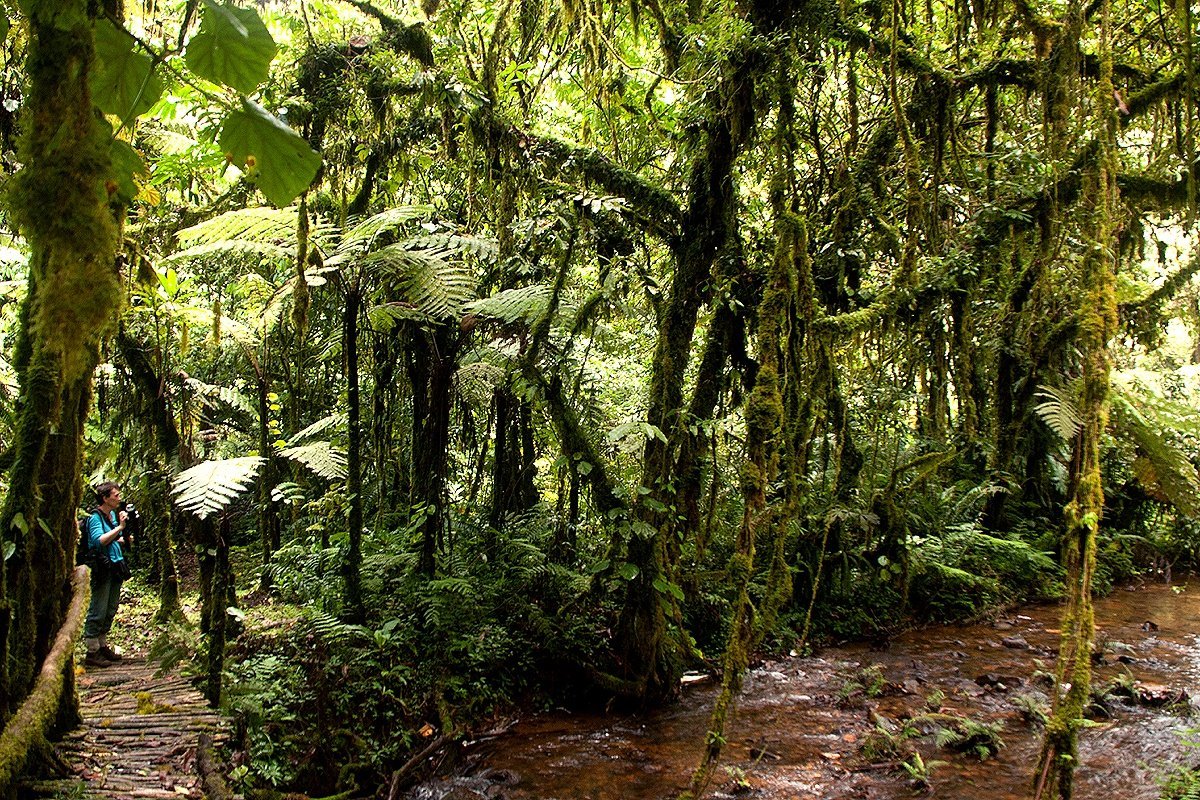
Expect an early briefing, a check of permits and identification, and detailed instructions from the ranger team. The group then sets out through vegetation that can be dense, wet and steep. The walk may cross narrow slopes or climb through forest where visibility is limited. A porter can carry a daypack and help travelers manage the terrain, but the visitor still needs enough stamina to keep moving safely. During chimpanzee habituation in Kibale, participants should expect active forest movement.
Once the designated gorilla family is located, the guide sets positions and explains acceptable behavior. Some animals may rest close together while others feed or wander away. Researchers may note group composition, interactions and movements. Travelers should be ready to remain still for long stretches and should not expect a silverback to pose for photographs. Quiet observation usually gives the most satisfying understanding of family relationships.
During gorilla and chimpanzee habituation, ranger instructions determine how guests approach the wildlife. On the morning of gorilla habituation in Bwindi, boots and a daypack matter more than luxury clothing.
Travellers should prepare for long periods of movement during chimpanzee habituation in Kibale. Before departure, Uganda primate safari planning should include equipment and porter decisions. The rules protecting extended great ape encounters begin at the briefing point.
How the chimpanzee day differs
A chimpanzee habituation day also starts early, with park staff introducing the forest rules before the group follows the animals’ changing route. Chimpanzees are more arboreal and often move rapidly between feeding areas. The soundscape can shift from birdsong to loud calls within moments. Visitors therefore spend time listening, waiting, moving and stopping again rather than following a fixed circuit with predictable viewpoints. Detailed Uganda primate safari planning allows two restful nights near each activity.
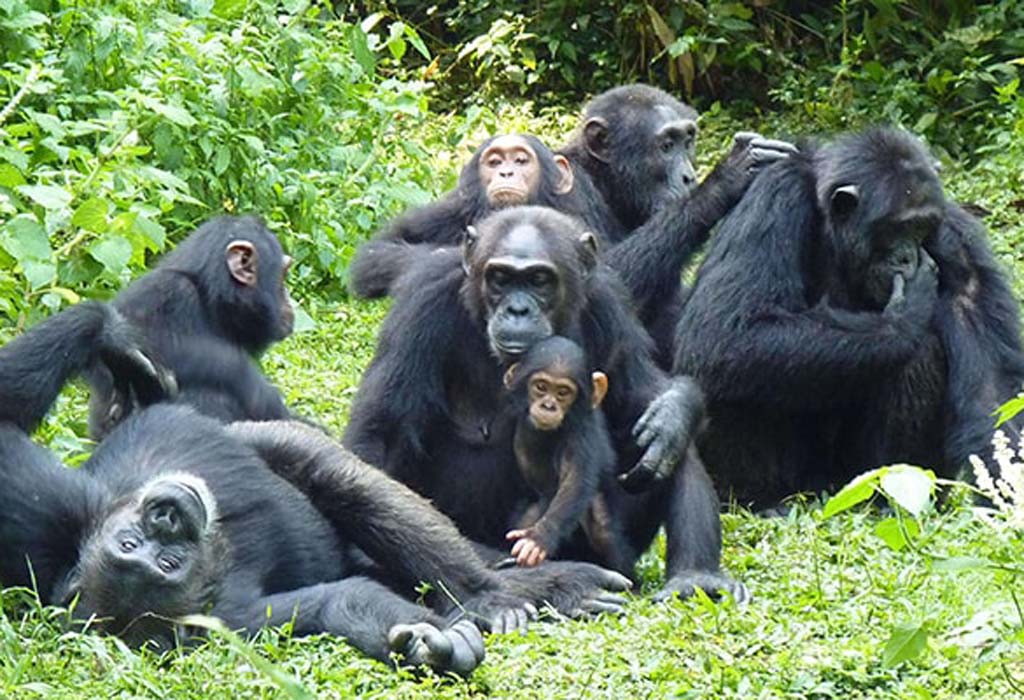
Look for practical details beyond the most dramatic displays: a mother holding a young animal, an adult selecting fruit, or individuals exchanging contact calls. These ordinary moments explain how a community functions. Dense foliage often interrupts visibility, so binoculars can be useful even on a photography-oriented visit. The guide decides when the group should move and when it is better to remain quietly in place.
Gorilla and chimpanzee habituation reveals different rhythms of movement between the two species. The pace of gorilla habituation in Bwindi can be slow even when the forest walk is demanding.
Listening is central to chimpanzee habituation in Kibale because calls can precede sightings. Sound Uganda primate safari planning leaves room for chimpanzees’ changing movements. Extended great ape encounters allow travelers to notice subtle social interactions.
Discuss dates, permit categories and the right lodge locations before making a payment.
Four hours does not mean four hours of hiking
The phrase four-hour habituation is sometimes misunderstood. The published limit describes the maximum observation period after the wildlife is found, not a guaranteed total time in the park. Getting to the animals and returning to the briefing location can increase the outing substantially. One group may be found relatively quickly while another has moved into difficult ground overnight. A packed lunch and flexible schedule are sensible. A realistic calendar makes Uganda primate safari planning easier to follow.
Do not schedule a tight airport connection after either activity. Weather, animal movement, walking speed and safety decisions can all change the finish time. A lodge meal and a quiet evening are more realistic than another distant excursion immediately afterward. If your driver is waiting, agree on the rendezvous arrangements before entering an area where mobile reception may be unreliable.
Gorilla and chimpanzee habituation should be scheduled as an activity day, not a short stop. Allow the whole day for gorilla habituation in Bwindi regardless of the stated viewing limit.
Allow a full activity day for chimpanzee habituation in Kibale without onward deadlines. A realistic Uganda primate safari planning checklist never assumes a fixed finish time. Time buffers are as important as permits for extended great ape encounters.
Before booking, gorilla and chimpanzee habituation should be checked against current park schedules. Ask how gorilla habituation in Bwindi is supervised on your preferred dates. Confirm availability before promising chimpanzee habituation in Kibale to your group. Checking travel documents remains an essential step in Uganda primate safari planning. An operator should explain the limits of extended great ape encounters clearly.
Choosing between gorillas and chimpanzees
Gorillas often reward observation of stable family groups: feeding, grooming, protective behavior and the interactions of infants with older animals. The surroundings are dramatic, but walking on steep slopes may be demanding. Chimpanzees offer a different kind of complexity, with fluid social groups, active tree climbing and sometimes intense vocal exchanges. Neither activity is objectively better; the right choice depends on fitness and curiosity. Patient travelers appreciate extended great ape encounters for their observational depth.
Gorilla and chimpanzee habituation offers an informed comparison rather than a contest between species. For family-focused wildlife watchers, gorilla habituation in Bwindi highlights quieter social behavior.
Birdsong and group calls give chimpanzee habituation in Kibale a distinctive atmosphere. Comparing species is one of the pleasures of Uganda primate safari planning. Extended great ape encounters are most compelling when visitors resist ranking the animals.
Who should book the longer experience
Longer encounters suit people who are comfortable walking slowly, standing for extended periods and following detailed instructions. Photographers value extra time to wait for changes in light, while wildlife enthusiasts enjoy hearing guides interpret behavior. The experience may be frustrating for anyone expecting close-up selfies, constant action or an entirely predictable timetable. Families should check minimum-age requirements and confirm each traveler’s eligibility before paying. The distinctive appeal of extended great ape encounters is time to watch ordinary behavior.
Gorilla and chimpanzee habituation suits patient observers more than travelers seeking constant action. Guests considering gorilla habituation in Bwindi should be comfortable with uncertainty.
Chimpanzee habituation in Kibale is especially appealing to visitors interested in social behavior. Flexible Uganda primate safari planning suits naturalists and photographers especially well. People choosing extended great ape encounters should be comfortable with unplanned pauses.
Physical preparation and realistic fitness
Start preparing weeks before departure with regular hill walks, stairs and moderate hikes in the footwear you intend to use. The gorilla route can include steep climbs and wet vegetation; Kibale may involve prolonged movement over roots and uneven ground. Exact distances cannot be predicted in advance. A person who walks comfortably at home may still find slow, muddy terrain more tiring than expected.
Speak frankly with the operator about mobility restrictions, recent injuries and any medical concerns that could affect a long forest walk. Porters help with equipment but do not replace safe personal movement. Carry enough drinking water and arrange manageable rest breaks when the ranger allows them. The objective is not to race the group; it is to maintain a steady pace without causing unsafe delays.
Gorilla and chimpanzee habituation is physically easier to enjoy with advance hill-walking practice. Hill practice is especially useful before gorilla habituation in Bwindi.
Fitness also matters during chimpanzee habituation in Kibale, despite gentler terrain. Fitness preparation belongs in Uganda primate safari planning from the start. Moderate walking fitness helps visitors enjoy extended great ape encounters.
Discuss dates, permit categories and the right lodge locations before making a payment.
Permit categories and changing prices
Special habituation permits are separate from standard gorilla and chimpanzee tracking permits. Rates depend on the activity date and the visitor’s official category, including foreign non-resident, foreign resident, rest-of-Africa and East African Community status. Documentation matters: a visitor booked in the wrong category can face problems at registration. Ask for a written quotation that identifies each permit, its date and its park location.
Uganda Wildlife Authority materials list a foreign non-resident gorilla habituation fee of US$1,500 under the July 2024–June 2026 schedule, while its published 2027–2028 revised tariff lists US$1,800. The 2027–2028 tariff lists US$400 for foreign non-resident chimpanzee habituation at Kibale. Do not assume any older web price applies to your travel date; obtain the valid schedule from the booking operator before making a nonrefundable payment.
Gorilla and chimpanzee habituation needs two distinct permits with date-specific charges. Confirm the permit tariff for gorilla habituation in Bwindi according to the actual travel date.
Check the correct category and rate for chimpanzee habituation in Kibale. Date-specific permit prices are essential to Uganda primate safari planning. Permits for extended great ape encounters differ from routine trekking charges.
Booking permits without avoidable mistakes
Begin with your intended travel month, group size and the dates you can be flexible. The operator should verify that the two different habituation permits can be obtained on suitable dates before reserving costly lodging or transport. A confirmation should clearly distinguish the activity from ordinary tracking. If a quotation says only “gorilla trek” or “chimp trek,” ask whether it refers to the special extended activity.
Permit availability is controlled by Uganda Wildlife Authority and can be limited. A website description, payment request or sample itinerary is not proof of an actual reserved slot. Confirm the booking reference and the correct traveler details with your provider. Study cancellation, rescheduling and illness procedures, and retain digital and printed copies of the confirmation. Build some date flexibility into plans whenever possible.
Gorilla and chimpanzee habituation reservations should precede nonrefundable accommodation choices. Never confuse ordinary tracking reservations with gorilla habituation in Bwindi.
An ordinary chimp trek is not the same booking as chimpanzee habituation in Kibale. Uganda primate safari planning works best when the permit calendar leads hotel selection. Confirm dates early because extended great ape encounters have limited capacity.
Best seasons for a forest-focused safari
June through September and December through February are often favored for comparatively drier walking conditions, although rain is possible in Uganda’s tropical forests in every month. The wetter periods can bring lush scenery and quieter lodges, but slippery hillsides and overcast skies may require more effort. No seasonal calendar can predict precisely where a gorilla family or chimpanzee community will be found.
Choose dates according to personal priorities rather than one supposed perfect week. Photographers may appreciate soft light and green backdrops; walkers who worry about mud may prefer drier periods. Bring rain protection regardless of season. A well-designed route also allows for delays on rural roads and makes sure a lodge near the park is available on the night before each early activity.
Gorilla and chimpanzee habituation can be rewarding year-round if walking conditions are respected. Rain is possible during gorilla habituation in Bwindi in any month.
Rain gear remains essential for chimpanzee habituation in Kibale in drier months. Seasonal weather should inform Uganda primate safari planning without dictating the entire trip. Weatherproof preparation helps keep extended great ape encounters comfortable.
The long-term value of gorilla and chimpanzee habituation lies in respectful learning. Good preparation for gorilla habituation in Bwindi begins before the flight to Uganda. Good preparation for chimpanzee habituation in Kibale includes walking and quiet observation. Building recovery time protects the quality of Uganda primate safari planning. Space between forest days improves the quality of extended great ape encounters.

What to wear and carry into the forest
Wear broken-in waterproof boots with good grip, long trousers, a breathable long-sleeved shirt and practical gardening-style gloves for vegetation. A light waterproof jacket, hat and quick-drying layers help with changing temperatures. Neutral colors are sensible. Avoid new boots, loose straps and bulky equipment that can catch branches. A small backpack should hold water, snacks for approved breaks, medication and spare dry items.
Use a rain cover or waterproof liner for cameras and papers. Take a fully charged battery and enough storage, but leave unnecessary electronics at the lodge. Binoculars help when chimpanzees move high into the canopy. Staff may restrict eating or drinking near the animals, so follow directions before using your supplies. Carry all litter out, including tissues and organic waste, rather than leaving anything behind.
Gorilla and chimpanzee habituation calls for light, weatherproof gear rather than heavy suitcases. Long trousers and gloves help during gorilla habituation in Bwindi.
Binoculars are useful on chimpanzee habituation in Kibale when animals climb high. Layered clothing belongs on every Uganda primate safari planning checklist. Simple, reliable equipment is preferable during extended great ape encounters.
Discuss dates, permit categories and the right lodge locations before making a payment.
Health, distance and respectful viewing
Great apes can be vulnerable to human infections, so visitors must take respiratory symptoms and other illness seriously. If you are unwell, inform the operator or park staff rather than hiding symptoms. Observe the distance set by rangers, never touch an animal, and never feed it. Turn off camera flash and avoid sudden movements. These rules protect both tourists and the animals whose habitats support the experience.
Do not step toward a gorilla or follow a chimpanzee to improve a photograph. If an animal approaches, remain calm and follow the guide’s specific instructions. Looking down or adjusting your posture may be requested in a particular situation. Treat the ranger’s judgment as authoritative because each encounter has its own context. Respecting limits is part of responsible wildlife travel, not a reduction in its value.
Gorilla and chimpanzee habituation remains responsible only when visitors protect the animals’ health. Health declarations are important before gorilla habituation in Bwindi.
Visitors with symptoms should report them before chimpanzee habituation in Kibale. Health precautions must be part of Uganda primate safari planning, not an afterthought. Respecting illness rules is fundamental to ethical extended great ape encounters.
Photographing apes under the forest canopy
Rainforest light is uneven, with deep shade interrupted by bright patches. A camera that performs well at higher ISO settings can be helpful, and a fast shutter speed may be necessary for moving chimpanzees. Avoid flash. Concentrate on behavior and composition rather than trying to get an uninterrupted close portrait. Be prepared to lower the camera when the guide needs the group to move.
The strongest images often show relationships: a mother watching an infant, an adult resting under leaves, or two chimpanzees quietly grooming. Forest context can be as meaningful as a tight close-up. Keep bags closed and lenses protected when rain begins. The activity’s longer potential observation window creates opportunities, but does not promise ideal lighting or a clear sightline through dense branches.
Gorilla and chimpanzee habituation provides time for thoughtful photographs, never guaranteed close-ups. Natural light changes quickly during gorilla habituation in Bwindi.
Shade and motion challenge photographers during chimpanzee habituation in Kibale. Camera choices should support Uganda primate safari planning rather than dominate it. Photographic patience helps visitors appreciate extended great ape encounters.
Getting to Kibale and southern Bwindi
Most international arrivals enter Uganda through Entebbe. Kibale is commonly reached by road via Fort Portal; Bwindi’s Rushaga area lies much farther southwest. Travel between the forests is a major part of a combined itinerary, not a quick shuttle. Exact road times vary with route choice, weather, traffic and stops. Drivers familiar with western Uganda can plan realistic departures and suitable rest breaks.
Some itineraries combine domestic flights with road transfers, but travelers should verify the specific airstrip, departure schedule, baggage allowance and onward driving time. A flight cannot eliminate the need for a transfer to the correct sector. Build itineraries around permits first, then choose the most sensible direction of travel. Avoid changing hotels every night merely to shorten a route on paper.
Gorilla and chimpanzee habituation requires acknowledging the long journey between western Uganda’s forests. Road planning for gorilla habituation in Bwindi should account for the final Rushaga approach.
Transfer timing for chimpanzee habituation in Kibale depends on your western Uganda route. Western Uganda transfer times deserve attention in Uganda primate safari planning. Road transfers should never overshadow the purpose of extended great ape encounters.

An example seven-day great-ape itinerary
Day one is arrival in Entebbe and an overnight rest. On day two, drive toward Kibale, pausing when practical for scenery and a meal. Day three is reserved for the chimpanzee activity, followed by an easy evening. On day four, travel south toward Bwindi; the journey can include a sensible stop near Queen Elizabeth National Park depending on road conditions and the pace of the trip.
Day five is best used for the remaining transfer and a restful night near Rushaga if the previous day’s drive was broken up. Day six is the gorilla habituation outing, with no long-distance onward drive booked afterward. Day seven is departure travel or an extension. A longer eight- or nine-day route is more comfortable for photographers, first-time visitors and anyone who wants wildlife drives without rushing.
Gorilla and chimpanzee habituation fits a measured seven-day journey better than a rushed weekend. Keep an overnight buffer before gorilla habituation in Bwindi on a multi-park itinerary.
An overnight stay near Fort Portal makes chimpanzee habituation in Kibale more manageable. An unhurried seven-day example offers a starting point for Uganda primate safari planning. The sample itinerary makes room for extended great ape encounters on separate days.
Discuss dates, permit categories and the right lodge locations before making a payment.
Adding Queen Elizabeth and community visits
The route between the two forests can be enriched by time in the Queen Elizabeth ecosystem, where savannah wildlife contrasts with rainforest encounters. An additional night allows a game drive, a boat trip where operating, or a visit to a local project that welcomes guests. These are optional additions, not substitutes for the two forest permits. Keep the priority clear if time is tight.
Near Kibale, guided community experiences and wetland walks can introduce travelers to local conservation initiatives and birdlife. Around Bwindi, a responsible cultural visit can add context about people living near protected forests. Choose providers who explain how fees support guides or communities. Avoid attractions that encourage unsafe animal interaction or present local people as performers rather than hosts.
Gorilla and chimpanzee habituation pairs well with carefully chosen cultural or savannah stops. Savannah visits can complement gorilla habituation in Bwindi without replacing rest.
Wetland visits work well after chimpanzee habituation in Kibale when energy allows. Optional game drives make Uganda primate safari planning more varied for some guests. Wildlife drives are an optional contrast to extended great ape encounters.
Ultimately, gorilla and chimpanzee habituation is most rewarding when the itinerary remains flexible. After gorilla habituation in Bwindi, leave time to rest and reflect. After chimpanzee habituation in Kibale, give yourself time to consider what you learned. Practical Uganda primate safari planning favors accuracy over ambitious schedules. Ultimately, extended great ape encounters reward humility and patient curiosity.
Accommodation and where to spend the night
For the chimpanzee activity, choose accommodation with a realistic drive to the assigned Kibale meeting point. For the gorilla activity, favor a lodge near the Rushaga reporting area rather than a distant Bwindi sector. Categories range from simple guesthouses to premium forest lodges, but location, road access and an early breakfast matter more than a room’s marketing label.
Ask whether packed meals are available, whether the vehicle can reach the lodge in rainy weather and when the property can organize a wake-up call. A comfortable bed and a dry place to store boots become valuable after a demanding day. Check if laundry, a porter arrangement and transport to the park gate are included or separately charged. Request current written terms, not an assumed package inclusion.
Gorilla and chimpanzee habituation is more comfortable when both park nights are near the meeting points. Select nearby accommodation for gorilla habituation in Bwindi when possible.
Choose a lodge close to the briefing point for chimpanzee habituation in Kibale. The right lodge location improves Uganda primate safari planning considerably. Proper lodge selection supports early starts for extended great ape encounters.

Budgeting a combined adventure
Calculate the trip in layers: two separate habituation permits, transport and driver, lodging, meals, optional activities, porter support, tips, insurance and potential flight costs. The permits are a substantial fixed expense, but the length and style of the road journey can also affect the final figure. An apparently cheap package may exclude important transfers or offer standard tracking rather than the special programs.
Gorilla and chimpanzee habituation costs are easiest to compare when every inclusion is itemized. The fees for gorilla habituation in Bwindi should be itemized separately.
Distinguish the permit cost for chimpanzee habituation in Kibale in every quotation. Budget transparency makes Uganda primate safari planning less stressful. An accurate cost breakdown prevents surprises when buying extended great ape encounters.
Conservation and what your visit supports
Well-managed primate tourism can contribute to protected-area operations, field staff and local economic opportunities, but visitor behavior determines whether these benefits are responsible. Permits limit access and park personnel establish viewing rules to reduce disturbance. The forest should never be treated as an unlimited photo studio. Sustainable travel means respecting routes, keeping a safe distance and recognizing that researchers are working with living animals.
Ask prospective operators about licensed guiding, porter arrangements, community partnerships and how they respond to a visitor who is sick. Read the cancellation policy instead of assuming fees can always be recovered. Consider combining your park days with locally operated services rather than choosing only remote luxury facilities. Small practical decisions can make the journey more beneficial without exaggerating its impact.
Gorilla and chimpanzee habituation should advance conservation aims rather than visitor demands. Ranger guidance defines the ethical limits of gorilla habituation in Bwindi.
Protecting habitat is part of the wider value of chimpanzee habituation in Kibale. Community and conservation questions strengthen Uganda primate safari planning. Responsible guiding is what makes extended great ape encounters sustainable.
Discuss dates, permit categories and the right lodge locations before making a payment.
Frequently asked questions and final decisions
Can both experiences happen in one day? No sensible itinerary should attempt that: the parks are geographically separate and both activities start early. Are sightings guaranteed? No. Does a four-hour permit mean four hours of uninterrupted close photographs? Also no. The permit provides a supervised opportunity subject to wildlife movements and safety rules. Travelers should think of the activity as learning in the forest rather than buying a specific image.
Is a standard track a poor alternative? Not at all. A one-hour visit may fit a shorter budget, limited mobility or a broader trip. If a traveler wants deeper time with both species, the habituation combination can be rewarding. Choose realistic dates, check the correct permit categories, and protect rest time between demanding days. The most memorable moments often come when travelers stop expecting the forest to perform on cue.
Gorilla and chimpanzee habituation is a choice about time, fitness and priorities, not just expense. Approach gorilla habituation in Bwindi as a privileged encounter with free-ranging animals.
The appeal of chimpanzee habituation in Kibale is learning about a living community. Clear expectations are the final stage of Uganda primate safari planning. Travelers should approach extended great ape encounters without demanding scripted sightings.
Sources: Uganda Wildlife Authority tracking guidelines (2024) and tariff (2027–2028). Confirm rates before booking.