
15 Amazing food in Uganda Experiences | Ultimate Guide
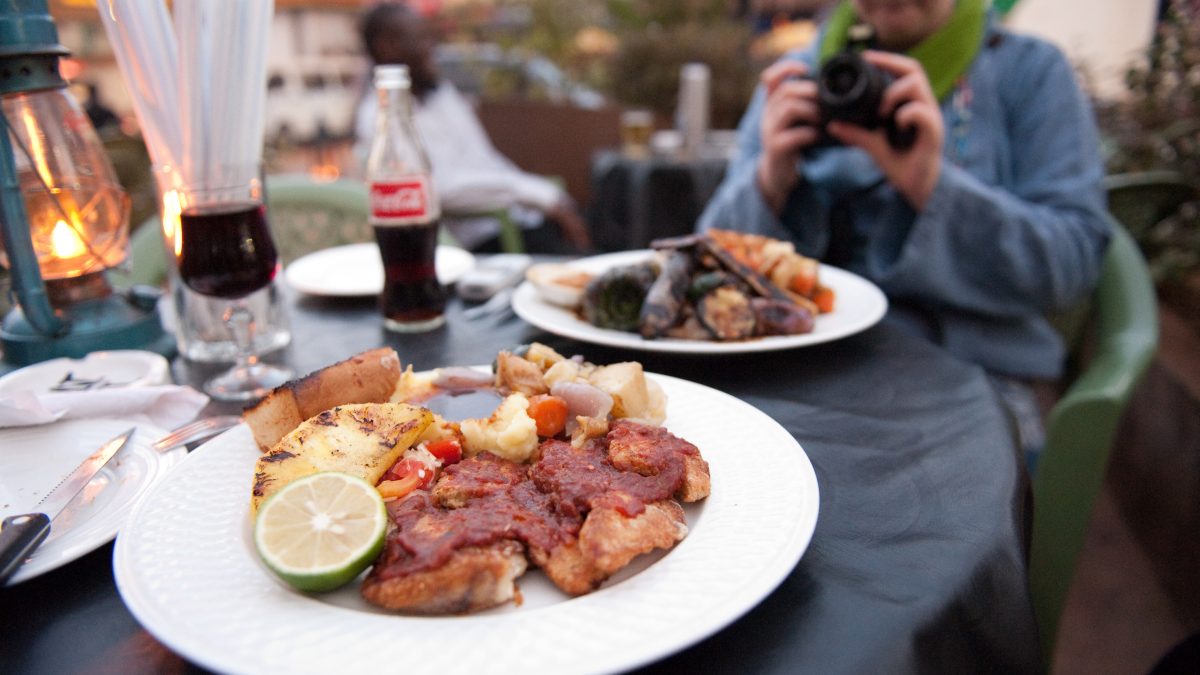
15 Amazing Ways to Discover food in Uganda
A practical visitor guide to comforting staples, exciting street snacks, regional tastes, market discoveries and thoughtful dining on safari.
Understanding food in Uganda: what to expect
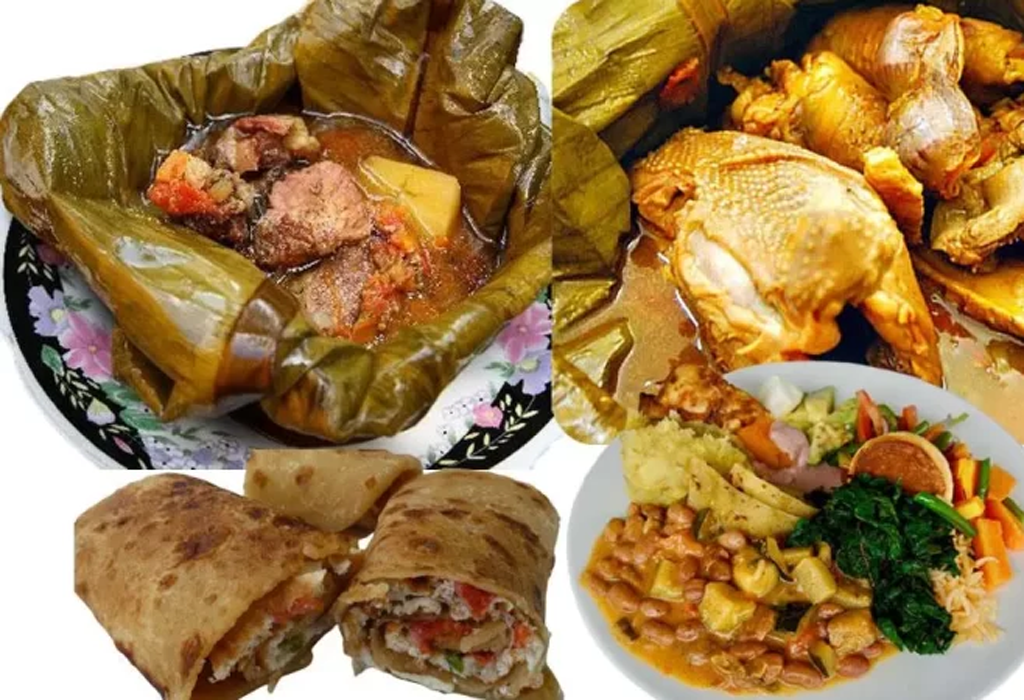
One of the most memorable ways to understand a destination is to sit down at its table. Food in Uganda tells stories of fertile banana-growing country, busy roadside stalls, lakeside fishing communities, family celebrations and farms that support everyday meals. The country's cooking is not one single recipe. Visitors exploring food in Uganda should notice the smaller regional differences. Watching Ugandan street food culture can be as enjoyable as tasting the snacks. This Uganda food travel guide is most valuable when used flexibly.
A thoughtful Uganda travel guide can help connect mealtimes with road transfers, wildlife excursions and local encounters, including Lake Mburo excursions. Try a few dishes slowly, ask what ingredients are used and leave room for the unexpected favorite. The story behind traditional food of Uganda is richer than a restaurant menu. Many local Ugandan food dishes begin with ingredients grown close to home.
What makes Ugandan cooking distinctive?
An everyday meal often combines a filling starch, a sauce rich in flavor and at least one vegetable. Steamed cooking bananas, maize meal, rice, cassava, sweet potatoes and millet preparations are all familiar, but regional emphasis varies. Sauces may contain groundnuts, beans, fish, meat or vegetables, with onion and tomato commonly providing the base. A variety of local Ugandan food dishes can suit different dietary preferences.
Cooking methods matter as much as ingredients. Banana leaves can wrap food for steaming, charcoal adds smokiness to roadside roasting and slow simmering makes legumes tender. Exploring Uganda culture adds context to these gestures. Families approach food in Uganda through experience, memory and ingredients. The best introduction to Ugandan street food culture focuses on fresh preparation. A practical Uganda food travel guide should leave room for unexpected discoveries.
food in Uganda: matooke and the green banana tradition
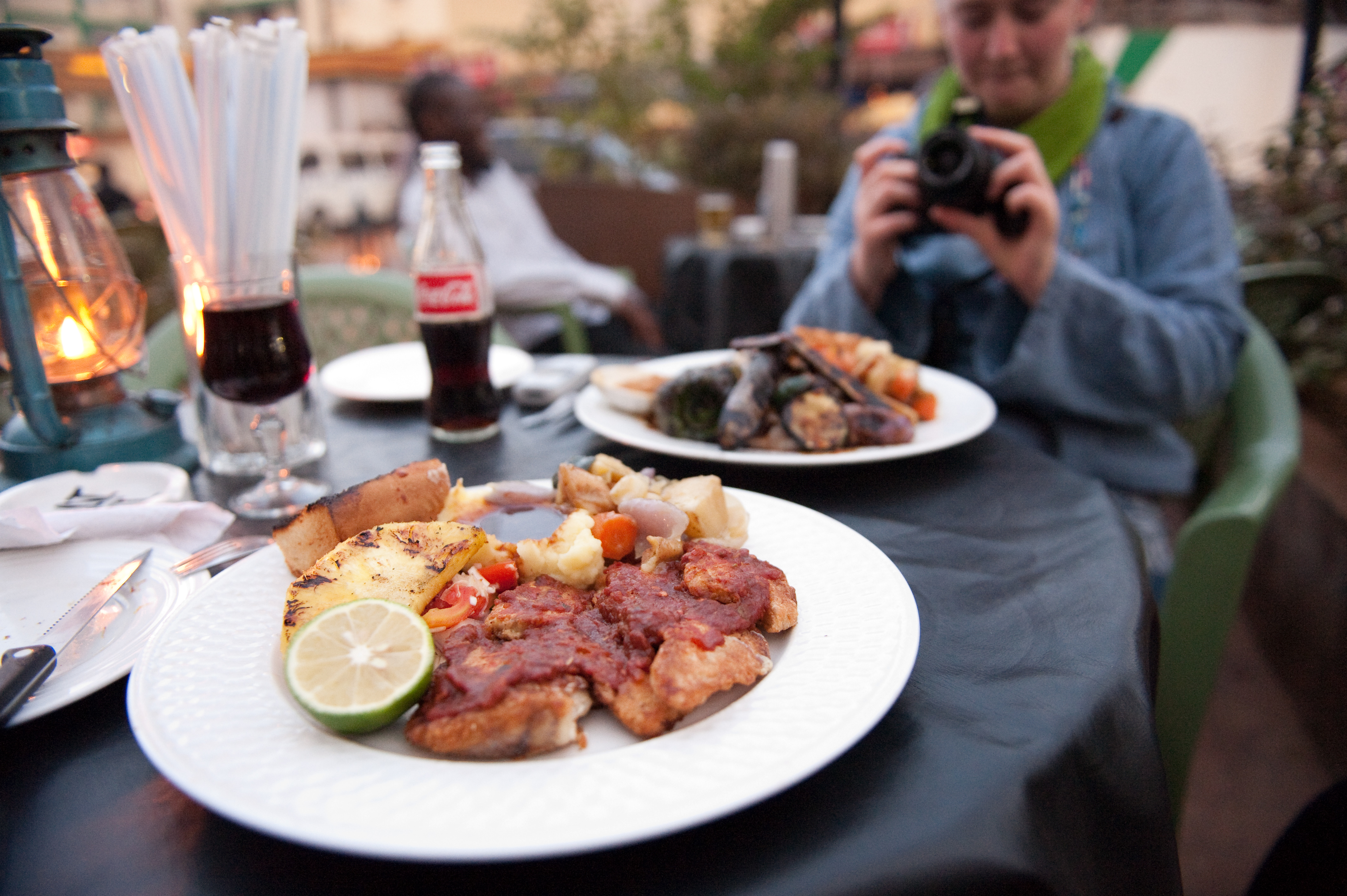
Matooke refers to green cooking bananas and, in many contexts, the soft dish made from them. Do not expect the sweetness of a dessert banana. This is a savory starch, filling enough for a substantial lunch after a long morning of activities. For tourists, food in Uganda is more rewarding when tasted slowly. Treat any Uganda food travel guide as a starting point, not a fixed menu.
Order matooke with groundnut sauce, a bean stew or a meat accompaniment, depending on your preference. Ask whether the cooking uses banana leaves if that method interests you. Take time to understand how farmers, traders and cooks each contribute to the finished plate. A careful introduction to traditional food of Uganda starts with familiar staples. Ask about sauces when comparing local Ugandan food dishes at different venues.
Luwombo: a banana-leaf celebration dish
Chicken, beef, mushrooms, fish or groundnut sauce can be enclosed in a carefully folded banana-leaf parcel and gently steamed. The packet helps hold moisture, allowing ingredients to cook into a tender, aromatic dish. The pleasure is not just in tasting it but in opening the parcel and seeing how the ingredients have been prepared. Understanding traditional food of Uganda benefits from talking with knowledgeable cooks.
Clarify the filling before ordering: a mushroom version may suit vegetarians, but sauces and stock still need checking. Travelers interested in the wider setting can explore cultural encounters as well as the cooking. An introduction to food in Uganda should include questions about preparation. A guide can explain how Ugandan street food culture changes across neighborhoods. A thoughtful Uganda food travel guide helps visitors balance meals and activities.
Ask about food stops, dietary needs and compatible safari activities before selecting your travel dates.
The appeal of food in Uganda: groundnut sauces
The texture ranges from smooth and creamy to thick and rustic, and the seasoning varies from kitchen to kitchen. Some versions are prepared with vegetables, while others incorporate smoked fish or meat. Never assume that two sauces sharing the same name are made with identical ingredients. Conversations about food in Uganda often begin with seasonal produce. Approach Ugandan street food culture with curiosity and sensible hygiene habits.
If you have a peanut allergy, avoid groundnut dishes and explain the allergy clearly to staff, including the need to prevent cross-contact. A cook may describe how groundnuts are roasted, pounded or processed into paste; these details make a familiar ingredient seem new. Good examples of traditional food of Uganda reflect personal and regional preferences. Regional influences help distinguish local Ugandan food dishes on the table.
Rolex: Uganda’s famous rolled-egg street snack

Despite the name, a rolex is not a watch. It is typically an omelette rolled inside a chapati, often accompanied by cabbage, onion, tomato or other chopped vegetables. The appeal lies in the combination of a warm flatbread, freshly cooked egg and crisp filling. The story behind traditional food of Uganda is richer than a restaurant menu. Many local Ugandan food dishes begin with ingredients grown close to home.
You can often ask for more vegetables, less oil or no chilli. A Kampala city tour can be an opportunity to try one with a knowledgeable local guide rather than choosing an unfamiliar stall at random. Eat it soon after preparation for the best texture. Visitors exploring food in Uganda should notice the smaller regional differences. Watching Ugandan street food culture can be as enjoyable as tasting the snacks. This Uganda food travel guide is most valuable when used flexibly.
Chapati, mandazi and everyday snacks

It is a pan-cooked flatbread made from wheat flour, oil and water, sometimes layered or rolled before cooking. Mandazi is a fried dough snack, often lightly sweet, that suits breakfast, an afternoon pause or a bus-stop tea break. Families approach food in Uganda through experience, memory and ingredients. The best introduction to Ugandan street food culture focuses on fresh preparation. A practical Uganda food travel guide should leave room for unexpected discoveries.
Samosas, roasted groundnuts, boiled maize and seasonal fruit also appear at markets and roadside stops. If you are heading toward eastern Uganda for Jinja activities, leave flexibility for a stop at a well-kept cafe. Carry drinking water, wash or sanitize your hands and avoid keeping perishable snacks unrefrigerated for long. Learning about traditional food of Uganda connects ingredients with local history. A variety of local Ugandan food dishes can suit different dietary preferences.
Katogo: a hearty breakfast in one pot
Katogo is a combination dish rather than one fixed recipe. It is especially practical on days when a traveler needs lasting energy. The dish may look different between a family kitchen, a market cafe and a hotel specializing in local breakfast dishes. A careful introduction to traditional food of Uganda starts with familiar staples. Ask about sauces when comparing local Ugandan food dishes at different venues.
Ask which version is being served that morning, since the ingredients are not always listed in detail. A vegetarian katogo with beans can be approachable, while a version containing offal may appeal to adventurous eaters. Before an early Entebbe excursion, a modest serving might be more practical than a very large plate. For tourists, food in Uganda is more rewarding when tasted slowly. Visitors encounter Ugandan street food culture while passing through busy towns. Treat any Uganda food travel guide as a starting point, not a fixed menu.
food in Uganda and the everyday staples
Posho is a firm maize meal porridge that accompanies beans, meat stew and vegetables in many settings. Rice is widely served too, with plain boiled rice especially common alongside stews. An introduction to food in Uganda should include questions about preparation. A guide can explain how Ugandan street food culture changes across neighborhoods. A thoughtful Uganda food travel guide helps visitors balance meals and activities.
Millet-based preparations, including kalo in some western communities, have their own flavor and texture. For an introduction to regional traditions, cultural tourism sites can add a valuable layer to the culinary story. The most rewarding comparisons often happen through ordinary, affordable meals. Understanding traditional food of Uganda benefits from talking with knowledgeable cooks. Freshness and careful cooking matter for local Ugandan food dishes everywhere.
Beans, leafy greens and vegetable dishes

Beans appear in homes, cafes and safari lodges as a filling, reasonably accessible protein source. Leafy vegetables such as dodo and nakati are often cooked rather than served raw, and cabbage or other greens may accompany a complete plate. Pumpkin, eggplant and seasonal garden produce bring additional color. Good examples of traditional food of Uganda reflect personal and regional preferences. Regional influences help distinguish local Ugandan food dishes on the table.
A sauce that looks vegetarian could contain stock, milk, ghee or smoked fish. Tell your host what you avoid and ask how a dish is cooked. When eating at markets, wash fruit or choose varieties you can peel yourself. Conversations about food in Uganda often begin with seasonal produce. Approach Ugandan street food culture with curiosity and sensible hygiene habits. Your Uganda food travel guide becomes more useful with local recommendations.
Fish from Uganda’s lakes and waterways

Freshwater fish is an important part of dining around Uganda's lakes. Portions can be large, so ask whether a whole fish is suitable for sharing and whether side dishes are included. Visitors exploring food in Uganda should notice the smaller regional differences. Watching Ugandan street food culture can be as enjoyable as tasting the snacks. This Uganda food travel guide is most valuable when used flexibly.
Lake Victoria dining is especially appealing near Entebbe, where seafood can be paired with a relaxed afternoon near the water. A Lake Victoria boat ride is a separate experience that helps visitors understand the lake beyond the restaurant table. The story behind traditional food of Uganda is richer than a restaurant menu. Many local Ugandan food dishes begin with ingredients grown close to home.
Ask about food stops, dietary needs and compatible safari activities before selecting your travel dates.
Muchomo, gonja and the roadside grill
Muchomo refers broadly to roasted meat, often prepared over charcoal at roadside stands or gathering places. Beef, goat and chicken are common possibilities, depending on the vendor. Order meat cooked thoroughly and avoid pieces that have been sitting at room temperature for an uncertain period. Learning about traditional food of Uganda connects ingredients with local history. A variety of local Ugandan food dishes can suit different dietary preferences.
At some stops you may also encounter roasted maize or groundnuts. The journey to Murchison Falls National Park or another destination can include memorable food stops, but allow enough time so meals do not interrupt essential wildlife activities. A short stop is best planned, not improvised in a rush. Families approach food in Uganda through experience, memory and ingredients. The best introduction to Ugandan street food culture focuses on fresh preparation. A practical Uganda food travel guide should leave room for unexpected discoveries.
Pilau and the influence of trade
Its place on the table reflects the exchange of ingredients and cooking ideas across East Africa. Urban kitchens also offer chapati, samosas and other foods shaped by longstanding connections among communities. For tourists, food in Uganda is more rewarding when tasted slowly. Visitors encounter Ugandan street food culture while passing through busy towns. Treat any Uganda food travel guide as a starting point, not a fixed menu.
If a menu says pilau, ask whether it includes meat or is offered as a vegetarian version. Pair it with a simple salad only when you trust the water and handling practices. Travelers who enjoy seeing different communities can combine a food-focused stop with Kampala activities and cultural landmarks. A careful introduction to traditional food of Uganda starts with familiar staples. Ask about sauces when comparing local Ugandan food dishes at different venues.
Regional flavors: west, east, north and central Uganda
The country is diverse enough that a single food list cannot represent every region. Central Uganda is closely associated with banana-based staples and banana-leaf cooking. Northern and eastern communities make extensive use of cassava, millet, sorghum and varied vegetable or sesame-based accompaniments, according to local foodways. Understanding traditional food of Uganda benefits from talking with knowledgeable cooks. Freshness and careful cooking matter for local Ugandan food dishes everywhere.
In some eastern communities, malewa, or prepared bamboo shoots, is an important regional specialty. In western areas, ask about eshabwe, a rich ghee-based sauce associated with Ankole food traditions. A visit involving Sipi Falls or western cultural landscapes can provide opportunities to ask about local growing seasons and recipes. An introduction to food in Uganda should include questions about preparation. A guide can explain how Ugandan street food culture changes across neighborhoods. A thoughtful Uganda food travel guide helps visitors balance meals and activities.
food in Uganda: coffee, tea and fruit

Uganda grows coffee, and travelers can enjoy it in city cafes, lodges or agricultural settings. Ask whether the beans are locally sourced and how they have been roasted. Tea, often served with milk and sometimes spices, is another reliable companion to breakfast or afternoon conversation. Conversations about food in Uganda often begin with seasonal produce. Approach Ugandan street food culture with curiosity and sensible hygiene habits. Your Uganda food travel guide becomes more useful with local recommendations.
Juice may be delicious, but check whether it is freshly made with safe water or ice. While visiting the Kibale Forest area, you might notice how agricultural landscapes sit beside conservation areas; food and ecology are closely connected even when they are experienced separately. Good examples of traditional food of Uganda reflect personal and regional preferences. Regional influences help distinguish local Ugandan food dishes on the table.
Nsenene: a seasonal specialty, not a guaranteed snack
Nsenene are edible grasshoppers prepared by some Ugandan communities, particularly when seasonal swarms occur. The timing depends on rainfall and local conditions; do not assume they will be available whenever you visit. They are also not universally eaten, so avoid suggesting that everyone in Uganda shares the same preference. The story behind traditional food of Uganda is richer than a restaurant menu. Many local Ugandan food dishes begin with ingredients grown close to home.
It is perfectly reasonable to skip this dish and focus on familiar staples. A good cultural encounter respects personal choice, food safety and the preferences of local hosts. Ask questions politely and avoid taking photographs of vendors or diners without permission. Visitors exploring food in Uganda should notice the smaller regional differences. Watching Ugandan street food culture can be as enjoyable as tasting the snacks. This Uganda food travel guide is most valuable when used flexibly.
Where to eat in Kampala
Later, visit a busy street-food area with a guide who understands which stalls handle food carefully. Markets are excellent for seeing ingredients, though buying a complete meal requires more attention to sanitation. Families approach food in Uganda through experience, memory and ingredients. The best introduction to Ugandan street food culture focuses on fresh preparation. A practical Uganda food travel guide should leave room for unexpected discoveries.
Neighborhoods vary in atmosphere, traffic and price, and opening times can change. The Kampala city excursions guide is useful for planning a wider visit, while a food stop can fit naturally between museums, markets and other attractions. A flexible schedule often makes eating more enjoyable. Learning about traditional food of Uganda connects ingredients with local history. A variety of local Ugandan food dishes can suit different dietary preferences.
Where to eat in Entebbe and beside Lake Victoria
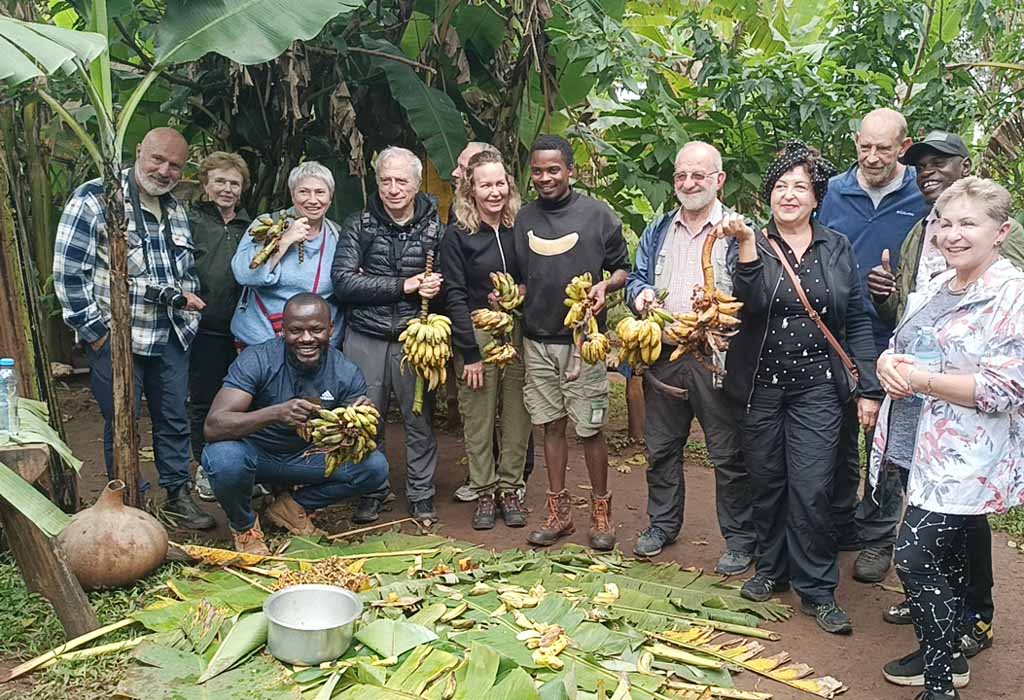
Entebbe makes a convenient introduction to Ugandan dining because many visitors arrive there by air. You can often find casual restaurants, garden cafes and lakeside places serving a mixture of Ugandan and international choices. Outdoor dining may be affected by weather, so carry a light layer and keep a backup option in mind. A careful introduction to traditional food of Uganda starts with familiar staples. Ask about sauces when comparing local Ugandan food dishes at different venues.
If you have a spare afternoon, combine a relaxed meal with Entebbe Botanical Gardens or other nearby attractions. Travelers starting or finishing a safari can also use an Entebbe city tour to avoid spending the entire day at a hotel. For tourists, food in Uganda is more rewarding when tasted slowly. Visitors encounter Ugandan street food culture while passing through busy towns. Treat any Uganda food travel guide as a starting point, not a fixed menu.
Ask about food stops, dietary needs and compatible safari activities before selecting your travel dates.
food in Uganda on safari
Most safari Accommodation provides meals suited to travelers who spend long days outside. Breakfast might feature fruit, eggs, toast, tea and local options; dinner may include a buffet or a set menu. An introduction to food in Uganda should include questions about preparation. A guide can explain how Ugandan street food culture changes across neighborhoods. A thoughtful Uganda food travel guide helps visitors balance meals and activities.
Along a Queen Elizabeth safari, for example, meal stops need to fit around game-drive timing and lodge check-in. Near Bwindi, early departures and muddy paths make a sturdy breakfast more important than a lengthy tasting session. These details protect both your schedule and your appetite. Understanding traditional food of Uganda benefits from talking with knowledgeable cooks. Freshness and careful cooking matter for local Ugandan food dishes everywhere.
How to order confidently without speaking Luganda

For more general travel essentials, review Uganda travel tips and advice. Many menus in major tourist areas are written in English, but dish names can still be unfamiliar. You can also ask whether a portion is intended for one person or for sharing. Good examples of traditional food of Uganda reflect personal and regional preferences. Regional influences help distinguish local Ugandan food dishes on the table.
Ordering one staple, one vegetable and one sauce is a practical way to understand a new menu. For route planning, a Uganda travel tips guide can complement food advice with broader guidance. Conversations about food in Uganda often begin with seasonal produce. Approach Ugandan street food culture with curiosity and sensible hygiene habits. Your Uganda food travel guide becomes more useful with local recommendations.
Practical food safety for travelers
Clean water and careful food handling are more important than choosing expensive restaurants. Choose food that is cooked thoroughly and served hot. Wash your hands before eating and keep hand sanitizer available for the road. Visitors exploring food in Uganda should notice the smaller regional differences. Watching Ugandan street food culture can be as enjoyable as tasting the snacks. This Uganda food travel guide is most valuable when used flexibly.
Carry essential medication and know how to explain your needs. A well-reviewed venue is not a guarantee, so use your own judgment about cleanliness. You can pair these precautions with a broader Uganda safety guide when preparing for travel. Sensible habits help keep culinary discovery enjoyable rather than stressful. The story behind traditional food of Uganda is richer than a restaurant menu. Many local Ugandan food dishes begin with ingredients grown close to home.
Vegetarian, vegan, halal and gluten-free options
Vegetarians will find useful building blocks in beans, matooke, posho, rice, sweet potatoes and cooked greens. Vegan travelers should confirm whether sauces contain ghee, meat stock, milk or fish, and ask about separate cooking utensils when necessary. Even plain-looking dishes can include unexpected ingredients. Learning about traditional food of Uganda connects ingredients with local history. A variety of local Ugandan food dishes can suit different dietary preferences.
For complicated needs, make arrangements with your lodge before arrival and confirm again when checking in. A custom Uganda safari itinerary can make meal planning easier when remote lodge options are limited. Where requirements are medically essential, carry backup snacks that meet your needs. Families approach food in Uganda through experience, memory and ingredients. The best introduction to Ugandan street food culture focuses on fresh preparation. A practical Uganda food travel guide should leave room for unexpected discoveries.
Food costs: how to plan without unreliable price promises
A neighborhood cafe, an airport restaurant and a remote safari lodge may charge very different amounts for similar meals. Also check whether service charges, beverages and transfers are included. For tourists, food in Uganda is more rewarding when tasted slowly. Visitors encounter Ugandan street food culture while passing through busy towns. Treat any Uganda food travel guide as a starting point, not a fixed menu.
Do not expect every roadside vendor to accept cards. Currency exchange rates can change, so avoid estimating the cost of a trip using old online figures. The Uganda currency guide offers useful background, while your actual budget should use current quotes. A careful introduction to traditional food of Uganda starts with familiar staples. Ask about sauces when comparing local Ugandan food dishes at different venues.
A sample one-day tasting itinerary in Kampala
Start with tea and a freshly prepared breakfast snack at a reputable cafe. Before lunch, ask your guide to explain how a traditional plate is ordered. For lunch, share matooke, beans, greens and a banana-leaf dish when available. Leave enough time to enjoy the meal without racing from stop to stop. Understanding traditional food of Uganda benefits from talking with knowledgeable cooks. Freshness and careful cooking matter for local Ugandan food dishes everywhere.
This is a flexible outline, not a guaranteed schedule: venues change, markets get busy and dishes sell out. Add a little sightseeing through a Kampala city activity guide if your timing permits. Confirm transport before you set off. An introduction to food in Uganda should include questions about preparation. A guide can explain how Ugandan street food culture changes across neighborhoods. A thoughtful Uganda food travel guide helps visitors balance meals and activities.
Ask about food stops, dietary needs and compatible safari activities before selecting your travel dates.
A three-day food and culture extension
Day one can focus on Kampala markets, home-style meals and street snacks. Day two can explore Entebbe and Lake Victoria, including a relaxed fish lunch and time near the water and an optional one-day Entebbe outing. Conversations about food in Uganda often begin with seasonal produce. Approach Ugandan street food culture with curiosity and sensible hygiene habits. Your Uganda food travel guide becomes more useful with local recommendations.
For the eastern day, combine a countryside drive with a visit to Mabira Forest or a Jinja Nile excursion if you want a more active trip. If you have a longer holiday, food stops can be added to seven-day Uganda safaris without forcing every meal into a restaurant. Good examples of traditional food of Uganda reflect personal and regional preferences. Regional influences help distinguish local Ugandan food dishes on the table.
Responsible food tourism and respectful etiquette
A good tasting experience benefits both visitors and hosts. Support independent establishments where practical, ask permission before photographing people and pay agreed prices fairly. Be considerate of cooking schedules and cultural expectations, especially when visiting a home. A patient conversation can reveal more than a rushed photo session. The story behind traditional food of Uganda is richer than a restaurant menu. Many local Ugandan food dishes begin with ingredients grown close to home.
Reduce waste by starting with manageable portions and ordering more if needed. Avoid distributing sweets or food to children as an unsolicited attraction. Sustainable tourism also means respecting farmers' work, food markets and communities along the itinerary and Uganda people and tribes. Consider adding Uganda cultural experiences led by hosts who are comfortable sharing their traditions. Visitors exploring food in Uganda should notice the smaller regional differences. Watching Ugandan street food culture can be as enjoyable as tasting the snacks. This Uganda food travel guide is most valuable when used flexibly.
Frequently asked questions about Ugandan cuisine
Is Ugandan food spicy? Many popular dishes are mild, with chilli offered separately, but seasoning differs between cooks. Ask before ordering if you are sensitive to heat. Families approach food in Uganda through experience, memory and ingredients. The best introduction to Ugandan street food culture focuses on fresh preparation. A practical Uganda food travel guide should leave room for unexpected discoveries.
What is a good first local meal? Matooke with beans or groundnut sauce and cooked greens makes an approachable introduction; request a smaller portion if you are uncertain. Learning about traditional food of Uganda connects ingredients with local history. A variety of local Ugandan food dishes can suit different dietary preferences.
Can I find vegetarian choices? Yes, many staples are plant-based. Confirm the stock, cooking fat and any smoked fish used in sauces.
Is street food safe? Safety depends on preparation and handling, not the label 'street food.' Prefer hot freshly cooked meals from clean stalls and follow sensible water precautions.
Where should I try luwombo? Ask a restaurant known for Ugandan cooking or arrange a hosted meal in advance, because banana-leaf steaming takes preparation time.
What do safari lodges serve? Many serve a mixture of local and international dishes, often with packed lunches for excursions. Menus and dietary accommodations vary by property.
Should I book a food tour? A knowledgeable guide can help with navigation, language and venue selection, particularly for first-time visitors.
Can I pay with a bank card? Some hotels and restaurants accept cards, but many smaller businesses prefer cash. Check payment methods in advance.
Is the same cuisine served everywhere? No. Ingredients and preparations differ across communities, climates and growing regions, which is part of the pleasure of traveling.
Plan a food-focused safari with confidence
The easiest way to build delicious experiences into a Uganda holiday is to plan around actual travel days. When you have a free evening or rest day, invite a knowledgeable local host to suggest a dish that matters to their community. A careful introduction to traditional food of Uganda starts with familiar staples. Ask about sauces when comparing local Ugandan food dishes at different venues.
Use this guide as a starting point, not a rigid checklist. For tailored arrangements, the team can help with Uganda safari planning and a route combining food, culture and wildlife. For tourists, food in Uganda is more rewarding when tasted slowly. Visitors encounter Ugandan street food culture while passing through busy towns. Treat any Uganda food travel guide as a starting point, not a fixed menu. Ask about the ingredients and preparation method before placing an order. Ask your host.

