Exploring Semuliki National Park- The True Birders’ Haven
Exploring Semuliki National Park- Wildlife & Geological Experiences
Overview
Exploring Semuliki National Park. Situated in the remote Bundibugyo area immediately north of the Rwenzori mountains, Semuliki National Park makes up the Eastern part of the extensive Ituri rain forests of the DRC. Situated on the Western Uganda-DRC border, Semuliki National Park gets its name from the meandering river Semuliki that lies exactly at the border.
Since Semuliki National Park is the only lowland tropical rainforest in East Africa, it has a very wide range of tree species. You can not find some of these tree species anywhere else in East Africa apart from one or two adjacent forests. 24 of the 336 recorded species are specific to these forests and a few are considered to be in danger of extinction.
Birding destination
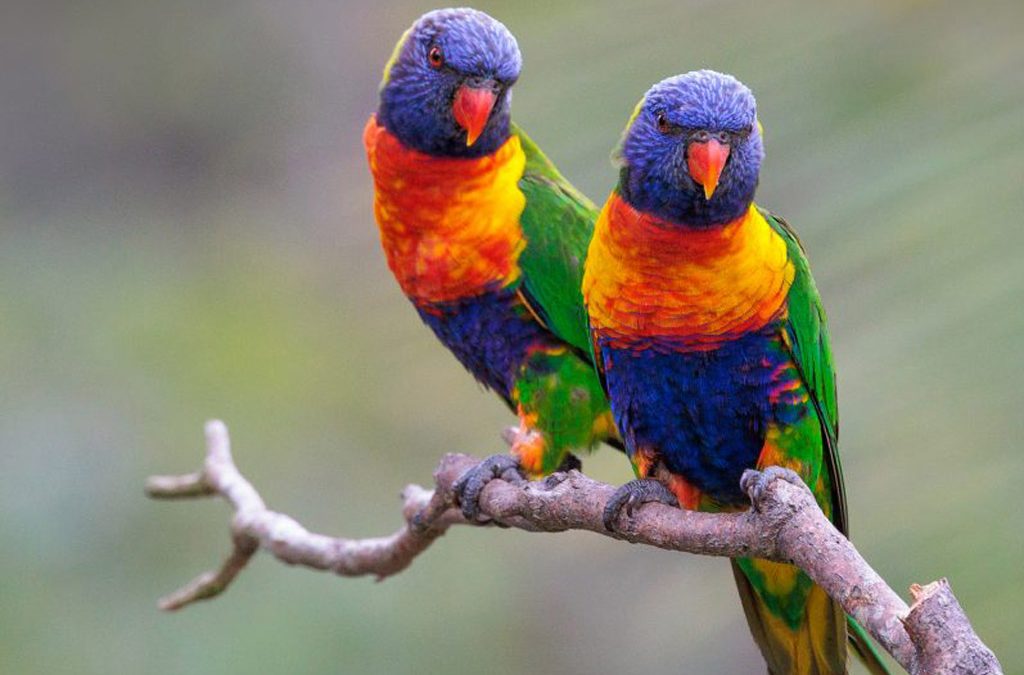
Exploring Semuliki National Park- birding. Semuliki is also one of the richest places to see bird species. It boasts about 500 species of birds some of which are not present anywhere else in East Africa. It also accommodates some of the continent’s sought-after birds like the Black wattled hornbill and the Congo Serpent Eagle. The enchanting tropical rainforest, the Meandering Semuliki River, and the extensive hot spring system make Semuliki National Park one of the most delightfully charming places to visit.
Several primate species also live in this National Park. To sum it up, Semuliki is one of the parks you can’t afford to leave out of your visit.
Mammal species
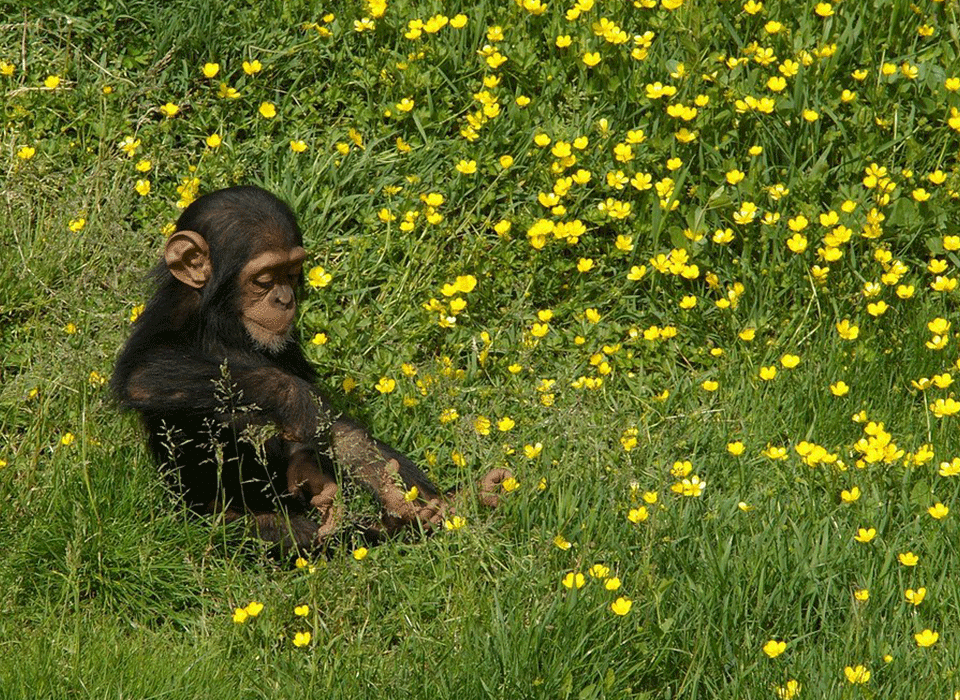
Exploring Semuliki National Park- mammals in the park. Semuliki possesses 63 mammal species several of which are primates. Nocturnal primates like Pottos and Galagos are especially hard to see while the more conspicuous primates like the Grey Cheeked Mangabeys, Red-tailed, Vervet and Blue (Gentle) monkeys, Olive Baboons and Guerera Colobus among others flourish. Surprisingly the Chimps and the De Brazza’s monkey are rare.
The Red Colobus is practically extinct in this region although some individuals can be seen associating with groups of the Guereza Colobus. The other mammals like the forest Elephants, Bush Pig, Water Chevrotain, Forest Buffalo, Sitatunga, Dwarf Antelope, Zenkers flying Mouse, Beecrofts, and Pygmy Squirrels are quite hard to see primarily because of the extensive forest cover and the flooding conditions during the rainy seasons (floods are caused by poor drainage and the fact that all rivers and streams in this area drain into the lowland forest).
Butterflies and moths
There are 374 butterfly and Moth species in this rainforest. These include 46 species of forest Swallowtails and Charaxes and 81 species of Giant Moths, 12 unique to Semuliki National Park.
An excellent bird list
The impressive bird list of 435 species is richly gratifying for any birder. These include some of Africa’s most popular birds and a central African bird species unique to the park.
For instance;
The Black-wattled Hornbill
Congo Serpent Eagle
Long-tailed Hawk
Nkulengu Rail
The Lyre-tailed Honeybird
Endemic species;
the Ituri Batis
Gabon woodpecker
Black-throated Coucal
There are several hornbills in this tropical rainforest with an incredible 8 species. For instance;
the White-crested
Tiny red-billed Dwarf
White-thighed and the Huge black-wattled hornbills.
Other birds
Other birds of interest are the Crowned Eagle, Great blue and Ross’s Turacos, Black-collared lovebird, Forest Francolin, Spot-breasted Ibis, Red-rumped Tinkerbird, White-bellied and African Dwarf kingfishers among so many more. See the Bird Species page for a more complete list. So far, there is a history of low exploration in this rainforest, making it a possibility that some birds are missing from the bird list. Who knows, you could be the first to see a new bird in the Semuliki rainforest.
An exceptional destination
To say that Semuliki National Park is beautiful is a gross understatement. This magical Rainforest is too captivating for words. The vast low-lying Tropical rainforest goes on until it meets the horizon when seen from the higher placed edge. Most of the captivating tropical rainforest consists of thick, lush undergrowth, swamps, and oxbow lakes/streams.
Hot springs
Exploring Semuliki National Park. Two hot springs lie in one of the park’s swamp lands. Here amazing sights of geysers that shoot up to heights of 2 metres and pools of boiling water that go up temperatures of 130 degrees centigrade are in clear view. You can boil your food like eggs in these “natural boilers”. A trip to the spectacular snaking Semuliki River through a trail in the jungle is a must if you visit this National Park.
Sempaya Hotsprings in Semuliki National Park

Accommodation
Exploring Semuliki National Park. The accommodation at the park consists of two basic camps and the preparation of meals is on order. More comfortable and up-market accommodation is in Fort Portal, Bundibugyo, and Semuliki Safari Lodge in the park. You can get to Semuliki National Park by road only and it there are 2 main ways. The shorter route to Fort Portal is via Mubende. It takes 2 to 3 hours over a distance of 300 km. Then, you travel another 2 hours of rough Murram road to the Sempaya gate.
The better alternative though is the longer route that passes via Masaka, Mbarara, and Kasese and takes approximately 7 to 9 hours over a distance of 510 km because it allows you to visit a number of our National parks in the Western circuit like Queen Elizabeth, Lake Mburo and Rwenzori mountains national parks.
Contact us by filling out the form below to embark on an unforgettable journey to Semuliki National Park.