Explore Lakes in Tanzania

Explore Lakes in Tanzania
Explore Lakes in Tanzania: Tanzania is a county in East Africa, known for great safaris, breathtaking taking sceneries, landscapes, several National parks and a great number of lakes. It is here where the great wildebeest migration takes place between Serengeti National Park in Tanzania to Maasai Mara National Reserve in Kenya. Here are some of the notable lakes in Tanzania.
Lake Manyara
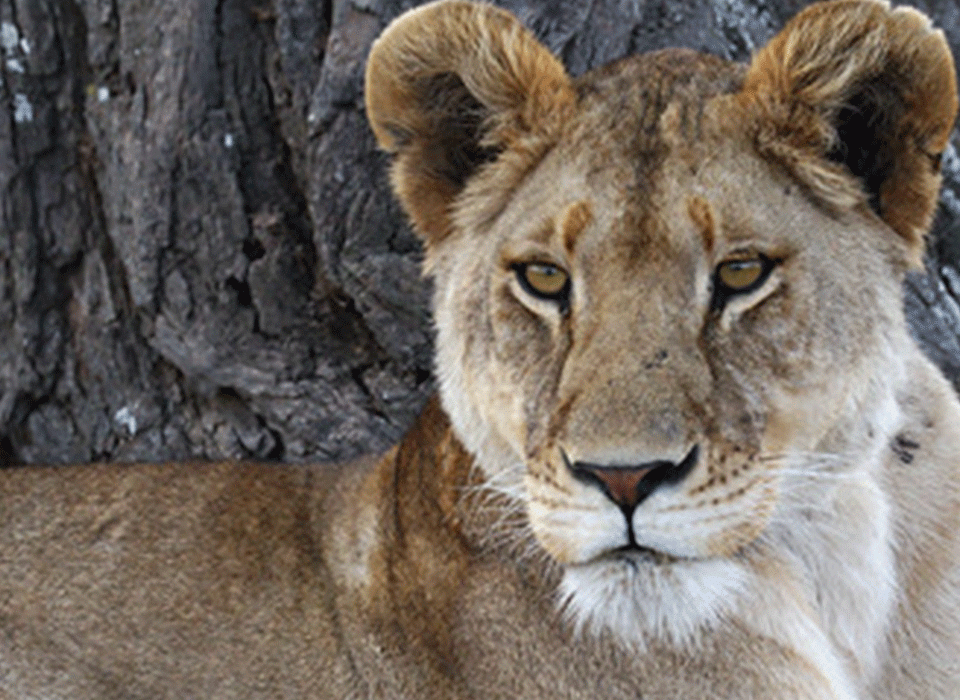
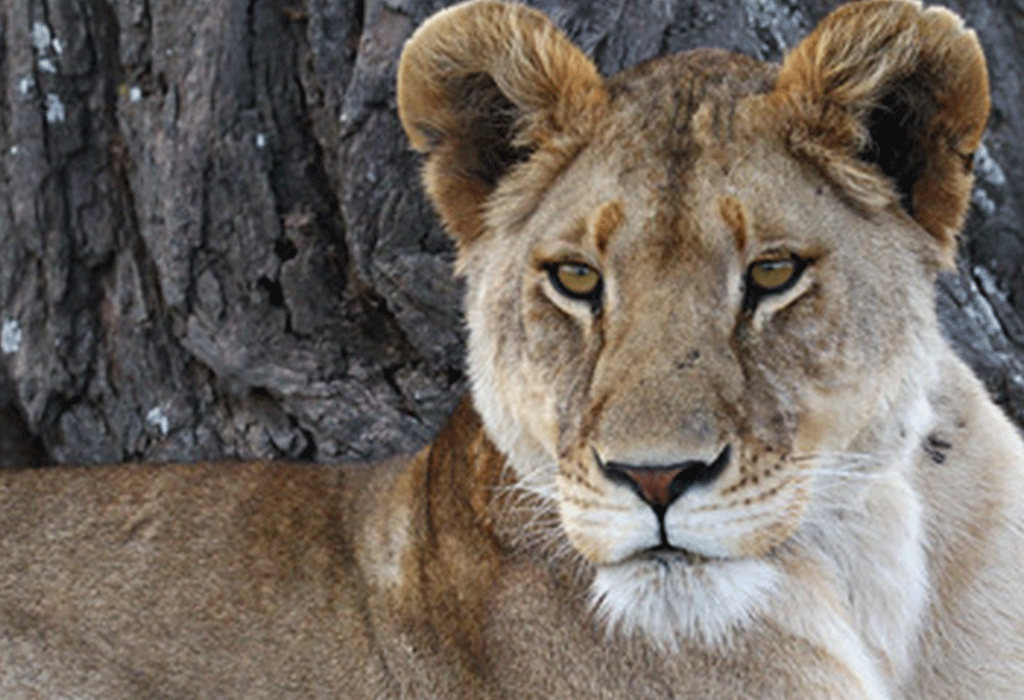
It contains a staggering array of lush habitats and makes up around two-thirds of the Lake Manyara National Park. The park is surrounded by beautiful marshes, grasslands, and acacia woodlands which offer tranquil, alkaline water, which frequently hosts a group of pelicans and flamingos with the breathtaking scenery of the Rift Valley Escarpment. See the unusual tree-climbing lions of Lake Manyara while you’re here.
Lake Eyasi
The Hadzabe and Datoga people, the beautiful bird life and the possibilities for cultural interaction are the main attractions to Lake Eyasi. This vegetation attracts a variety of vibrant and abundant birds, including Fischer’s lovebird, flamingo, pelican, spurfowl, and stork. Rainfall determines the lake’s size, which makes it exceptionally picturesque from June to November when flamingos and pelicans visit to breed
Lake Rukwa
Travellers will enjoy Lake Rukwa’s beauty and seclusion once they arrive, even though not many people visit this isolated, far-western region. Within the Katavi National Park, Rukwa is home to a large number of hippos and crocodiles, as well as an amazing array of water birds, such as the African skimmer, lesser flamingo, glossy ibis, and white pelican. The lake, which is Tanzania’s fourth largest, has no outlet, hence the water level varies significantly with the seasons.
Lake Victoria
Kenya, Tanzania, and Uganda surround Lake Victoria, the biggest tropical lake in the world. The lake has numerous archipelagos and shallow reefs, and its indented edges span more than 300 kilometres (186 miles) from north to south. Among the many picturesque islands are Rubondo Island, Africa’s largest island national park. While tourists mix with residents and take in the peaceful seclusion, they can find a peaceful waterfront charm in villages that graze the shoreline. The Speke Gulf has the name of John Hanning Speke, who was the first to map the lake and identify the Nile River as its source.
Lake Chala
Situated on the eastern slopes of Mount Kilimanjaro, this crater lake is surrounded by breathtaking volcanic scenery. Its colours, which vary from a vivid blue to a deep emerald green according to the season, represent a timeless beauty that is deeply ingrained in Tanzanian culture. The beautiful, verdant forests that border the lake’s edge are also nourished by subterranean springs that flow from Mount Kilimanjaro. Birding is wonderful, and the area is home to a variety of fauna, including flowers, bushes, and spectacular volcanic savanna grasslands. Walking trails wind along the edge of the river and up to the Chala Hills; swimming is safe in this location.
Lake Nyasa
Botanists frequently refer to the Kitulo Plateau, to the north and east, as the “Serengeti of Flowers.” It is home to the Kitulo National Park, a protected area of stunning montane grassland. A significant portion of the locals’ livelihood comes from the aquatic resources, while the banks are home to crocodiles, hippos, and several species of monkeys. With the tropical scent of mango and cherry trees filling the air, the lake’s tranquil surface makes it perfect for water sports like sailing, snorkelling, and kayaking.
Lake Natron
Lake Natron, thought to be the most caustic body of water in the world, is located at the lowest part of the Great Rift Valley and offers some of Tanzania’s most unique and striking landscapes. There isn’t much fauna in the secluded, sweltering area at the base of Oldoinyo Lengai, an active volcano. The lake is home to an intriguing community of microorganisms that give the water its peculiar pinky-red colour, despite the harsh surroundings and very alkaline water. The creatures are also a favoured food of flamingos, and Natron is most known for being the only region in East Africa where Lessor flamingos regularly breed. Natron is a place of extraordinary beauty, despite its heat and desolation.
Lake Tanganyika
Lake Tanganyika is the longest freshwater lake in the world at 660 km, the deepest in Africa at around 1436 m, and the second-largest freshwater lake globally in terms of volume. It is among the oldest, its age ranges from nine to thirteen million years. The lake also is home to an astonishing amount of endemic fish, including 98% of over 250 species of cichlids, because of its age and ecological isolation. Tanganyika is a fantastic place for Tanzania safari tour travellers to go diving and snorkelling because of cichlids, which are common aquarium fish because of their vibrant colours.
Found on the border between Tanzania and Congo (Kinshasa), it is quite narrow, with widths ranging from 10 to 45 miles (16 to 72 km). Its total area is around 12,700 square miles (32,900 square km). The ground rises abruptly from its coasts for most of its length, occupying the southernmost portion of the Western Rift Valley. The water in the lake looks brackish despite having multiple rivers feeding it. The greatest waterfall in the world, the Kalambo (704 feet [215 metres]) is the major river that empties into the lake, along with the Ruzizi and Malagarasi. After emptying into the Lualaba River, the Lukuga River continues.
Lake Malawi
Lake Malawi is the southernmost lake in the East African Rift system, it is also known as Lake Nyasa in Tanzania and Lago Niassa in Mozambique; (Swahili: Ziwa Nyasa) is an African Great Lake that is found between Malawi, Mozambique, and Tanzania. In terms of area, it is the ninth-largest freshwater lake in the world, the third-largest and second-deepest lake in Africa, and the fourth-largest freshwater lake globally by volume. Lake Malawi has more fish species than any other lake in the world, including at least 700 kinds of cichlids.