Chimpanzee Tracking in Uganda: A Wildlife Game-Changer
Why Chimpanzee Tracking in Uganda Will Change Your Wildlife Experience Forever
Uganda, famously known as the “Pearl of Africa,” offers a wildlife experience unlike any other, and chimpanzee tracking stands out as one of its most captivating adventures. Nestled in lush tropical rainforests like Kibale National Park, Uganda is home to some of the highest densities of wild chimpanzees in Africa. Tracking these intelligent primates provides not only an exhilarating encounter with our closest relatives but also a deep appreciation for their intricate social behaviors and natural habitat. Whether you’re marveling at their human-like interactions or witnessing their dynamic forest life, this transformative experience promises to redefine your connection with the wild. At Safari Vacations and Travel Services, we invite you to embark on this unforgettable journey into Uganda’s primate paradise.
Essential Guide to Chimpanzee Tracking in Uganda
Uganda is a premier destination for chimpanzee tracking, offering unparalleled opportunities to observe these intelligent primates in their natural habitats. With over 5,000 wild chimpanzees, including habituated communities, Uganda provides a diverse range of locations and experiences for wildlife enthusiasts.
Top Chimpanzee Tracking Destinations
Kibale National Park: Known as the “Primate Capital of the World,” Kibale boasts the highest density of chimpanzees in Africa, with approximately 1,500 individuals, including around 100 habituated chimps. The park offers both standard chimpanzee trekking and the unique Chimpanzee Habituation Experience, where visitors can spend an entire day observing the chimps’ activities. Kibale has a remarkable 90–95% success rate for sightings, making it the top choice for tracking.
Budongo Forest: Situated within Murchison Falls National Park, Budongo Forest offers a quieter experience with fewer visitors. It is ideal during the rainy season (May–August) when food is abundant, and chimpanzees are easier to find. Permits here are more affordable than Kibale, costing $130.
Kyambura Gorge: Located in Queen Elizabeth National Park, Kyambura Gorge provides a dramatic setting for tracking. While sightings are less frequent compared to Kibale, the stunning scenery adds to the adventure.
Kalinzu Forest Reserve: Close to Queen Elizabeth National Park, Kalinzu features a smaller habituated chimpanzee population and is an excellent budget-friendly alternative.
Toro-Semliki Wildlife Reserve: Though sightings are rare, this reserve offers a serene environment for primate walks.
Best Time to Visit
The optimal seasons for chimpanzee tracking are during Uganda’s dry months:
- June to September
- December to February
During these periods, trails are more accessible, and chimpanzees tend to be easier to locate.
Booking Permits
Securing a permit is essential for chimpanzee tracking. Costs vary by location:
- Kibale National Park: $250 for standard trekking; $300 for habituation experience.
- Budongo Forest: $130.
Permits can be booked through the Uganda Wildlife Authority (UWA) or trusted tour operators like Safari Vacations and Travel Services, who simplify the process by handling logistics on your behalf.
What to Expect During Tracking
Chimpanzee tracking typically begins with a pre-trek briefing led by experienced guides and armed rangers. Treks can last from 2–4 hours depending on the location of the chimps. Once located, you’ll have up to one hour to observe them closely as they interact, feed, or rest. For habituation experiences, visitors join researchers for a full day of immersion into chimpanzee life.
Why Choose Uganda?
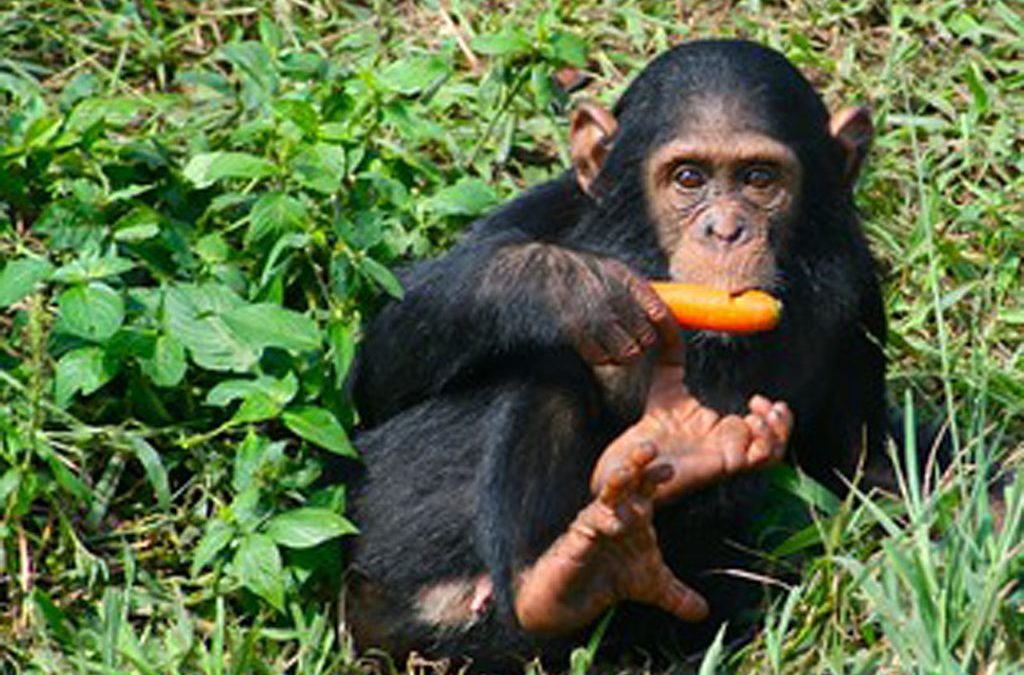
Chimpanzees share 98% of human DNA and exhibit complex social behaviors that make observing them a profoundly moving experience. Uganda’s diverse tracking locations cater to all preferences—whether you seek high success rates in Kibale or scenic beauty in Kyambura Gorge—ensuring an adventure that combines education, conservation, and unforgettable wildlife encounters.
Preparing for Your Chimpanzee Tracking Experience
Embarking on a chimpanzee tracking adventure in Uganda requires careful preparation to ensure a safe and enjoyable experience. Here are some essential tips to help you prepare:
Physical Fitness and Health
Moderate Physical Fitness Required: Chimpanzee tracking involves trekking through dense forests and uneven terrain, which can be physically demanding. Ensure you are in moderate physical shape to handle the hike.
Health Considerations: If you have any health concerns, consult with your doctor before booking your trip. It’s also important to be free from illnesses that could be transmitted to the chimpanzees.
Clothing and Gear
- Comfortable Clothing: Wear comfortable, breathable clothing suitable for hiking. Earth-toned clothing helps you blend in with the surroundings.
- Sturdy Hiking Boots: Good quality, waterproof hiking boots are essential for navigating through muddy and slippery forest floors.
- Rain Gear: Pack a lightweight rain jacket or poncho, as rain can occur unexpectedly.
- Sun Protection: Bring sunscreen, a hat, and sunglasses for sun protection during breaks in the forest canopy.
Essential Items to Pack
- Water and Snacks: Stay hydrated by bringing enough water and pack energy-rich snacks like nuts or dried fruits.
- Camera: A camera with a good zoom lens is ideal for capturing moments without disturbing the chimps.
- Binoculars: Useful for observing wildlife from a distance.
- First Aid Kit: A basic kit should include essentials like band-aids, antiseptic wipes, and pain relievers.
Safety and Etiquette
- Follow Guide Instructions: Always follow the instructions of your experienced guide to ensure safety and minimize disturbance to the chimpanzees.
- Respectful Distance: Maintain a safe distance of at least 7–8 meters from the chimpanzees to avoid stressing them and to prevent any potential health risks.
- Behavioral Guidelines: Avoid eating, drinking, or smoking near the chimps, as these actions can disrupt their natural behavior.
Additional Tips
- Early Start: Chimpanzee tracking typically begins early in the morning when the chimps are most active.
- Flexibility: Be prepared for variable weather conditions and the possibility that the chimps might be harder to locate on some days.
By being well-prepared and respectful of the environment and wildlife, you can ensure a memorable and enriching experience during your chimpanzee tracking adventure in Uganda. Let Safari Vacations and Travel Services help you plan every detail of your trip!
Beyond Observation: Learning from Chimpanzee Behaviors
Chimpanzees are among the most intelligent and socially complex animals, offering profound insights into both their world and our own evolutionary history. Observing their behaviors in the wild reveals a tapestry of advanced cognitive abilities and intricate social dynamics that challenge long-held assumptions about human uniqueness.
Cognitive and Social Insights
Tool Use and Problem-Solving: Chimpanzees are skilled toolmakers, using sticks to extract termites or stones to crack nuts. These behaviors are not only learned but also culturally transmitted, with different groups exhibiting unique techniques depending on their environment. This highlights their capacity for innovation and cultural learning.
Medicinal Knowledge: Remarkably, chimpanzees use plants for medicinal purposes, such as chewing Aspilia leaves to combat parasites or consuming Vernonia shoots as a natural antibiotic. This self-medicating behavior underscores their ability to address health challenges through observation and experience.
Social Structures: Chimpanzee communities are governed by complex hierarchies and alliances. Observing their interactions—whether grooming to strengthen bonds or forming coalitions for dominance—provides a window into the depth of their social intelligence.
Communication: Through vocalizations, gestures, and facial expressions, chimpanzees convey emotions ranging from joy to grief. Their ability to communicate intentions and emotions reflects a sophisticated understanding of social contexts.
Emotional Depth
Chimpanzees exhibit a range of emotions akin to humans, including empathy, grief, and even altruism. For example, they have been observed consoling distressed peers or mourning the loss of group members. These behaviors suggest an emotional complexity that resonates deeply with human observers.
Uganda vs. Other Chimpanzee Destinations in Africa
While Tanzania’s Mahale Mountains and Gombe Stream National Parks are iconic for chimpanzee tracking due to Jane Goodall’s pioneering research, Uganda offers distinct advantages:
-
Accessibility: Uganda’s tracking sites, such as Kibale National Park and Budongo Forest, are more easily accessible than Tanzania’s remote parks.
-
Higher Success Rates: Kibale boasts a 90–95% success rate for sightings due to its high chimpanzee population density.
-
Diverse Ecosystems: Uganda’s lush rainforests and unique landscapes provide a richer overall experience for wildlife enthusiasts.
-
Affordability: Tracking permits in Uganda are generally more affordable compared to other destinations, offering excellent value without compromising the experience.
Chimpanzee tracking in Uganda is far more than just a wildlife activity—it’s an immersive journey into the heart of nature and a deeper understanding of one of humanity’s closest relatives. Witnessing their intelligence, emotion, and social intricacies leaves an indelible mark on every visitor. With Safari Vacations and Travel Services as your guide, you’ll not only explore Uganda’s unparalleled beauty but also create memories that will transform your perspective on wildlife forever. Let us help you embark on this extraordinary adventure!