What is the best time to visit Masai Mara?

Kenya safari planning · Seasonal wildlife guide · 12-month calendar
What is the best time to visit Masai Mara?
Plan a memorable Kenya safari with an honest month-by-month look at migration, predators, rainfall, crowds and safari value.
Quick answer: The best time to visit Masai Mara is usually June–October for easier wildlife viewing, with July–October offering migration possibilities. January–February can be excellent for big cats and a quieter safari. River crossings never happen on a guaranteed schedule.

Best time to visit Masai Mara: month-by-month snapshot
| Month | Typical safari outlook |
|---|---|
| Jan | Good resident wildlife; fewer peak-season vehicles |
| Feb | Big cats and classic game drives |
| Mar | Transition toward the long rains; variable |
| Apr | Green scenery; rain and muddy tracks possible |
| May | Quiet season; access may remain difficult |
| Jun | Drier transition and strong general wildlife |
| Jul | Migration window begins; arrival timing varies |
| Aug | Popular period for possible river crossings |
| Sep | Migration possibilities and strong game viewing |
| Oct | Often good wildlife; herd locations change |
| Nov | Short rains, birdlife and green scenery |
| Dec | Variable showers and festive demand |
The short answer: when should you go?
How to choose the best time to visit Masai Mara
For most travelers, the best time to visit Masai Mara is June through October, when conditions are generally drier and wildlife is easier to locate on open grassland. If your dream is the annual migration, target July through October and allow several game drives rather than assuming a crossing will happen on cue. The right dates depend on what you hope to see, how comfortable you are with crowds, and whether you value a quiet safari over a famous spectacle. For more practical ideas, explore Kenya safari destinations before comparing your options.
The best time to visit Masai Mara for lions, cheetahs and relaxed game viewing can be January or February. The resident animals do not disappear when migrating herds head south into Tanzania. Big cats patrol their territories, elephants roam between habitats, and giraffes, buffalo and antelope use the landscape throughout the year. Think about which animals matter most to you, whether children prefer shorter drives and how many nights your budget can support before choosing the month. For more practical ideas, explore Masai Mara wildlife and gorilla safari before comparing your options.
There is no single perfect weather forecast for the entire reserve. Rainfall varies between places and years, and a dry-season holiday can still include showers. Long rains are generally associated with March through May, while shorter rains often affect November and December. The best time to visit Masai Mara is therefore a planning window, not a promise about conditions on a specific day. Pack for both sun and cooler wind, especially when traveling in an open vehicle at dawn. For more practical ideas, explore Great Migration in August September and October before comparing your options.
An excellent safari also depends on where you sleep. A camp far from the area you intend to explore can turn a promising day into hours of transfers, while a well-positioned conservancy stay may offer quieter sightings. Before booking, use the wider Masai Mara Game Reserve overview to understand how access, landscapes and wildlife corridors fit together. A thoughtful location choice often improves your experience more than moving your departure by a week.
Best Masai Mara safari seasons at a glance
Masai Mara safari seasons explained

The June-to-October dry period is the classic safari season. Grasses often become shorter, animals concentrate around dependable water, and morning drives benefit from relatively clear views across the plains. July to October may also bring migrating wildebeest and zebra into the Kenyan side of the ecosystem. Popular crossing sites can attract many vehicles, guides may spend time following large herds, and accommodation in sought-after locations can sell out far ahead of the trip. For more practical ideas, explore Masai Mara safari lodges before comparing your options.
January and February offer a contrasting advantage: many guests enjoy strong resident wildlife without organizing the whole journey around the migration. The landscape is often more manageable for vehicles than during the heaviest rains, and photographic opportunities can be excellent when a guide patiently follows local cat territories. When comparing a classic Masai Mara safari with a migration-centered visit, ask whether your idea of success means ticking off a crossing or spending unhurried time with several species.
April and May are the main Masai Mara rainy season months and can be rewarding for flexible photographers, birdwatchers and repeat visitors. Fresh grass, dramatic cloud formations and lower visitor numbers change the mood of the savannah. Some camps may operate seasonally, while others stay open. Never assume a cheap rate guarantees the same experience as August. Confirm transport, the camp’s opening dates, vehicle suitability and cancellation terms so that the savings are genuine rather than hiding an uncomfortable compromise. For more practical ideas, explore safari safety tips before comparing your options.
November and December often feature the shorter rains and an attractive green landscape. Birds and young vegetation can be particularly appealing, and there may be more space at many sightings than in the peak migration months. Holiday periods, however, can be busy, so December is not automatically quiet. If you’re comparing an East African safari across several countries, assess each destination separately; a season that suits the Mara may not match your preferred gorilla trek or coastal break.
Tell us your travel month, preferred wildlife and number of nights. We can help compare realistic safari routes.
January, February and March: predators and quieter game drives

January generally appeals to travelers looking for a wildlife-rich trip without the height of migration-season traffic. The main wildebeest calving phase usually occurs farther south in Tanzania, so do not expect the Mara to mirror a southern Serengeti calving safari. That distinction is useful when planning photography. In Kenya you can prioritize the resident animals, animal behavior and scenery rather than spending each day tracking distant migrating herds.
February can offer similar opportunities, with generally comfortable daytime conditions and cool mornings. One valuable strategy is to spend longer at individual sightings instead of racing between species. A cheetah scanning the horizon may remain still for a considerable time before moving; a pride of lions may spend hours resting. Consider Kenya Wildlife Safaris if your trip is primarily about varied animals rather than one migration photograph. Make clear whether you prefer a private vehicle or shared game drives.
March is a transitional month, and predicting its exact conditions many months in advance is difficult. Rain may arrive gradually or disrupt roads earlier than expected. Photographers often appreciate the clouds and deeper greens, yet itinerary flexibility becomes increasingly important. If you are booking for March, ask camps about actual access routes and whether drives might be restricted by weather. A flexible traveler may find attractive value; somebody who needs guaranteed dry roads should generally choose a different window.
Across these three months, early mornings remain valuable. A late breakfast after the first drive can make the day feel spacious. Reserve midday for a rest, reviewing photographs or watching birds around camp, then return for an afternoon drive when conditions permit. Our guide to animals to spot in Masai Mara on a Kenya wildlife safari helps broaden your expectations beyond big cats. A satisfying safari celebrates behavior and habitat, not just a tally of famous species.
April, May and June: green landscapes and the seasonal transition
April is normally associated with the long rains. A sensible April safari puts a premium on the quality of the guide, route planning and realistic travel distances. Ask what happens if a planned drive cannot reach a particular area, and do not assume every camp operates all year. Because fewer visitors travel then, those who are comfortable with uncertainty may enjoy a more secluded experience and a different photographic mood from the golden grass seen in dry-season advertisements.
May can remain wet, although conditions vary and the transition toward drier weather may begin. Seasonal streams, lush vegetation and clear air after rain create strong landscape photographs. The best time to visit Masai Mara for value is not always the month with the lowest advertised price. You should compare the total cost of the vehicle, guide, park fees, accommodation and contingency plans, then decide whether the practical disadvantages of rainy travel are acceptable to your group.
June is a particularly useful compromise. It is a strong month for families and first-time safari travelers who want classic game drives while reducing the pressure of visiting during the most famous crossing window. The migrating herds’ location in June is especially variable, so avoid booking a fixed promise of mass wildebeest movement in the Mara. If the herd spectacle is essential, arrange additional days or shift later; if general wildlife is your priority, June deserves serious consideration.
For April through June, accommodation choice is the difference between a scenic challenge and a frustrating journey. Ask whether your guide will approach from a reliable gate, whether the lodge can help with difficult transfers and how long a round trip to your preferred wildlife area takes. Check our practical Kenya safari cost factors before judging an offer solely by its nightly accommodation rate. A transparent quote should explain transport and park-entry assumptions.
Tell us your travel month, preferred wildlife and number of nights. We can help compare realistic safari routes.
July, August and September: migration excitement
Planning around weather, wildlife and availability
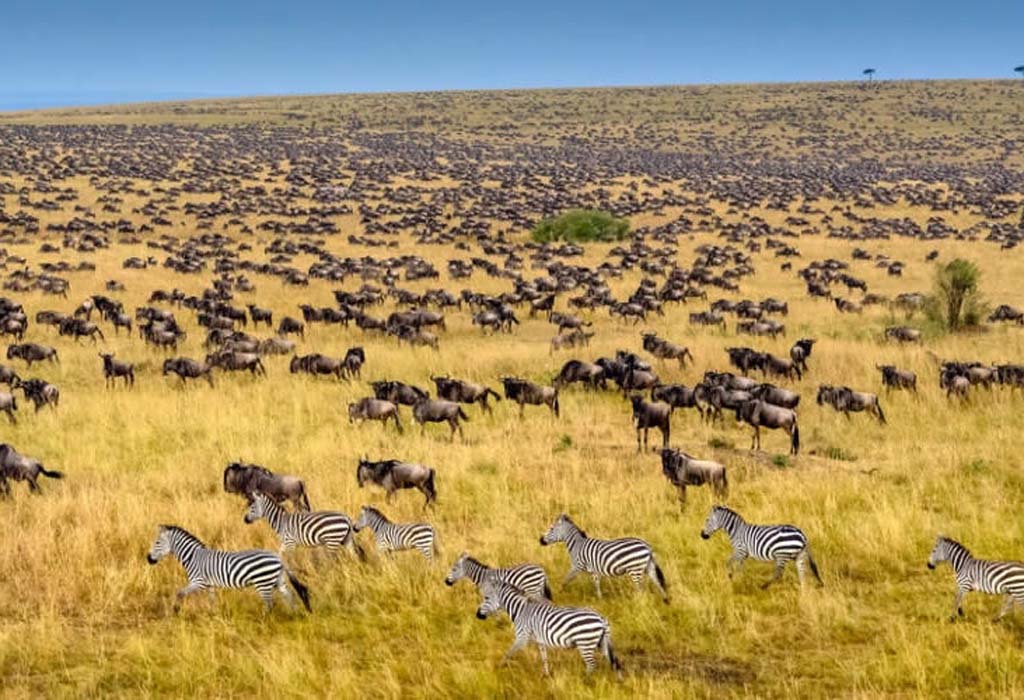
July signals the beginning of the famous migration viewing window in many years, but the first substantial herds do not arrive on a fixed date. Rainfall and grazing conditions influence how animals move through the connected Serengeti–Mara ecosystem. Travelers hoping to see broad plains filled with wildebeest and zebra can enjoy a spectacular experience even if no river crossing occurs. Look beyond headlines and understand the Great Migration in Africa as an annual circuit that continues regardless of international park boundaries.
August is a popular time for watching herds near the Mara River. Waiting responsibly requires considerable patience, and the presence of many safari vehicles can affect both the atmosphere and how guides position themselves. Book a knowledgeable operator who follows viewing rules and does not crowd or block wildlife. The best time to visit Masai Mara for crossing possibilities often includes August, but a longer stay provides a more realistic chance than a single afternoon devoted to one specific crossing site.
September often combines favorable general wildlife viewing with the continued possibility of migratory herds and river crossings. It can still be very busy, especially near headline sightings, so choose a camp and game-drive plan with quieter alternatives. Interested travelers can read the Great Wildebeest Migration in Masai Mara guide and ask for a route that respects wildlife rather than promising dramatic images. A strong safari balances ambition with time to observe the landscape at its own pace.
Across July, August and September, book early if you have strict dates or particular accommodation needs. A lodge described as being in the ‘Mara’ might not be near your intended viewing zone; ask for the exact location and typical transfer time. For guests planning a family, private guiding reduces the pressure to remain for hours at a crowded crossing. Where to go on an African safari in August can also help compare the Mara with other worthwhile wildlife destinations in the same period.
October, November and December: a changing landscape

October often remains an excellent wildlife month and can provide a more relaxed atmosphere than August, depending on exact dates and herd movement. The resident lion, elephant and antelope populations remain an important reason to visit regardless. Ask an operator whether your proposed route focuses on the Reserve, Mara Triangle or nearby conservancies, because driving times and available activities can differ. The best trip follows current wildlife information rather than assuming October is simply September with lower prices.
November usually brings the shorter rains, though their arrival and intensity vary. Fresh growth and moody skies give the grassland a different personality, and birdwatchers may appreciate seasonal migrants alongside resident birds. Some travelers enjoy the extra solitude, particularly away from school holidays and popular events. This is a good season for someone who enjoys the whole ecosystem rather than traveling only for one dramatic encounter. Ask your camp how game drives are managed when afternoon showers build.
December can be rewarding for a festive family safari, but availability and prices around Christmas and New Year may be very different from early December. Choose a lodge with comfortable common spaces for downtime, especially if traveling with children. It is useful to know which drives are scheduled, whether a private guide can adjust departure times and whether meals or special celebrations affect the package. A festive booking deserves the same careful attention to access and fees as any dry-season trip.
If you’re combining Kenya with Tanzania, the year’s end is particularly important for understanding migration geography. Our Masai Mara versus Serengeti comparison helps explain why one destination may suit your desired sightings better at a particular time. Avoid claims that an entire migrating population moves together on a single date. Animals spread out, herds fragment and rain changes the pattern. It is often wiser to choose your itinerary around habitats and activities than to chase a map with arrows.
Tell us your travel month, preferred wildlife and number of nights. We can help compare realistic safari routes.
How to choose the best month for your interests
Planning around weather, wildlife and availability
For the highest chance of seeing enormous migrating herds in Kenya, consider July through October, placing special emphasis on August and September for possible river crossings. Build at least three nights into the Mara where feasible, because a short visit makes every weather change or quiet wildlife period feel more significant. A trip centred on a naturally unpredictable event should be sold honestly. If a provider promises a fixed-date crossing, treat that claim as a warning sign rather than a booking advantage.
For big cats and general game, January and February are excellent alternatives to peak migration months, and June through October can also be strong. The objective is not simply to spot a lion but to observe behavior: a pride moving through grass, a cheetah using an anthill as a lookout or hyenas following an opportunity. Slow drives and knowledgeable guiding are often more important than the exact calendar date. Explore top Kenya safari experiences to decide whether you want wildlife photography, family activities or a wider circuit including other Kenyan parks. Each interest points toward a different mix of locations and time on the ground.
For photographers, think about the direction of light, grass height, vehicle access and the amount of patience your companions can manage. Early morning and late afternoon are particularly appealing, but dramatic rainy-season skies can be equally compelling. A private vehicle gives more freedom to wait for composition and behavior without negotiating every stop with other passengers. Green-season photography may deliver beautiful color and fewer vehicles, while dry-season trips can make animal silhouettes easier to isolate. Our Kenya wildlife photography safari ideas show why the most successful photography plan is not necessarily the itinerary with the most scheduled kilometres.
For birders, quieter months and green conditions can be attractive, although species presence and visibility vary by habitat and rainfall. For honeymooners, consider privacy, comfortable accommodation and a good balance of drives and leisurely afternoons. For families, shorter drive loops, a swimming pool where available and flexible mealtimes may matter more than migration headlines. A well-designed first African safari should match the people in the vehicle, not a generic calendar. Whenever you consult a month-by-month guide, translate its seasonal descriptions into actual decisions about wake-up times, room type, game-drive length and the amount of physical travel involved.
Crowds, prices and responsible wildlife viewing
The busiest periods tend to coincide with dry-season holidays and the best-known migration weeks. More visitors do not necessarily mean poor wildlife viewing, but famous sightings can draw clusters of vehicles. Some photographers prefer a conservancy property where game drives may feel less congested, subject to each conservancy’s specific rules and access arrangements. Other guests prefer the larger reserve because they want a familiar route toward the Mara River. Ask whether your quote includes any conservancy fees and whether visiting the main reserve requires separate arrangements. Comparisons only make sense when they include the full safari experience, not just the nightly room rate.
Accommodation prices vary enormously with season, category, location and occupancy. High demand can make August and September costly, while certain rainy-season departures may offer genuine savings. But a less expensive room outside the reserve can lead to longer transfers and additional gate procedures. Compare cost per usable safari day rather than cost per hotel night. Remember that government or local authority entry fees can change and may depend on age, residency, season and the exact protected area. Check the latest official rates before paying. Our guide to hidden costs on African safaris offers a helpful framework for asking the right questions before confirming a package.
Responsible wildlife viewing is particularly important around river crossings. Do not support off-road behavior where prohibited, blocking migration paths or surrounding animals for a photograph. Your guide should keep appropriate distances, respect instructions from rangers and give wildlife the ability to choose its route. Patience produces rewarding observations without turning natural behavior into a vehicle spectacle. Ask tour providers how they handle crowded sightings and whether they follow local codes of conduct. A safari is more meaningful when conservation is treated as part of the holiday, not as marketing language added to a brochure. The animals’ welfare should outweigh a guest’s demand for an instant close-up.
There is also a social dimension to choosing a place to stay. The surrounding Maasai communities and conservancy partnerships play different roles in land management, livelihoods and tourism. An ethical traveler can ask how local employment, community access and conservation fees are structured without assuming all camps work identically. Respect cultural visits as hosted interactions rather than performances on demand, and seek informed permission before photographing individuals. For a broader view of the places and experiences available, explore things to do in the Masai Mara National Reserve. A balanced holiday can include nature, culture and rest without packing every hour with a new activity.
Tell us your travel month, preferred wildlife and number of nights. We can help compare realistic safari routes.
Where to stay and how to reach the Mara

Staying inside the Maasai Mara National Reserve, in the Mara Triangle, within a neighboring conservancy or outside the reserve gates can produce different daily routines. Inside-reserve accommodation may reduce travel time to some wildlife areas, while conservancies can offer distinct guiding models and a quieter atmosphere. Outside properties can be suitable for budget-conscious travelers but require careful planning around entry procedures. Before choosing, ask the camp to identify its exact position, the gate or airstrip most convenient to it, and the approximate travel time to areas you care about. A generic description such as ‘near Masai Mara’ is not detailed enough for a good itinerary.
Driving from Nairobi is possible, but the journey can take many hours and is sensitive to road conditions, traffic and your lodge’s location. A fly-in safari is often more comfortable for visitors with limited days, although schedules, baggage allowances, transfer arrangements and weather need confirmation. The nearest airstrip to one lodge may be impractical for another. Ask the safari operator to align flights with the correct pickup location rather than choosing an airstrip from a map without advice. If you travel by road, treat the drive as part of the itinerary and avoid scheduling an ambitious full-day game drive immediately after a tiring transfer.
The best time to visit Masai Mara for easy driving is generally during drier spells, yet even familiar roads can become difficult after sudden rain. A well-maintained safari vehicle with suitable tires, a practiced driver and sensible recovery planning adds confidence. Ask whether a four-wheel-drive vehicle is used and whether the guide has experience with the seasonal routes. Visitors should also bring layers for cold early mornings and protection from dust, sun and occasional rain. The packing list for a Kenya safari can help you prepare sensibly without filling bags with unnecessary equipment or assuming every lodge supplies the same items.
Many travelers choose three to four nights to balance wildlife time with travel effort. A two-night trip is possible but leaves less flexibility for weather, sightings and rest. If migration drama is your priority, a longer stay improves the opportunity to respond to current movement without racing between distant locations. A useful quote should show the number of actual game drives and what happens on arrival and departure days. Consider a four-day Maasai Mara safari if you want a focused itinerary with more than one complete day on the plains. Clear timings prevent a package from looking longer on paper than it feels in reality.
Sample safari itineraries by travel window
Planning around weather, wildlife and availability
For a June or early July visit, plan three nights with an unhurried first afternoon, two full wildlife days and a final morning drive if your transfer allows it. Focus on resident wildlife and follow any genuine updates about migrating herds without building the whole trip around uncertain arrivals. One day might explore open plains for cheetahs and grazing animals, while another follows riverine habitat for elephants and birds. This itinerary works particularly well for first-time visitors who want a classic safari without demanding constant excitement. Include enough rest that every game drive feels like an opportunity rather than an obligation.
For an August or September migration-focused visit, allow four nights if the budget permits. Dedicate some drives to areas where current herd movement makes sense, but leave alternative routes for predator territories, panoramic landscapes and quieter habitats. River crossings can involve extended waits, so discuss the practicalities with your companions. Children and travelers who tire easily may prefer a flexible morning plan rather than spending an entire day near a crowded riverbank. A 4-day Masai Mara Safari is a useful starting point when comparing timing and inclusions, though you should adapt the exact route to current conditions and your chosen accommodation.
For a January or February trip, create a predator-and-photography itinerary with early departures and long observation stops. Use the first day to learn your guide’s approach, the second for a fuller circuit and the third to revisit promising habitats rather than constantly changing direction. A quieter seasonal atmosphere can be rewarding even without an enormous wildebeest herd in the background. Families may appreciate returning to camp for lunch and a rest before heading out again. If you are trying to control expenses, compare Kenya budget safari and small group tours to Masai Mara with private options, paying attention to comfort, guiding style and driving time.
For an April or November green-season journey, keep the schedule flexible and plan for changing tracks. Ask the lodge which routes remain reliable after rain and make sure the vehicle and guide suit the conditions. Treat a spectacular thundercloud, an afternoon birding session or a slow elephant encounter as part of the reward rather than evidence of a disrupted holiday. A longer stay can offset weather-related interruptions. Travelers seeking a broad Kenya itinerary might compare a 9-day Kenya safari adventure with a shorter Mara-only journey; the right choice depends on available vacation time and how many separate landscapes you want to experience.
Tell us your travel month, preferred wildlife and number of nights. We can help compare realistic safari routes.
Combine the Mara with other East African destinations

The Serengeti is the most obvious companion destination because both parks are part of the wider wildlife ecosystem. A combined itinerary can explore different landscapes and migration phases, but border procedures, flight connections and road logistics make planning important. There is no simple guarantee that visiting both sides will produce a crossing sighting. The experience should be judged by wildlife diversity and the quality of time in each region. Read about combining Masai Mara and Serengeti to understand the route choices, then decide whether one longer destination stay or two shorter stays will feel more satisfying to you.
Some travelers pair Kenya’s big-game plains with mountain gorilla trekking in Uganda or Rwanda. That creates a memorable contrast between open grasslands and forest, but the activities have different permit rules, transport links and physical demands. During busy migration months, gorilla permits and desirable camps can both require early arrangements. A combined route works best when transfer days are clearly identified and enough recovery time is included between flights and treks. Our Maasai Mara and gorilla safari itineraries illustrate the concept. Choose the combination because you genuinely want both wildlife styles, not merely because a brochure includes more countries.
A Kenya-focused circuit can also add other ecosystems, cities or a beach extension. The attraction of this approach is variety without crossing several international borders. It may suit families whose interests include large mammals, landscape scenery and relaxed time after game drives. Avoid compressing too many distant parks into one week, however, because travel hours can quickly replace wildlife time. Compare the 6 Days Kenya Wildlife and Diani Beach Safari with a dedicated Mara holiday to see how safari-and-coast pacing changes the experience. Remember that coastal weather may differ from conditions in the highland savannah on exactly the same dates.
If your broader aim is a longer African wildlife journey, start with the experiences you refuse to miss and work backward to seasons and logistics. Migration viewing, gorilla trekking, the Ngorongoro Crater and beach time have different planning constraints. A reputable operator should explain not only what is possible but what is unrealistic within your dates. An eight-day Kenya and Tanzania safari may be a good template for guests who want more than one celebrated park, while other travelers will be happier spending four nights in the Mara and leaving the remaining days open for rest. Meaningful wildlife time is the goal.
FAQs and final booking advice
Is August the best month for the Great Migration? It is among the most popular and often productive periods for potential Mara River crossings, but there is no fixed schedule. Some days provide dramatic action and others are quiet. A longer visit and a flexible guide are more useful than a precise date chosen from a chart. The best time to visit Masai Mara depends on your definition of a successful safari: giant herds, big cats, beautiful landscapes or less-crowded viewing. Think of August as a window of opportunity, never a guarantee. Ask your operator how they respond when wildlife movement differs from forecasts.
Is the Masai Mara good in the rainy season? Yes, if your expectations suit it. The scenery can be especially green, some wildlife encounters feel more private and photography has a different character. The trade-offs include muddy tracks, occasional activity changes and the possibility of seasonal camp closures. Bring waterproof protection for cameras and pack light layers as well as sun protection. If you have a tight travel schedule or little tolerance for altered routes, the drier months may be a better fit. Use a reliable guide who is willing to prioritize safe driving and realistic timing rather than forcing an advertised route.
How many days should you spend in the Mara? Three nights are a strong starting point for many travelers, while four nights are sensible for migration enthusiasts and photographers. A short stay can still be rewarding, but road transfers eat into game-drive time and wildlife cannot be scheduled. Which is better, the Mara or Serengeti? Neither wins in every season or for every traveler. The answer depends on where herds are moving, your arrival airport, available nights and budget. For an informed comparison, look at differences between Tanzania and Kenya safari experiences before selecting the final route and season.
When should you book? For peak migration departures and sought-after lodges, begin planning well ahead, especially if your dates are fixed or the group needs multiple rooms. During quieter months you may find more choice, but still verify official fees, flights and weather-related access before committing funds. Ask for an itinerary showing exact camp location, included activities, transport method, guide arrangements and cancellation terms. An operator should not guarantee sightings or imply that a river crossing happens daily. The best time to visit Masai Mara is ultimately the time that fits your wildlife goals, comfort preferences and an honest, workable safari plan.
Tell us your travel month, preferred wildlife and number of nights. We can help compare realistic safari routes.
Travel planning note: Wildlife movements, rainfall, accommodation availability and government fees change. Check current official information and your operator’s detailed itinerary before making nonrefundable commitments.