9 Days Uganda Safari: Ultimate Unforgettable Adventure

9 Days Uganda Safari: Gorillas, Chimps, Wildlife and the Nile
A nine-day private road safari from Entebbe through five memorable conservation landscapes, with realistic travel days and room for unforgettable wildlife moments.
A complete 9 days Uganda safari in one remarkable journey
Who is this 9 days Uganda safari for?
A 9 days Uganda safari is ideal for travelers hoping to experience several different sides of the country in one well-planned journey. You travel from open grasslands and the Victoria Nile to chimpanzee forest, elephant country and the steep mountains where gorillas live. The route balances vehicle-based wildlife viewing with two substantial guided primate activities. It suits curious first-time visitors, couples, photographers and families whose older children meet trekking age rules. An experienced driver-guide makes the complicated transfers manageable while helping you understand Uganda beyond a checklist of animals.
The proposed Uganda safari itinerary begins and ends around Entebbe, although pickup from Kampala can be arranged. It moves north to Murchison Falls, southwest to Kibale, south through Queen Elizabeth and Ishasha, into Bwindi, then east to Lake Mburo before returning to Entebbe. Those destinations span considerable distances; this is an active holiday rather than nine slow resort days. An overnight near each major activity prevents unnecessarily early departures and gives more flexibility when rain, roadworks or wildlife movement affect the schedule.
This Uganda wildlife safari combines several distinct ecosystems. In Murchison Falls National Park, giraffes and antelopes share open plains with elephants and predators. The Kibale National Park chapter is all about forest behavior and listening for chimpanzee calls. Queen Elizabeth National Park offers savannah wildlife and a channel crowded with waterbirds. Finally, the Bwindi Impenetrable National Park trek provides a quieter, deeply affecting meeting with one habituated mountain-gorilla family. These experiences are different enough that none feels like a repeat of the previous stop.
The nine day Uganda safari described here assumes a private four-wheel-drive vehicle, a confirmed gorilla permit and a scheduled Kibale chimpanzee permit. These activities depend on official allocations, not merely on room reservations. The day sequence can be adjusted around availability, but it should never imply that a gorilla encounter, a particular lion sighting or ideal weather can be guaranteed. All prices and activities should be quoted for the intended dates rather than copied from an outdated brochure.
Nine-day route at a glance
Day 1: Entebbe or Kampala to Ziwa Rhino Sanctuary and Murchison Falls. Day 2: Murchison morning game drive and afternoon Nile boat excursion. Day 3: A substantial transfer south toward Kibale, with landscape stops. Day 4: Chimpanzee tracking in Kibale followed by travel to Queen Elizabeth. Day 5: Savannah game drive and Kazinga Channel boat cruise. Day 6: Search the Ishasha plains en route to Bwindi. Day 7: Mountain-gorilla trekking in Bwindi. Day 8: Drive toward Lake Mburo and settle into the savannah. Day 9: Morning activity in Lake Mburo, then return to Entebbe.
The route is designed to place the longest driving stage on Day 3 rather than pretending every destination is just a few hours apart. Most arrivals will need a night in Entebbe before Day 1 unless a flight lands early enough for a safe morning departure. Similarly, schedule a late flight or an additional airport night after Day 9: the western Uganda road network is beautiful but not an expressway. Booking a flight with an inflexible afternoon check-in after a wildlife morning is avoidable stress.
Tell us when you hope to travel and whether gorillas, chimpanzees or relaxed lodge time matter most. We can propose a route around genuine permit availability.
Day 1: Entebbe, rhinos at Ziwa and the road to Murchison Falls
Leave Entebbe or Kampala early after breakfast, carrying drinking water and a light daypack. The northbound journey is your first view of Uganda away from the airport, with roadside trading centers, agricultural landscapes and changing vegetation. If time and ranger schedules permit, stop at Ziwa Rhino Sanctuary for a guided walk. The sanctuary offers the opportunity to observe southern white rhinos on foot in a controlled setting. Stay behind the ranger, avoid sudden movement and keep a respectful distance even when the animals appear calm.

Rhino tracking is an activity to request in advance rather than assume will fit automatically. It adds time to a day that already involves substantial driving, and the stop can become impractical after a delayed pickup or heavy traffic. If your priority is arriving at the national park before dark, it is better to shorten the Ziwa visit or omit it than to rush. A comfortable Uganda safari itinerary should reward travelers with time to absorb a place, not simply collect attraction names.
Continue to the Murchison Falls area, checking the lodge location carefully because properties may sit on different sides of the Nile or well outside the main wildlife circuits. Depending on arrival time and the agreed route, a visit to the top of the falls may be possible today or moved to another suitable slot. This is a place to feel the force of the river, but visitors should remain on marked paths and heed local safety instructions. Overnight in or near Murchison Falls National Park.
Day 2: Murchison Falls game drive and Nile cruise
Begin before the heat builds, with a morning game drive focused on the park’s open northern landscapes where many classic savannah animals can be found. Your guide will look for giraffes, buffalo, Uganda kob, elephants and, with luck, lions or other predators. The activities in Murchison Falls National Park are richer when you give animals time rather than racing from one road to another. Pause to watch a herd cross the grass, listen for bird calls, and ask about the ecology of the Nile delta and surrounding plains.

An early start often improves both photography and comfort. Wildlife sightings are never guaranteed, and a leopard or lion is a bonus rather than a contractual feature. Experienced guides adjust their routes according to sightings, road conditions and conservation rules. If you hope to photograph animals, use a zoom lens and switch off the flash where it could disturb wildlife. Keep hands inside the vehicle, and do not ask the driver to pursue or surround animals for a closer photograph.
After lunch and a rest, take a scheduled launch trip on the Victoria Nile toward the base of the falls. A Murchison Falls boat cruise introduces the river ecosystem from a completely different perspective: hippos in shallow water, crocodiles along banks and birds perched in reeds or trees. The approach to the gorge is dramatic, but water levels, departure points and operator schedules determine the exact route. The boat does not replace a separate safe visit to viewpoints at the top of the falls.

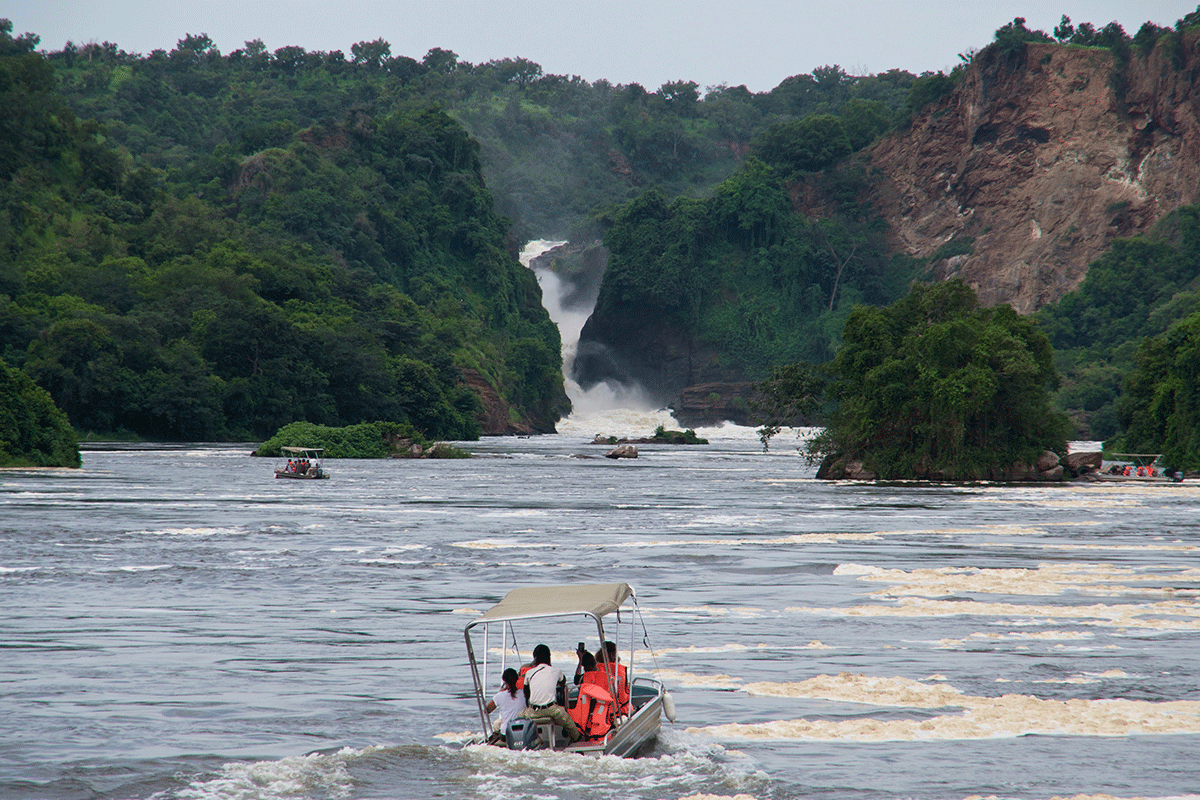
Return to the lodge before evening when practical. The day combines Uganda wildlife safari highlights with a scenic river experience, which is why Murchison deserves more than a drive-through stop. Ask the lodge about quiet hours and appropriate walking arrangements after dark; wildlife may move near unfenced properties. Dinner and overnight near Murchison Falls, ready for an early inter-park transfer tomorrow.
We can help align the afternoon boat schedule with your lodge position and morning drive so you spend time exploring rather than waiting for transfers.
Day 3: The long scenic transfer from Murchison Falls to Kibale
Today is the longest and most travel-intensive part of this nine day Uganda safari. After breakfast, drive south through western Uganda toward Fort Portal and the Kibale area, allowing much of the day for the journey. Exact road times depend on the Murchison lodge, route choice, weather, roadworks and stops; avoid promises of an exact arrival hour. You may pass broad agricultural valleys, tea-growing country and views toward the Rwenzori foothills. A sensible itinerary includes comfort breaks, lunch and flexibility for changing road conditions.
Because this is mainly a transfer day, resist the temptation to book several guided excursions along the route. A short viewpoint stop or market purchase can add interest, but no guide should plan an evening forest trek after a long road journey. The road trip to Murchison Falls National Park and the onward western circuit reveal how varied the country is; give yourself permission to enjoy scenery rather than measuring the day solely in kilometers. Keep snacks, medication and a charged phone accessible inside the vehicle.
Arrive near Kibale with time to check into your forest-edge lodge and prepare for tomorrow’s chimpanzee activity. Confirm the meeting location, briefing time, identification needed and whether your permit is assigned to a morning or afternoon session. A late dinner, heavy drinking or poor sleep can make a forest hike harder than necessary. Overnight near Kibale National Park, where bird calls and shaded gardens are often part of the accommodation experience.
Day 4: Kibale chimpanzees and onward to Queen Elizabeth
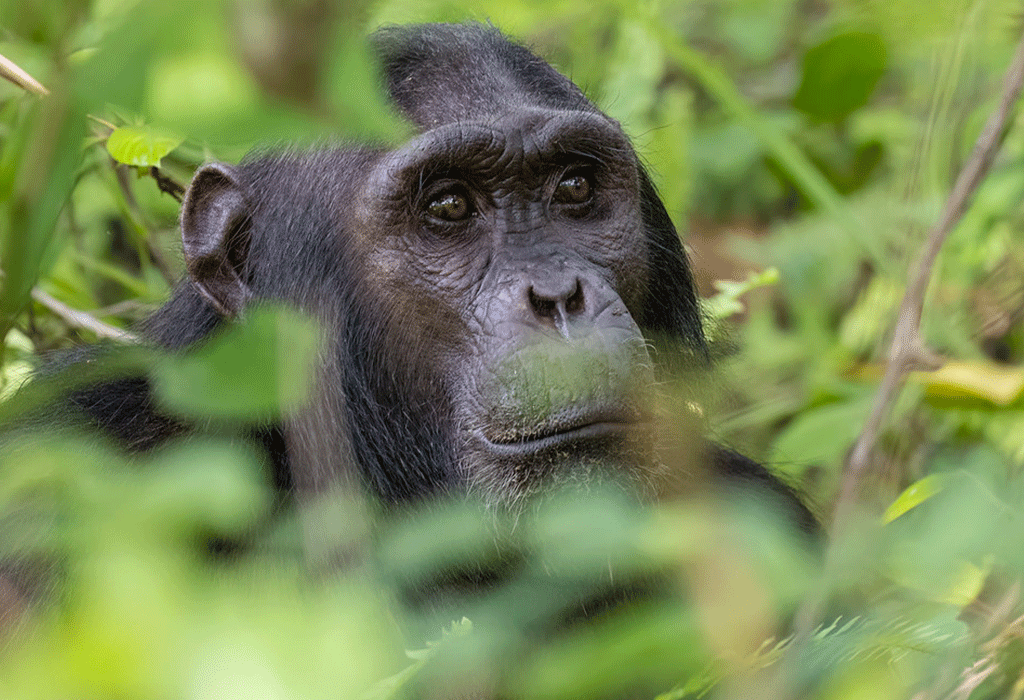
Follow your ranger into Kibale’s tropical forest on the scheduled chimpanzee trekking in Kibale Forest outing. Chimpanzees move quickly and may spend much of their time above the path, so the encounter feels different from a vehicle-based game drive. Listen for pant-hoots, movement in the canopy and brief calls from the tracking team. Footing can be slippery, and even a relatively short walk may demand attention on roots and slopes. Photography is best when you have a fast lens and realistic expectations about forest light.

The permit is specific to a date and activity; a driver-guide should confirm how to book chimpanzee trekking permits before the safari starts. Follow rules on distance, illness, food and noise. Do not try to attract chimpanzees with calls or food. As with gorillas, the wildlife is neither trained nor guaranteed to appear at close range. A forest visit that respects chimpanzee behavior contributes more to conservation than a rushed photo opportunity.
A visit to Bigodi Wetland Sanctuary may suit travelers who have a free afternoon and are staying another night near Kibale, but it is not automatically included in this nine-day version. After the chimpanzee session, have lunch and travel toward the Queen Elizabeth area. The road brings broad views of crater-lake and savannah landscapes, with the Rwenzori Mountains sometimes visible in clear weather. Check in near the section of the park chosen for tomorrow’s drive and boat cruise.
It is important not to stack an ambitious wetland walk, a long chimp session and an evening game drive into one tightly scheduled day. This is a nature-focused holiday, not an endurance competition. If the assigned chimp permit is in the afternoon, the operator may need to shift the following activities or add a night. Make that adjustment before confirming hotels, because permits and park activity schedules take priority over marketing descriptions.
Day 5: Queen Elizabeth game drive and Kazinga Channel wildlife
Travel early into the main game-viewing area of Queen Elizabeth National Park. The park includes grasslands, woodland, wetlands and distant volcanic landscapes, each with different wildlife possibilities. Your guide may search for elephants, buffalo, Uganda kob, warthogs and birds of prey. Lions are sometimes seen, but their presence at a particular location cannot be promised. Set aside time for quiet observation: an elephant family feeding or a well-camouflaged owl can make the drive as memorable as a headline predator sighting.

The afternoon is reserved for a Kazinga Channel boat cruise, generally one of the trip’s richest opportunities to watch animals around water. Hippos may be visible in groups, crocodiles can rest on the shore, and buffalo or elephants sometimes come to drink. Waterbirds are abundant, making binoculars useful even for travelers focused on mammals. Follow the boat crew’s instructions and remember that wildlife can change position quickly. Do not stand up for a photograph unless the operator says it is safe.

The combination of road and boat viewing is a defining feature of the Uganda wildlife safari. Vehicle routes allow you to search the grasslands; the channel reveals how animals use the water during the day. Travelers interested in birdwatching can ask the guide to identify kingfishers, herons, storks and other species without adding another excursion. A boat schedule may change with water conditions or operator decisions, so keep the afternoon flexible and avoid promising particular animal counts.
Return to your lodge for a relaxed evening. If you have time, discuss the next morning’s passage through the Ishasha sector and how it connects to Bwindi. Your exact journey will depend on the chosen gorilla trekking sector; selecting a lodge purely because it looks close on a map can create an unnecessarily long trip to the designated trailhead. Overnight near Queen Elizabeth National Park.
Day 6: Ishasha tree-climbing lions and onward to Bwindi
Drive south through the Ishasha sector, where open plains, fig trees and seasonal rivers create a different atmosphere from the central Queen Elizabeth circuit. This area is associated with tree-climbing lions of Ishasha, but seeing one resting on a branch is a matter of luck and weather, not a guaranteed stop. Lions may be on the ground, hidden in tall vegetation or elsewhere in their territories. A good guide makes the drive enjoyable even if no lion appears in a tree.

After the wildlife search, continue toward Bwindi, passing cultivated hills and increasingly green highland scenery. The drive can be slow, especially in wet weather or when the selected trek sector lies further from Ishasha. Uganda’s mountain roads are not well represented by straight-line distances; choose the overnight lodge only after the permit sector is known. The gorilla sectors in Bwindi differ in access points, available accommodations and transfer implications, even though they all protect important gorilla habitat.
Arrive at your lodge, settle in and sort a small trekking bag with water, waterproof layers, gloves if you prefer them, a camera and appropriate boots. Ask about the reporting time and driving distance to the official briefing point. A quiet evening is sensible before the most physically variable excursion of the journey. In a 9 days Uganda safari, this preparation is more valuable than adding an extra long optional walk.
Day 7: Mountain-gorilla trekking in Bwindi Impenetrable Forest
This is the signature day of the Uganda gorilla trekking safari. Attend your park briefing with the required identity documents, listen closely to the rangers and follow the assigned guides into the forest. The hike can involve steep slopes, tangled vegetation, damp ground and changing weather. Some groups find gorillas relatively quickly; others walk for several hours before the encounter. The gorilla trekking difficulty depends on terrain, the gorillas’ movements and individual fitness, so it is impossible to promise an easy trek or an exact finishing time.

When your group reaches the gorillas, remain quiet, keep the distance specified by the rangers and avoid sudden movement. Under standard trekking rules, visitors usually have a maximum of one hour observing a habituated group once contact is established, subject to ranger instructions and welfare considerations. Never offer food, imitate gorilla behavior or use a flash. The animals may feed, rest, groom or disappear into vegetation while you watch. The experience is powerful precisely because it unfolds on the gorillas’ terms.
Your booking Bwindi gorilla permits arrangements must be complete before travel, particularly for busy dates. Travelers should understand the gorilla tracking age limit and disclose illness before tracking, since protecting gorillas from human infection is essential. Hiring a porter is often a practical way to lighten the hike and support community livelihoods. Comfortable gloves, gaiters and what to wear on a gorilla trek matter far more than stylish safari clothes for this part of the trip.
After returning from the forest, have a late lunch and rest. This is not the evening for a mandatory long-distance transfer, especially if the trek finishes late or the trail has been demanding. Enjoy the forest-edge lodge, share photographs and reflect on how guide training, visitor limits and local participation underpin conservation. The ethics of gorilla trekking deserve consideration, and responsible visitors avoid demanding a closer approach or extra viewing time. Overnight near Bwindi.
Share your intended travel month so we can coordinate the correct Bwindi sector, lodge and permit date before planning the surrounding road transfers.
Day 8: From Bwindi to Lake Mburo National Park
Leave Bwindi after breakfast and begin the journey east toward Lake Mburo National Park. The highland scenery gradually gives way to open valleys and more pastoral landscapes. This is another meaningful transfer, although it is generally less demanding than the long Murchison-to-Kibale day. Allow time for lunch, comfort stops and changing road conditions. Guests who prefer a slower pace might choose to remove one major park or extend the entire route by a day rather than squeeze another attraction into this afternoon.
Lake Mburo is an attractive final stop because its wildlife is different from the gorilla forest. Depending on where you drive and the season, you may observe zebras, impalas, buffalo, warthogs, giraffes and a wide variety of birds. The wildlife in Lake Mburo National Park is not a copy of the Murchison or Queen Elizabeth experience; more intimate landscapes and smaller circuits make careful observation rewarding. Ask your guide for a gentle late-afternoon drive if your arrival time, park rules and energy permit.

Settle into a lodge inside or near the park. Some properties have expansive valley views, while others are closer to activity meeting points. Confirm whether a guided walking safari has been reserved for the next morning, since such walks require an authorized ranger and cannot be undertaken independently. A quiet evening at Lake Mburo allows you to appreciate the softer end of your nine day Uganda safari before returning to the city.
Day 9: Lake Mburo walking safari and return to Entebbe
Begin with a scheduled ranger-led nature walk in Lake Mburo National Park if appropriate for your group. Walking reveals small details often missed from a vehicle: tracks, grasses, insects, bird calls and the behavior of grazing animals. Visitors must follow the ranger’s pace and instructions, and the route may change according to wildlife movements. If mobility, weather or timing makes a walk unsuitable, a shorter vehicle excursion or a leisurely breakfast can be a better option.
Continue toward Entebbe, with a possible photo stop around the Uganda Equator if the selected route and traffic permit. This is a good chance to reflect on the landscapes crossed during the nine days, from northern savannah and Nile wetlands to western forest and the southern highlands. The drive can take much of the day, especially around Kampala. Do not schedule a flight with little margin for traffic or unexpected road delays; a late departure or extra Entebbe night is preferable.
The tour normally ends at a prearranged Entebbe hotel or airport drop-off. If your international flight departs early, reverse or redesign the route rather than assuming a dawn transfer from Lake Mburo will always be safe and punctual. A tailored Uganda safari itinerary should work with actual flight times, not against them. Your guide can explain which activities are easiest to shorten if needed, with major primate permits protected first.
Practical planning: permits, seasons and travel conditions
Permits for a 9 days Uganda safari
The two permits to prioritize are the gorilla tracking permit for Bwindi and the chimpanzee tracking permit for Kibale. Both are limited by date and visitor capacity, and neither should be described as available until confirmed by the appropriate booking channel. Publicly advertised permit prices can depend on nationality or residency, travel month and tariff period. As of late 2026, the widely quoted foreign nonresident standard gorilla permit is US$800, but changes, seasonal promotions and future-dated tariffs make confirmation essential before payment.
The published chimp trekking price and cost has also changed over time. For planning, request a dated written quote that identifies the permit class, official charge, booking conditions and what happens if the preferred date is sold out. A gorilla permit generally covers the guided gorilla trekking activity, not the whole safari vehicle, accommodation or inter-park transport. Do not assume discounted permits can be freely moved to another date. Keep names and passport details consistent with the official booking records.
Best time to travel and what weather changes
Uganda can be visited throughout the year. June to September and December to February are commonly favored for drier trekking conditions in many regions, while wetter months can bring lush scenery, dramatic clouds and muddy trails. The best time to trek mountain gorillas is not necessarily the best time for every other activity: wildlife viewing, lodge demand and budget all matter. In Bwindi, rain can occur even during relatively dry months, so waterproof clothing should be treated as standard equipment rather than an emergency extra.
Weather also affects the longer roads and the comfort of forest hikes. Check the weather conditions in Bwindi forest close to your travel date, and allow your guide discretion to revise the order of optional stops. Park operating rules and boat departures can change after heavy rain. Keep one flexible afternoon wherever possible rather than prepaying every available excursion. Travelers who want the highest comfort may consider select domestic-flight options, although those change the shape and price of this road-based itinerary.
Accommodation, transport and expected budget
A private four-wheel-drive safari vehicle with a knowledgeable driver-guide is the most convenient way to connect these parks. Expect a mix of paved roads and rougher stretches near some lodges, with substantial driving days. A vehicle with good sightlines is useful during game drives, but comfort, maintenance and sufficient luggage space are equally important. Confirm whether the quote includes fuel, driver accommodation, park entry fees and scheduled activity transfers. A Uganda gorilla trekking safari can use different vehicle types depending on group size and road conditions.
Accommodation can range from simple guesthouses and tented camps to luxury safari lodges with private decks and scenic views. For each stop, distance to the relevant park gate or activity meeting point often matters more than star-rating language. Ask whether rooms are twin or double, which meals are included, and whether the property is inside the protected area or outside a gate. Power supply, hot water arrangements and mobile connectivity can vary; that is part of travel logistics worth understanding before you arrive.
The price of a Uganda wildlife safari depends heavily on group size, season, lodge class, vehicle and permit category. Quoting a single universal nine-day cost would be misleading, especially where gorilla and chimpanzee permits are substantial components. Ask for an itemized proposal separating park charges, activities, accommodation, transfers and optional extras. Also distinguish per-person rates for two people sharing from solo-traveler rates, and check whether credit-card fees or government levies are included.
Common exclusions may include international flights, visas where applicable, travel insurance, beverages beyond the meal plan, porter fees, gratuities and extra activities. A clear quote should also identify cancellations and the status of primate permits. Travelers exploring an alternative route may consider a fly-in safari to Bwindi, but a domestic flight does not eliminate the ground transfers needed to reach a specific trekking sector. The best safari design is the one that protects your priority activities while remaining comfortable and financially transparent.
Request a day-by-day proposal showing the selected lodges, exact included activities, permit status and practical transfer plan before committing.
What to pack for a nine day Uganda safari
Pack lightweight, breathable clothing in comfortable earth tones for game drives, plus a warm layer for cool mornings and mountain evenings. Bring well-broken-in waterproof hiking boots for Bwindi, sturdy socks, long trousers and a breathable rain jacket. Forest vegetation can catch bare skin, so long sleeves and gardening-style gloves may help during trekking. A small daypack should hold water, snacks permitted by the guide, camera protection and personal essentials. The chimpanzee and safari packing guide principles apply equally to Kibale and the rest of the circuit.
- Travel documents, travel insurance details and copies of confirmed trekking permits.
- Binoculars, camera batteries, charging cables and a waterproof pouch.
- Sun protection for open savannah days, plus a hat and refillable drinking bottle.
- Personal medication and insect repellent recommended for your itinerary.
- A compact bag for muddy footwear and an additional change of socks after forest walks.
Responsible safari travel and realistic expectations
Responsible tourism begins with following park rules, allowing animals space and respecting the people who live around protected areas. Do not feed wildlife or encourage a vehicle to leave permitted tracks for a photograph. In forest environments, staying home from primate tracking if you are unwell can be a necessary act of conservation. Local communities, rangers and porters make these protected landscapes accessible, and a thoughtful visitor recognizes their work rather than treating every interaction as part of a purchased spectacle.
The answer to is gorilla trekking in Uganda safe includes practical behavior as well as conservation management. Follow licensed guides, disclose relevant health or mobility issues, and avoid attempting independent excursions in protected wildlife habitat. Weather can make paths slippery; choose footwear and a pace that fit your abilities. A well-designed safari includes downtime after hard activities and does not turn the final hours of a gorilla trek into an urgent race to the next hotel.
Frequently asked questions about a 9 days Uganda safari
Can nine days include both gorillas and chimpanzees?
Yes, provided both permits are confirmed and the routing is arranged around their assigned dates. This itinerary places Kibale on Day 4 and Bwindi on Day 7, with overnight stays near each trekking area. You should not assume a permit is available merely because a tour page advertises a nine-day departure. If your dates are flexible, book the primate permits first and build the road journey around them.
Is this nine day Uganda safari suitable for children?
Many vehicle-based activities can be enjoyed by families, but regulated primate tracking has specific minimum ages and may require considerable stamina. Rules differ among activities, so disclose every traveler’s age when requesting a quotation. The long road days can also be tiring for younger children. Families sometimes benefit from a longer itinerary, fewer park transfers or an adjusted program with more rest days.
How many nights are spent near each major park?
This sample itinerary typically uses two nights near Murchison Falls, one near Kibale, two around Queen Elizabeth, two near Bwindi and one near Lake Mburo. The exact lodge distribution can change if a permit is scheduled for a different session or an arrival flight requires an extra Entebbe night. Staying in the correct Bwindi sector is particularly important for a smooth trekking morning.
Can Lake Bunyonyi be added to the itinerary?
Yes, a visit to Lake Bunyonyi is a beautiful extension after Bwindi, but fitting it comfortably into nine days usually means shortening or removing another stop. Travelers especially interested in lakeshore relaxation may prefer ten or eleven days. Avoid presenting the lake as a free extra when it adds driving time, lodging and a different onward route to Entebbe.
How far in advance should I book?
Reserve as early as reasonably possible for preferred gorilla and chimpanzee dates, especially during popular travel months and when your dates are fixed. Lodge choices can narrow around certain trekking sectors. The best booking window varies by season and permit inventory; a live confirmation is more reliable than a generic promise of availability. Review passport information, payment and cancellation conditions before deposits are made.
What happens if weather disrupts the journey?
A competent local operator will prioritize safety and communicate realistic options. Rain may slow roads, change park routes or make hiking more strenuous. Optional stops can sometimes be moved, but official primate permits are tied to particular rules and dates. Travel insurance and written operator terms are important, and guests should not assume every canceled activity is automatically refundable. Building sensible margins into the route reduces disruption.
Plan your 9 days Uganda safari with confidence
The best version of this Uganda safari itinerary combines ambition with honest pacing. Over nine days you can see white rhinos at Ziwa, explore the Nile landscapes of Murchison Falls, listen for chimpanzees in Kibale, search Queen Elizabeth for savannah wildlife, walk in Bwindi’s gorilla habitat and finish with quieter scenery at Lake Mburo. Each park asks for a different kind of attention; together they form a rewarding introduction to Uganda’s wildlife and geography.
Before booking, choose your ideal travel window, agree on a reasonable lodging category and ask for a written plan showing exact trekking dates and travel stages. Confirm what is included, which fees may change and how the itinerary will be adjusted if a preferred permit is unavailable. A 9 days Uganda safari should feel adventurous and purposeful without pretending that roads, weather or wild animals can be scheduled to the minute.
Send your proposed dates, group size and accommodation preference for a tailored nine-day plan with permit checks and a transparent quote.