
Rwanda Safari Key Considerations

Rwanda Safari Planning Guide
Rwanda Safari: 21 Key Considerations Before You Book
A Rwanda safari brings together misty volcanic mountains, unforgettable primate encounters, savannah wildlife, vibrant city life and tranquil lakes. Yet the trip that looks perfect in a photograph can feel very different in practice if the permit date, driving days, weather or activity demands are poorly matched. This guide helps you choose where to go, when to travel, what to budget and how to keep the journey enjoyable rather than rushed.
The one decision to make first: identify your most important wildlife experience, then secure any limited permit before arranging the rest of your Rwanda safari. A good itinerary grows around what you actually want to see, not around an unnecessarily long list of destinations.
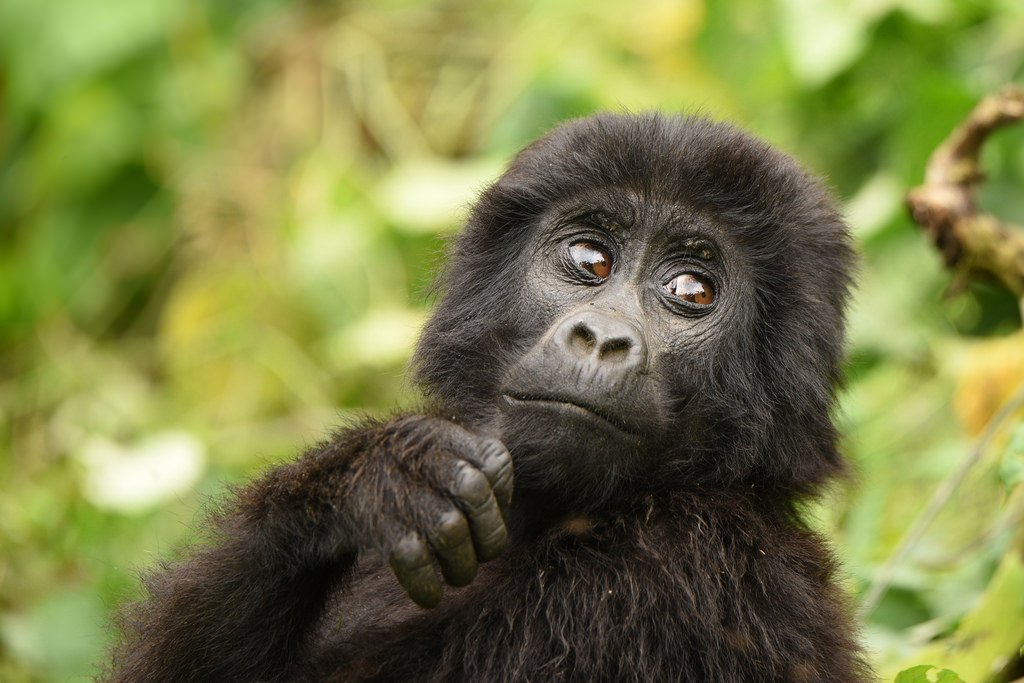
1. What Makes a Rwanda Safari Different?
A Rwanda safari can combine a remarkable range of landscapes in a relatively compact country. Volcanoes National Park protects high-altitude mountain gorilla habitat, Akagera holds lakes, wetlands and savannah wildlife, while Nyungwe preserves ancient rainforest and chimpanzees. Kigali connects the main circuits, and Lake Kivu offers a gentle ending. Instead of assuming that every safari means a vehicle on open grassland, decide whether your journey should emphasize encounters on foot, traditional game drives, scenery or a balanced mix.
The strongest routes do not necessarily visit every park. They place the most demanding or scarce activity first, protect enough nights around that activity and then add destinations that feel genuinely different. A traveler with four days may favor a focused gorilla itinerary; someone with ten days can include forest, lakes and open-country wildlife. Think in actual sightseeing hours rather than straight-line distances.
2. Set Your Wildlife Priorities Before Choosing Parks
Gorillas attract much of the attention, but choosing only by the most recognizable animal can leave a trip feeling one-dimensional. List your top three interests: mountain gorillas, golden monkeys, lions and elephants, chimpanzees, birdlife, photography, hiking or cultural encounters. Next, match each to the habitat where it is most realistic. Rwanda is particularly rewarding when travelers recognize the difference between a rainforest trek and a savannah game drive.
If photographing big mammals is your main priority, give Akagera at least two nights rather than treating it as a hurried day trip. If primates matter most, dedicate several nights to Volcanoes and Nyungwe, allowing a little flexibility for conditions and road journeys. Families should check activity age restrictions before building excitement around a trek. Couples and private groups may prefer slower, longer stays that permit time to enjoy lodge grounds, local food and changing light.
3. Plan Volcanoes National Park Gorilla Trekking Early
Gorilla trekking is the anchor activity for many Rwanda visitors. The morning begins with registration and a briefing, after which visitors travel to a trailhead and hike under ranger guidance to a habituated gorilla family. Walking time varies because the animals move and trail conditions change. The encounter is regulated, and the usual viewing period with the gorillas is one hour.
Arrange the permit before paying for flights or nonrefundable lodges. Confirm the date, full traveler names, relevant visitor category and any conditions associated with the reservation. Sleeping around Musanze or Kinigi the night before the trek makes the early reporting process easier. Put an easy activity after the trek rather than a tightly timed international departure.
4. Understand Gorilla Permit Prices and Rules
The published Rwanda Development Board booking portal lists USD 1,500 for a foreign visitor gorilla permit, with different categories and promotional conditions for eligible residents and African or East African citizens. The portal also gives a minimum participant age of 15 and an early morning reporting requirement. Eligibility depends on valid supporting documents, and promotions may exclude specified peak months.
A gorilla permit is not the entire safari price. Budget separately for a guide or vehicle, lodging, meals, airport transfers, suitable clothing, porter services where offered and personal expenses. Ask whether a quotation clearly includes the permit and whether it is already secured rather than merely requested. Read refund, postponement and cancellation terms carefully. A professional operator should explain what is confirmed, what remains provisional and what happens if a flight changes.
Secure Your Gorilla Trekking Date
Tell us your dates, preferred parks and group size for a practical itinerary with clear inclusions.
info@ugandarwanda-safaris.com
5. Choose the Best Time to Visit Rwanda
Rwanda can be visited throughout the year, but the experience changes with rainfall. June through September is generally a drier, high-demand period, and December through February often provides another comparatively dry window. March to May usually receives heavier rains, while October and November bring a shorter wet season. These patterns are useful for planning but do not guarantee dry days in montane forest.
For Akagera, drier conditions can make some animals easier to find near dependable water and improve visibility in shorter vegetation. The rainy season brings rich green scenery, dramatic skies and potentially rewarding birding. Photographers may prefer softer light and fewer vehicles even when paths are less convenient. If combining destinations, prioritize the activity most sensitive to timing or scarce capacity, then let flexible game drives and relaxation days fit around it.
6. Make the Most of Akagera National Park
Akagera is Rwanda’s principal destination for classic savannah game viewing. Its combination of grassland, wooded hills, lakes and papyrus wetlands supports elephants, buffalo, giraffes, antelopes, hippos, crocodiles and predators, with rhino sightings possible but never assured. A proper game drive lets a guide interpret tracks, feeding patterns and habitat rather than racing from one reported sighting to another.
Ask your operator which entrance and accommodation location best suit the intended route, and whether boating or specially permitted activities are available on your dates. A lake excursion can reveal fish eagles, kingfishers, hippos and shore wildlife from a very different angle. Bring binoculars even if you own a long camera lens. Stay inside the vehicle where required, never feed animals and let your guide manage viewing distance.

7. Add Nyungwe for Chimpanzees and Rainforest
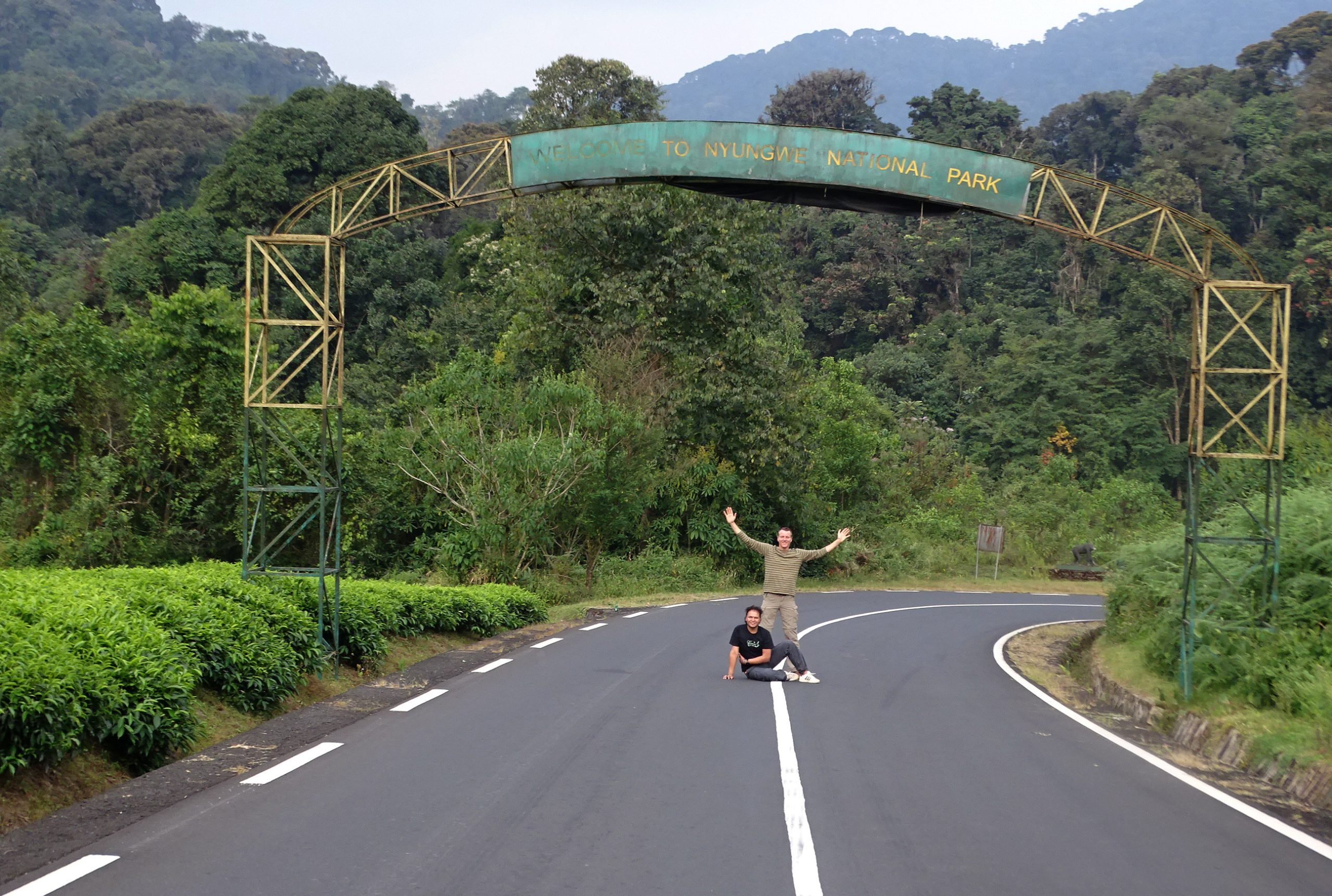
Nyungwe Forest National Park is a striking contrast to Akagera. Dense forest, steep valleys and high-elevation trails create an environment where wildlife is often heard before it is seen. Chimpanzee tracking is an active walking experience: groups may travel through the canopy or move quickly on the ground, and every outing depends on where the animals are that day.
Plan at least two nights if chimpanzee tracking is essential, and consider extra time for the canopy walkway and a guided nature walk. Check registration locations, trail difficulty, departure times and activity availability before deciding where to sleep. Some walks start early, making an arrival from the opposite side of the country impractical on the same morning. Rain protection, grippy boots and a waterproof daypack are useful even in relatively dry months.
8. Decide Whether Golden Monkey Tracking Is Worth Adding
Golden monkeys in the Virunga bamboo zone provide an energetic complement to mountain gorillas. They are smaller, social and fast moving, often feeding in vegetation that creates exciting photographic opportunities. This additional trek can appeal to primate enthusiasts or travelers who want another wildlife experience without driving to a distant park.
If you have two full mornings near Volcanoes, one can be devoted to gorillas and the other to golden monkeys, subject to availability. Choose accommodation that allows you to arrive for each briefing without rushing. Light rain gear, long sleeves and suitable shoes work for both activities, though actual walking conditions differ. Ask in advance about age requirements, guide instructions and camera restrictions.
Want Gorilla Trekking and Big Five Wildlife?
Tell us your dates, preferred parks and group size for a practical itinerary with clear inclusions.
info@ugandarwanda-safaris.com
9. Include Lake Kivu for a Slower Finish
Lake Kivu can be a welcome pause after early starts and physically demanding walks. Waterfront towns such as Gisenyi or Rubavu and Karongi offer lakeside scenery, boat excursions and time to enjoy a more relaxed part of Rwanda. This is not a substitute for gorilla or savannah viewing, but it adds variety to the emotional rhythm of a safari.
Choose the lakeside base according to the direction of your route and the quality of your onward connections. Ask about the safety and local authorization of any boat trip, and follow current guidance on swimming and water activities instead of assuming every shoreline is suitable. Travelers who are photography-focused may enjoy the evening light and fishing boats, while families may value a restful afternoon.

10. Use Kigali as More Than an Airport Stop
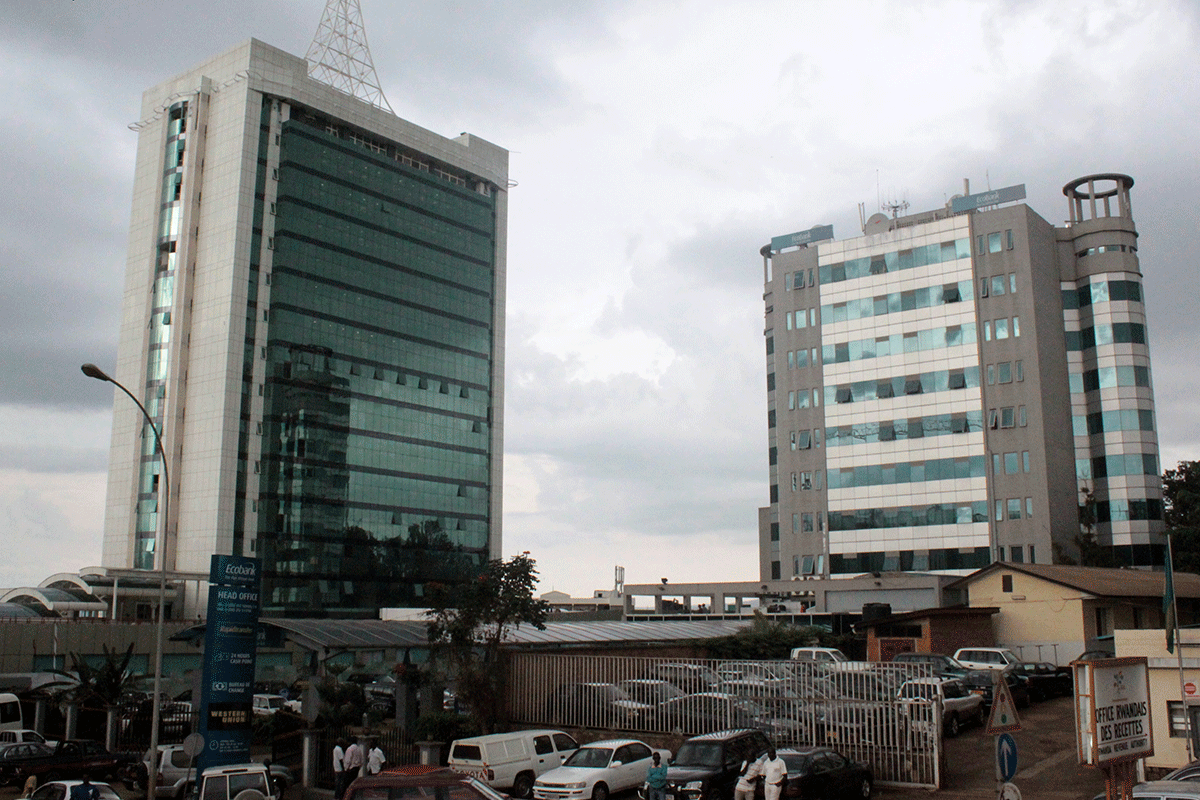
Kigali is usually the most practical gateway for a Rwanda safari, but it deserves considered time rather than being treated as a transfer point. Depending on interests, a city day can include museums, art spaces, markets, cafés and respectful historical learning at the Kigali Genocide Memorial.
An overnight stay at the start is useful after a late international flight and gives time for unexpected luggage or connection delays. Another night before departure can reduce the risk created by a long transfer on the final day. Confirm the travel time to your actual hotel and departure terminal, not only the airport-to-city distance.
11. Choose the Right Number of Safari Days
Three or four days can work for a focused Kigali and Volcanoes trip when the permit date is secured and transfers are well arranged. Five to seven days provides room to include Akagera or Lake Kivu as a contrasting experience. Eight to ten days can connect the major wildlife habitats at a sensible pace, while longer journeys may add relaxed cultural stops, extra photography sessions or an Uganda extension.
When evaluating a suggested schedule, count actual mornings available for activities. A two-night stay typically provides only one complete day between arrival and departure. Consider fatigue after international flights and at least one flexible evening before the gorilla trek. If a proposal says four parks in five days, ask what you would miss by removing one park.
12. Build a Logical Seven-Day Rwanda Safari
One workable seven-day concept begins with arrival and rest in Kigali, continues to two nights in Akagera for game drives and possible water-based viewing, returns through Kigali toward Volcanoes, and allows a full morning for gorilla trekking. A final lake or Kigali day can provide recovery before the onward flight. The precise order should change according to permit availability, seasonal road conditions, flight schedules and accommodation.
Travelers who prefer chimpanzees over savannah wildlife could substitute Nyungwe for Akagera, though this changes transfer lengths and the overall route. A nine- or ten-day itinerary can potentially combine all three national parks without demanding a new lodge every night. Always check whether the quoted itinerary counts the arrival and departure days as safari days.

13. Budget for the Real Total Cost
Rwanda safari costs depend on more than the hotel category. Major components can include permits, park fees, guiding, vehicle hire, fuel, accommodation, meals, domestic services and optional excursions. Gorilla trekking often represents a substantial fixed portion of a primate-focused trip. Prices also change with room occupancy, whether transport is private, seasonal demand and the number of travel companions sharing costs.
Request an itemized quotation in one clearly stated currency. Check whether the package includes airport collection, park entry, boat trips, porter costs, drinking water, tips, taxes and any activities advertised in the itinerary. Ask for the deposit schedule and what refund or replacement arrangements apply if a service becomes unavailable.
Get a Rwanda Safari Budget That Adds Up
Tell us your dates, preferred parks and group size for a practical itinerary with clear inclusions.
info@ugandarwanda-safaris.com
14. Compare Luxury, Midrange and Value Lodges
Luxury Rwanda lodges can offer spectacular settings, private guiding arrangements, high staff-to-guest ratios and extensive facilities. Midrange properties may deliver excellent comfort and local atmosphere without the same price premium. Budget-friendly guesthouses can serve travelers who mainly need clean accommodation close to an early trek meeting point.
Ask how long it takes to reach your briefing location, whether breakfast is served early, what meal options are available and how wet hiking gear can be dried. On game-drive days, proximity to the park gate affects how long you spend seeing wildlife rather than commuting. Consider room accessibility if steps, slopes or stairs are difficult. If traveling in a family, confirm room arrangements and activity-specific age rules in writing.
15. Understand Road Transfers and Vehicle Choices
Rwanda’s main road network makes a multi-stop trip feasible, but journey times depend on curves, hills, traffic, weather and stops. A transfer from Kigali toward the Volcanoes region is generally manageable in part of a day, but it should not be scheduled as though there are no interruptions. Nyungwe is farther from the main northern gorilla circuit, so a complete route needs careful sequencing. Ask a planner to list expected driving hours on every travel day rather than giving only distances.
A private vehicle offers flexibility for photography and unplanned stops, while shared transport can be more economical. A proper safari vehicle or suitable four-wheel-drive may matter on park tracks, especially after rain. Verify luggage capacity, seating and whether each passenger has an acceptable view. Confirm where your driver and guide meet you after parks or border changes. For longer trips, a rest stop in Kigali or near Lake Kivu can make the day more enjoyable than attempting an exhausting cross-country transfer.
16. Check Visas, Passport Validity and Entry Rules
Entry requirements vary according to nationality, residence, transit points and intended travel dates. Confirm your exact situation with Rwanda’s official immigration authorities and your airline before departure, including visa eligibility, passport validity and any entry forms. Do not assume that rules described by another traveler apply to your passport. If visiting more than one country, determine whether an East African regional tourist visa is suitable for your itinerary; the arrangement does not automatically cover every destination in East Africa.
Keep electronic and offline copies of passport details, travel insurance, hotel bookings, permit confirmation and your operator’s contact numbers. Where health certificates or other documents are required, verify the policy that applies to your route and origin rather than a generic checklist. If a trip crosses into Uganda, border handovers and new activity permits must be planned separately. Requirements can change after a booking is made, so check them again shortly before your flight.

17. Prepare for Health, Fitness and Altitude
Gorilla and chimpanzee trekking may involve slippery roots, uneven paths, thick vegetation and sections of steep climbing. A basic fitness routine involving walking on hills and stairs can make the experience more comfortable, but no exercise program guarantees an easy trek. Tell the operator in advance about mobility constraints and ask about available assistance or porter options. Rangers determine how groups approach animals, and visitors should follow all health and viewing-distance instructions to protect the primates.
Consult an appropriate travel-health professional well before departure about vaccinations, malaria precautions, personal medicines and any conditions affected by exertion or altitude. Do not travel to a primate activity while ill without asking the park authority for guidance, because great apes are susceptible to human infection. Drink safe water, protect yourself from sun exposure and pace walks responsibly. Insurance should include the activities you intend to undertake, and coverage for medical evacuation deserves particular attention in remote settings.
18. Pack for Both Rainforest and Savannah
The most useful clothing strategy is layering. A warm top suits cool highland mornings, while breathable shirts are comfortable during warmer drives. Pack broken-in walking boots with good grip, long trousers, long sleeves, a waterproof jacket, a hat and practical socks. Gloves may help when navigating vegetation under ranger instructions. For Akagera, bring sun protection, binoculars and a neutral-colored outfit that stays comfortable in a vehicle for several hours. Avoid assuming Rwanda will always feel hot because it is near the equator.
A compact daypack can hold water, a snack where permitted, rain protection, a camera and spare batteries. Protect devices in dry bags or waterproof sleeves and leave space for muddy footwear after the trek. If using regional or small aircraft, confirm baggage allowances and bag dimensions before departure. Ask the lodge about laundry so you do not overpack. Comfortable equipment makes the trip smoother; expensive specialist clothing is less important than footwear you know fits and layers that work in changing weather.
Let Us Shape Your Route Around Your Dates
Tell us your dates, preferred parks and group size for a practical itinerary with clear inclusions.
info@ugandarwanda-safaris.com
19. Plan Photography Without Disturbing Wildlife
Rwanda provides distinctive photographic subjects: misty slopes, gorillas in vegetation, moving golden monkeys, birds in forest shade, open savannah mammals and lakeside light. Camera expectations must match the environment. Forests can be dark, and action happens quickly; a camera capable of handling low light is helpful, but patience and respectful positioning matter more than technical perfection. Flash and distance restrictions may apply during primate encounters, so follow your ranger instead of trying to direct the animals.
Pack spare batteries and memory cards and protect your equipment from rain, dust and humidity. A longer lens helps on game drives, while a wider view can convey the scale of a volcanic forest or group setting without intruding on wildlife. Keep phones on silent when requested and never block a ranger or another visitor for a photograph. If photography is your highest priority, discuss group size and guide approach before choosing between a shared and private safari vehicle.
20. Consider Culture and Community Experiences
Rwanda’s landscapes are inhabited and worked, and a meaningful safari can include food, craft traditions, art, farming and contemporary city life. Look for community experiences offered by hosts who choose how they welcome travelers and benefit from participation. Ask permission before photographing people and follow local advice about respectful dress and private spaces. Do not approach a community visit as a staged spectacle or assume that every group shares identical traditions.
A cultural afternoon may fit well after a less demanding morning or between long wildlife days. Visiting Kigali’s museums can offer deeper context, but sensitive historical sites need appropriate time and attention. Ask about where fees go and whether guides are local to the area. Buying directly from identified craftspeople may be a more responsible gesture than distributing gifts to children. These small choices help the journey create value beyond park entrances and lodge stays.
21. Travel Responsibly in Protected Areas
Wildlife tourism supports conservation best when visitors respect the rules that make encounters possible. Do not feed animals, leave marked tracks without authorization, throw litter or pressure guides to get closer than permitted. Gorilla trekking has particularly important rules because habituated primates can be stressed or exposed to human disease. A tranquil encounter viewed from the required distance can be far more memorable than a risky photograph taken too close.
Ask prospective operators about guide qualifications, legal permits, waste handling, community relationships and whether wildlife encounters follow official park procedures. Favor realistic claims over guarantees of seeing the Big Five or walking only a few minutes to a gorilla family. Travelers should also reduce unnecessary single-use plastics where practical and respect local instructions for campsite or lodge behavior after dark. Responsible behavior protects both your experience and the habitat that future visitors hope to enjoy.
22. Know What to Confirm Before Paying a Deposit
A well-prepared itinerary should identify every night, lodge, transfer, planned activity, permit and inclusion. Dates and names on controlled permits should match the travelers who will use them. Confirm whether the quoted price is per person or per group, what happens if the group size changes and which expenses are due locally. Request written cancellation rules and check whether a permit is refundable or transferable under the current authority policy. Do not rely on a verbal assurance that a popular date will remain available.
Clarify emergency contacts, guide language, vehicle type, border arrangements if applicable, and whether your insurance needs to cover trekking, medical care and evacuation. Review your airline schedule alongside the final day’s road transfer, including a realistic margin for delays. Reconfirm immigration rules, health guidance, weather and park notices near departure. Good planning does not remove every unexpected event; it creates enough flexibility that changing conditions do not overturn the trip.
23. Who Should Choose a Rwanda Safari?
Rwanda particularly suits travelers who want gorilla trekking with relatively efficient access through Kigali, couples combining extraordinary wildlife with comfortable accommodation and visitors who value a mix of primates, savannah and scenic landscapes. Experienced safari travelers may enjoy how different the forest encounters feel from a Kenya or Tanzania plains itinerary. Birders and hikers can discover rewarding experiences beyond the gorilla headline. The country can also work for a concentrated short break when time is genuinely limited.
Travelers whose main priority is a large-scale migration spectacle or extended predator viewing should compare Rwanda with destinations built around vast plains ecosystems. Those working within a strict budget should examine the gorilla permit cost early and compare alternative gorilla trekking routes rather than assuming one country will always be the best value. No single safari destination does everything equally well. Choosing Rwanda works best when its particular strengths match the experiences you would most regret missing.
Rwanda Safari Frequently Asked Questions
Can you see the Big Five in Rwanda?
Akagera offers the opportunity to look for the Big Five, but sightings are not guaranteed. Spending more than one day inside the park, using an experienced guide and exploring suitable habitats improves the experience. Gorillas are not part of the traditional Big Five list; they require a separate forest trek in Volcanoes National Park.
How difficult is gorilla trekking?
Difficulty varies with gorilla movement, altitude, ground conditions and your assigned route. Some outings are relatively moderate while others involve sustained uphill or muddy walking. Comfortable hiking boots, realistic fitness preparation, a porter when suitable and honest discussion of mobility needs can help.
Is two days enough for a Rwanda safari?
Two days may allow a narrowly focused experience, depending on arrivals and permit availability, but it leaves little flexibility for delays or rest. A three- or four-day gorilla itinerary is generally less pressured. More time is necessary to experience Akagera, Nyungwe and Lake Kivu meaningfully.
Should I choose Rwanda or Uganda for gorillas?
Both offer regulated mountain gorilla encounters. Rwanda can be convenient for a shorter Kigali-based journey, while Uganda may fit travelers comparing permit costs or combining several western Uganda parks. Compare permit rules, time, budget, access and travel style rather than focusing on one figure alone.
Do I need to book a guide?
Guided park activities operate under park procedures, and a coordinated driver-guide is useful for transfers and multi-park journeys. Independent travelers should still reserve permits and confirm authorized activity arrangements. Guides can add significant value by explaining animal behavior, conservation and local context.
What is the best safari route for first-time visitors?
A first visit often works well with Kigali, Volcanoes National Park and either Akagera for classic game viewing or Lake Kivu for relaxation. With roughly eight to ten days, Nyungwe can add chimpanzees and rainforest. The route should follow confirmed permits and a manageable driving pace.
Your Final Rwanda Safari Booking Checklist
Before confirming, match your dates to the priority experience, verify gorilla and chimpanzee permits, check participant ages and practical fitness, and obtain a complete itinerary with every night and transfer shown. Make sure the quote specifies transport, park fees, meals and optional activities. Compare cancellation conditions, travel insurance and current entry rules, then recheck important details near departure. Above all, leave space to enjoy the landscapes, local hospitality and unexpected wildlife moments rather than spending every morning in transit.
The smartest Rwanda safari decision
A memorable trip is built around excellent days, not an impressive number of checkmarks. Choose your signature encounter, allow enough time around it, then add one or two contrasting places that suit your budget and energy. With a well-paced plan, Rwanda can offer a remarkable combination of close-up primate experiences, open-country wildlife and time to appreciate the land beyond the parks.
Ready to Plan a Remarkable Rwanda Safari?
Share your travel month, the number of travelers, your must-see wildlife and your preferred comfort level. Start a tailored conversation about a realistic itinerary.
info@ugandarwanda-safaris.com
Permit prices, entry rules, park procedures and travel conditions may change. Reconfirm with the Rwanda Development Board, relevant government authorities and your safari operator before paying or traveling.


